A poet and publisher, she was the Portuguese writer with the most works censored. Tried at the Plenary Court over the “Antologia de Poesia Portuguesa Erótica e Satírica” (Anthology of Portuguese Erotic and Satirical Poetry), she published “Novas Cartas Portuguesas” (New Portuguese Letters) and opened the Botequim in Graça, where she celebrated 25 April. She later became a deputy.
Culture and censorshippoetplaywrightliterary director of Estúdios Corfounder of the Botequimdeputy
Born
13 September 1923, Fajã de Baixo, São Miguel (Azores)
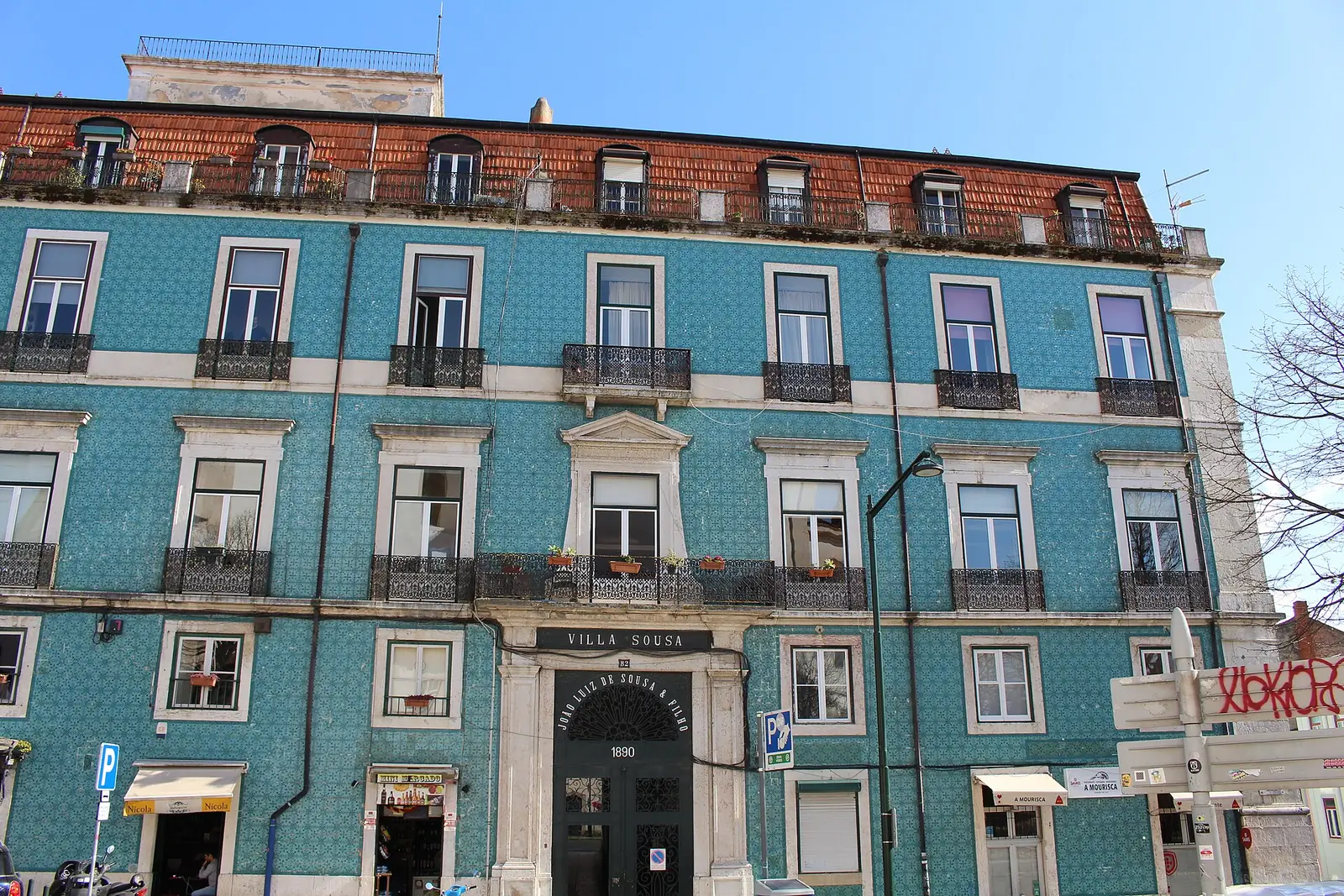
She was born in Fajã de Baixo, on the island of São Miguel, on 13 September 1923, the daughter of a schoolteacher; her father had emigrated to Brazil, and in 1934 her mother moved to Lisbon with her daughters.3 In 1945 she joined the MUD, and she later supported the presidential candidacies of Norton de Matos, in 1949, and of Humberto Delgado, in 1958; the PIDE regarded her as an “element hostile to the Institutions”.2 At a rally in Norton de Matos’s campaign, in February 1949, she took apart the triad of the Estado Novo (“New State”), “God, Fatherland and Family” (Deus, Pátria e Família).3 In 1953 she rented the 5th floor of no. 52, Rua Rodrigues Sampaio, where she lived for the rest of her life,3 and where, in the 1950s and 1960s, she hosted a salon of names from culture and literature.9 She was also part of the group of writers and artists at the Café Gelo, in the Rossio.13
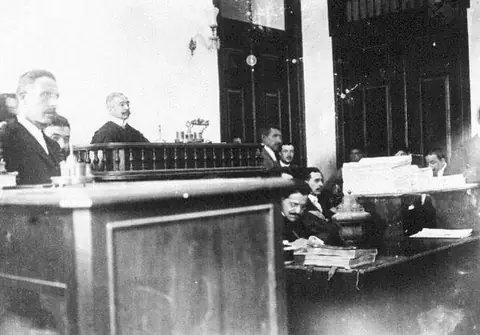
She was the Portuguese writer with the most works censored: the poetry collections Comunicação (Communication) and O Vinho e a Lira (Wine and the Lyre), and the plays O Homúnculo (The Homunculus), A Pécora (The Harlot) and O Encoberto (The Hidden One).2 In 1957 she wrote the “Queixa das Almas Jovens Censuradas” (Lament of the Censored Young Souls), which is now on the walls of the Aljube Museum,9 and, with Urbano Tavares Rodrigues, collected signatures for a manifesto of intellectuals against censorship.3 The Antologia de Poesia Portuguesa Erótica e Satírica (Anthology of Portuguese Erotic and Satirical Poetry), which she edited, was banned by the censors for its “pornographic character” and took her to trial, behind closed doors, with the publisher Fernando Ribeiro de Mello and some of the poets in the anthology.2 The case was heard at the Lisbon Criminal Plenary Court, at the Boa-Hora, from 3 June 1969 to 21 March 1970, and ended with Natália and the publisher sentenced to 90 days in prison.3
In 1971 she founded the Botequim, on Largo da Graça, where the salon then moved — with Isabel Meyrelles, Júlia Marenha and Helena Roseta, according to the Aljube Museum and FCSH+Lisboa; in a partnership with Isabel Meyrelles alone, according to O Essencial sobre Natália Correia.953 That same year she was literary director of Estúdios Cor, which in April 1972 published the Novas Cartas Portuguesas (New Portuguese Letters), by Maria Isabel Barreno, Maria Teresa Horta and Maria Velho da Costa.2 The book was seized after three days.10 Natália was named a defendant as the person editorially responsible, but the publishing house’s managing director, Romeu de Melo, took full responsibility, because she was still serving the suspended sentence for the Antologia.3 At the authors’ trial she was a witness in their favour.14 On the night of 24 to 25 April 1974 she was at the Botequim, celebrating the fall of the dictatorship.3
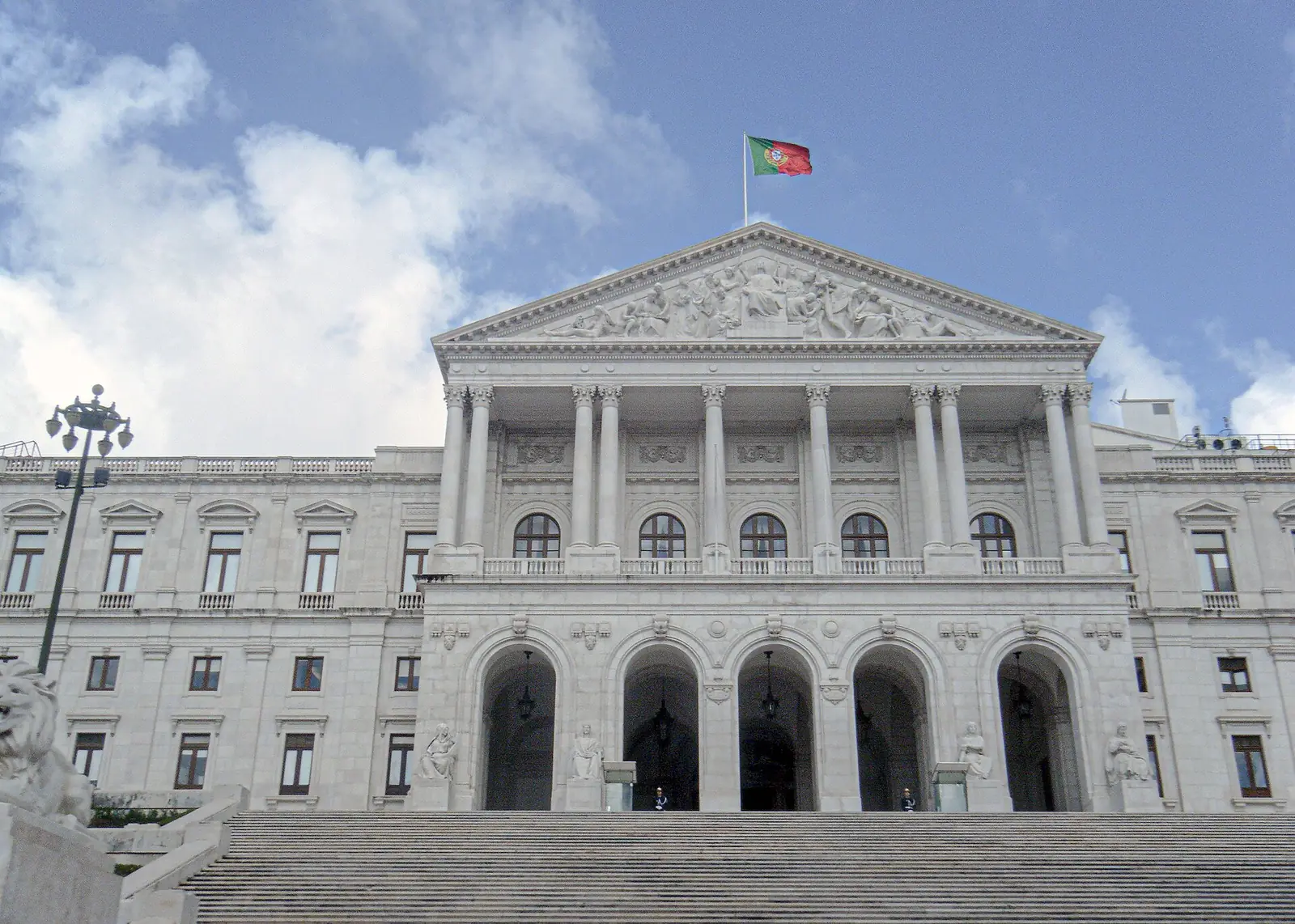
In April 1976 she edited O Século — Hoje (O Século — Today), a political supplement of O Século which the Council of the Revolution shut down at its ninth issue, on a proposal from President Costa Gomes, over articles it considered “offensive and slanderous” towards the Council and the Armed Forces.3 She was a deputy in the Assembly of the Republic, elected for Lisbon on the PSD lists (1979–1983) and, as an independent, on those of the PRD (1987–1991).2 In the first debate on abortion, in March 1982, the CDS deputy João Morgado said that the Church forbade abortion because the sexual act was “so that one may see the birth of a child”. Natália answered him with a satirical poem, handwritten on Assembly letterhead, which she passed around the benches; she did not read it in the chamber, where she was not even present that day.28 In the November vote she was the only PSD deputy to vote in favour of the PCP’s bill, which was rejected.2 On television, the series Mátria (Motherland, 1986) was devoted to women in Portuguese culture and history.311
In 1991 President Mário Soares made her a Grand Officer of the Order of Liberty.3 She died of a heart attack in the early hours of 16 March 1993, at home, after returning from the Botequim, and is buried in the Prazeres Cemetery.3 Four months later, Lisbon City Council named a street in Graça after her, near the Botequim, at the suggestion of women’s organisations.11
The 1971 recording of Natália Correia’s poem set to music by José Mário Branco, from the LP “Mudam-se os Tempos, Mudam-se as Vontades” (Times Change, Wills Change), recorded in France, in exile. The track reaches YouTube through the label’s distributor, on the singer’s automatic channel.
Original page Licença padrão do YouTube — faixa entregue ao YouTube pela Parlophone Spain (℗ 1971 José Mário Branco, em licença exclusiva à Warner Music Portugal); embed permitido (oEmbed)
Warner Music Portugal (canal «José Mário Branco – Topic», do YouTube), on YouTube. The player only connects to that site when you press “Listen”.
In other archives
These can only be viewed on each archive’s own website.
Se chegou a ser presa em 1966, como diz a Wikipédia; nenhuma outra fonte o refere.
O dia do primeiro debate sobre o aborto: 2 de março de 1982 (Assembleia da República) ou 3 de março (Polígrafo, que leu as atas). A FCSH põe a resposta a João Morgado no debate de 12 de novembro de 1982.
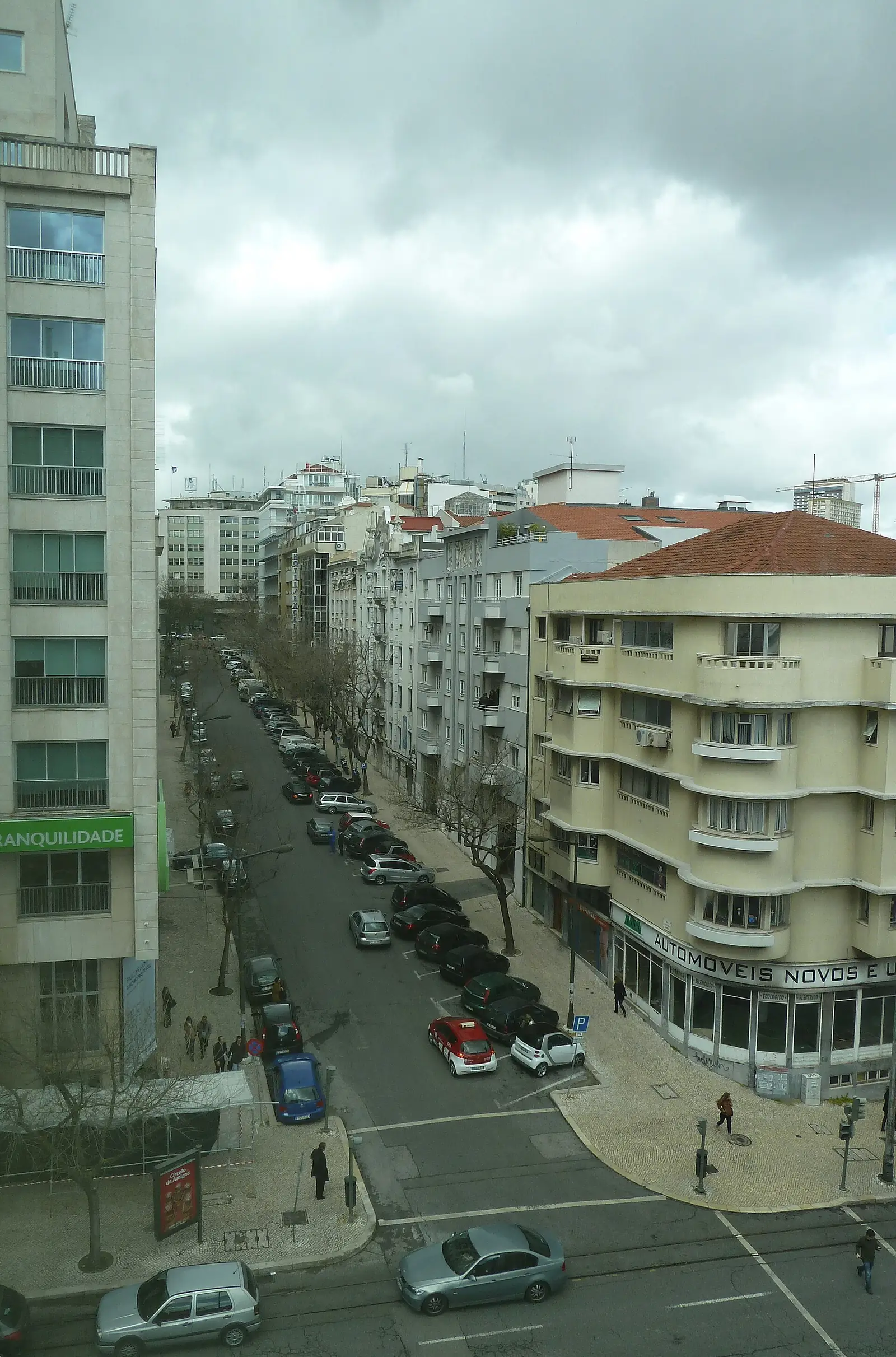
Onde ficava a Estúdios Cor, a editora de que foi diretora literária.
Do you know more, or do you have a document? Tell us.
Sources14
1Francisco Topa, A sádica nostalgia das fogueiras do Santo Ofício: o processo judicial contra a Antologia de poesia portuguesa erótica e satírica. Historiæ (Rio Grande), 6 (1), pp. 122–141; Repositório Aberto da Universidade do Porto, 2015 — consulted on 4 October 2026A partir do processo (Torre do Tombo, Tribunal da Comarca de Lisboa, 4.º Juízo Criminal, processo n.º 90/1966), diz que o julgamento devia ter começado a 3 de junho de 1969, mas que, por sucessivos adiamentos, a primeira sessão só foi a 17 de março de 1970 e a sentença a 21; Natália Correia e o editor foram condenados a 90 dias de prisão substituídos por igual tempo de multa e mais 15 dias de multa, a 50$00 por dia.
2Natália Correia. Assembleia da República — consulted on 2 October 2026