Women of the resistance
Helena Roseta
b. 1947
An architect and progressive Catholic, she spoke on housing at the Opposition Congress in Aveiro and was detained by the PIDE in 1973. Named by several sources as a co-founder of the Botequim, she was a deputy in the Constituent Assembly and in 1982 gave up her seat for having supported, against her parliamentary group, an amnesty for political prisoners.
- Born
- 1947
Biography
Before 25 April she was involved in civic movements that grew out of the Catholic Church and was a leader of the Catholic Student Youth (Juventude Escolar Católica). In 1973 she spoke on housing at the 3rd Congress of the Democratic Opposition, in Aveiro, and that year she was detained by the PIDE.4
FCSH+Lisboa and the Aljube Museum count her among the founders of the Botequim, the bar that Natália Correia opened in Graça in 1971, with Isabel Meyrelles and Júlia Marenha.12
After 25 April she joined the Popular Democratic Party, for which she was elected in 1975 as a deputy to the Constituent Assembly and, in 1976, to the Assembly of the Republic.4 She was one of the 27 women who sat in the Constituent Assembly, out of a total of 327 deputies.3 In 1982 she gave up her seat because she had supported, on grounds of conscience and against the line of her parliamentary group, an amnesty for the political prisoners of the Revolutionary Party of the Proletariat and the Revolutionary Brigades. Later, in 1998, she was a driving force behind the “Sim pela Tolerância” (Yes for Tolerance) movement, in the referendum on decriminalising the voluntary termination of pregnancy.4
Places


Dates
Walks
People
They crossed paths with her
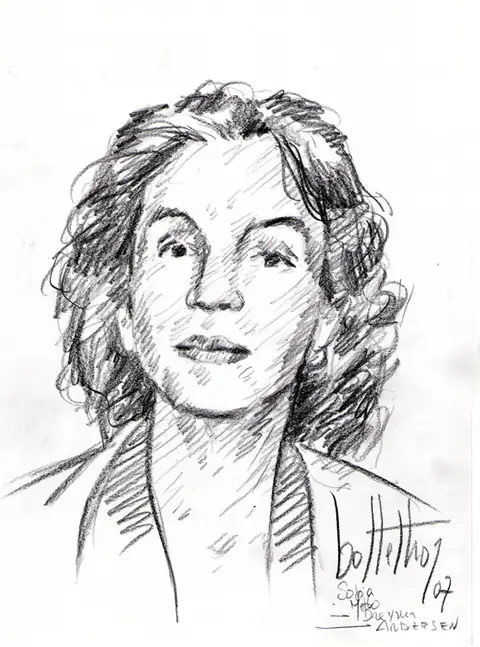
Sophia de Mello Breyner Andresen
1919–2004 · poet

Natália Correia
1923–1993 · poet
Pinheiro de Azevedo
1917–1983 · naval officer
Maria Alda Nogueira
1923–1998 · teacher
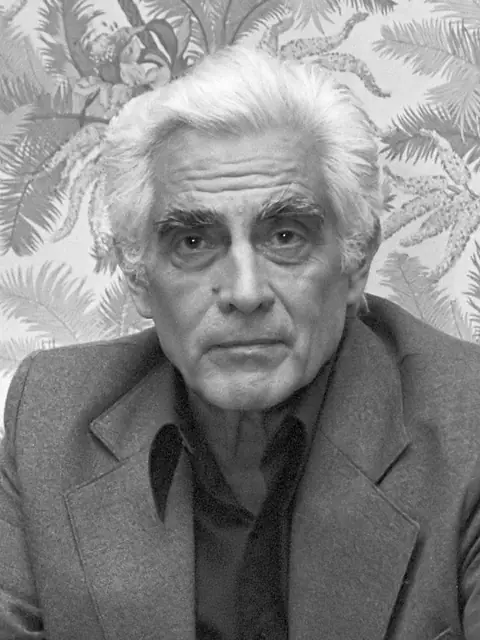
Álvaro Cunhal
1913–2005 · general secretary of the Portuguese Communist Party
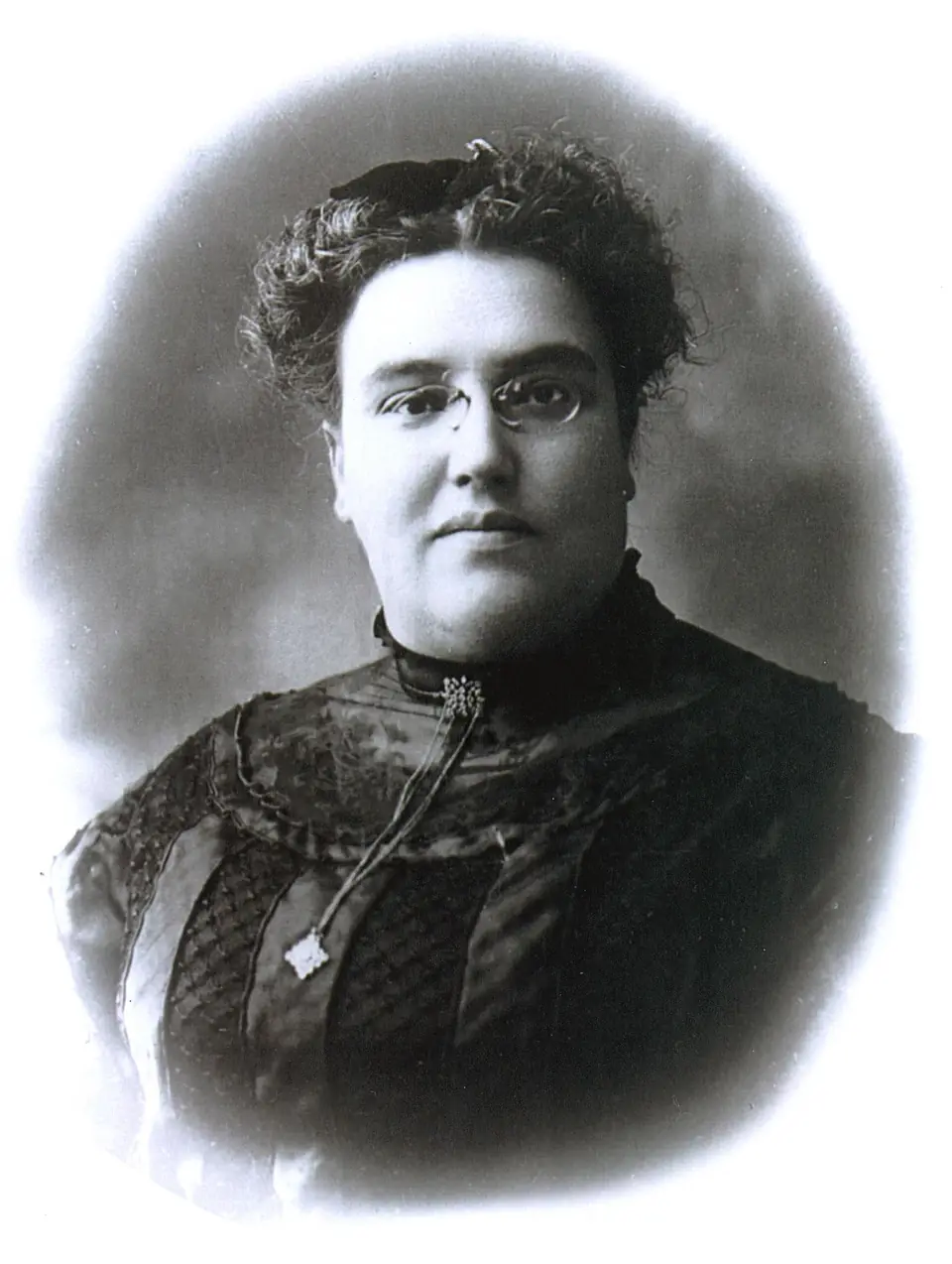
Ana de Castro Osório
1872–1935 · writer, pioneer of children’s literature


Videos
In other archives
These can only be viewed on each archive’s own website.
Notes on the sources1
- Whether she was one of the founders of the Botequim: so say FCSH+Lisboa and the Aljube Museum (which write “Isabel Meireles”); the chronology in “O Essencial sobre Natália Correia” (Imprensa Nacional, 2024) gives the bar as the property of a partnership between Natália Correia and Isabel Meyrelles, and does not name her.
Do you know more, or do you have a document? Tell us.
Sources6
- 1Natália Correia: todas as personalidades num botequim (19/4/2017). FCSH+Lisboa – NOVA FCSH — consulted on 2 October 2026
- 2Natália Correia (13/9/2020). Museu do Aljube – Resistência e Liberdade — consulted on 2 October 2026
- 3As mulheres na Constituinte de 1975-1976. Assembleia da República — consulted on 2 October 2026
- 4Mulheres pela Igualdade (biografias). CIG – Comissão para a Cidadania e a Igualdade de Género — consulted on 2 October 2026
- 5O Essencial sobre Natália Correia (Luiz Fagundes Duarte). Imprensa Nacional, 2024 — consulted on 2 October 2026
- 6Consulta SPARQL de identificadores e datas (P569/P570) de pessoas. Wikidata Query Service — consulted on 2 October 2026