Credits
Everything you see here that was not made for this app has an author and a licence. Thank you to everyone who placed it in the public domain or under a free licence.
The map
Data © OpenStreetMap contributors, under the Open Database License. Tiles extracted from the Protomaps daily build of 2026-10-02; style and colours by this app. The routes of the walks through the streets were calculated with OSRM on the same OpenStreetMap data (FOSSGIS server, routing.openstreetmap.de). The walking directions to the start of a walk are worked out on your phone, over the streets and pavements of the same OpenStreetMap data, in the Lisbon extract of 2026-10-04 made by BBBike.
The typefaces and the code
- Archivo Narrow, by Omnibus-Type — SIL Open Font License.
- Atkinson Hyperlegible Next and Atkinson Hyperlegible, by the Braille Institute — SIL Open Font License.
- MapLibre GL JS — 3-clause BSD licence.
- PMTiles, by Protomaps — 3-clause BSD licence.
- Next.js and React — MIT licence. MiniSearch — MIT licence. Serwist — MIT licence.
The images (241)
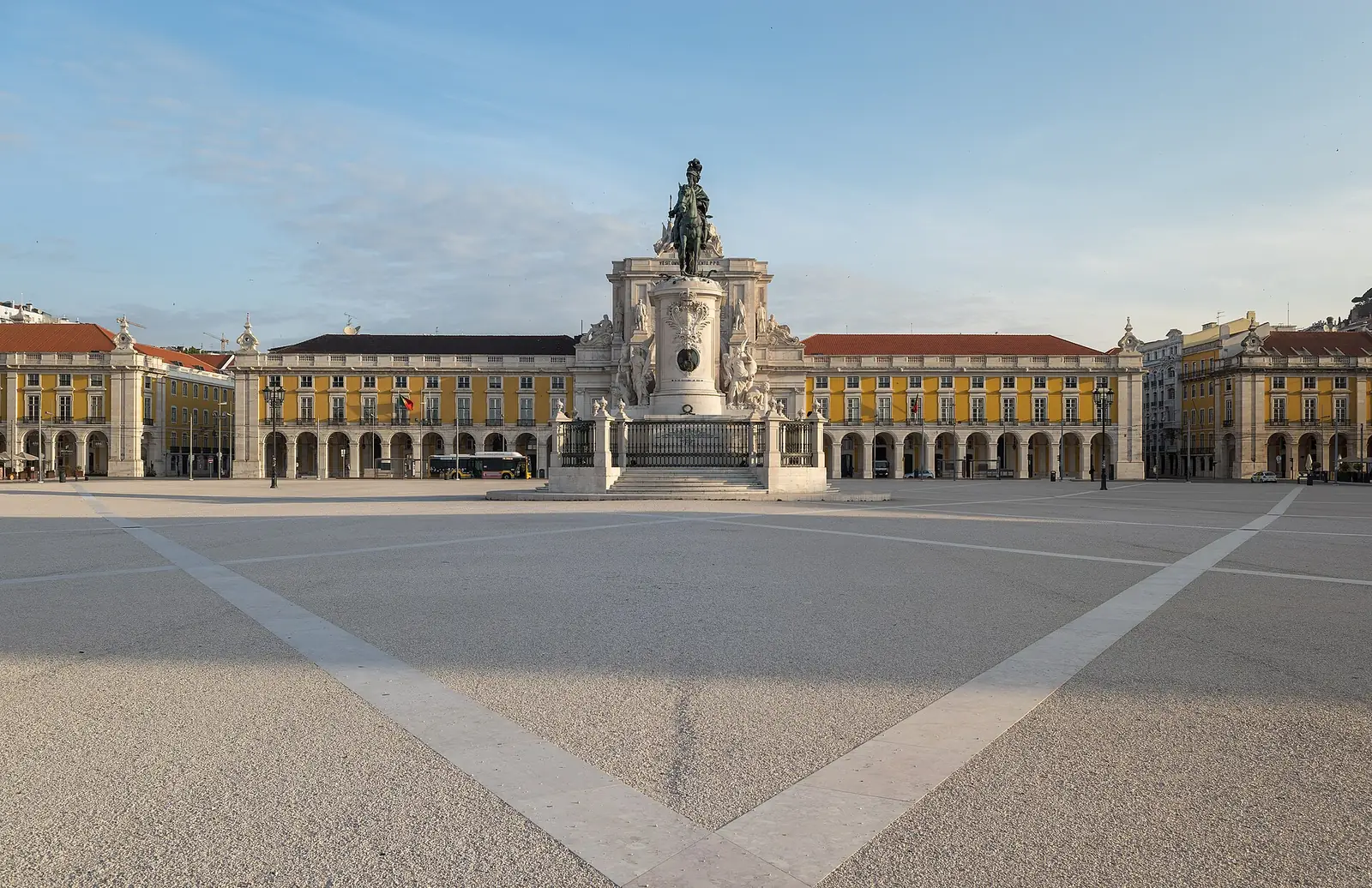
Terreiro do Paço (Praça do Comércio), empty on an April morning in 2020.
Jules Verne Times Two, CC BY-SA 4.0
Date: 2020-04-24
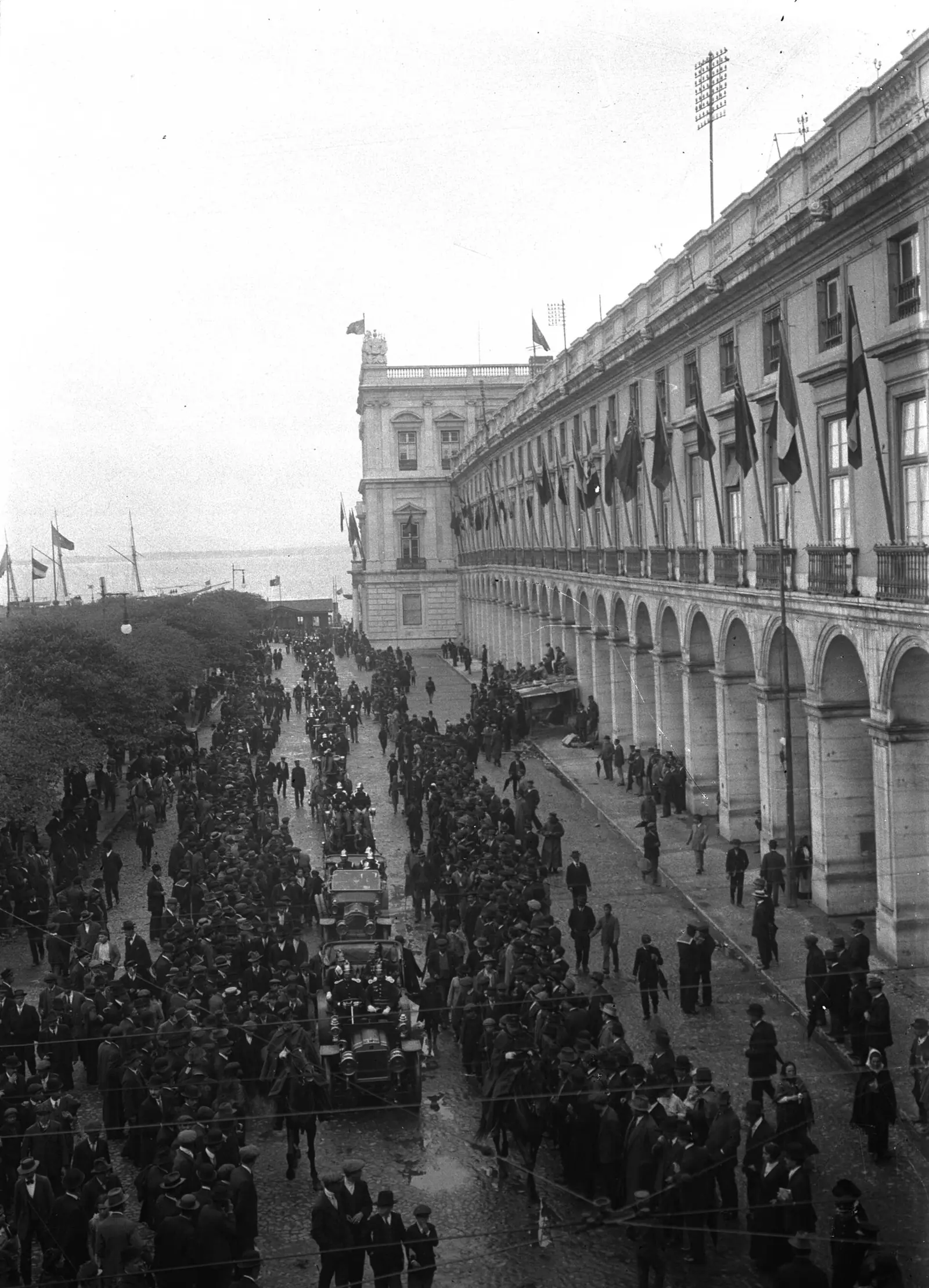
A demonstration during the tram strike in the Terreiro do Paço, in 1912. Photograph by Joshua Benoliel.
Joshua Benoliel, Public domain
Date: 1912
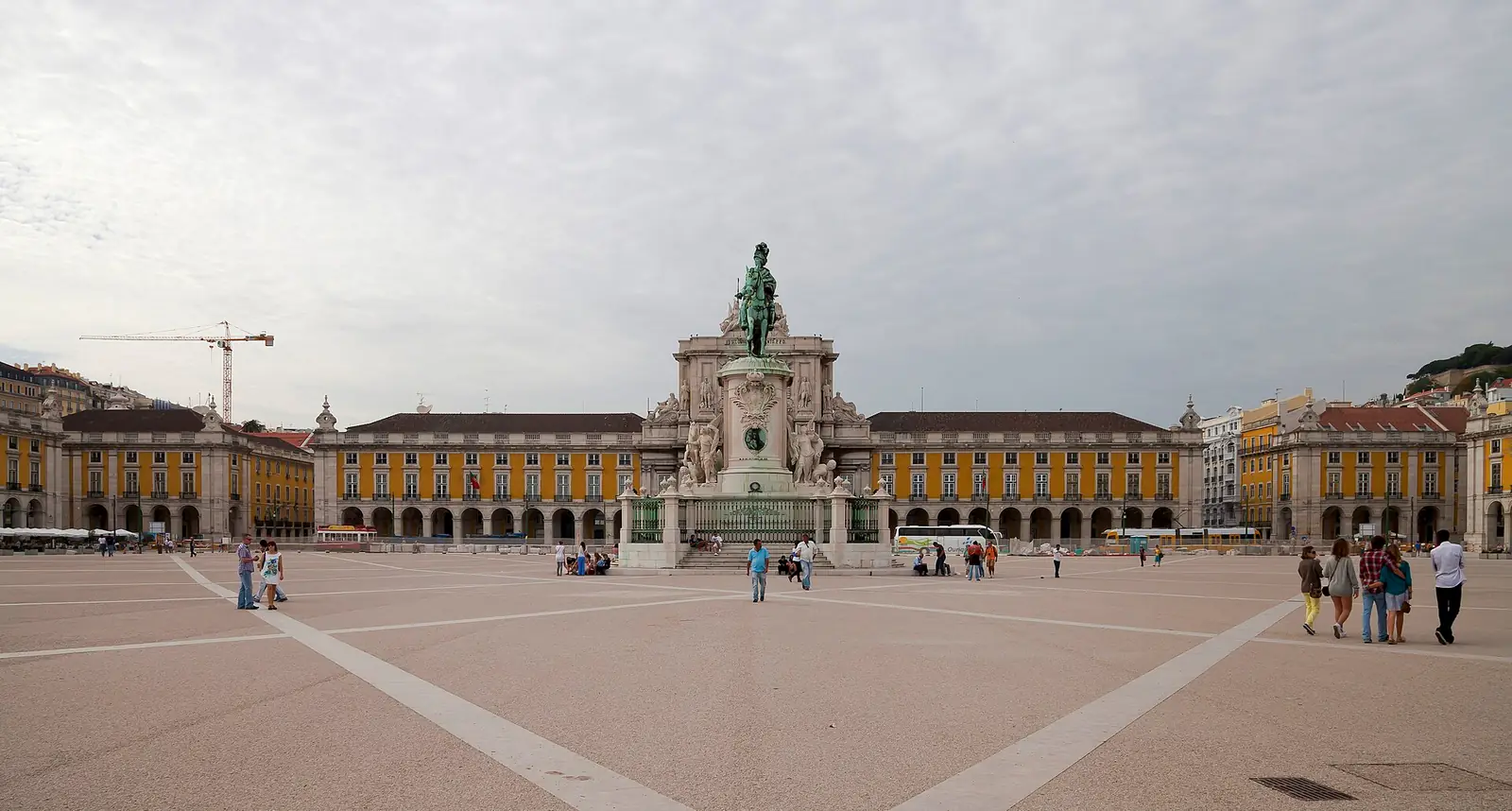
The Terreiro do Paço seen from the river side, with the statue of King José and the Arco da Rua Augusta, in 2012.
Date: 2012-05-12
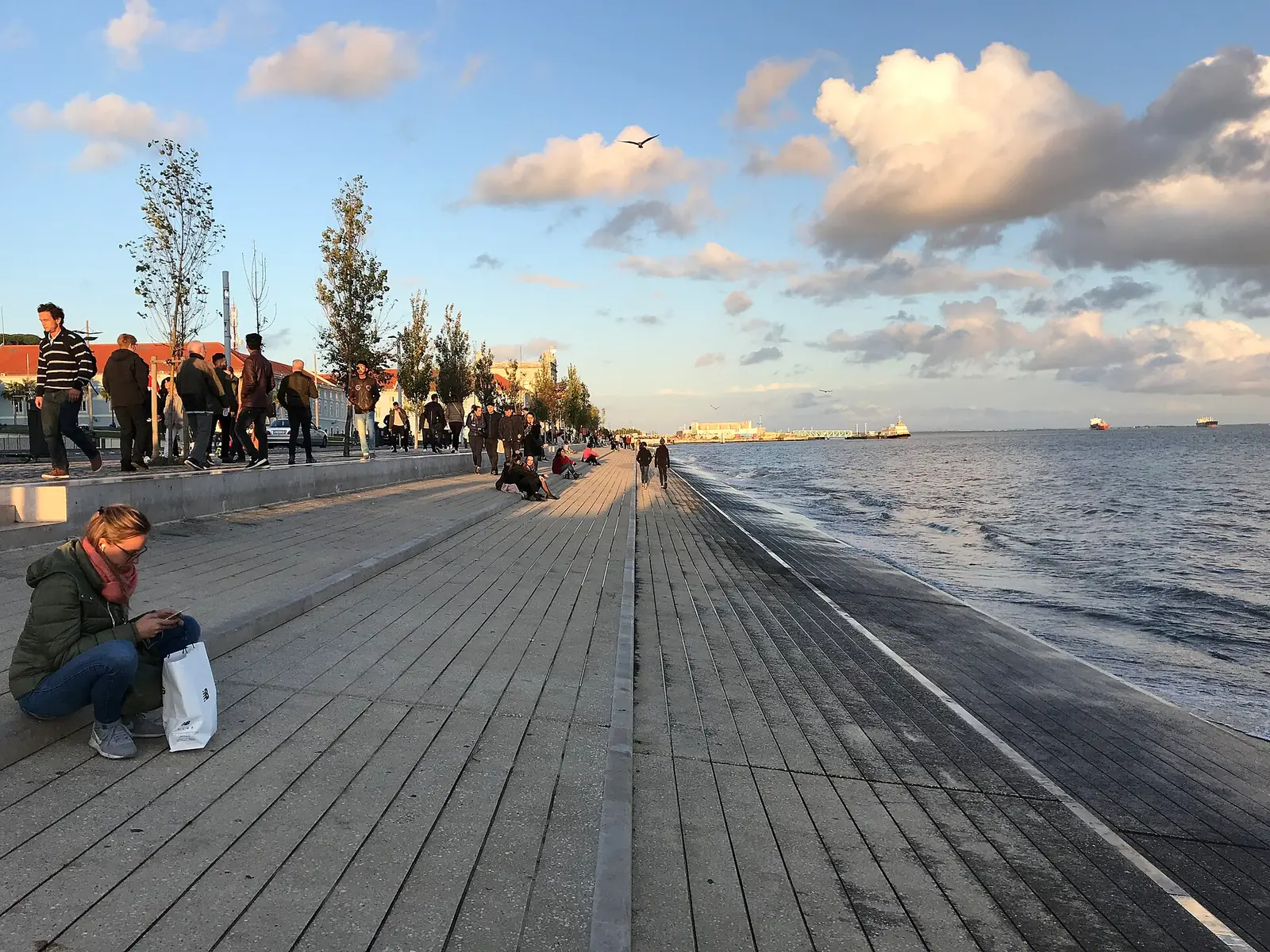
The Ribeira das Naus promenade, on the banks of the Tagus, in October 2019.
Carlos Felipe Pardo, CC BY 2.0
Date: 2019-10-19
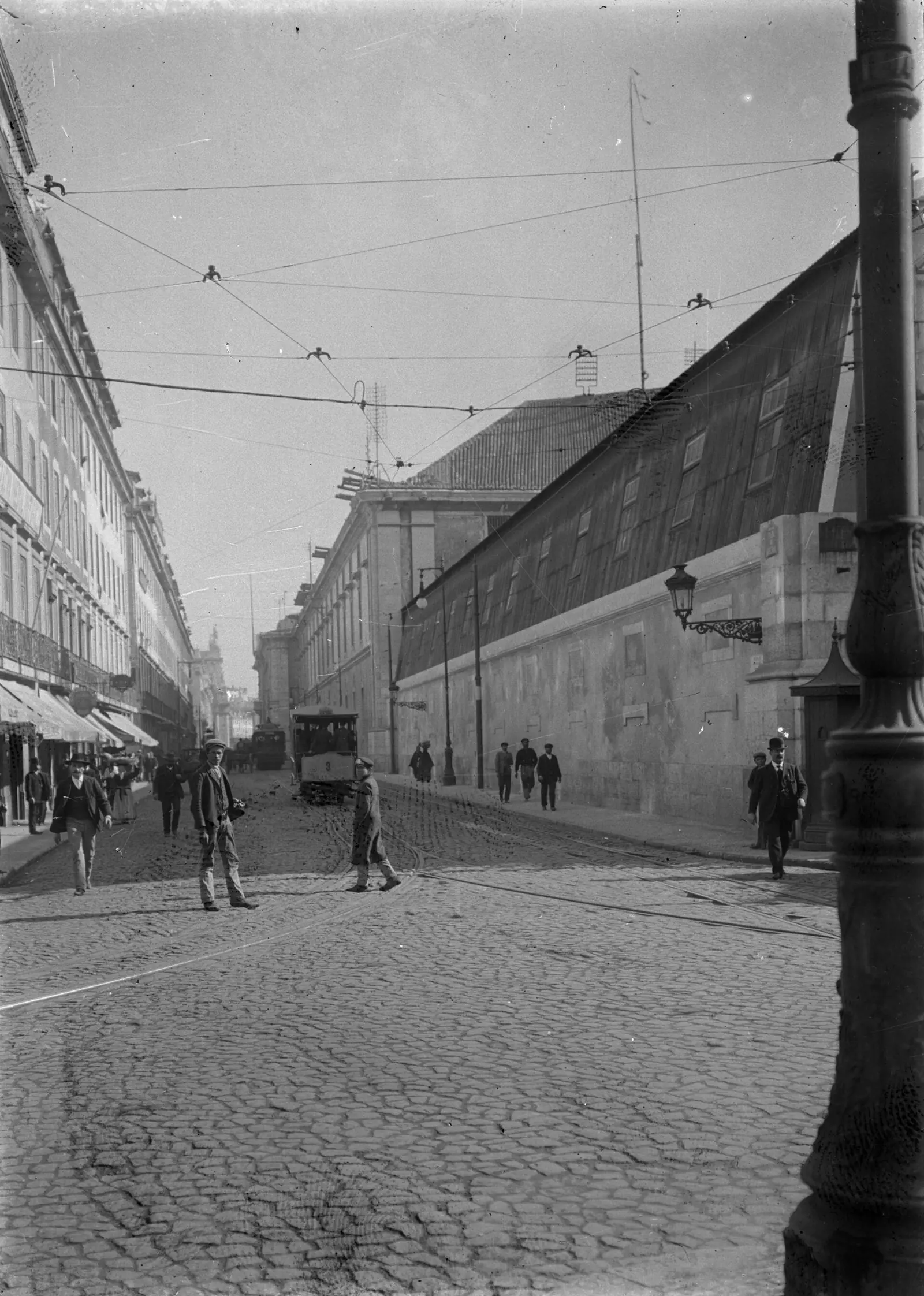
The stretch of Rua do Arsenal next to Largo do Corpo Santo, between 1901 and 1912. Photograph by Joshua Benoliel.
Joshua Benoliel, Public domain
Date: entre 1901 e 1912
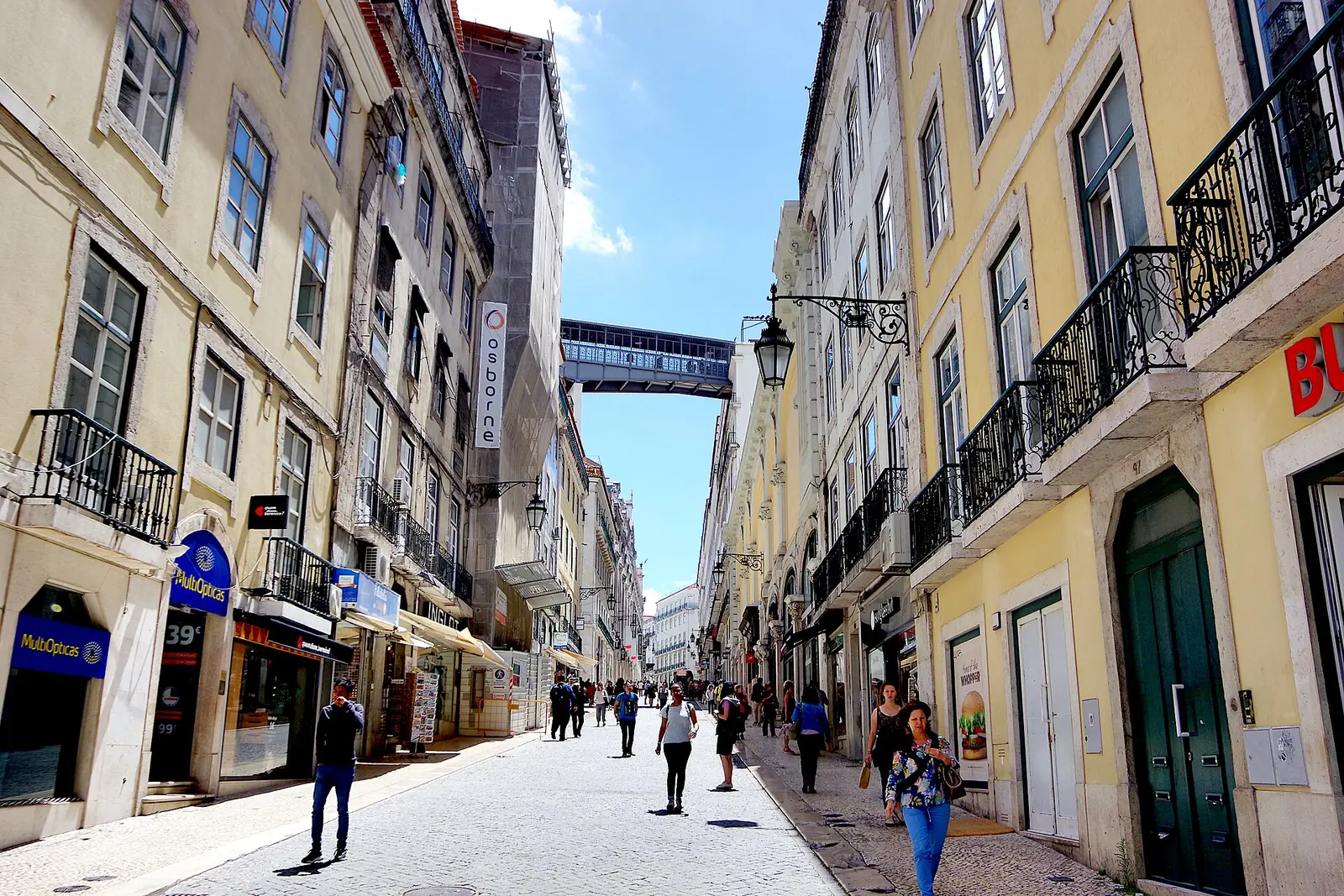
Rua do Carmo, climbing towards the Chiado, with the walkway of the Elevador de Santa Justa in the background, in 2019.
Date: 2019-05-16
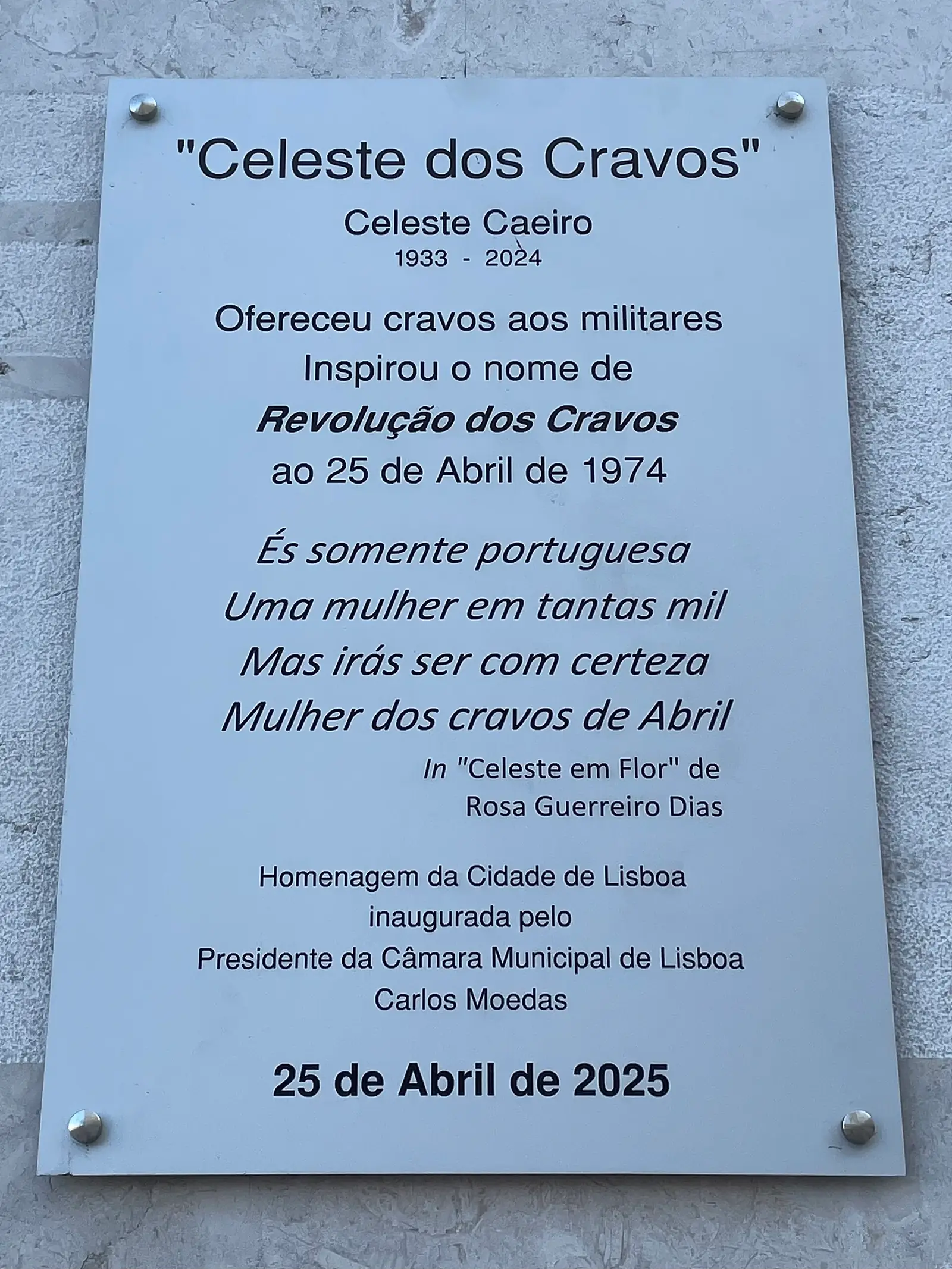
The “Celeste dos Cravos” (Celeste of the Carnations) plaque honouring Celeste Caeiro, unveiled by Lisbon City Council on 25 April 2025.
Date: 2025-06-26
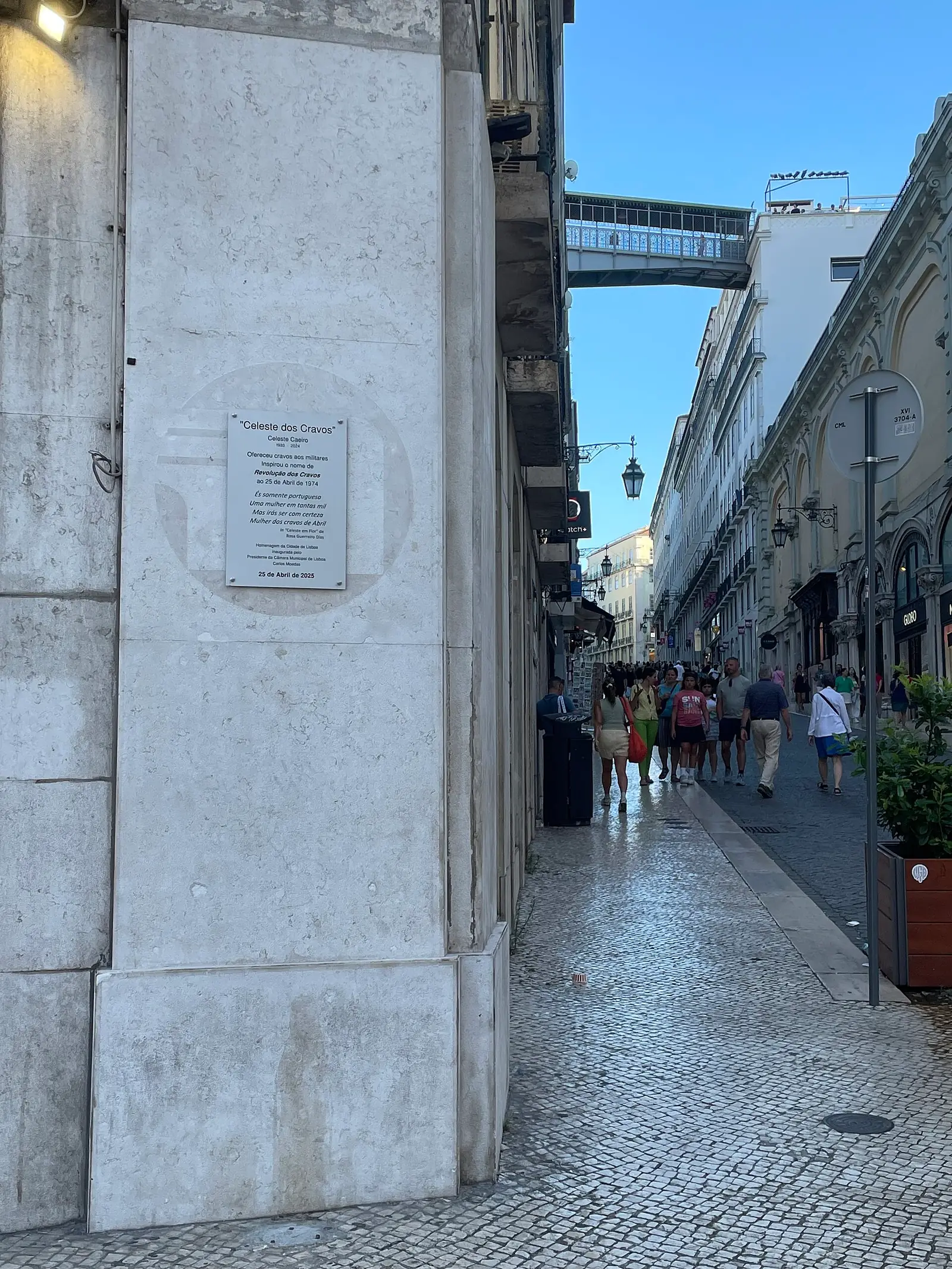
Celeste Caeiro’s plaque on the stone corner of a building on Rua do Carmo, in 2025.
Date: 2025-06-26
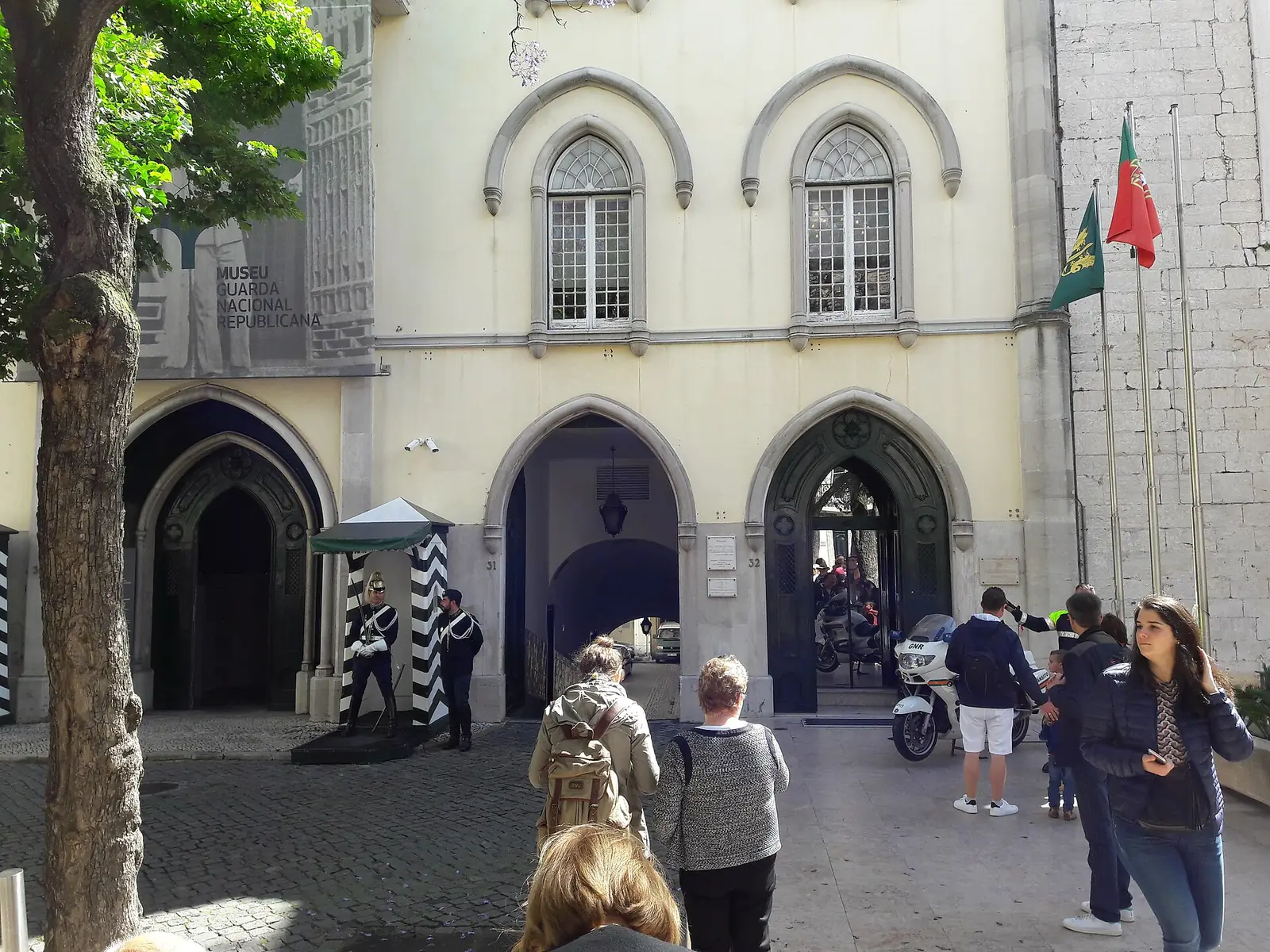
The Carmo Barracks, the general command of the GNR, in Largo do Carmo, in 2017.
Date: 2017-05-12
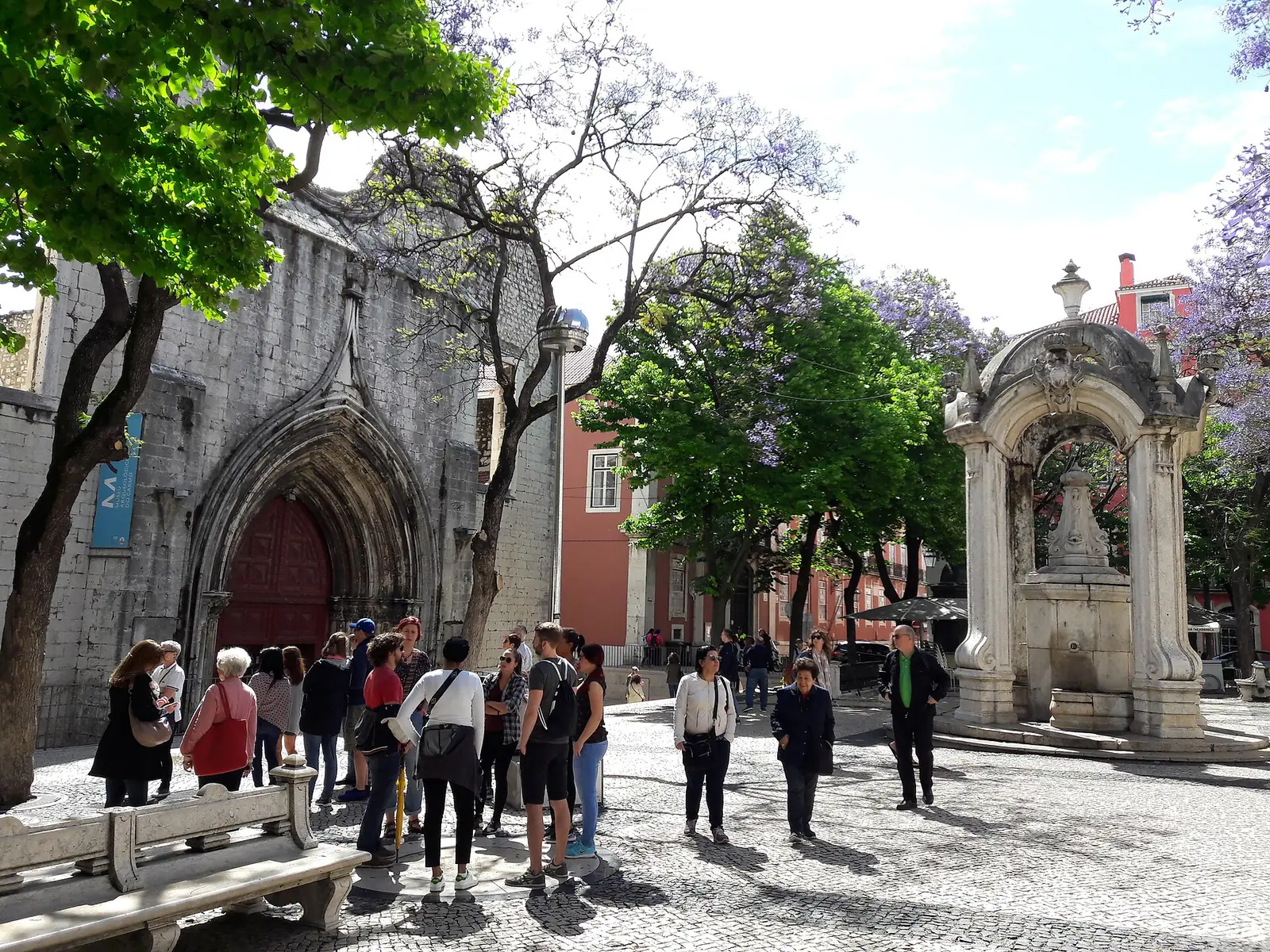
Largo do Carmo, with the ruins of the Carmo Church and the fountain, in May 2017.
Date: 2017-05-12
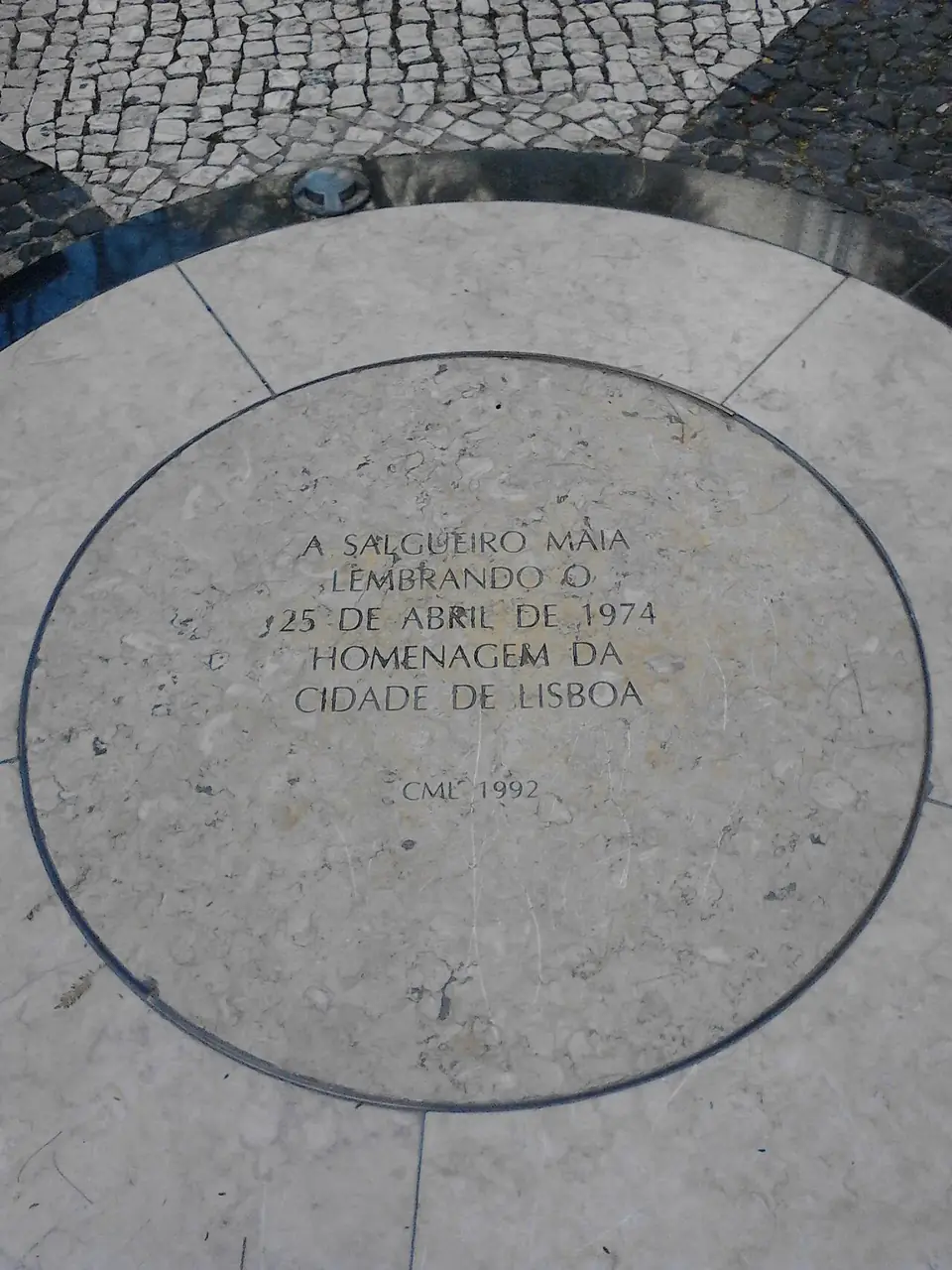
Lisbon City Council’s 1992 tribute to Salgueiro Maia, engraved in the stone paving of Largo do Carmo.
Date: 2016-02-07
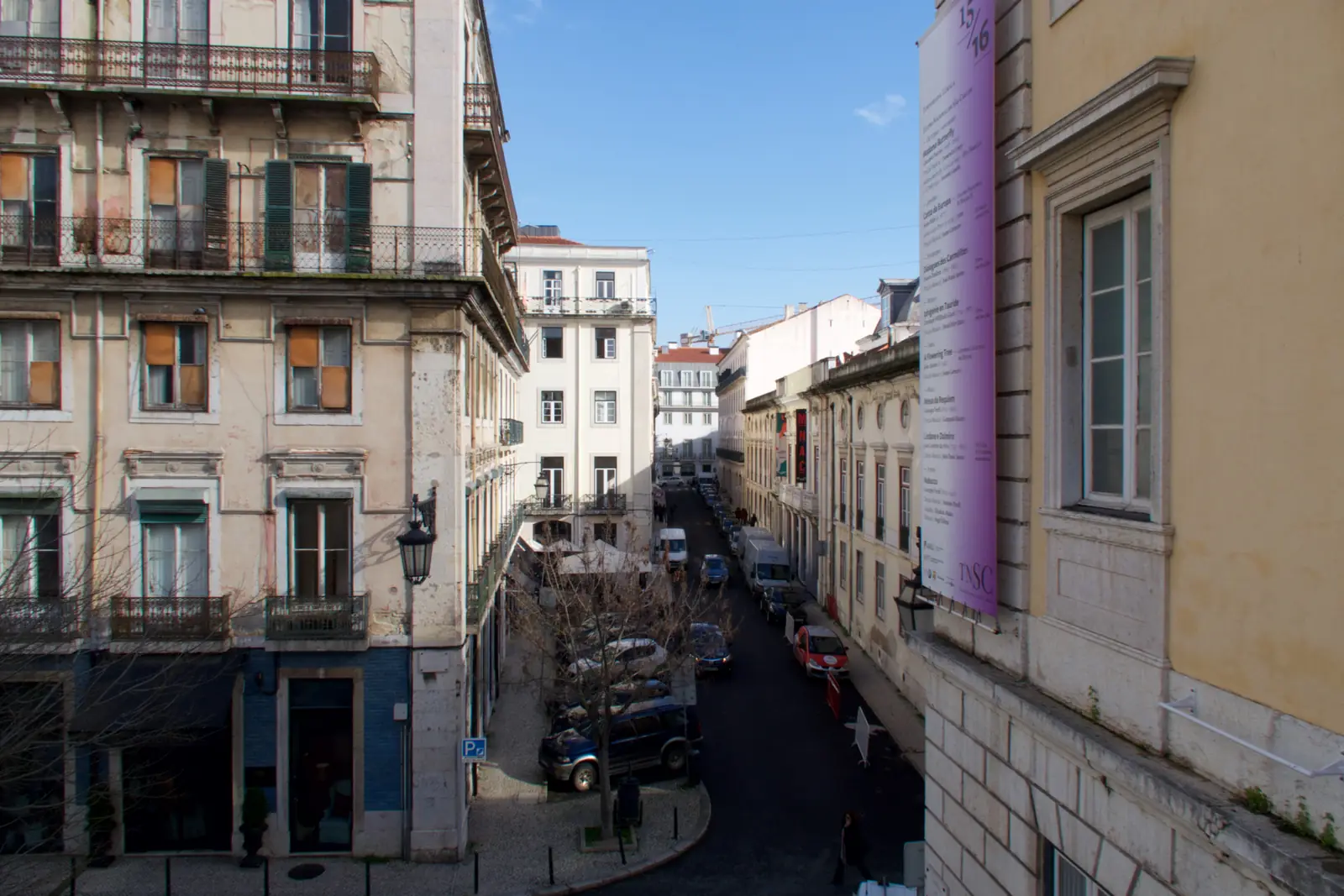
Rua Capelo, in the Chiado, seen from a balcony of the São Carlos National Theatre, in 2016.
Maarten Brinkerink, CC BY-SA 2.0
Date: 2016-01-31
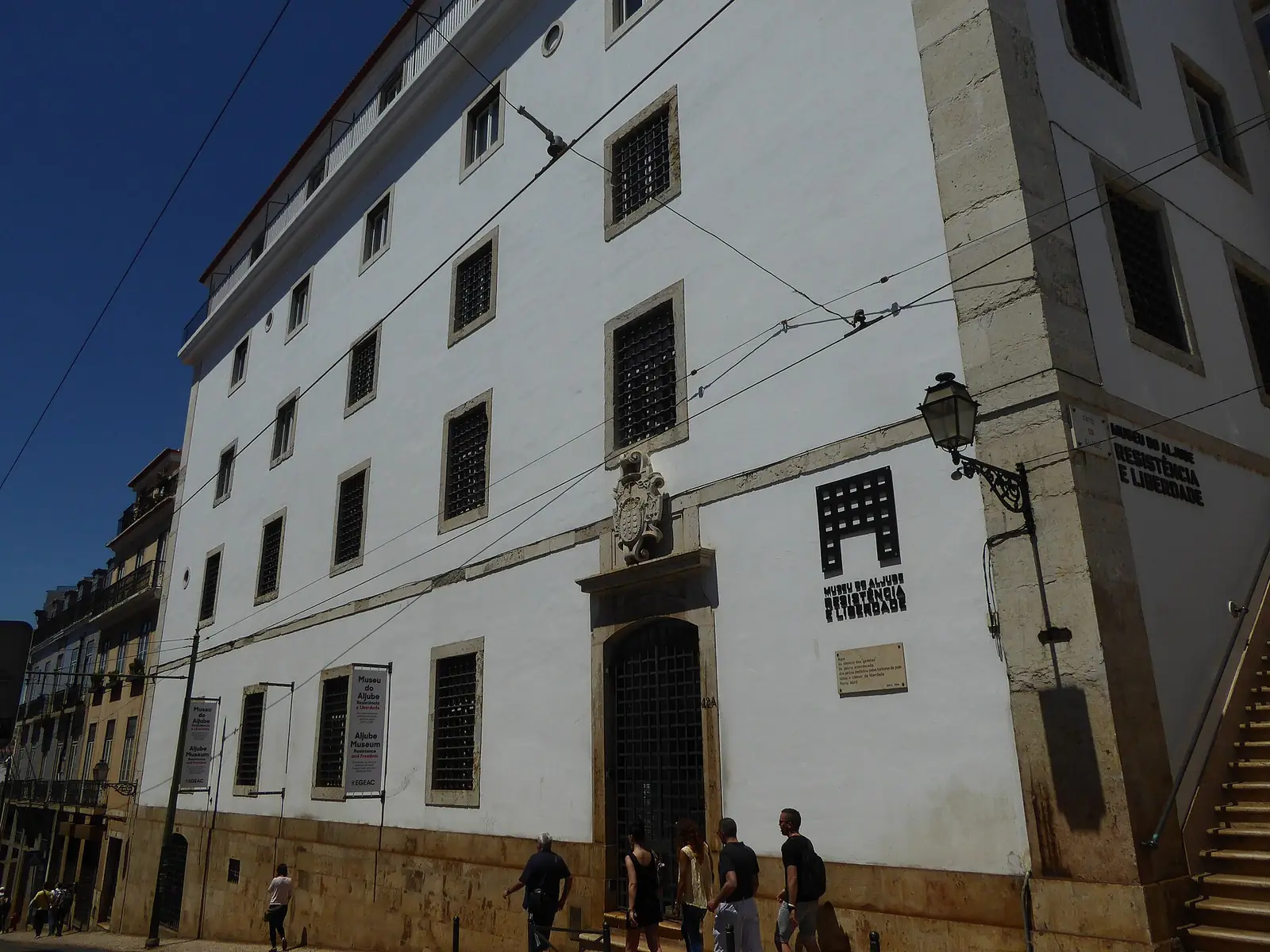
The former Aljube, now the Aljube Museum – Resistance and Freedom, on Rua de Augusto Rosa, in May 2017.
Date: 2017-05-07
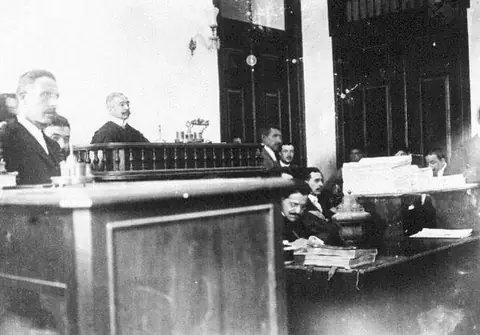
The trial at the Boa-Hora Court, in 1909, of those accused of the Rua da Madalena fire. Photograph by Joshua Benoliel.
Joshua Benoliel, Public domain
Date: 1909
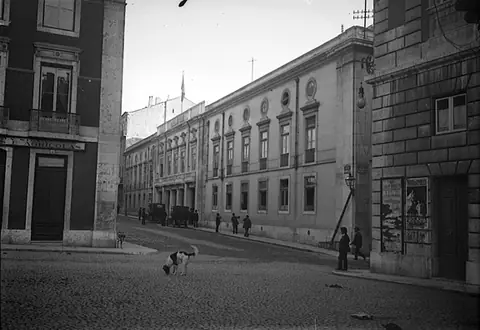
The Lisbon Civil Government, on Rua Capelo, between 1905 and about 1915. Photograph by Charles Chusseau-Flaviens.
Charles Chusseau-Flaviens, Public domain
Date: entre 1905 e c. 1915
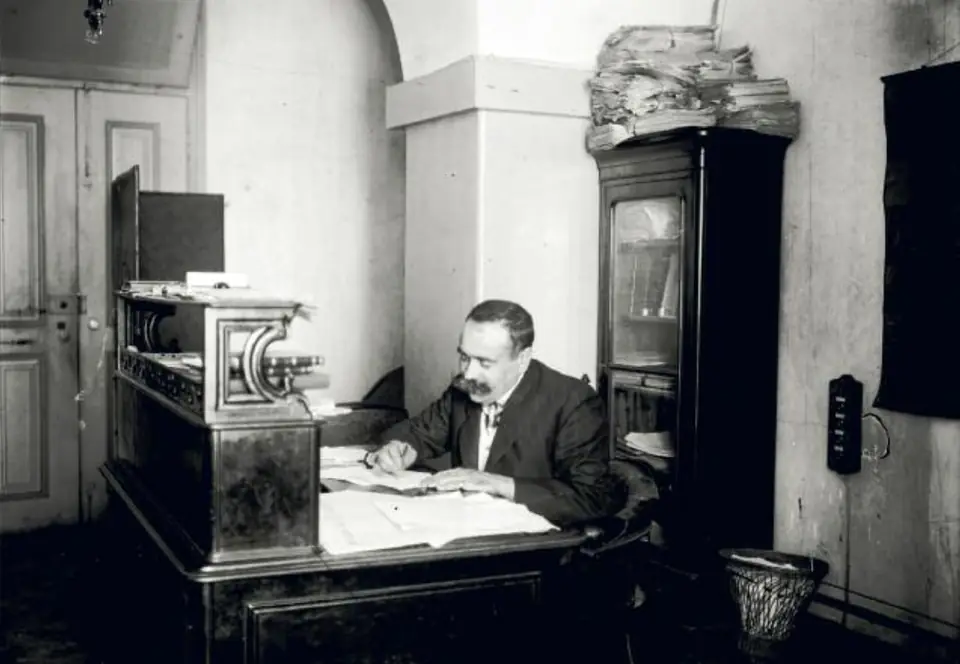
The office of the Administrative Police in the Lisbon Civil Government, in 1908.
Autor desconhecido, Public domain
Date: 1908
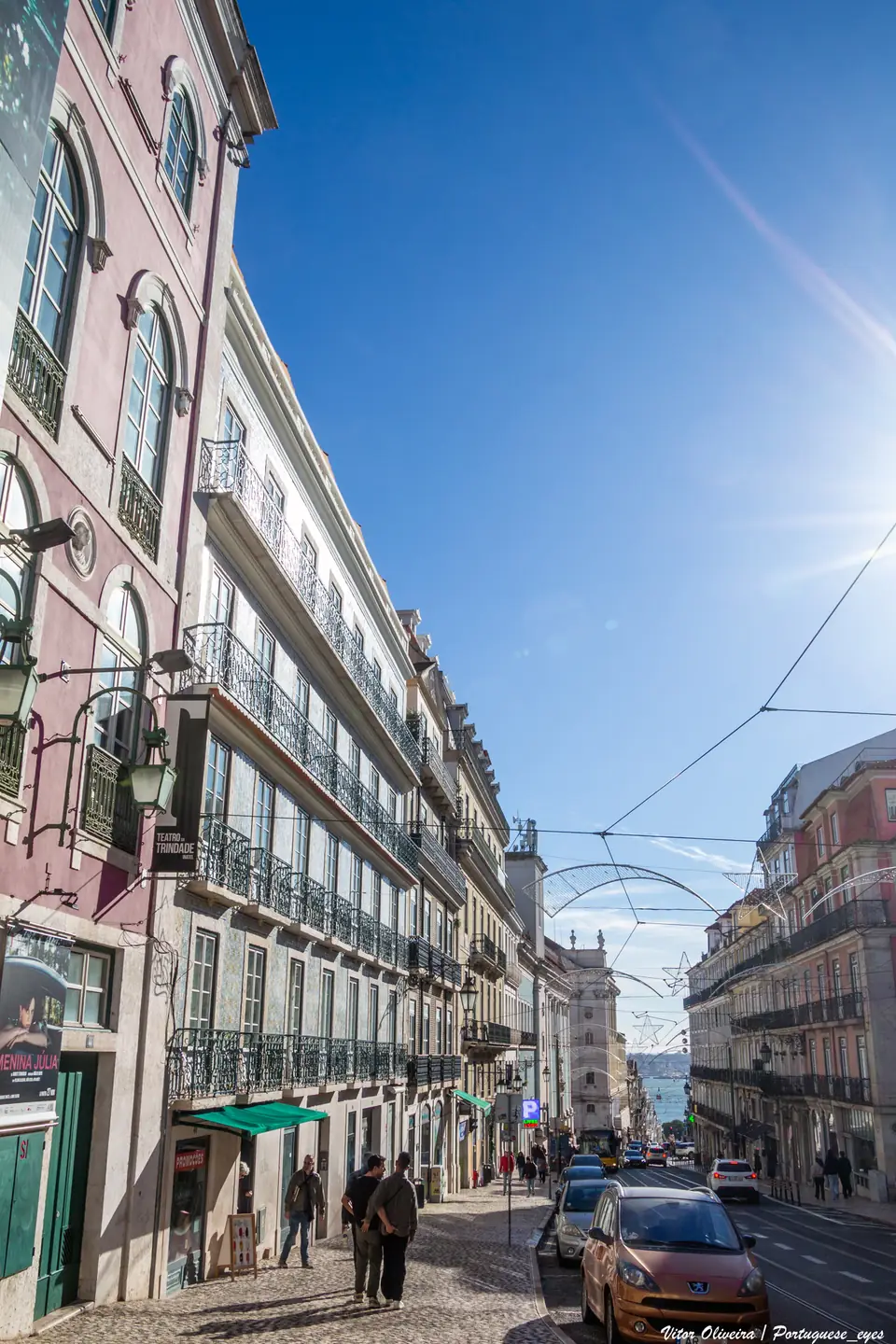
Rua da Misericórdia, between the Chiado and the Bairro Alto, in November 2025.
Date: 2025-11-30
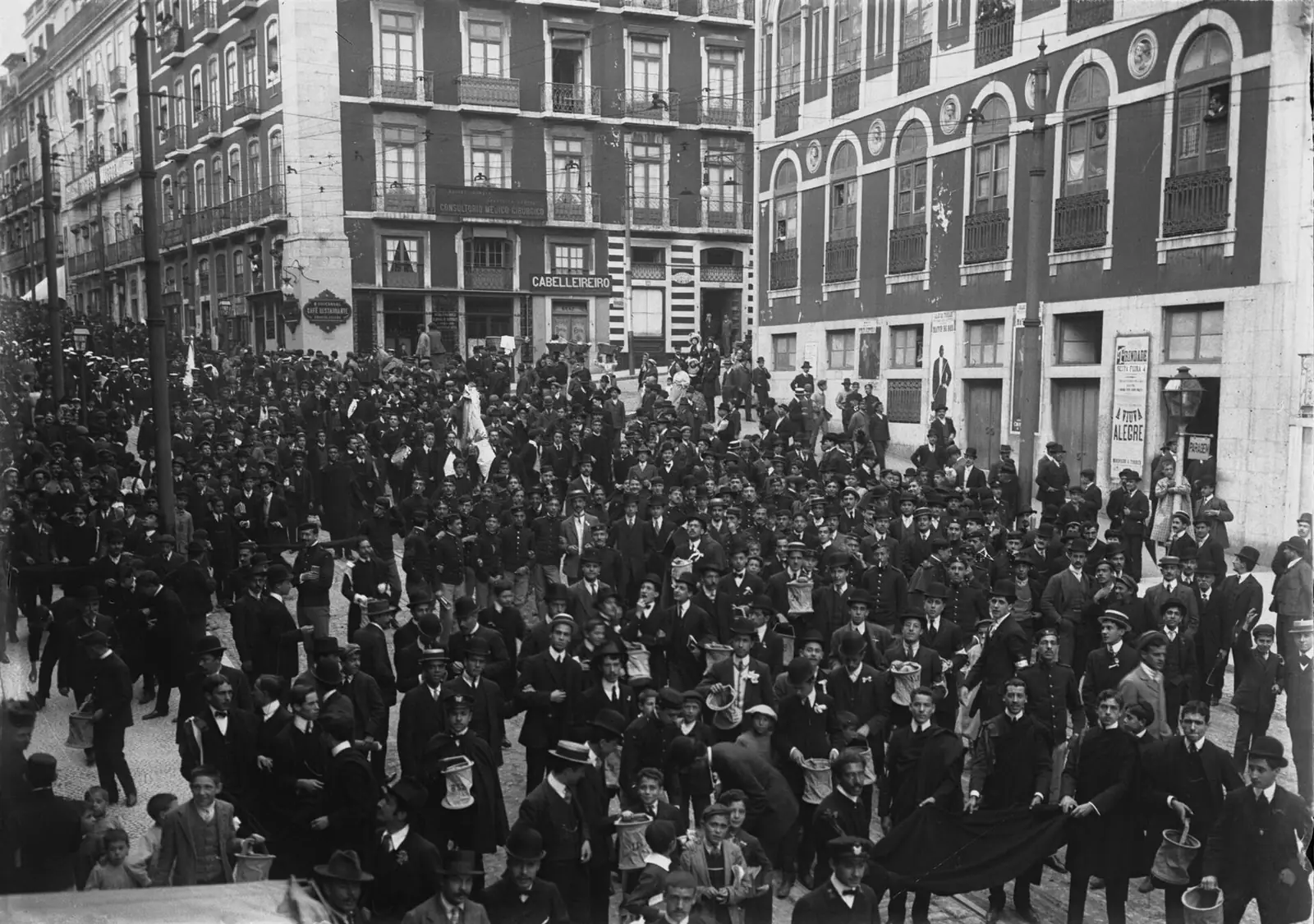
Students collecting money for the victims of the Benavente earthquake on Rua da Misericórdia, next to the Teatro da Trindade, in June 1909. Photograph by Joshua Benoliel.
Joshua Benoliel, Public domain
Date: 1909-06
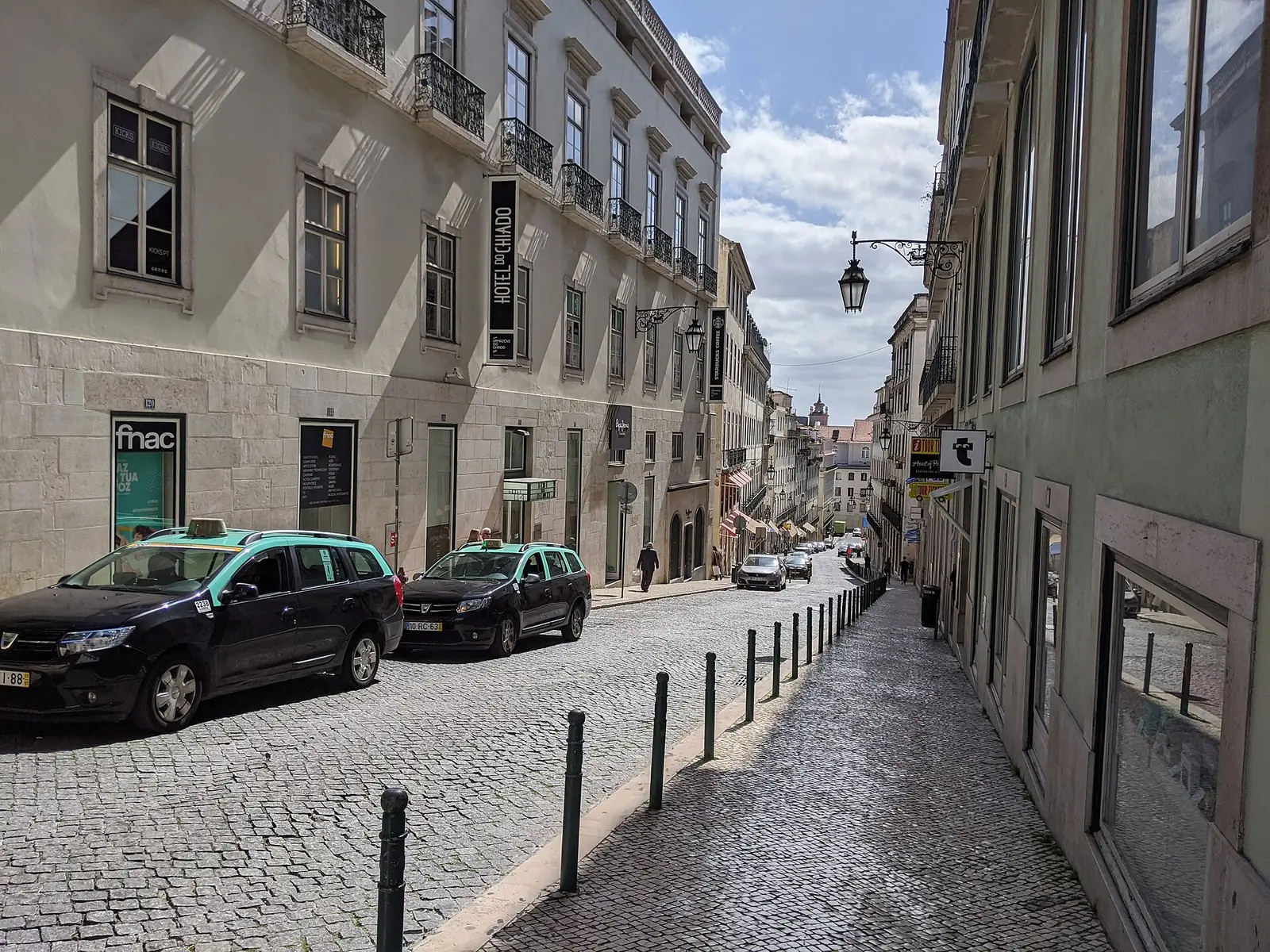
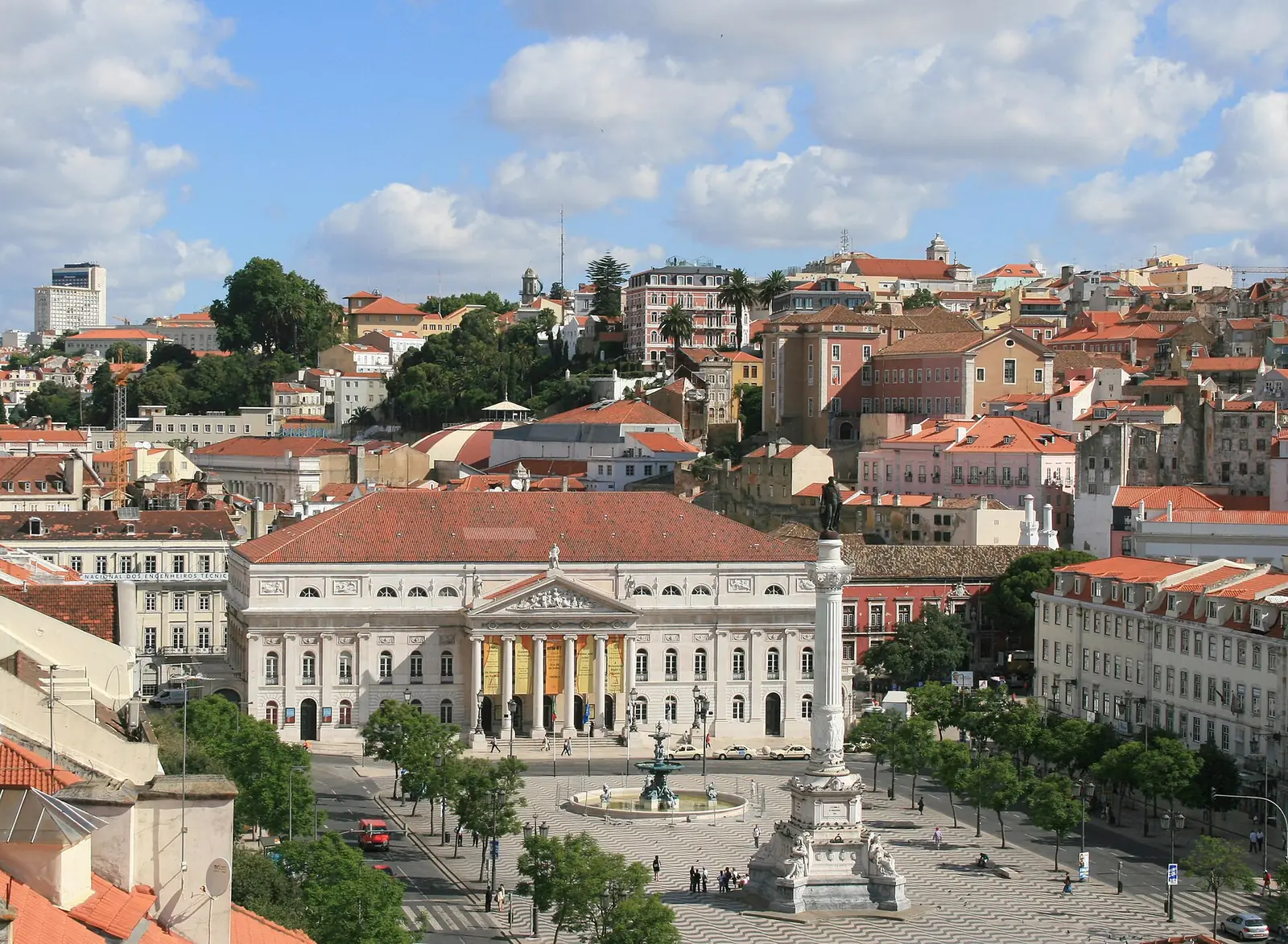
The Rossio (Praça de D. Pedro IV) seen from the Elevador de Santa Justa, in 2007.
Szilas, Public domain
Date: 2007-07-21
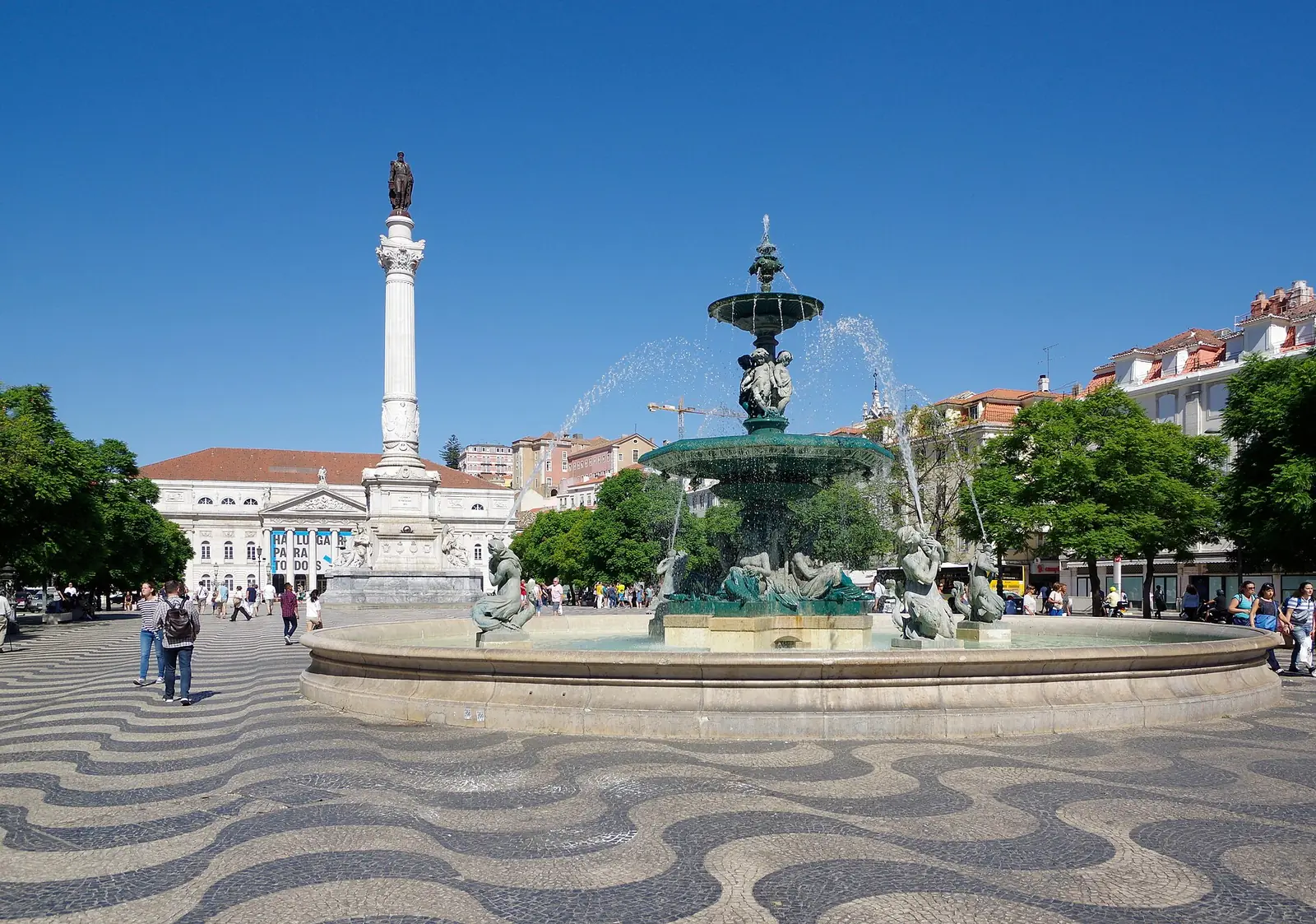
The south fountain of the Rossio, the column of King Pedro IV and the D. Maria II National Theatre, in 2018.
Date: 2018-10-03
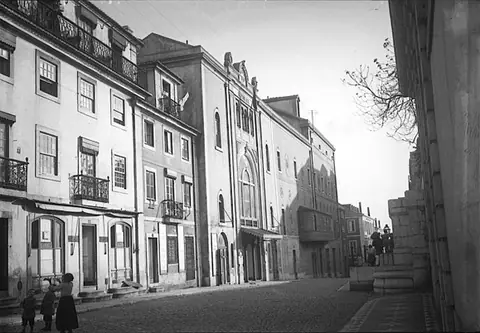
Rua António Maria Cardoso, with what was then the Teatro da República (now the São Luiz), between about 1911 and 1915. Photograph by Charles Chusseau-Flaviens.
Charles Chusseau-Flaviens, Public domain
Date: c. 1911–1915
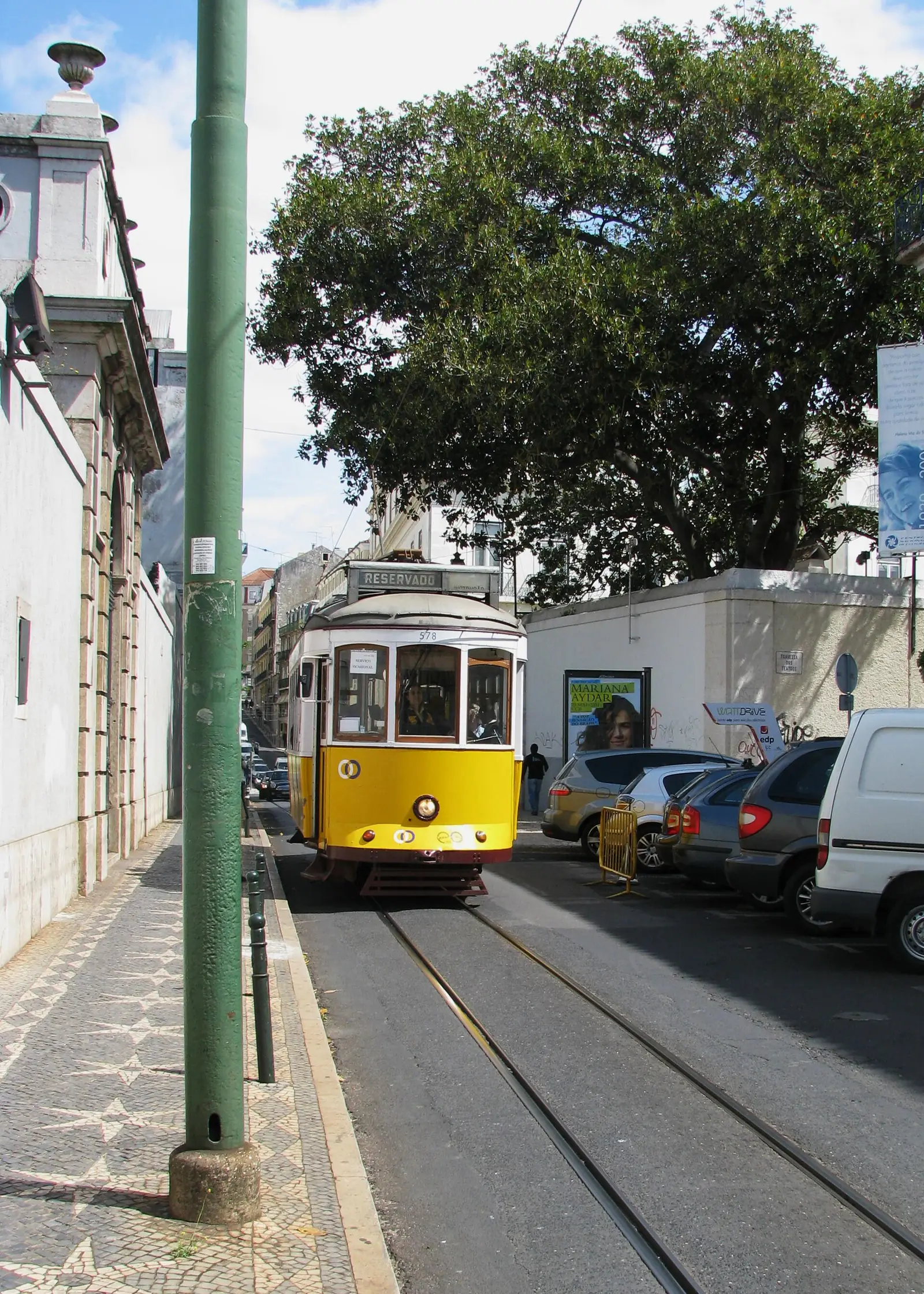
A tram on Rua António Maria Cardoso, where the political police headquarters stood, in 2009.
Date: 2009-05-14
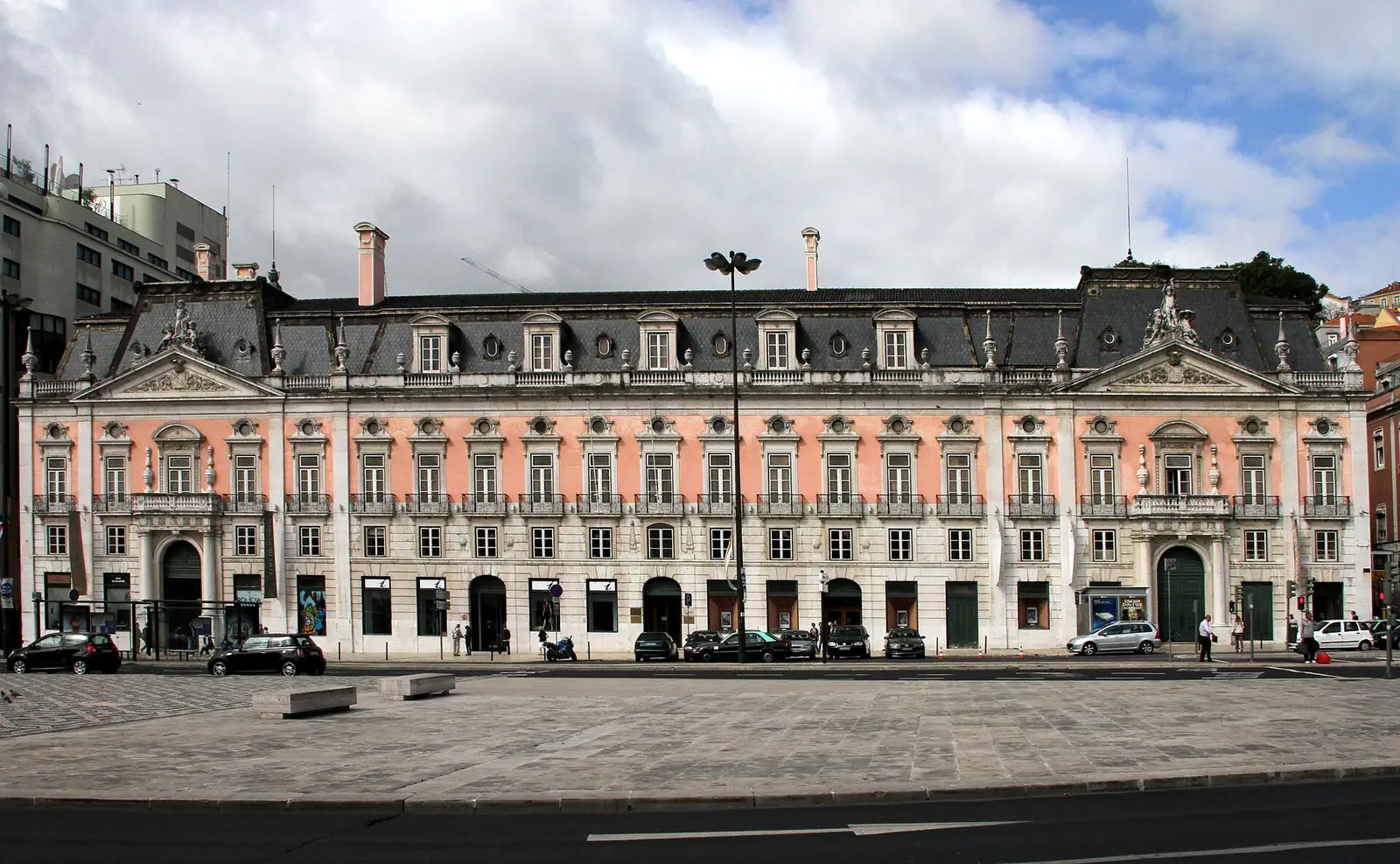
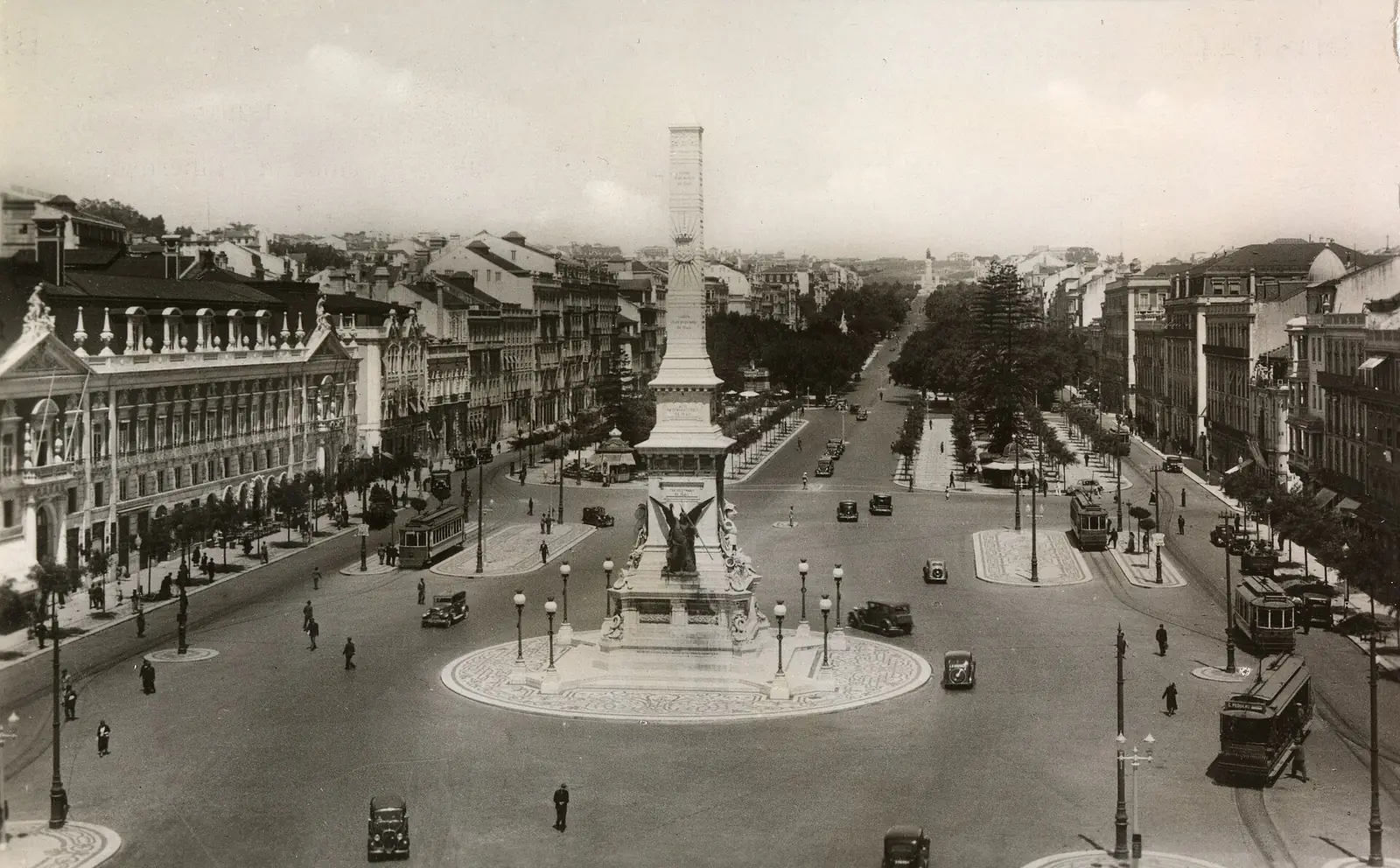
Praça dos Restauradores in 1951, with the Palácio Foz — then the headquarters of the National Information Secretariat (SNI) — on the left and the obelisk in the centre.
Autor desconhecido (ETH-Bibliothek Zürich, Bildarchiv), CC BY-SA 4.0
Date: 1951-04-28
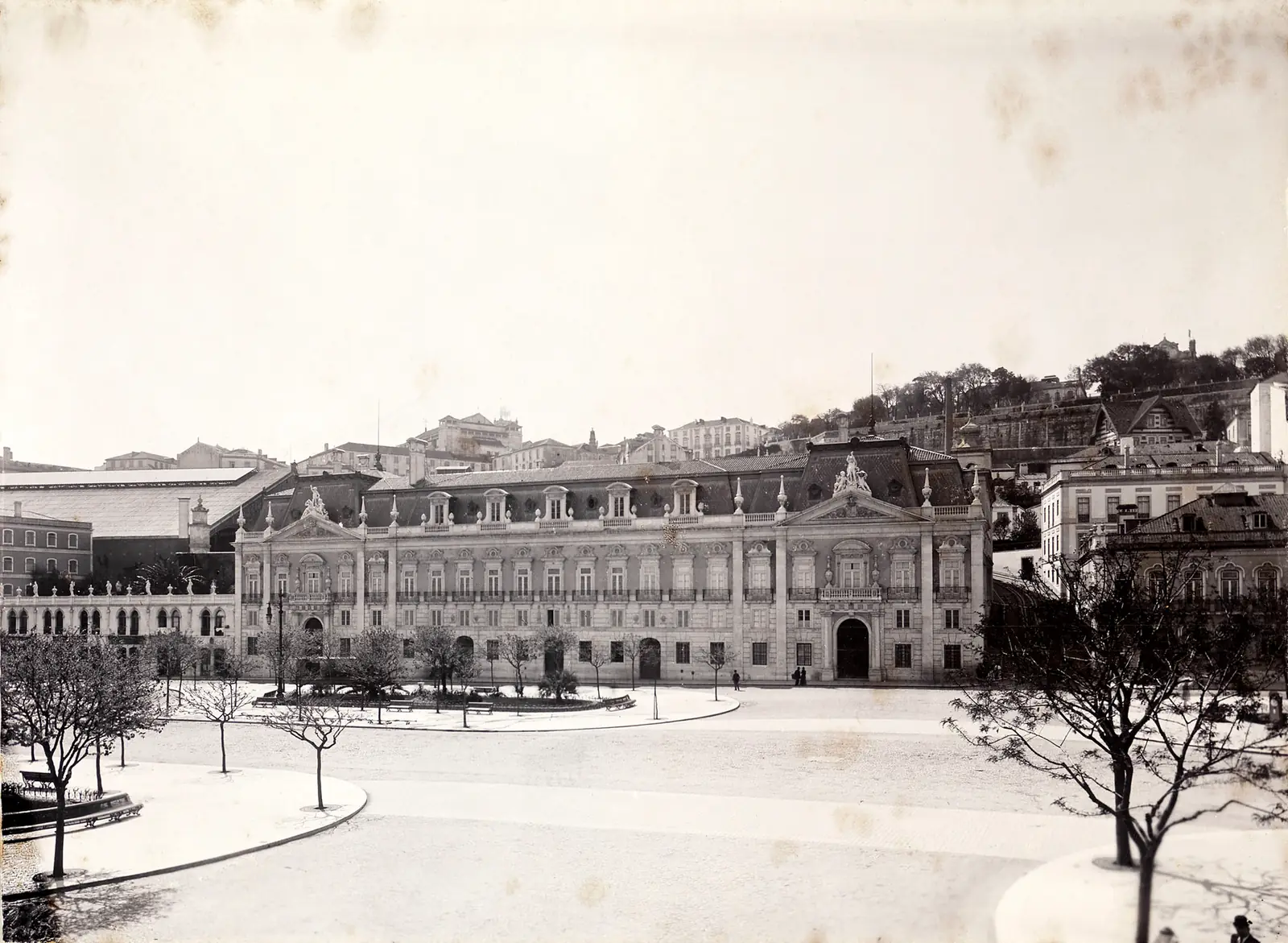
The Palácio dos Marqueses da Foz in 1891, in the palace’s album.
M. Caetano de Portugal, Public domain
Date: 1891
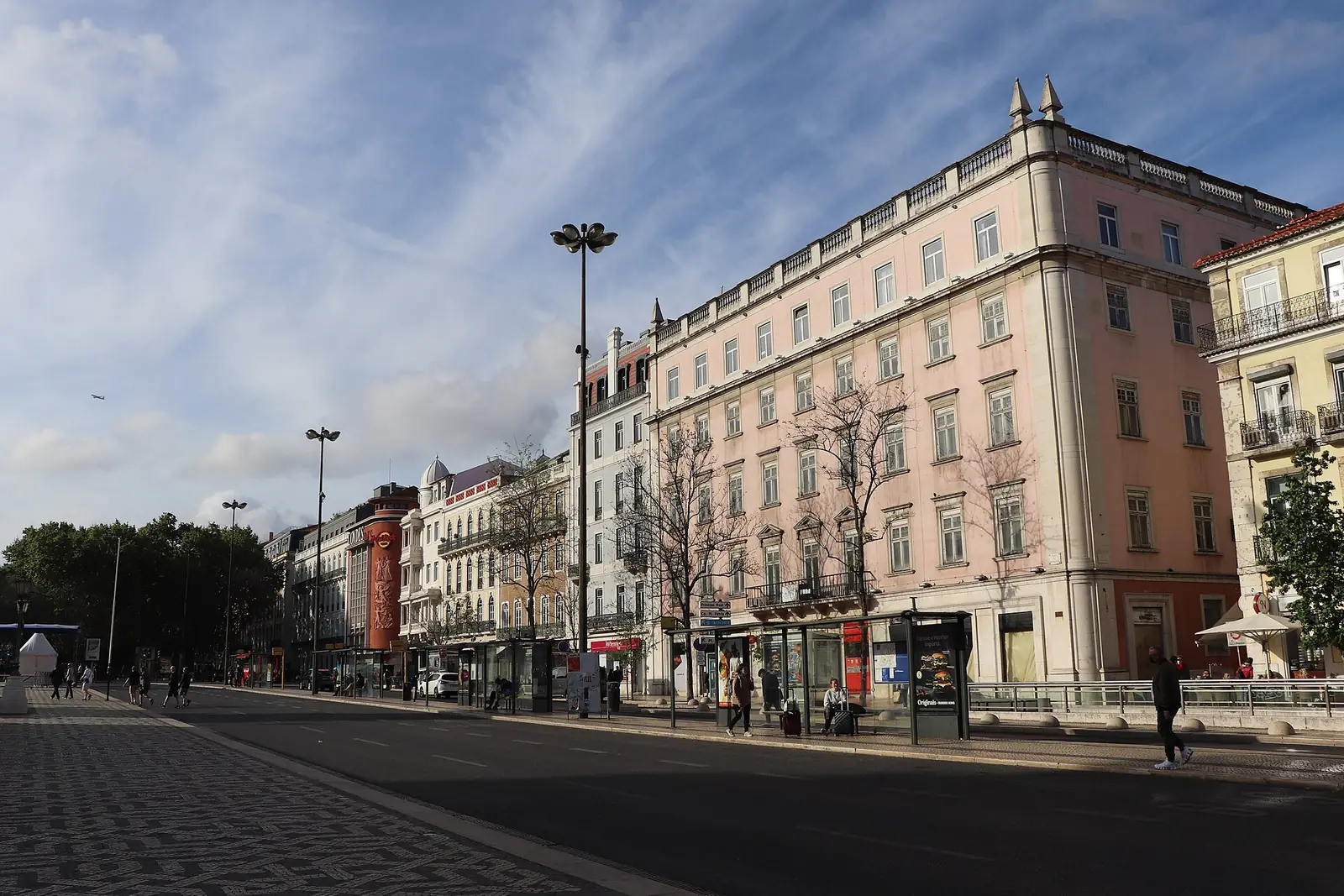
The east side of Praça dos Restauradores, in April 2022.
Andrzej Otrębski, CC BY-SA 4.0
Date: 2022-04-10
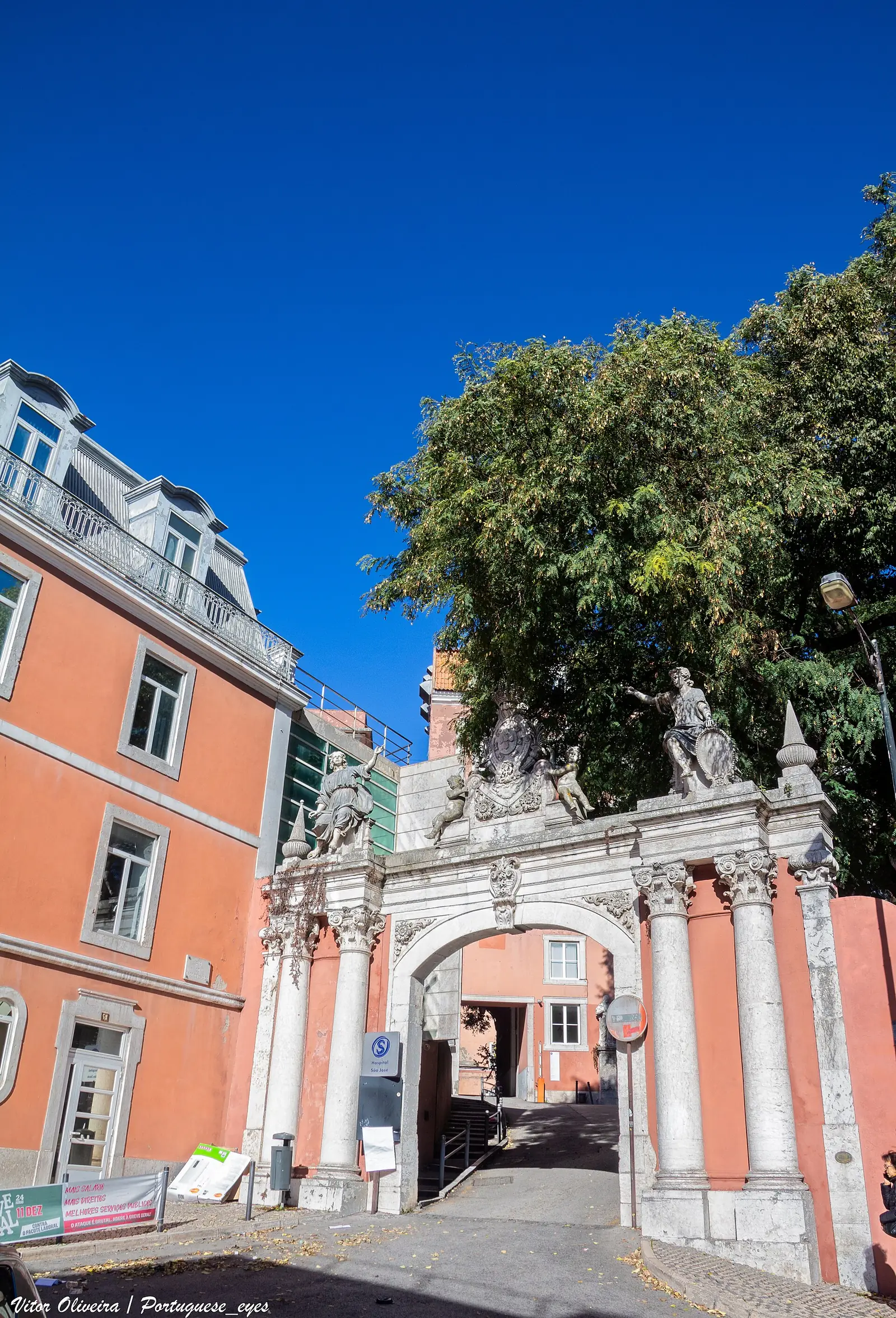
The Baroque gateway of the São José Hospital, in November 2025.
Date: 2025-11-30
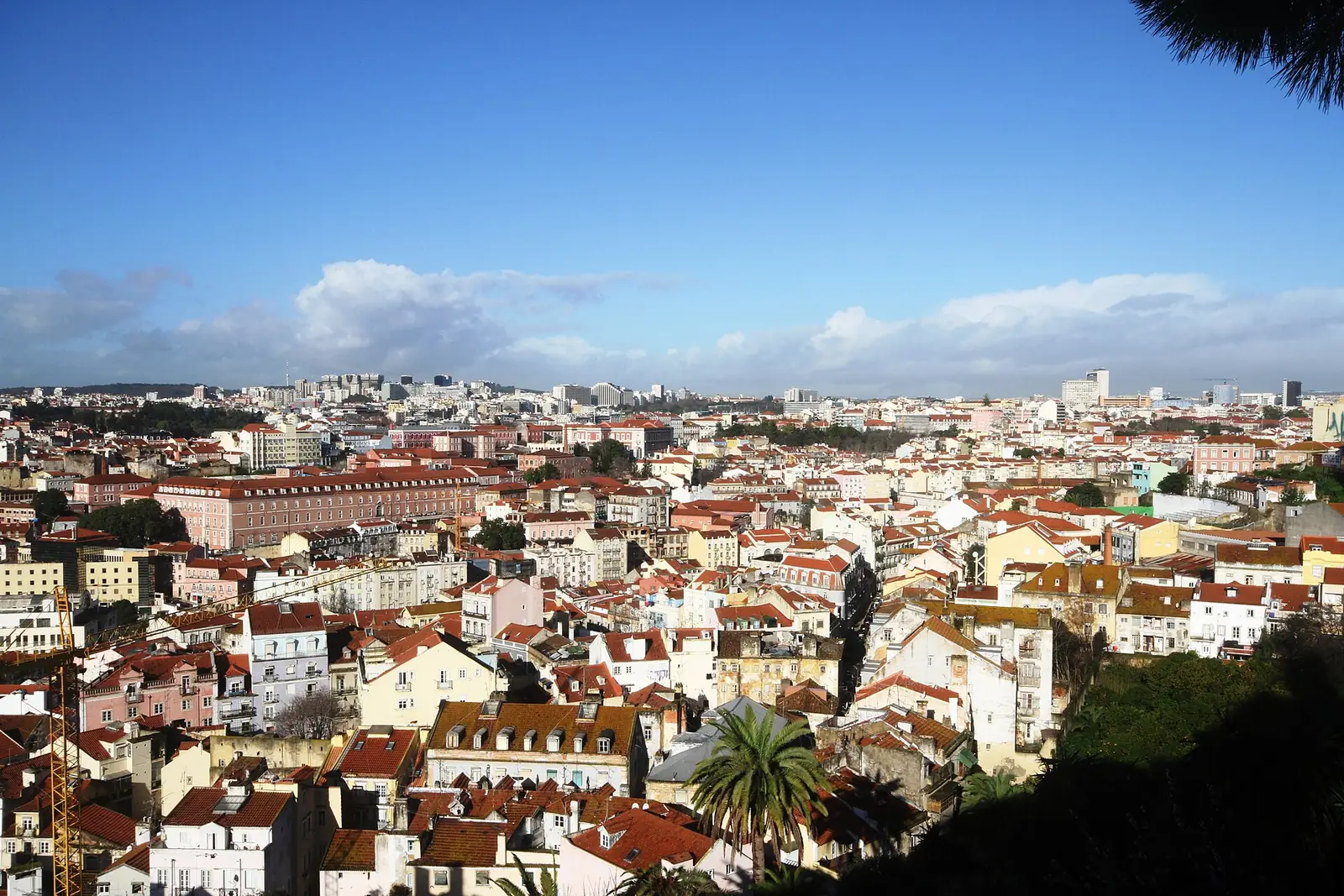
The São José Hospital seen from the Miradouro da Graça, in 2013.
José Luiz Bernardes Ribeiro, CC BY-SA 3.0
Date: 2013-01-21
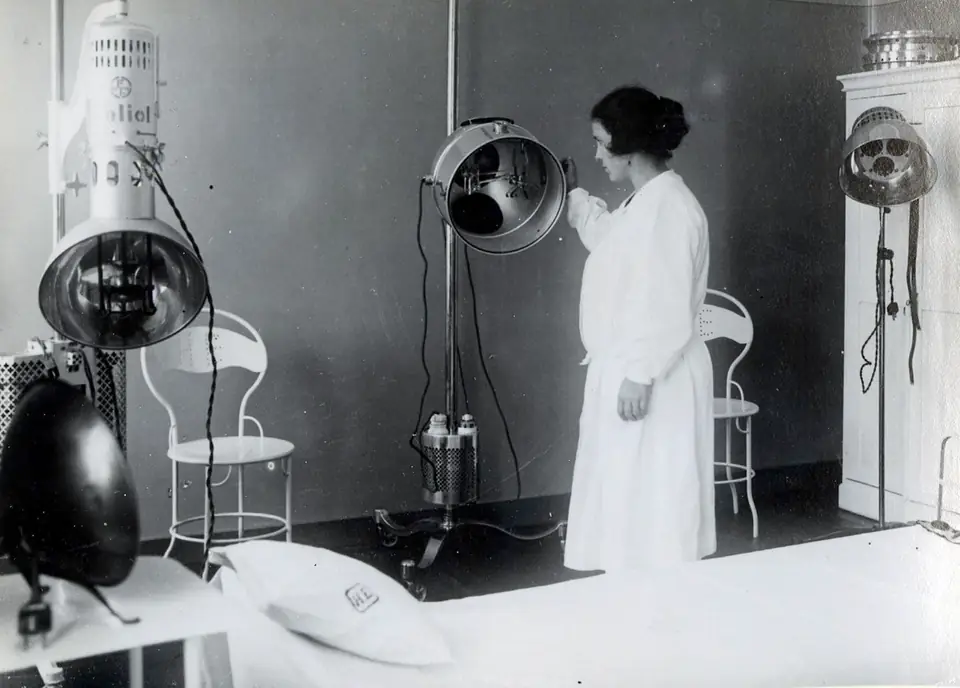
The radiotherapy room of the São José Hospital, on 28 March 1928.
Autor desconhecido, Public domain
Date: 1928-03-28
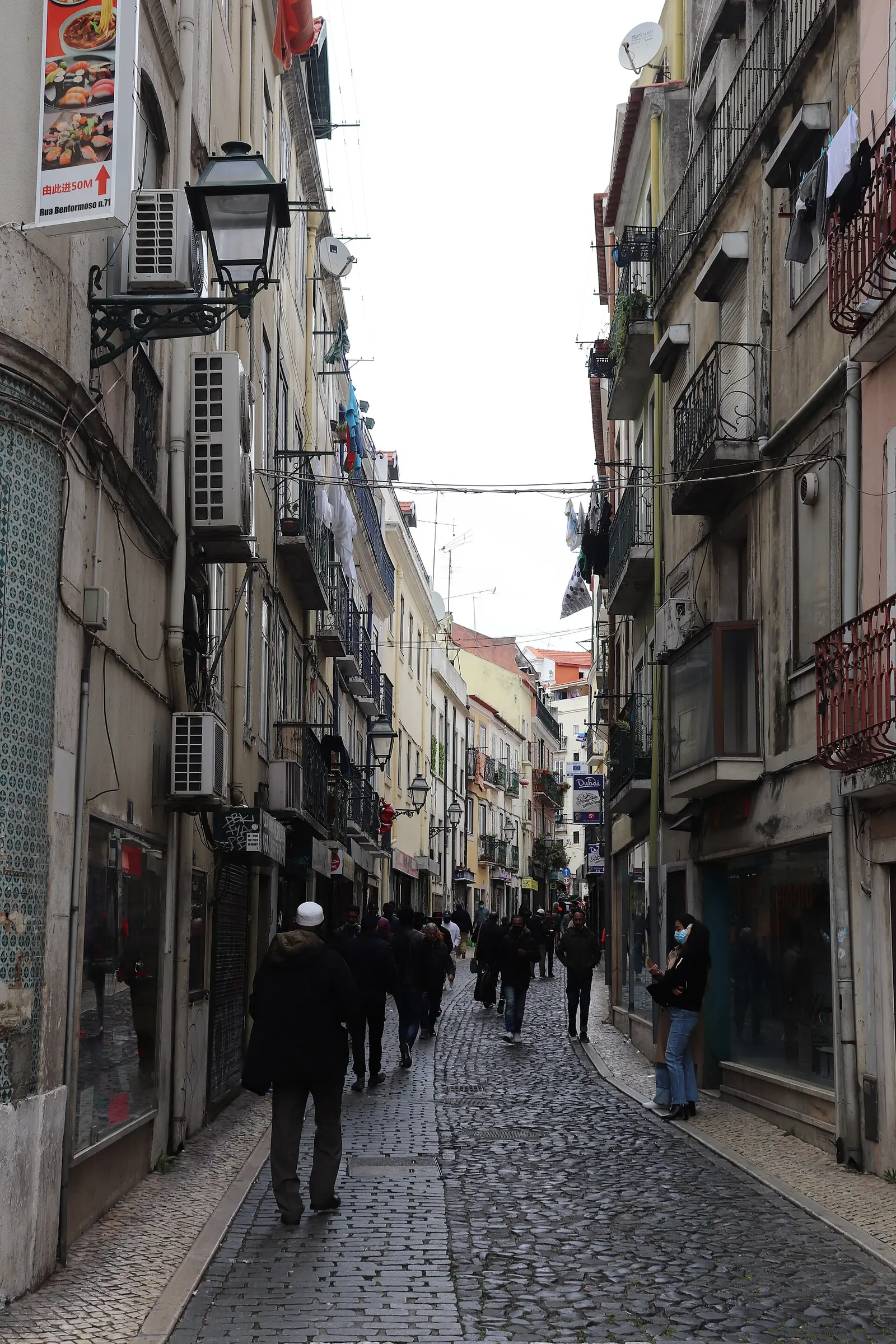
Rua do Benformoso, between Mouraria and Intendente, in April 2022.
Andrzej Otrębski, CC BY-SA 4.0
Date: 2022-04-09
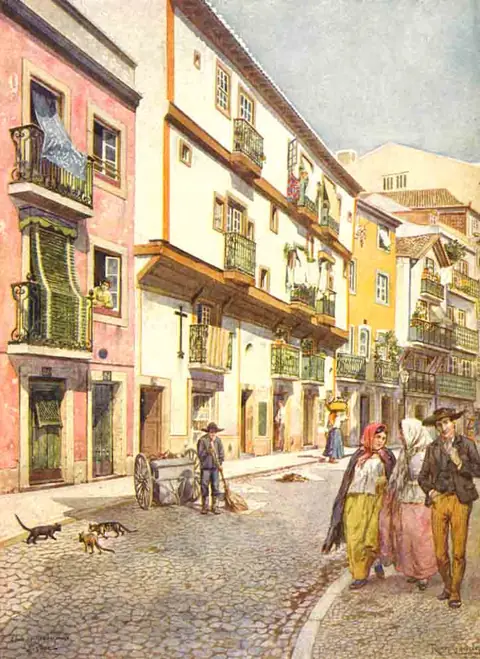
Rua do Benformoso in a watercolour by Alfredo Roque Gameiro, painted between 1910 and 1920 and published in the album “Lisboa Velha” (Old Lisbon, 1925).
Roque Gameiro, Public domain
Date: entre 1910 e 1920
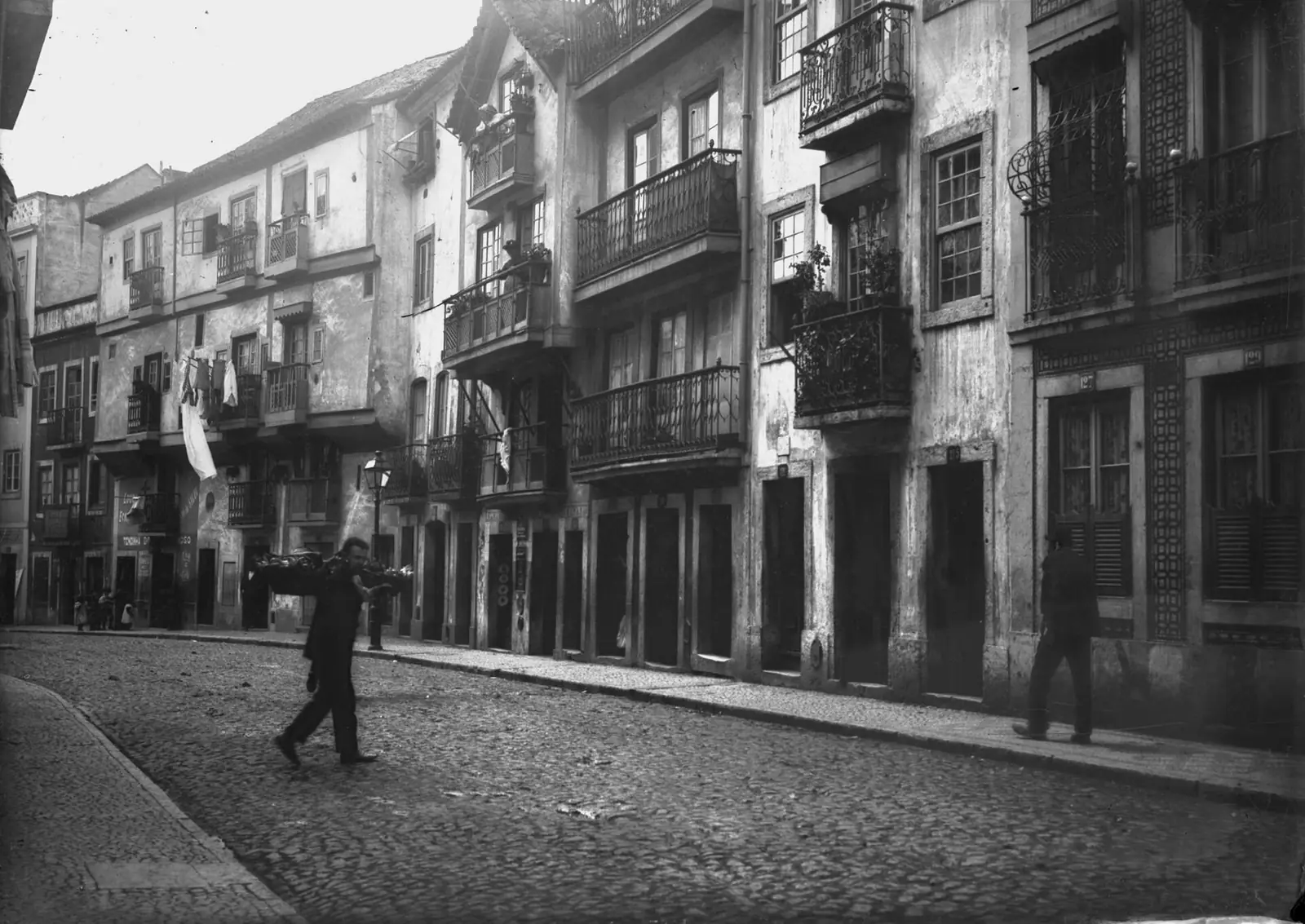
Rua do Benformoso around 1900. Photograph by José Artur Leitão Bárcia (Lisbon Municipal Archive).
José Artur Leitão Bárcia, Public domain
Date: c. 1900
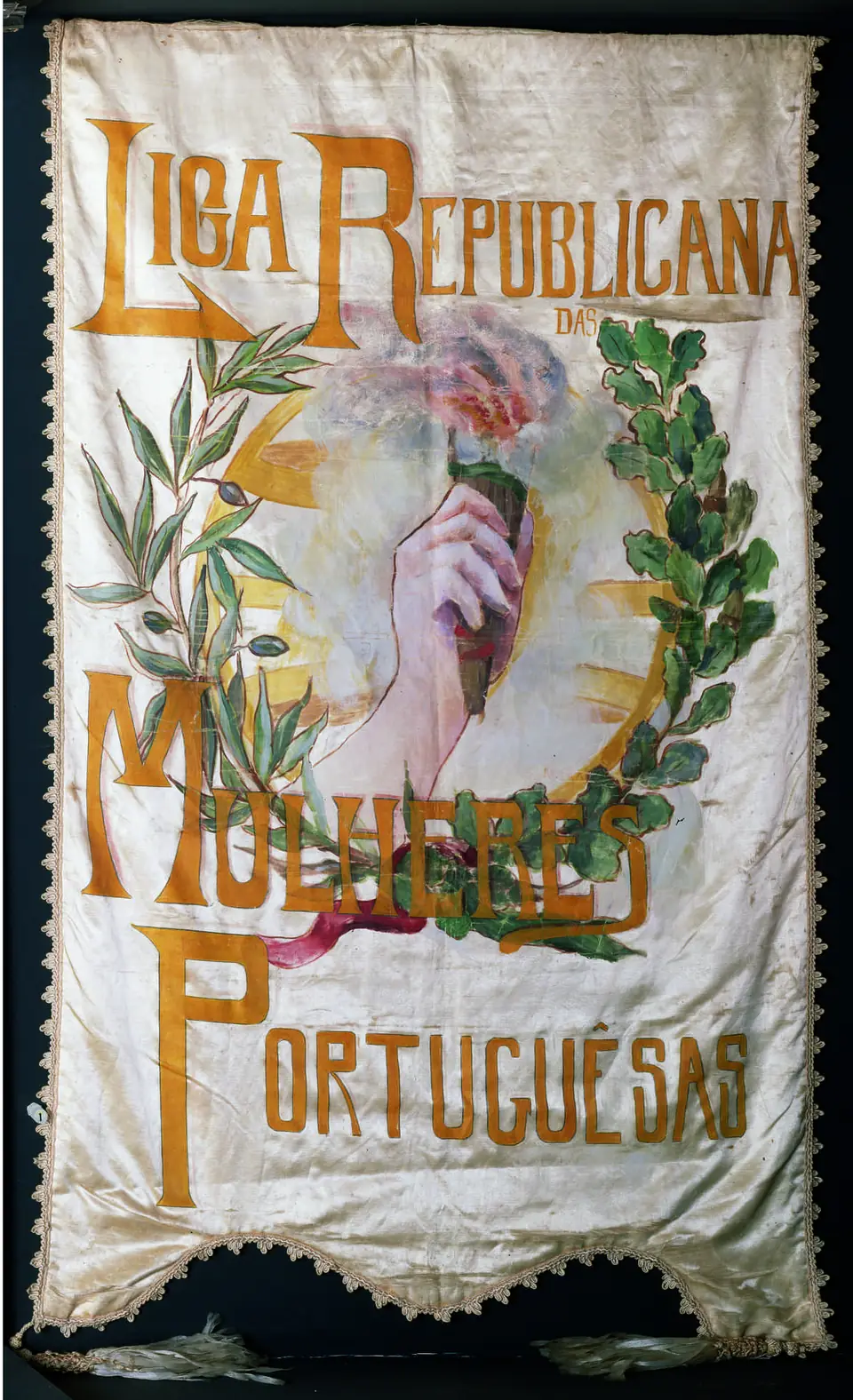
The banner of the Republican League of Portuguese Women, from about 1909–1911.
Autor desconhecido, Public domain
Date: c. 1909–1911
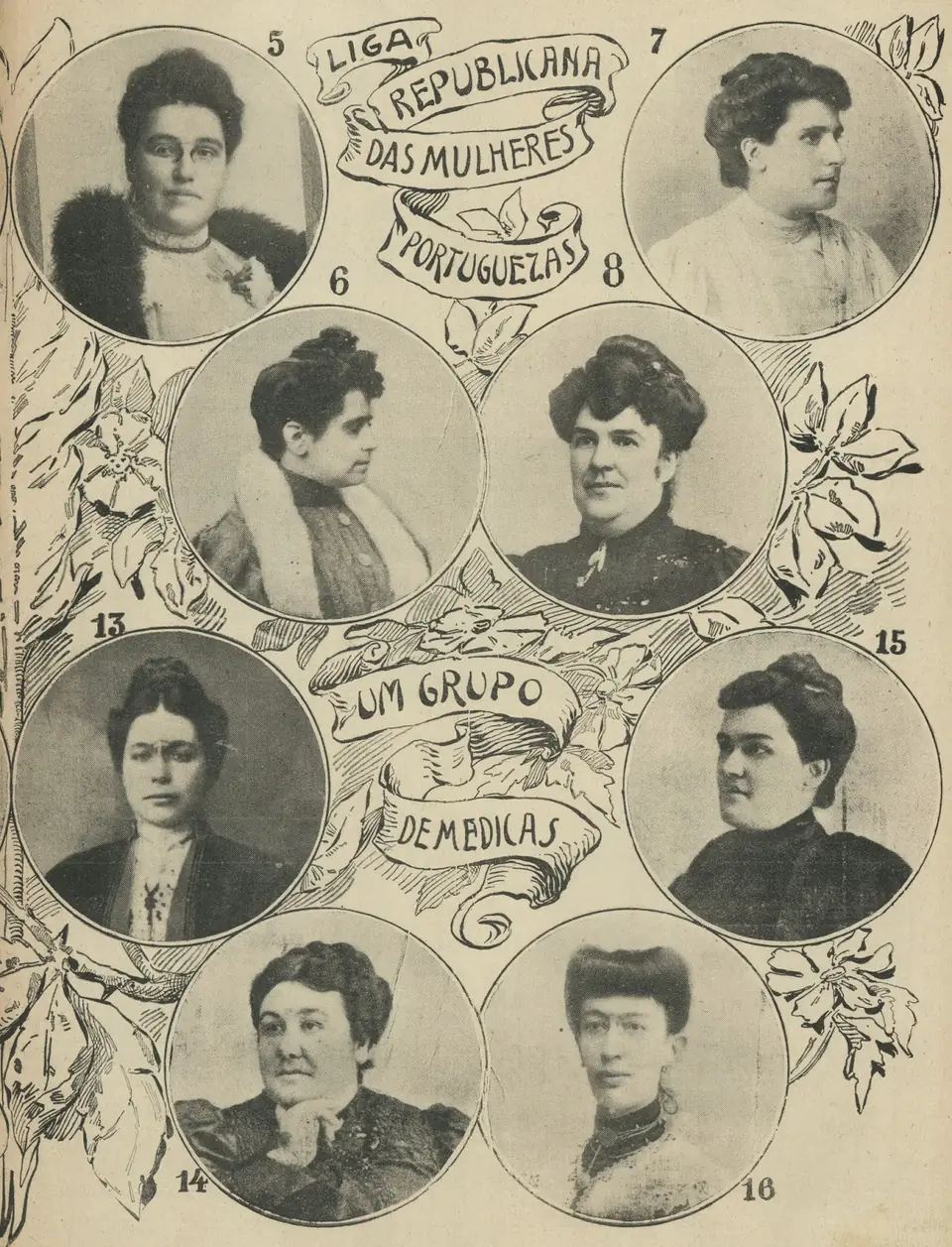
A page from the supplement of “O Século” of 12 May 1910 on the suffragists: at the top, members of the Republican League of Portuguese Women; at the bottom, “a group of women doctors”.
O Século (digitalização do Arquivo Nacional), CC BY-SA 4.0
Date: 1910-05-12
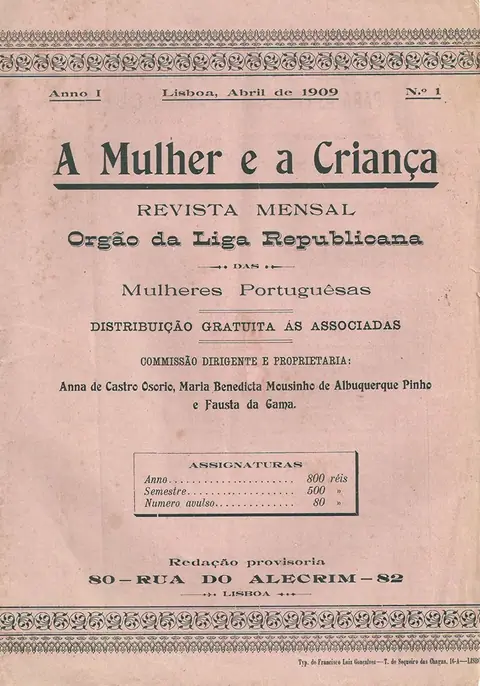
The cover of issue no. 1 of “A Mulher e a Criança” (Woman and Child), the monthly magazine of the Republican League of Portuguese Women, from April 1909.
Liga Republicana das Mulheres Portuguesas (digitalização do Arquivo Nacional), CC0 1.0
Date: 1909-04
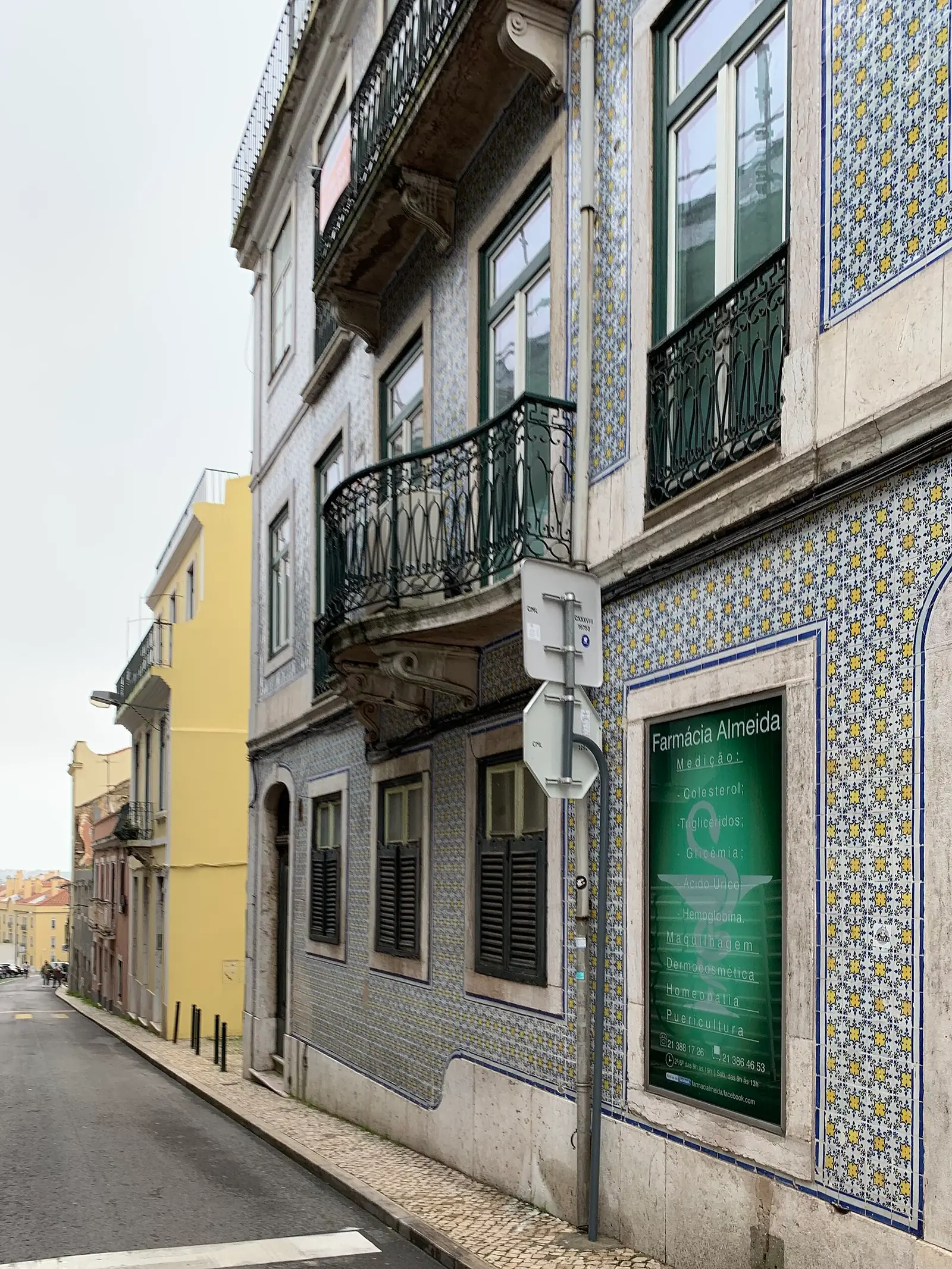
Rua do Sol ao Rato, where Carolina Beatriz Ângelo and Januário Barreto lived, in December 2019.
Date: 2019-12-23
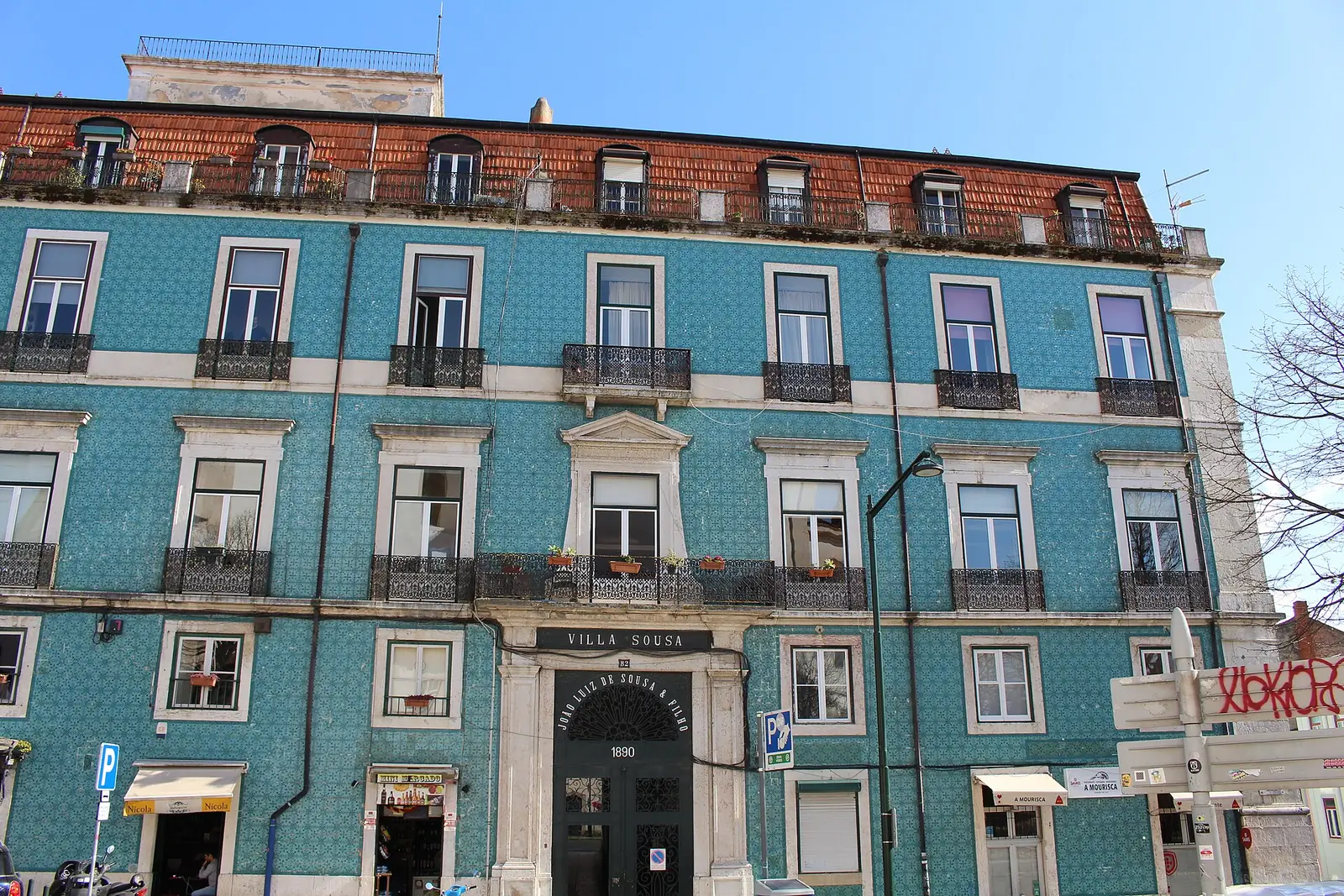
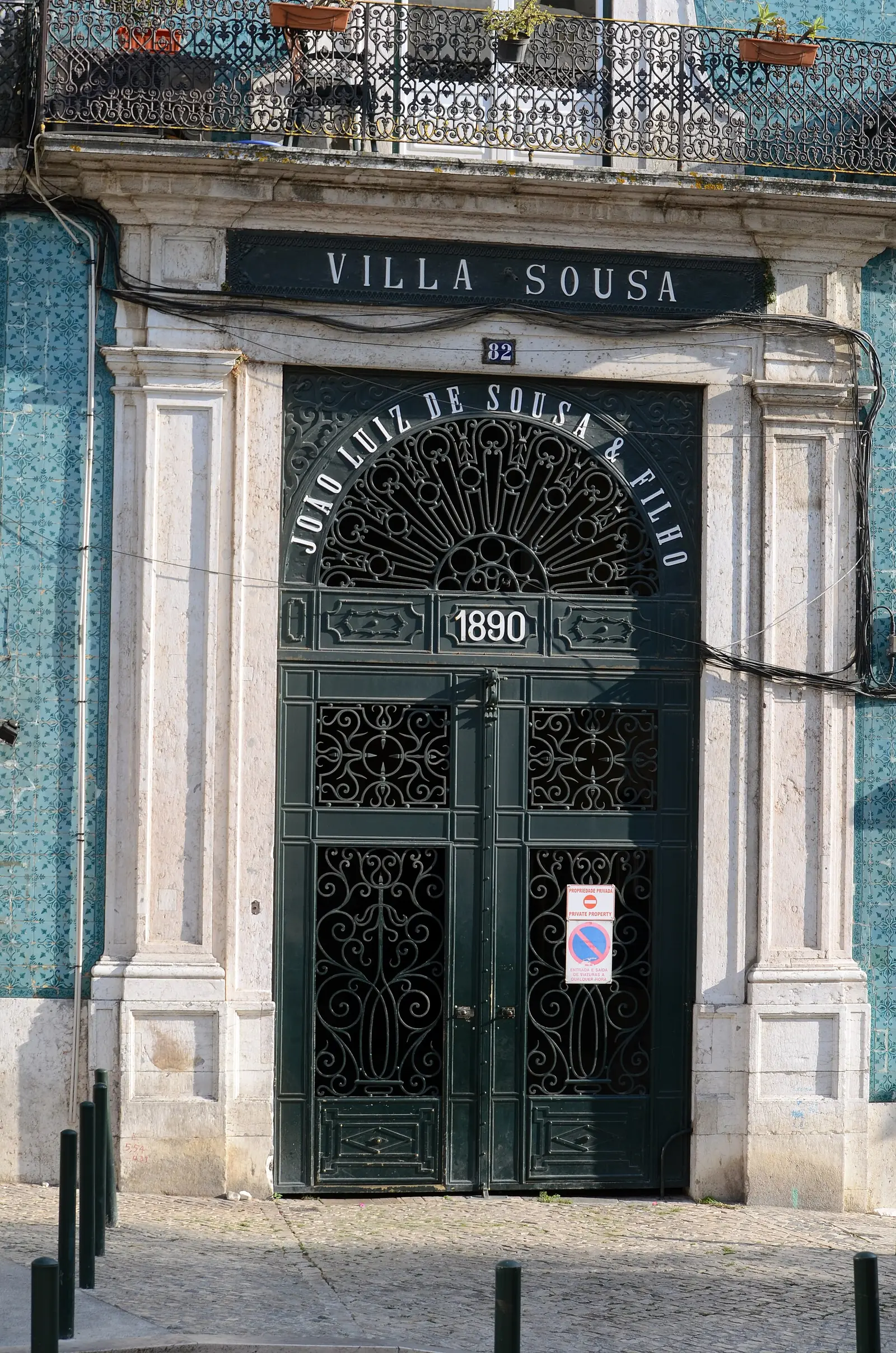
The Vila Sousa, in Largo da Graça, whose ground floor houses the Botequim, in 2019.
Date: 2019-03-25
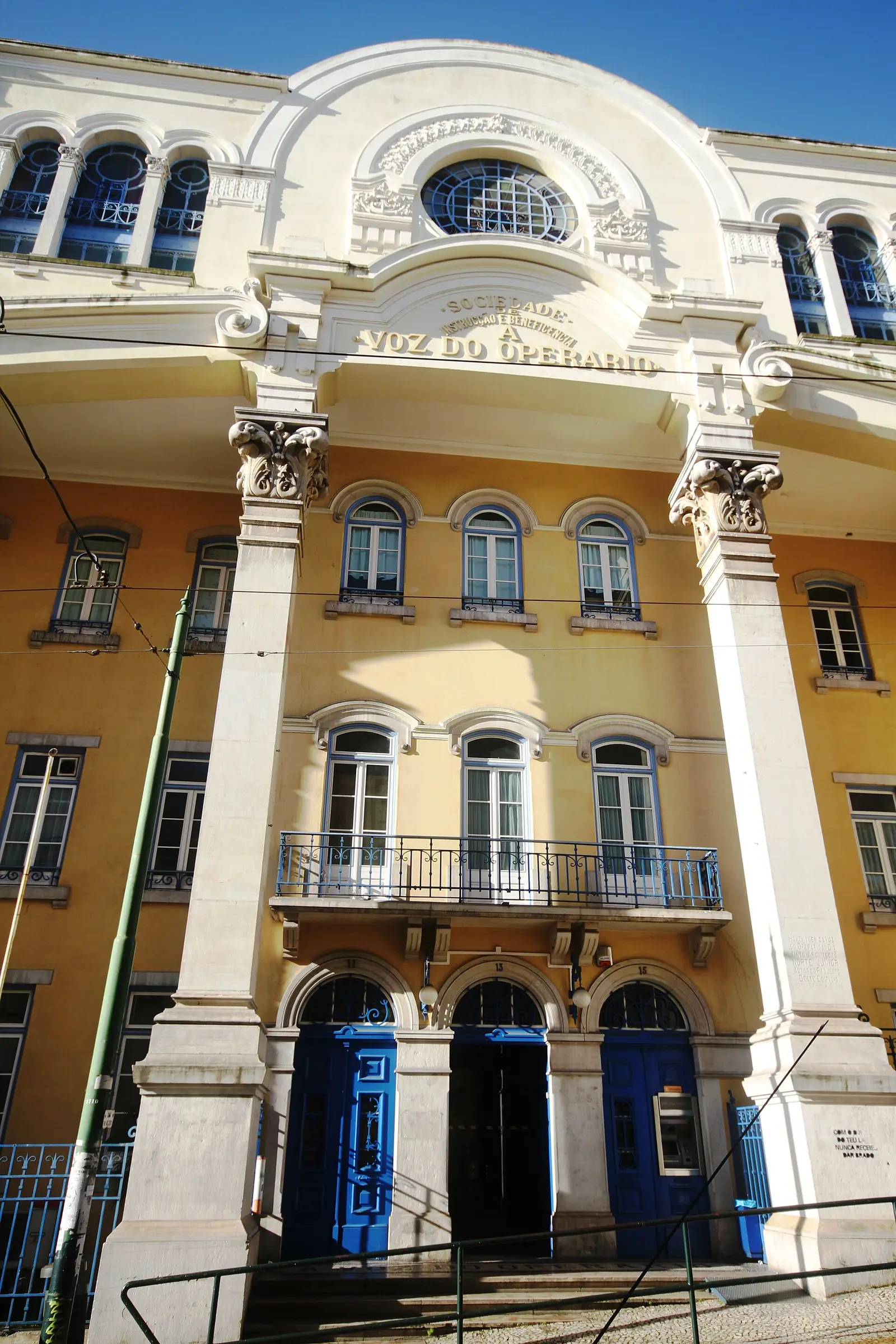
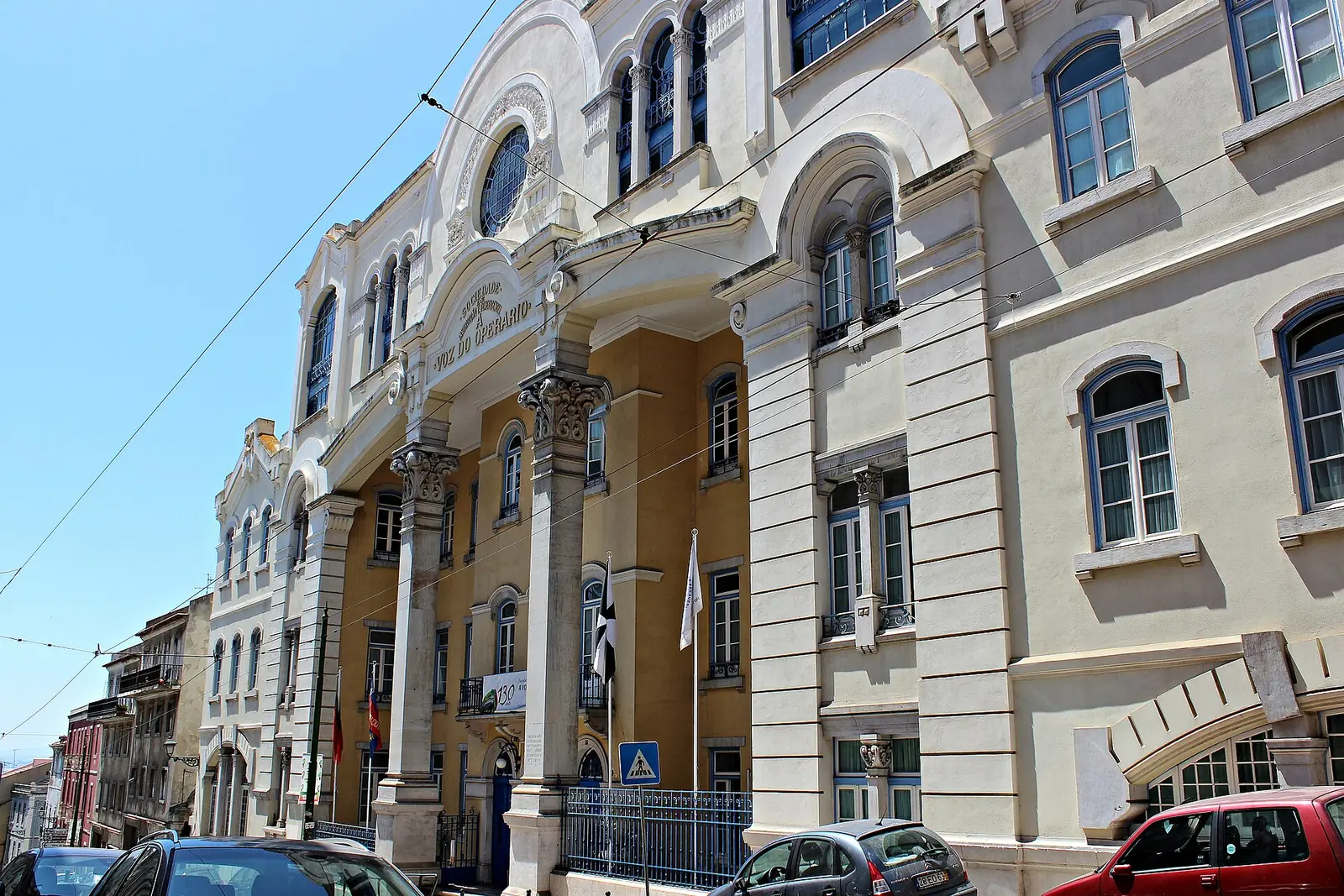
The headquarters of the Education and Welfare Society A Voz do Operário, in Graça, in 2013.
José Luiz Bernardes Ribeiro, CC BY-SA 3.0
Date: 2013-01-21
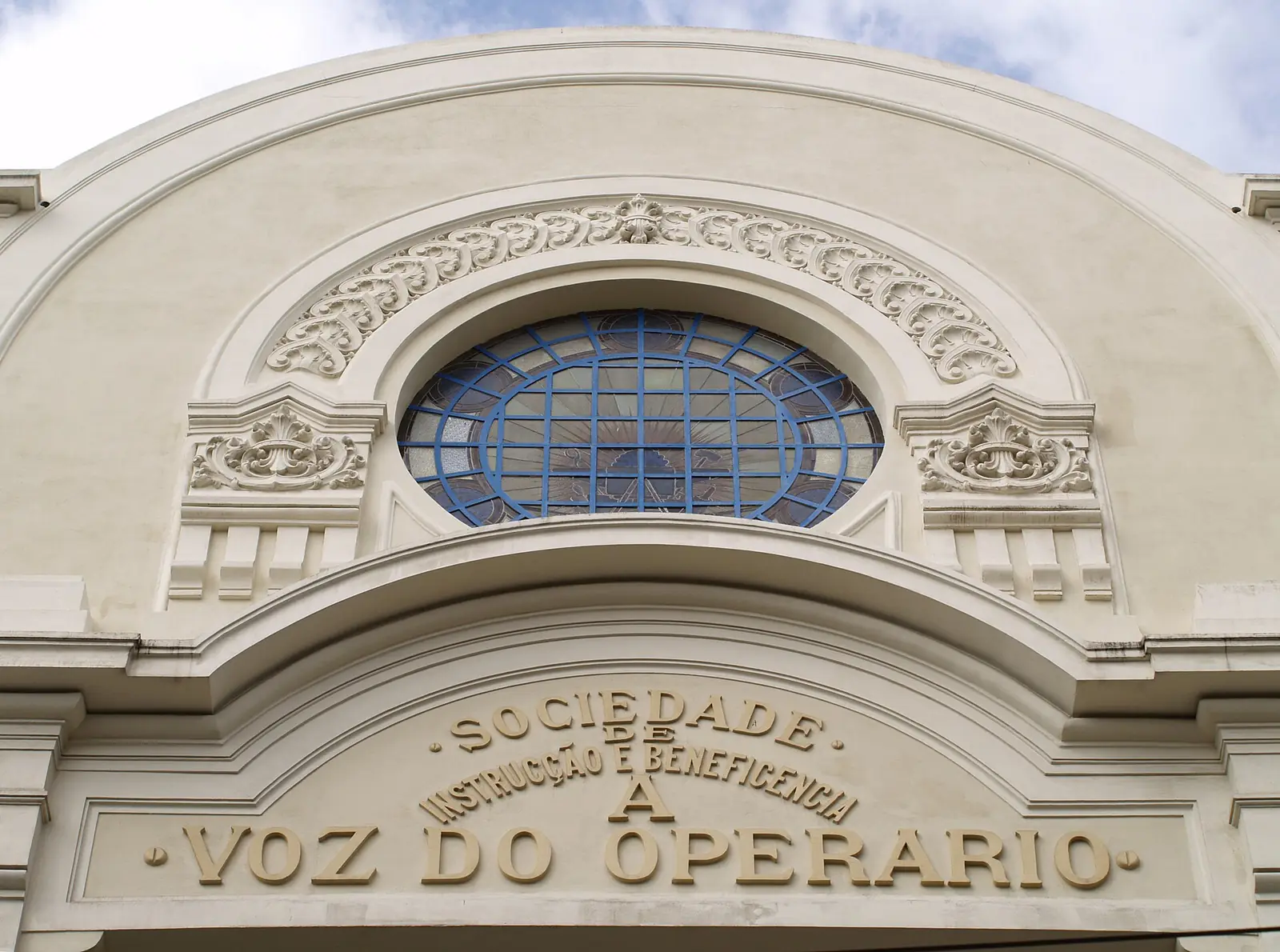
The tympanum of the façade of A Voz do Operário, with the society’s name.
Date: 2011-09-22
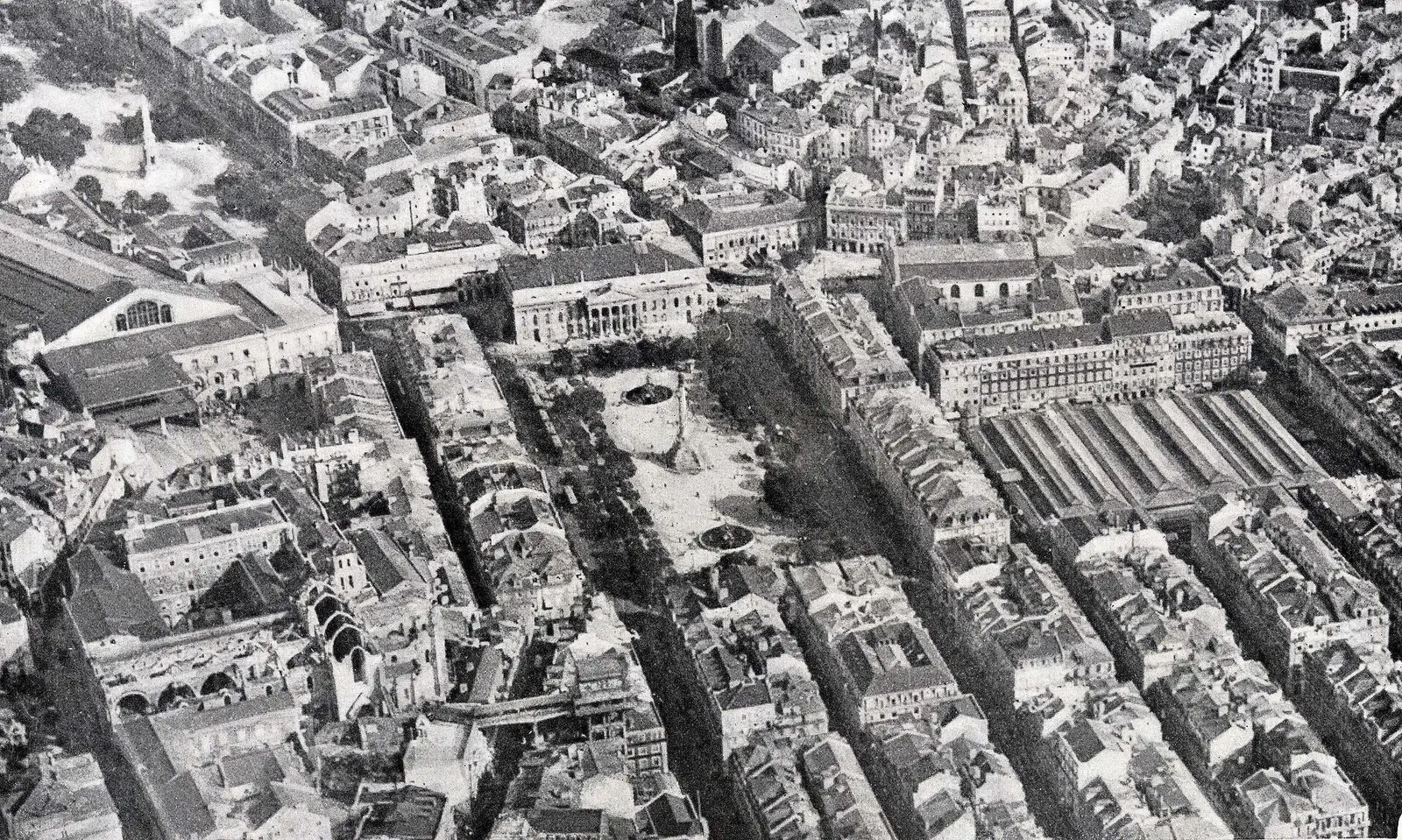
An aerial view of the Rossio and Praça da Figueira in 1919. Photograph by Serra Ribeiro for the “Ilustração Portuguesa”.
Serra Ribeiro, Public domain
Date: 1919-09-22
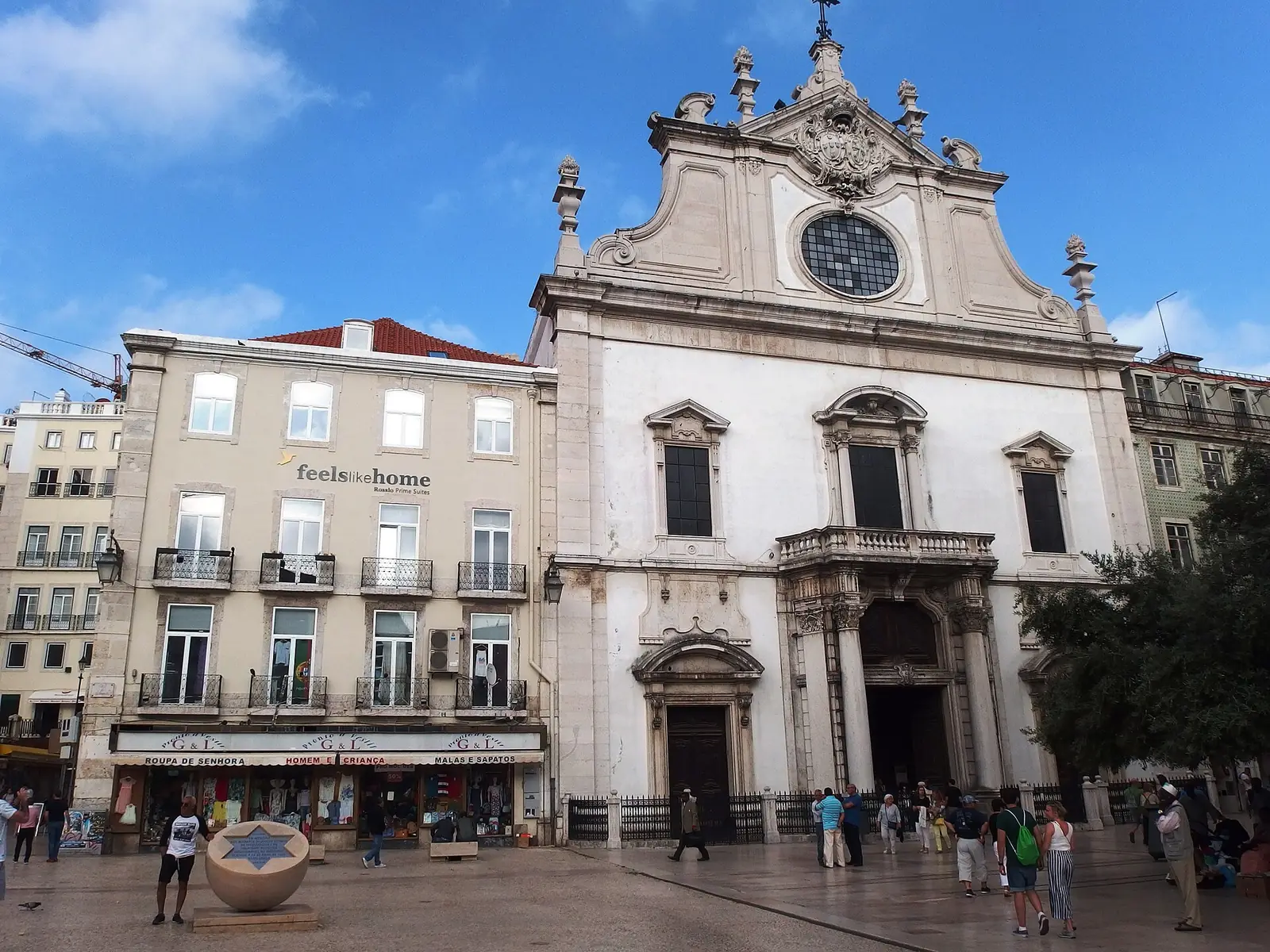
The Church of São Domingos and the square in front of it, in July 2017.
Date: 2017-07-08
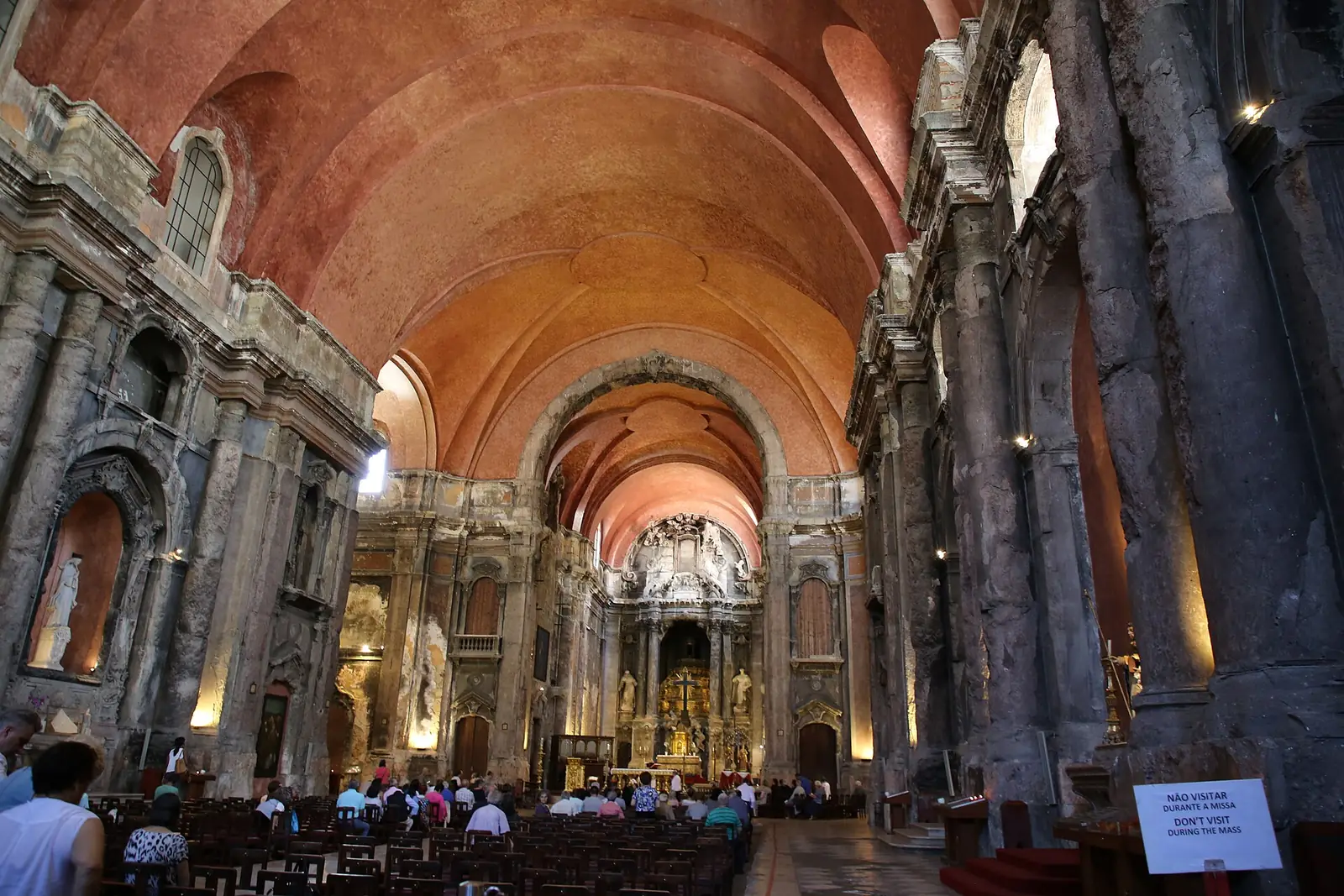
The interior of the Church of São Domingos, where the vigil of the night from 1968 into 1969 took place, in 2019.
Andrey Filippov 安德烈, CC BY 2.0
Date: 2019-07-28
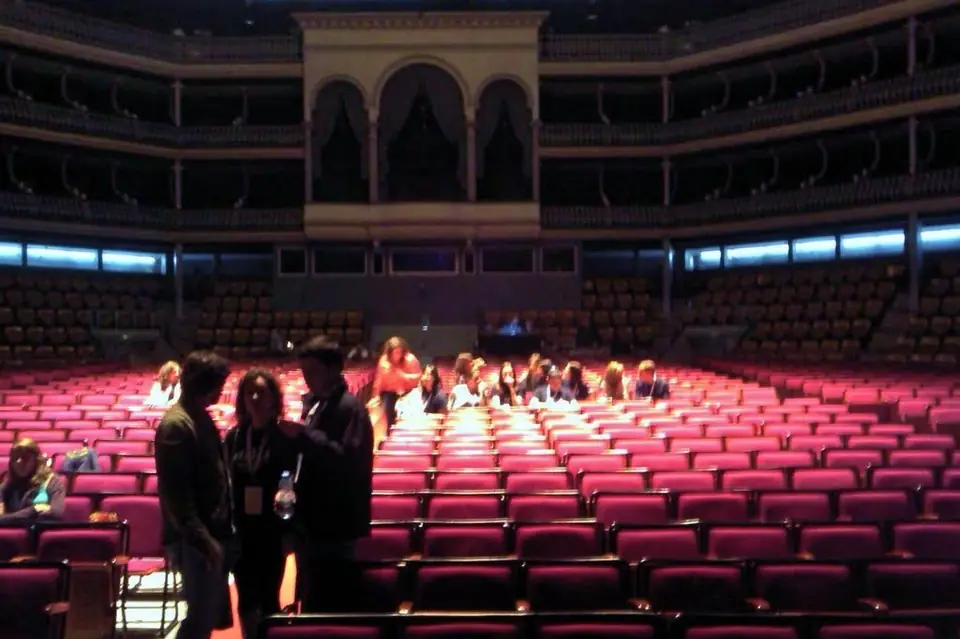
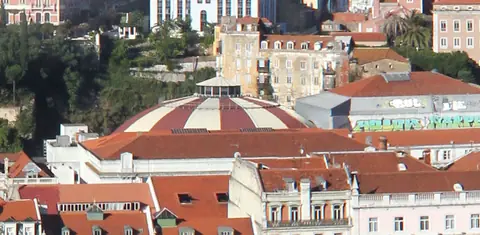
The dome of the Coliseu dos Recreios seen from the Miradouro de São Pedro de Alcântara, in 2014.
Date: 2014-07-10
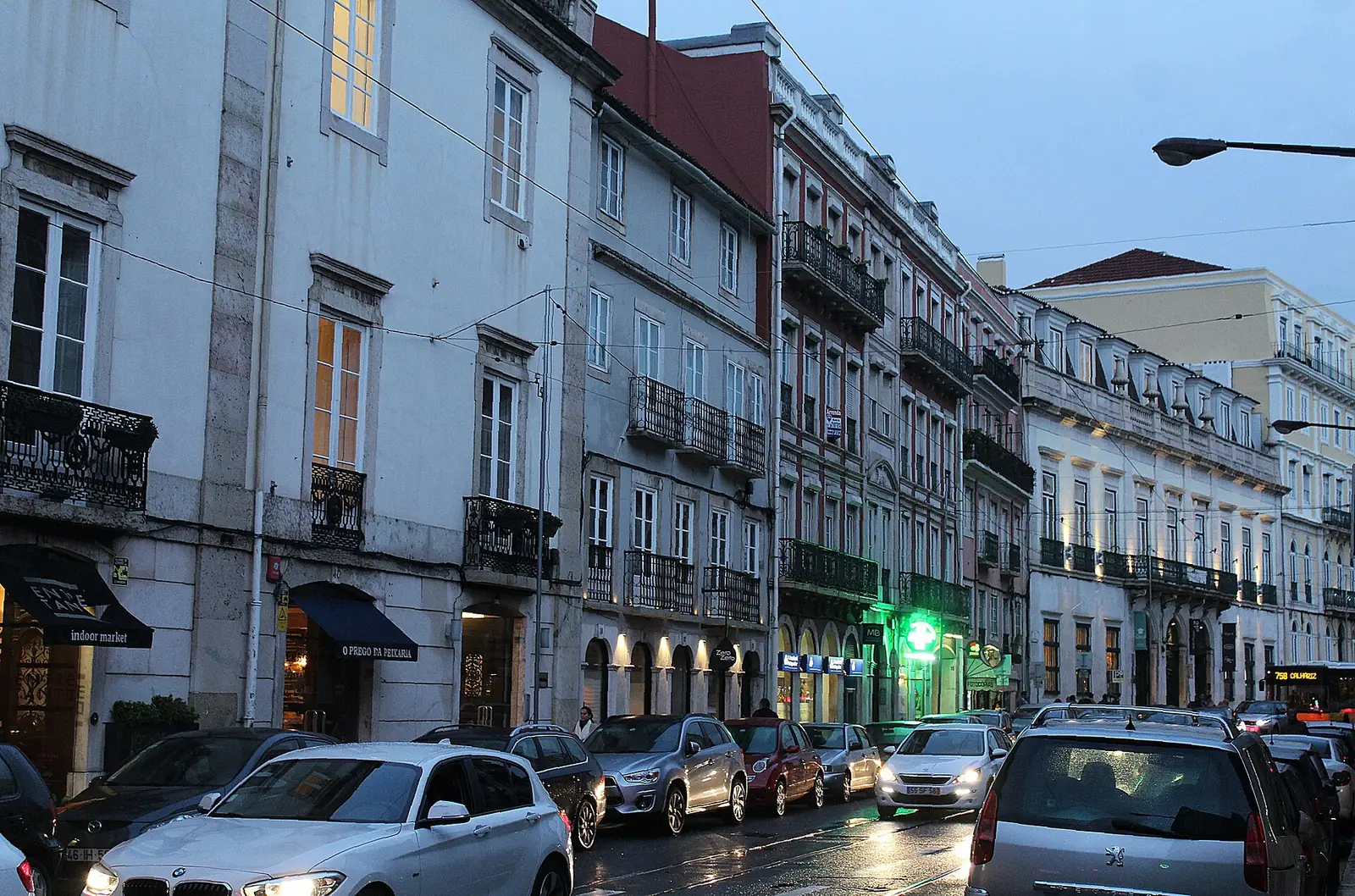
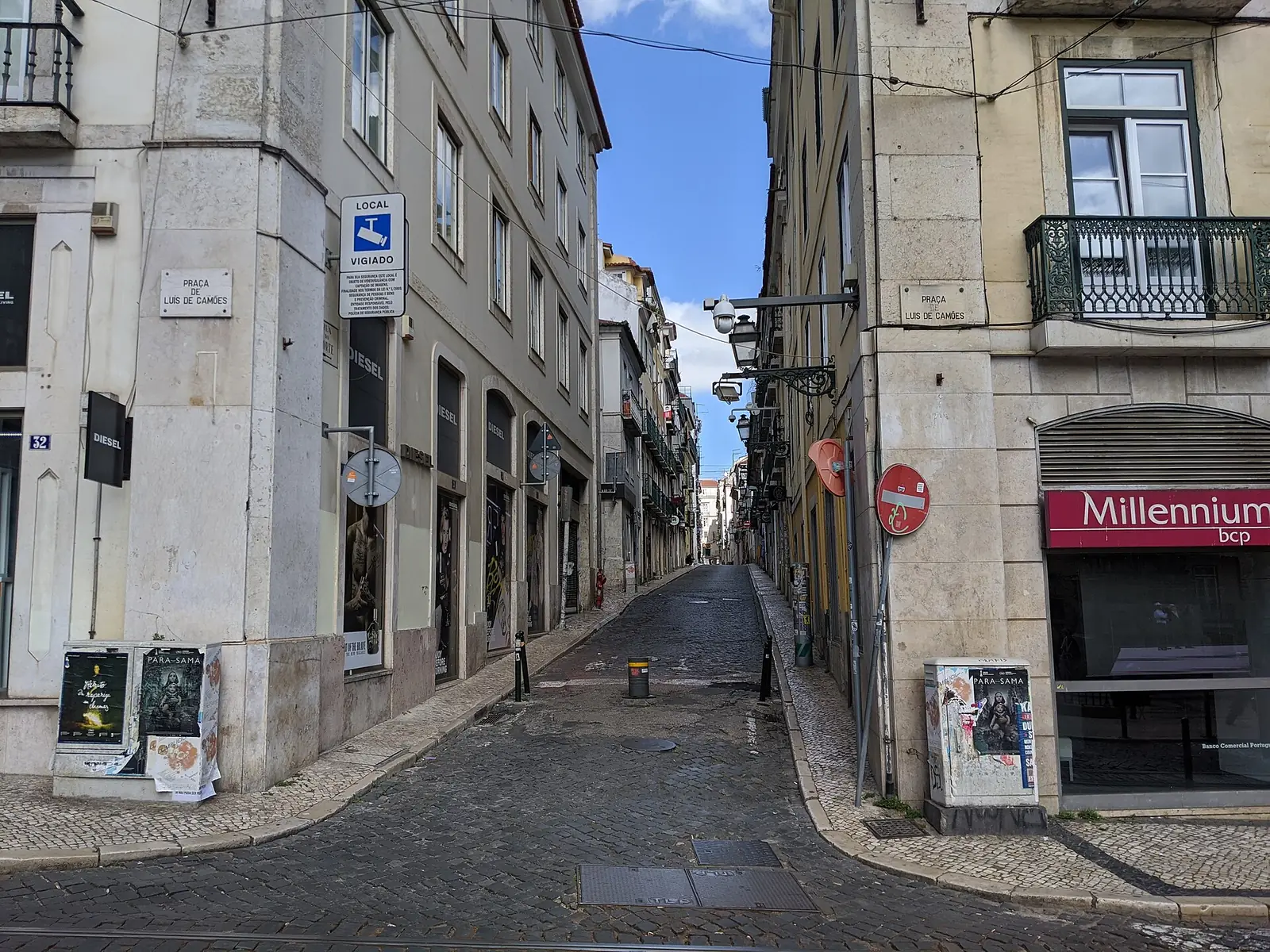
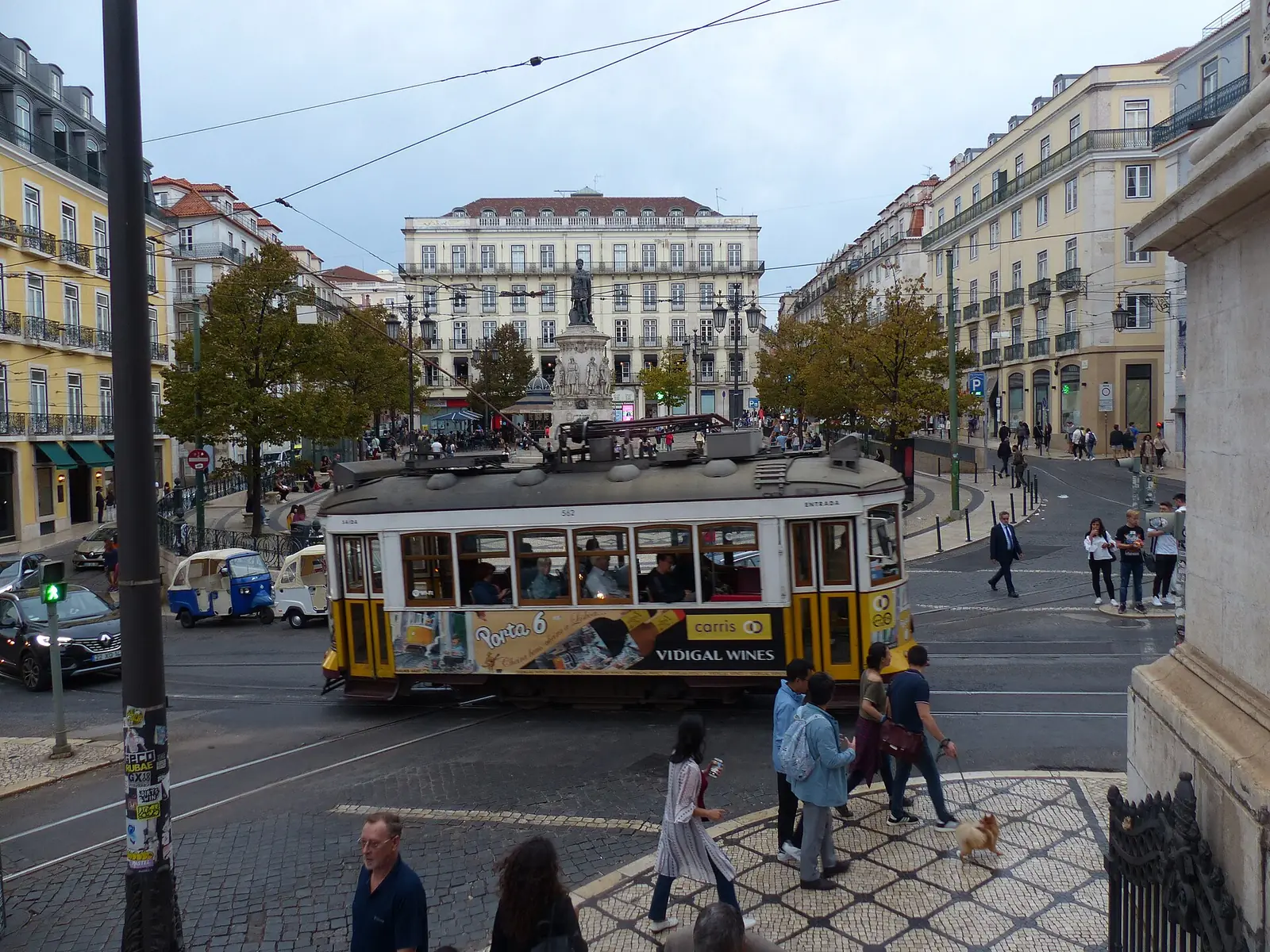
Praça de Luís de Camões, with a tram passing, in September 2019.
Bewahrerderwerte, CC BY-SA 4.0
Date: 2019-09-19
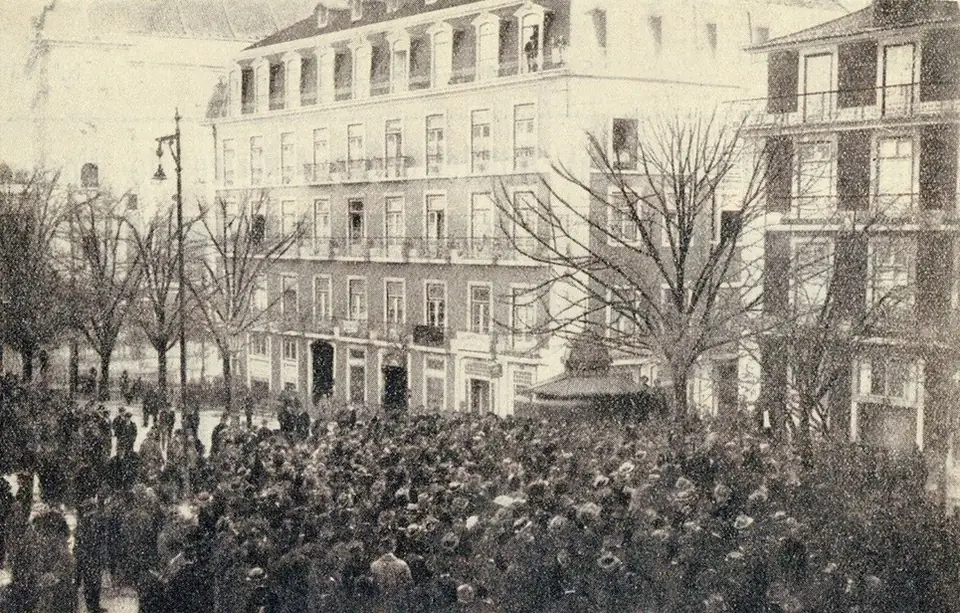
A rally against dictatorships organised by the Radical Republican Party in Largo de Camões, on 30 December 1923 (“Ilustração Portuguesa”, 5 January 1924).
Autor desconhecido, Public domain
Date: 1923-12-30
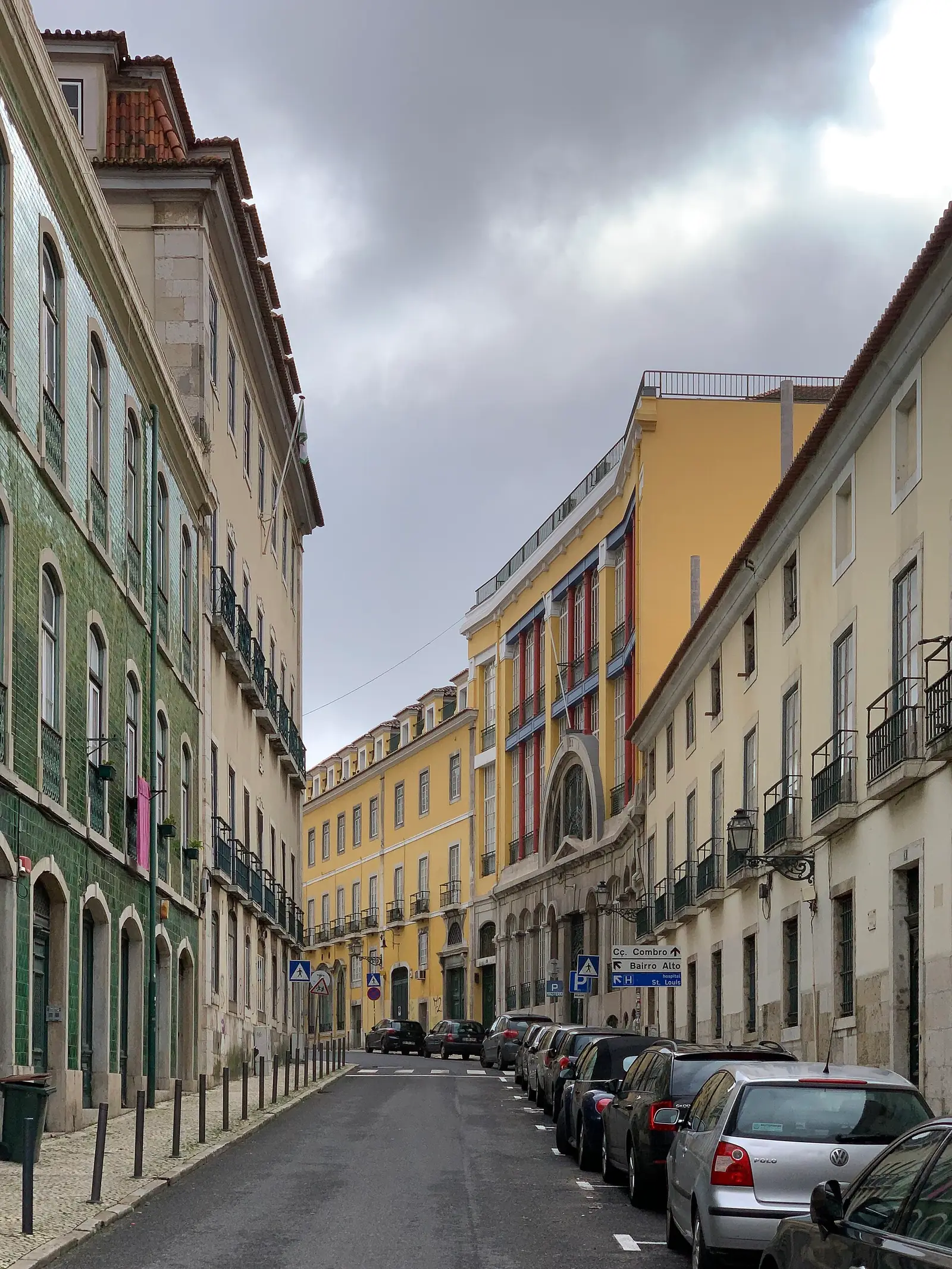
Rua de O Século, where the newspaper’s newsroom was, in December 2019.
Date: 2019-12-22
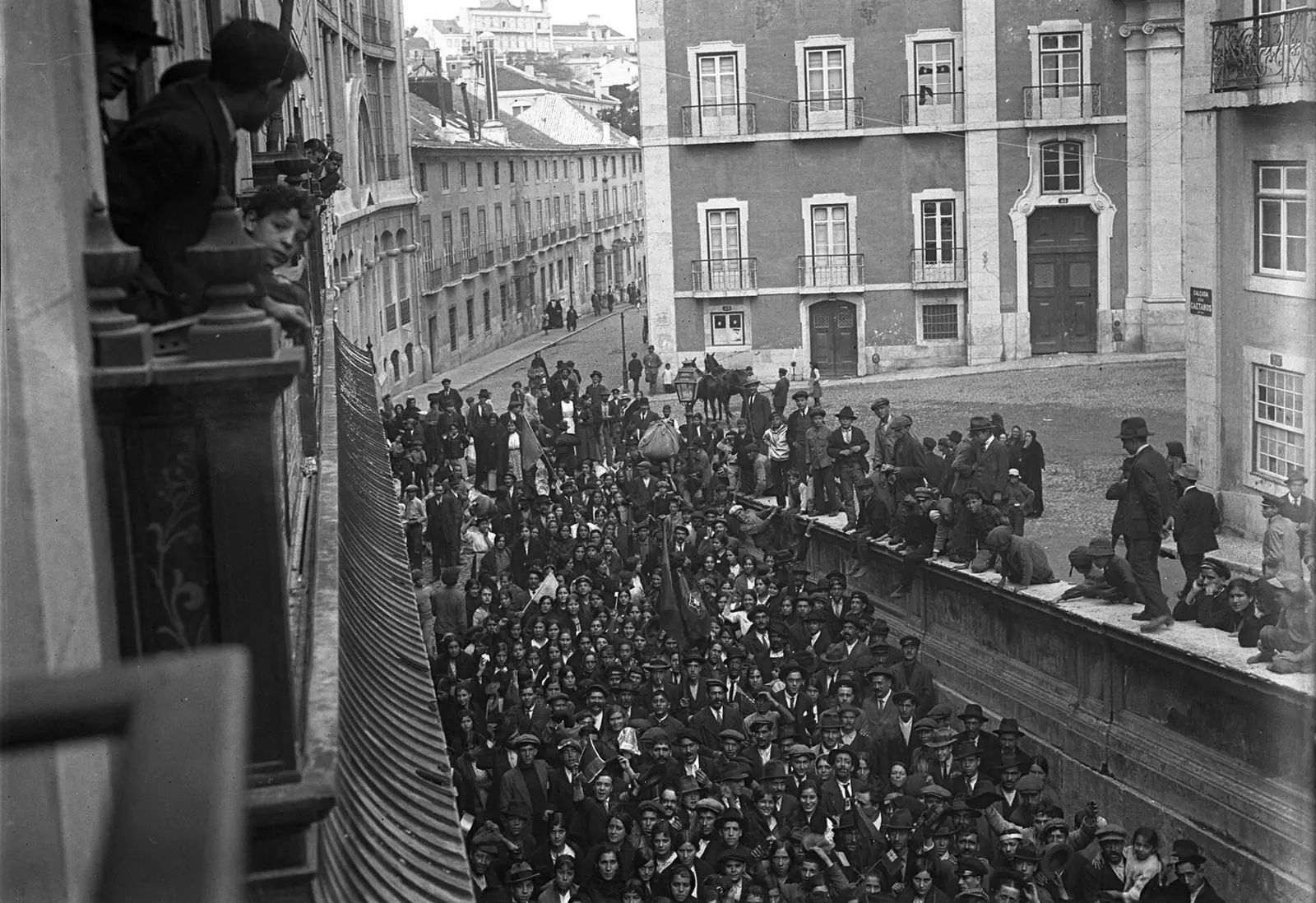
The staff of the Companhia dos Tabacos (Tobacco Company) in front of the newspaper “O Século”, in 1918, celebrating the Allied victory. Photograph by Joshua Benoliel.
Joshua Benoliel, Public domain
Date: 1918
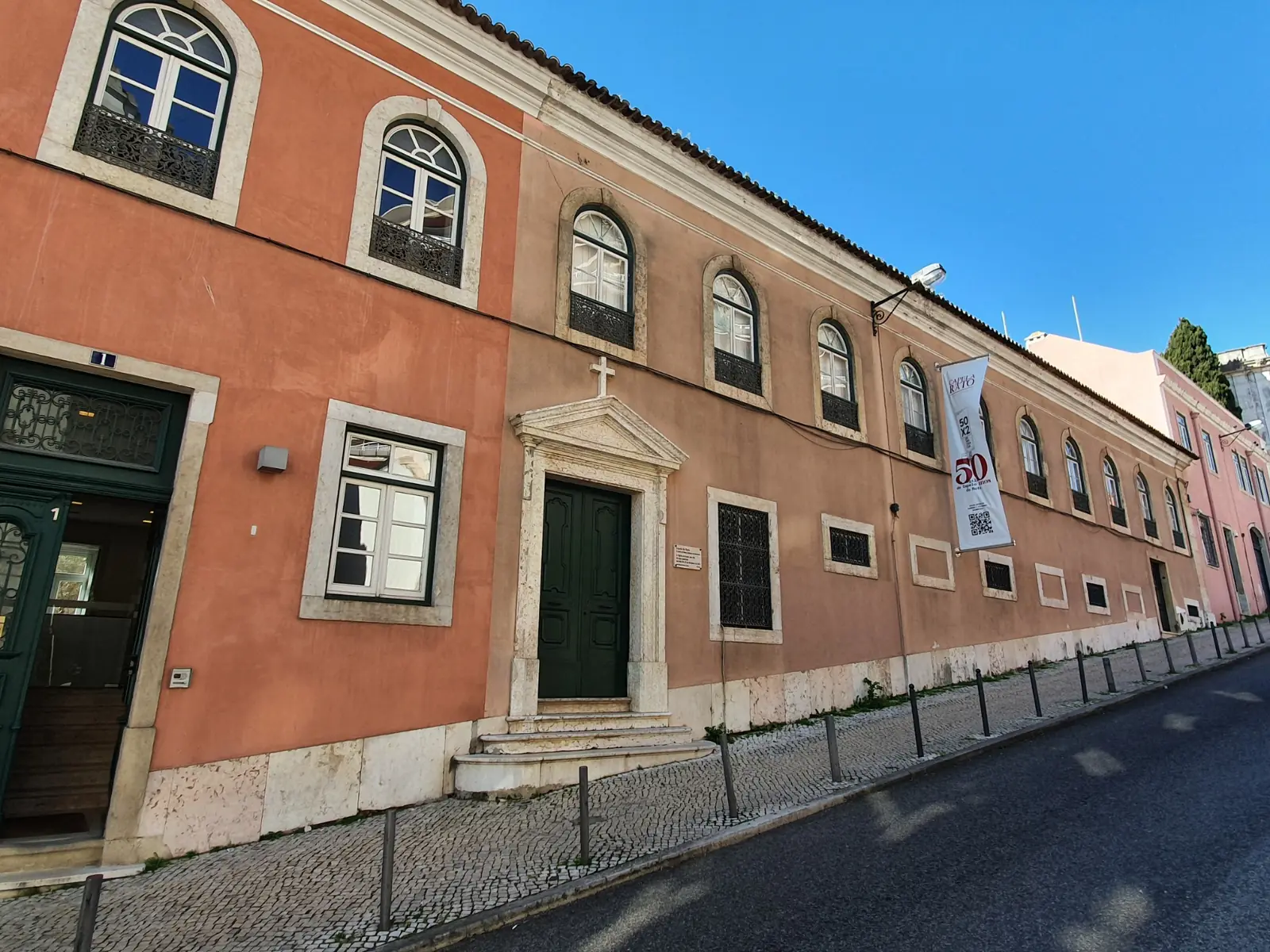
The Capela do Rato, on Calçada Bento da Rocha Cabral, in 2023.
Date: 2023-01-25
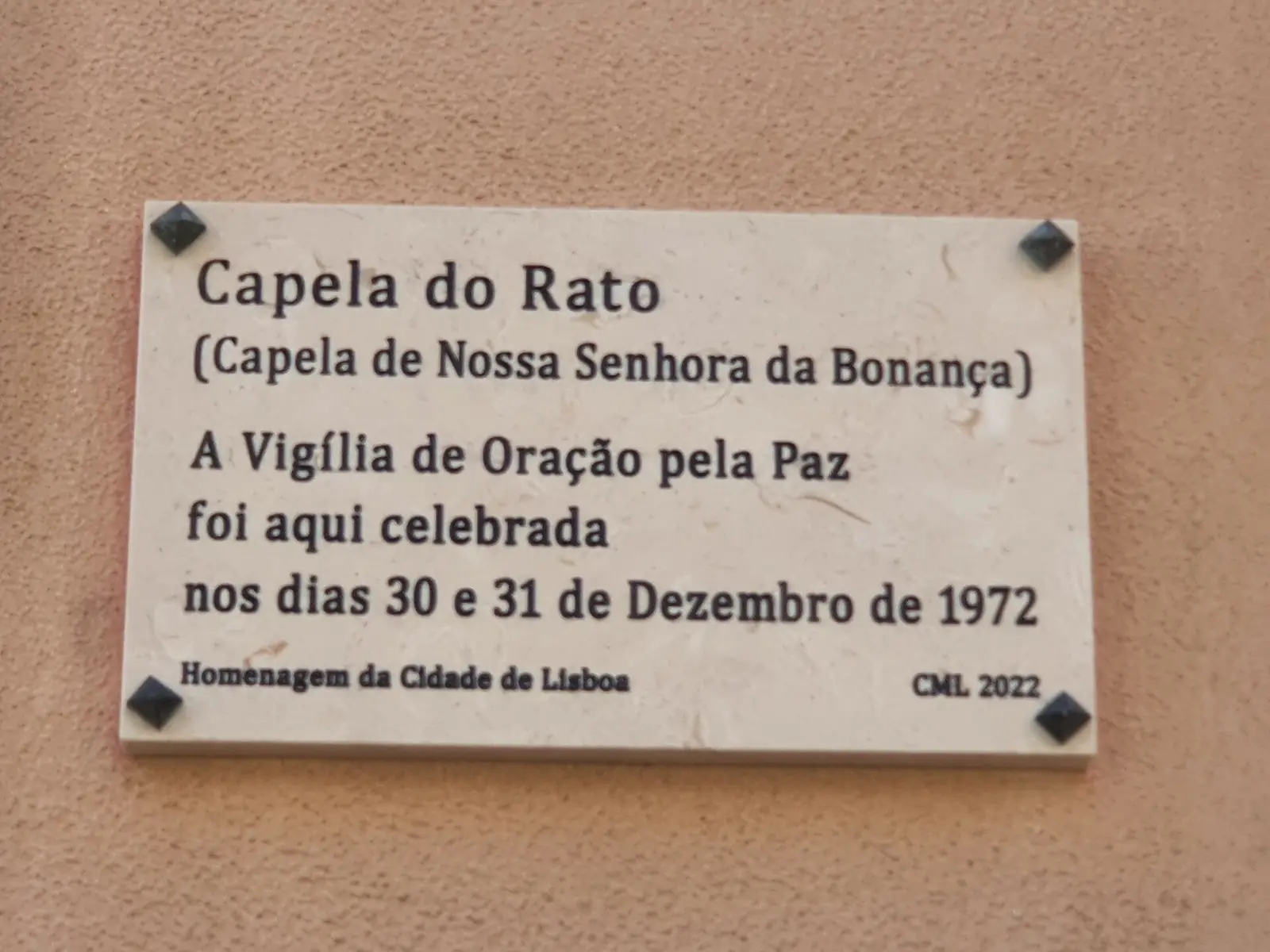
The 2022 plaque with which Lisbon City Council remembers the vigil of 30 and 31 December 1972.
Date: 2023-01-25
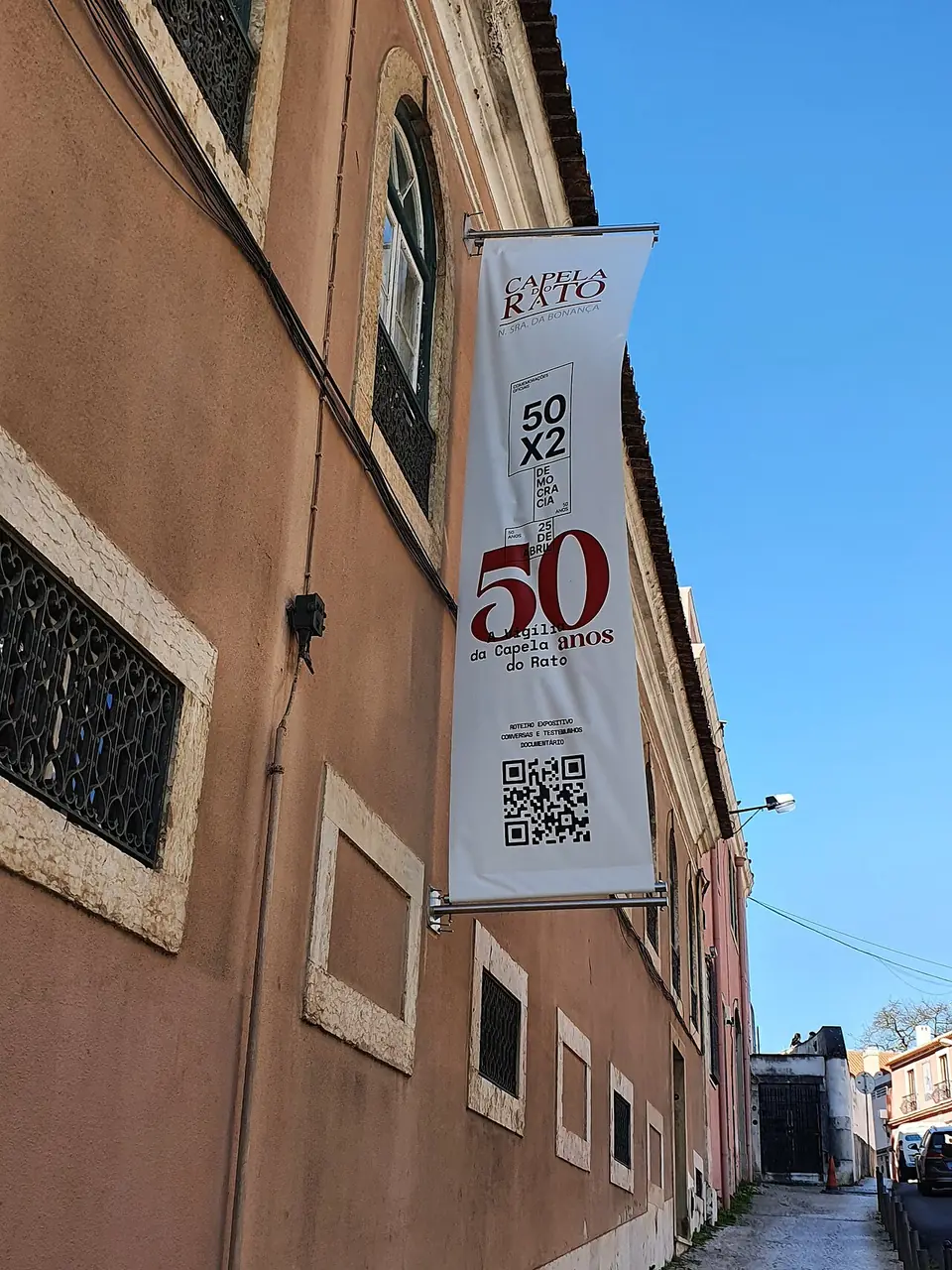
The banner for the 50th anniversary of the vigil on the façade of the Capela do Rato, in 2023.
Date: 2023-01-25
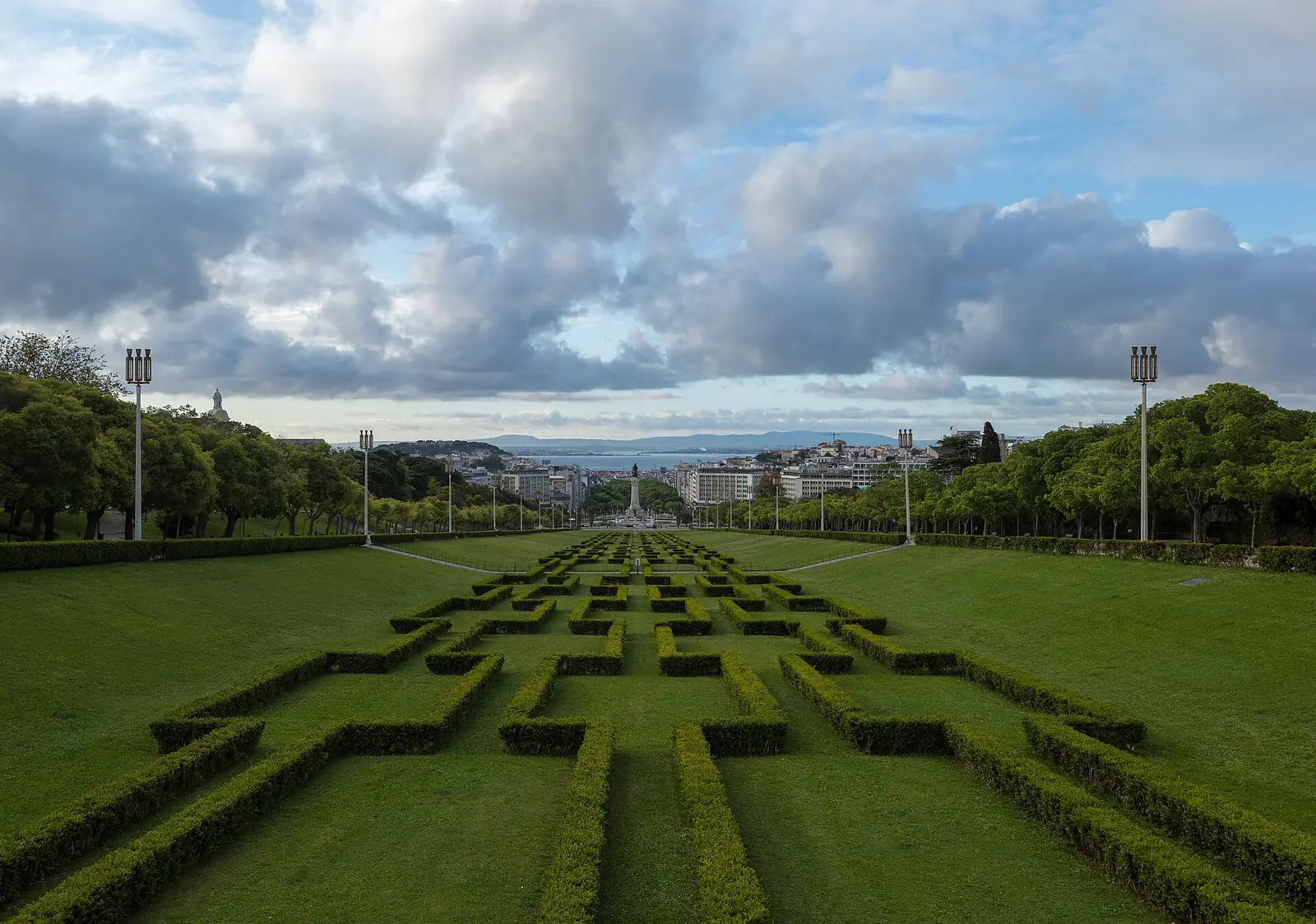
Parque Eduardo VII, empty on an April morning in 2020, sloping down to the Rotunda and the Tagus.
Jules Verne Times Two, CC BY-SA 4.0
Date: 2020-04-29
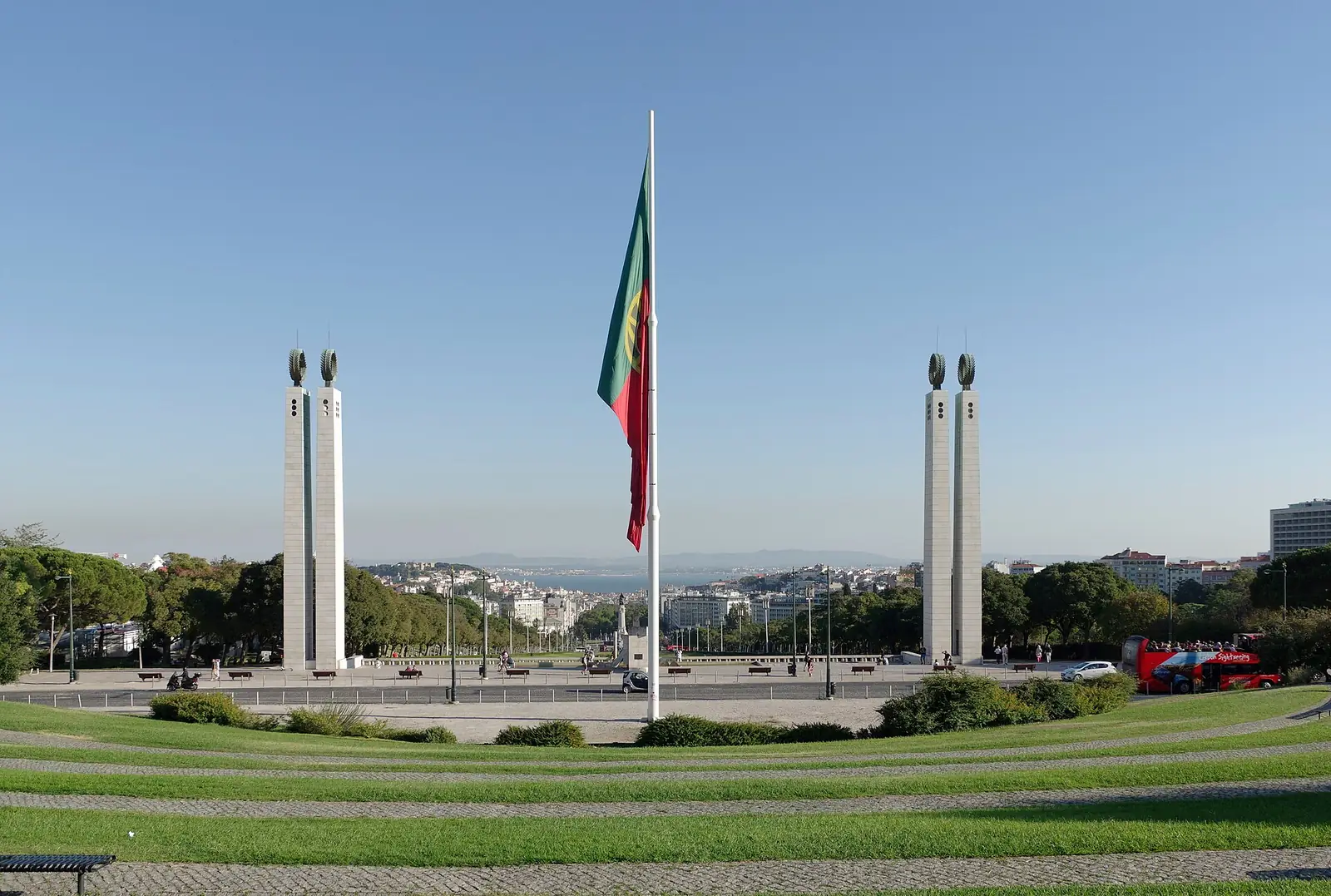
The top of Parque Eduardo VII, with the large national flag, in October 2018.
Date: 2018-10-04
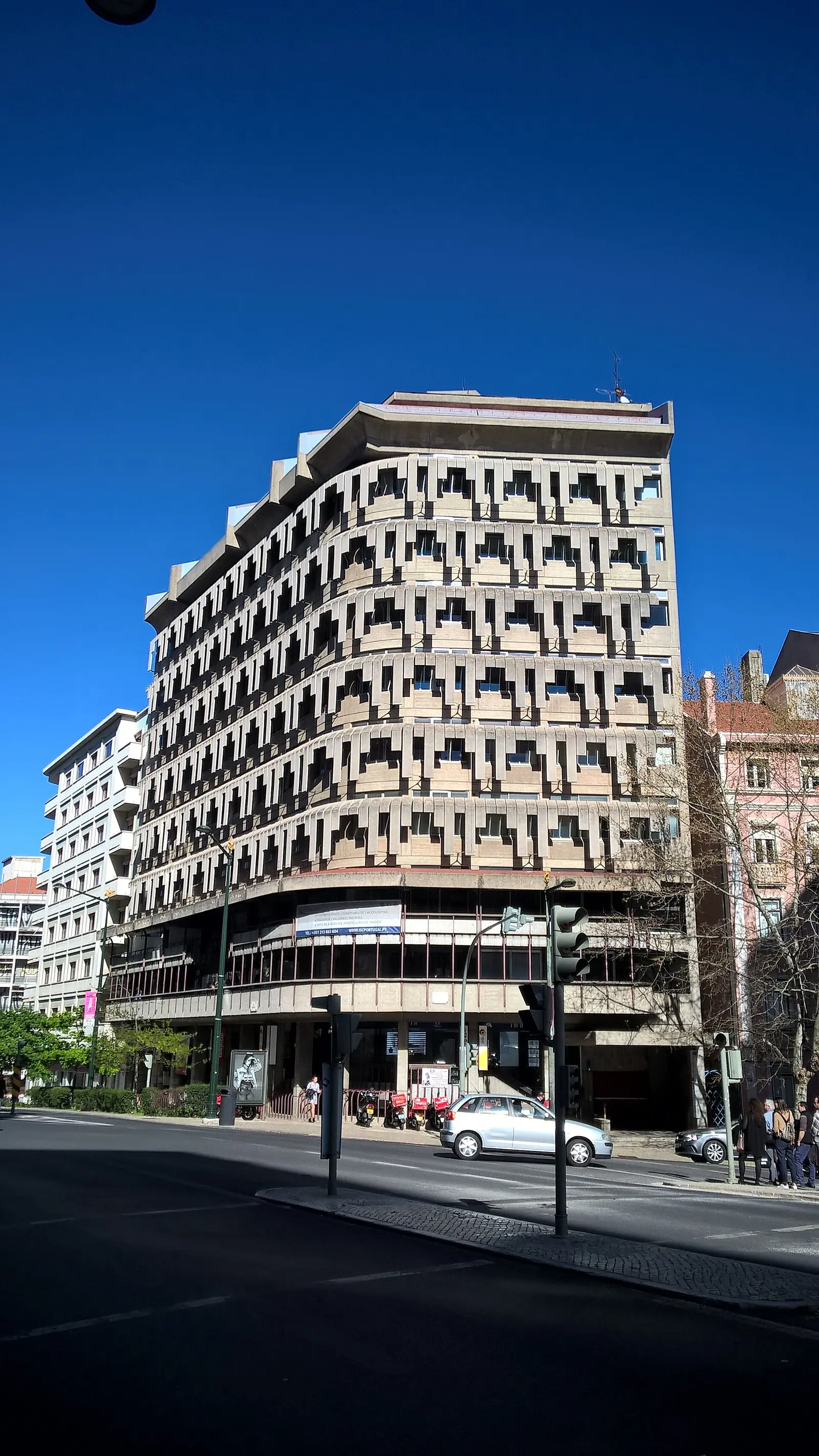
The Franjinhas Building, on the corner of Rua Braamcamp and Rua Castilho, in 2019.
Date: 2019-03-15
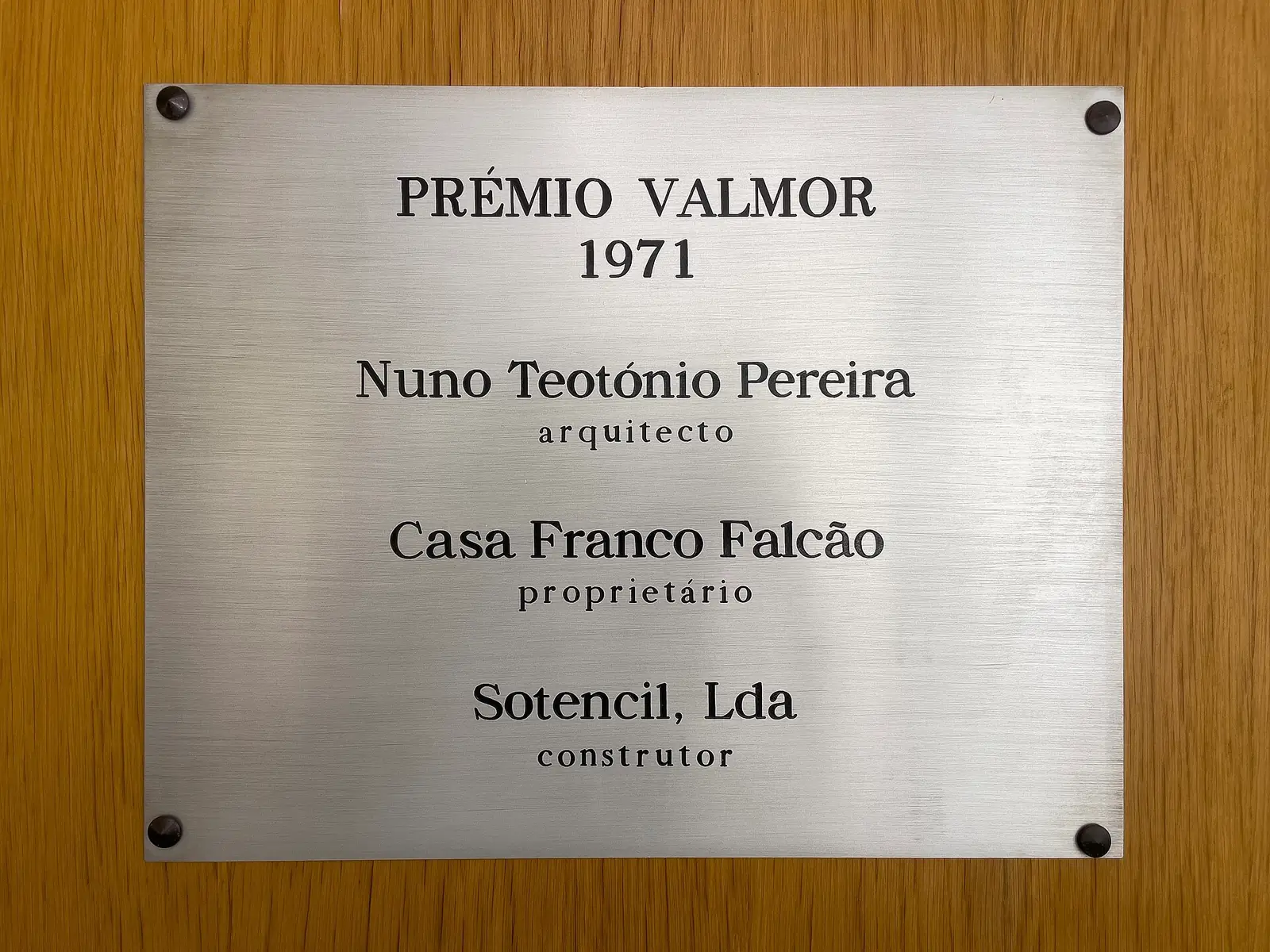
The 1971 Valmor Prize plaque on the Franjinhas Building, with the names of the architect Nuno Teotónio Pereira, the owner and the builder.
Date: 2025-08-11
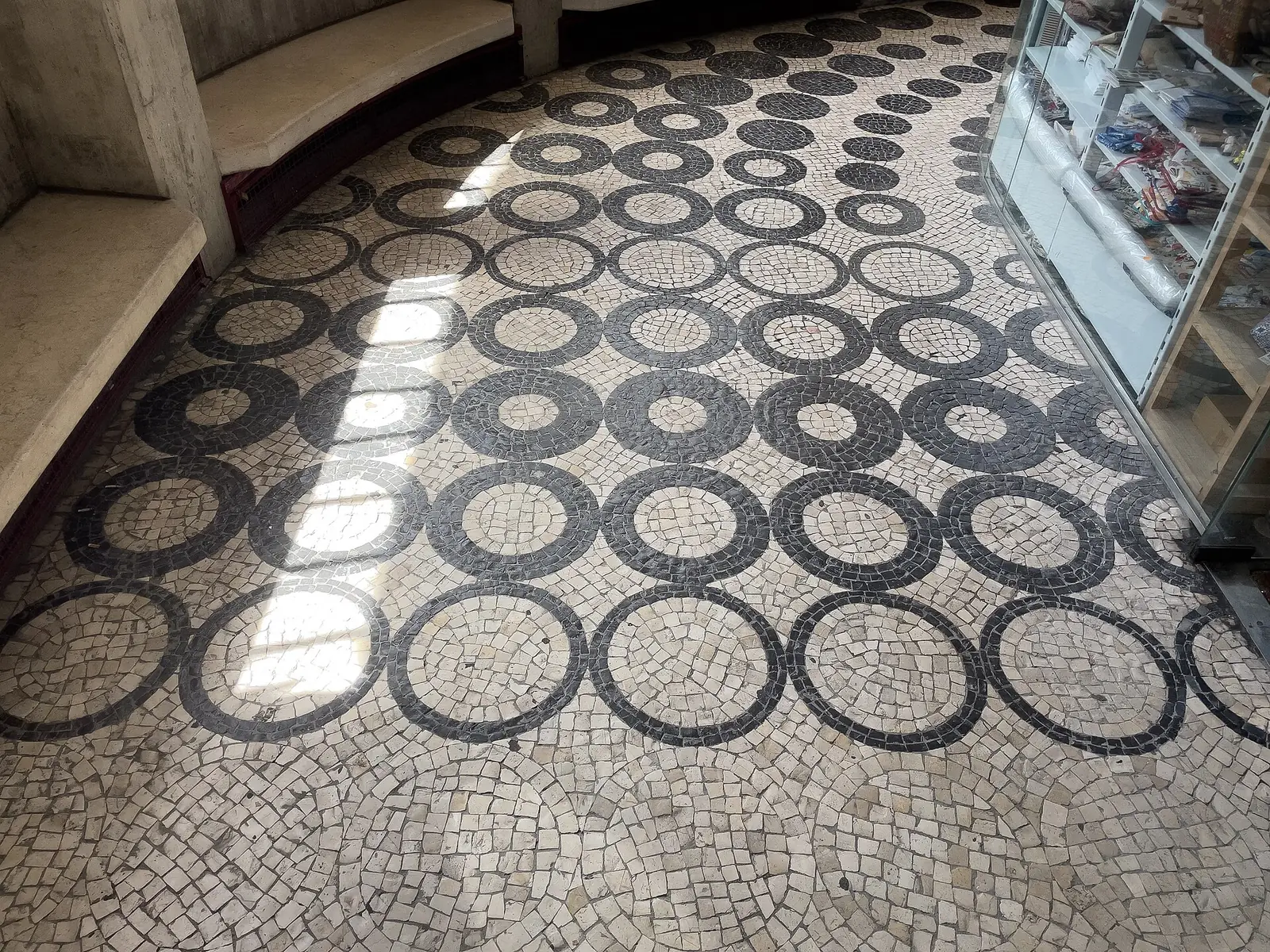
The stone paving of the gallery of the Franjinhas Building, in 2025.
Date: 2025-08-11
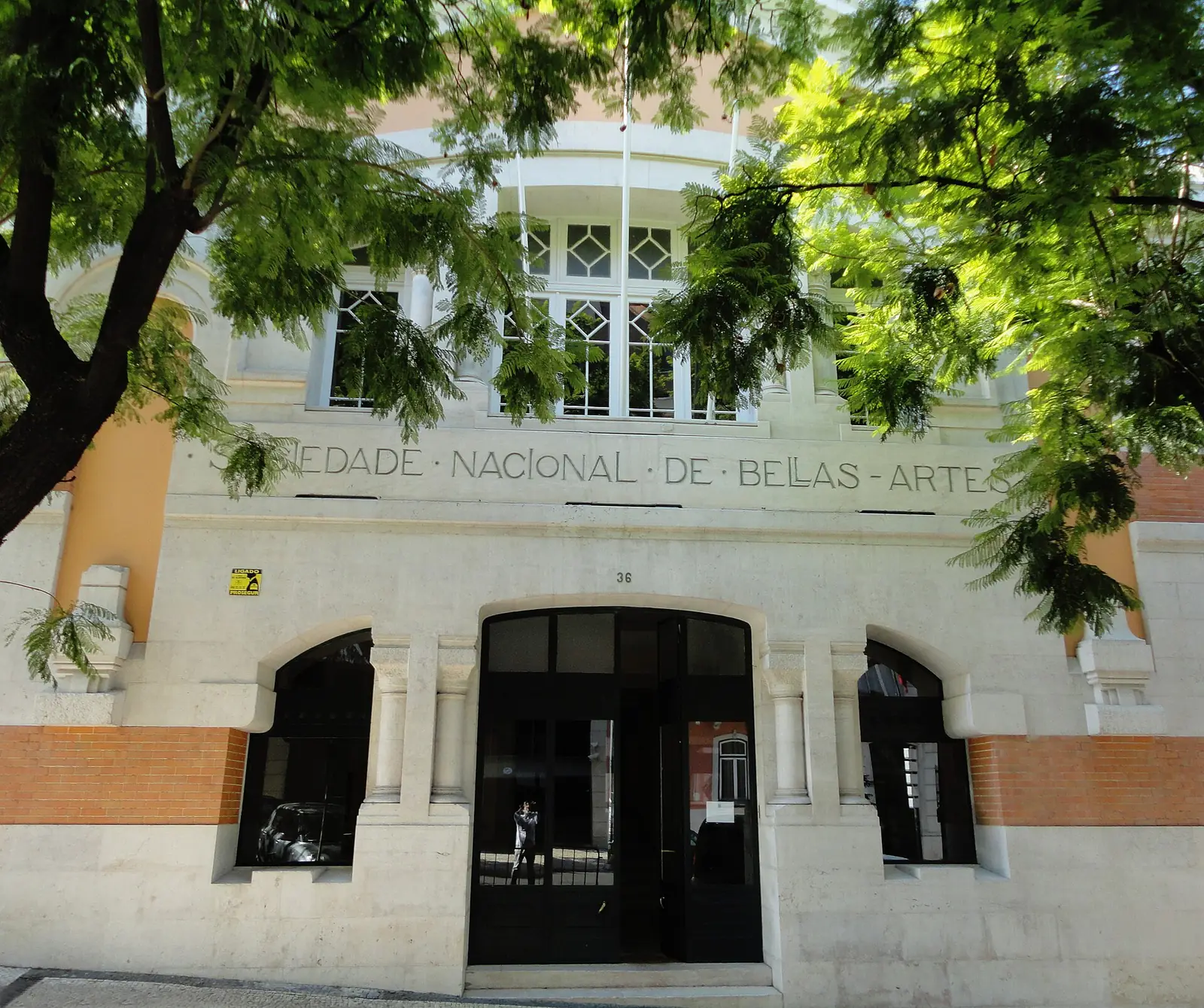
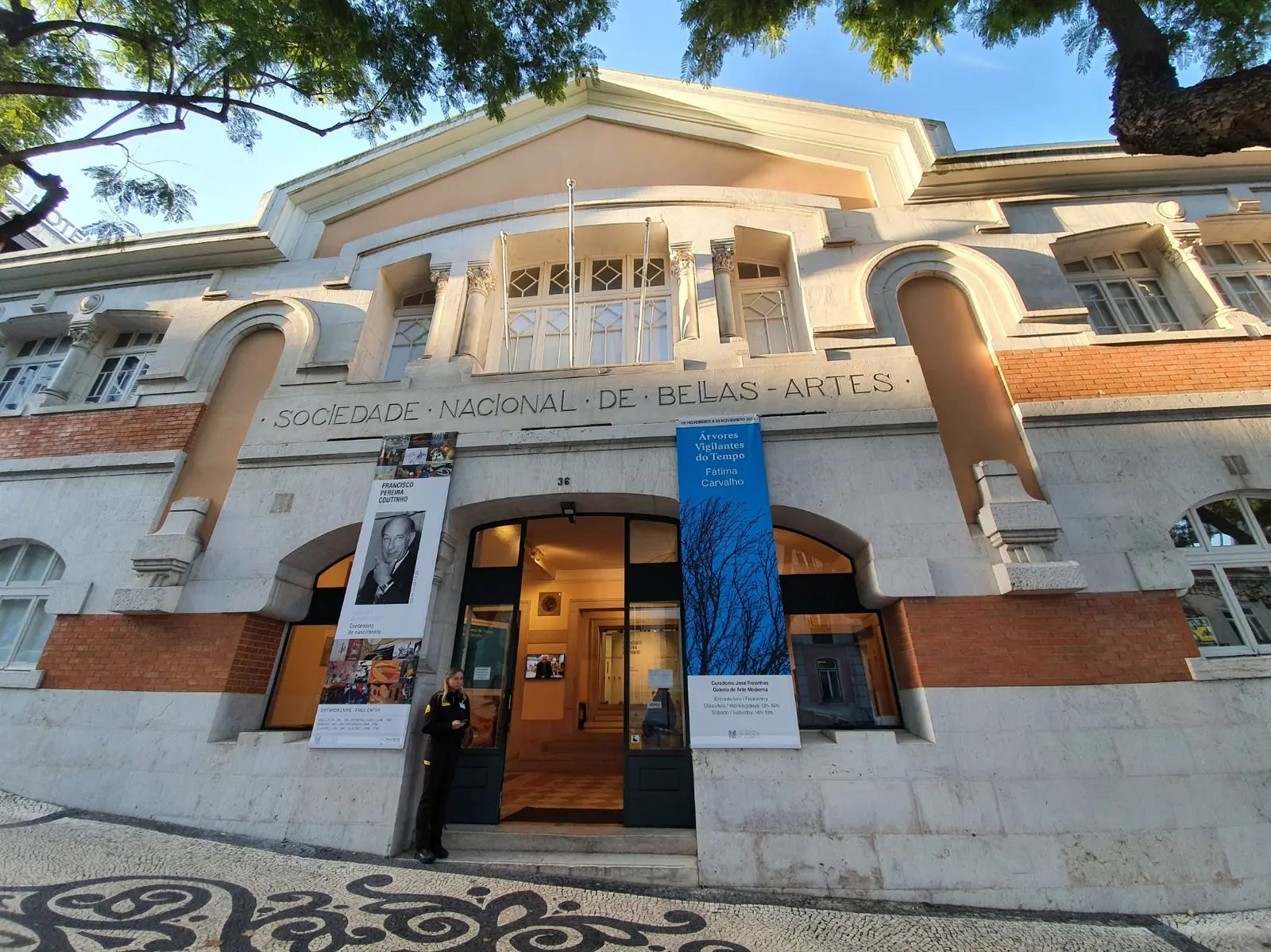
The entrance of the National Society of Fine Arts, on Rua Barata Salgueiro, in 2012.
Date: 2012-09-04
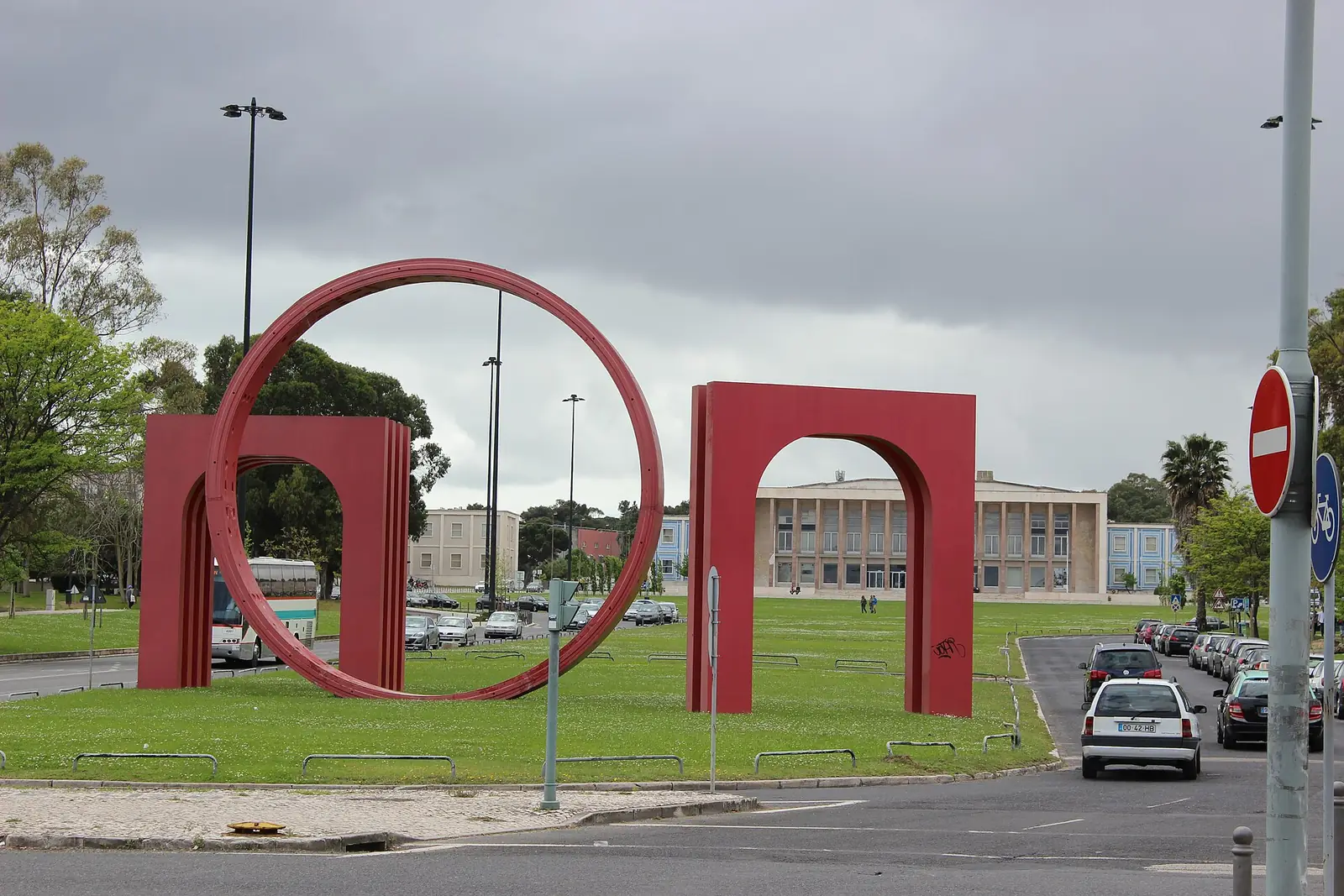
Alameda da Universidade, in the Cidade Universitária (University City), with the sculpture of red arches at the entrance, in 2015.
Date: 2015-04-18
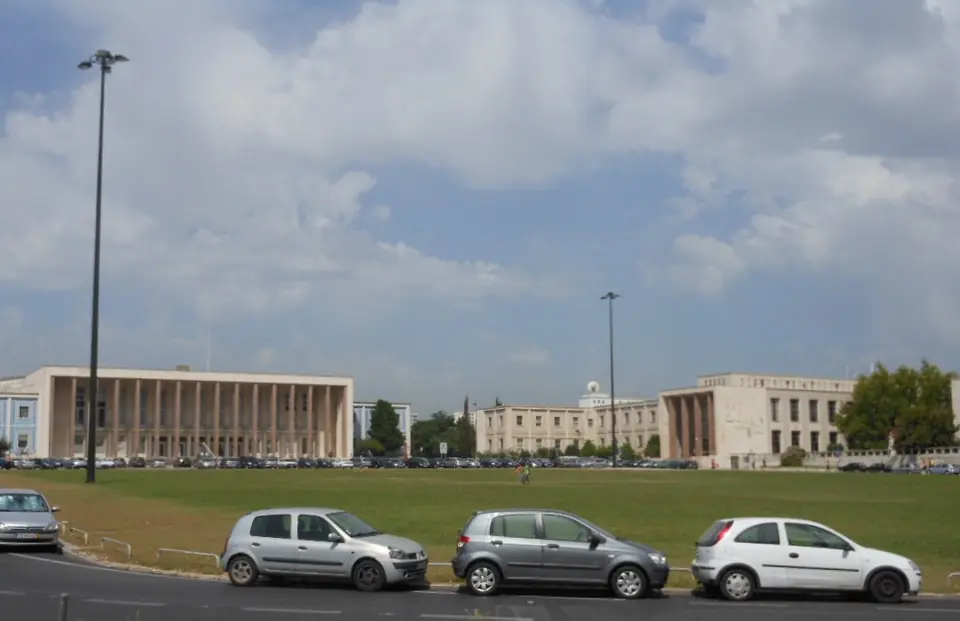
Buildings of Lisbon’s Cidade Universitária around the Alameda, in 2011.
Date: 2011-07-01
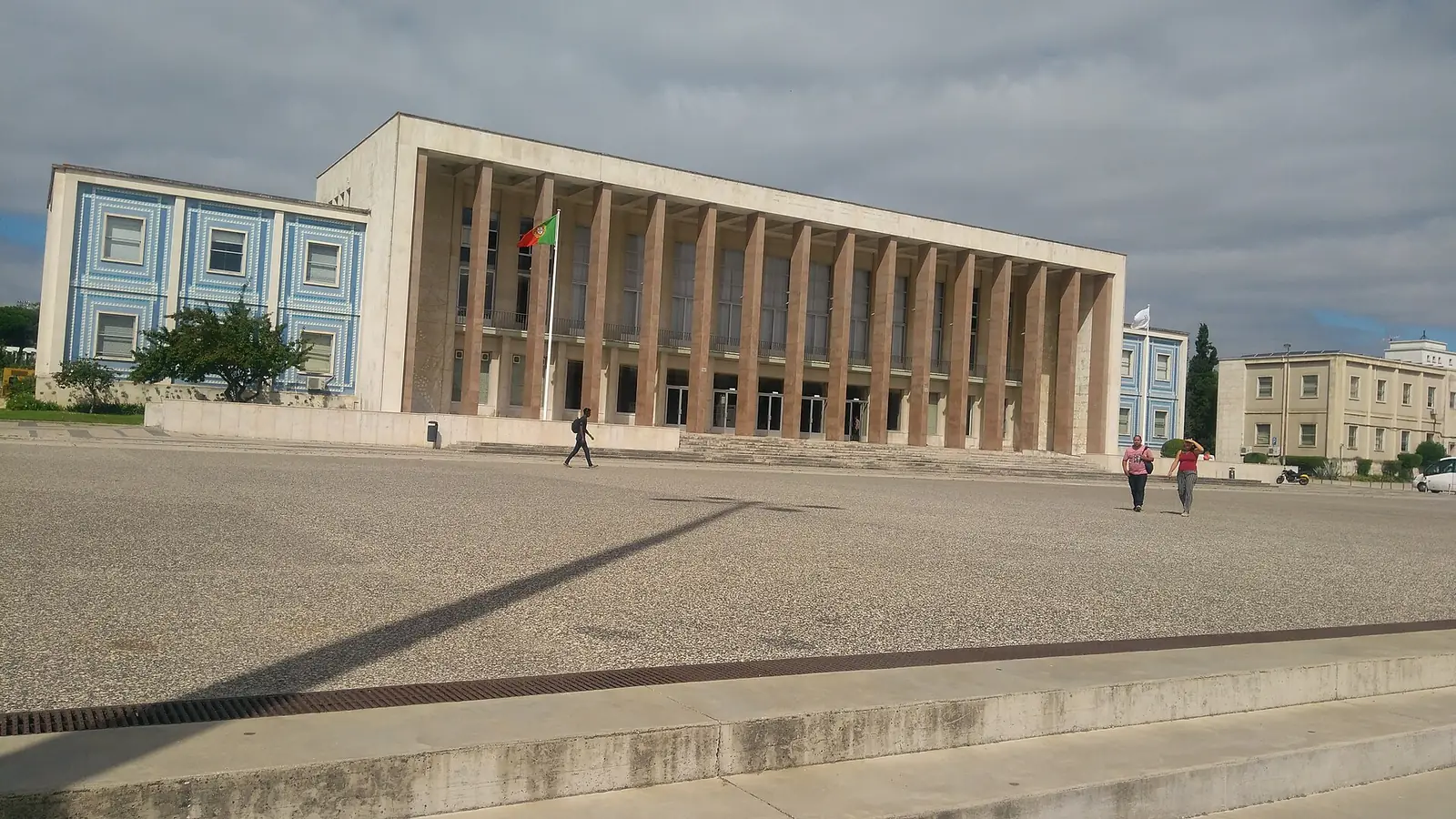
The Rectorate of the University of Lisbon, on Alameda da Universidade, in 2018.
Eugenio Hansen, OFS, CC BY-SA 4.0
Date: 2018-07-30
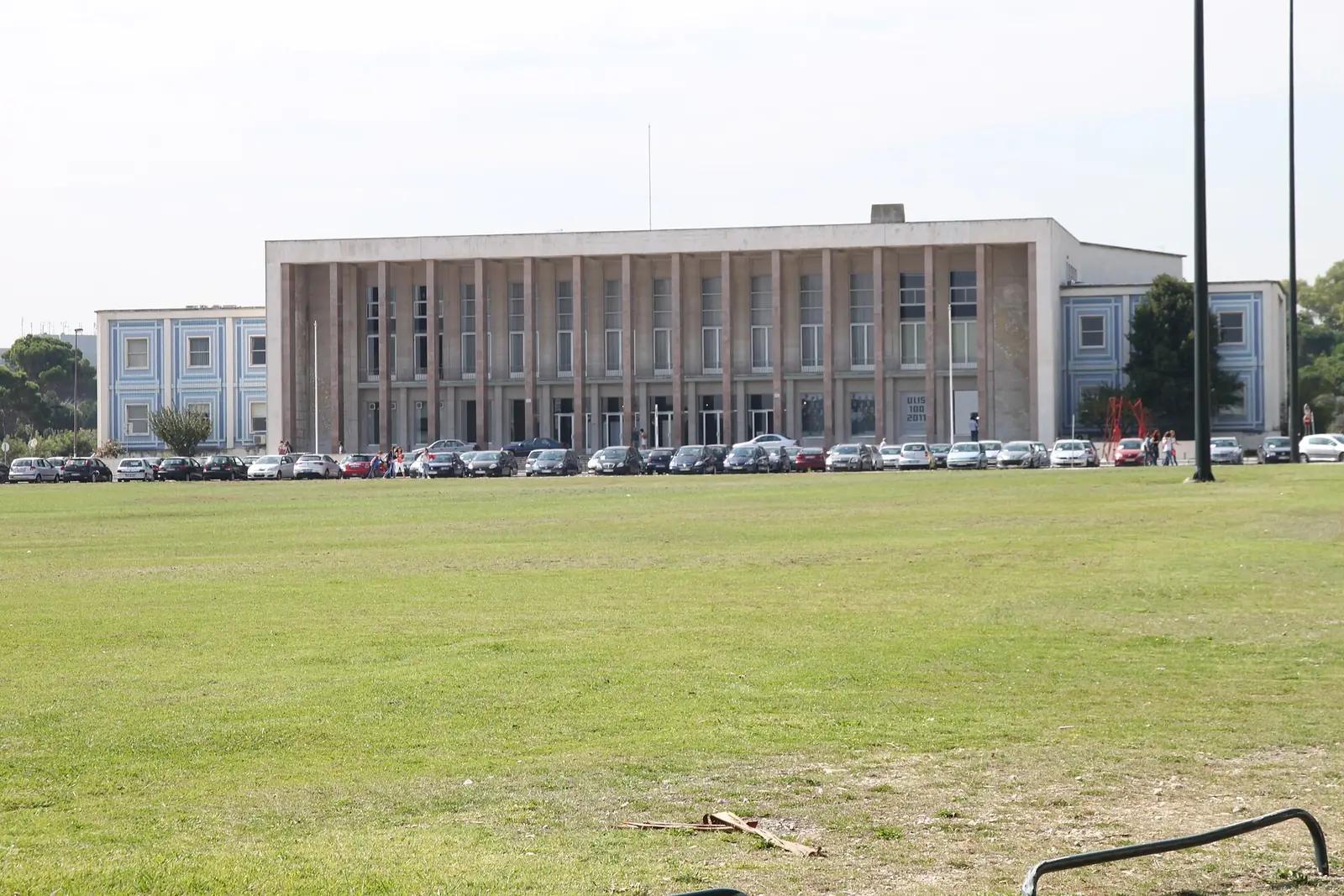
The Rectorate and the Aula Magna seen from the lawn of Alameda da Universidade, in 2011.
Date: 2011-09-30
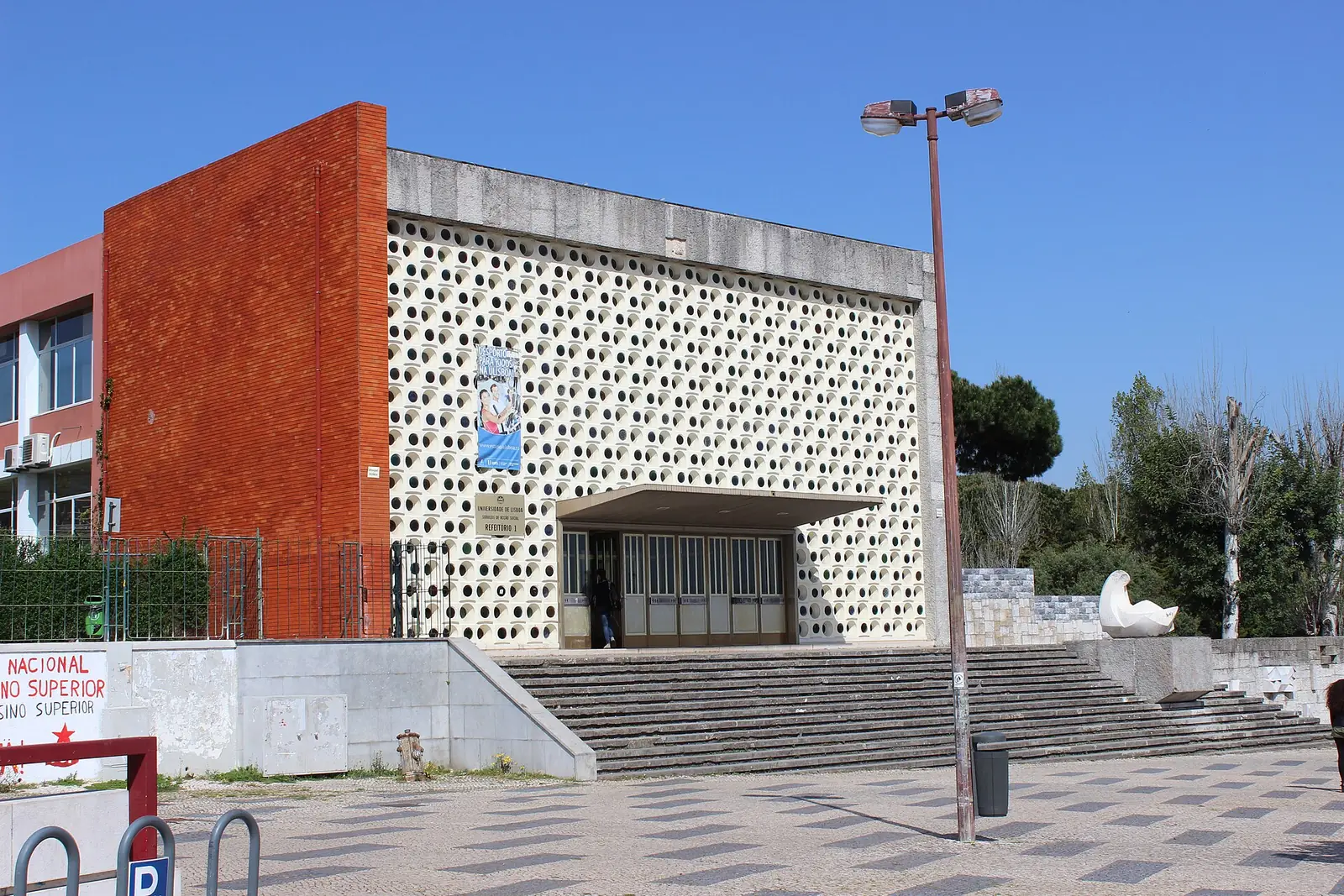
The Cantina Velha (Old Canteen) of the University of Lisbon, opened in 1961, in 2015.
Date: 2015-04-13
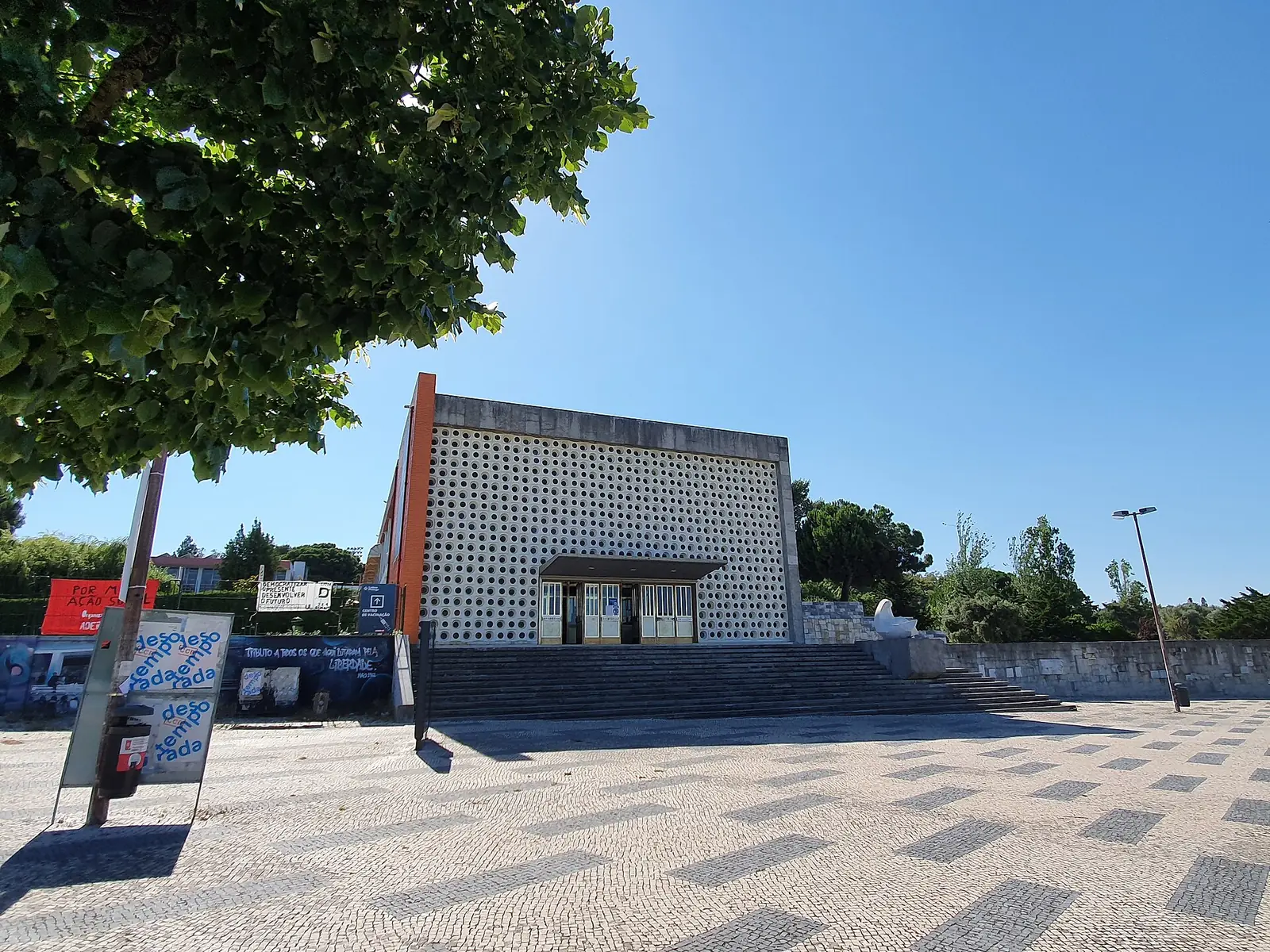
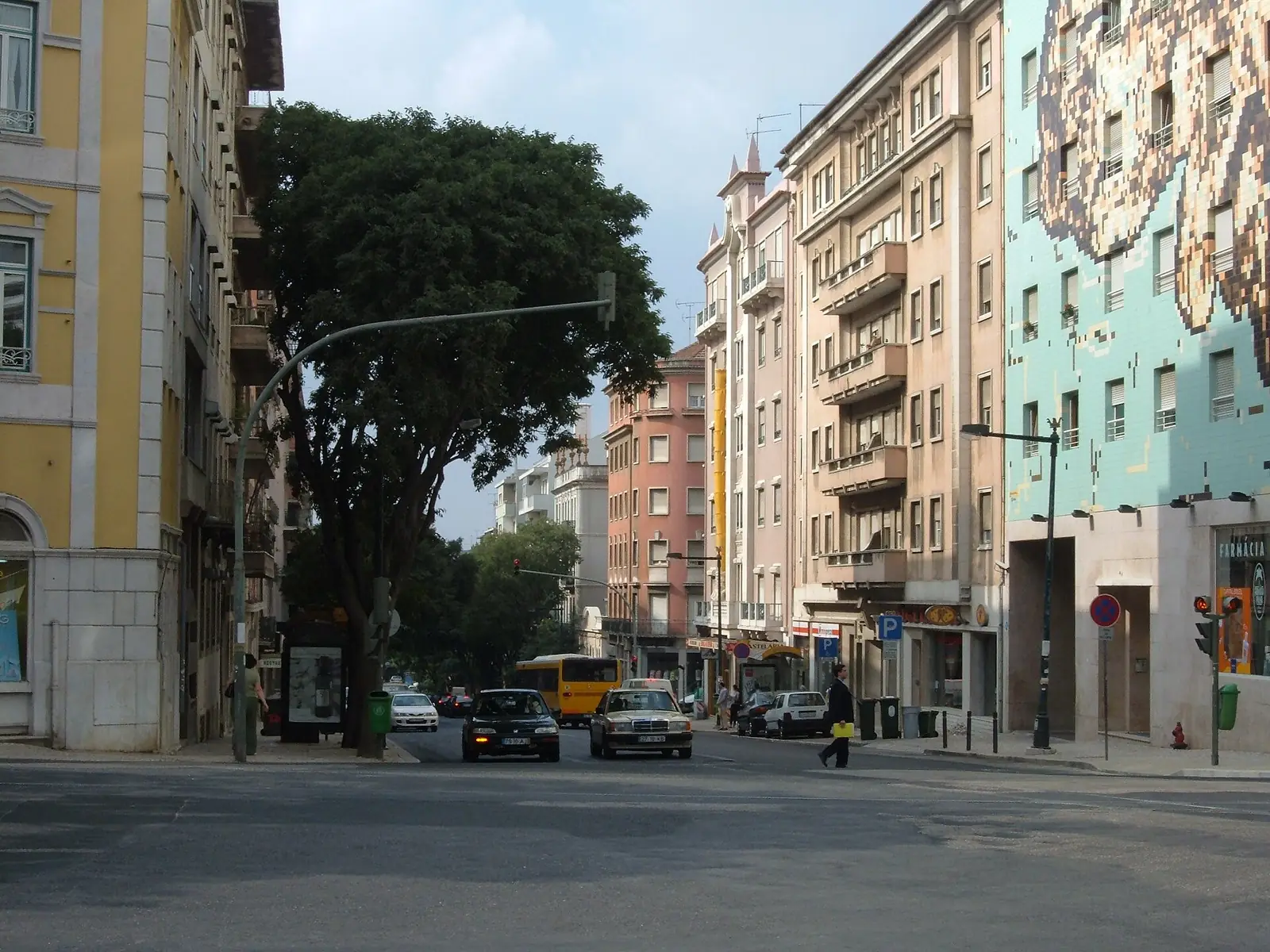
The crossroads of Avenida Duque de Ávila and Rua de Dona Estefânia, where the House of the Students of the Empire stood, in 2005.
Date: 2005-06-23
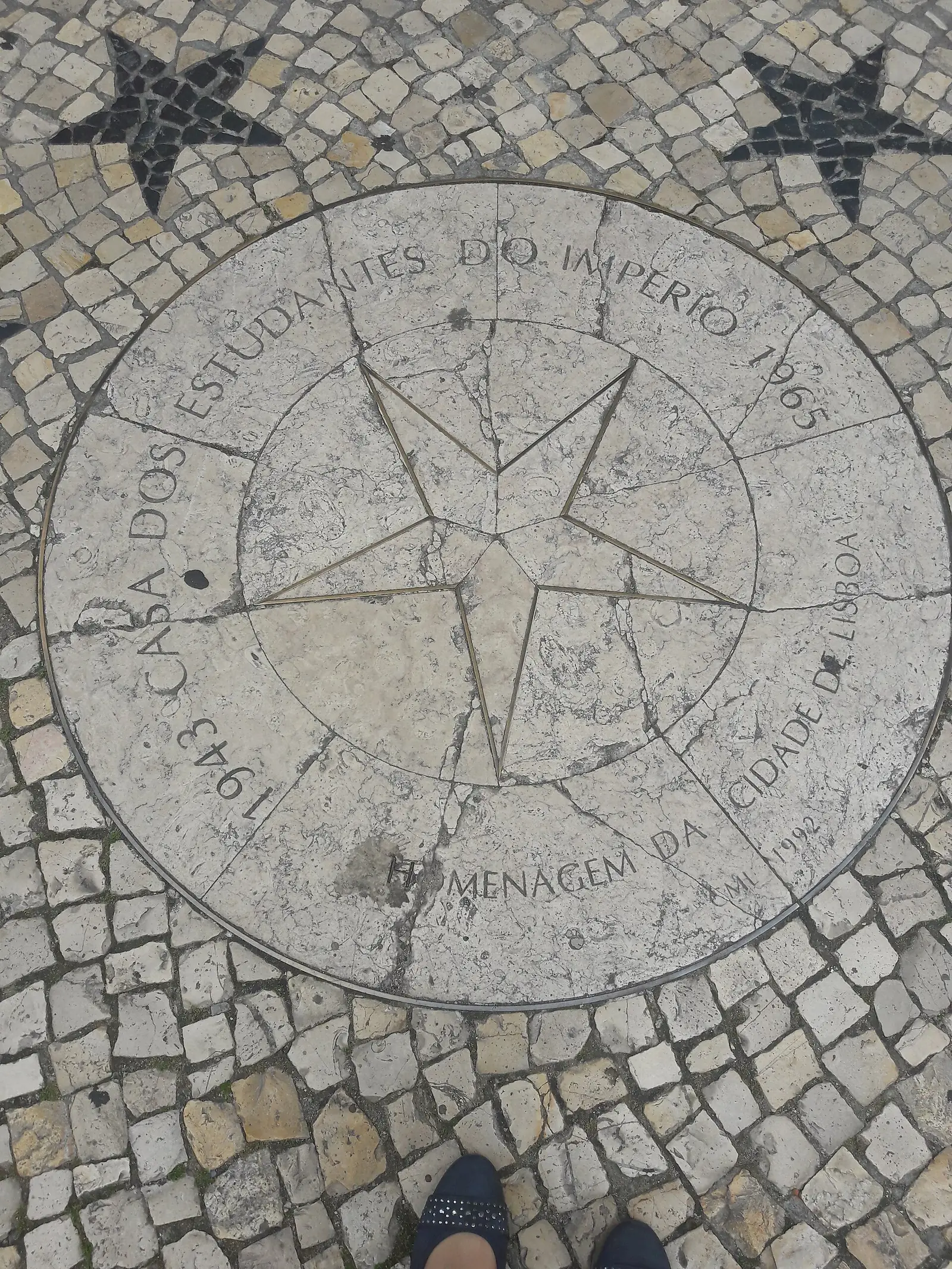
The 1992 pavement plaque, in lioz stone, with which Lisbon City Council honours the House of the Students of the Empire.
Date: 2018-07-09
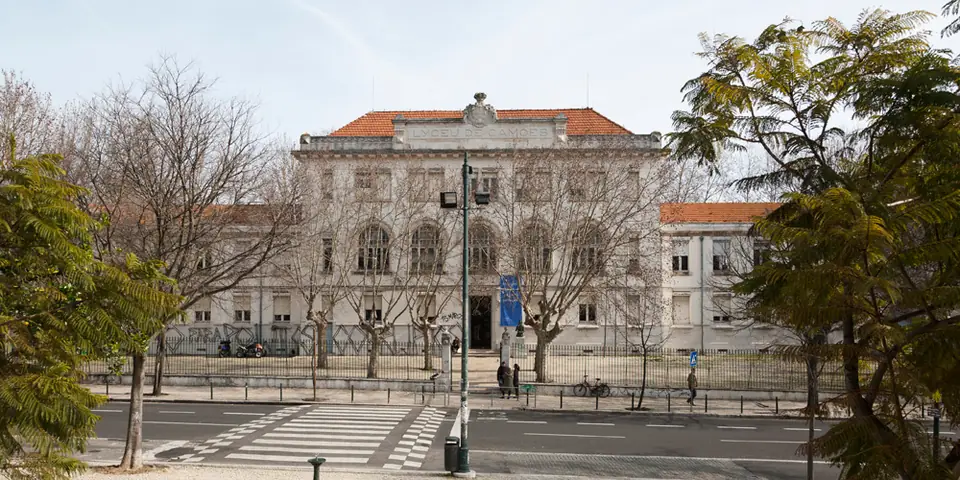
The Liceu de Camões, by Ventura Terra, in Praça José Fontana, in 2013.
Date: 2013-01-30
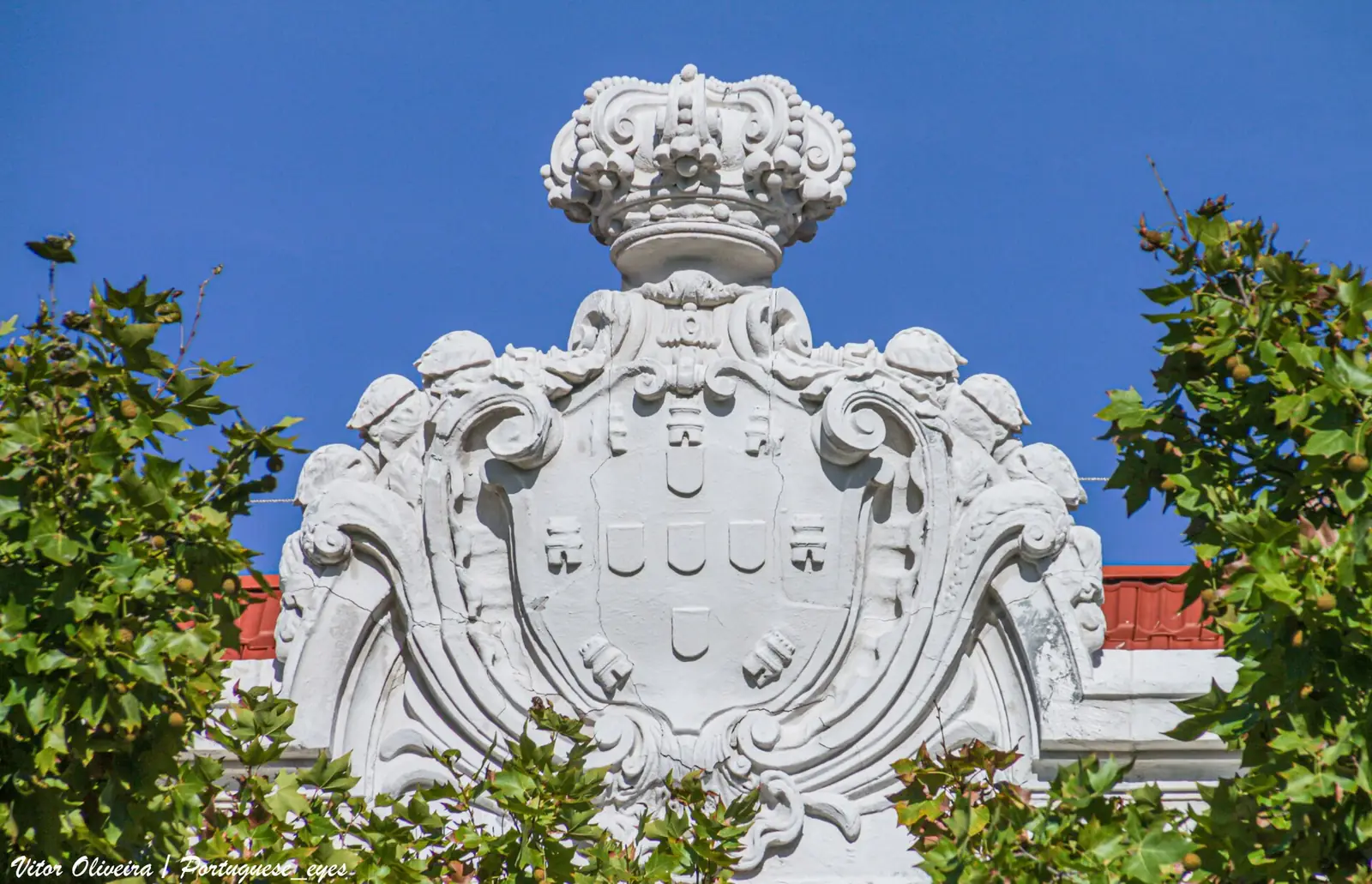
The coat of arms carved on the Liceu de Camões, in 2023.
Date: 2023-09-16
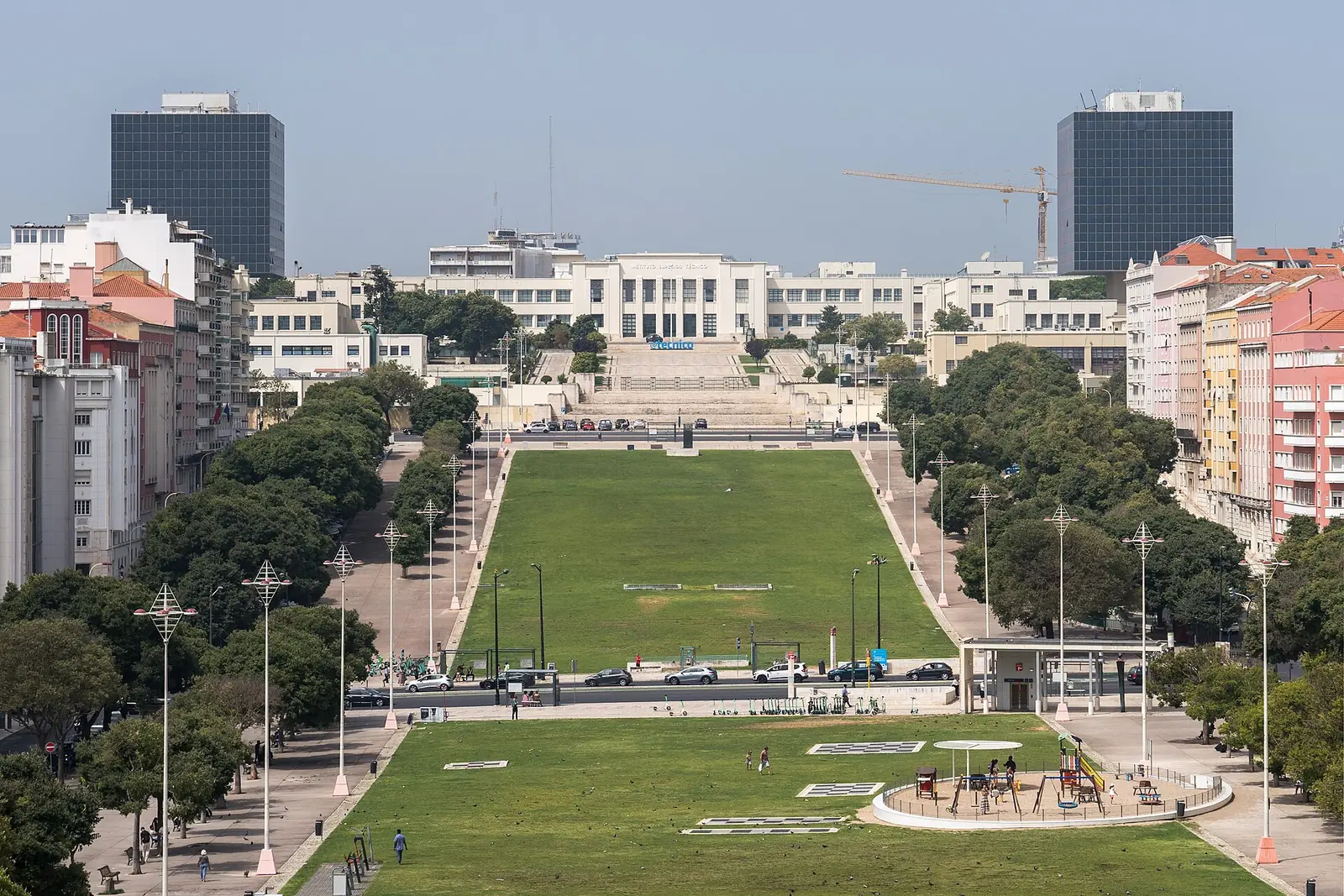
Alameda D. Afonso Henriques seen from above, with the Instituto Superior Técnico in the background, in August 2025.
Date: 2025-08-16
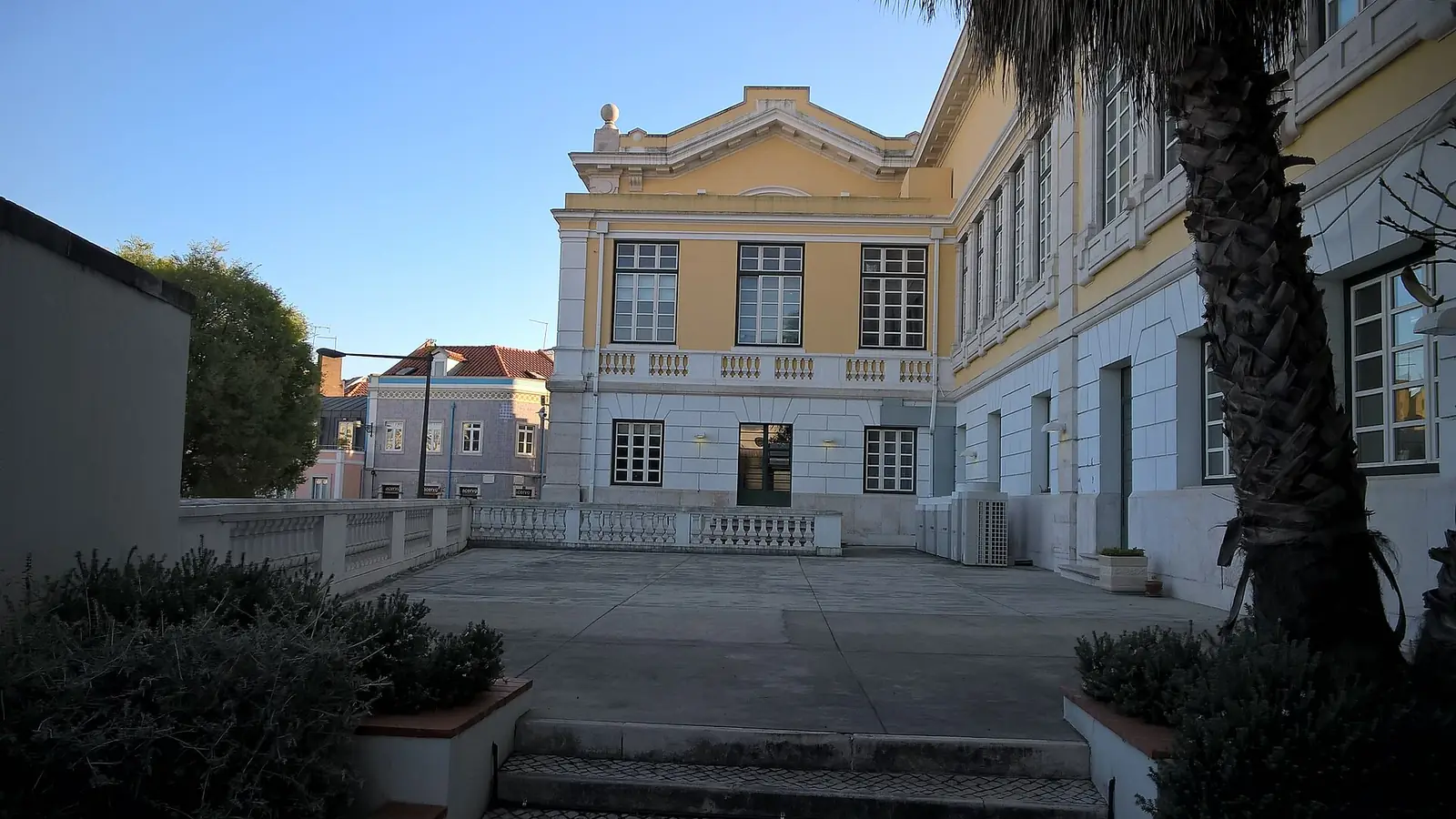
The Quelhas building, where the ISCEF used to be and the ISEG is today, in 2019.
Date: 2019-03-22
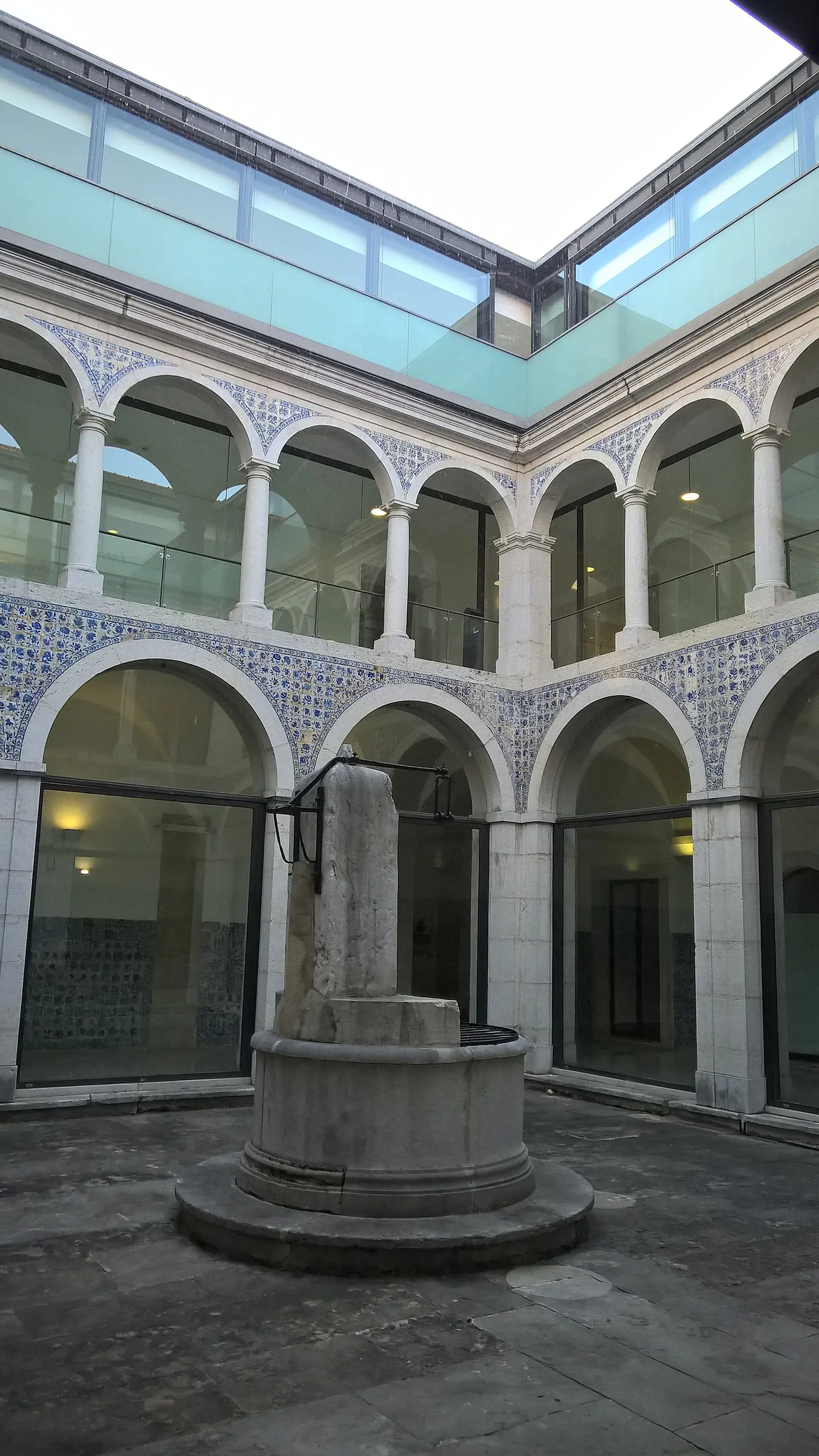
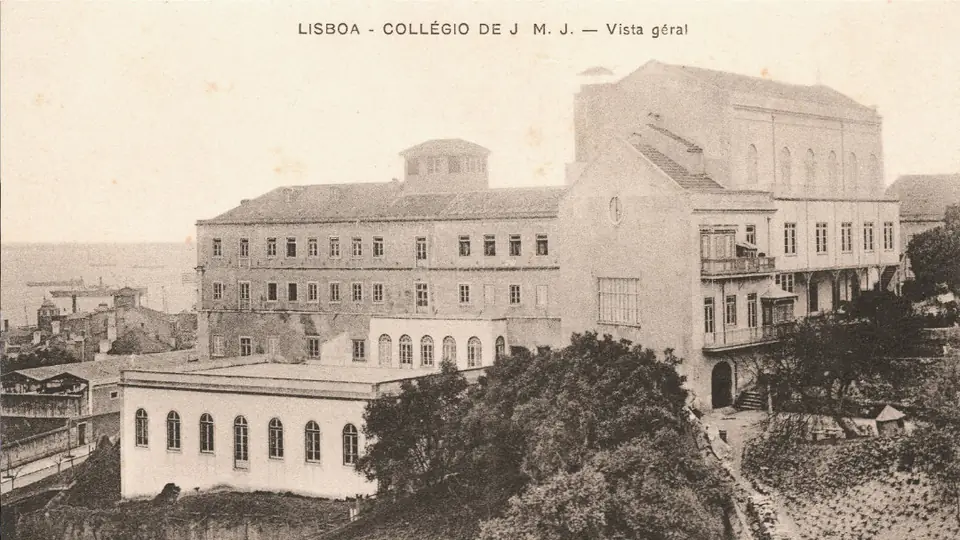
The Quelhas building around 1907, when it was the Colégio de Jesus, Maria e José. Postcard by J. David.
J. David, Public domain
Date: c. 1907
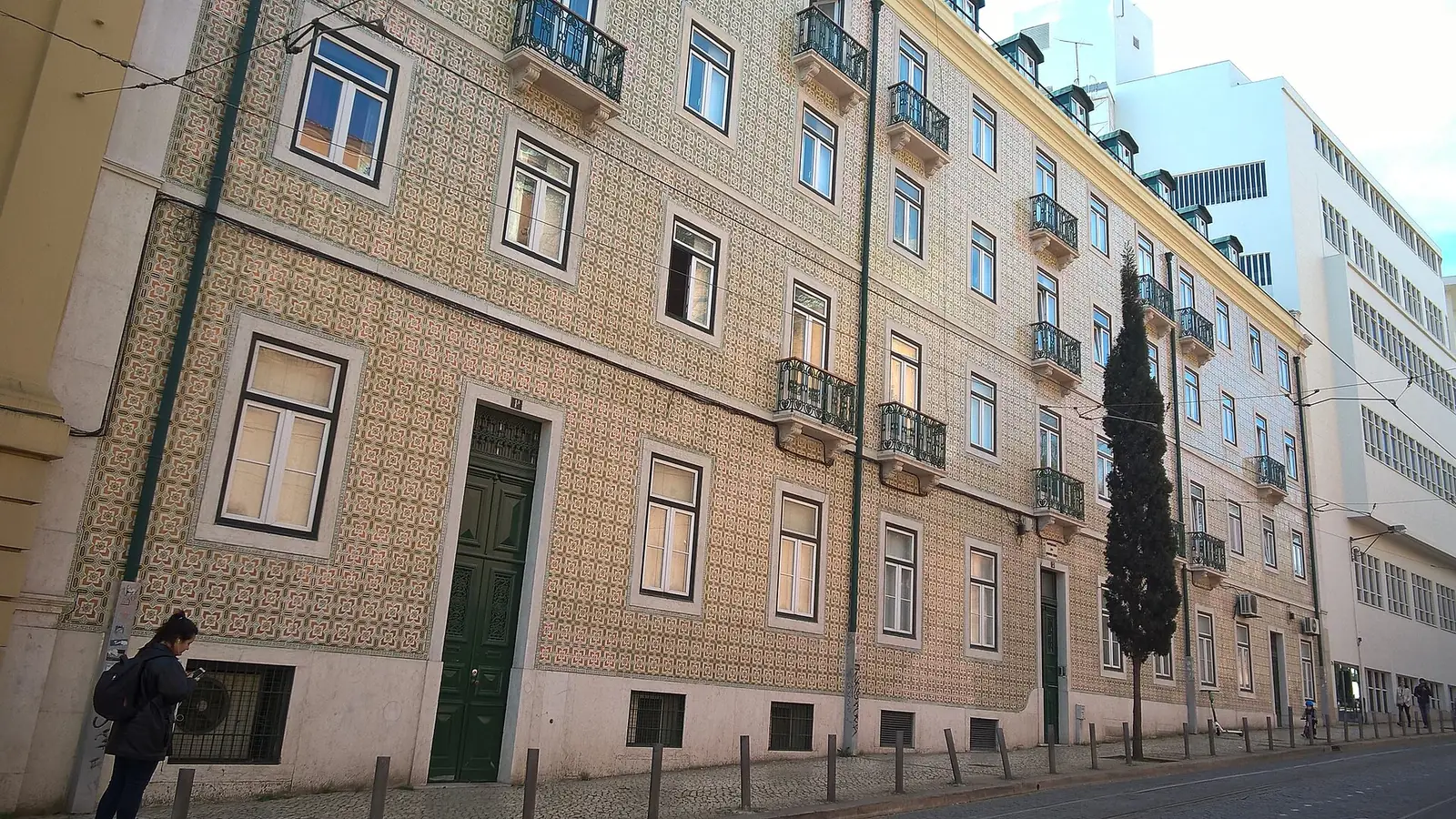
The tiled buildings at nos. 1, 3 and 5 Calçada Ribeiro Santos, in 2019.
Date: 2019-03-03
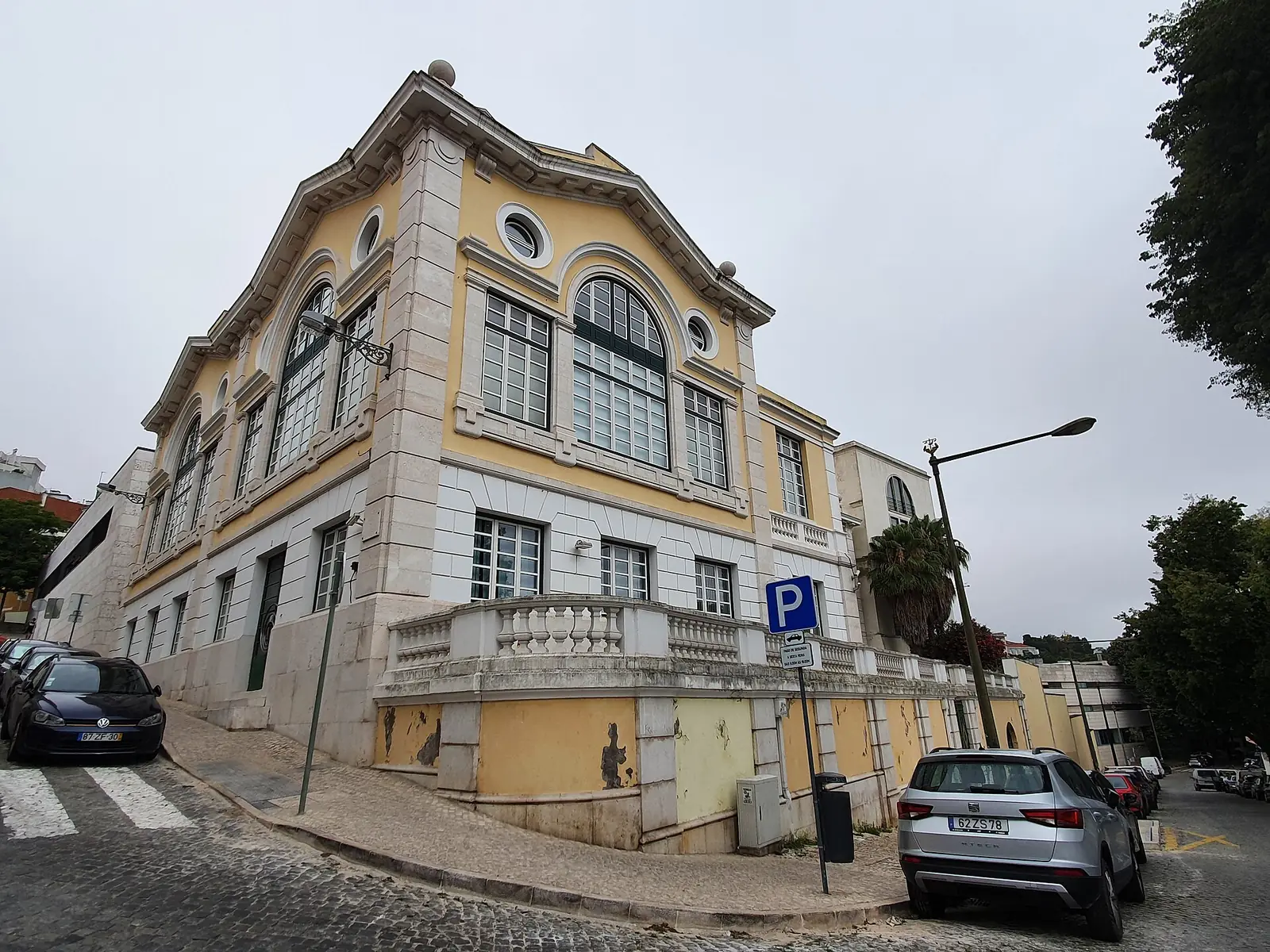
The former Emissora Nacional building, on Rua do Quelhas, now used by the ISEG, in 2021.
Date: 2021-07-03
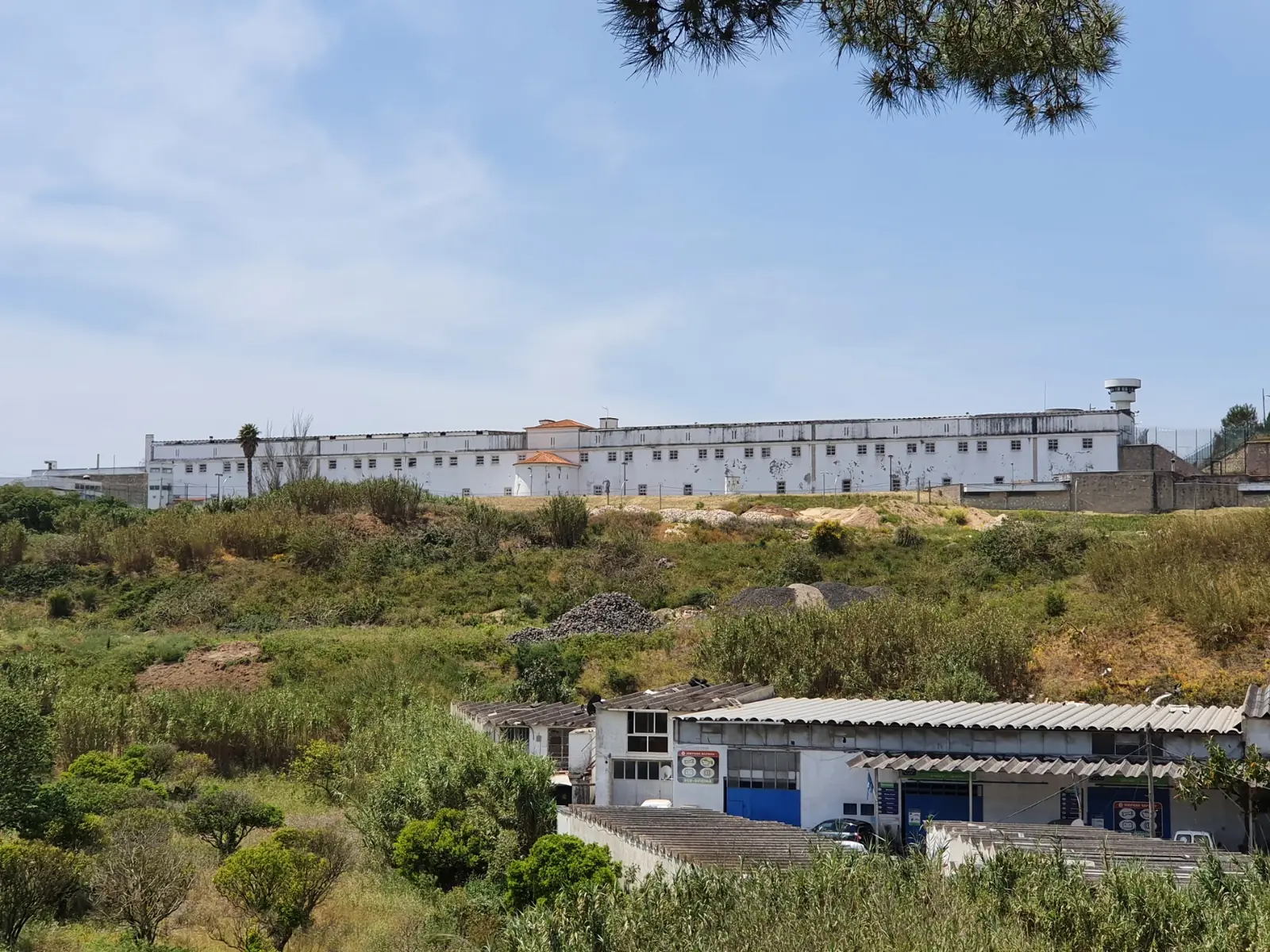
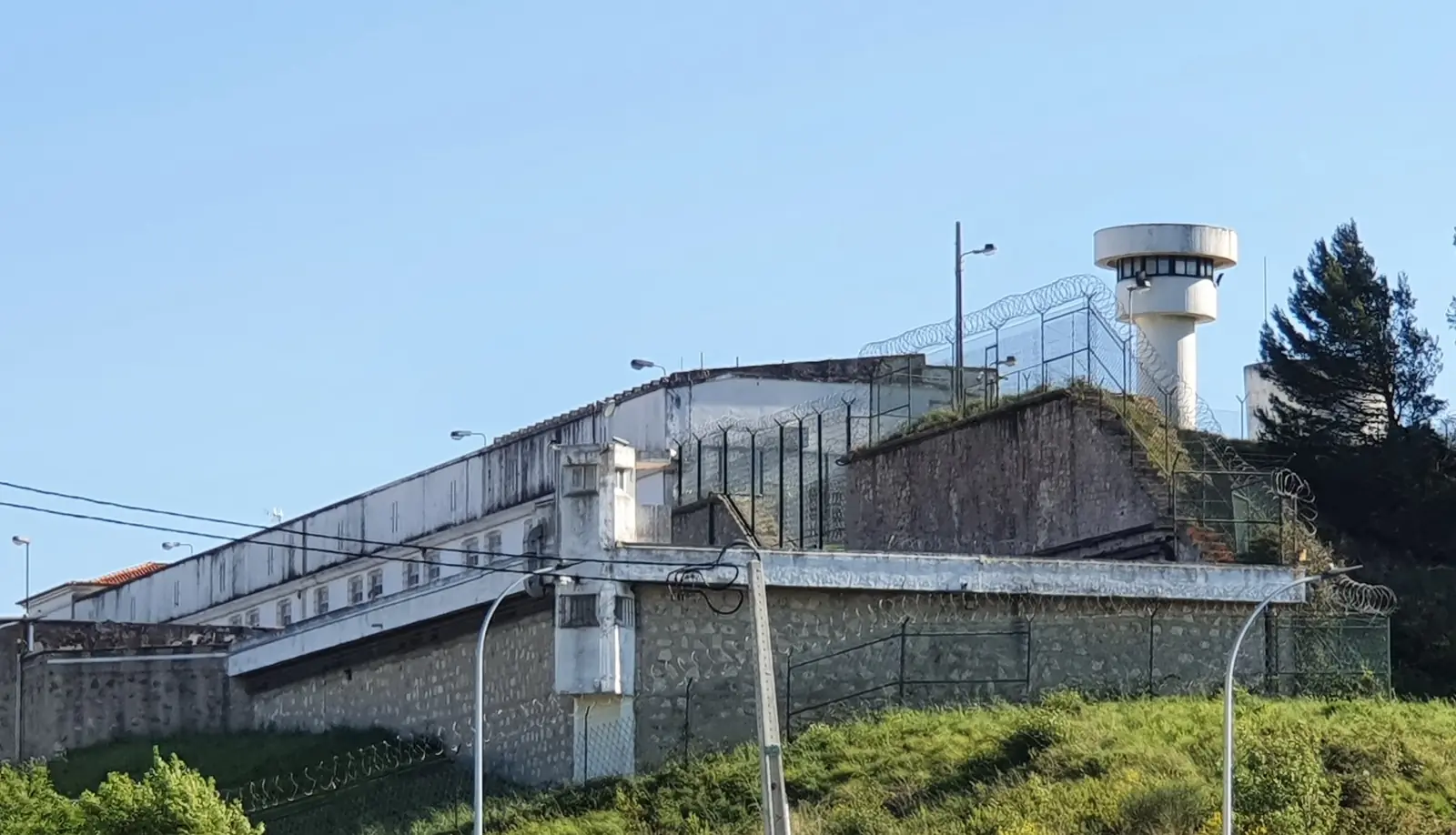
Caxias Fort, now Caxias Prison, seen from the hillside in 2022.
Date: 2022-05-13
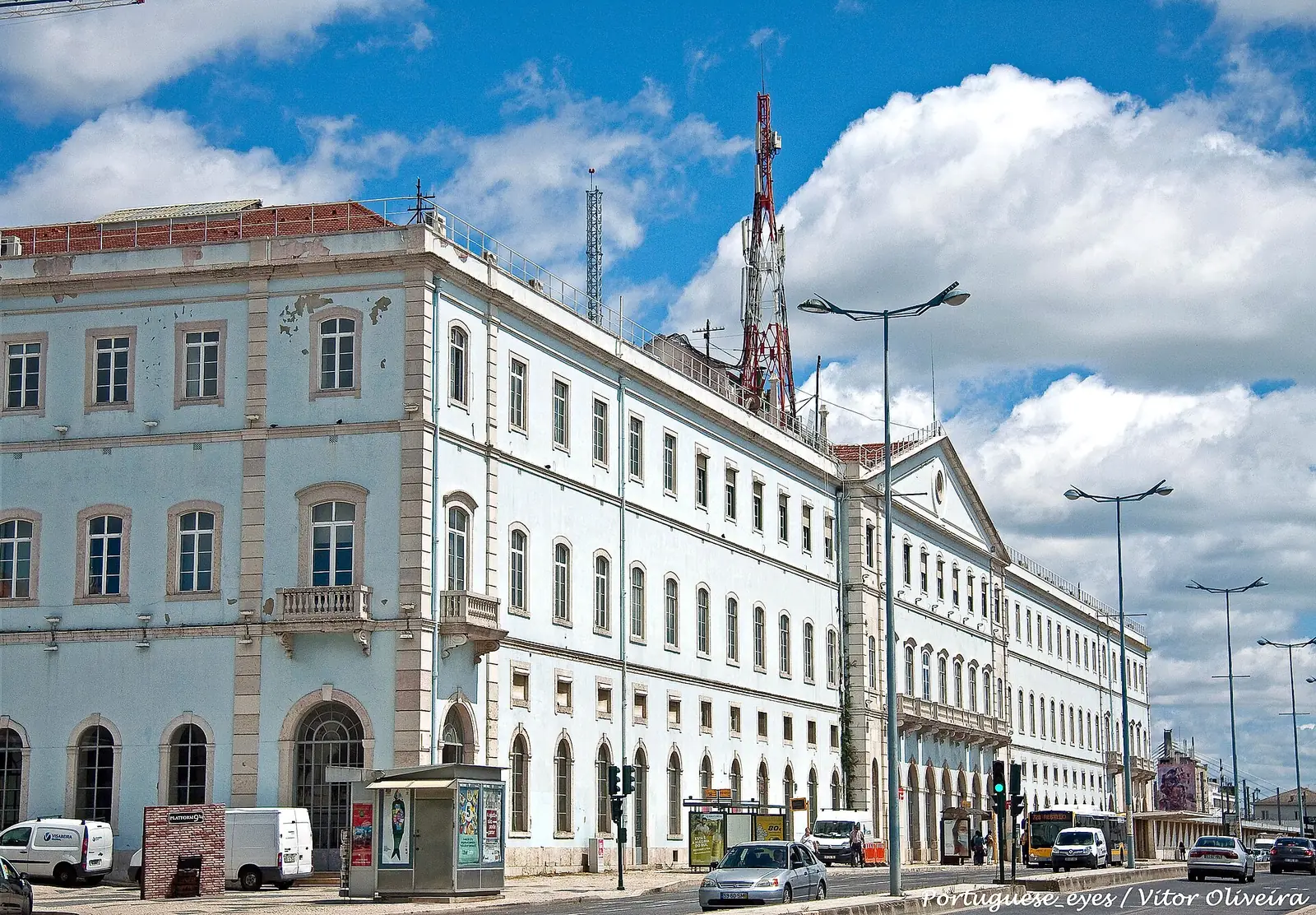
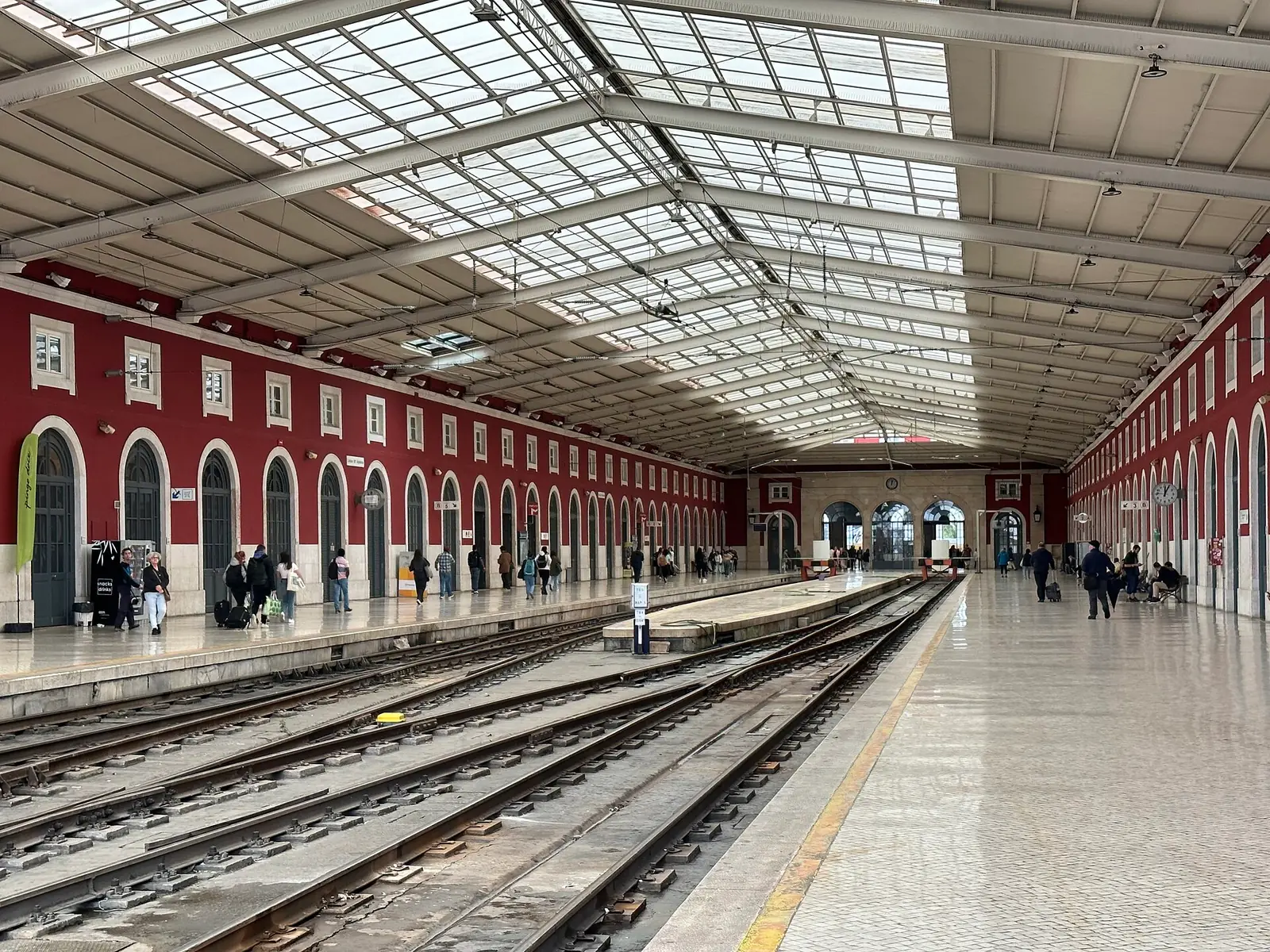
The covered train shed of Santa Apolónia Station, in October 2024.
Date: 2024-10-15
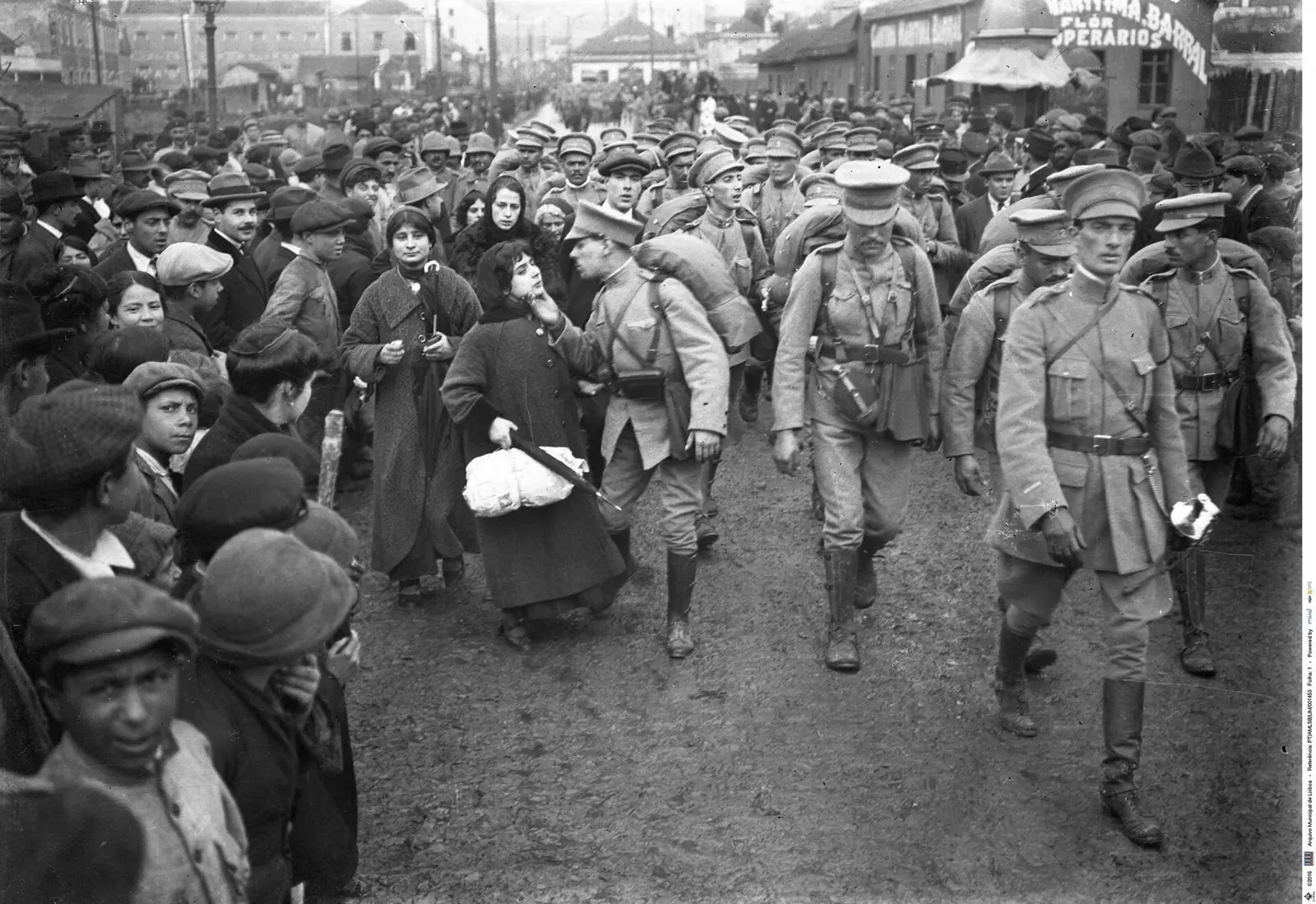
The Portuguese Expeditionary Corps embarking for Flanders at the Santa Apolónia quay, on 12 February 1917. Photograph by Joshua Benoliel.
Joshua Benoliel, Public domain
Date: 1917-02-12
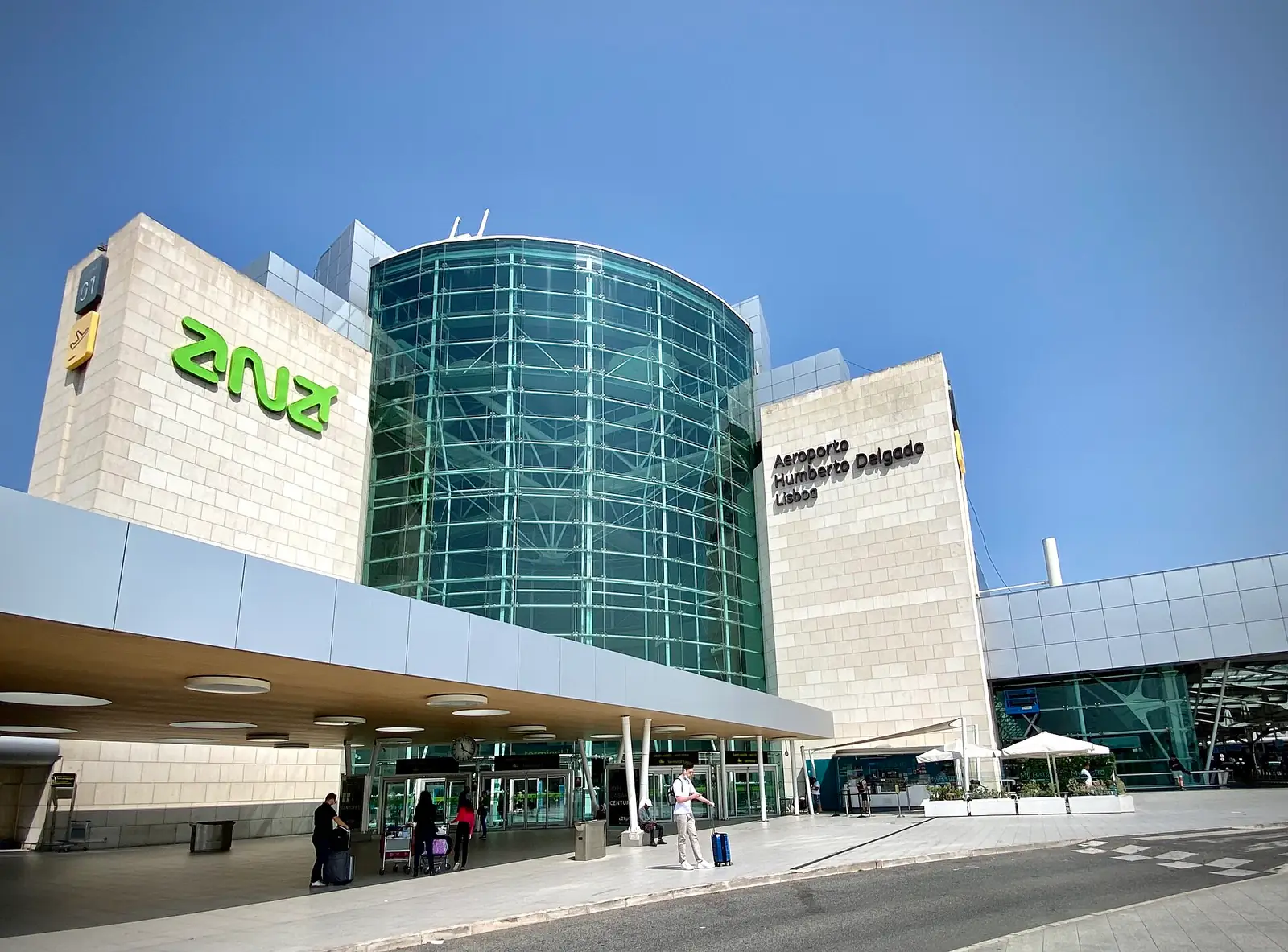
Terminal 1 of Humberto Delgado Airport, at Portela, in 2021.
Date: 2021-07-20
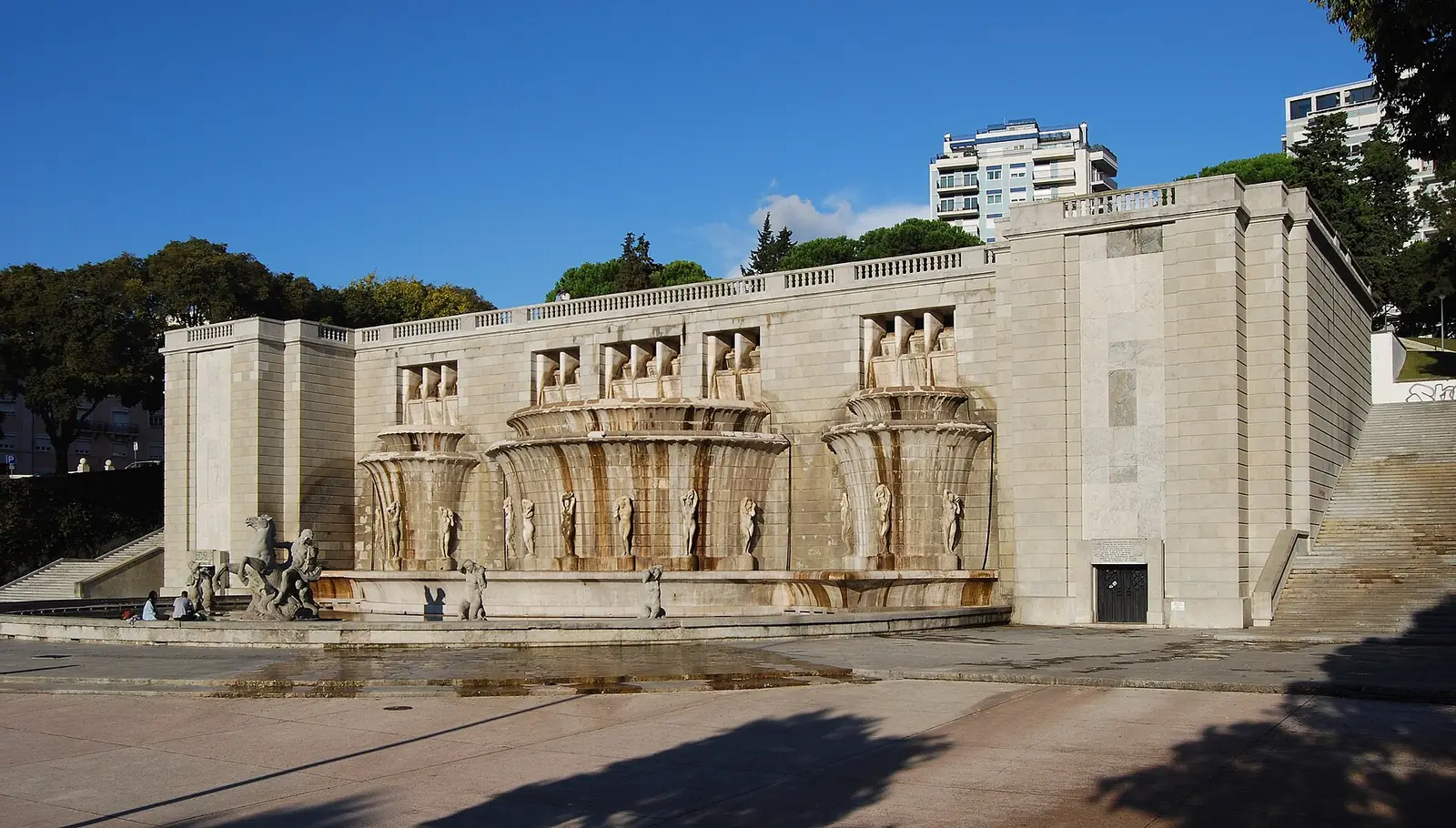
The Fonte Monumental, or Fonte Luminosa, at the top of Alameda D. Afonso Henriques, in September 2014.
Date: 2014-09-23
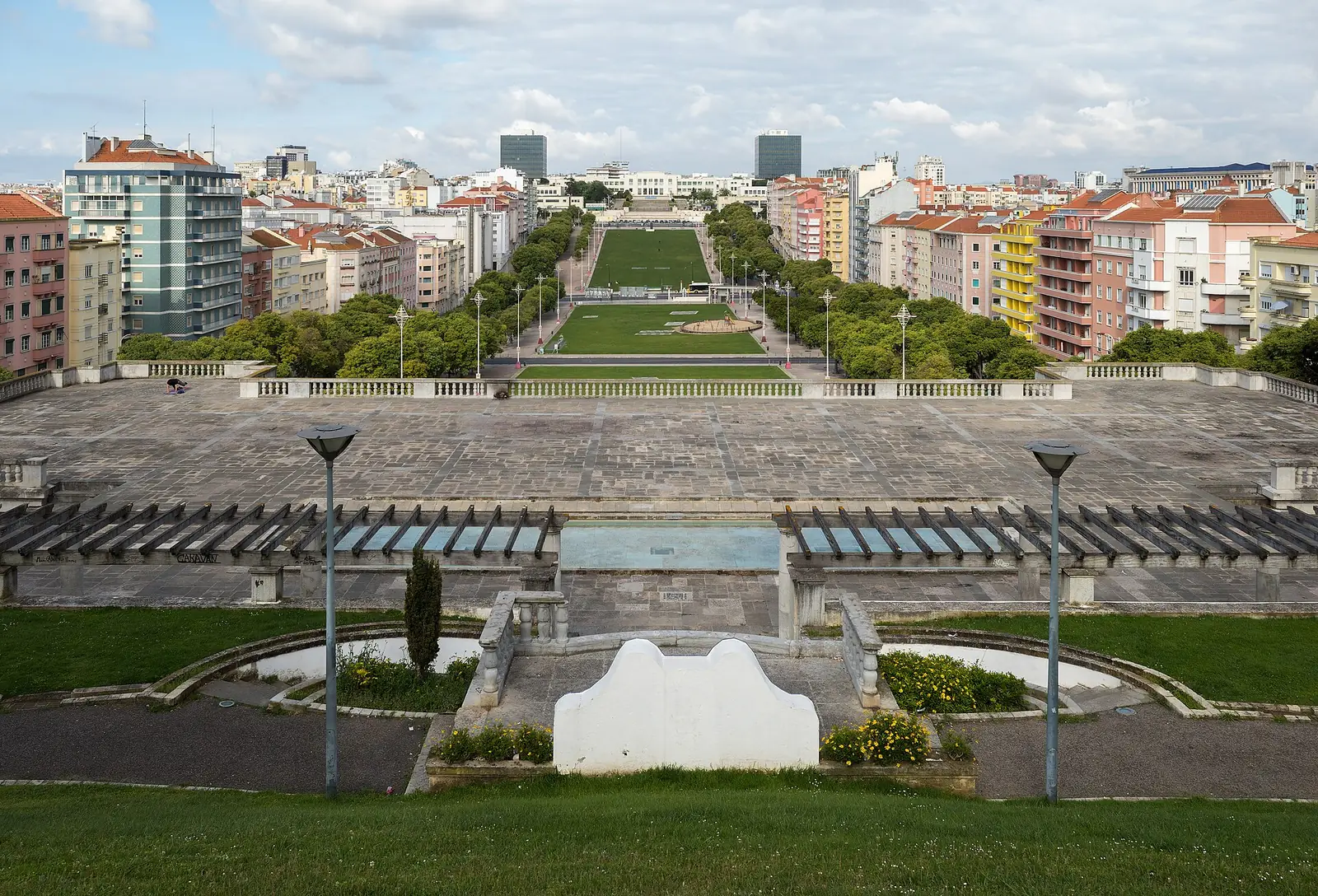
Alameda D. Afonso Henriques, empty, seen from the Fonte Luminosa during the 2020 lockdown.
Jules Verne Times Two, CC BY-SA 4.0
Date: 2020-04-26
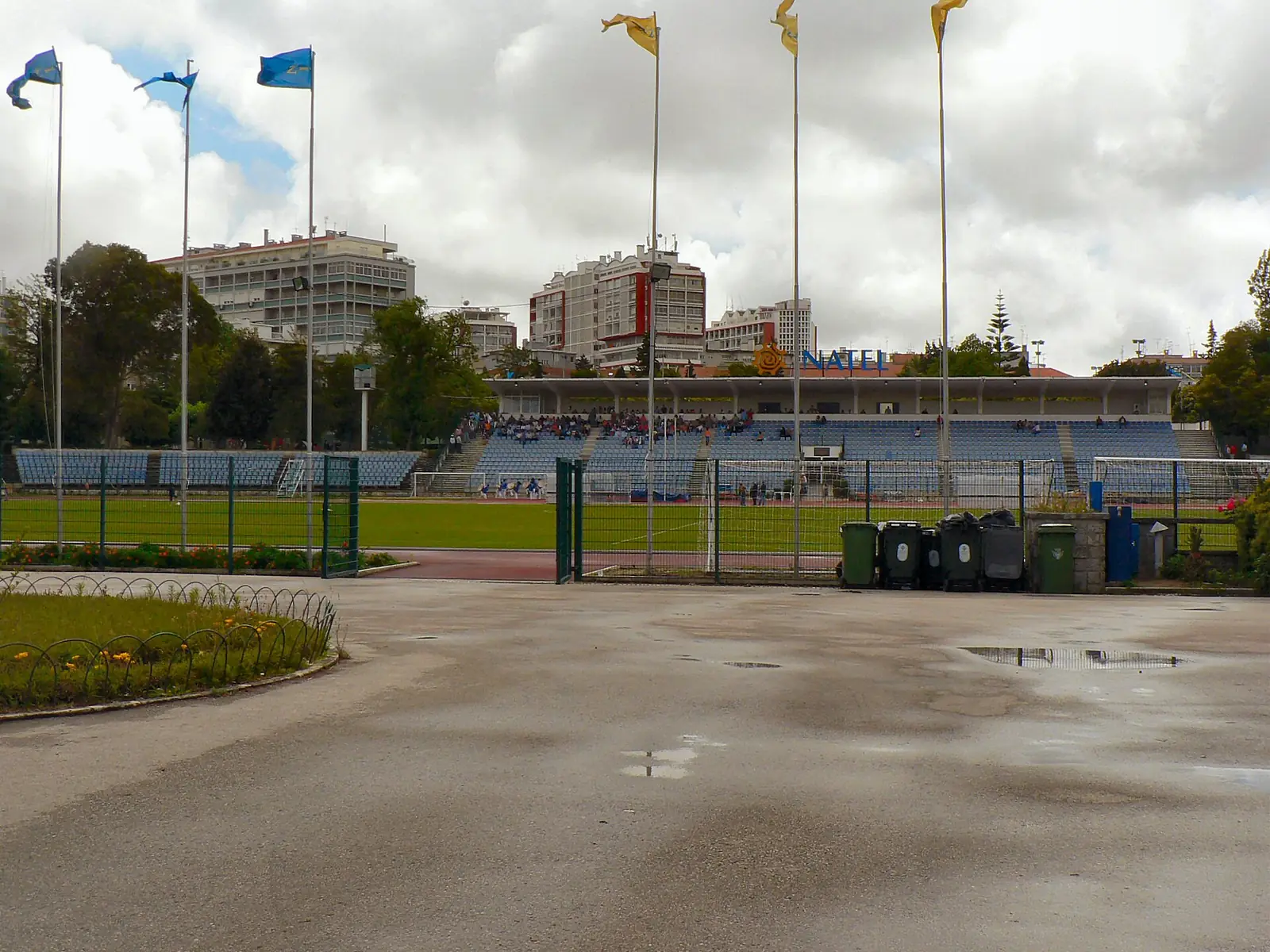
INATEL’s Estádio 1.º de Maio (May Day Stadium) — the former FNAT Stadium — in 2007.
Date: 2007-06-17
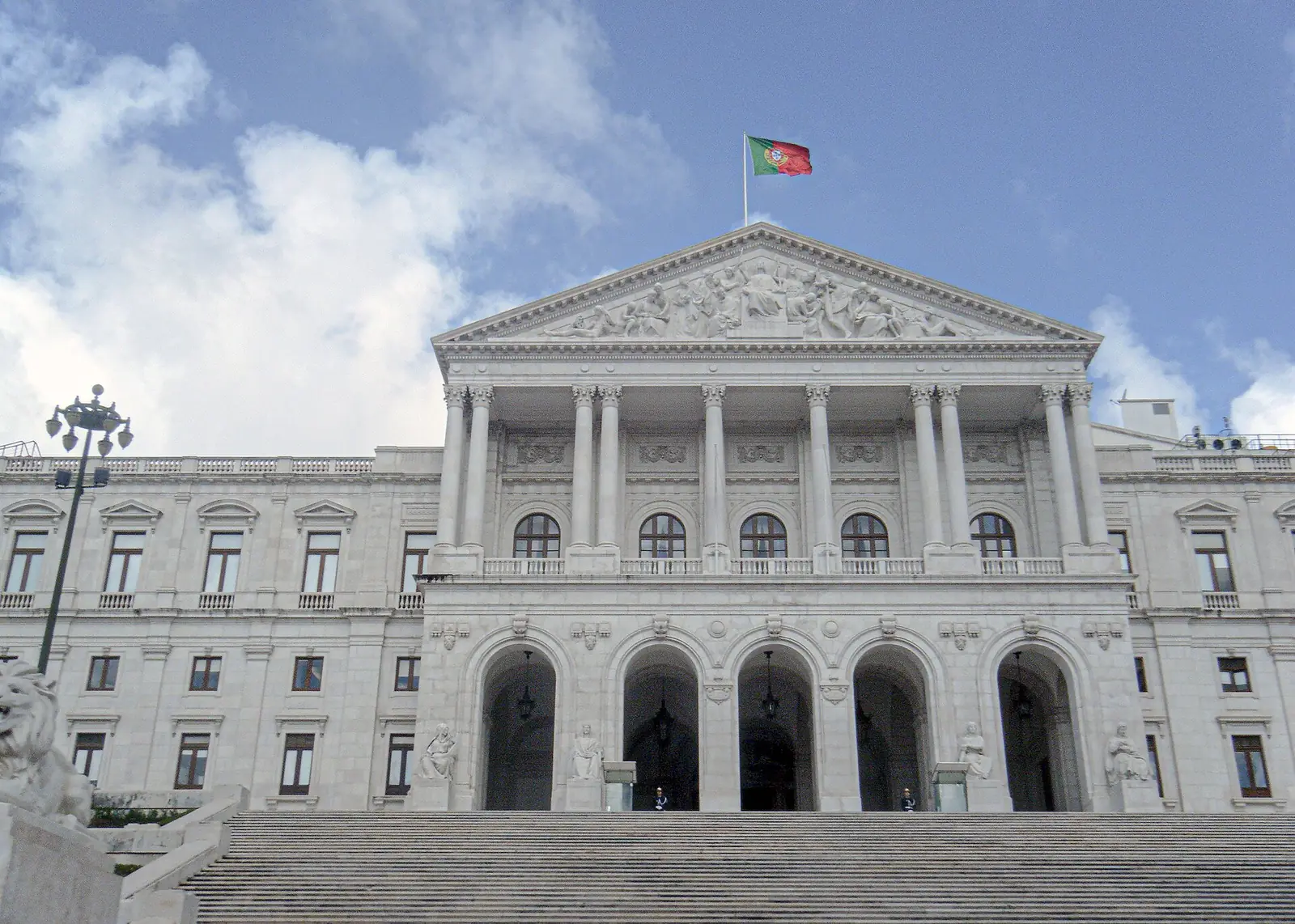
The Palácio de São Bento, seat of the Assembly of the Republic, in June 2014.
Date: 2014-06-21
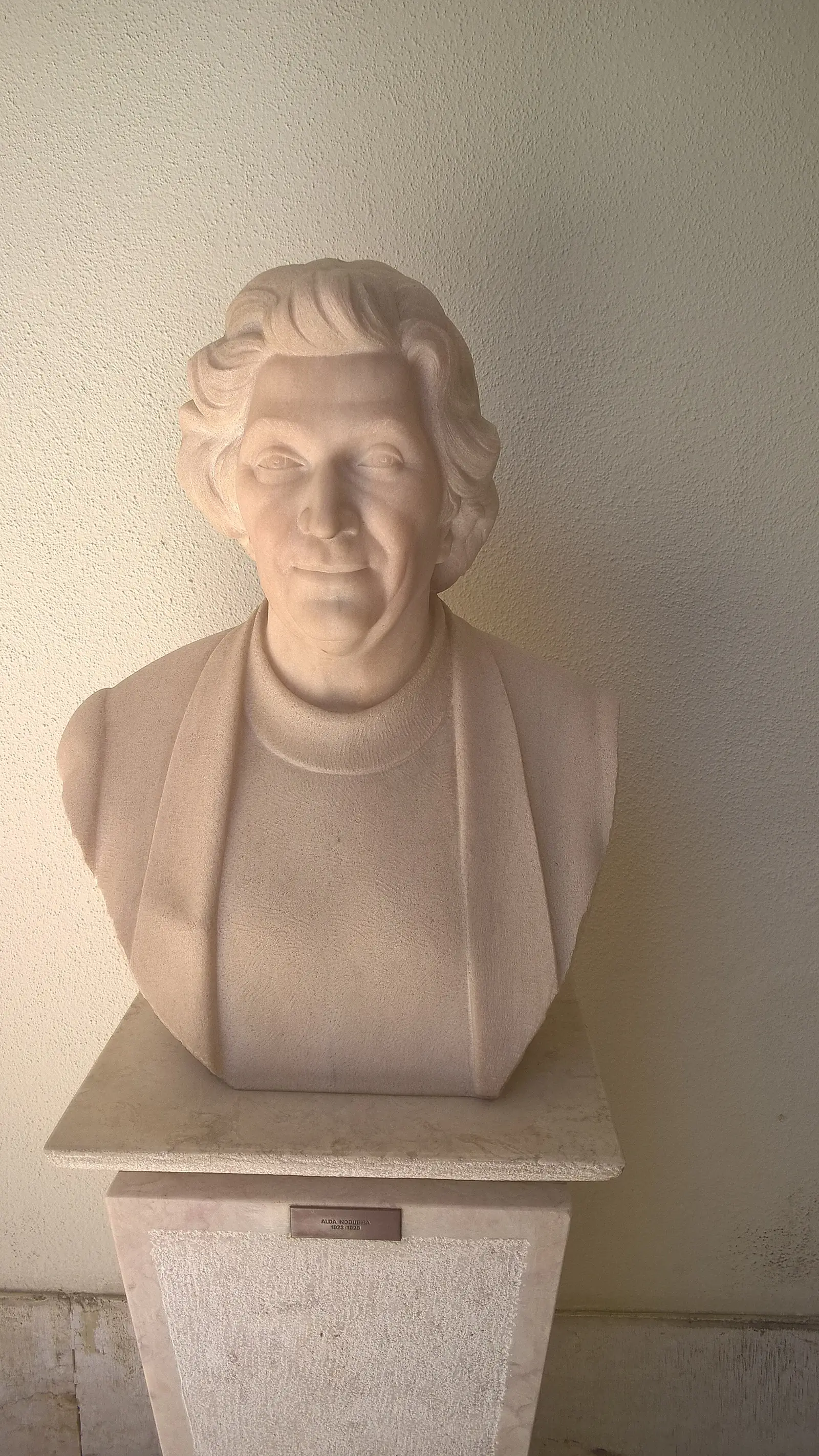
The bust of Maria Alda Nogueira, by António Trindade (2000), in the cloister of the Palácio de São Bento.
Date: 2019-04-27
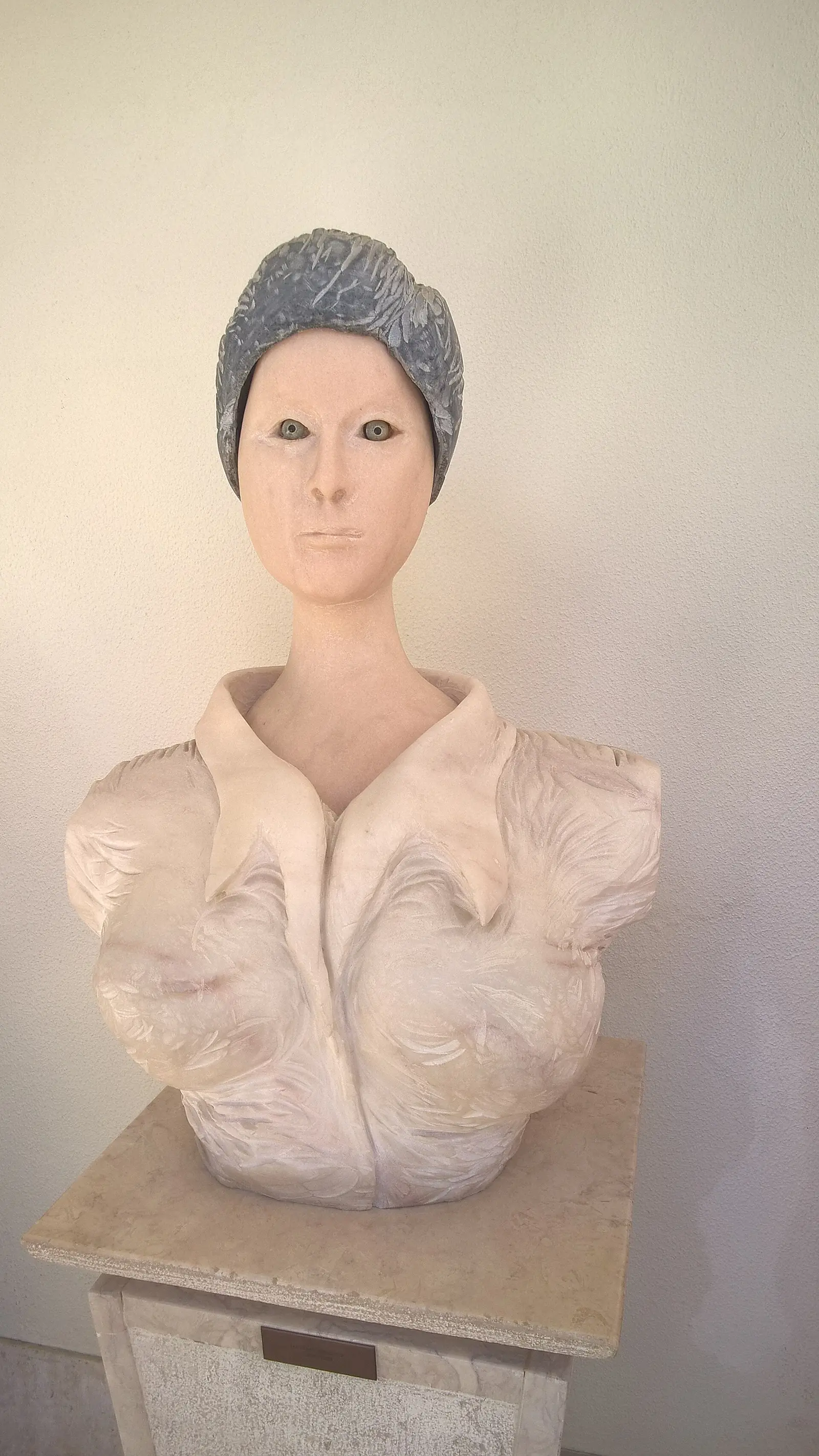
The bust of Natália Correia, by João Cutileiro (2000), in the cloister of the Palácio de São Bento.
Date: 2019-04-27
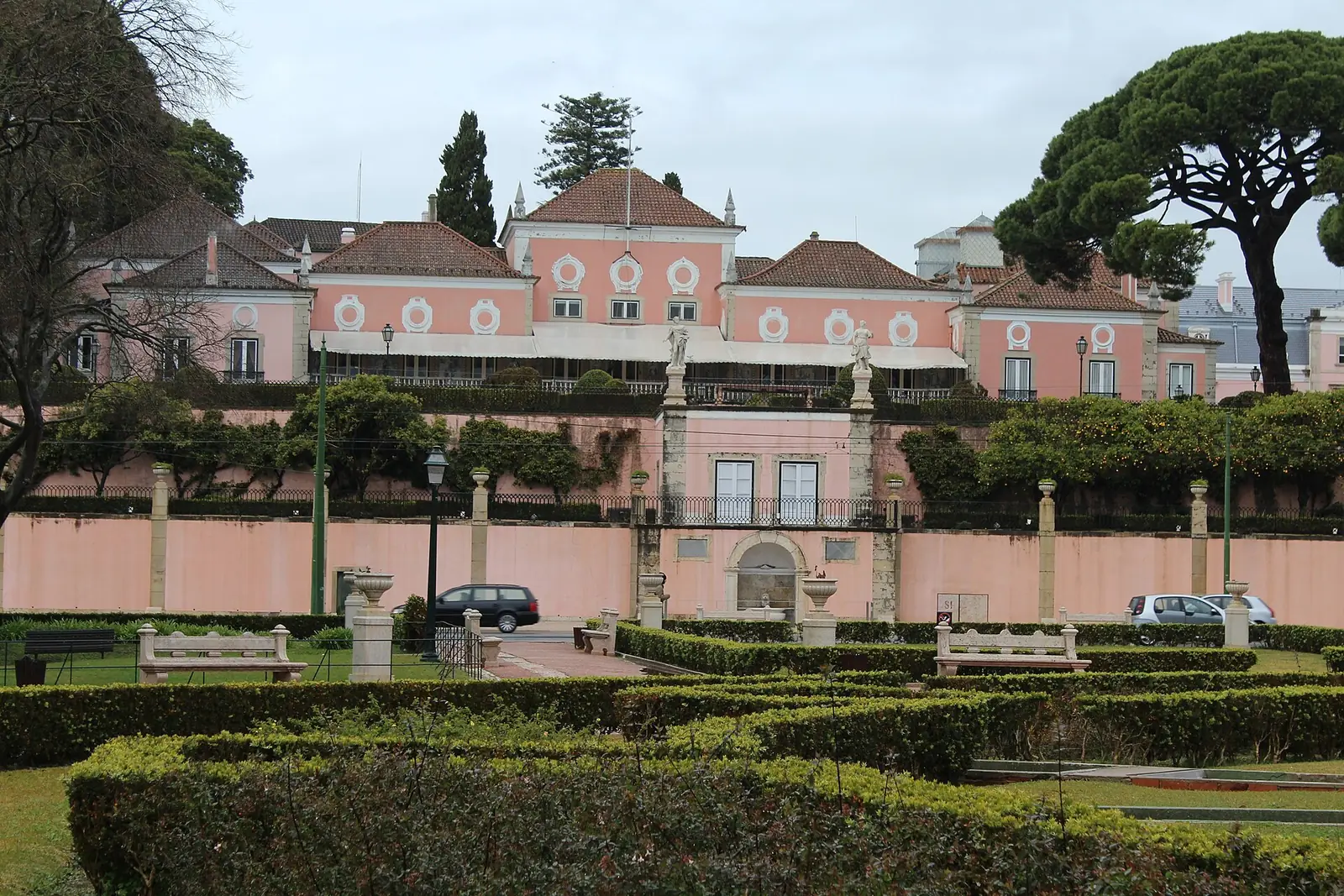
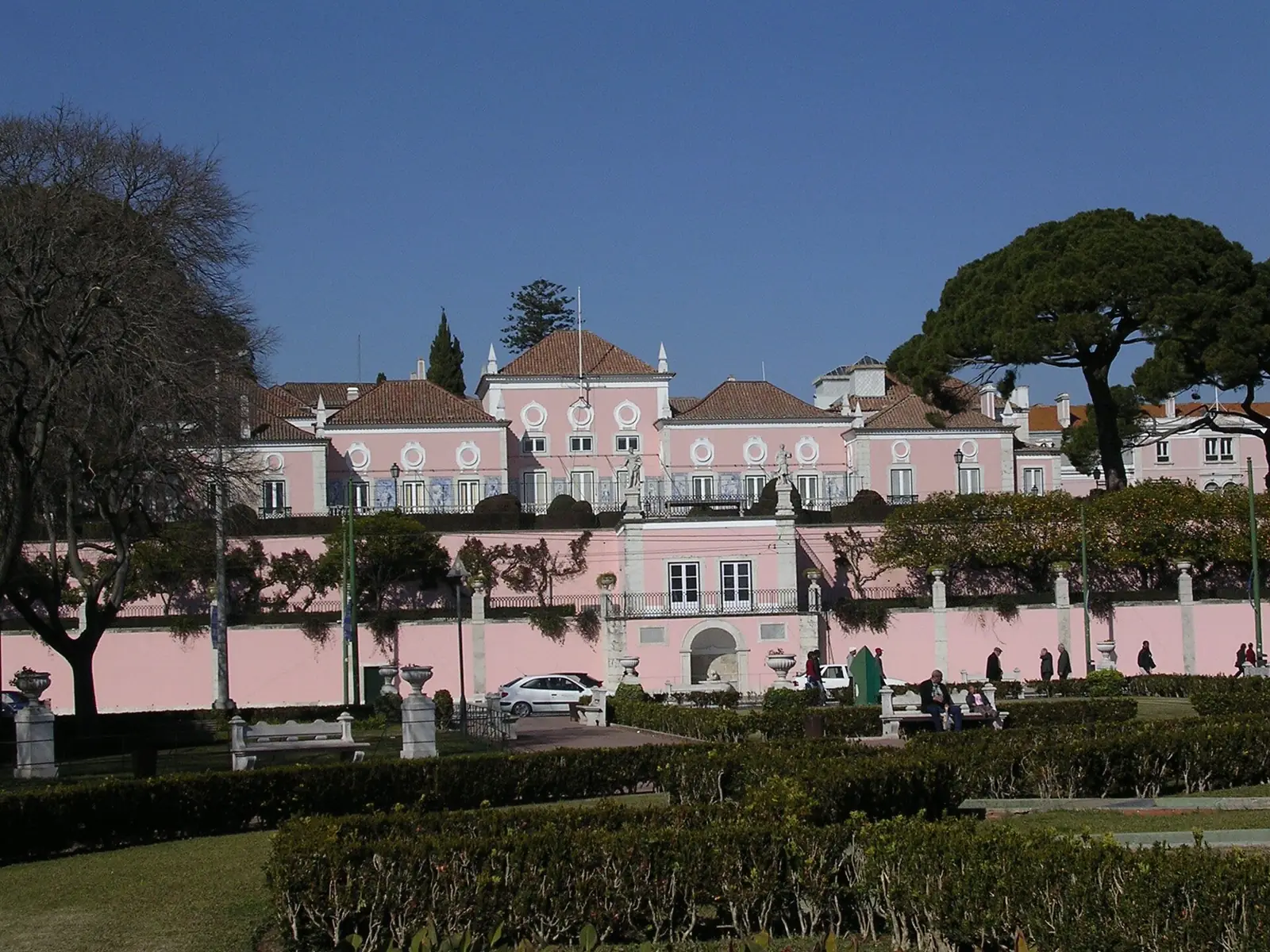
The façade of the Palácio de Belém above Praça Afonso de Albuquerque, in 2005.
Date: 2005-02-10
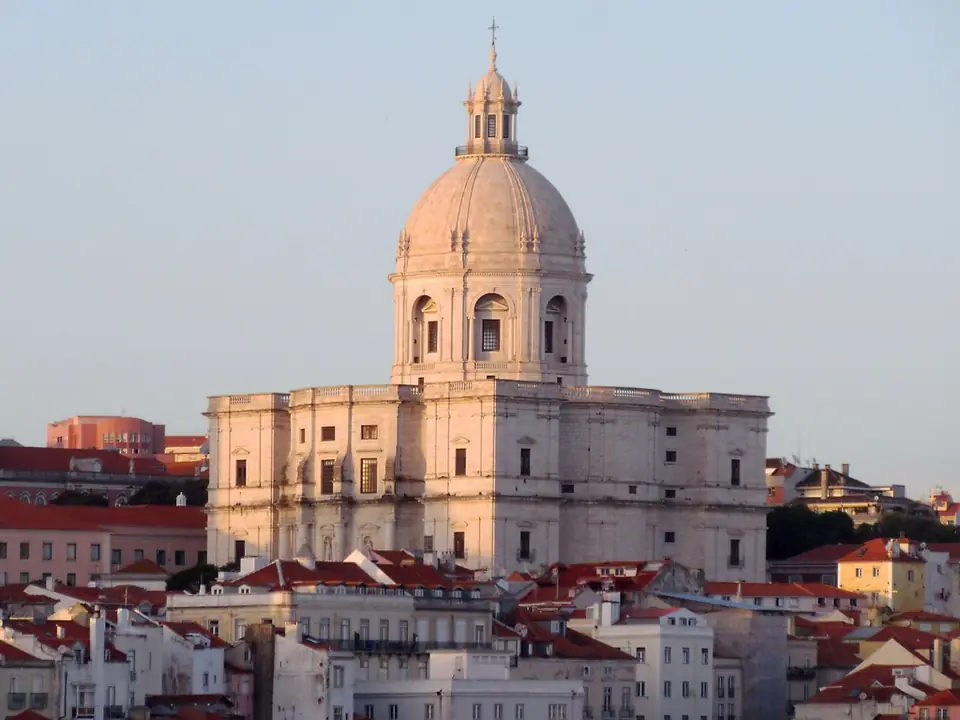
The National Pantheon (Church of Santa Engrácia), where Humberto Delgado is buried, in the late afternoon, in November 2024.
Date: 2024-11-02
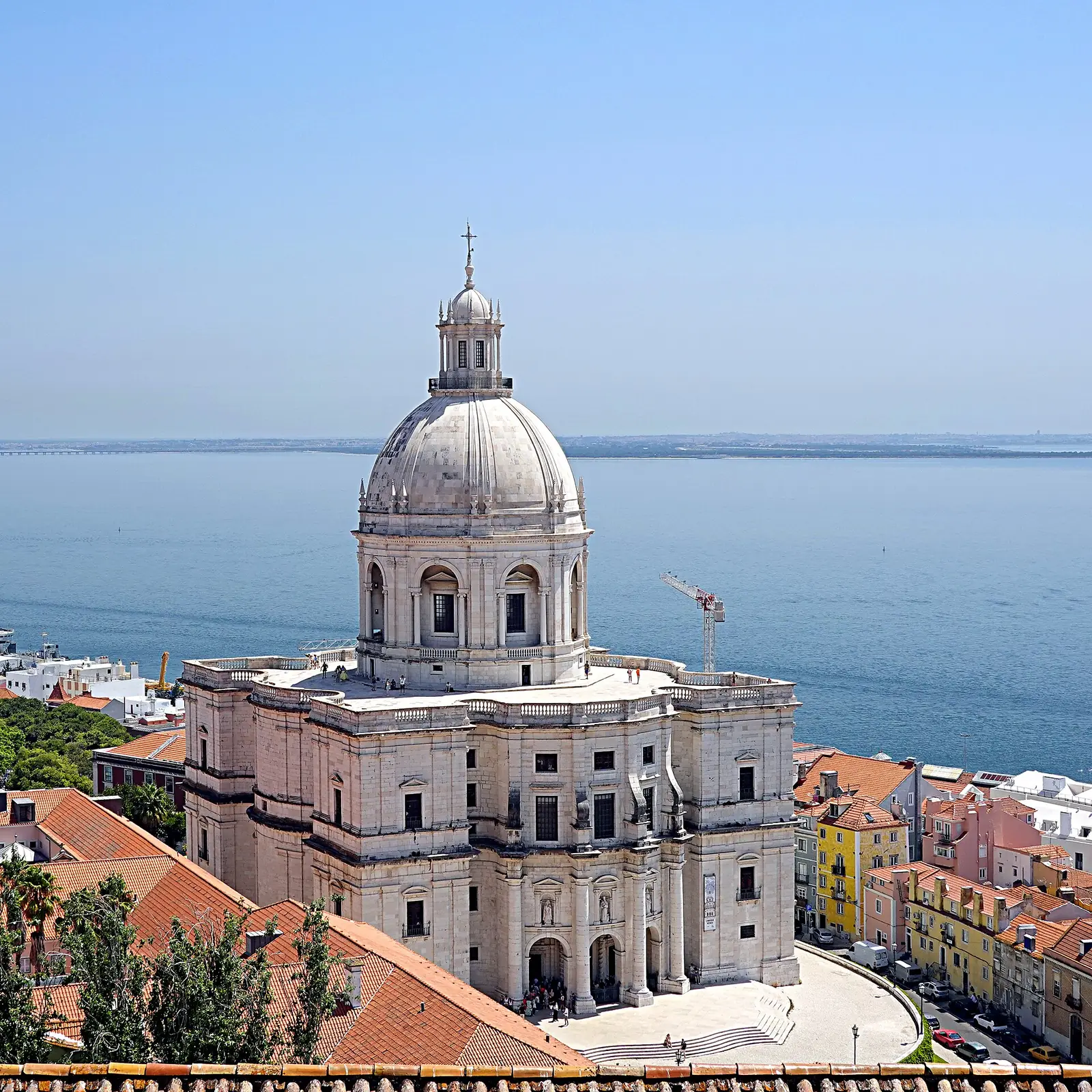
The National Pantheon seen from the Church of São Vicente de Fora, with the Tagus in the background, in August 2025.
Date: 2025-08-02
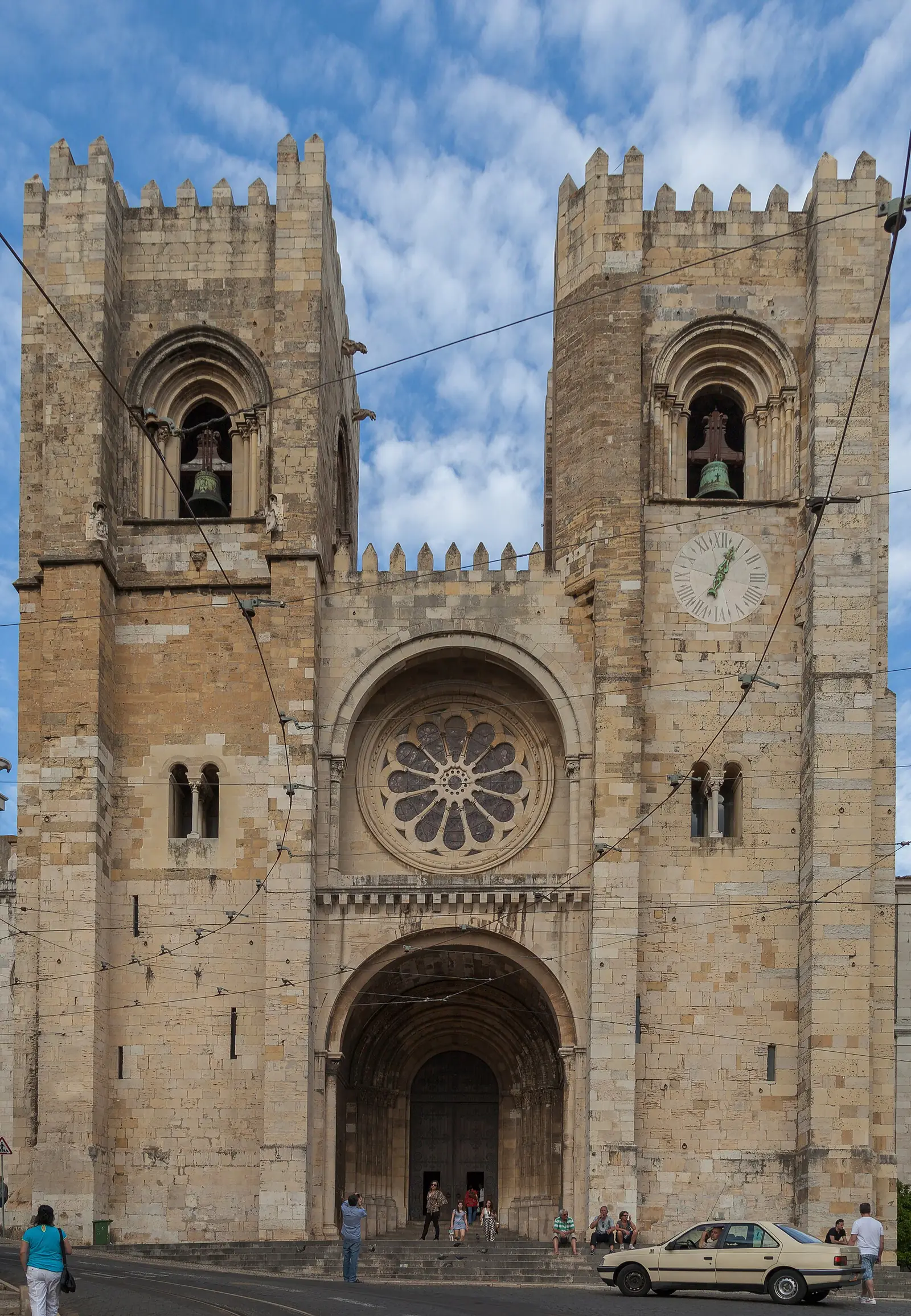
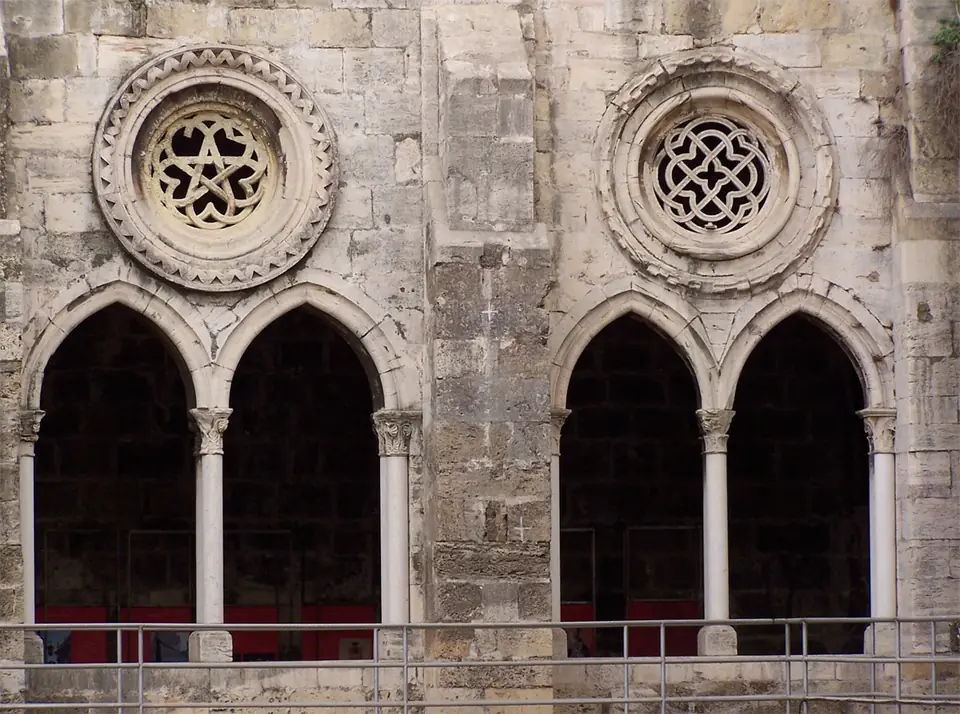
The Gothic cloister of the cathedral, where the conspirators of the “Revolta da Sé” (Cathedral Revolt) met, in 2004.
Fulviusbsas, Public domain
Date: 2004
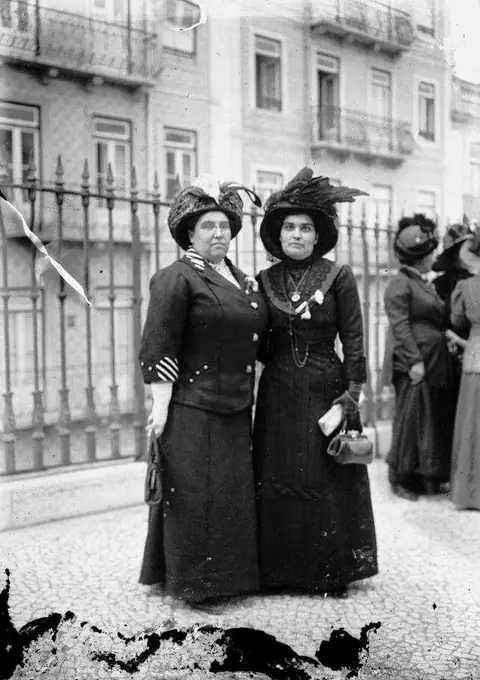
Carolina Beatriz Ângelo, “the first Portuguese woman voter”, with Ana de Castro Osório on election day, 28 May 1911. Photograph by Joshua Benoliel published in the “Ilustração Portuguesa”.
Joshua Benoliel, Public domain
Date: 1911-05-28
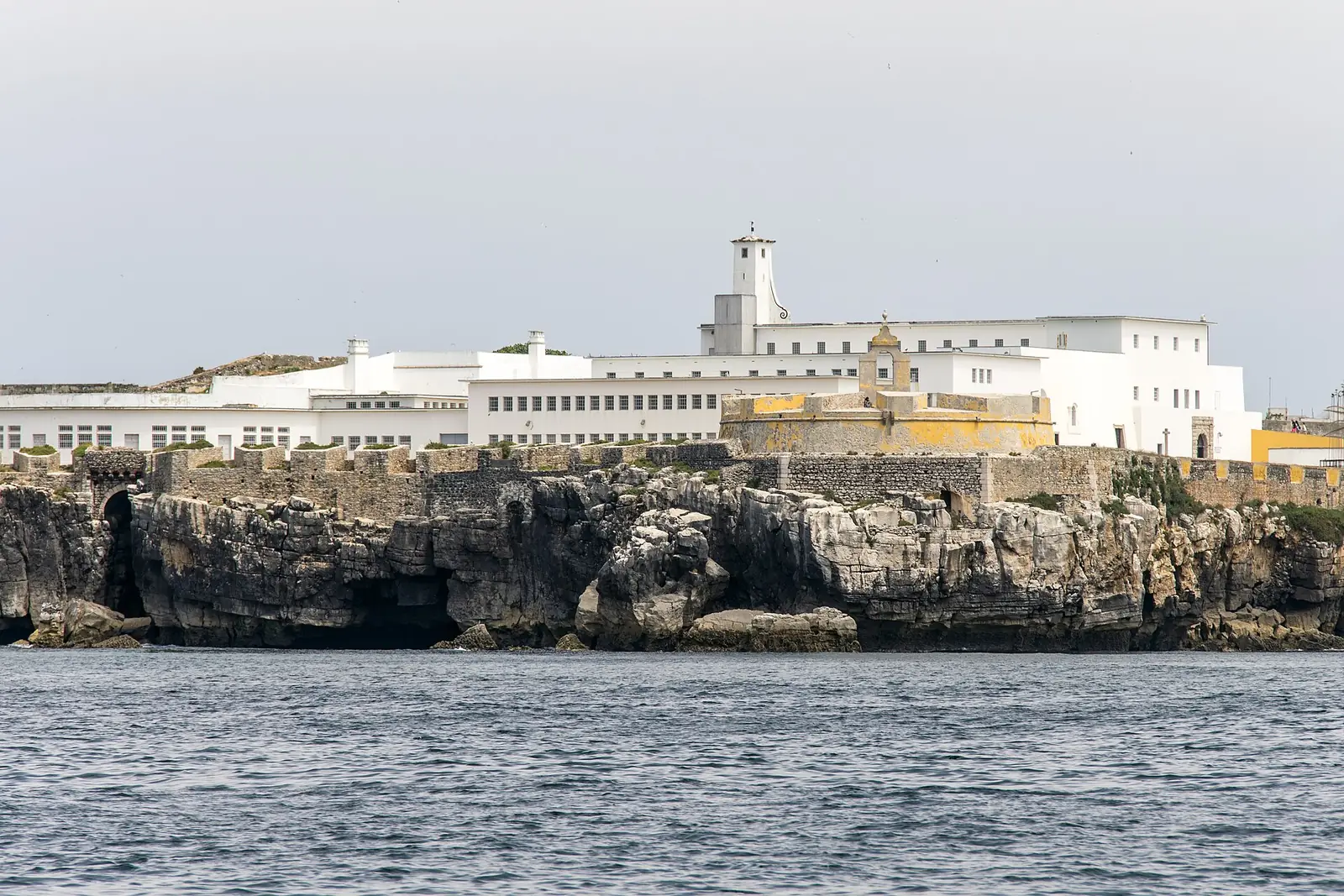
Peniche Fortress seen from the sea, with the former prison building at the top, in June 2026.
Date: 2026-06-21
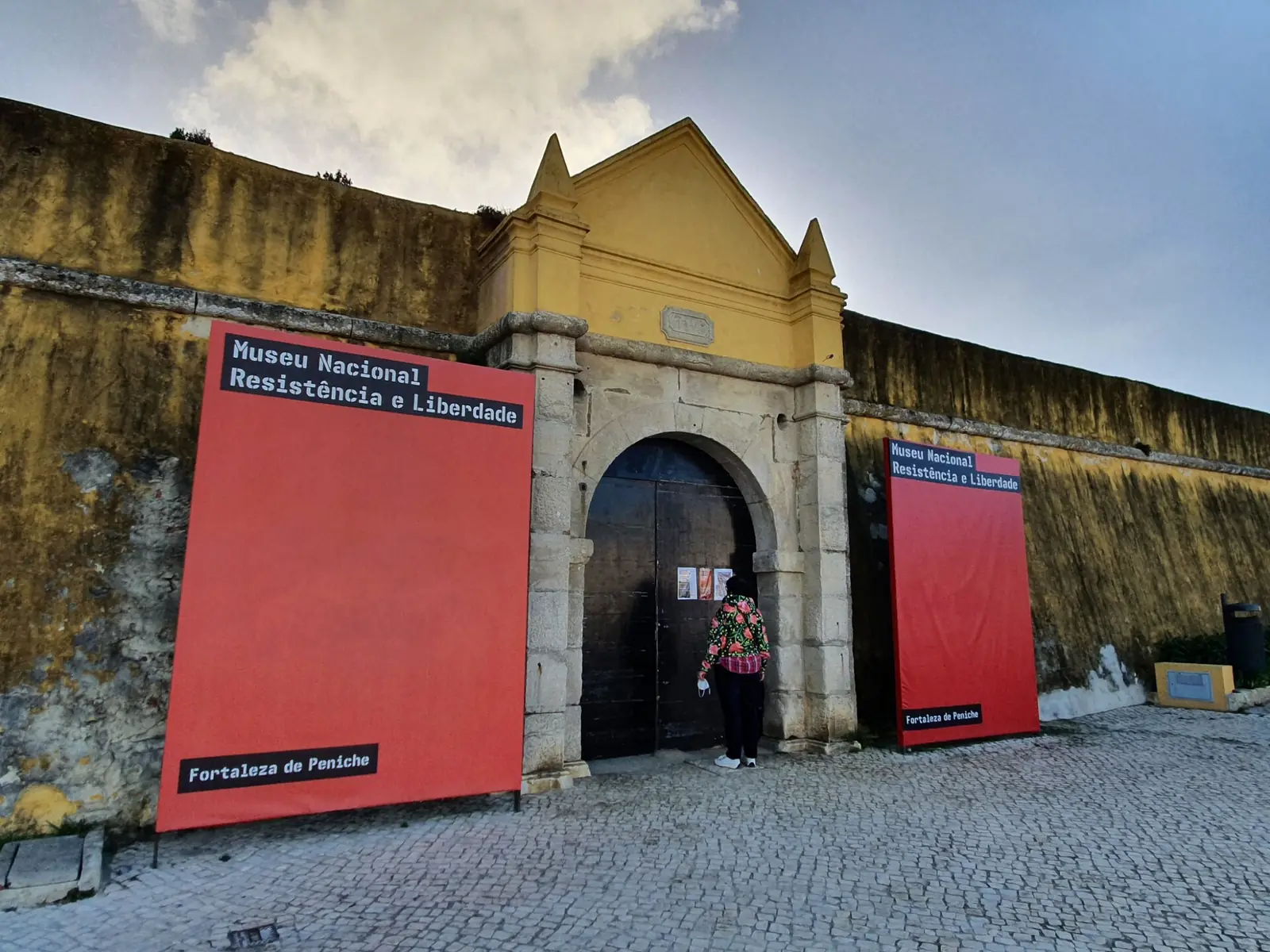
The entrance of Peniche Fortress, now the National Museum of Resistance and Freedom, in 2023.
Date: 2023-03-13
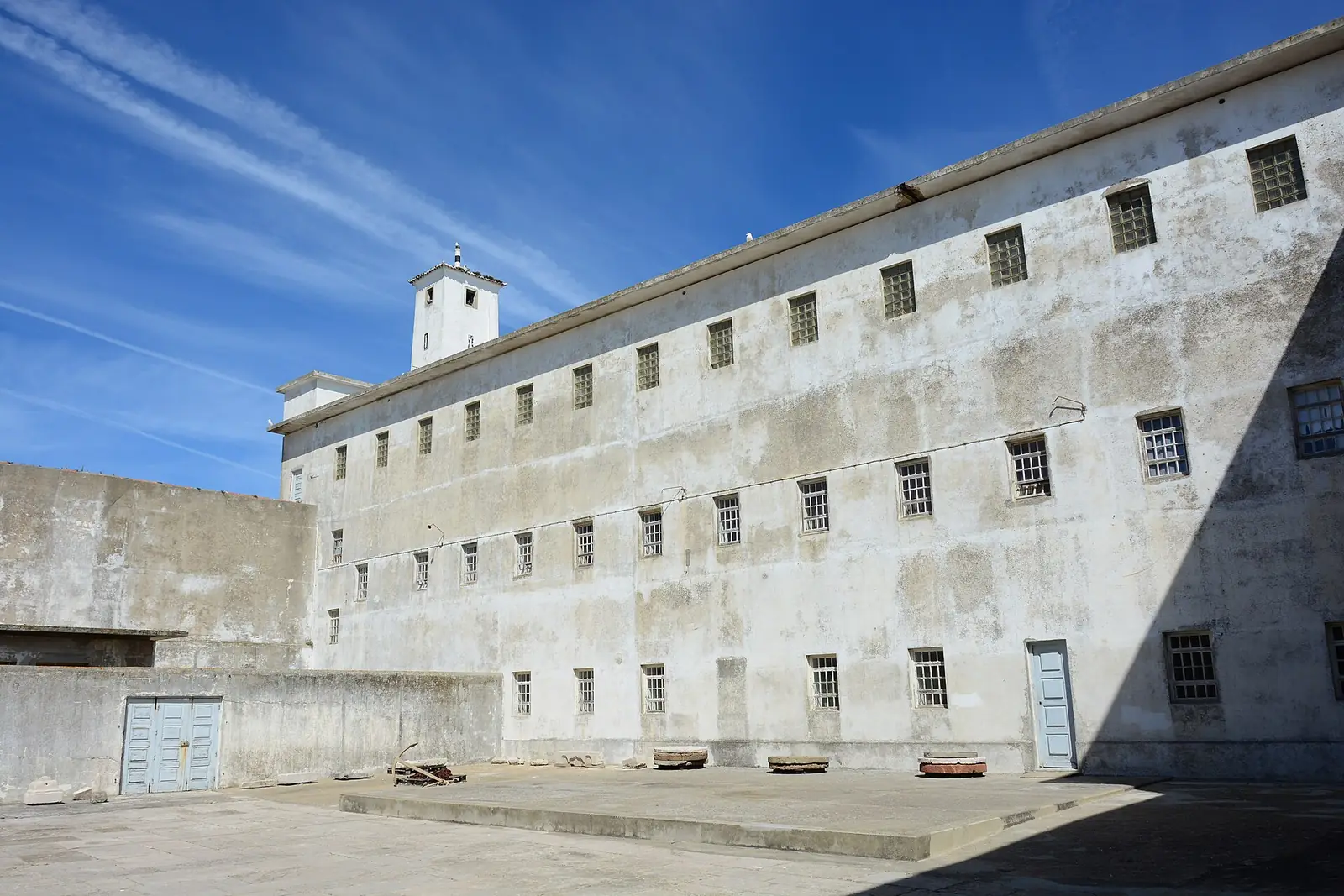
The cistern courtyard, the prison block and the watchtower of Peniche Fortress, in 2016.
Date: 2016-09-24
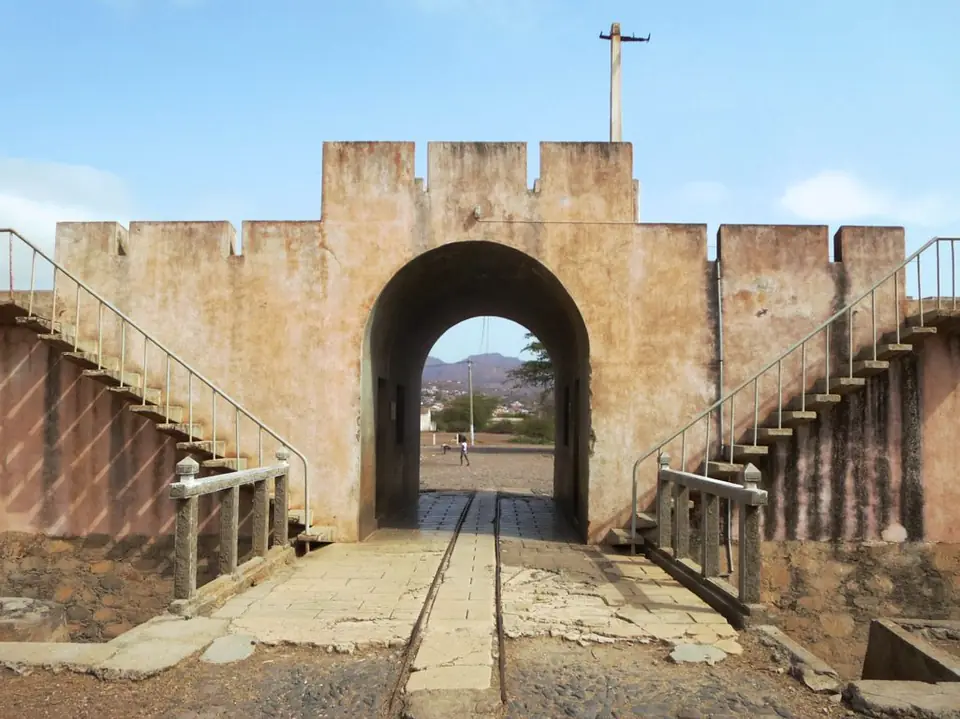
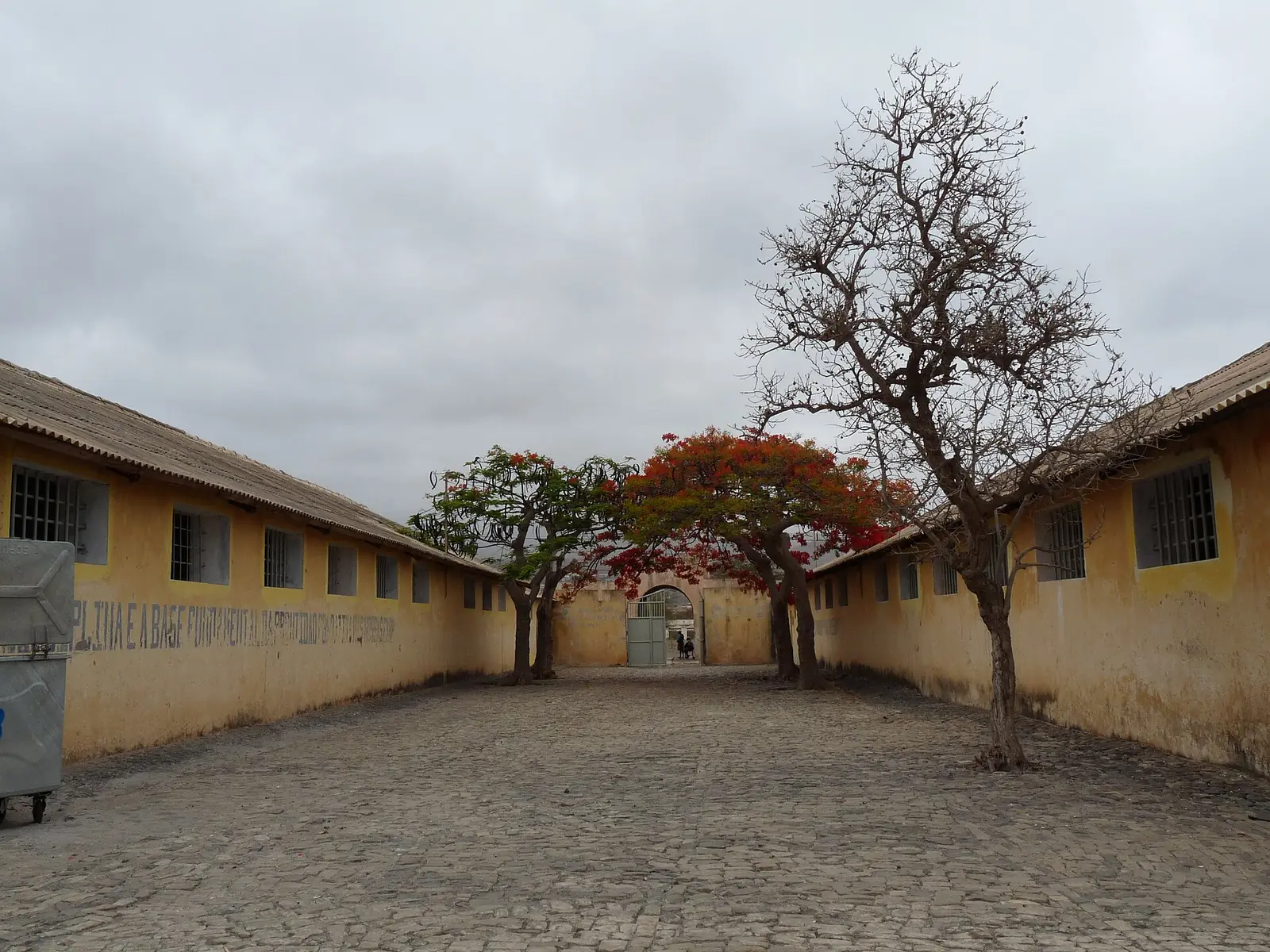
The entrance of the former Tarrafal concentration camp, on the island of Santiago (Cape Verde), now the Museum of the Resistance, in 2015.
Date: 2015-04-23
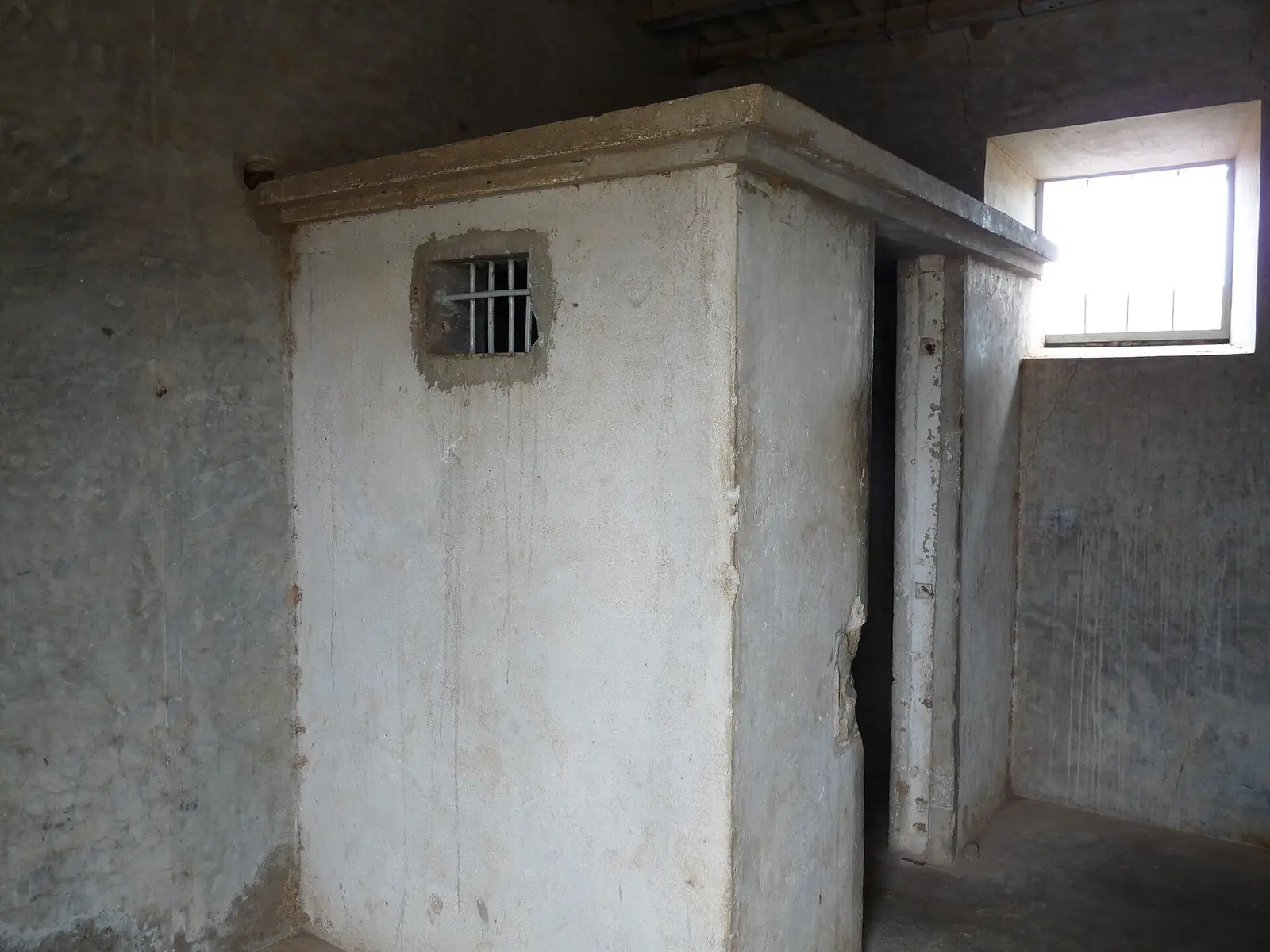
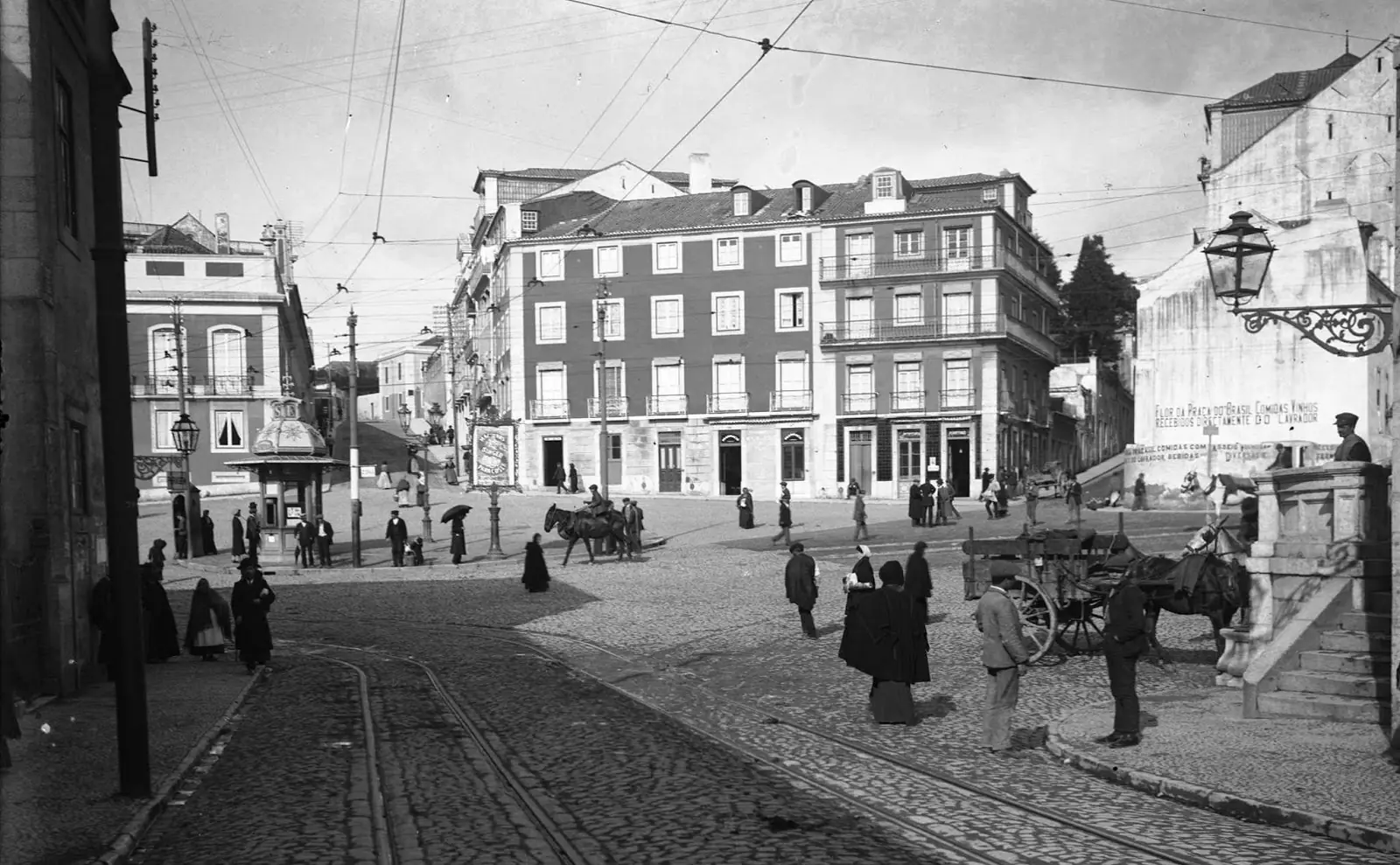
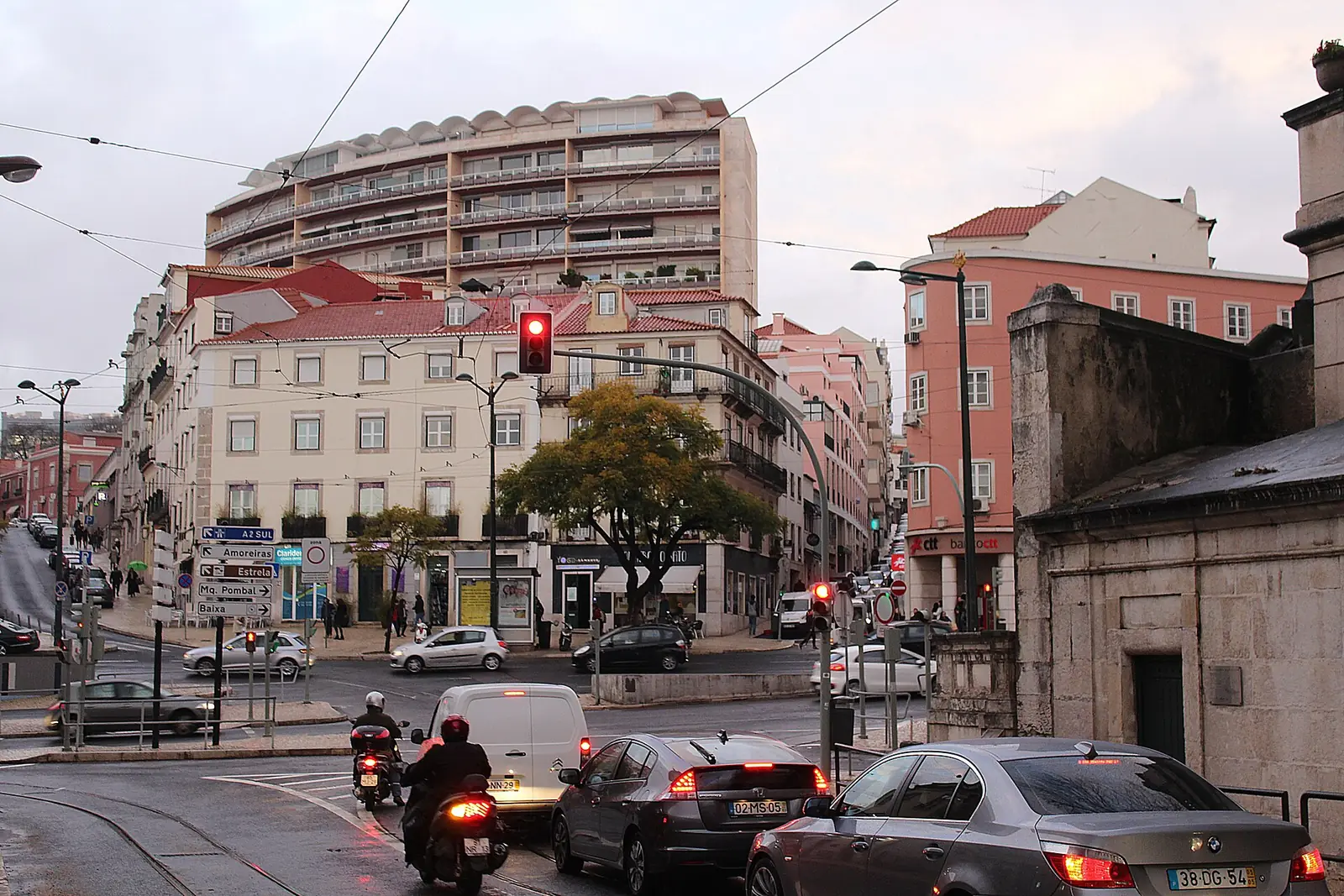
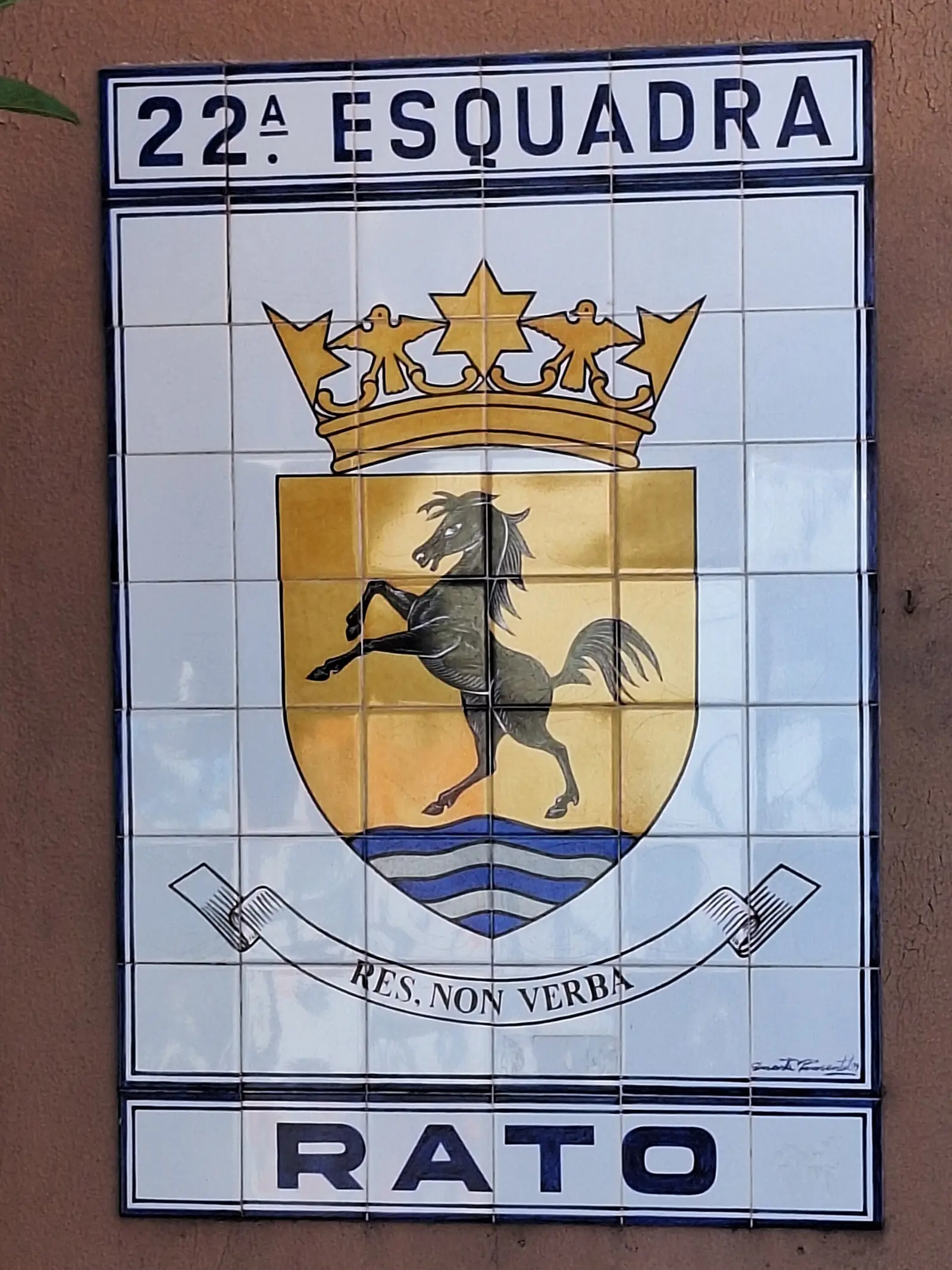
The way into Largo do Rato from Rua da Escola Politécnica, in 1917. Photograph by Joshua Benoliel.
Joshua Benoliel, Public domain
Date: 1917
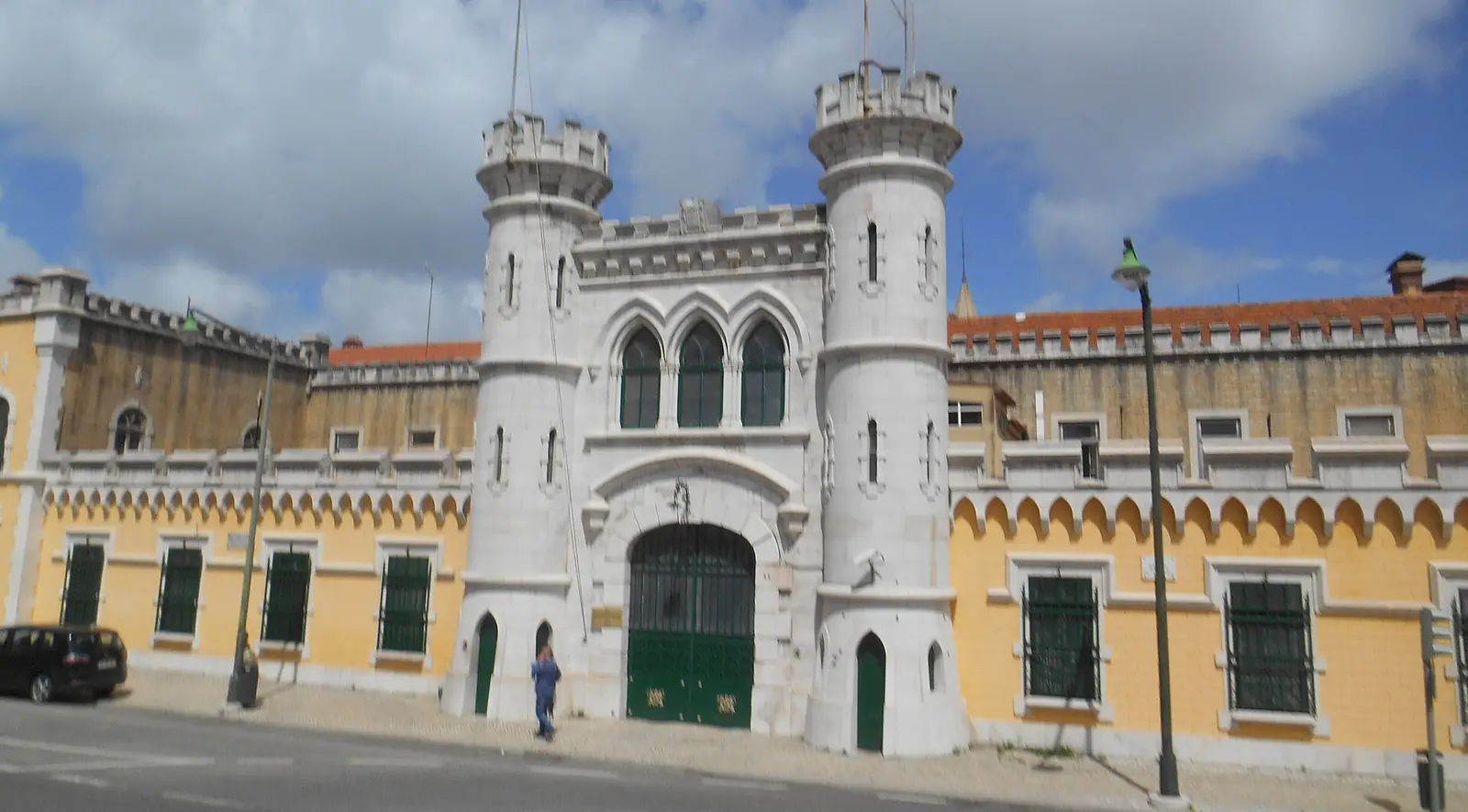
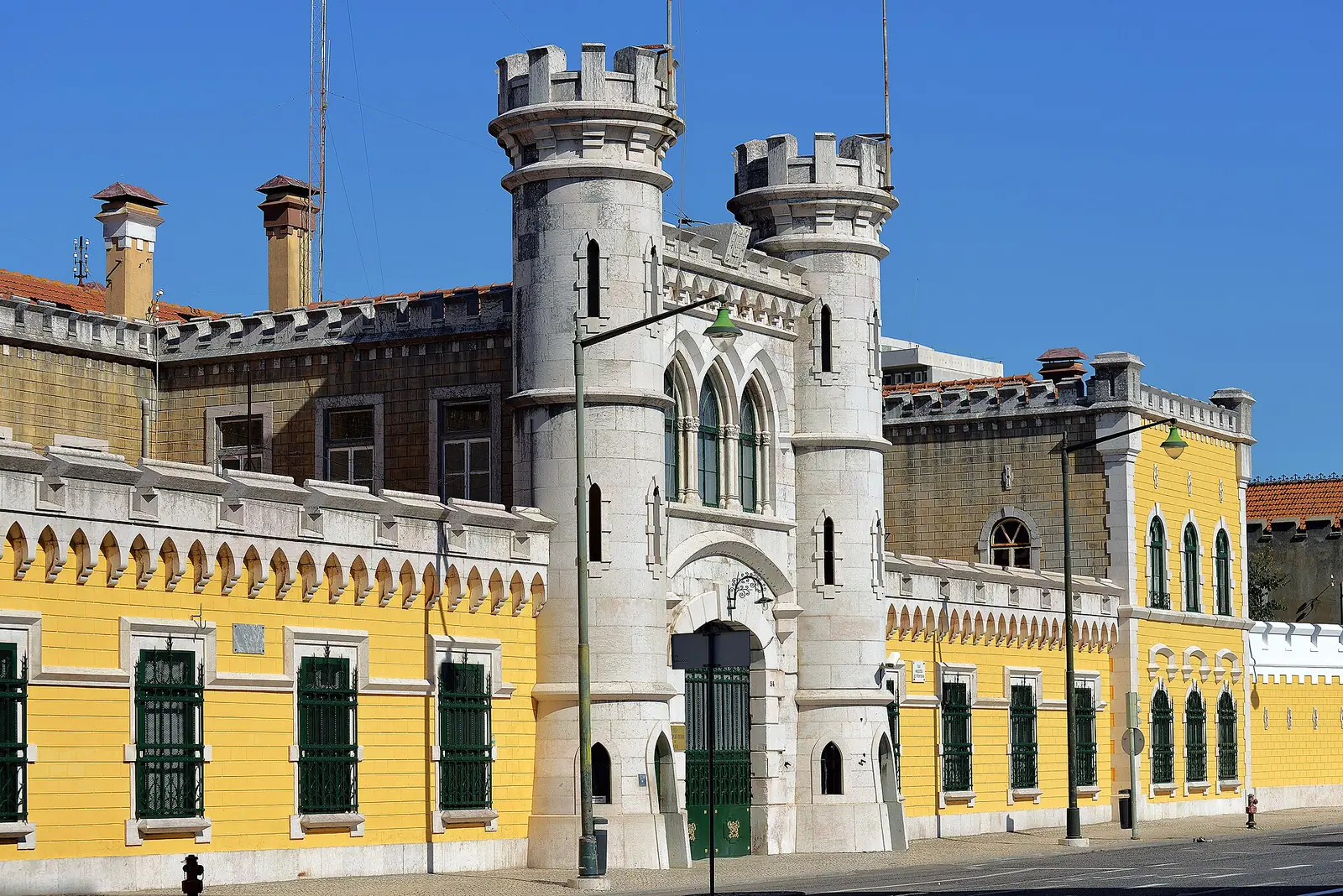
The façade of the Lisbon Penitentiary, in October 2015.
Date: 2015-10-14
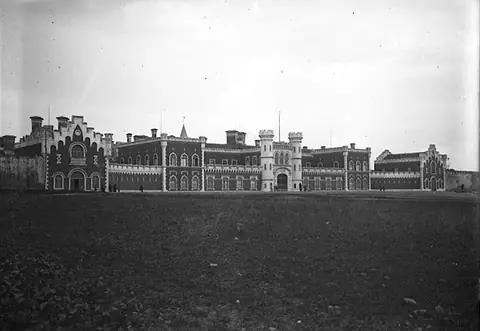
The Lisbon Penitentiary, a “model prison”, between 1905 and about 1915. Photograph by Charles Chusseau-Flaviens.
Charles Chusseau-Flaviens, Public domain
Date: entre 1905 e c. 1915
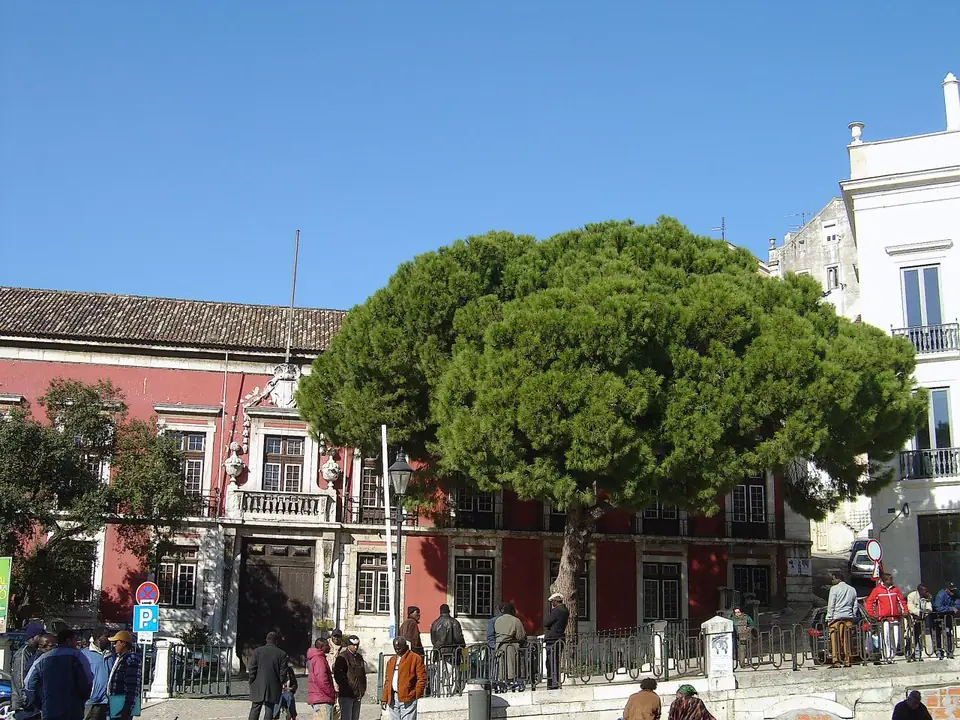
The Palácio da Independência (of the Counts of Almada), in Largo de São Domingos, in 2006.
Date: 2006-01-10
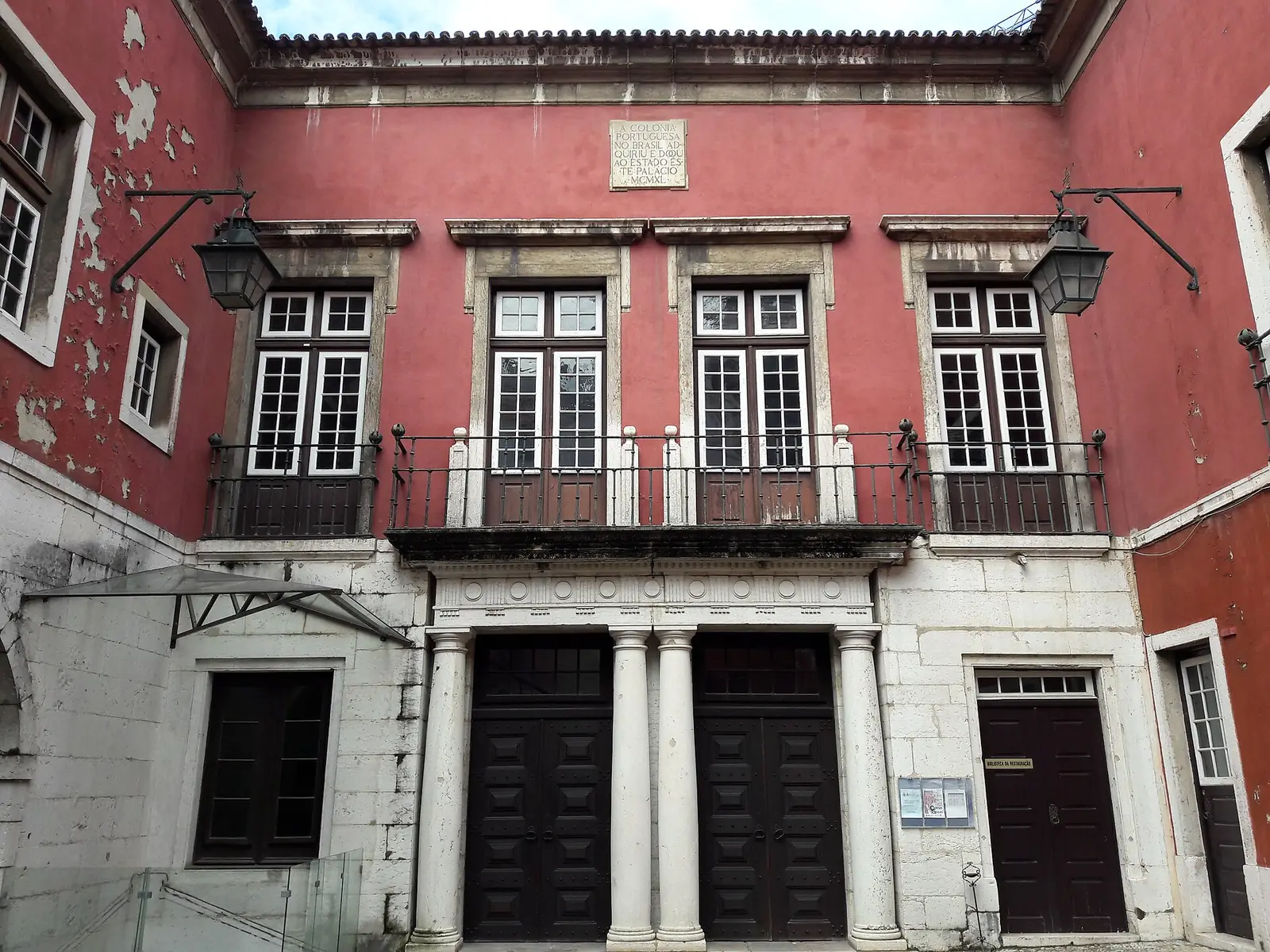
The inner courtyard of the Palácio da Independência, in May 2017.
Date: 2017-05-12
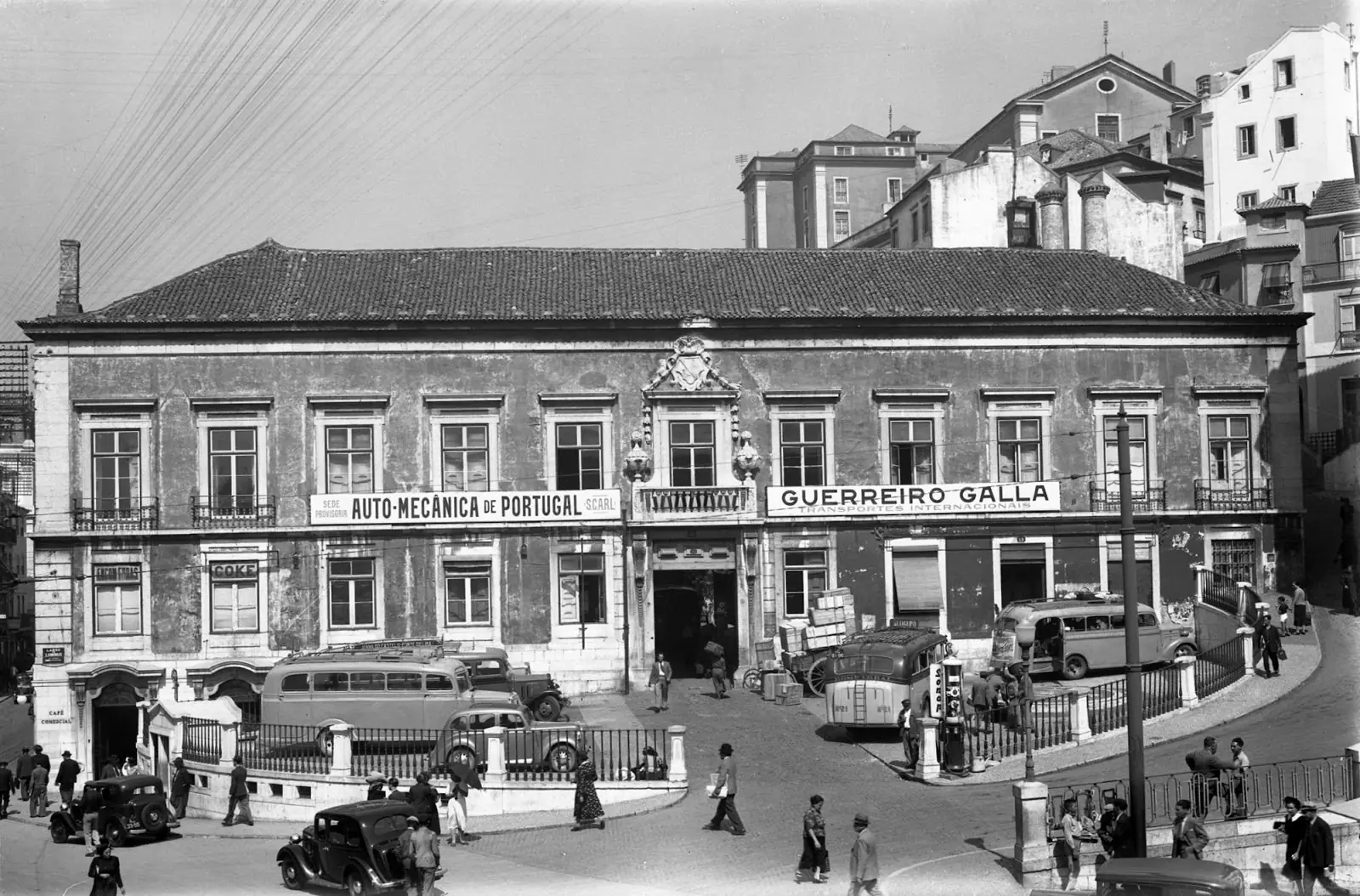
The Palácio dos Condes de Almada (the Palácio da Independência), in Largo de São Domingos, in 1939.
Anonymous ( writer ), Public domain
Date: 1939
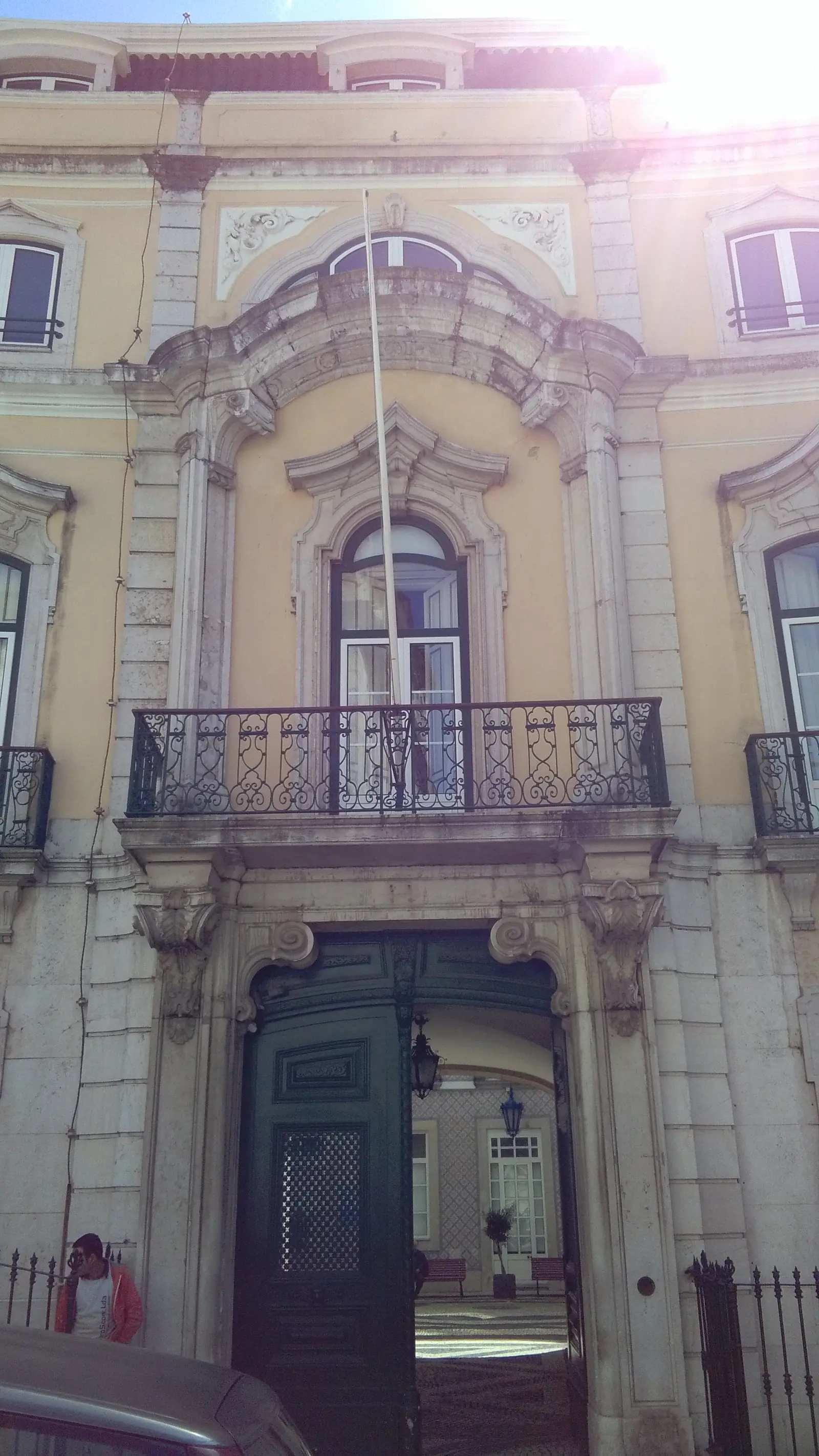
The Baroque portal of the Paço de São Cristóvão (Palácio Vagos), in 2016.
Ricardo Filipe Pereira, CC BY-SA 4.0
Date: 2016-04-05
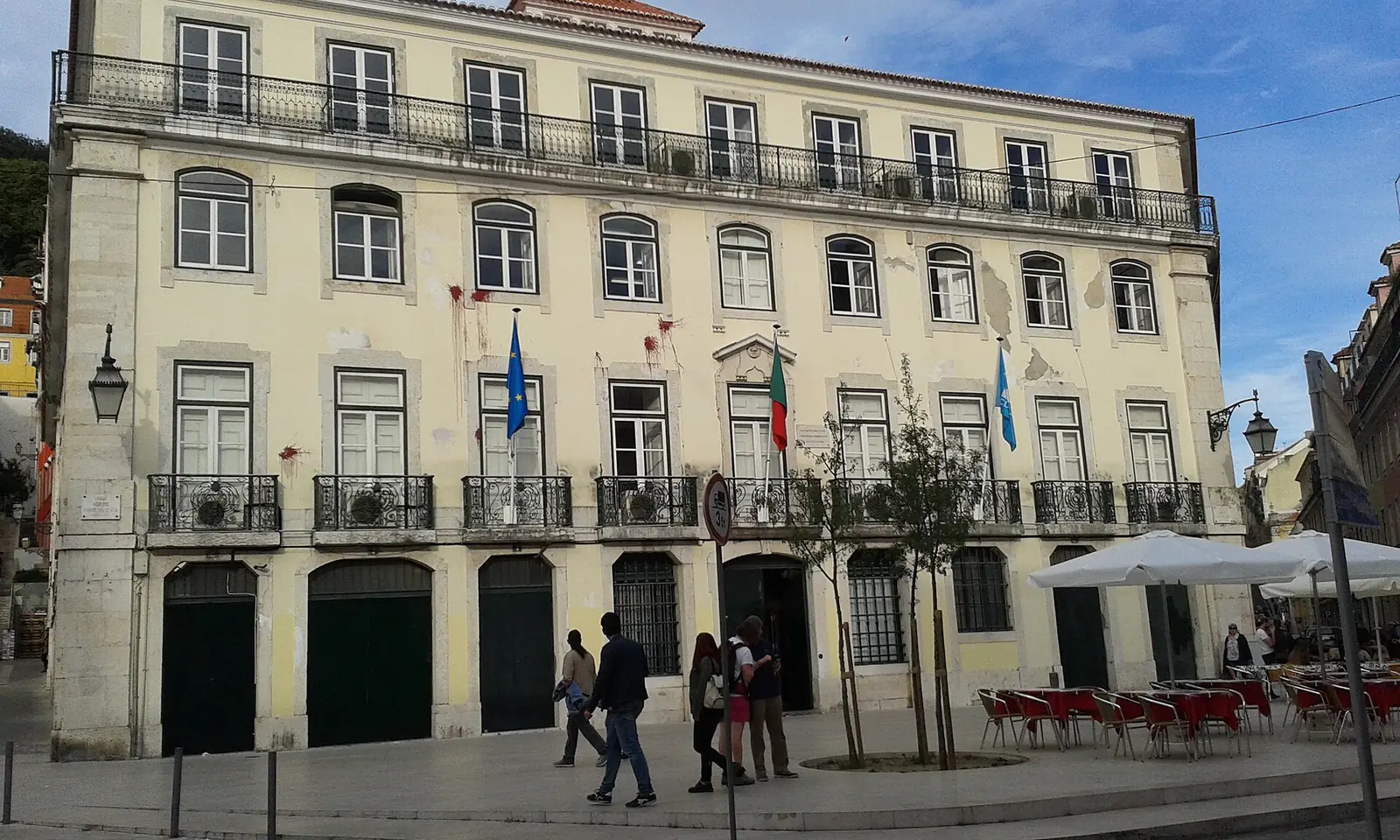
Largo do Caldas (now Largo Adelino Amaro da Costa), with the national headquarters of the CDS, in 2015.
Date: 2015-05-06
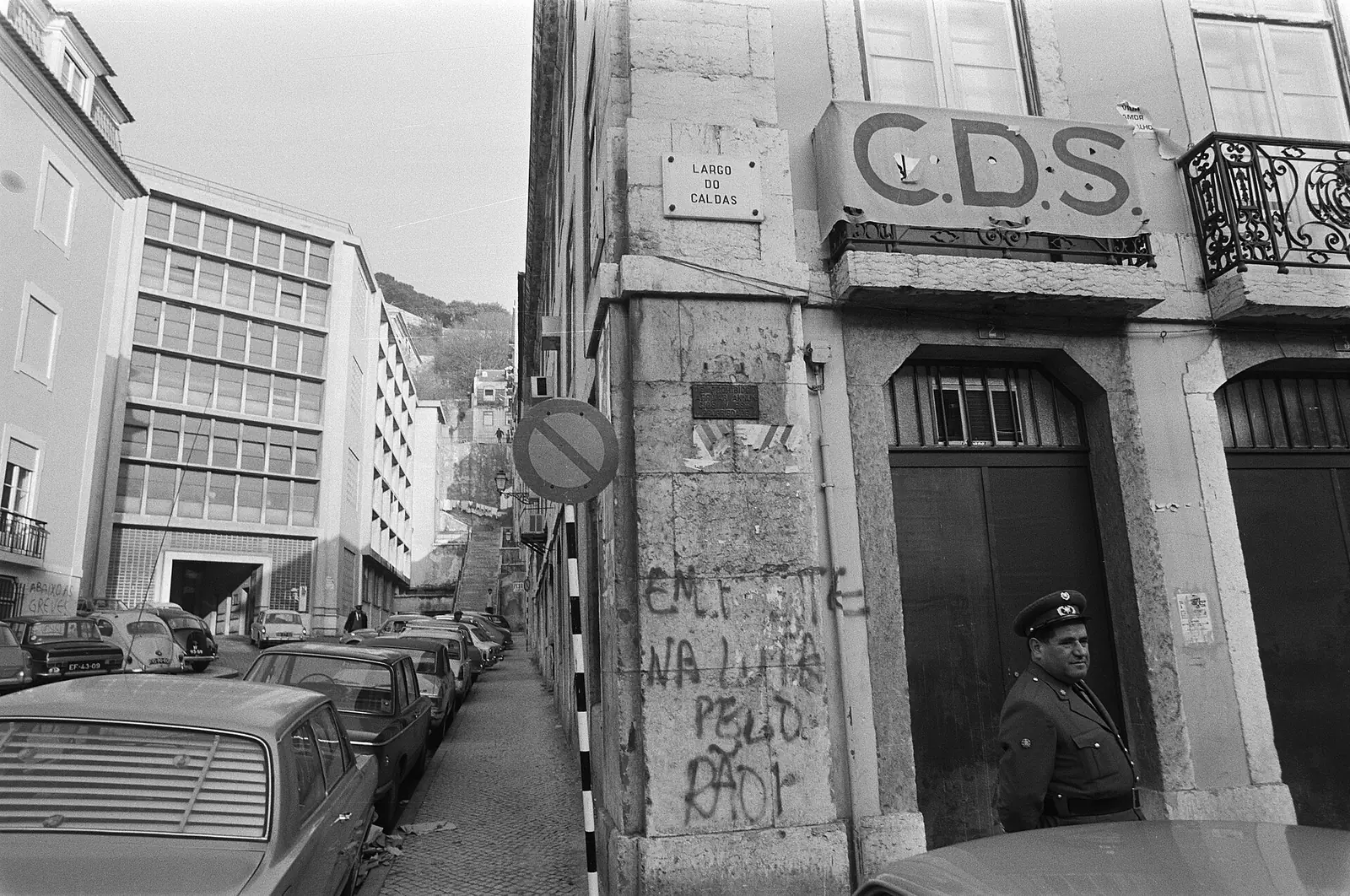
The CDS headquarters in Largo do Caldas on 11 February 1975, with political graffiti on the walls. Photograph by Rob Mieremet (Anefo).
Date: 1975-02-11
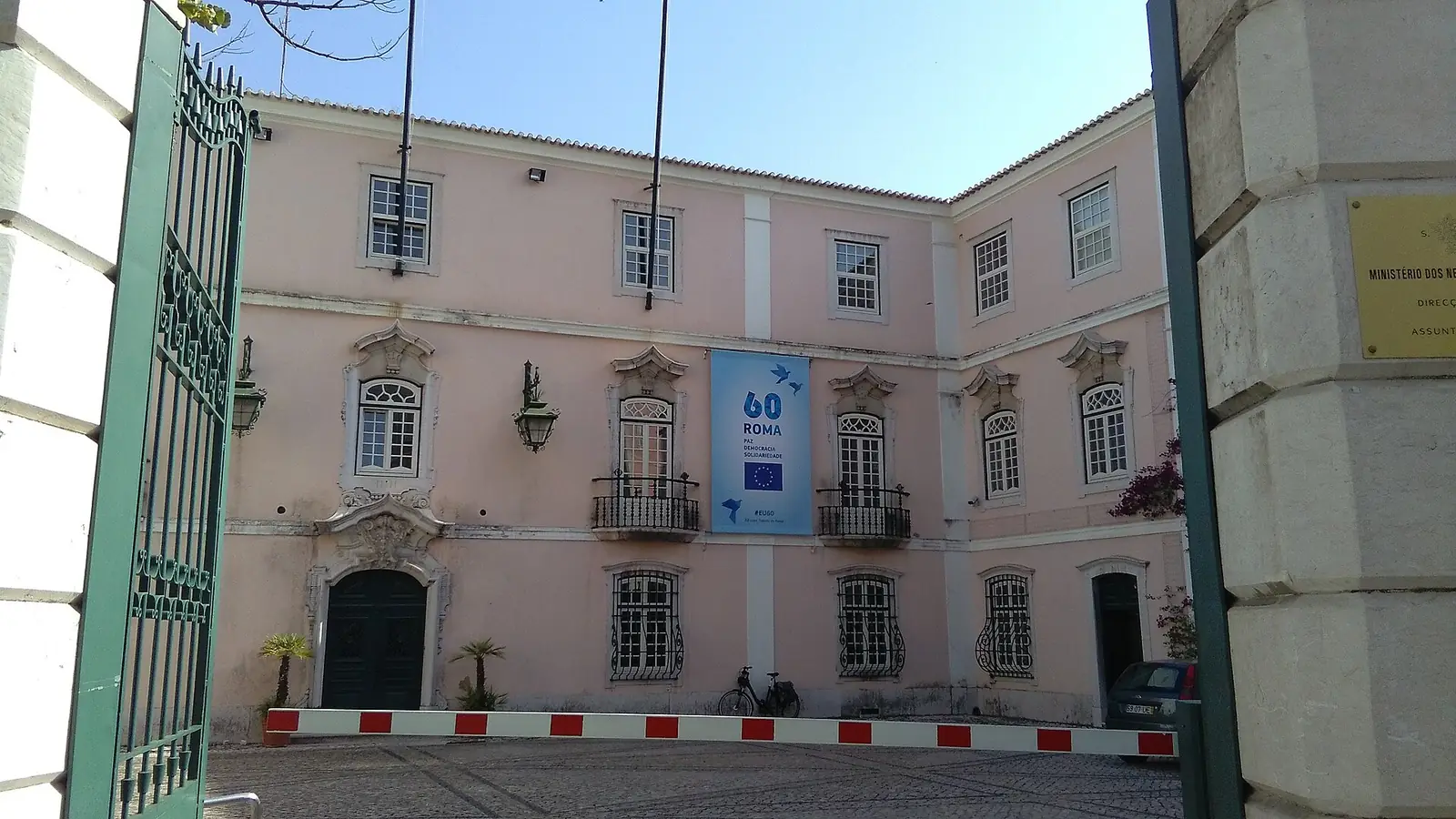
The Palácio da Cova da Moura seen from the gate, in May 2017.
RicardoFilipePereira, CC BY-SA 4.0
Date: 2017-05-25
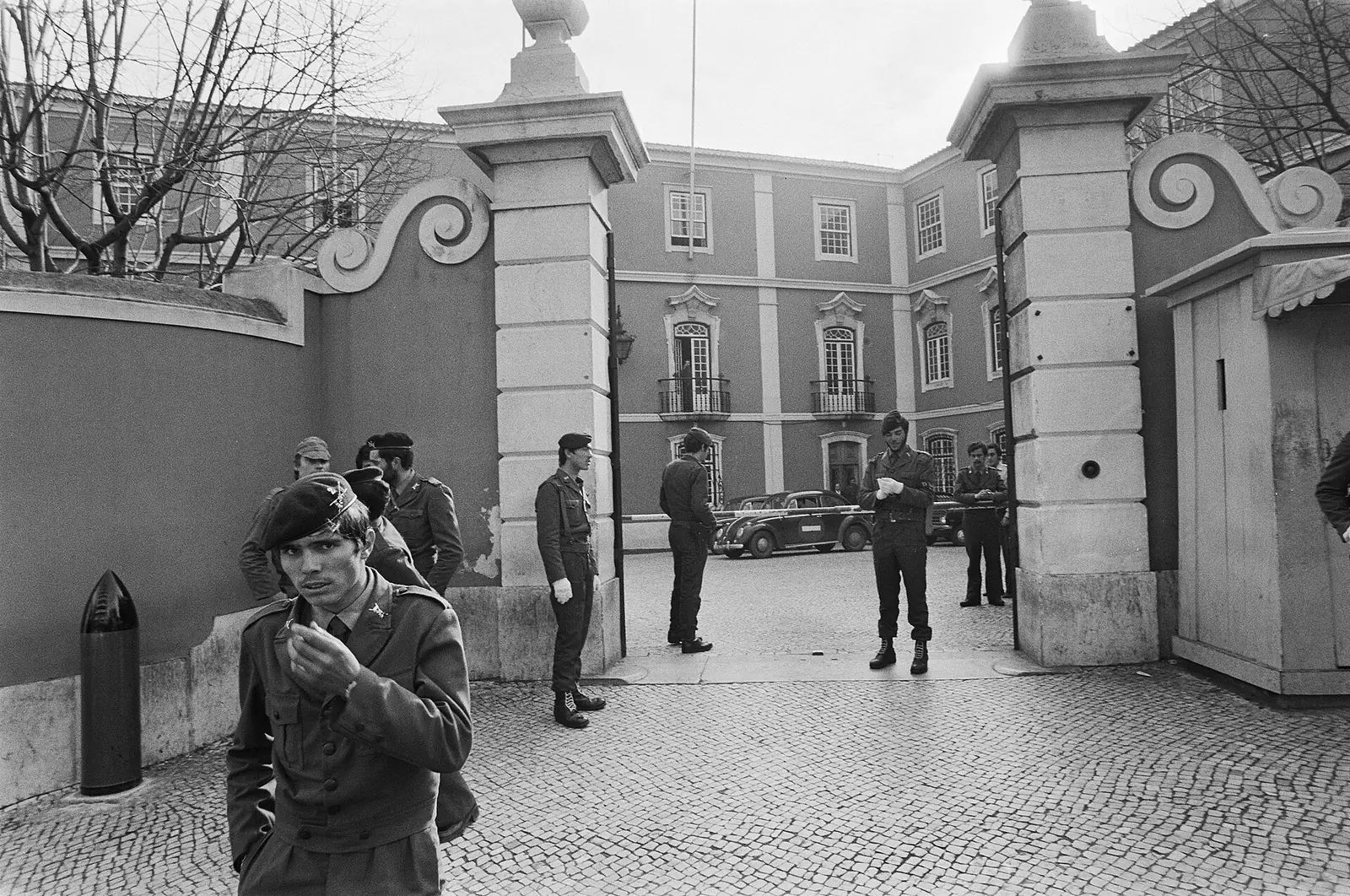
The gate of the Palácio da Cova da Moura, then the MFA’s building, on 11 February 1975. Photograph by Rob Mieremet (Anefo).
Date: 1975-02-11
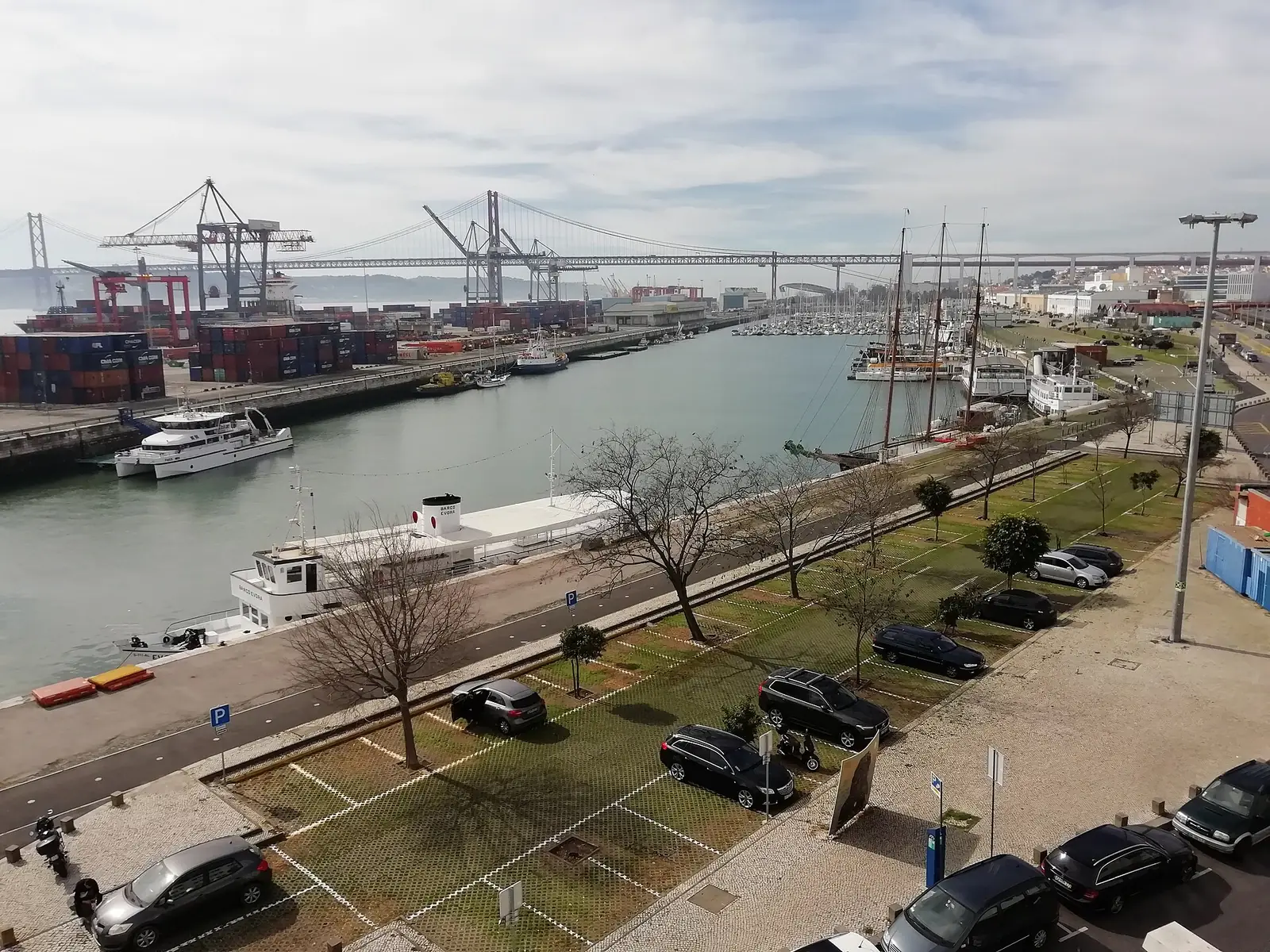
The Alcântara Dock, with the container quay and the 25 de Abril Bridge in the background, in 2020.
Date: 2020-02-15
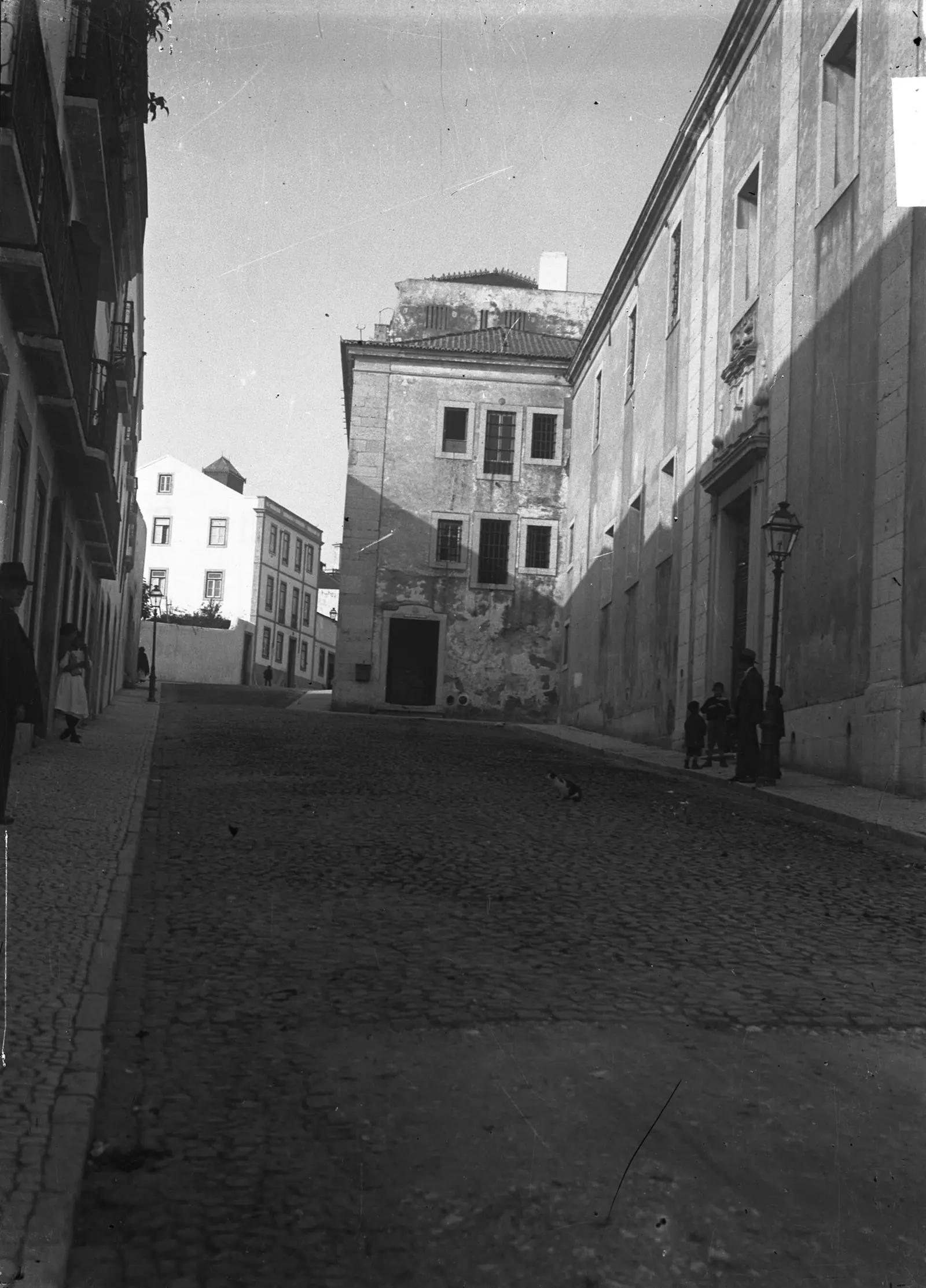
Travessa das Mónicas and the Mónicas Convent, already a prison, around 1900. Photograph by José Artur Leitão Bárcia (Lisbon Municipal Archive).
José Artur Leitão Bárcia, Public domain
Date: c. 1900
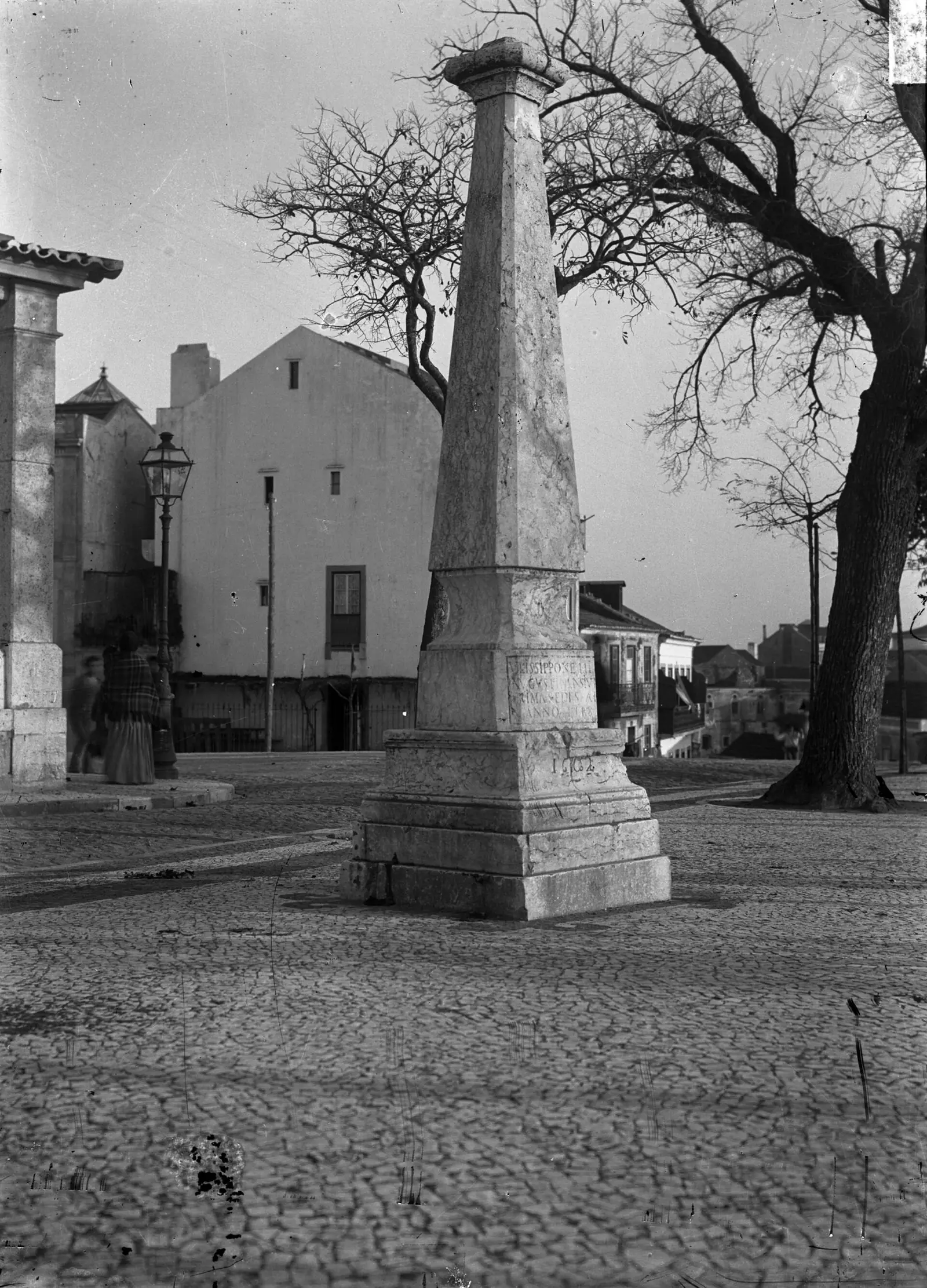
The 1148 stone pillar (padrão) on Rua de São Gens, around 1900. Photograph by José Artur Leitão Bárcia (Lisbon Municipal Archive).
José Artur Leitão Bárcia, Public domain
Date: c. 1900
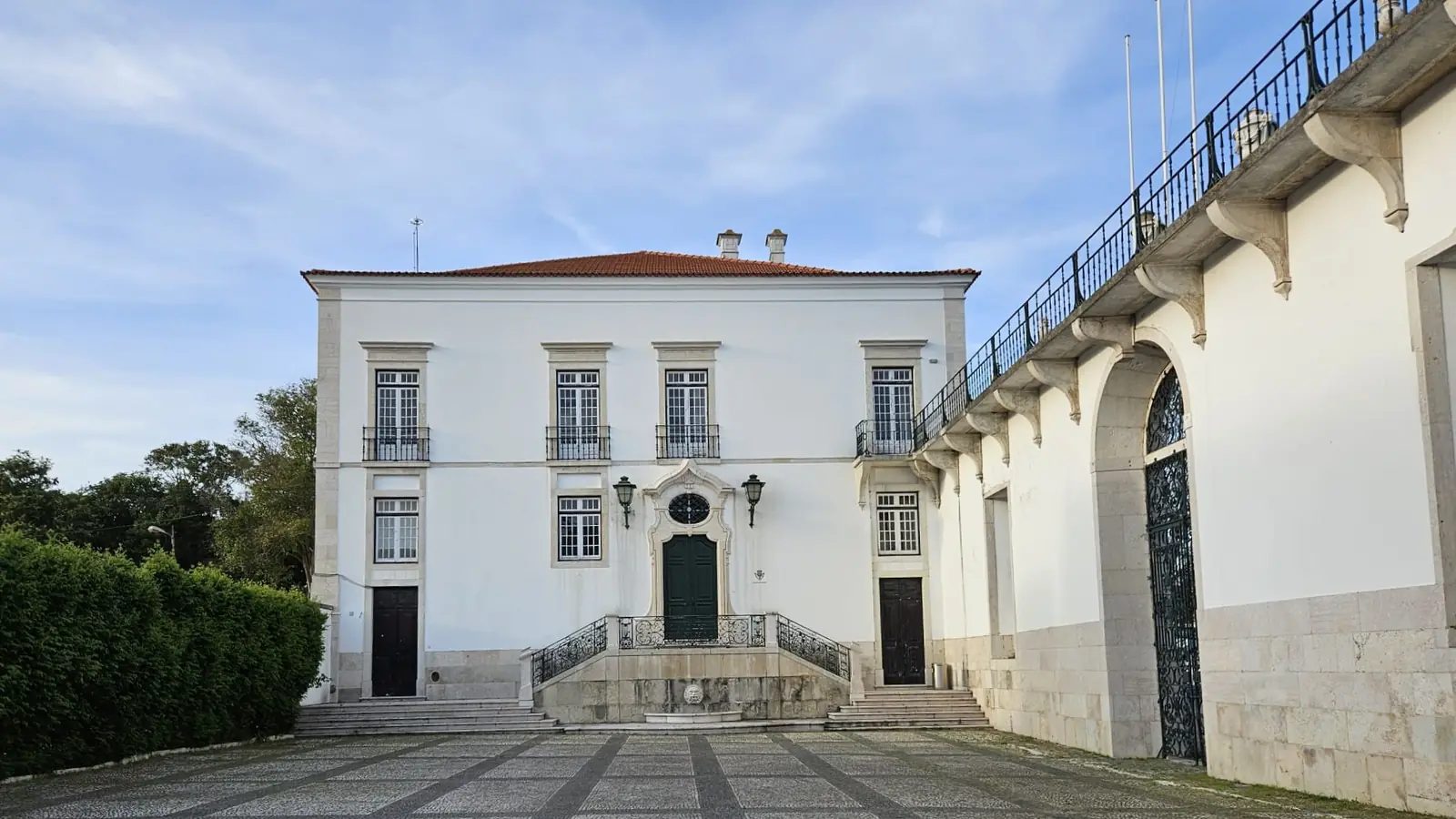
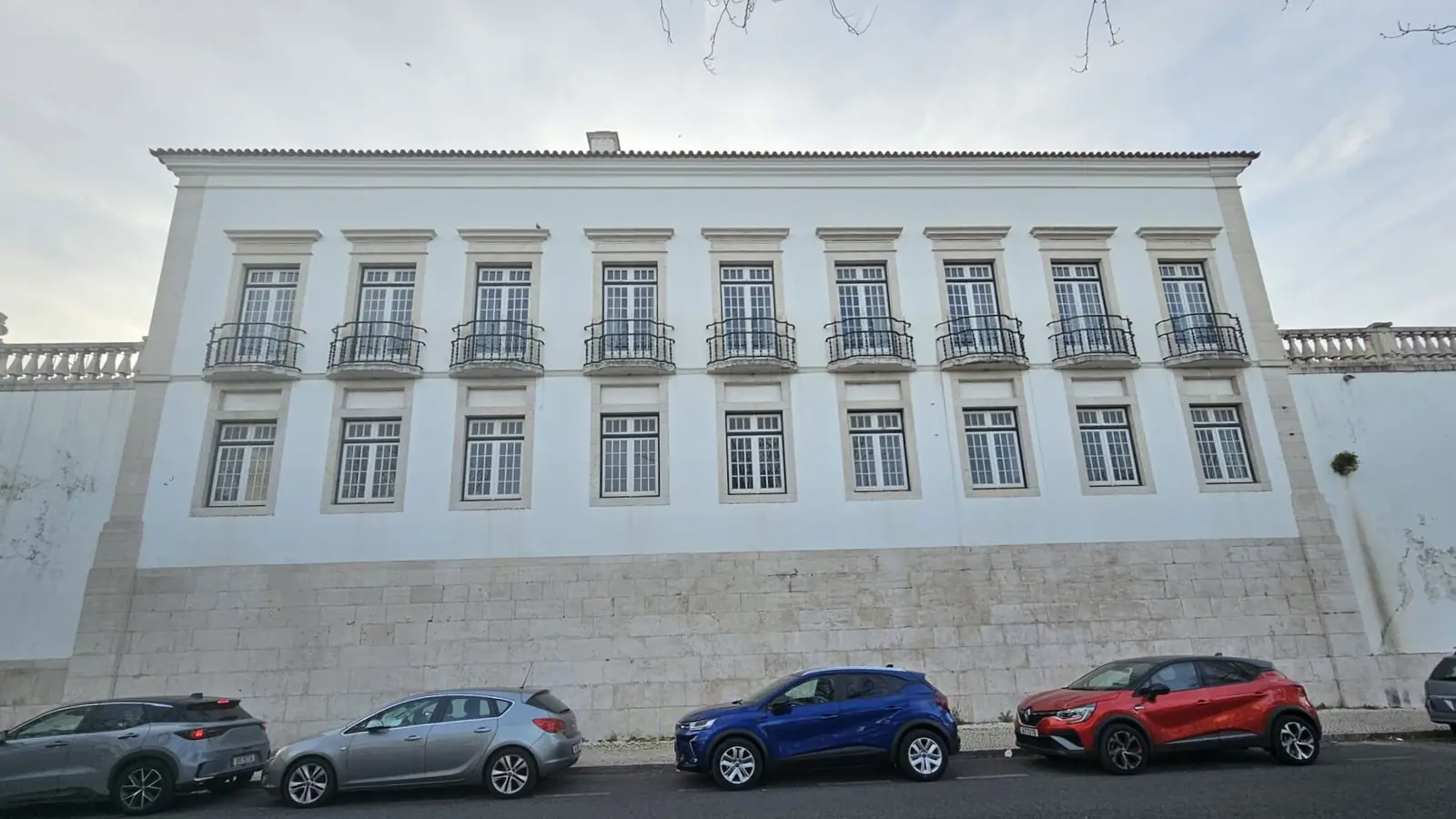
The long façade of the Palácio da Mitra on Rua do Açúcar, in 2026.
Date: 2026-04-22
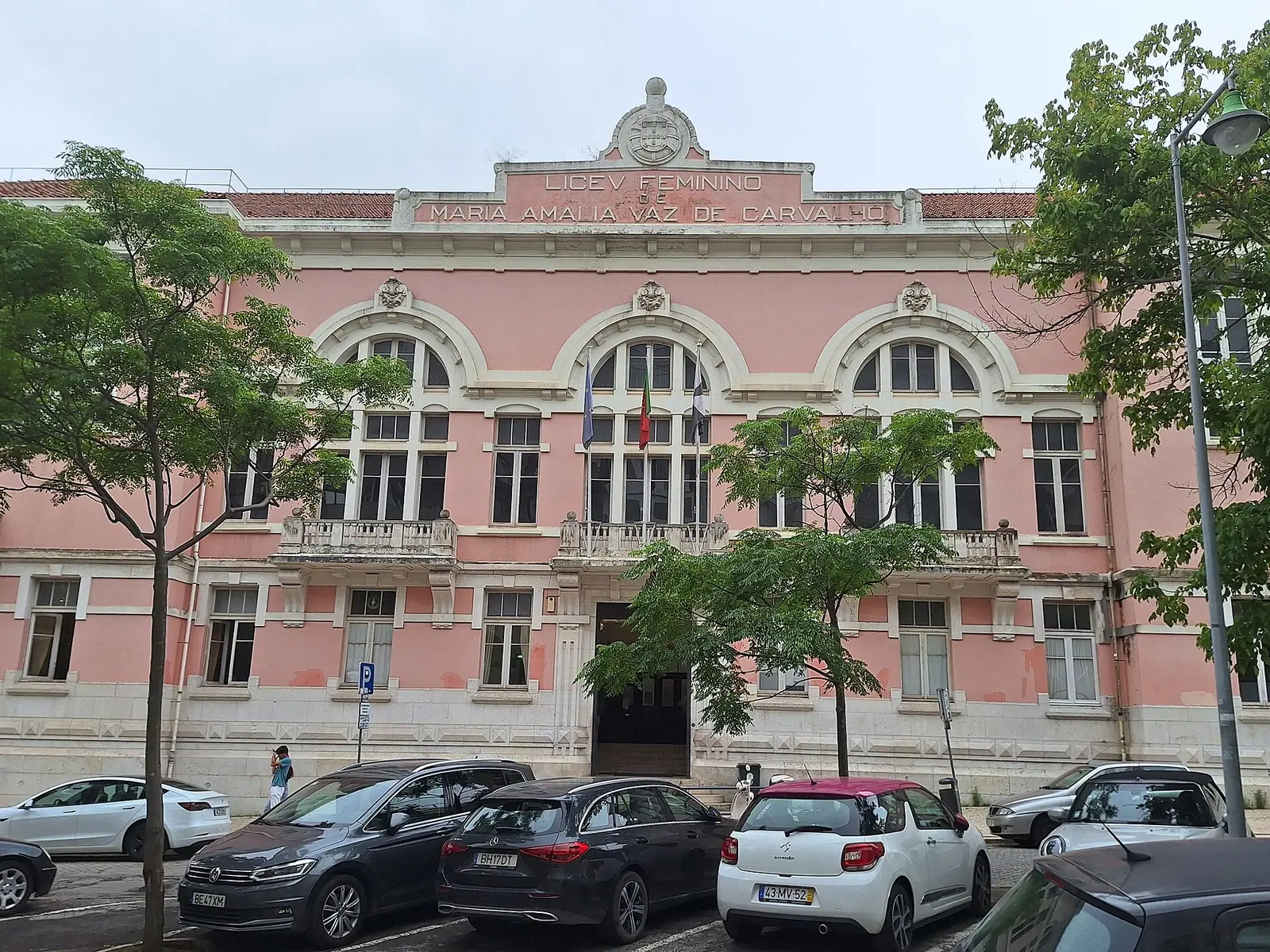
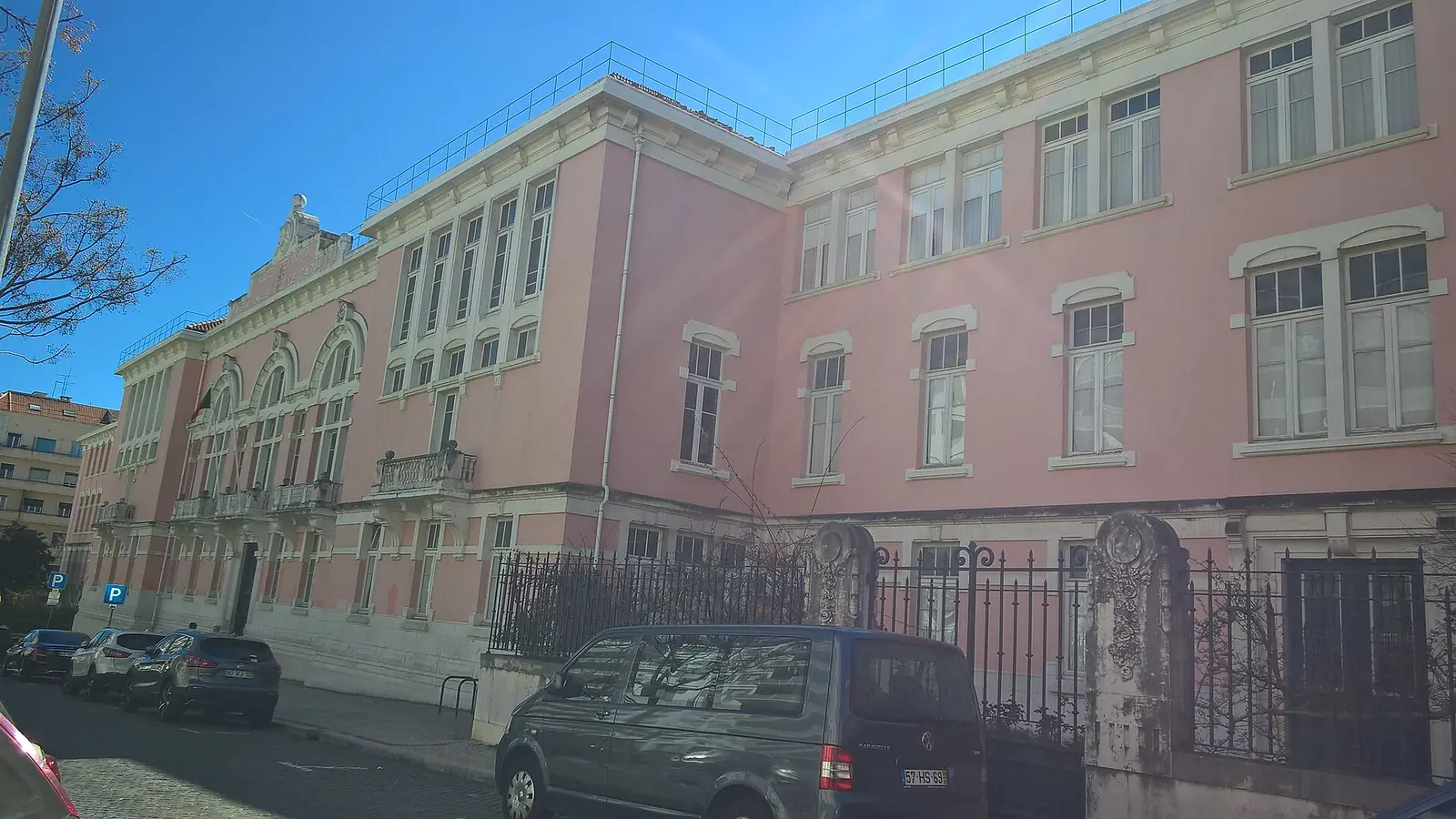
The building of the Liceu Maria Amália Vaz de Carvalho, the first to be purpose-built for a girls’ secondary school, in 2019.
Date: 2019-03-20
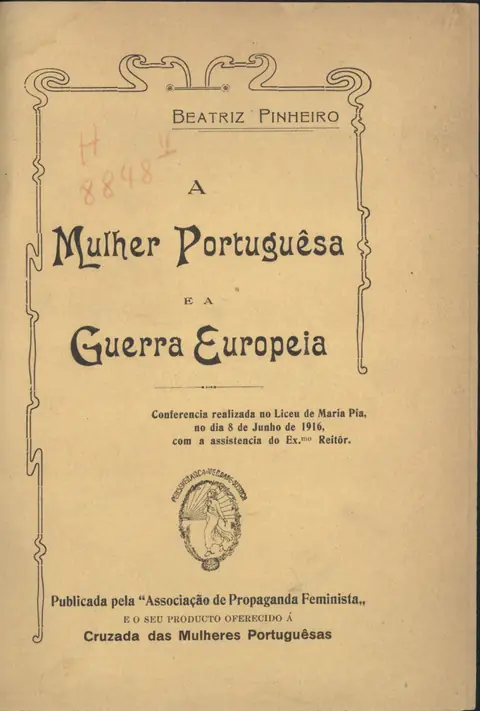
The cover of “A Mulher Portuguesa e a Guerra Europeia” (Portuguese Women and the European War), the lecture Beatriz Pinheiro gave at the Liceu de Maria Pia on 8 June 1916, published by the Feminist Propaganda Association.
Beatriz Pinheiro died 1922, Public domain
Date: 1916
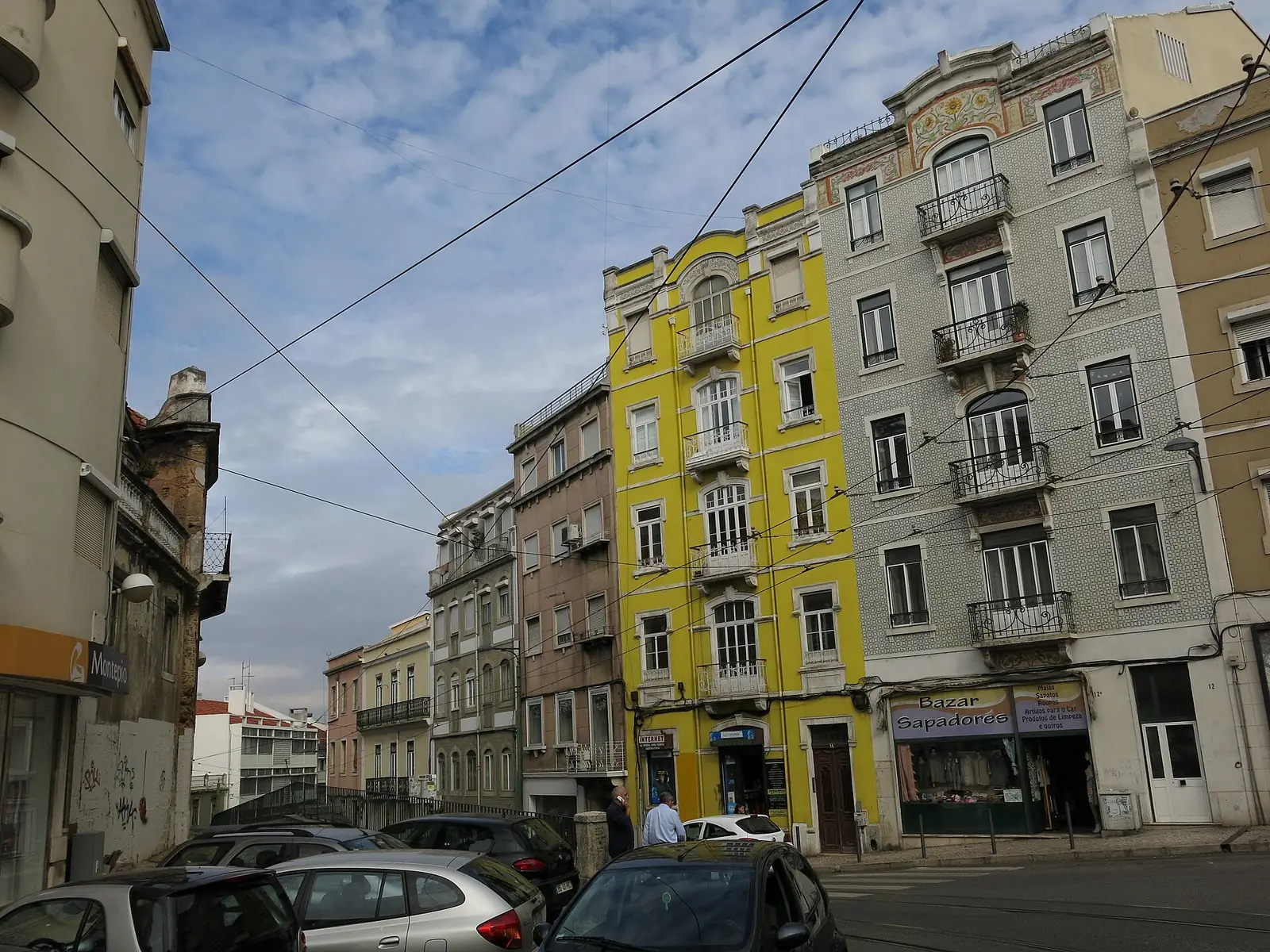
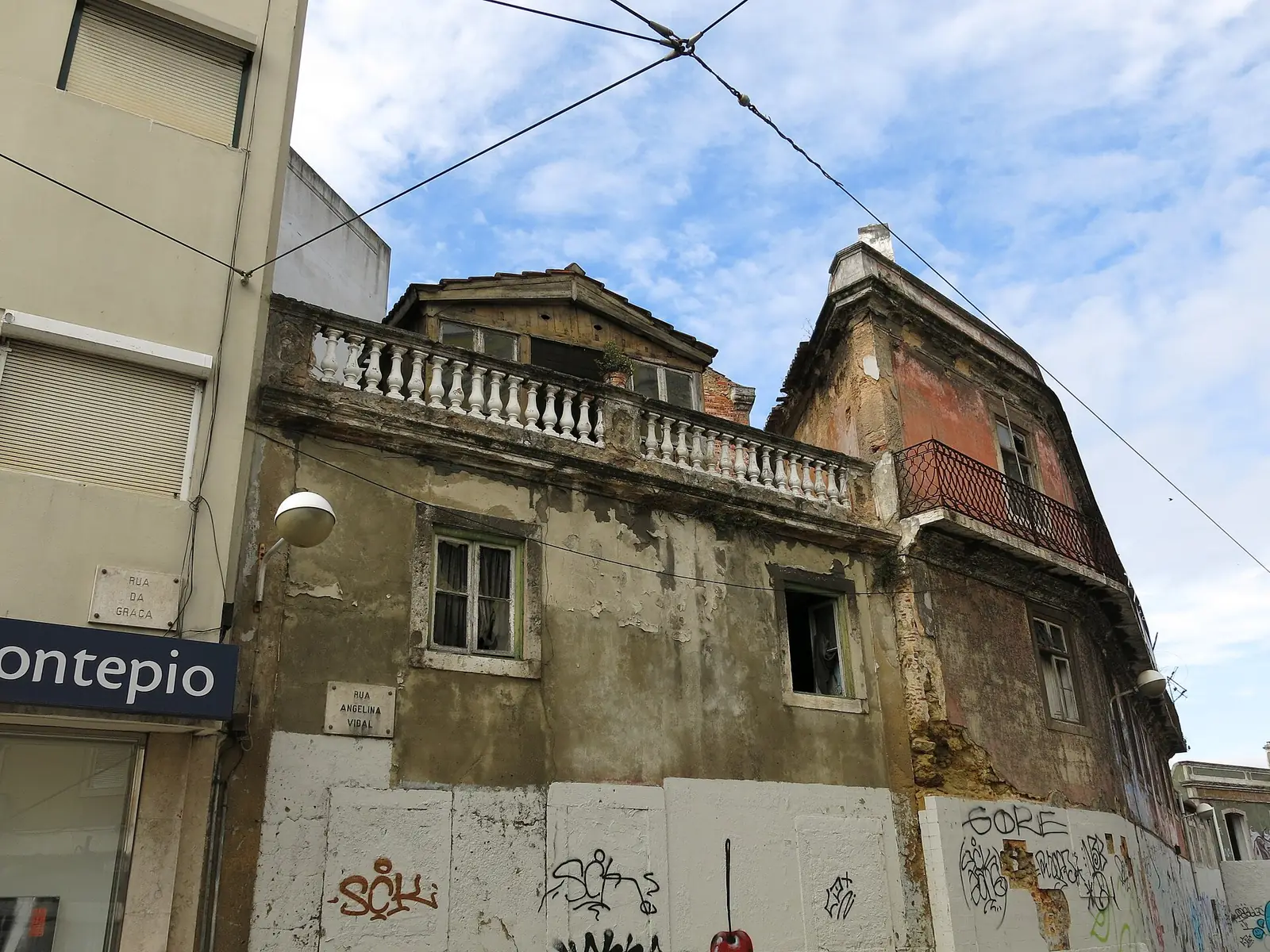
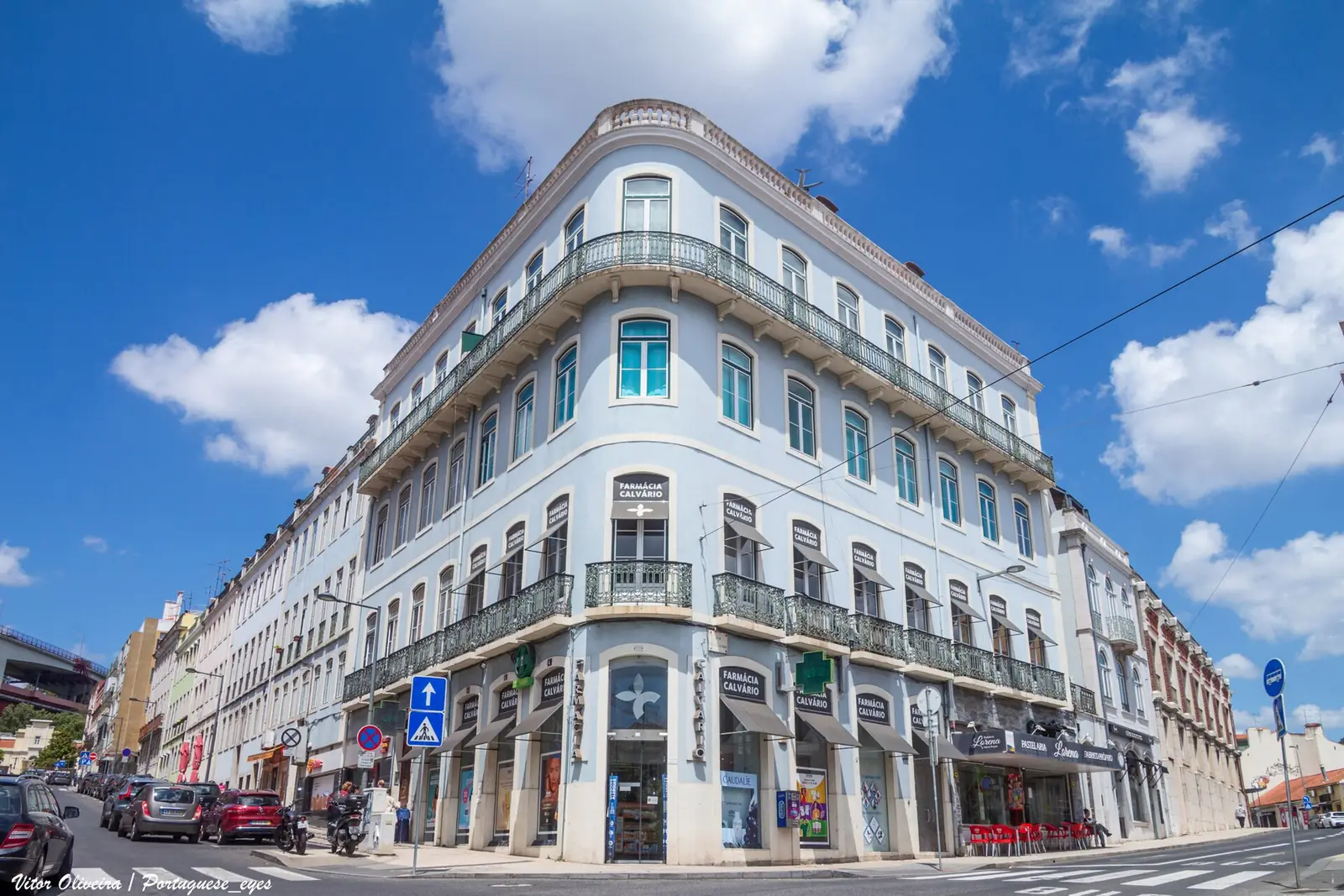
A corner building in Largo do Calvário, in Alcântara, next to Rua José Dias Coelho, in 2025.
Date: 2025-05-10
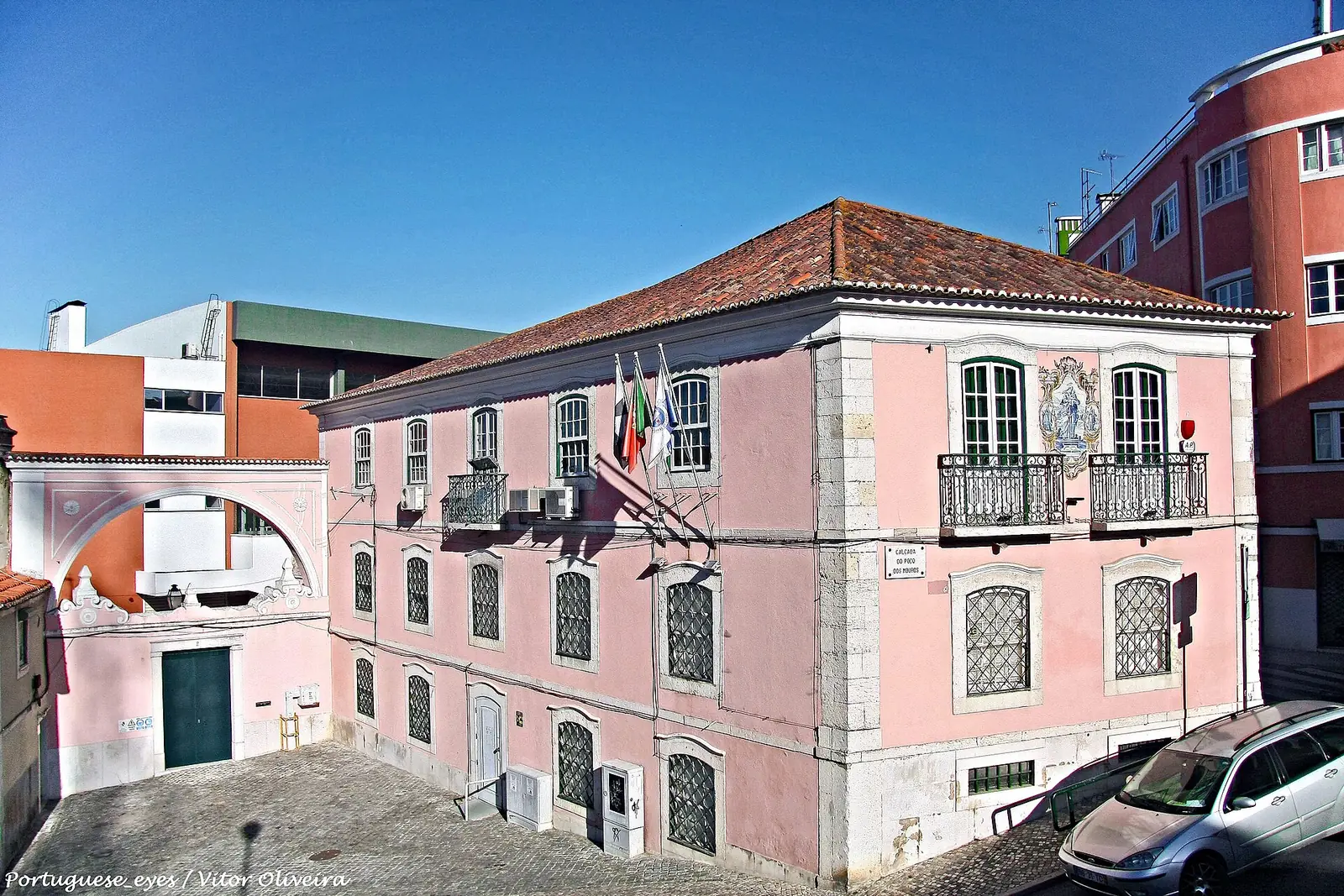
Largo da Penha de França, with the Parish Council building, in December 2019.
Date: 2019-12-20
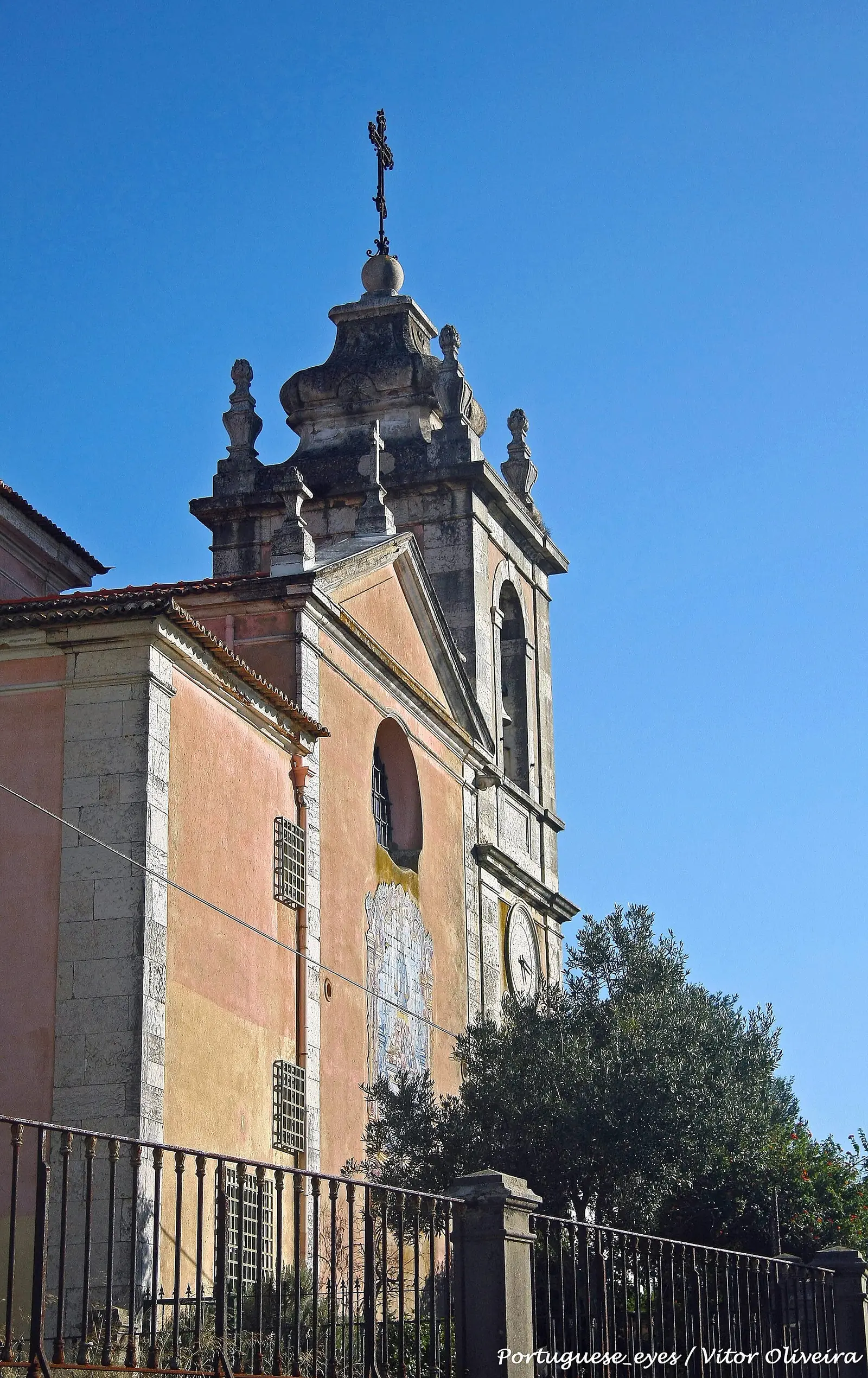
The tower of the Church of Our Lady of Penha de França, in the square of the same name, in 2019.
Date: 2019-10-24
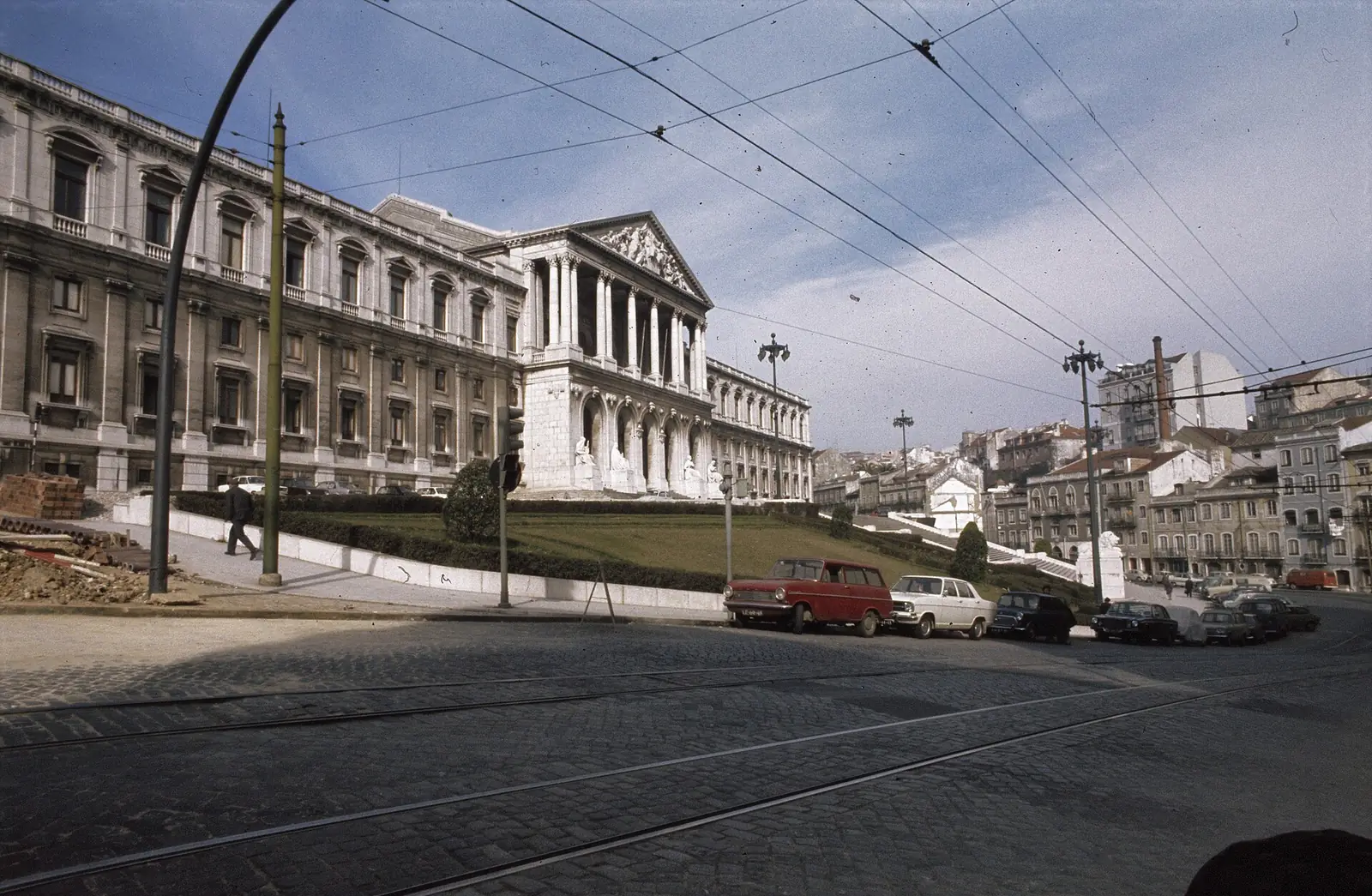
The Palácio de São Bento on 11 February 1975, months before the election of the Constituent Assembly. Photograph by Rob Mieremet (Anefo).
Date: 1975-02-11
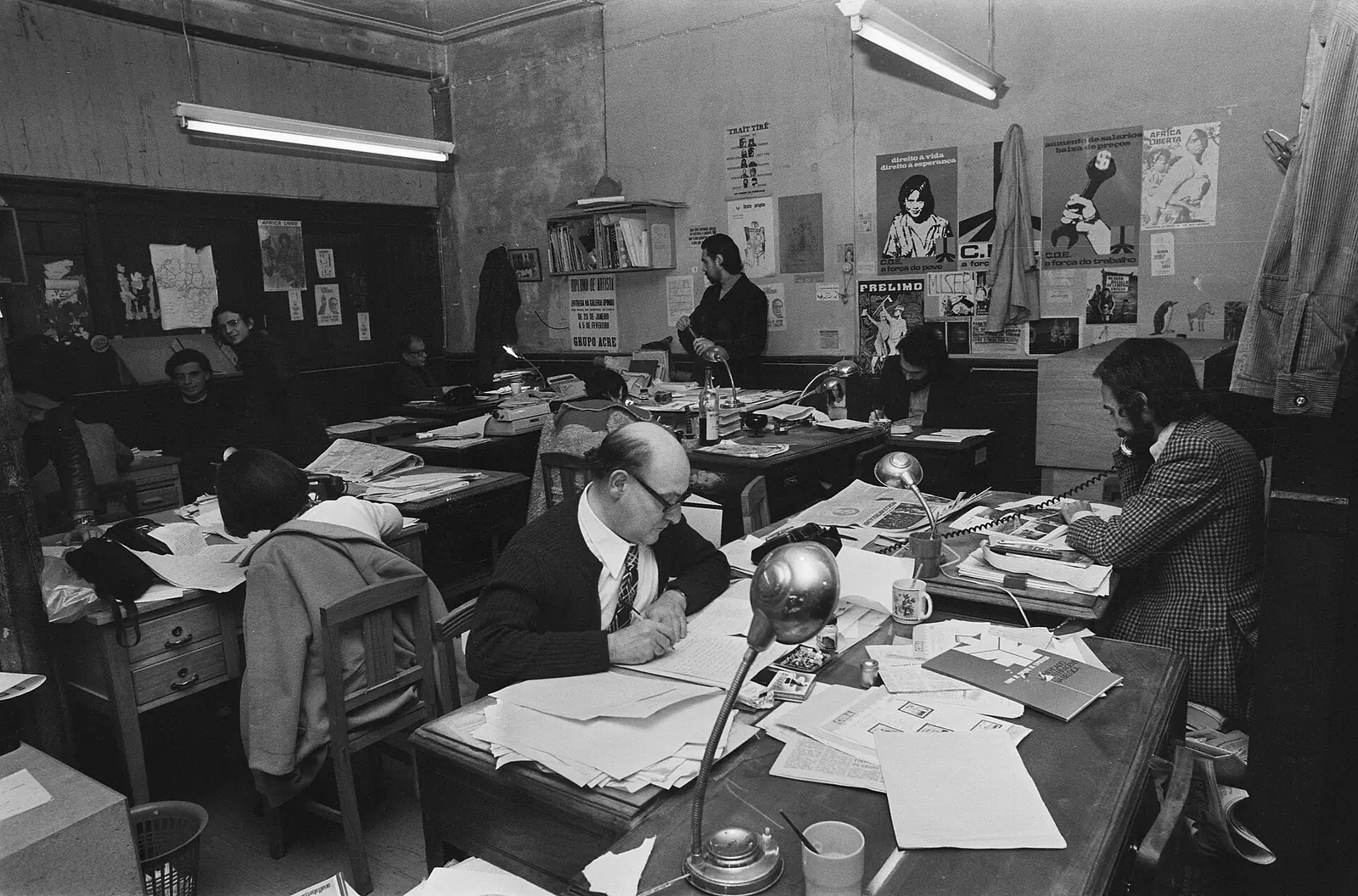
The newsroom of the newspaper “República”, according to the caption in the Anefo archive, on 11 February 1975 — three months before the “República affair”. Photograph by Rob Mieremet.
Date: 1975-02-11
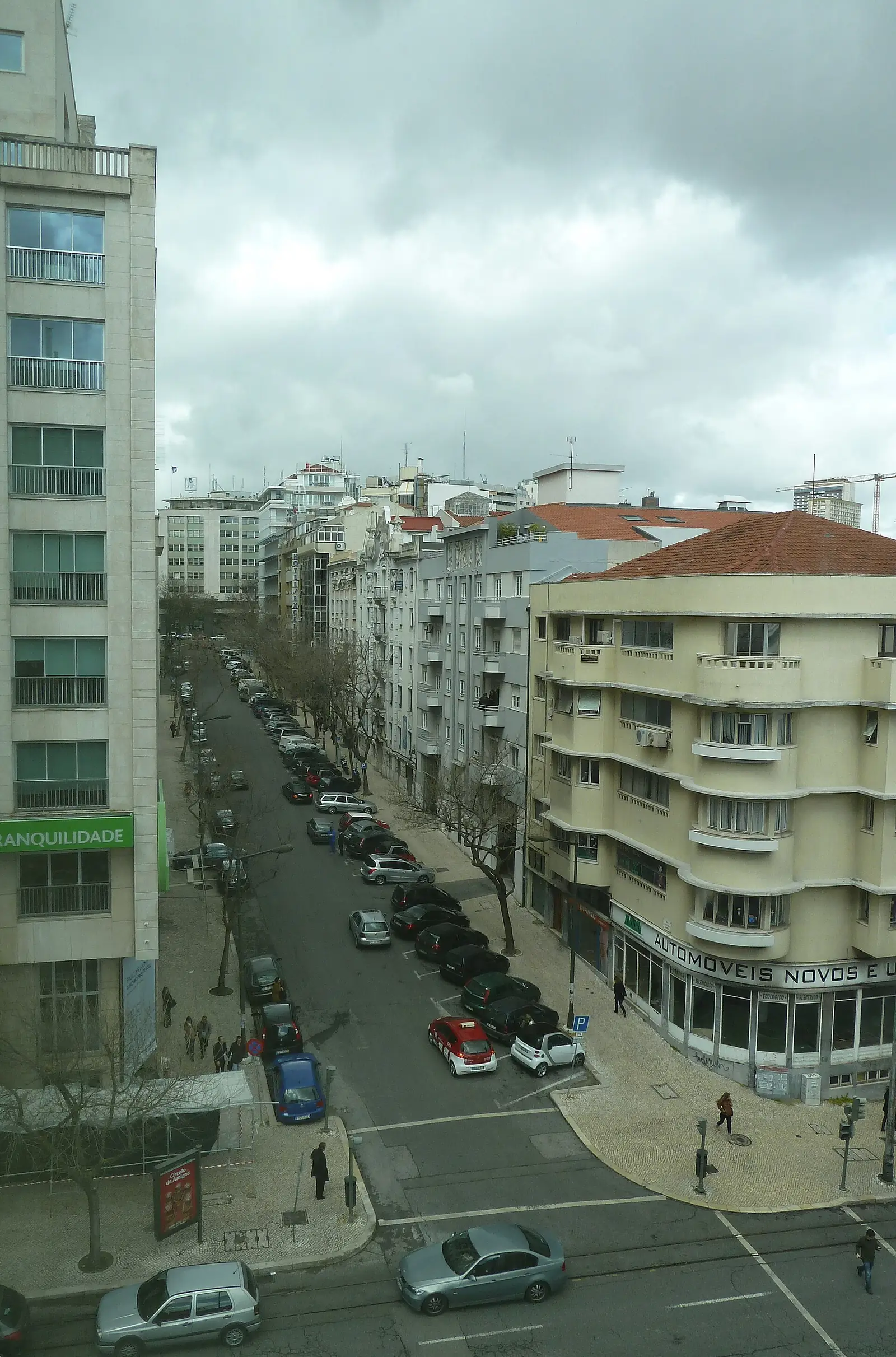
Rua Rodrigues Sampaio, where Natália Correia lived, seen from above, in 2011.
Date: 2011-02-17
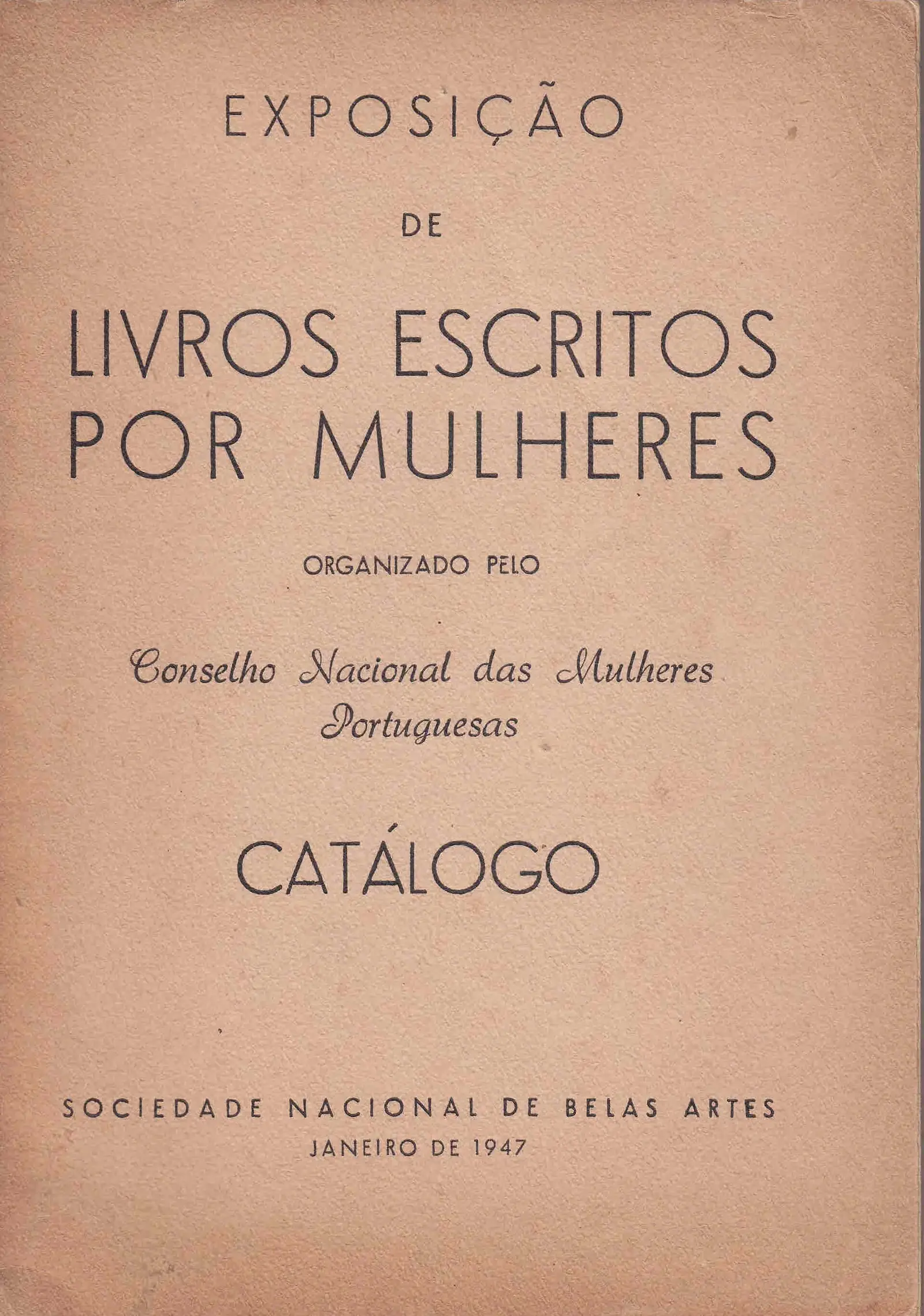
The cover of the catalogue of the Exhibition of Books Written by Women, organised by the National Council of Portuguese Women at the National Society of Fine Arts in January 1947.
Conselho Nacional das Mulheres Portuguesas (digitalização do Arquivo Nacional), CC0 1.0
Date: 1947-01
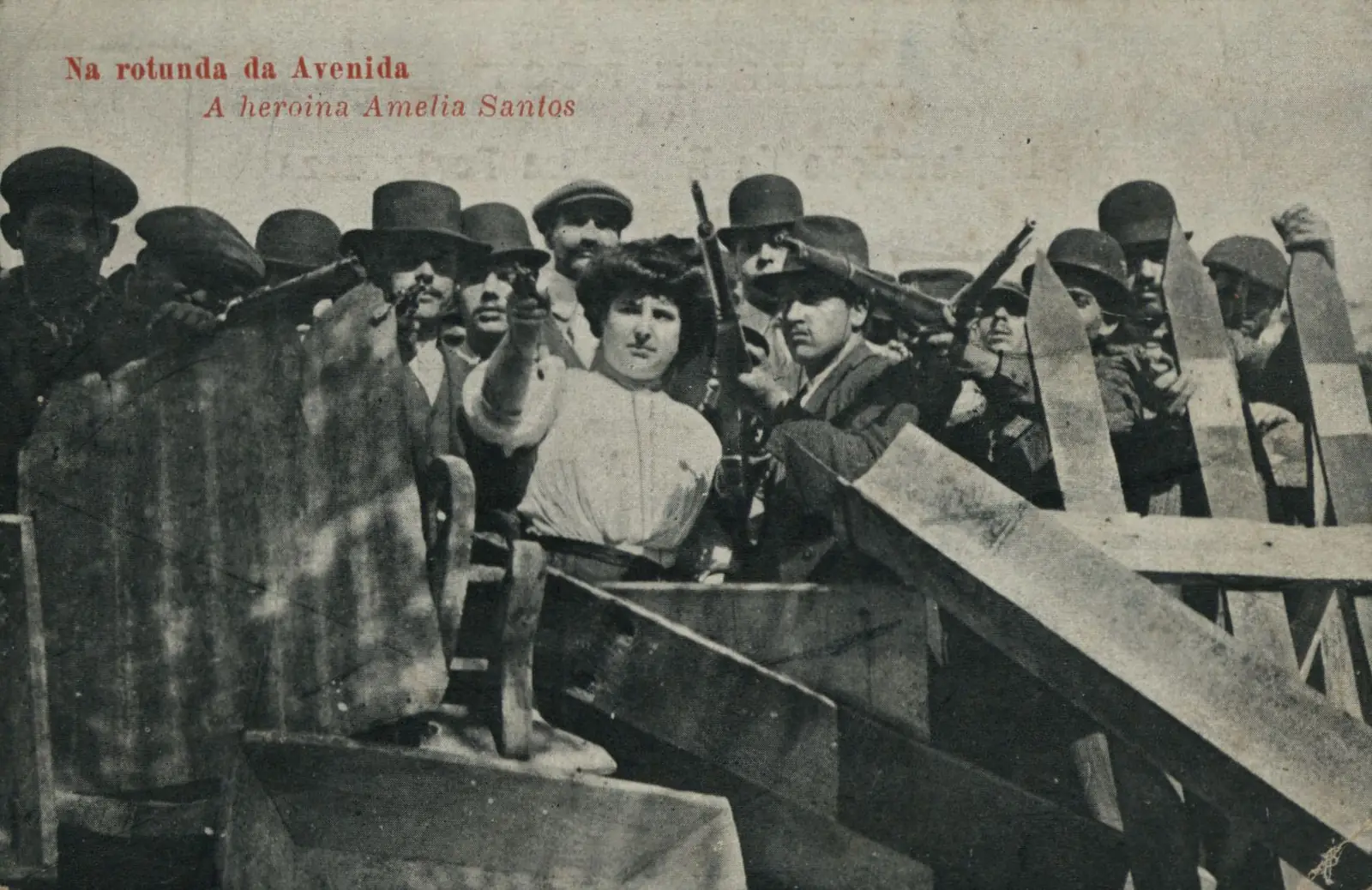
“At the Rotunda da Avenida, the heroine Amélia Santos” (Na Rotunda da Avenida, a heroína Amélia Santos): a 1910 postcard showing one of the women who fought alongside the republican rebels on 5 October.
Autor desconhecido, Public domain
Date: 1910
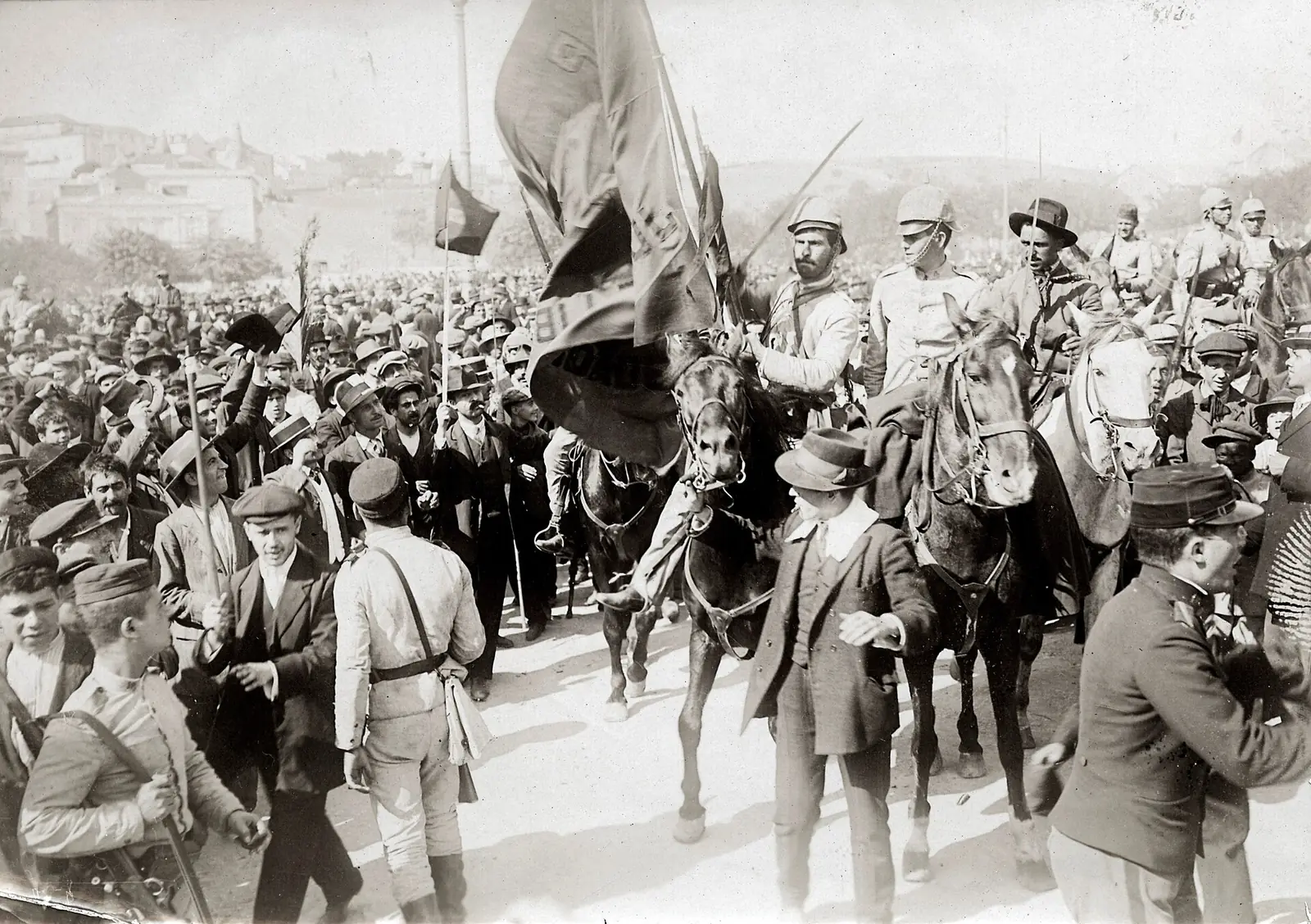
A crowd around revolutionary soldiers on horseback, with the republican flag, in the revolution of October 1910.
Autor desconhecido, Public domain
Date: 1910
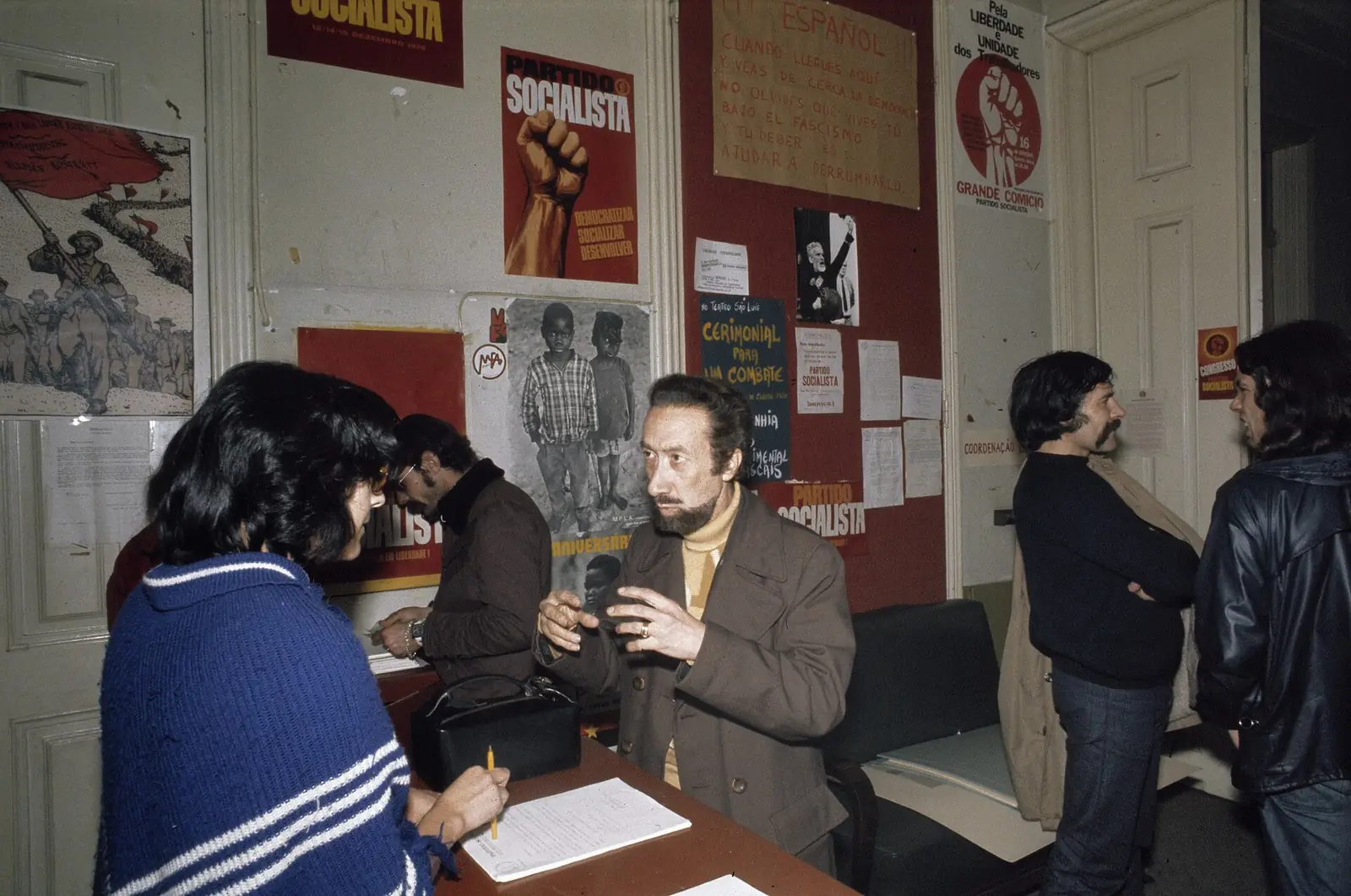
A party office in Lisbon, with Socialist Party posters on the walls, at the beginning of 1975, the year of the first free elections. Photograph by Rob Mieremet (Anefo).
Date: 1975
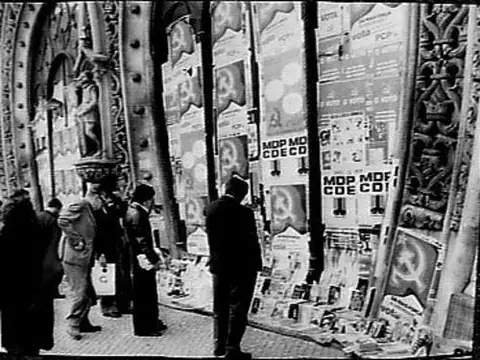
On the eve of the Constituent Assembly election, on 24 April 1975, people looking at the election posters pasted on the façade of Rossio Station.
Date: 1975-04-24
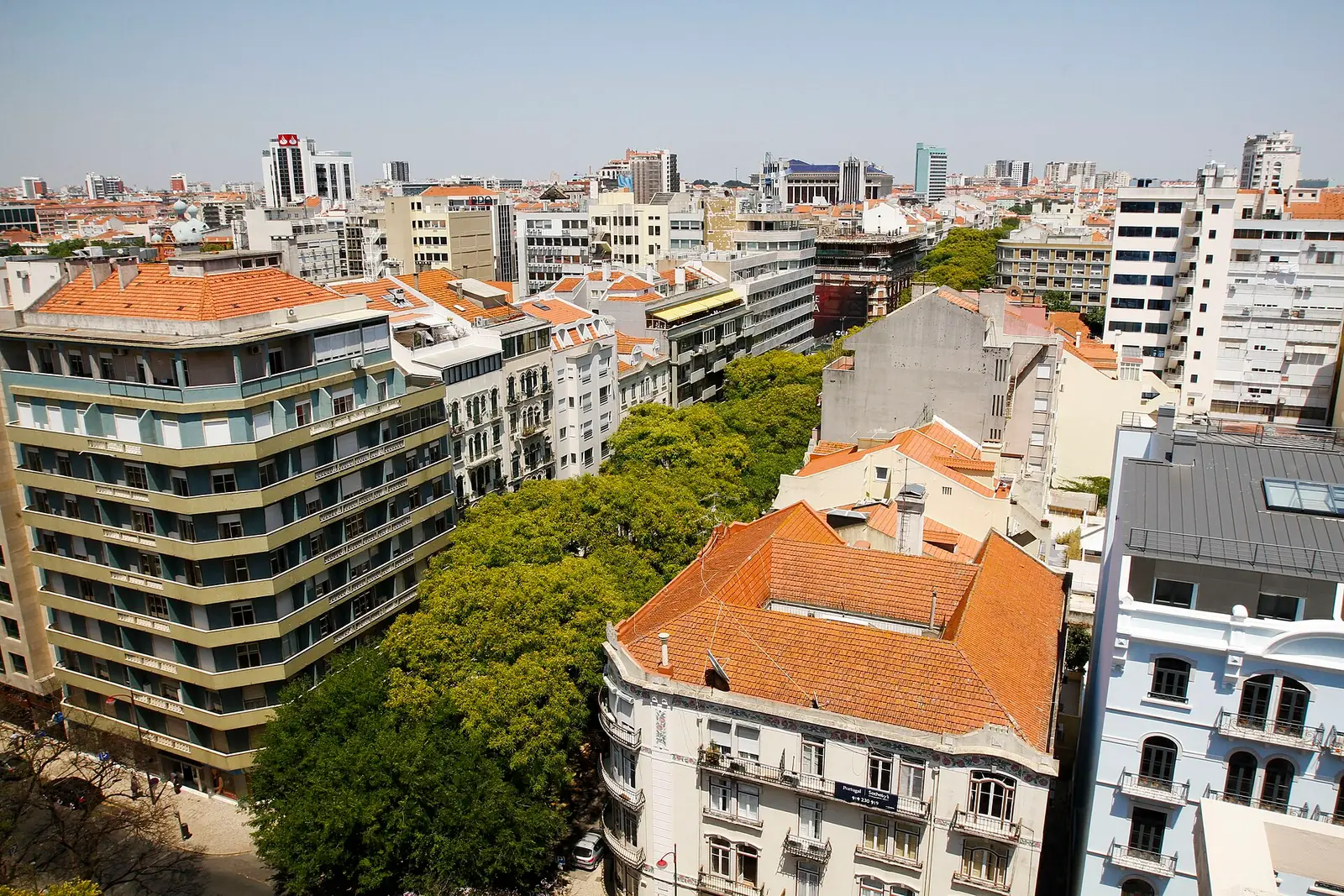
Avenida Elias Garcia, in the Avenidas Novas, seen from above, in June 2013.
Date: 2013-06-25
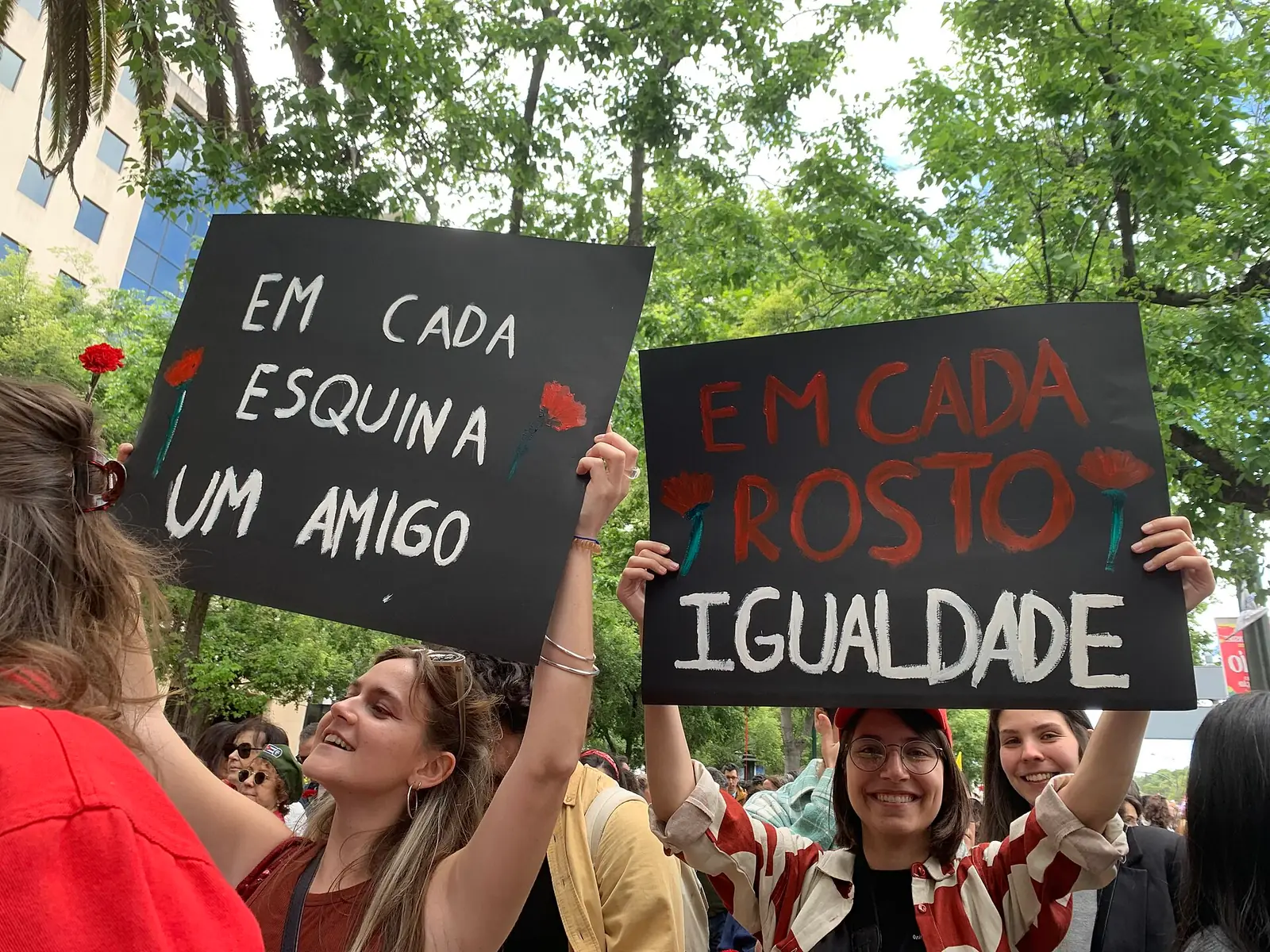
At the 25 April 2024 parade in Lisbon, the lines of “Grândola, Vila Morena” (Grândola, swarthy town) on placards — “On every corner a friend” (Em cada esquina um amigo), “In every face equality” (Em cada rosto igualdade).
Date: 2024-04-25
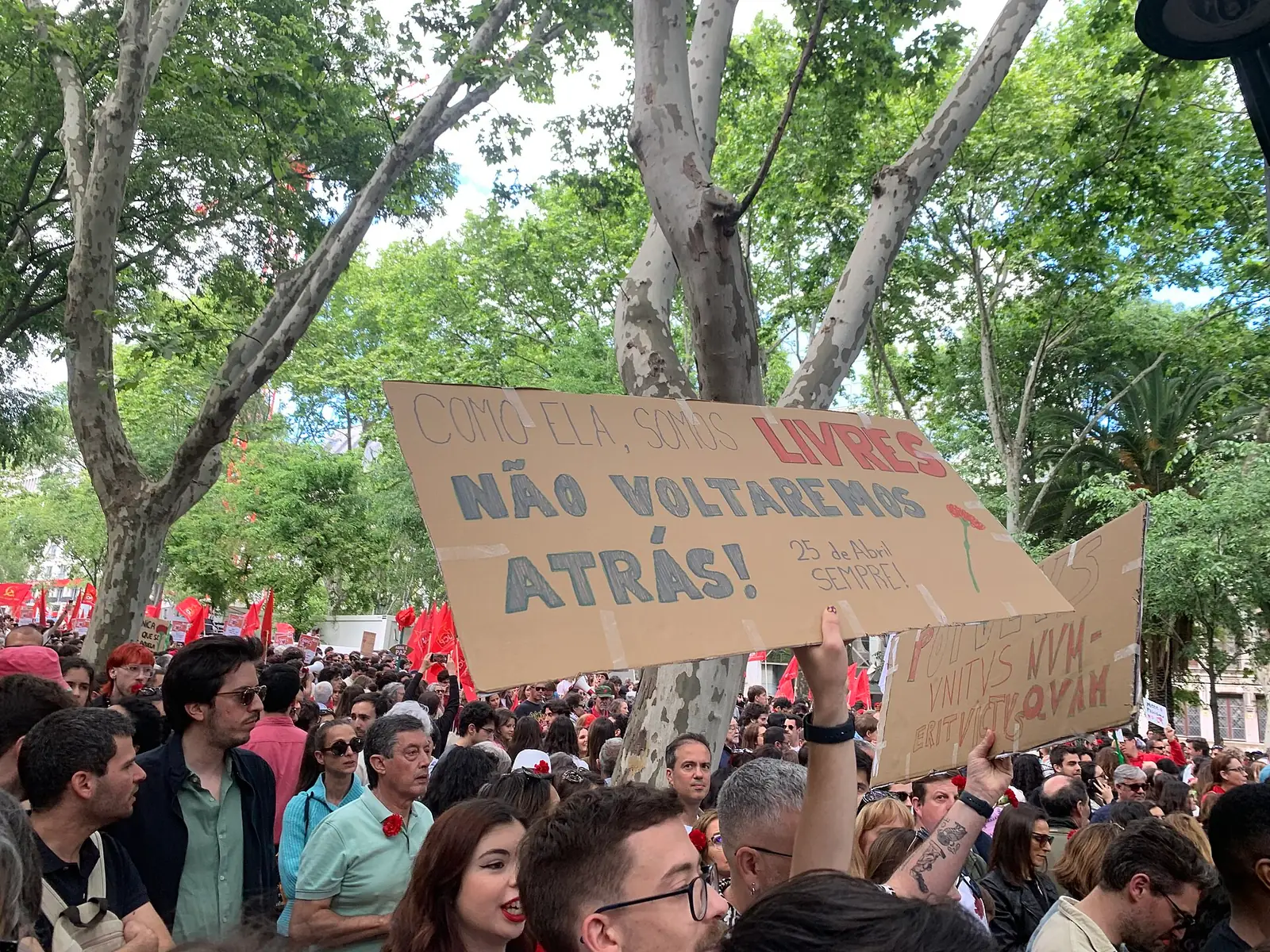
“Like them, we are free — we will not go back!” (Como elas, somos livres — não voltaremos atrás!) A placard at the 25 April 2024 parade in Lisbon.
Date: 2024-04-25
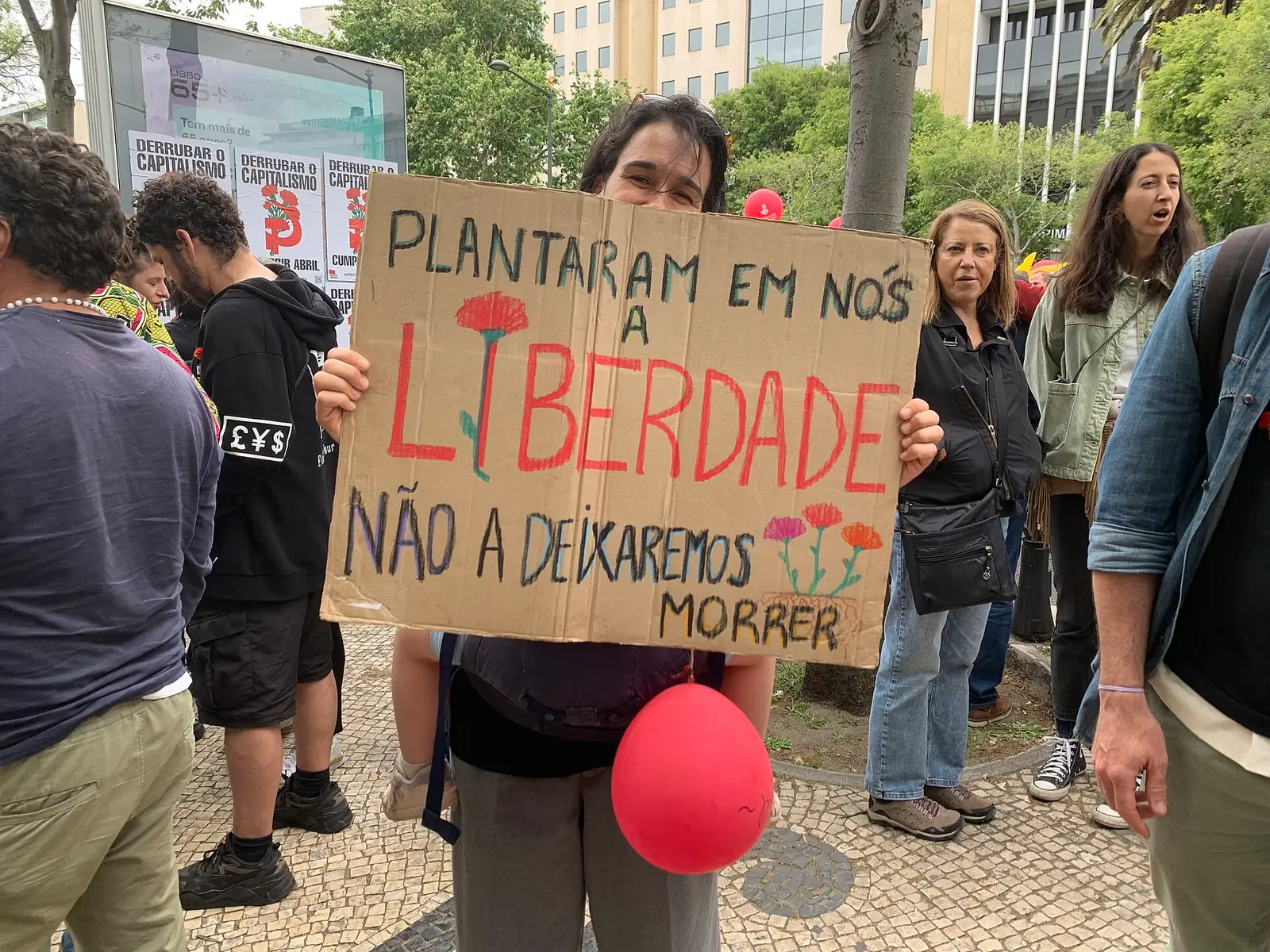
“They planted freedom in us, we will not let it die.” (Plantaram em nós a liberdade, não a deixaremos morrer.) A placard at the 25 April 2024 parade in Lisbon.
Date: 2024-04-25
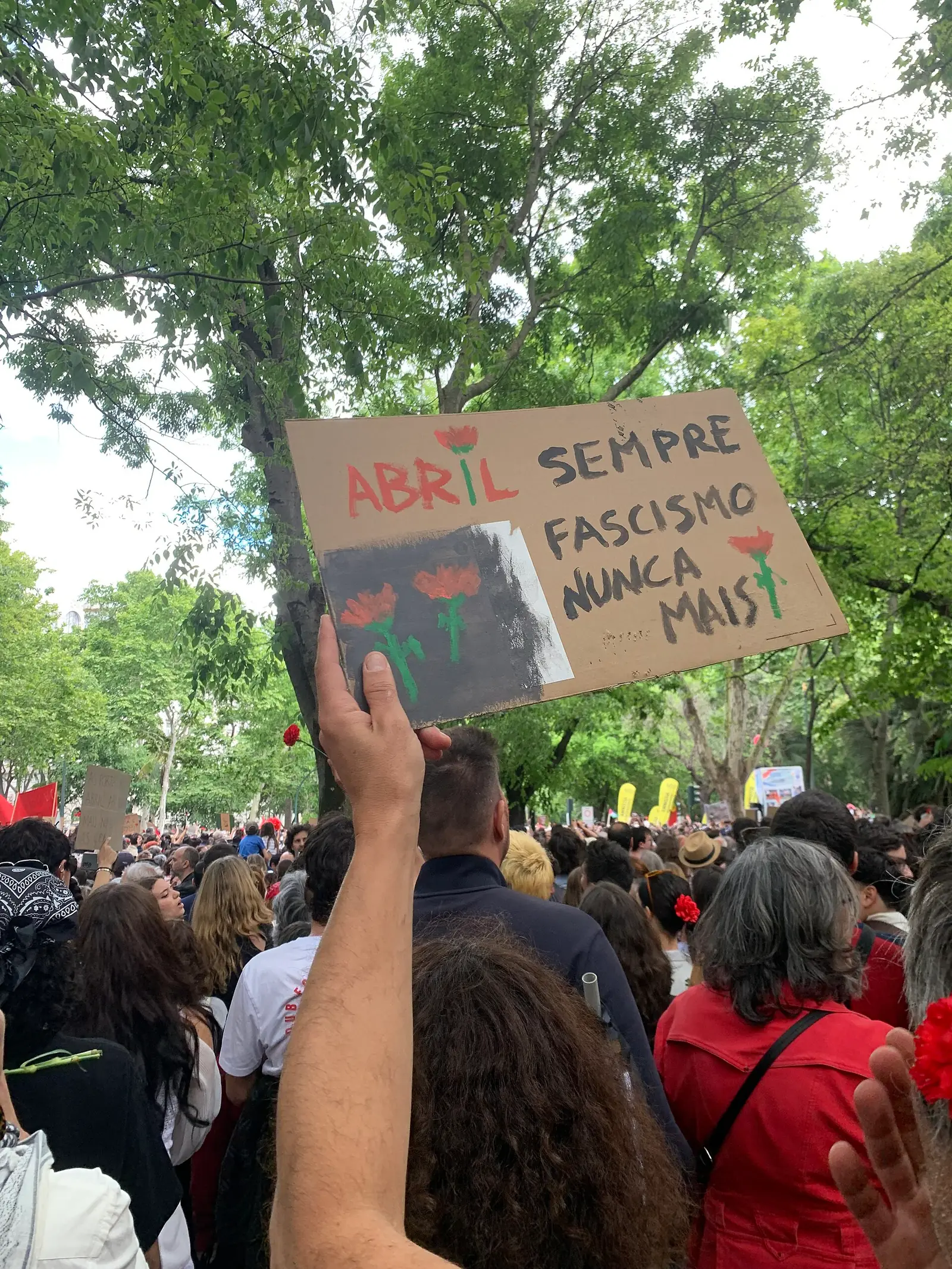
“April always, fascism never again.” (Abril sempre, fascismo nunca mais.) A placard at the 25 April 2024 parade in Lisbon.
Date: 2024-04-25
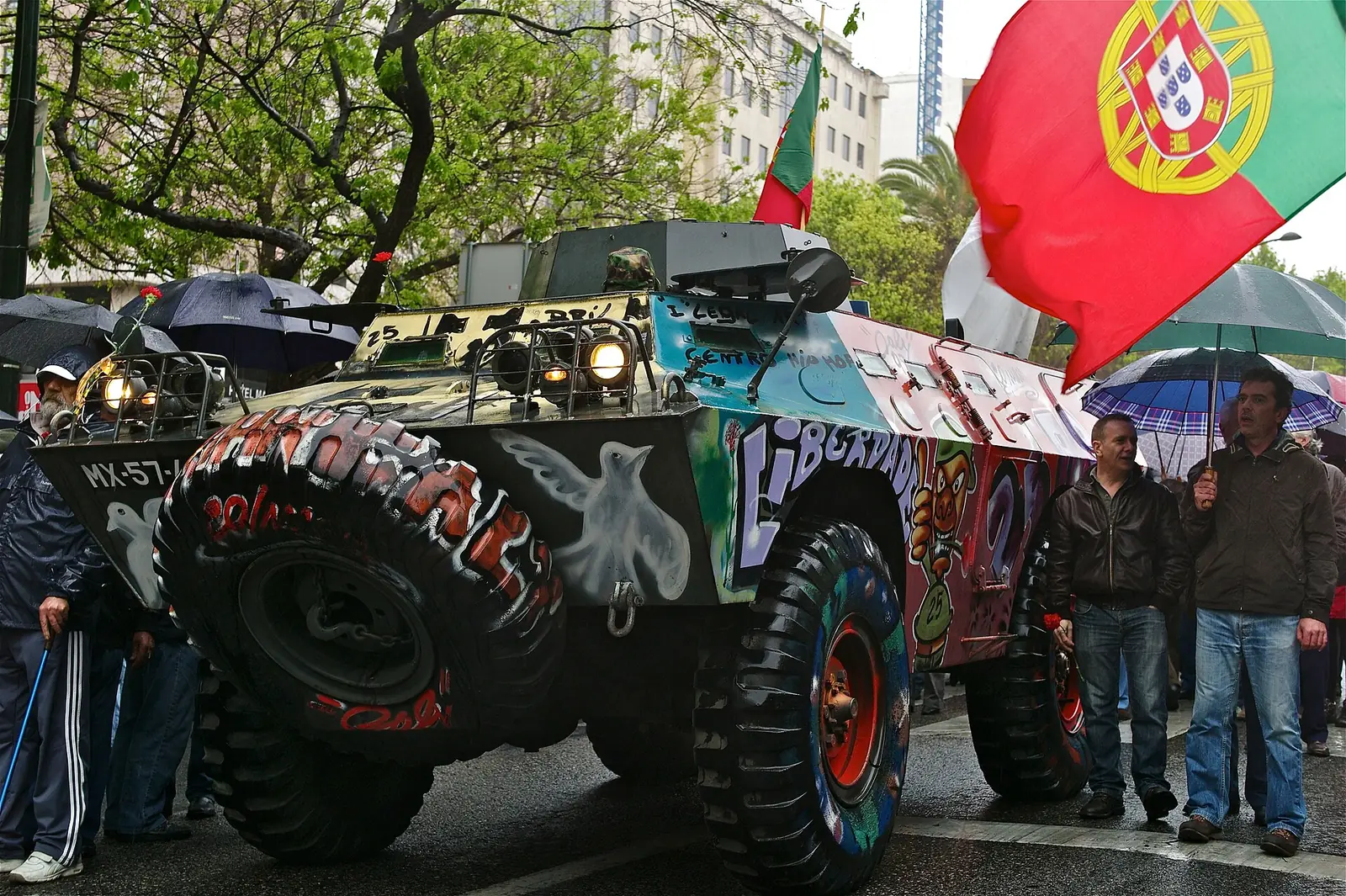
A Chaimite, the armoured car that became a symbol of the revolution, at the celebration of 25 April 2012, at Marquês de Pombal.
Pedro Ribeiro Simões, CC BY 2.0
Date: 2012-04-25
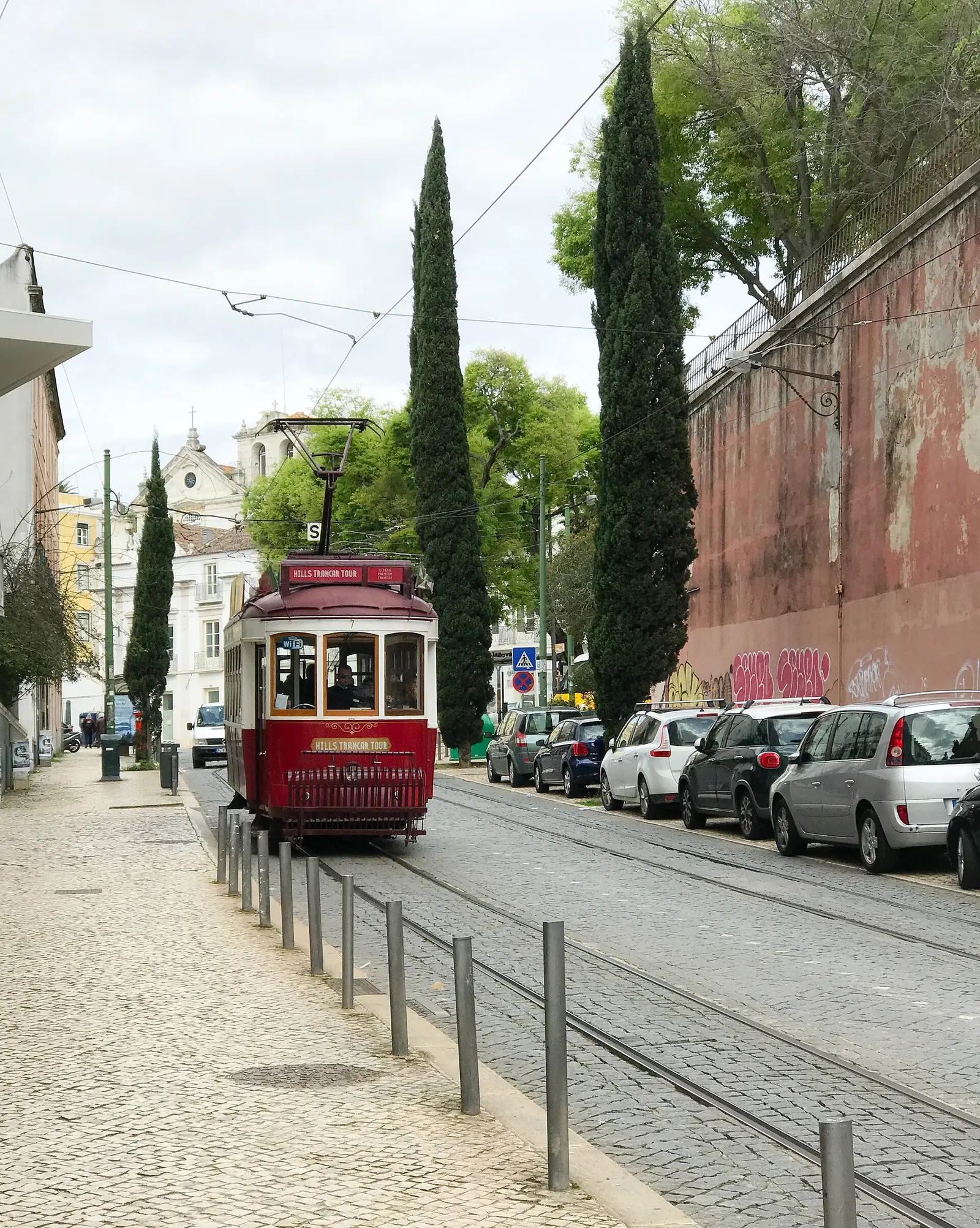
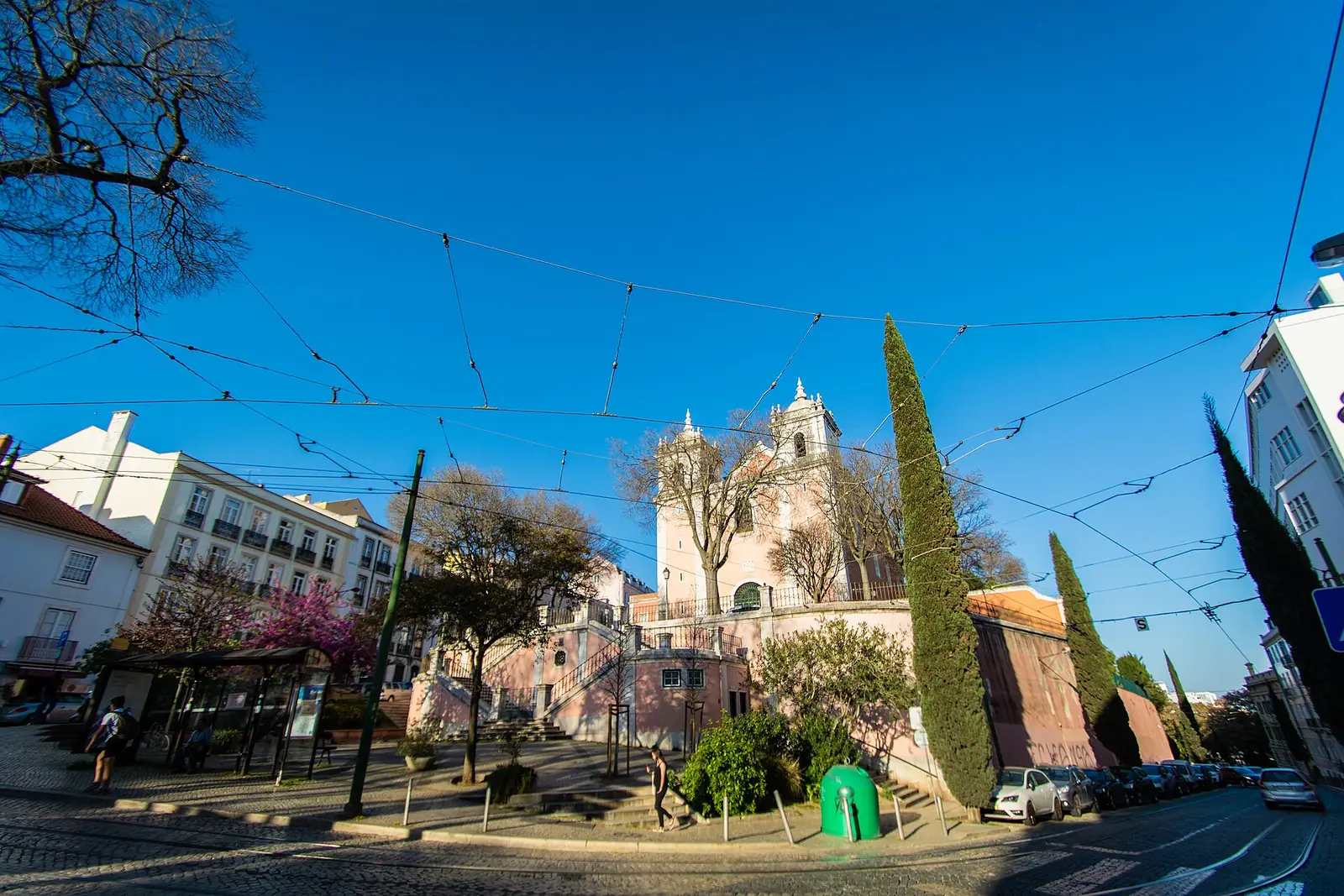
The Church of Santos-o-Velho and, on the right, the cypresses lining the Calçada Ribeiro Santos, in March 2019.
Date: 2019-03-22
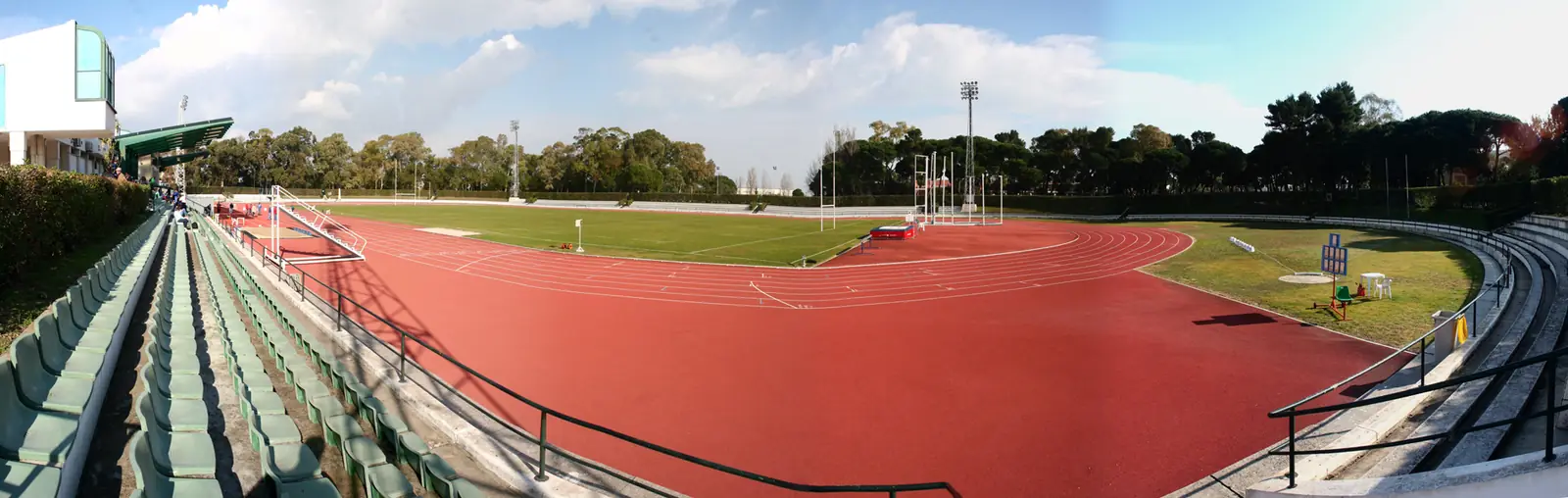
The Estádio de Honra (main stadium) of the Lisbon University Stadium, in March 2012.
Date: 2012-03-12
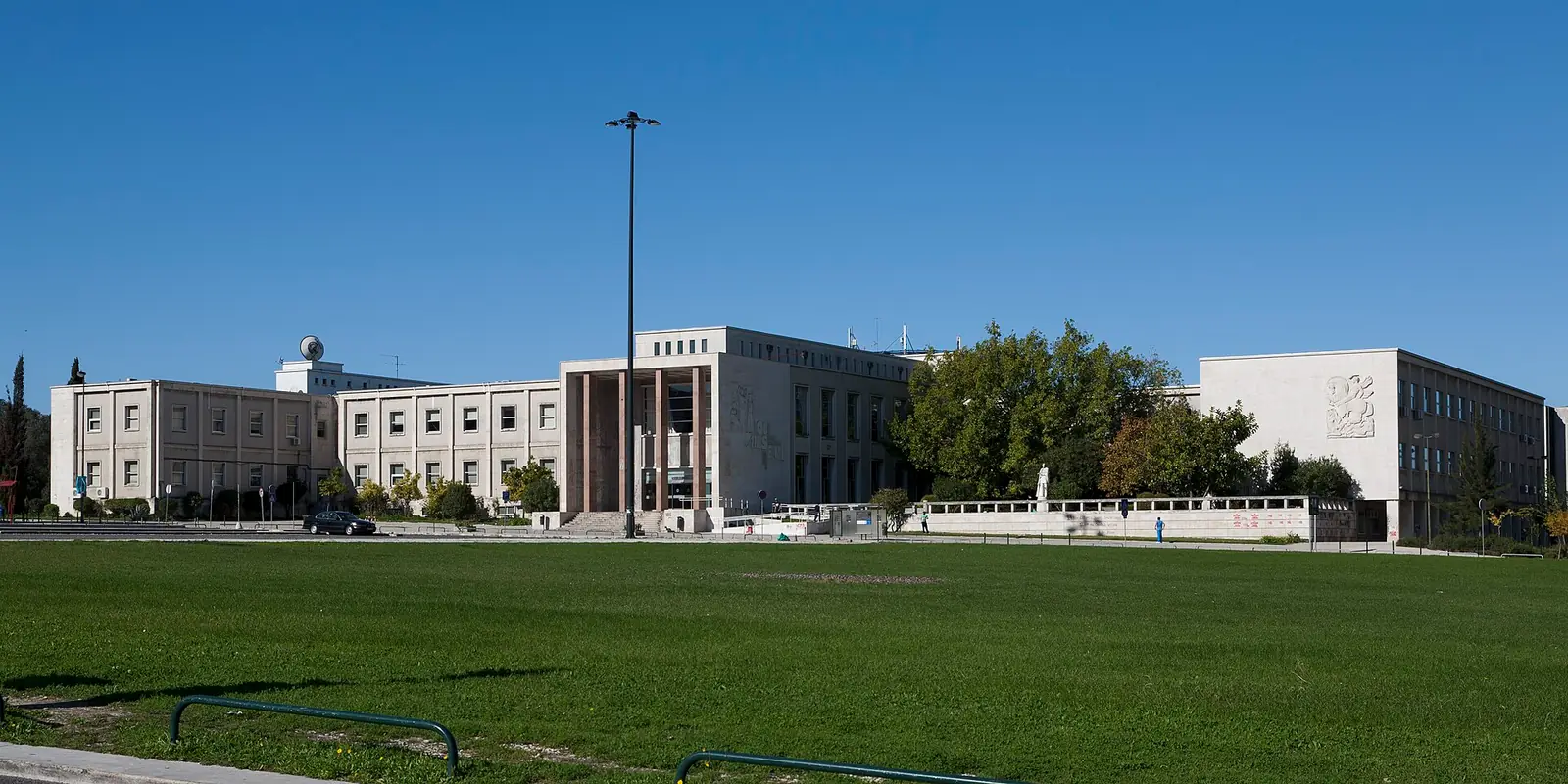
The Faculty of Letters of the University of Lisbon, by Pardal Monteiro, in November 2012.
Date: 2012-11-18
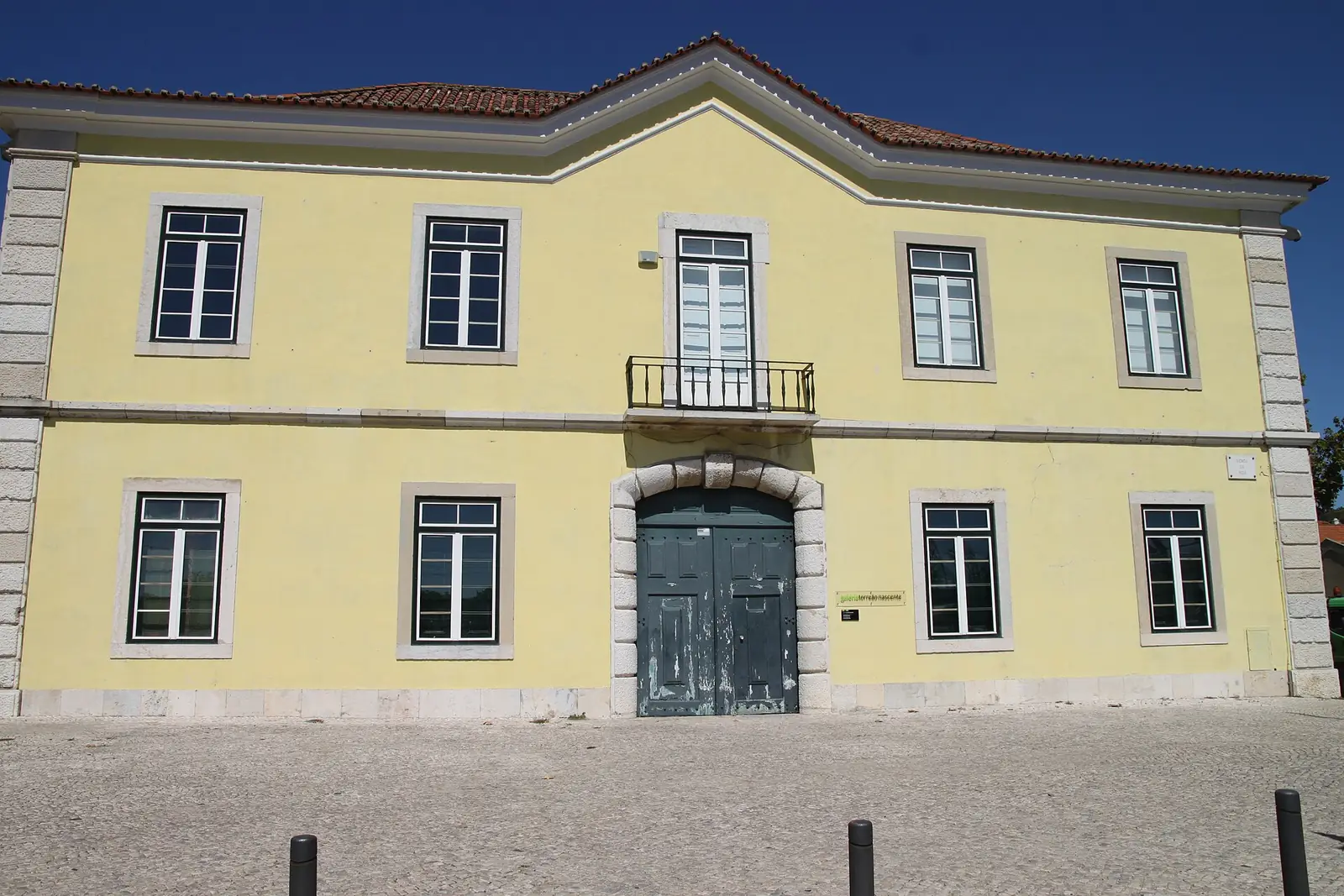
The Torreão Nascente (East Pavilion) of the Cordoaria Nacional, with the sign of the exhibition gallery, in September 2011.
Date: 2011-09-19
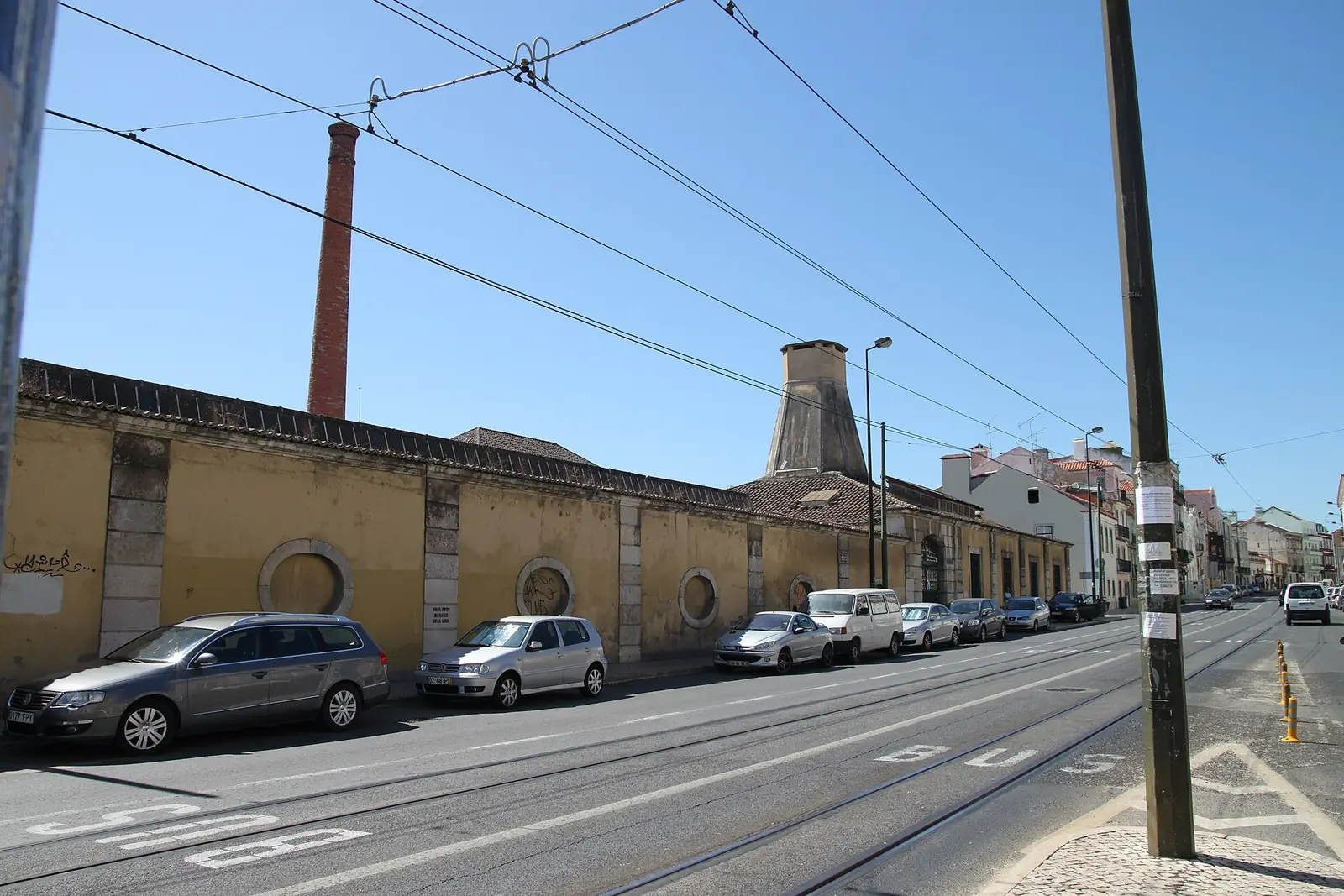
The long façade of the Cordoaria Nacional along Rua da Junqueira, in September 2011.
Date: 2011-09-19
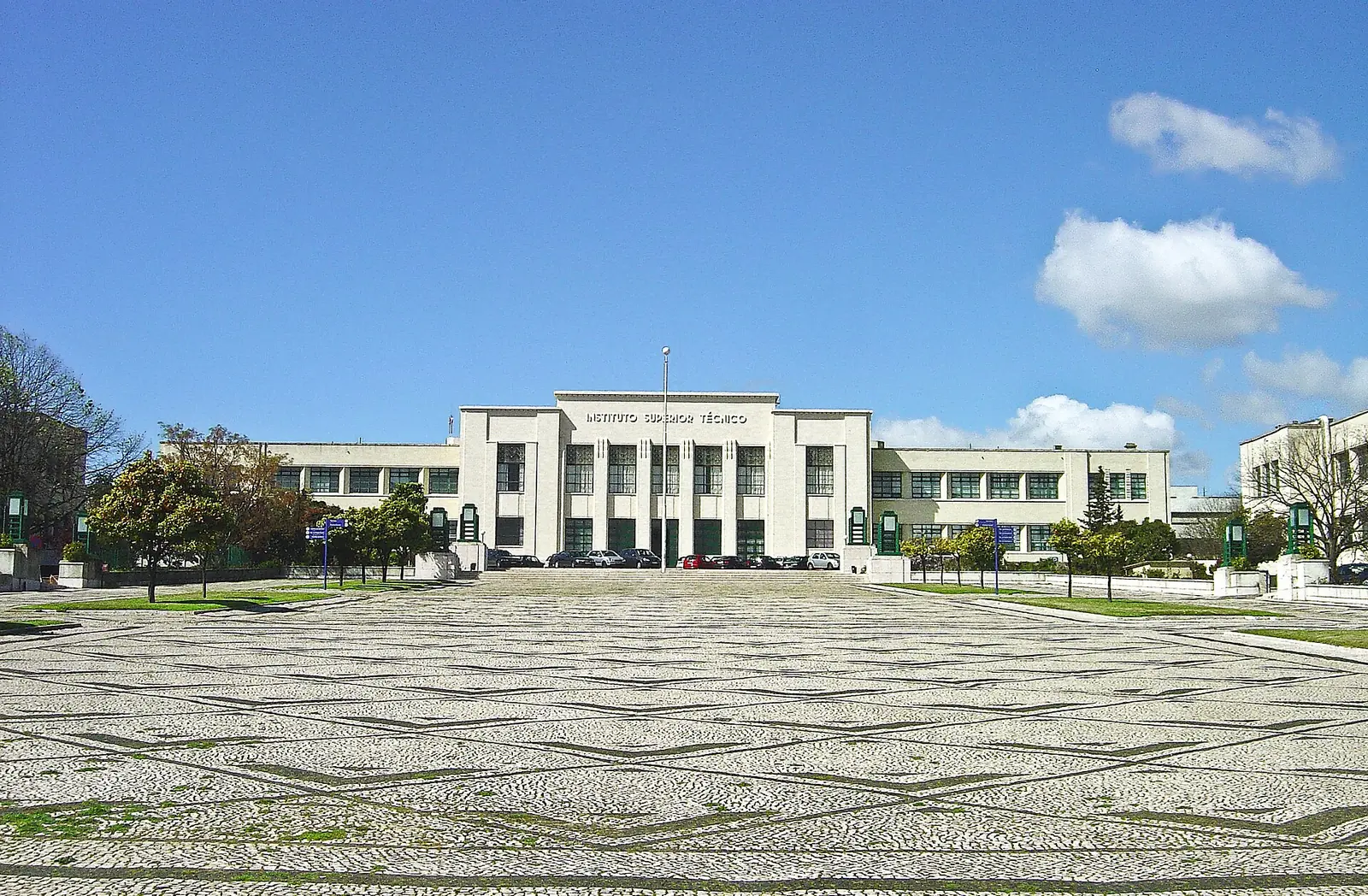
The Central Pavilion of the Instituto Superior Técnico, by Pardal Monteiro, in April 2008.
Date: 2008-04-05
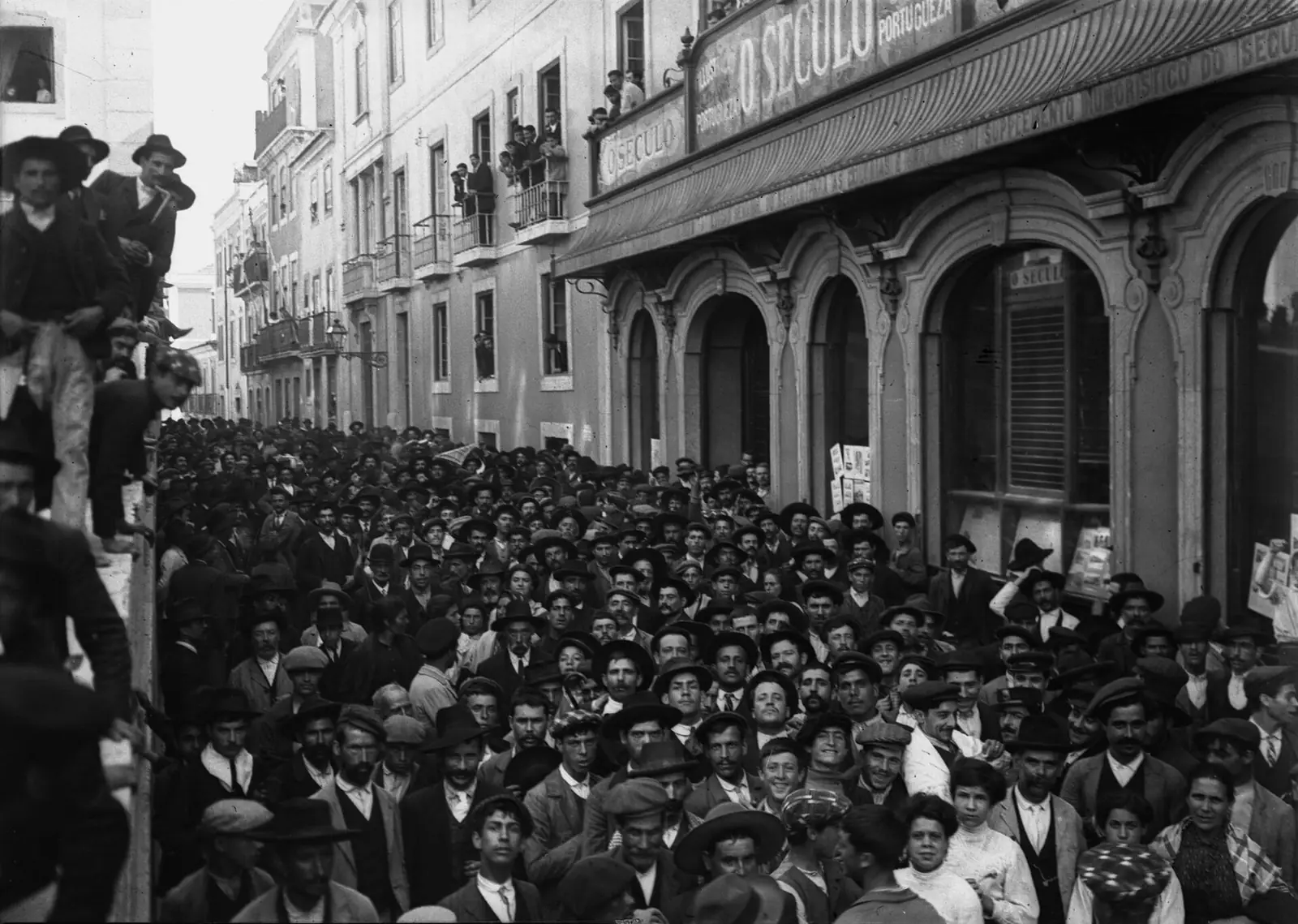
Strikers of the Union of Workers’ Unions (União dos Sindicatos Operários) pass in front of the “O Século” newsroom on their way to the City Hall, in January 1912. Photograph by Joshua Benoliel.
Joshua Benoliel, Public domain
Date: 1912-01
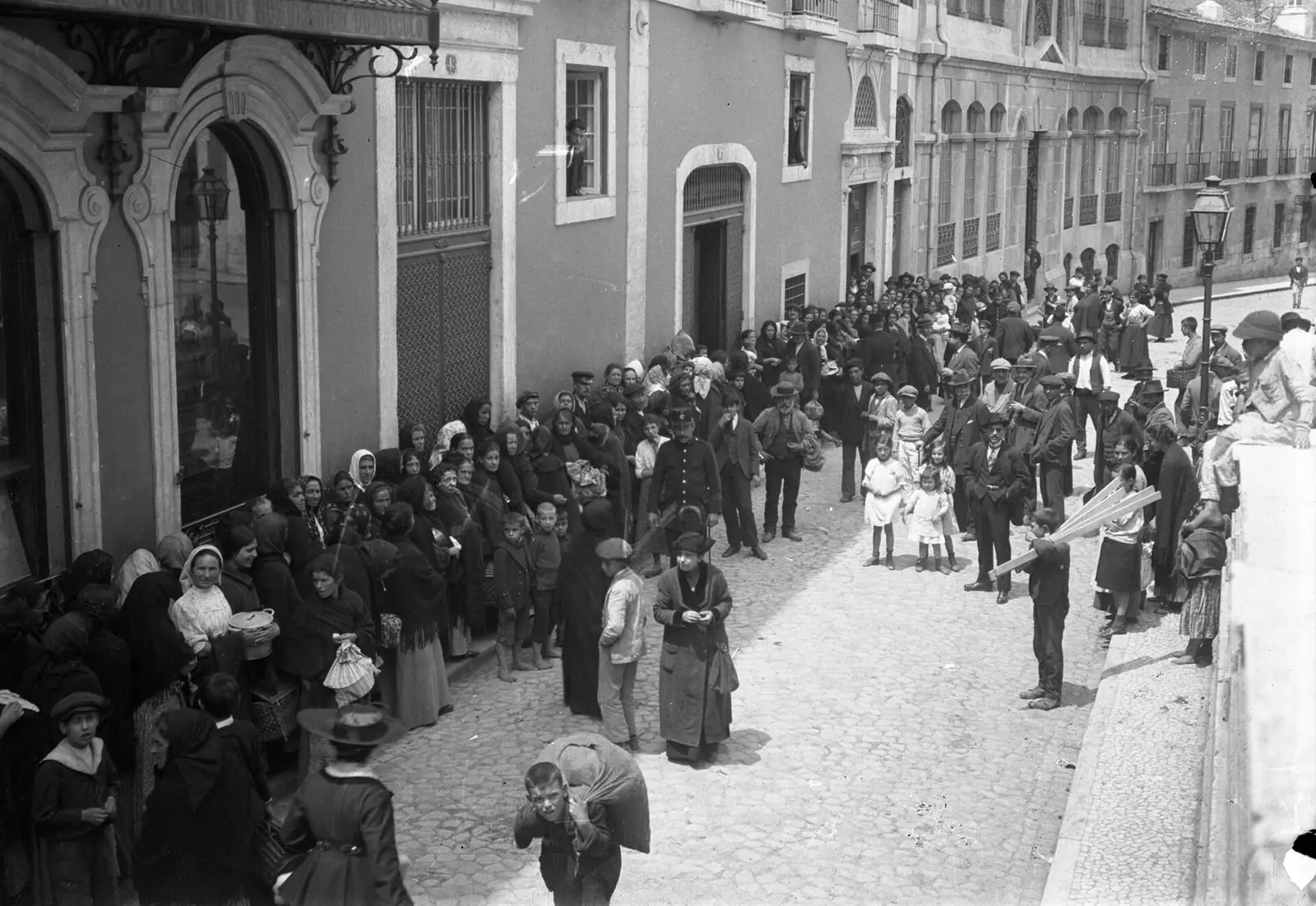
A queue in the street of the newspaper “O Século”, by the Lançada Palace, at the reopening of the soup kitchens (cozinhas económicas), in 1910. Photograph by Joshua Benoliel.
Joshua Benoliel, Public domain
Date: 1910
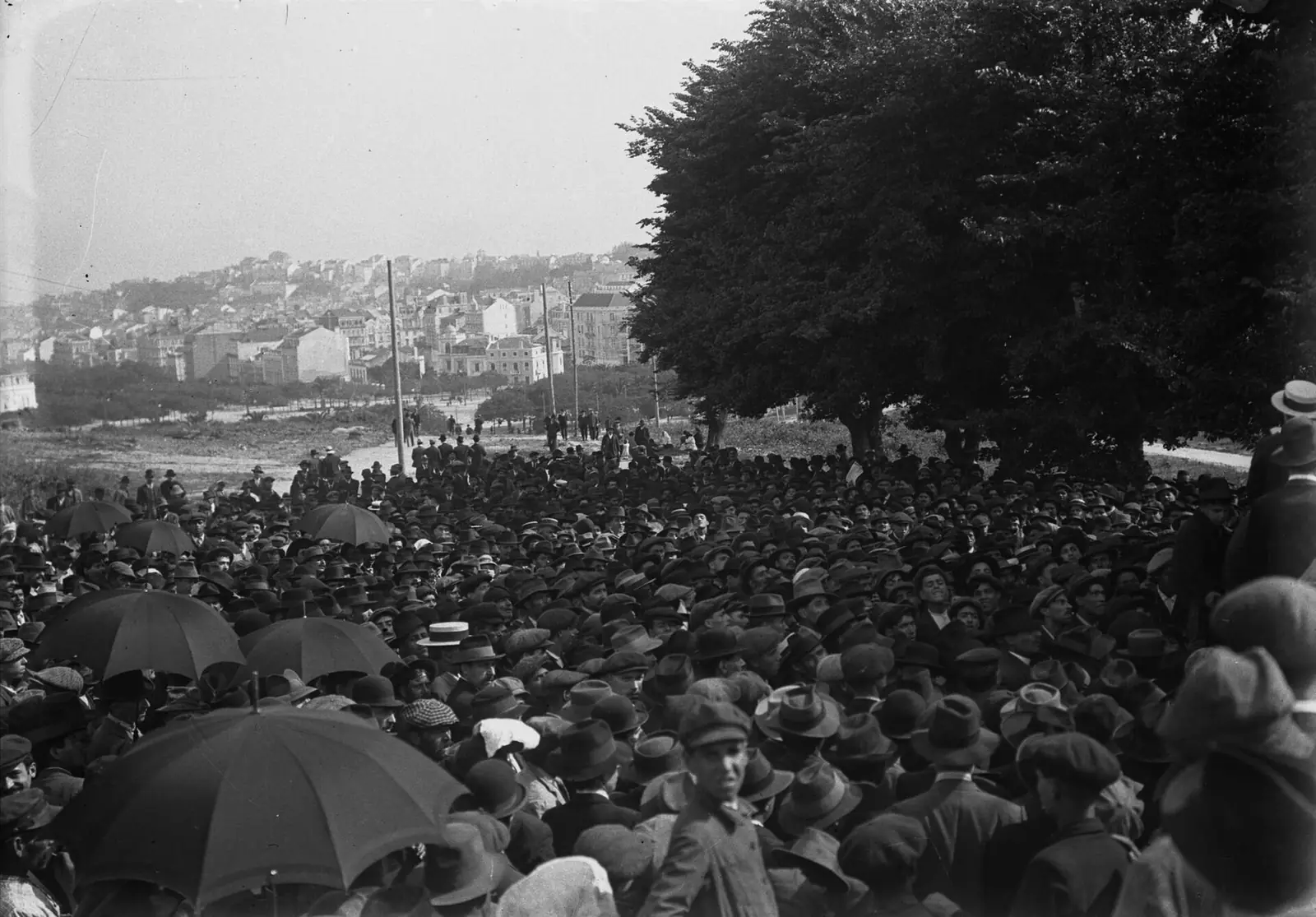
Republican rally in Parque Eduardo VII, in 1915. Photograph by Joshua Benoliel.
Joshua Benoliel, Public domain
Date: 1915
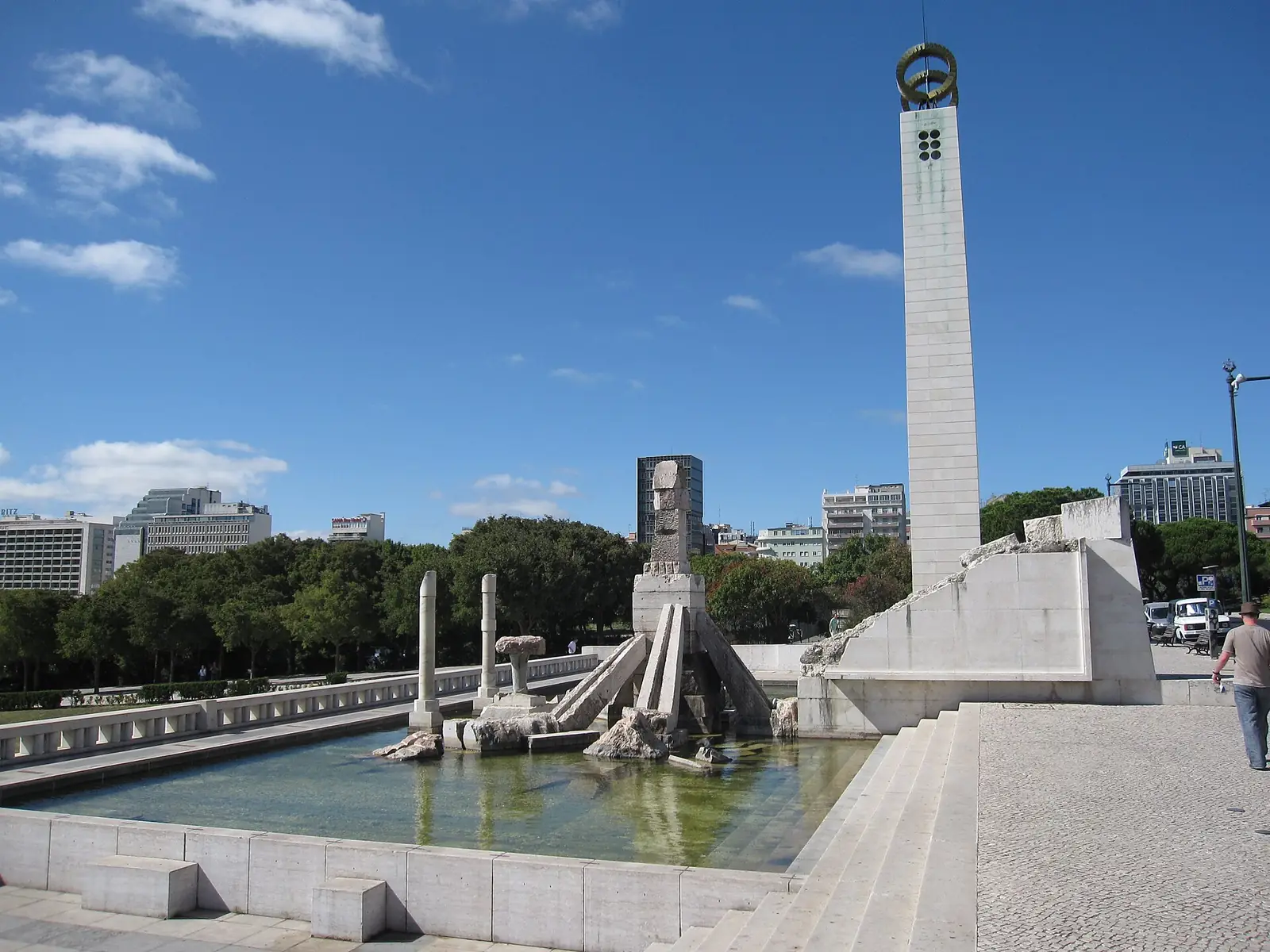
The 25 April Monument, by João Cutileiro, at the top of Parque Eduardo VII, in September 2009.
Date: 2009-09-04
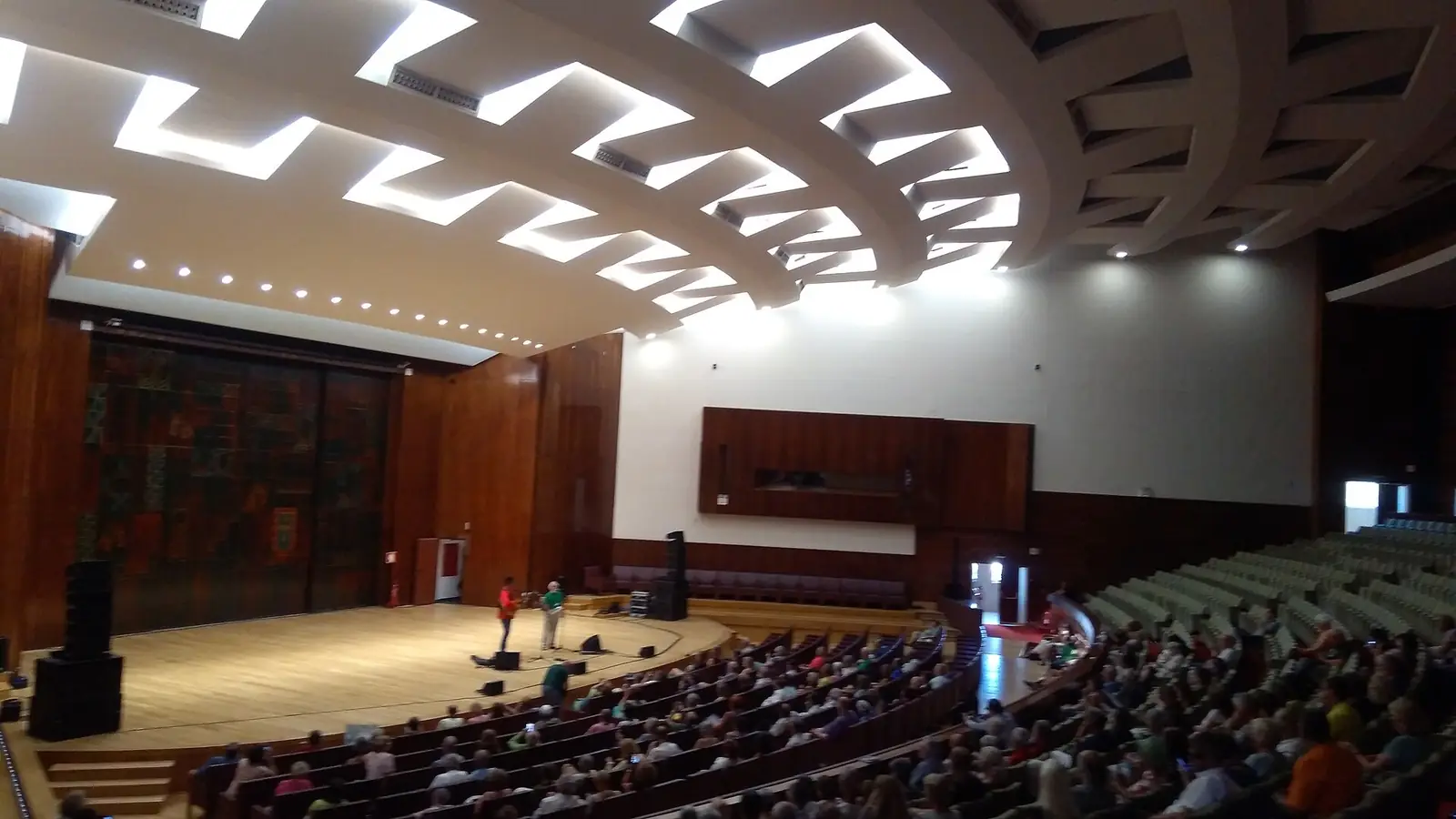
The Aula Magna (Great Hall) of the Rectorate of the University of Lisbon during a congress, in July 2018.
Eugenio Hansen, OFS, CC BY-SA 4.0
Date: 2018-07-30
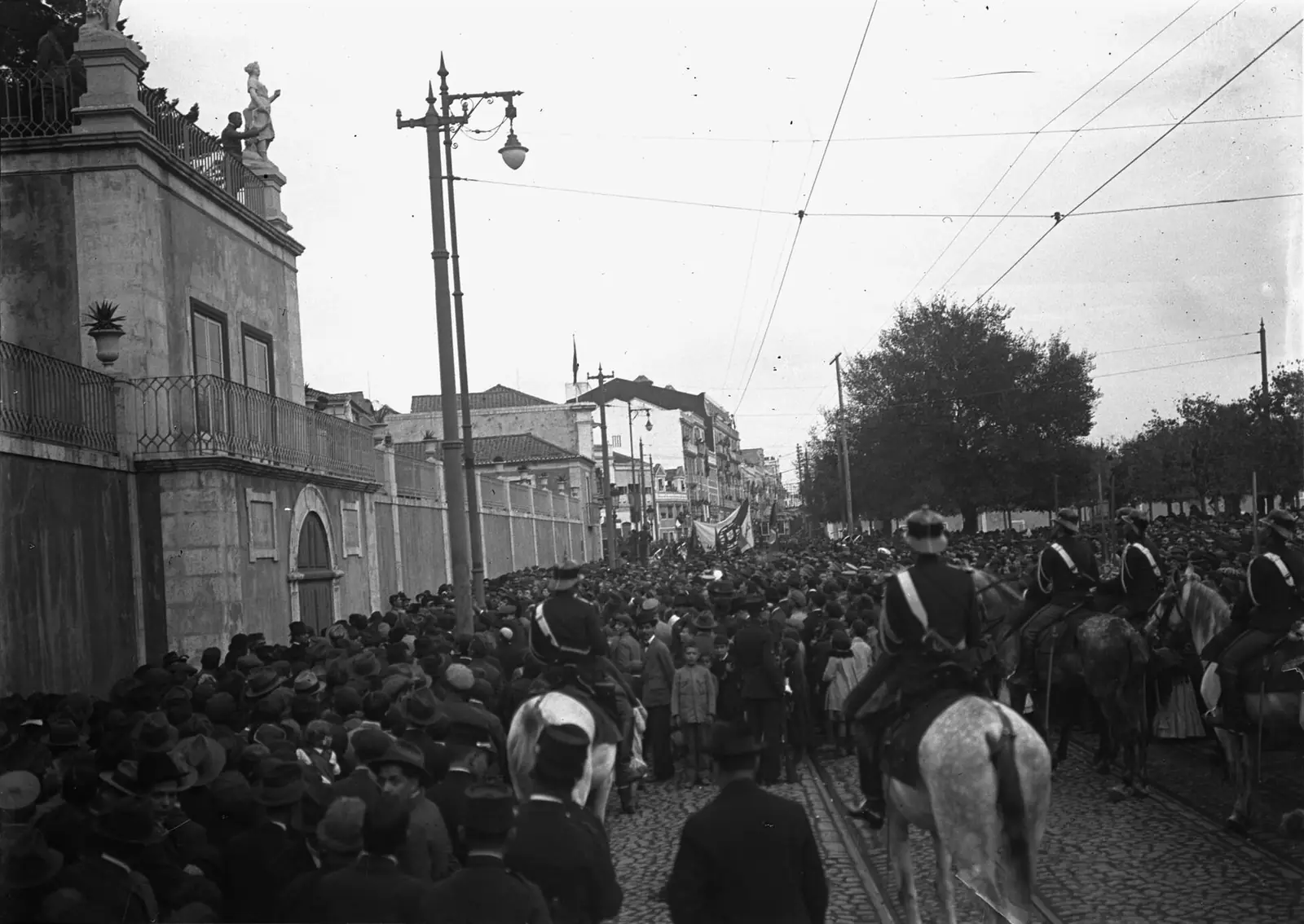
A crowd and mounted guards in front of the Palácio de Belém in November 1918, when Sidónio Pais read from one of the balconies the telegram in which the King of England congratulated Portugal on the Allied victory. Photograph by Joshua Benoliel (Lisbon Municipal Archive).
Joshua Benoliel, Public domain
Date: 1918-11
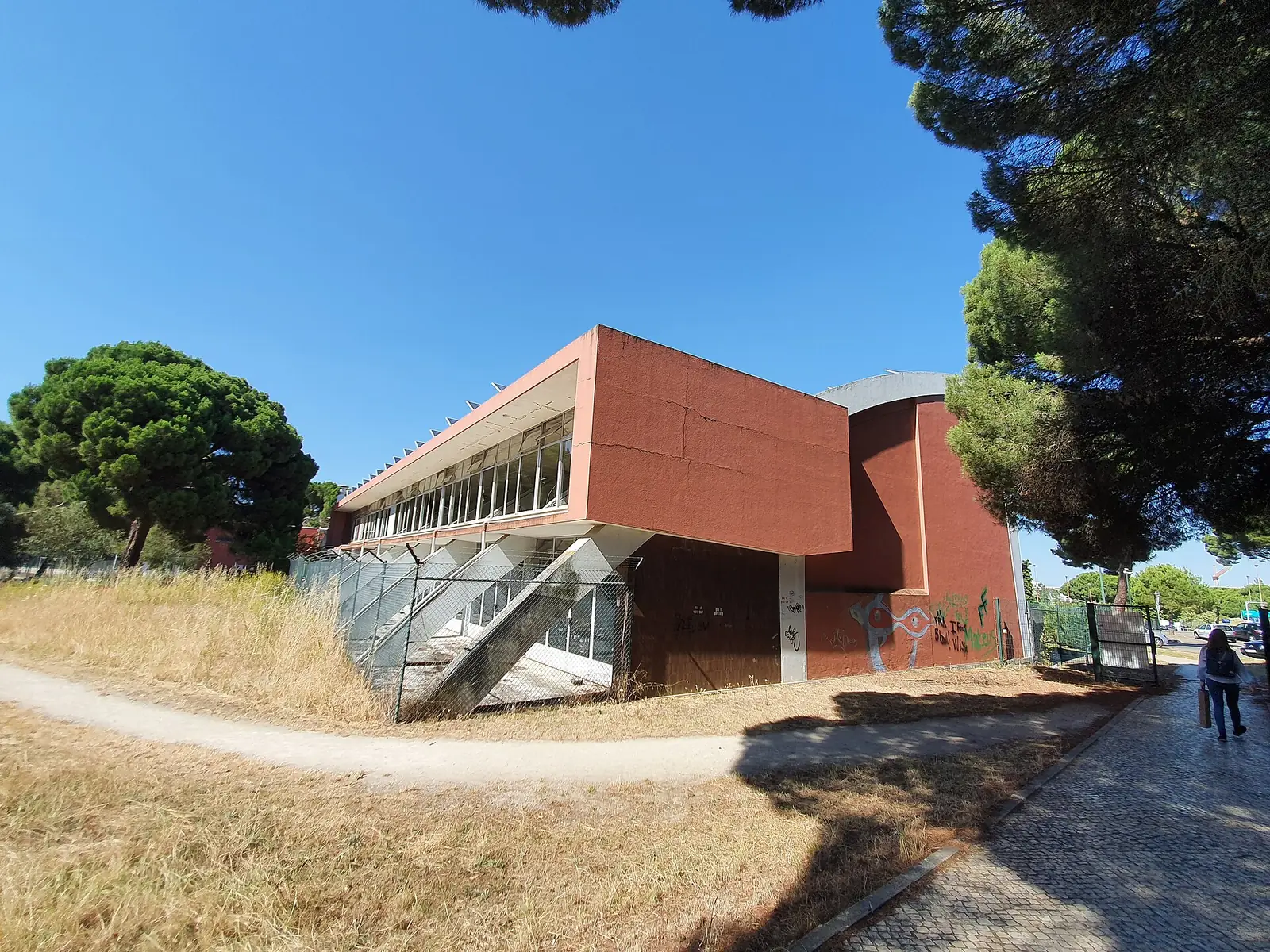
The Cantina Velha (Old Canteen) seen from the side, with its glazed gallery and outside staircase, in June 2021.
Date: 2021-06-24
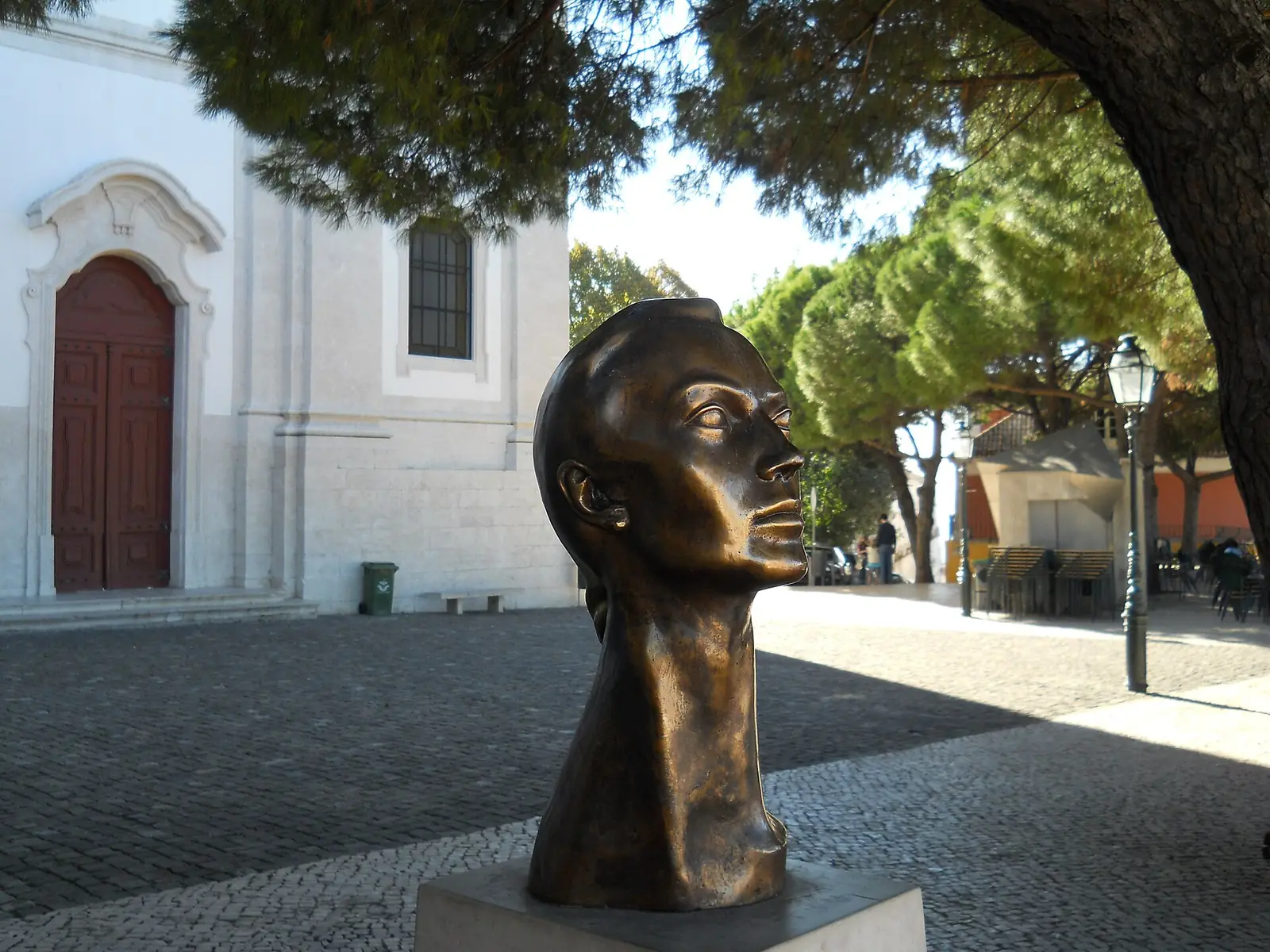
The bust of Sophia de Mello Breyner Andresen on the Graça viewpoint that bears her name, near the house where she lived, in October 2010. It is a replica of António Duarte’s bust, placed there in 2009.
DAVID HOLT from London, England, CC BY-SA 2.0
Date: 2010-10-19
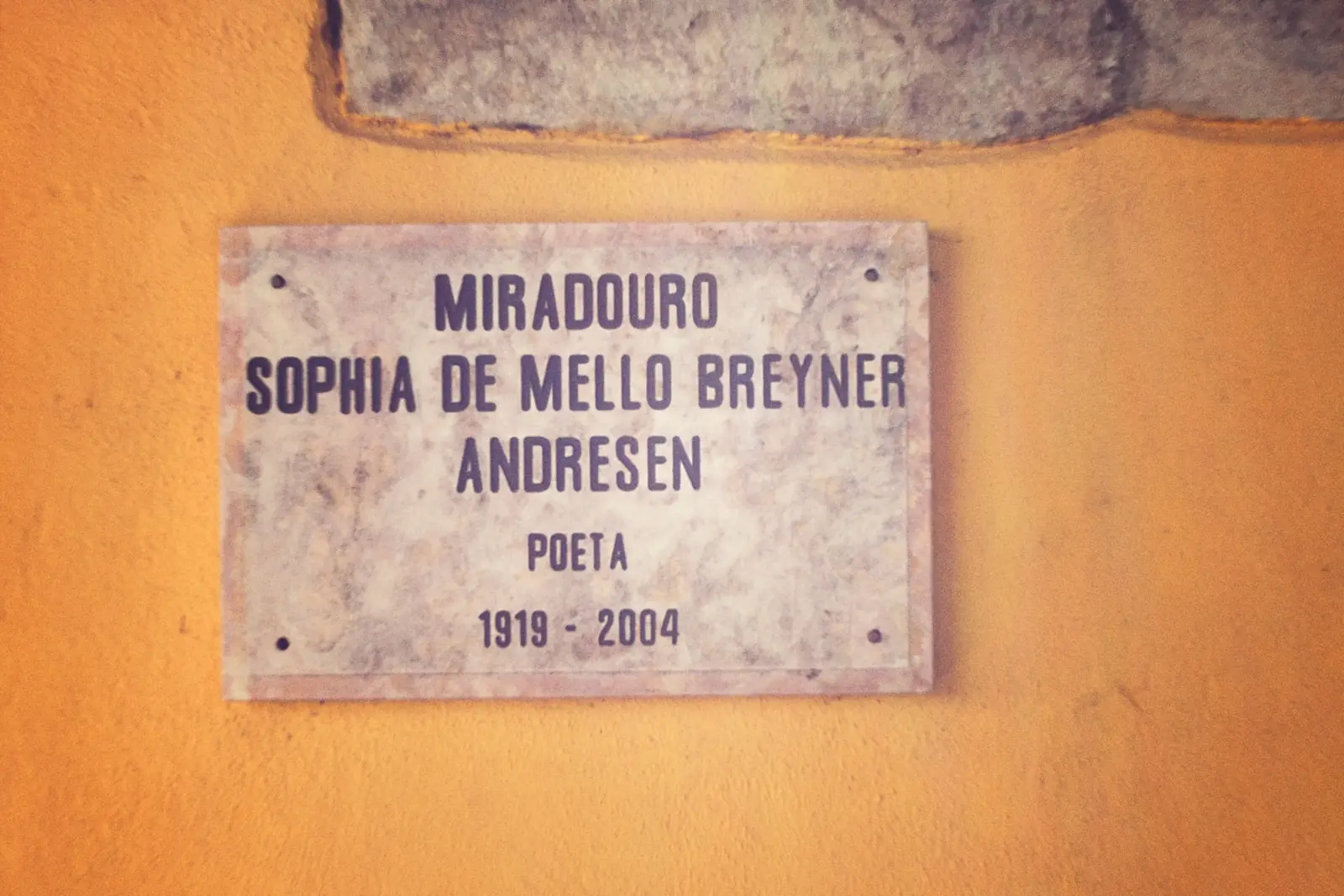
The plaque of the Sophia de Mello Breyner Andresen viewpoint, in Graça, unveiled at the 2009 tribute, in a photograph from February 2010.
Canção de Lisboa, CC BY-SA 2.0
Date: 2010-02-24
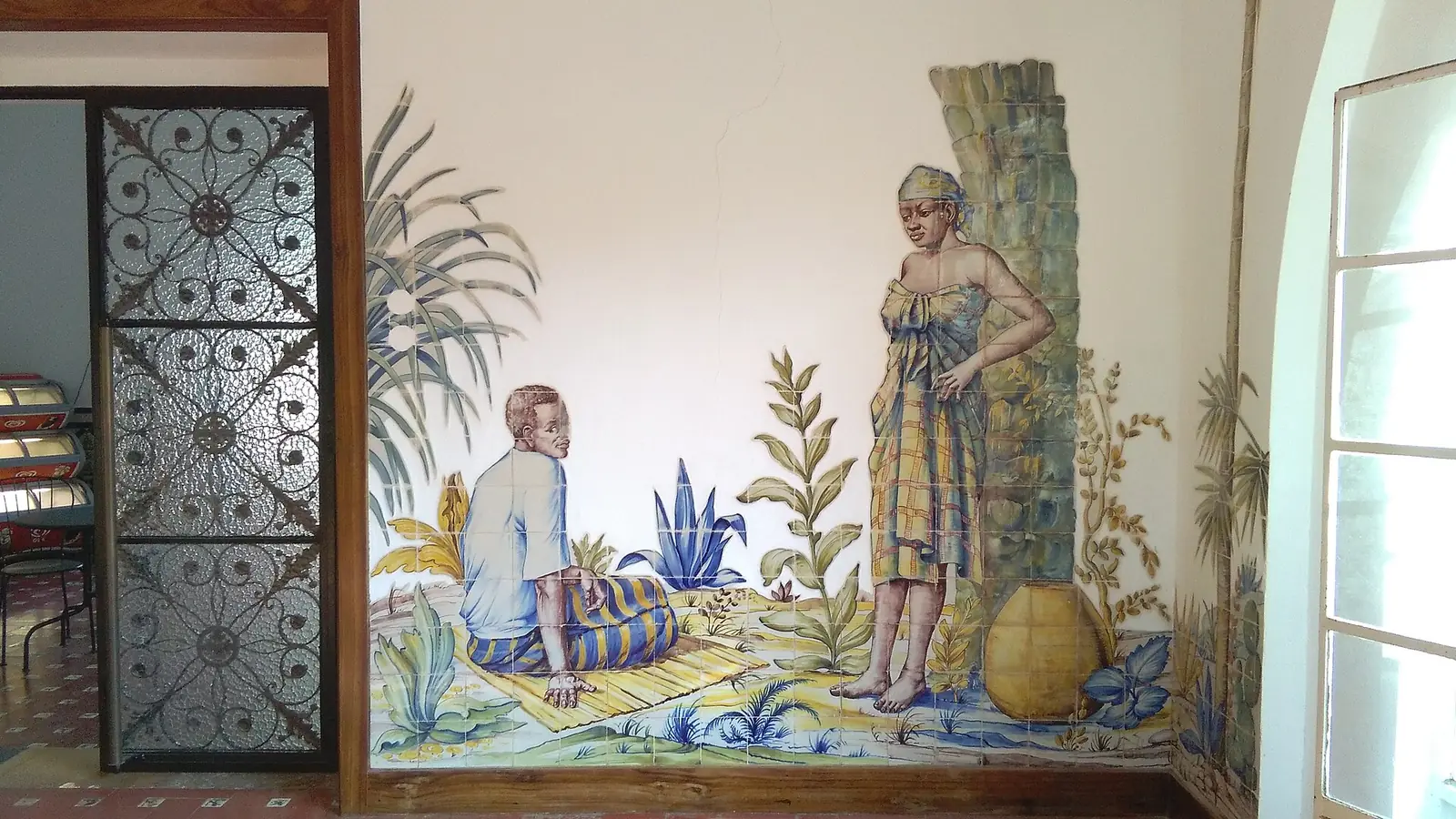
Tile panels with colonial themes inside the former Casa Colonial (Colonial House), one of the buildings that remain from the 1940 exhibition in the Tropical Botanical Garden, in September 2017.
RicardoFilipePereira, CC BY-SA 4.0
Date: 2017-09-22
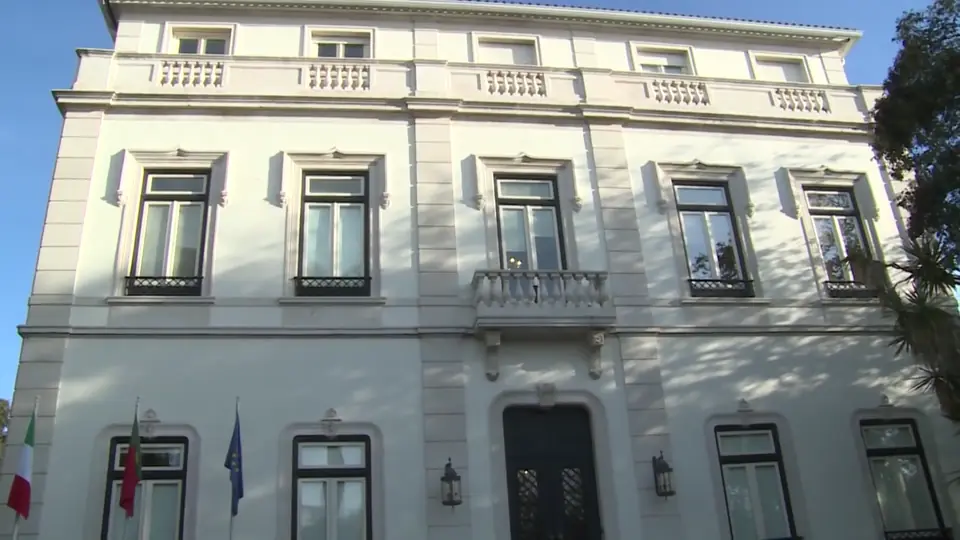
The façade of the Palacete de São Bento, the Prime Minister’s official residence, on 28 January 2017, in a still from a video by the Italian government.
Palazzo Chigi - il canale YouTube del Governo italiano, CC BY 3.0
Date: 2017-01-28
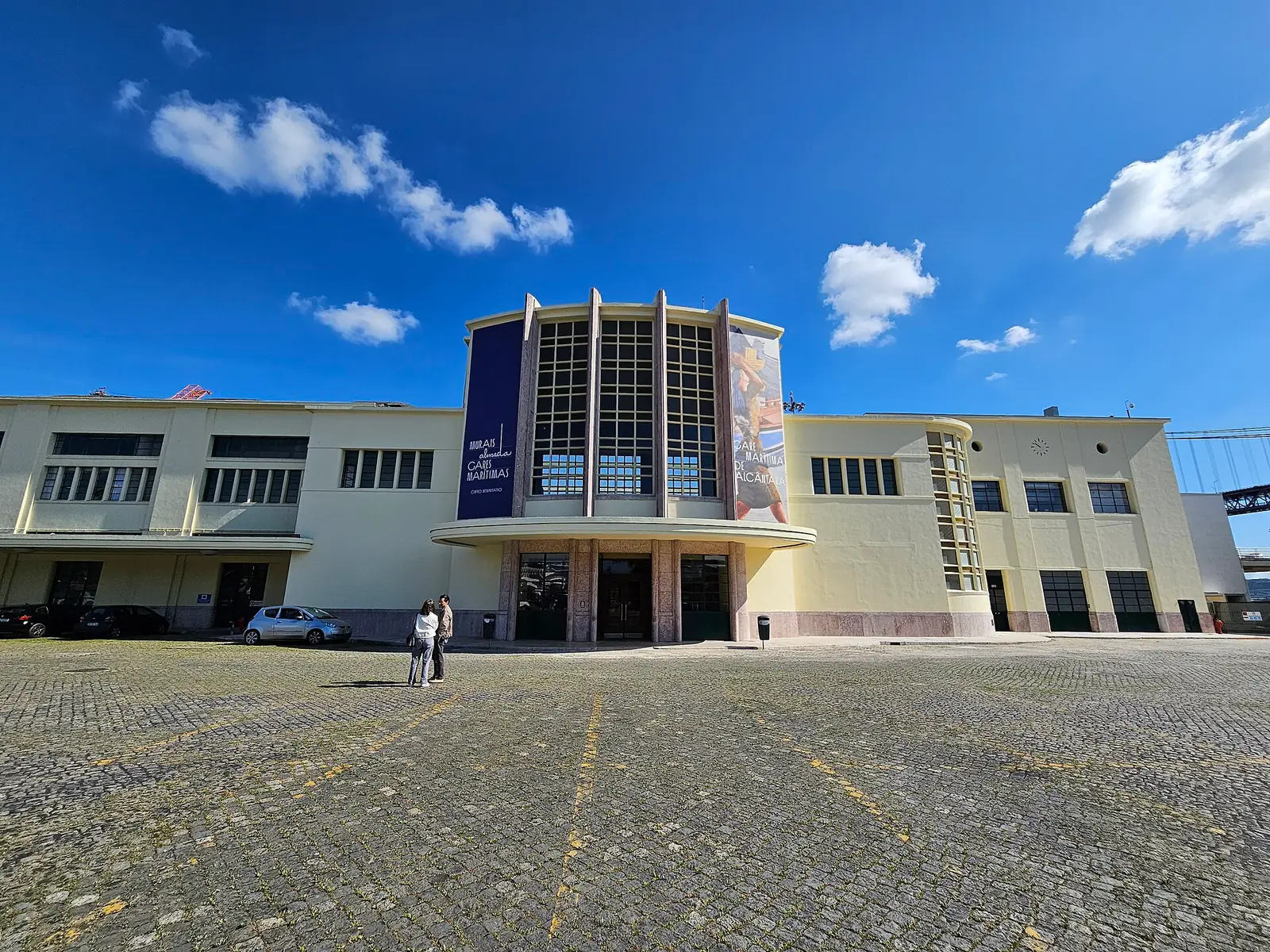
The Alcântara Maritime Station from the land side, in May 2025, with the banners of the interpretation centre for Almada Negreiros’s murals, opened in April that year.
Date: 2025-05-10
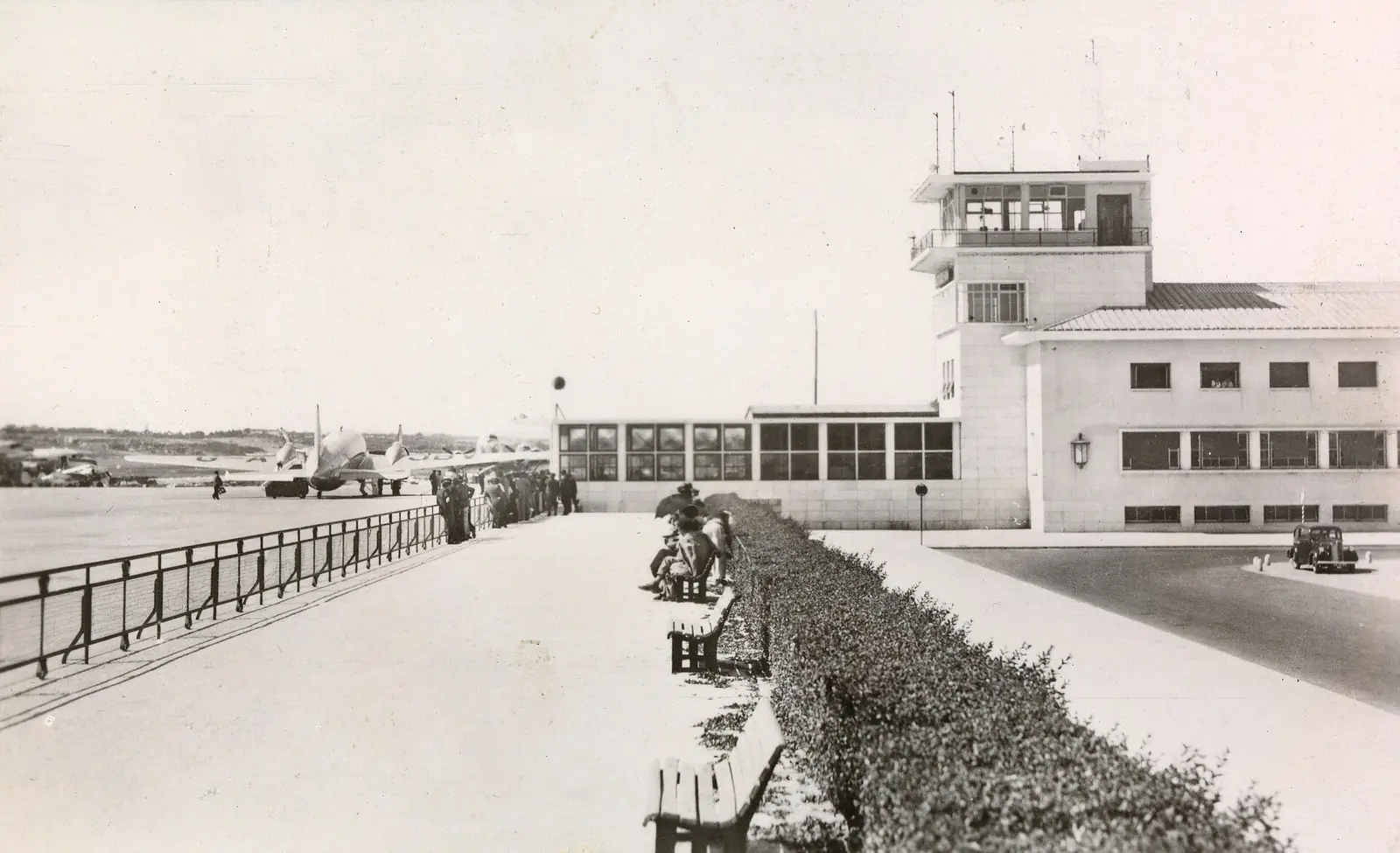
Portela airport in 1951, with the terminal building and the planes on the apron.
Autor desconhecido (ETH-Bibliothek Zürich, Bildarchiv), CC BY-SA 4.0
Date: 1951-04-28
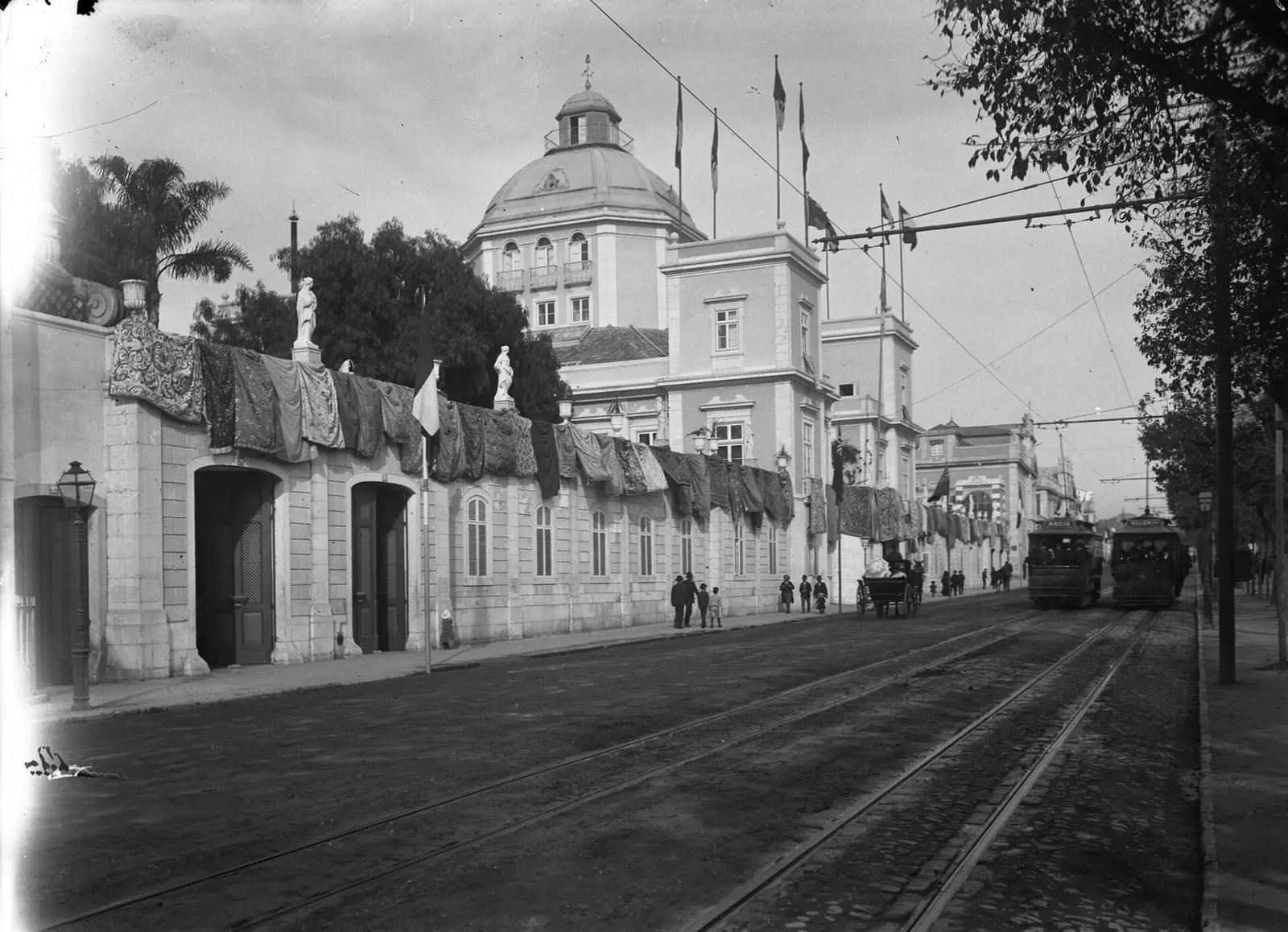
The Palácio Burnay, on Rua da Junqueira, around 1907, with cloths hung along the wall. Photograph by Joshua Benoliel.
Joshua Benoliel, Public domain
Date: c. 1907
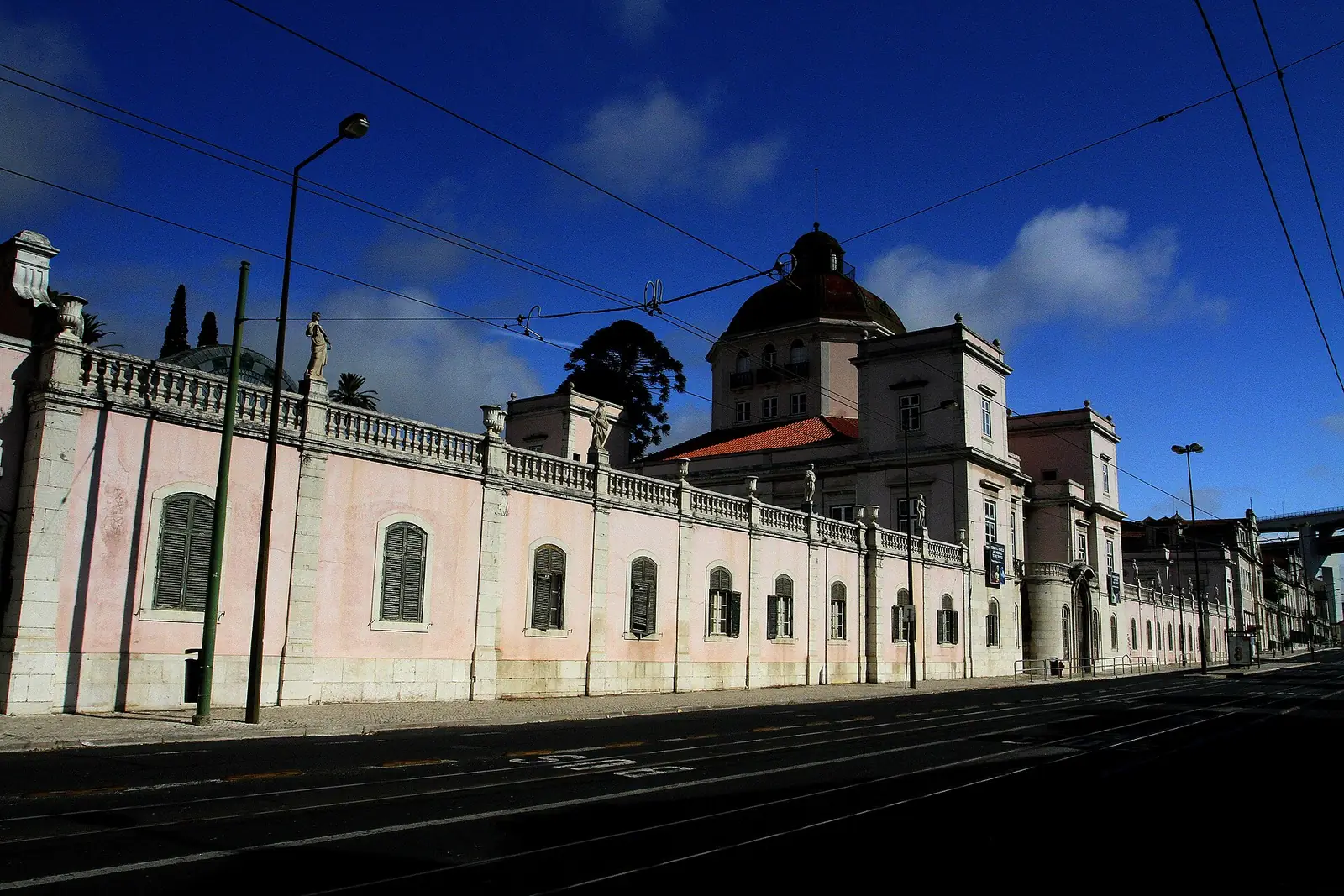
The Palácio Burnay along Rua da Junqueira, in September 2011.
Date: 2011-09-24
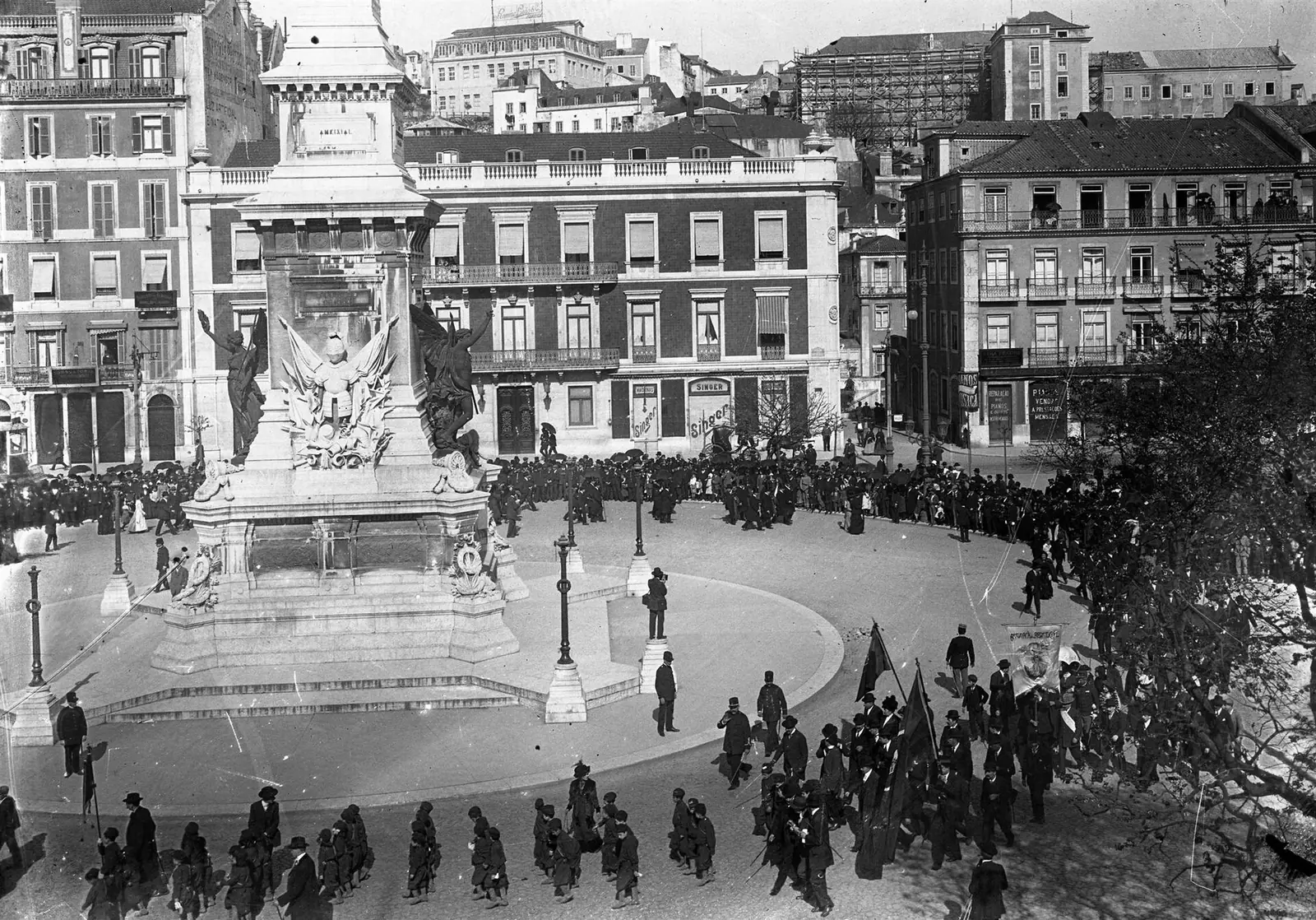
The procession in homage to Teófilo Braga by the Monument to the Restorers, on 25 March 1912. Photograph by Joshua Benoliel.
Joshua Benoliel, Public domain
Date: 1912-03-25
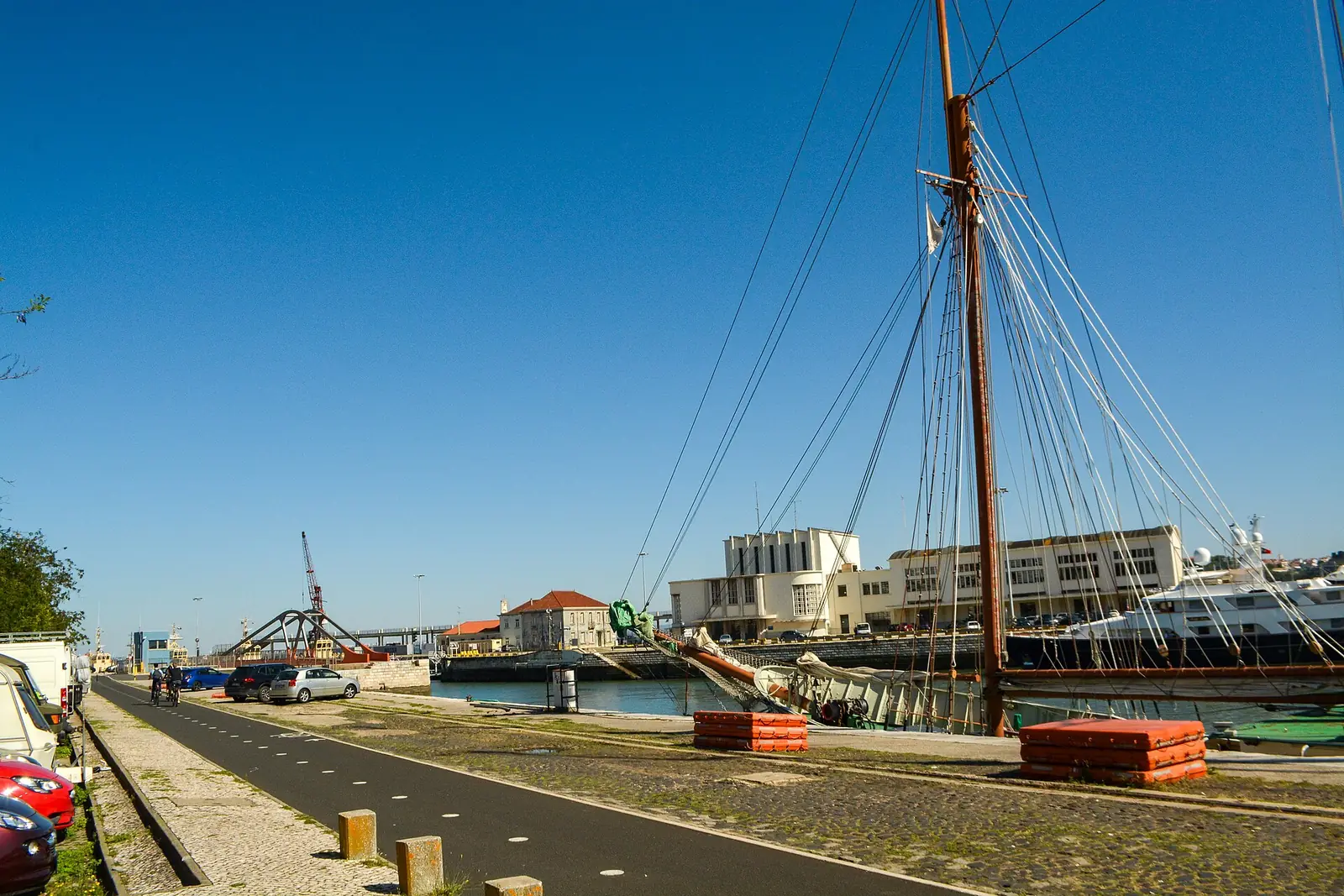
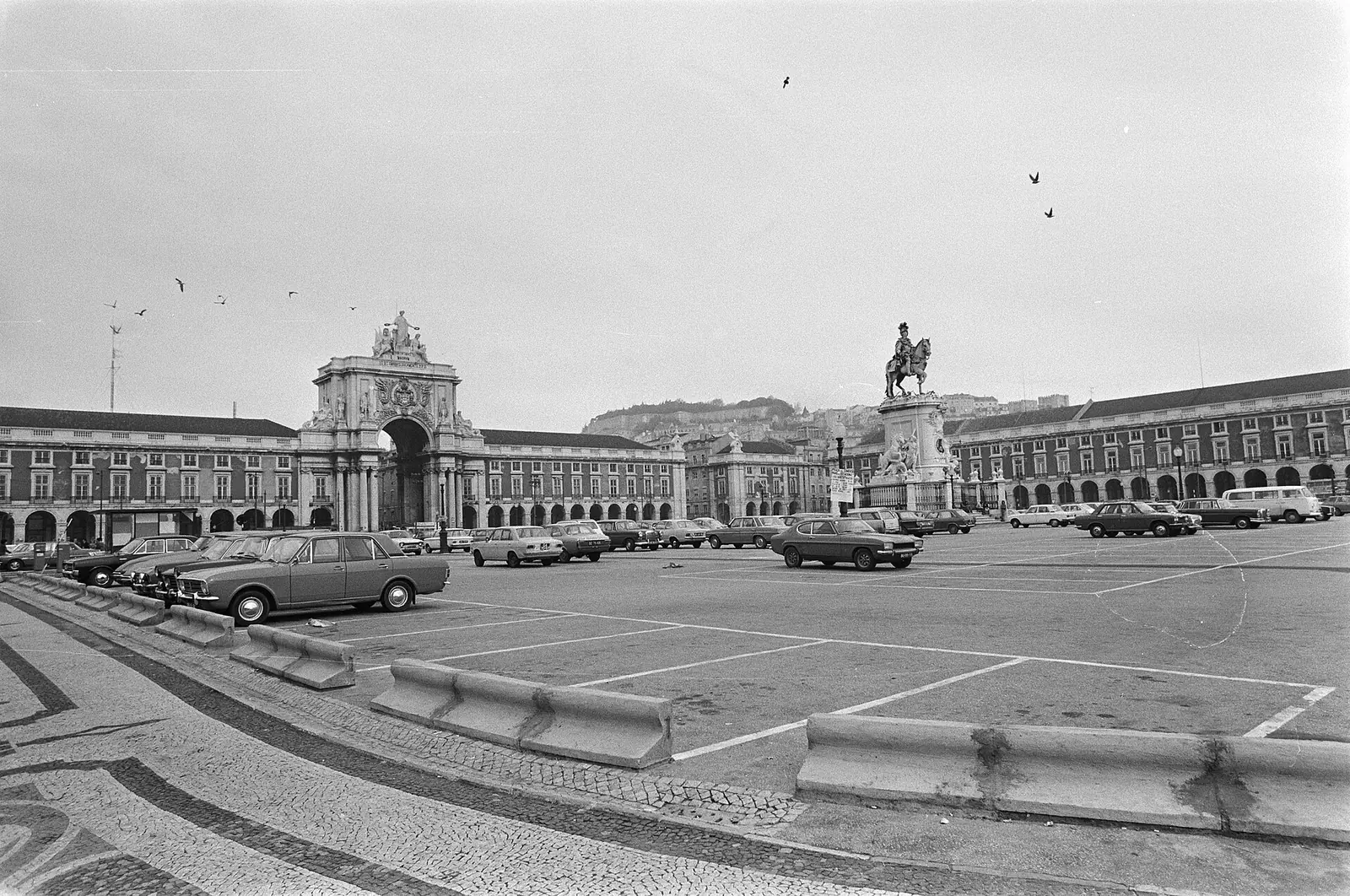
Terreiro do Paço on 11 February 1975, full of parked cars, with the Arco da Rua Augusta and the statue of King José. Photograph by Rob Mieremet (Anefo).
Date: 1975-02-11
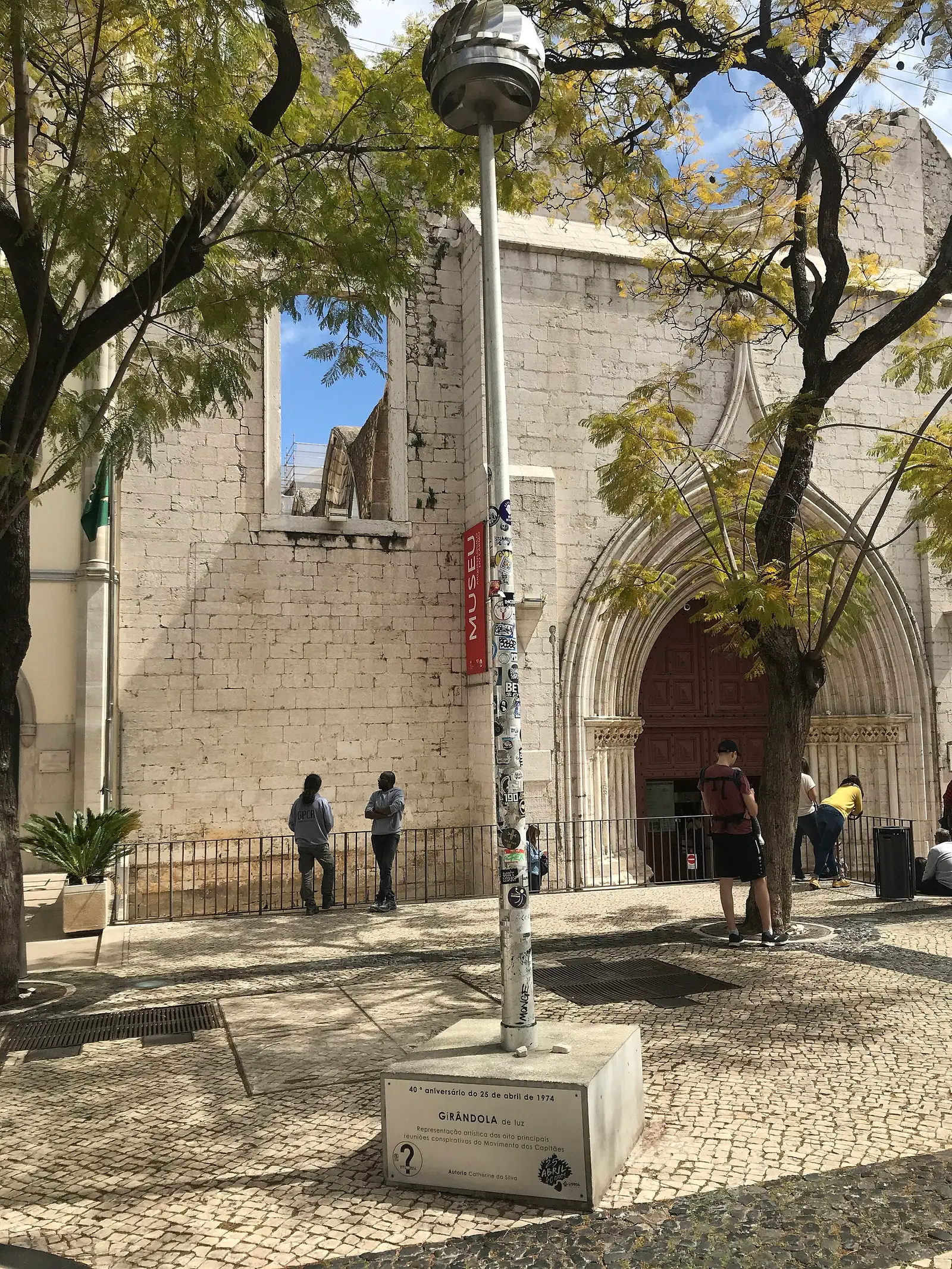
The “Girândola de luz” (Girandole of Light), by Catherine da Silva, in Largo do Carmo, in 2023. According to the plaque, made for the 40th anniversary of 25 April, it is an “artistic representation of the eight main conspiratorial meetings of the Captains’ Movement” (“representação artística das oito principais reuniões conspirativas do Movimento dos Capitães”).
Date: 2023-03-30
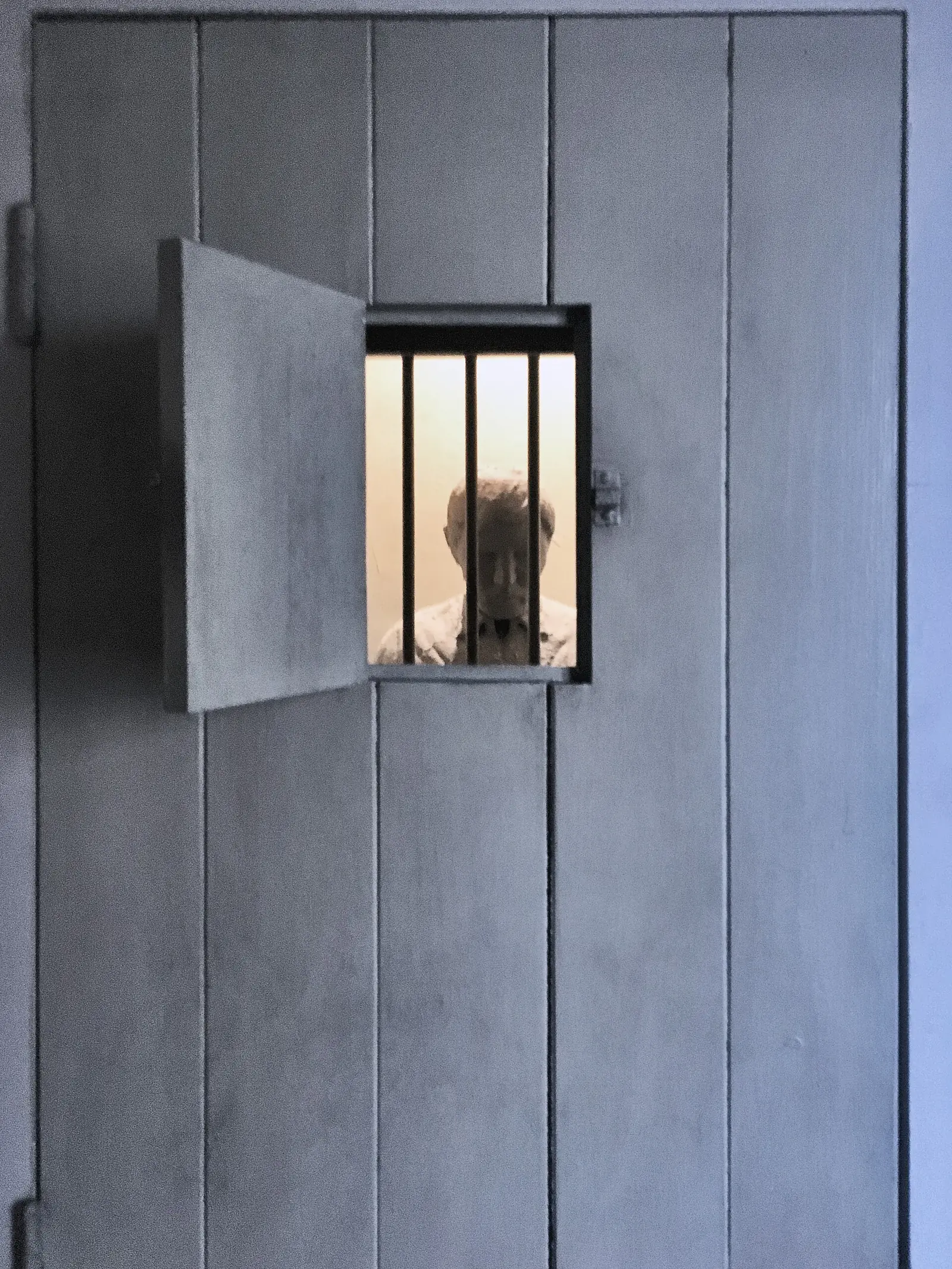
One of the cell doors with which the Aljube Museum evokes the “curros”, the prison’s isolation cells, in January 2018.
Gabriel de Andrade Fernandes, CC BY-SA 2.0
Date: 2018-01-02
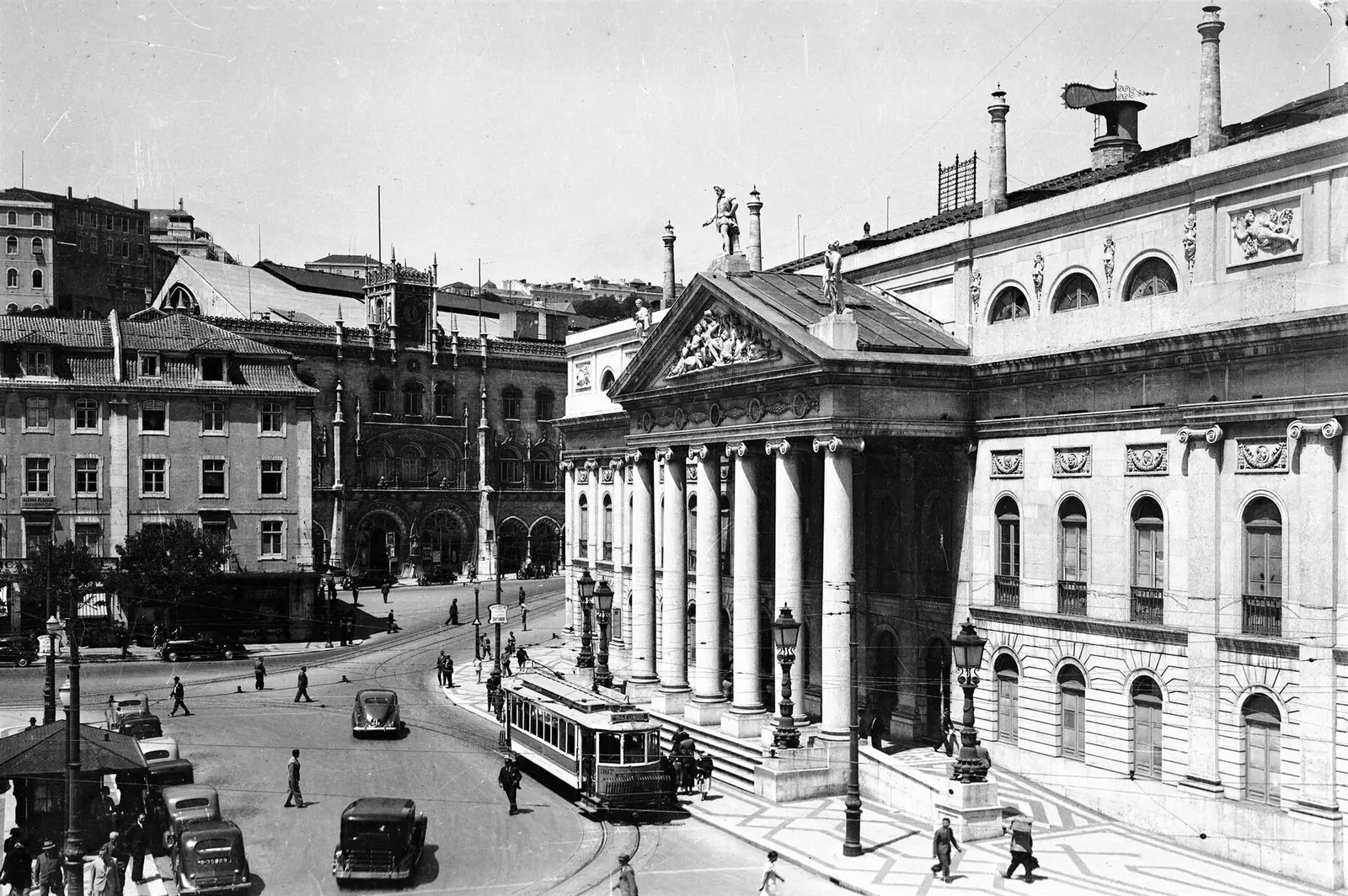
The D. Maria II National Theatre and, behind it, Rossio station, in a photograph by Paulo Guedes taken between 1928 and 1947.
Paulo Guedes, Public domain
Date: entre 1928 e 1947
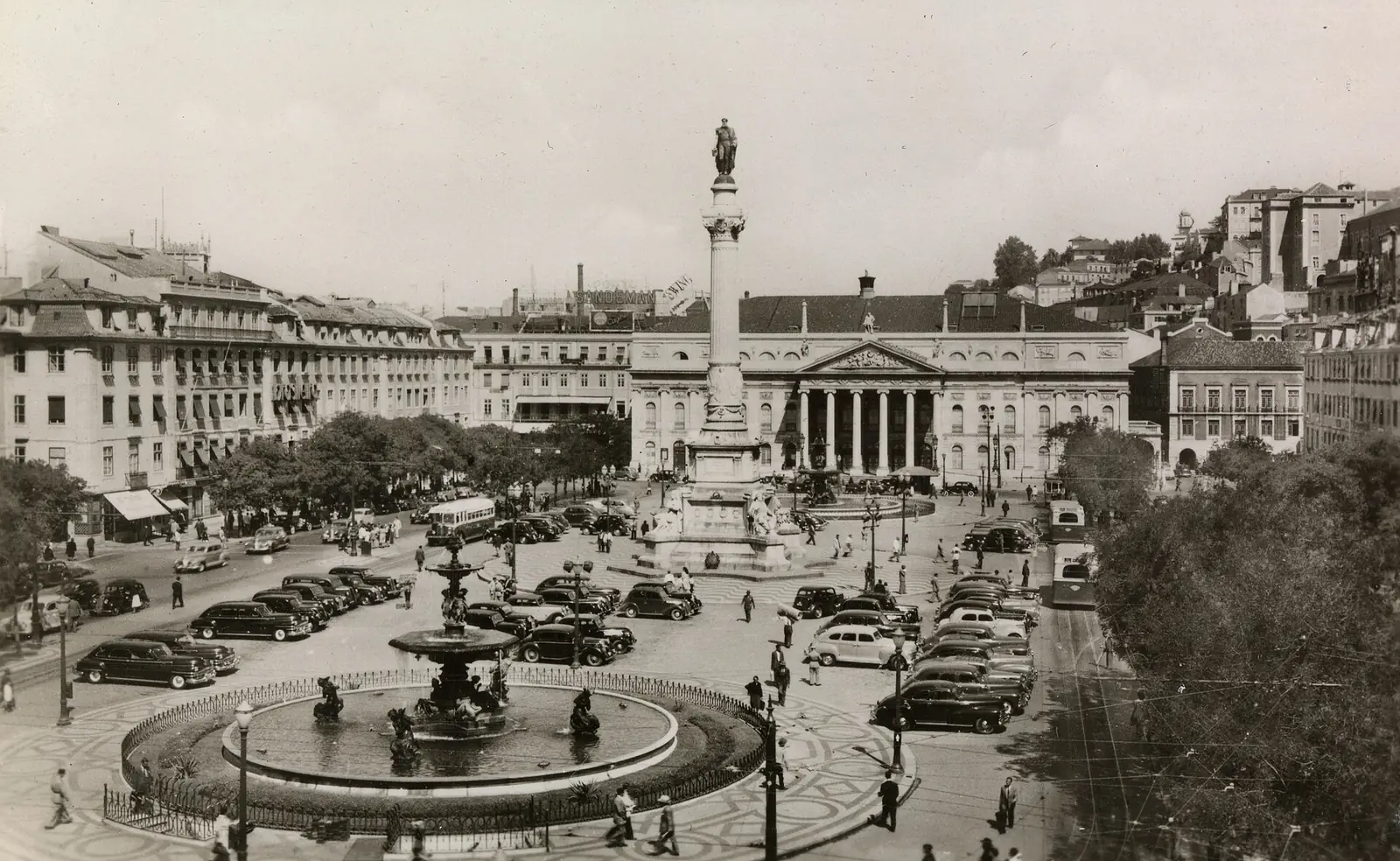
The Rossio seen from above in April 1951 — the fountain, the column of D. Pedro IV and, in the background, the D. Maria II National Theatre.
Autor desconhecido (ETH-Bibliothek Zürich, Bildarchiv), CC BY-SA 4.0
Date: 1951-04-28
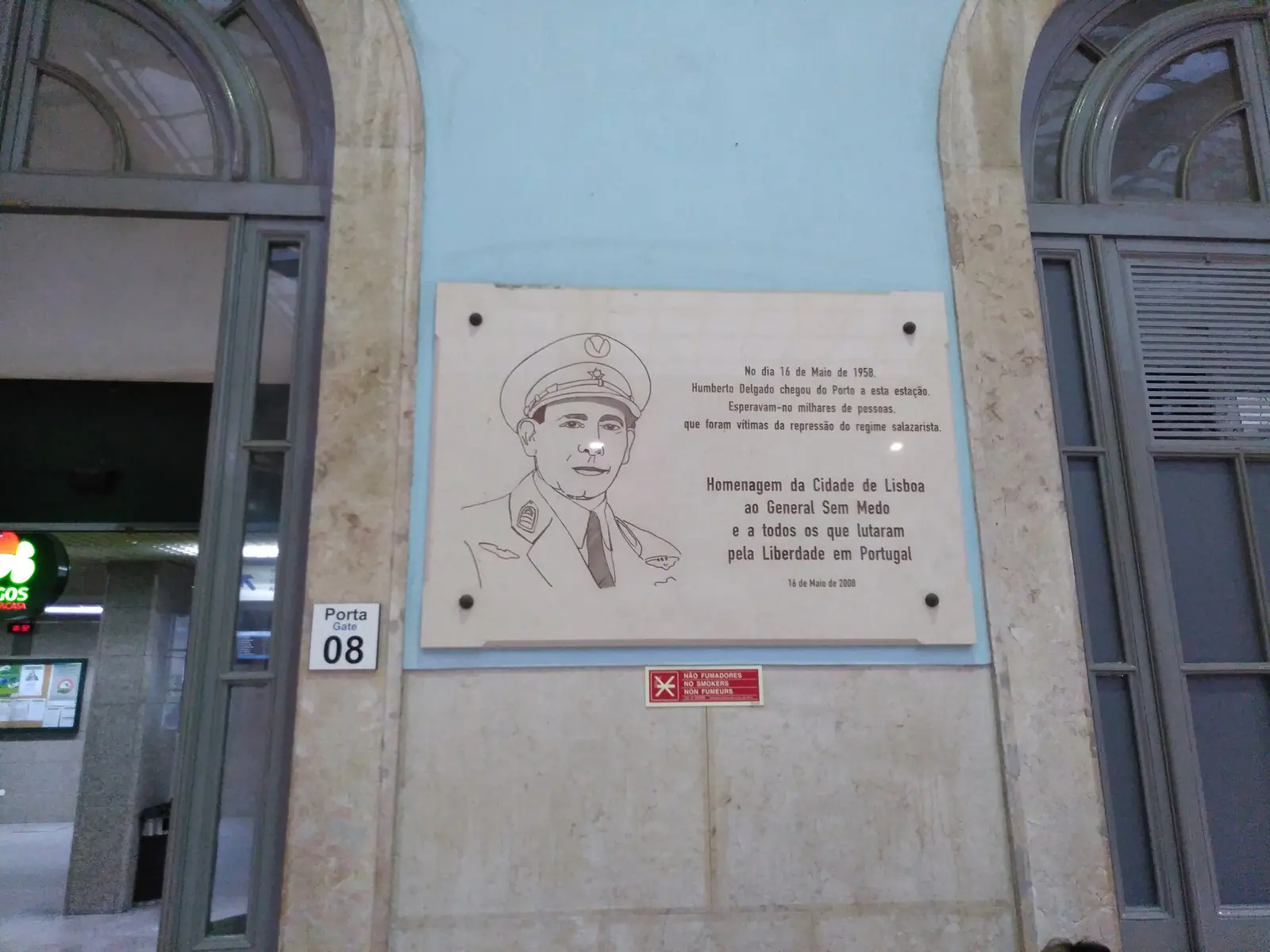
The City of Lisbon’s plaque (2008) recalling Humberto Delgado’s arrival at the station in 1958, next to door 08, in October 2016.
Date: 2016-10-26
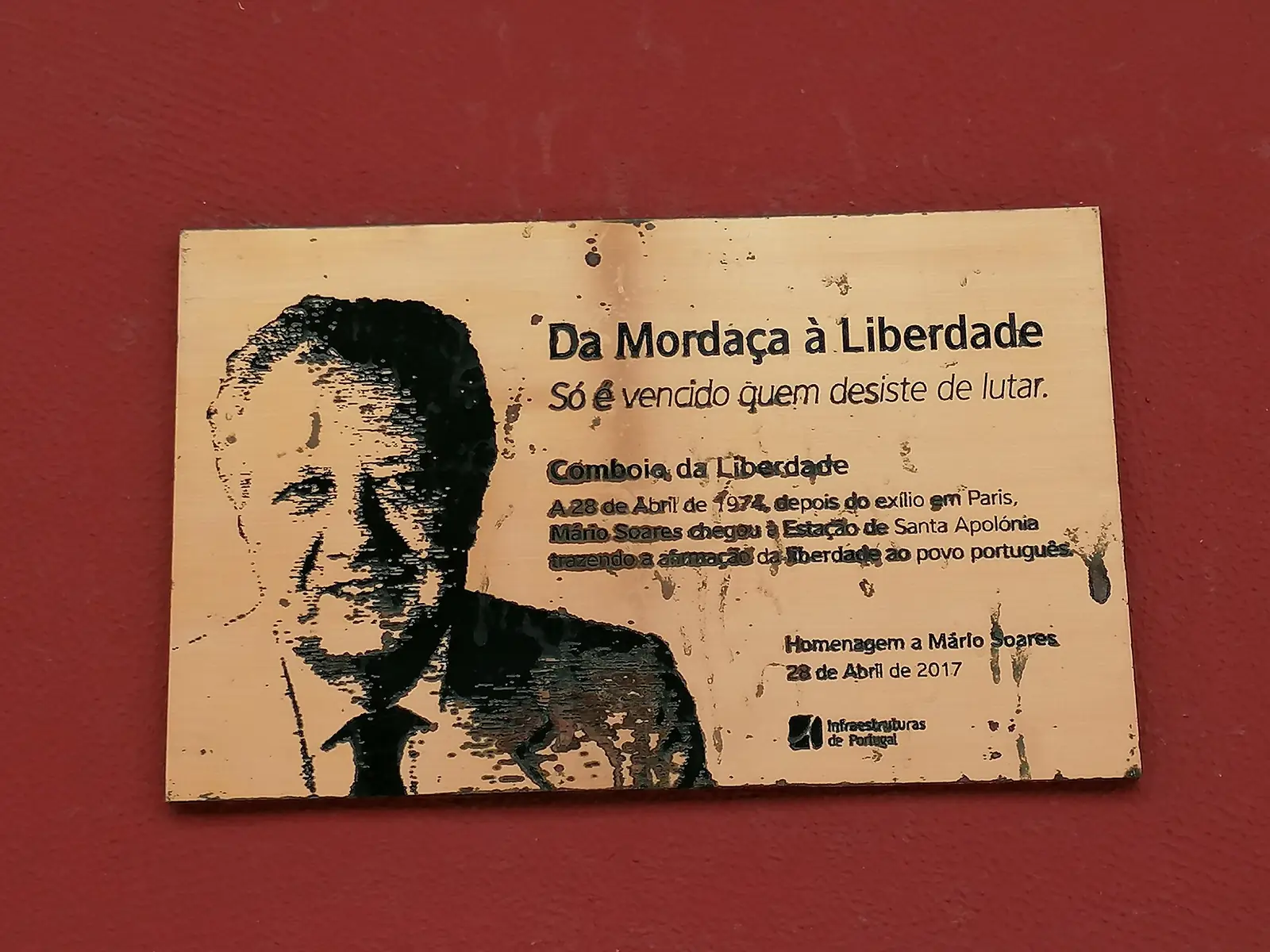
The plaque “Da Mordaça à Liberdade” (From the Gag to Freedom; Infraestruturas de Portugal, 2017), recalling Mário Soares’s arrival from exile on the “Comboio da Liberdade” (Freedom Train), on a wall of the station, in July 2025.
Date: 2025-07-23
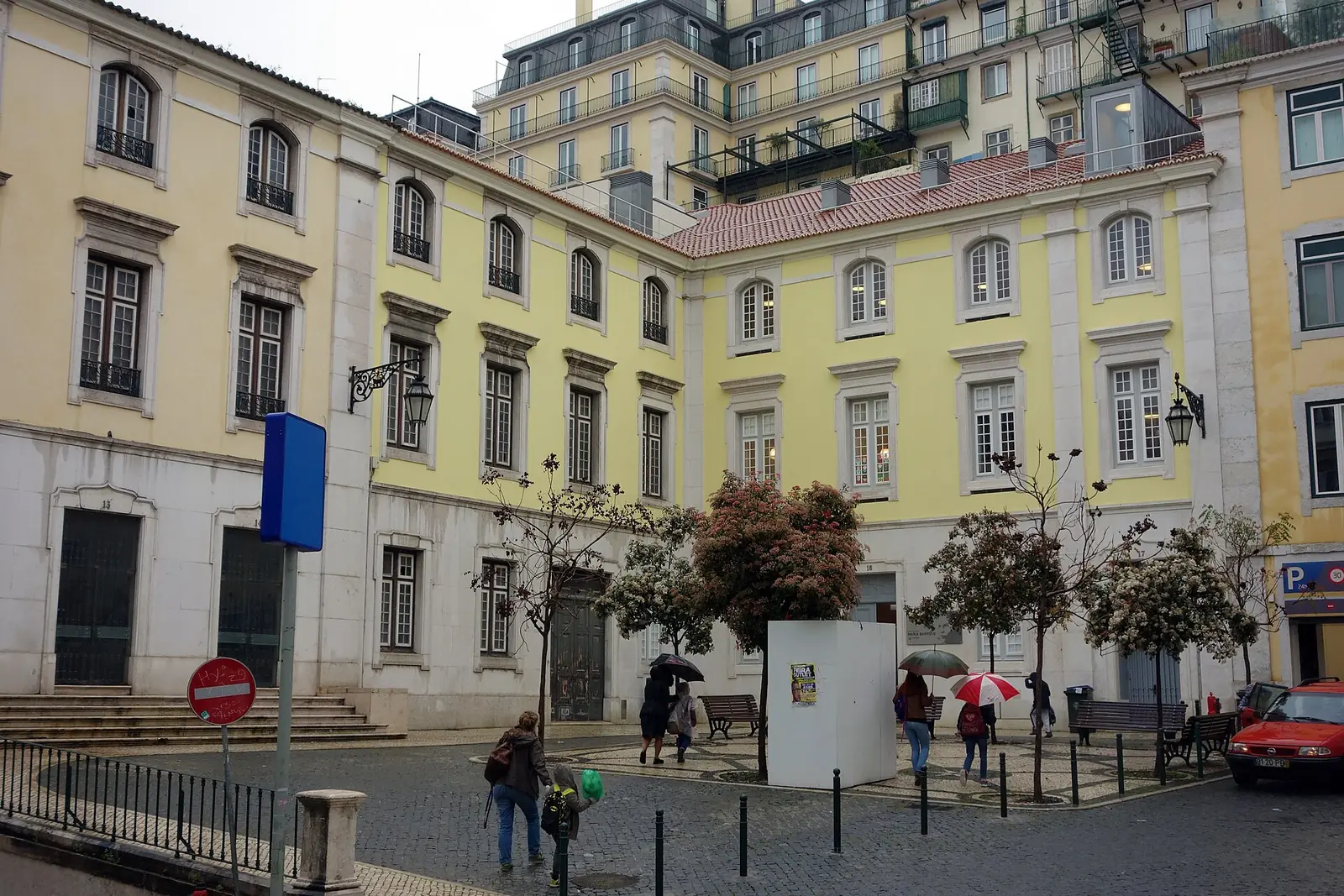
The Largo da Boa-Hora and the building of the former court, which houses the Maria Barroso Primary School, on a rainy day in April 2018.
Date: 2018-04-10
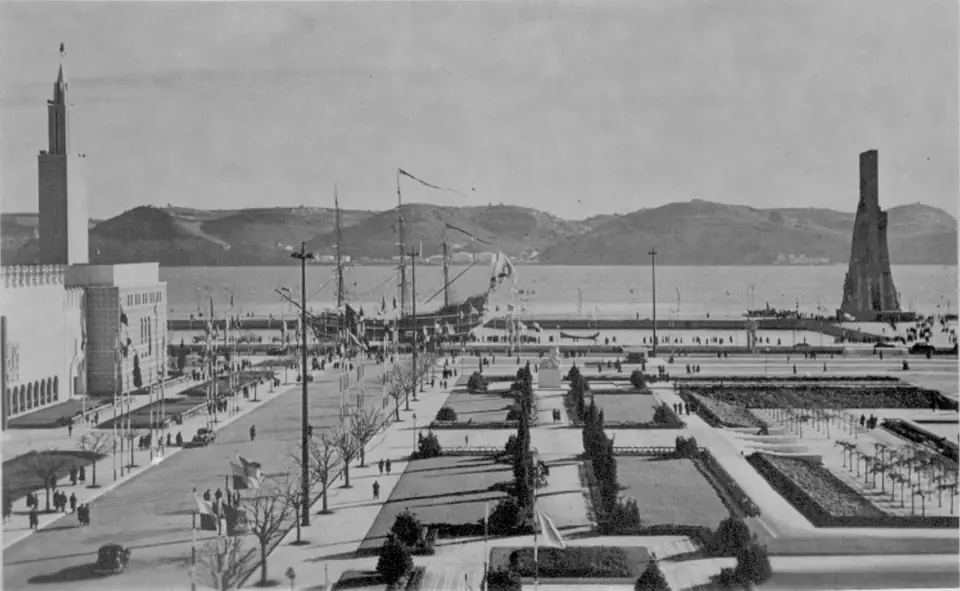
The Exhibition of the Portuguese World seen across the gardens of the Praça do Império, in 1940 — in the centre, the ship Nau Portugal in the Belém dock; on the right, by the river, the first Padrão dos Descobrimentos.
Autor desconhecido (Exposição do Mundo Português), Public domain
Date: 1940
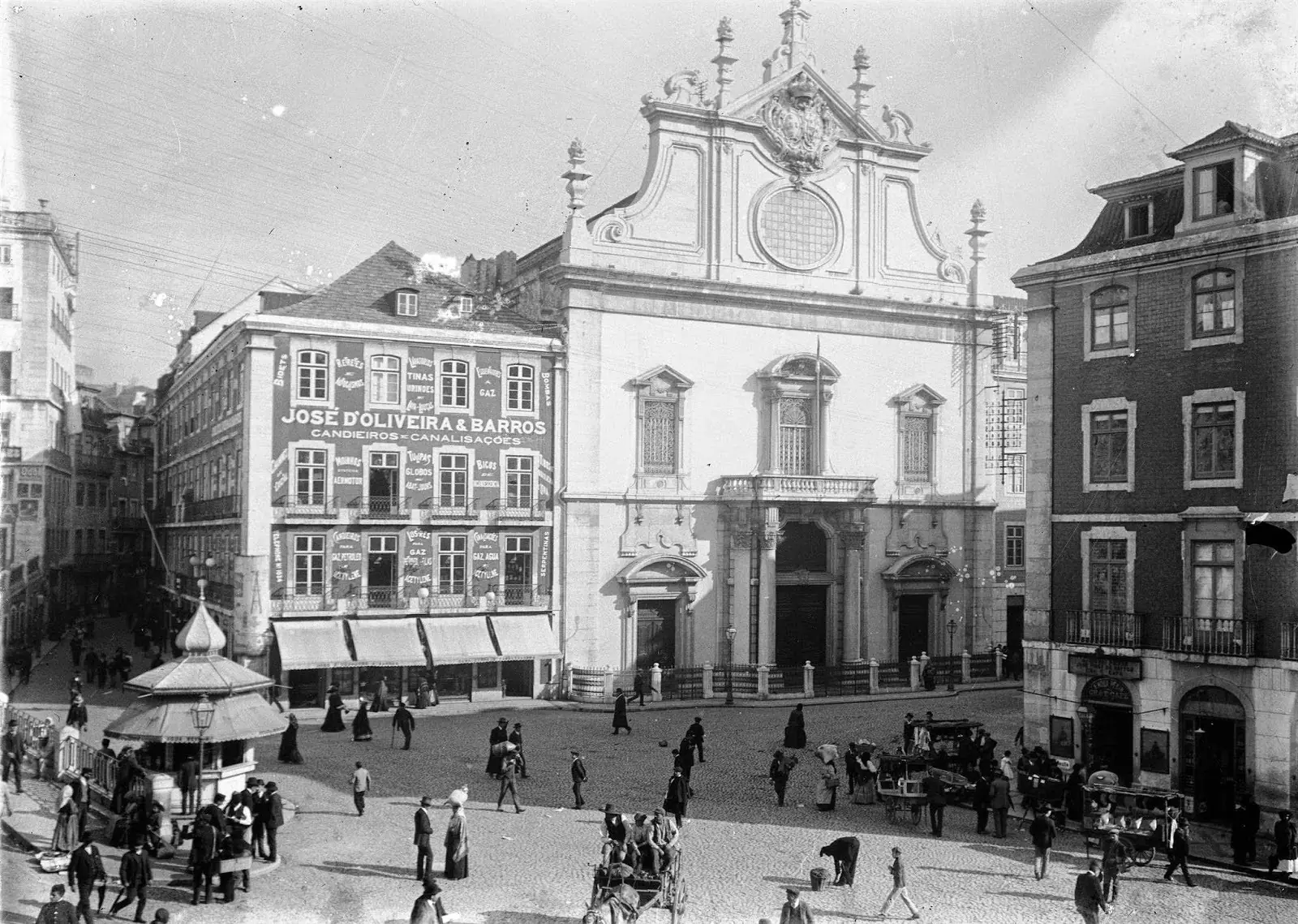
The Church of São Domingos and the square in front of it, in the 1910s. Photograph by Alberto Carlos Lima (Lisbon Municipal Archive).
Alberto Carlos Lima, Public domain
Date: década de 1910
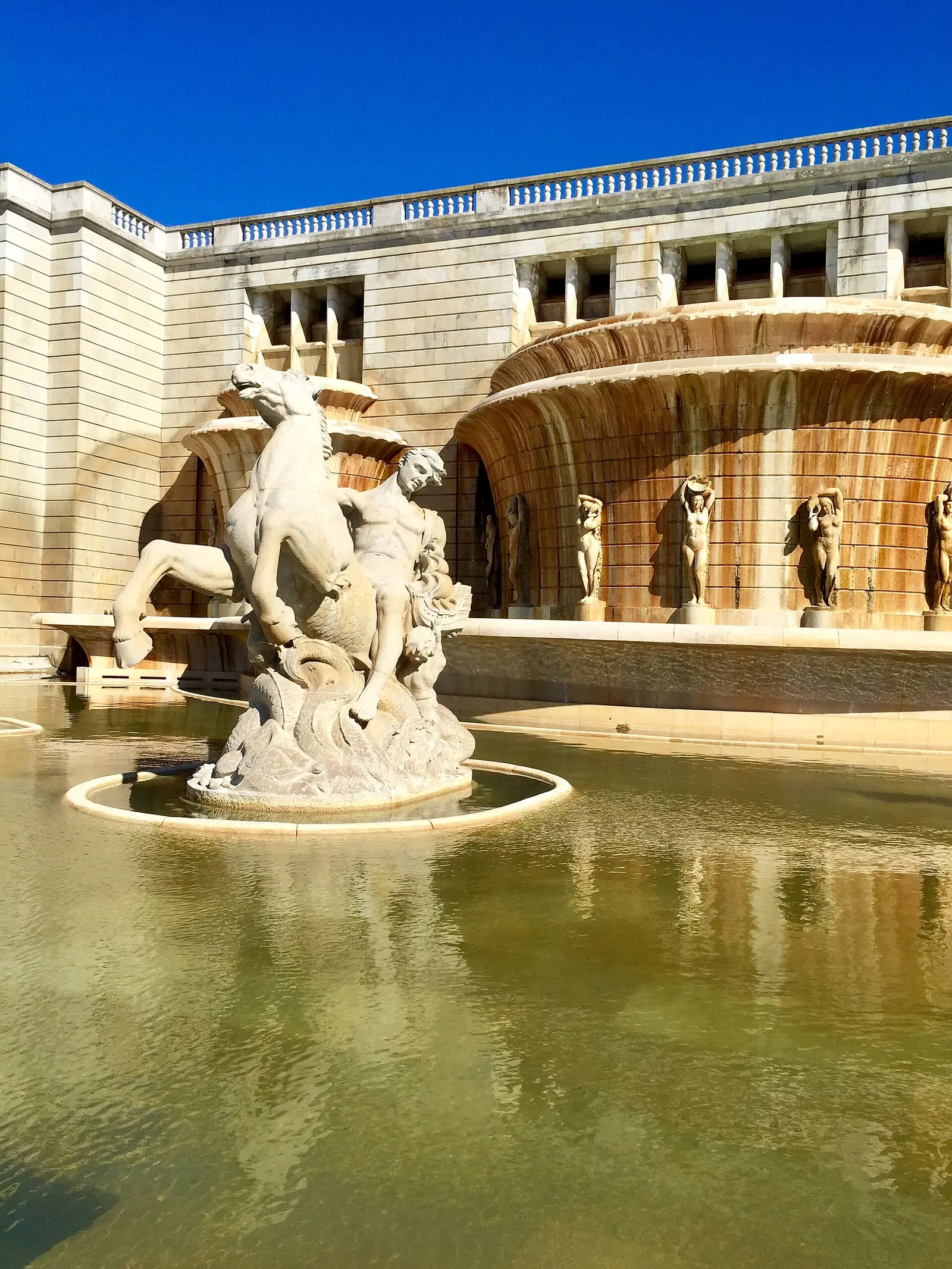
The sculptures of the Fonte Luminosa, at the top of the Alameda D. Afonso Henriques, in 2022.
Date: 2022-02-20
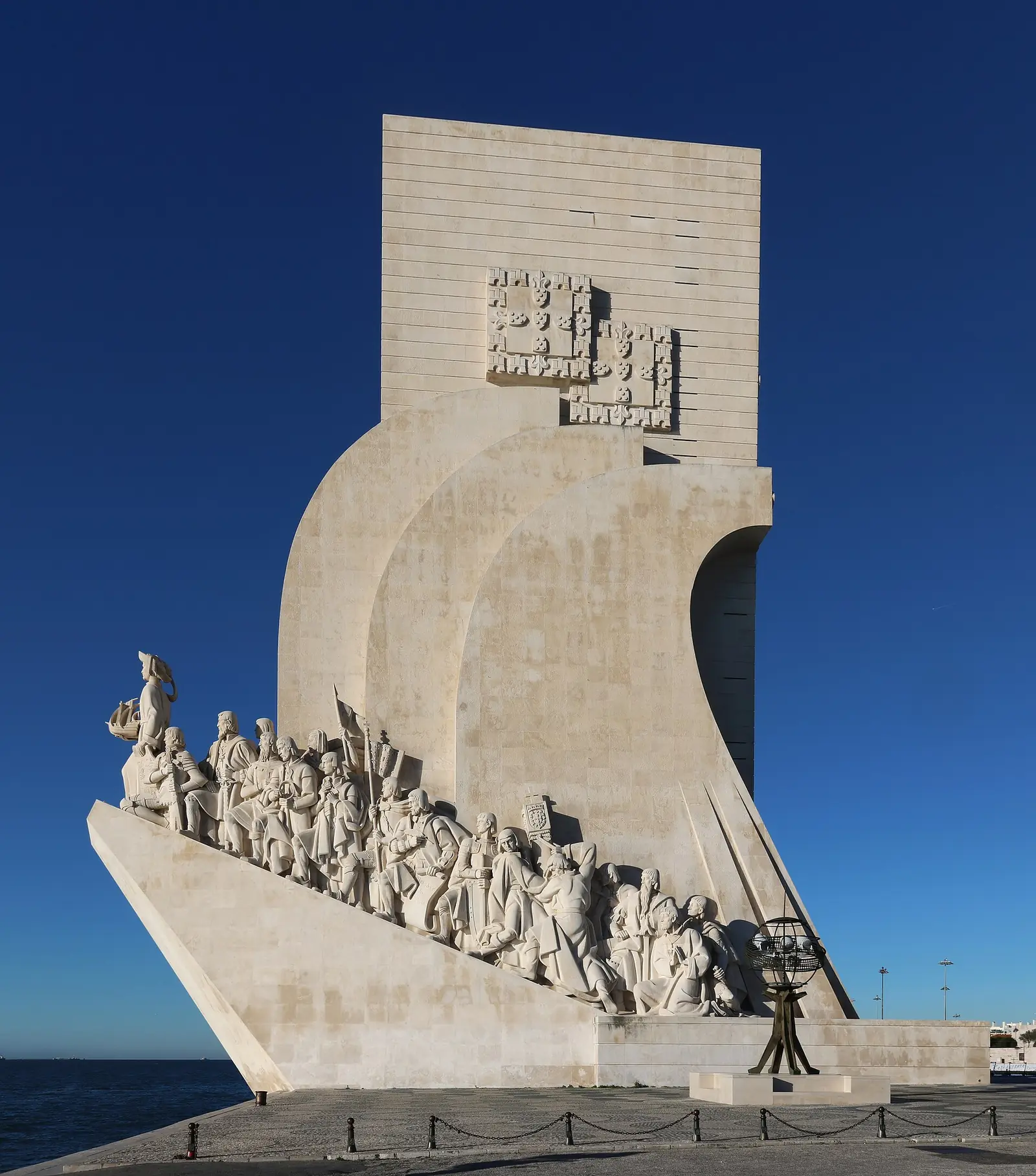
The Padrão dos Descobrimentos (Monument to the Discoveries), the stone one, inaugurated in 1960, on a January morning in 2022.
Date: 2022-01-12
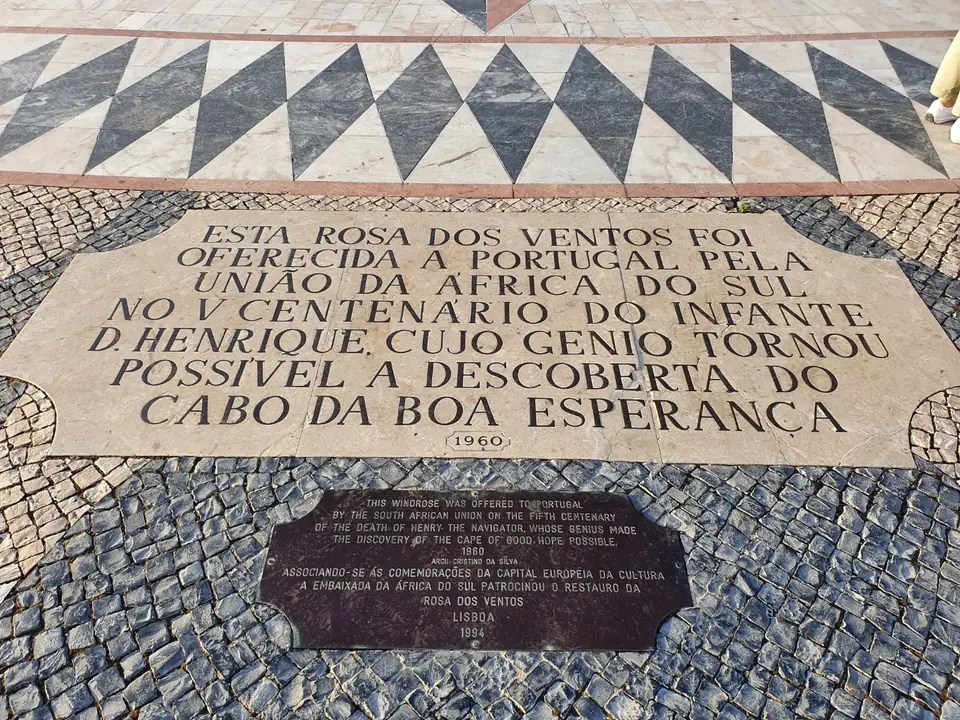
The 1960 inscription next to the compass rose: it was “offered to Portugal by the Union of South Africa”, on the fifth centenary of Prince Henry the Navigator (the infante D. Henrique). Photograph from September 2022.
Date: 2022-09-12
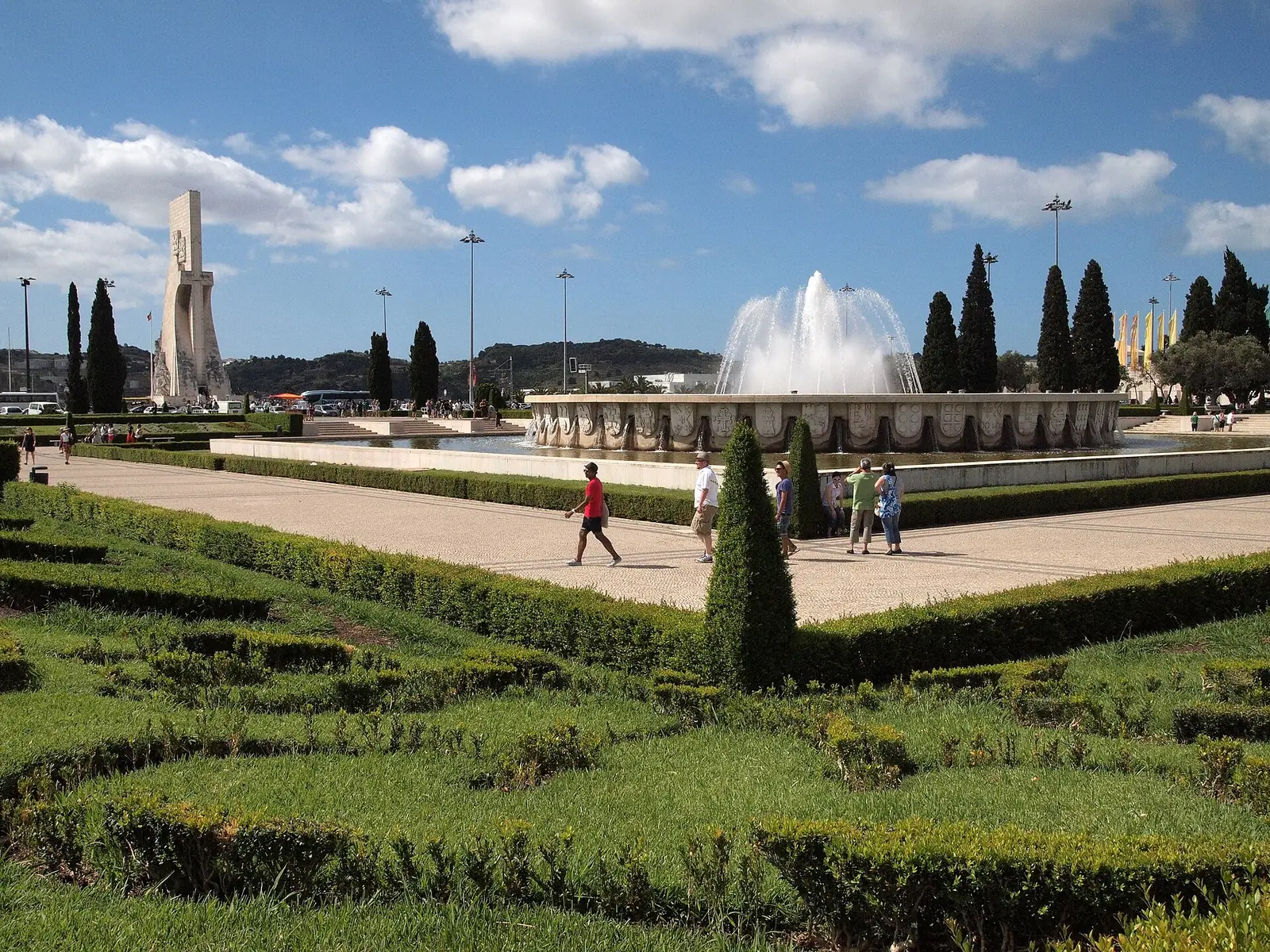
The garden of Praça do Império in August 2012, before the renovation, with the Fonte Monumental in the centre and the Padrão dos Descobrimentos in the background, on the left.
paul Barker Hemings, CC BY-SA 2.0
Date: 2012-08-12
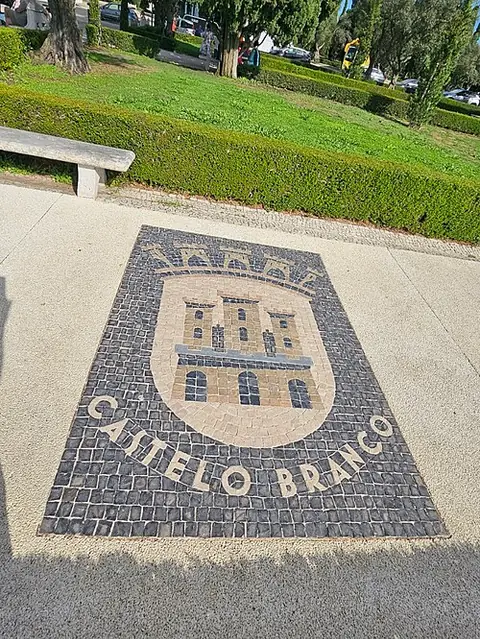
The coat of arms of Castelo Branco, one of those of the district capitals remade in stone mosaic paving (calçada) when the garden was renovated, in October 2023.
Date: 2023-10-14
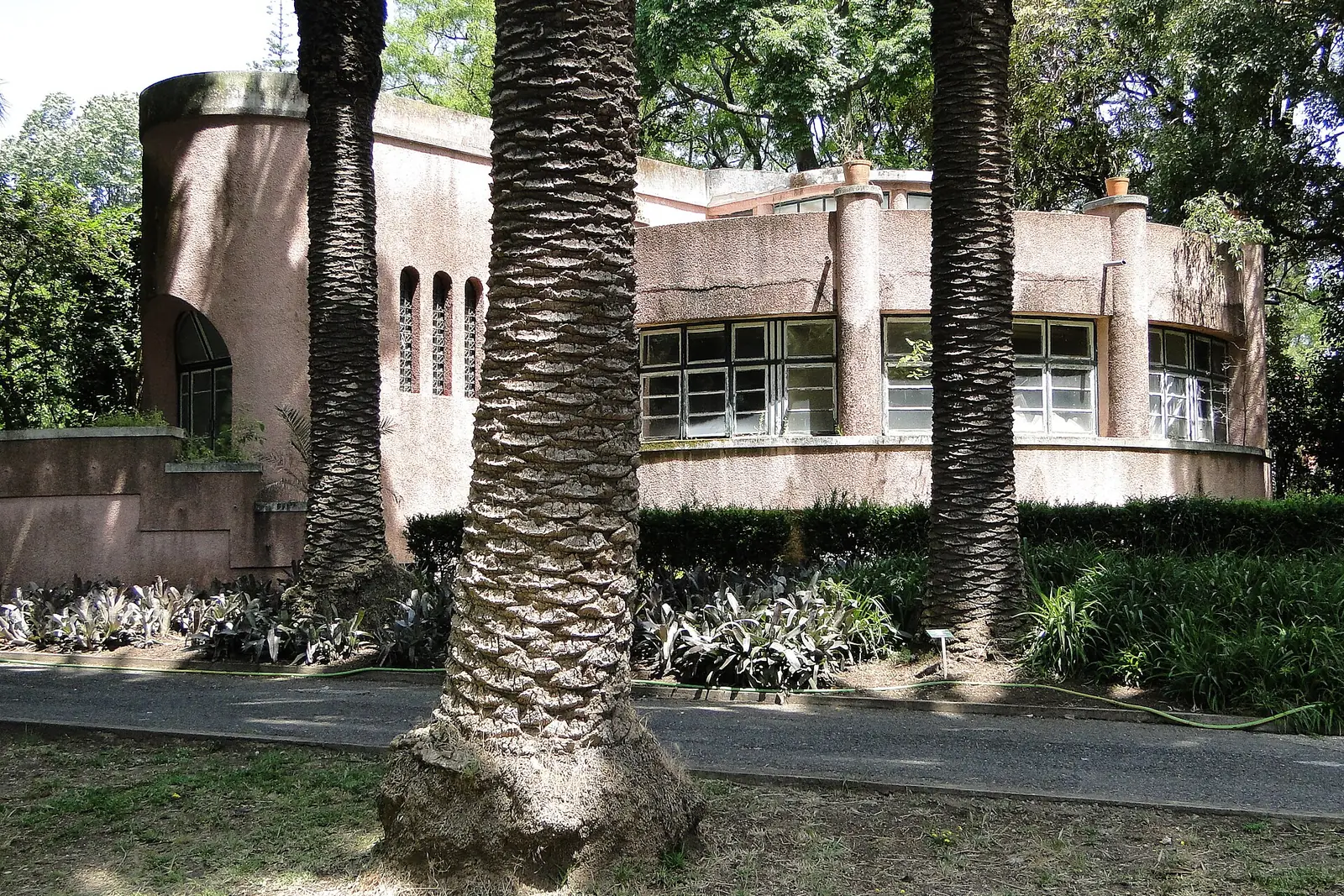
The former Colonial Restaurant of the 1940 exhibition, among palm trees, in the Tropical Botanical Garden, in May 2010.
Date: 2010-05-22
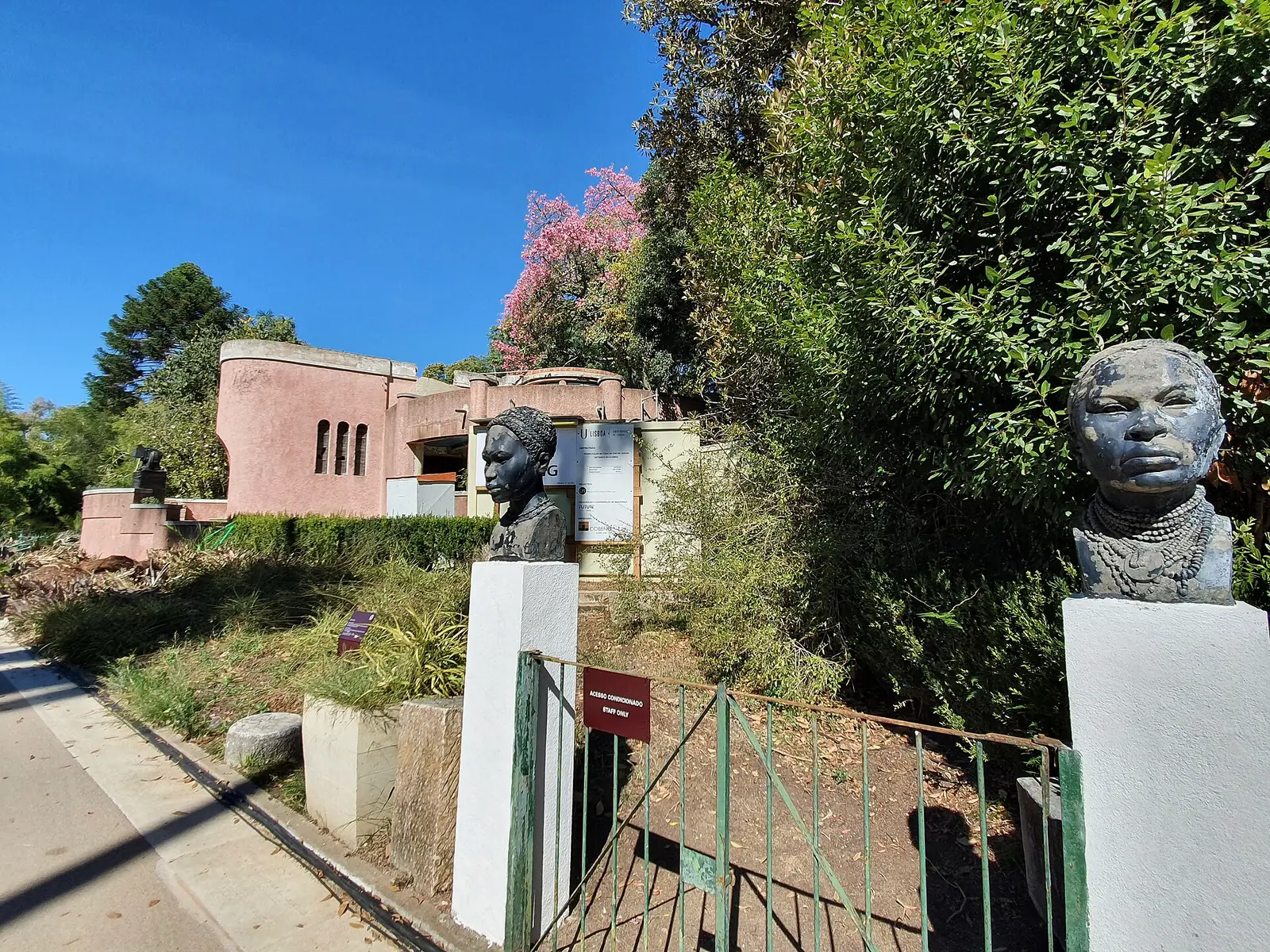
Two of the fourteen busts of African and Asian “types” that Manuel de Oliveira sculpted for the 1940 exhibition, with the former Colonial Restaurant in the background, in October 2020.
Date: 2020-10-12
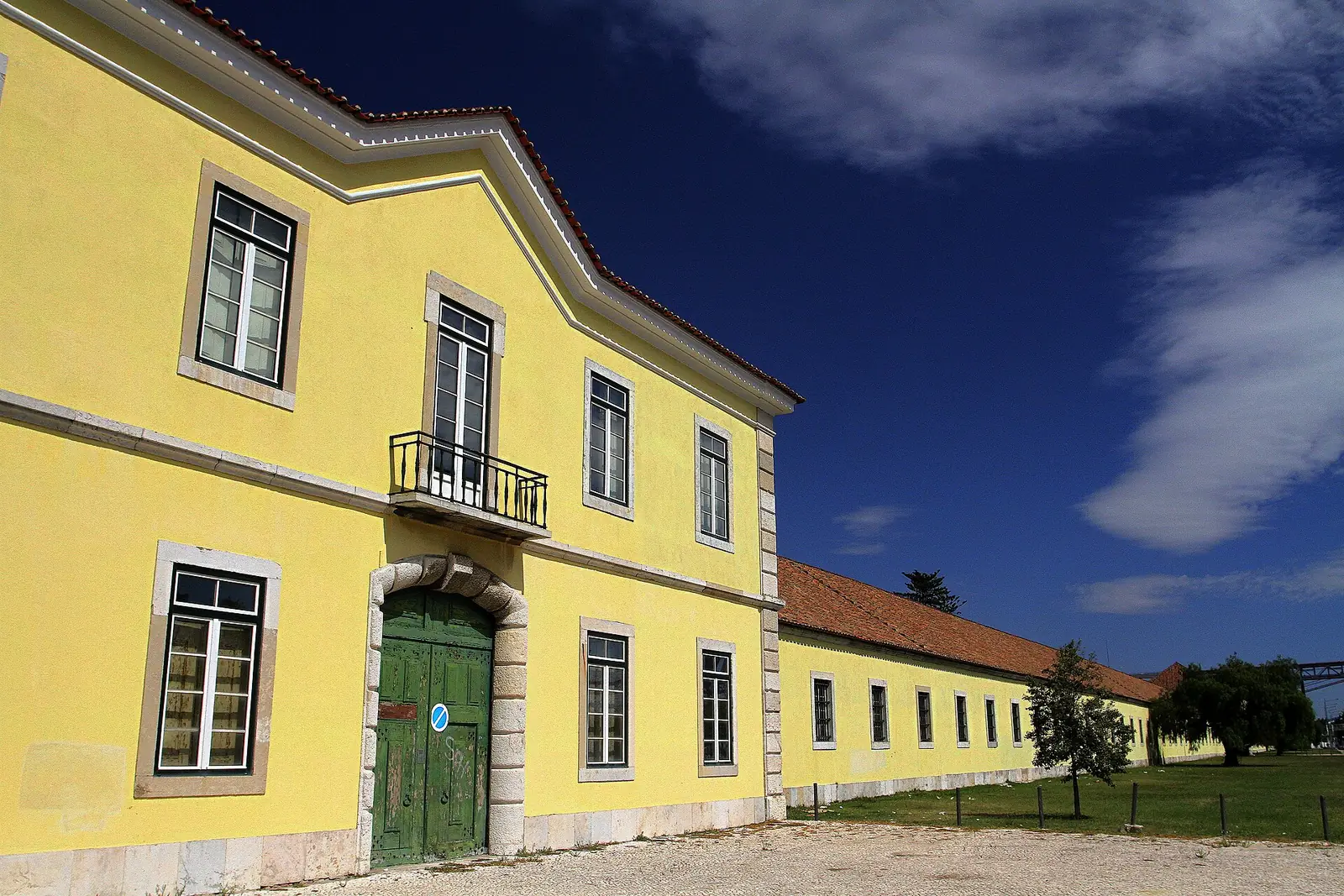
The Cordoaria Nacional in September 2011: a two-storey block and, behind it, the long, low wing of the former Royal Ropeworks (Real Fábrica da Cordoaria).
Date: 2011-09-18
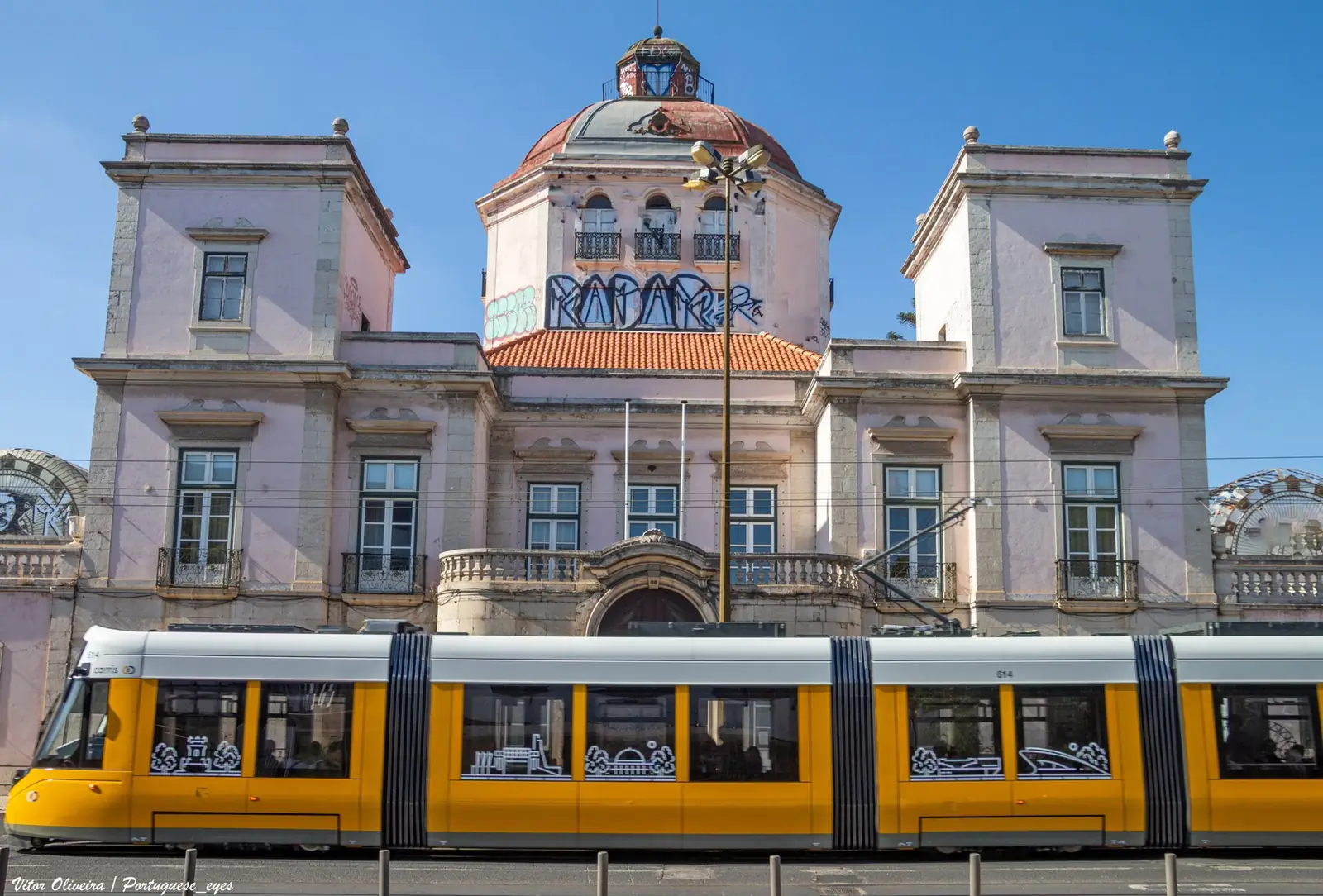
The Palácio Burnay, on Rua da Junqueira, in September 2024: graffiti on the façade and a tram passing.
Date: 2024-09-14
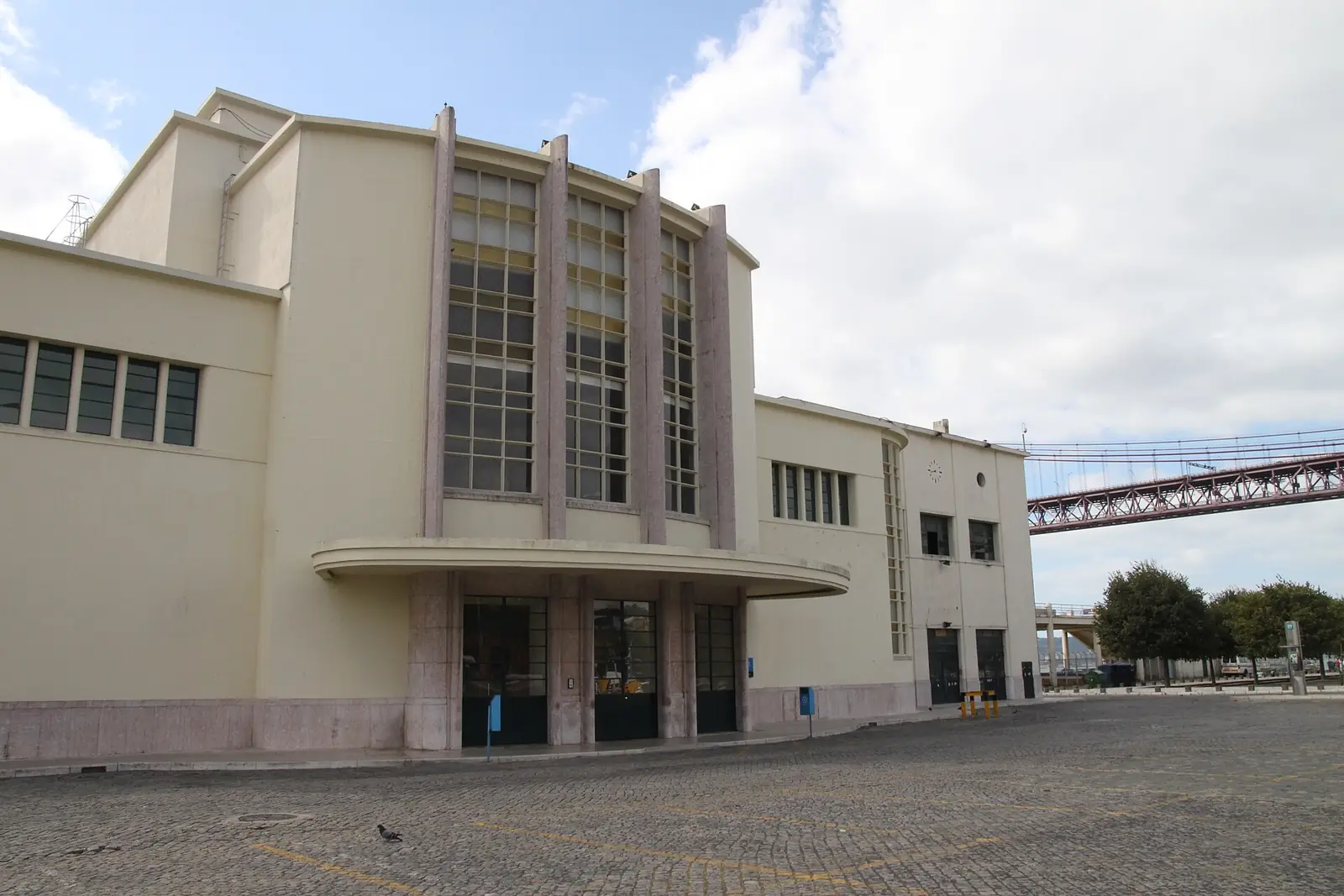
The entrance of the Alcântara Maritime Station, on the land side, in September 2011, with the 25 de Abril Bridge on the right.
Date: 2011-09-23
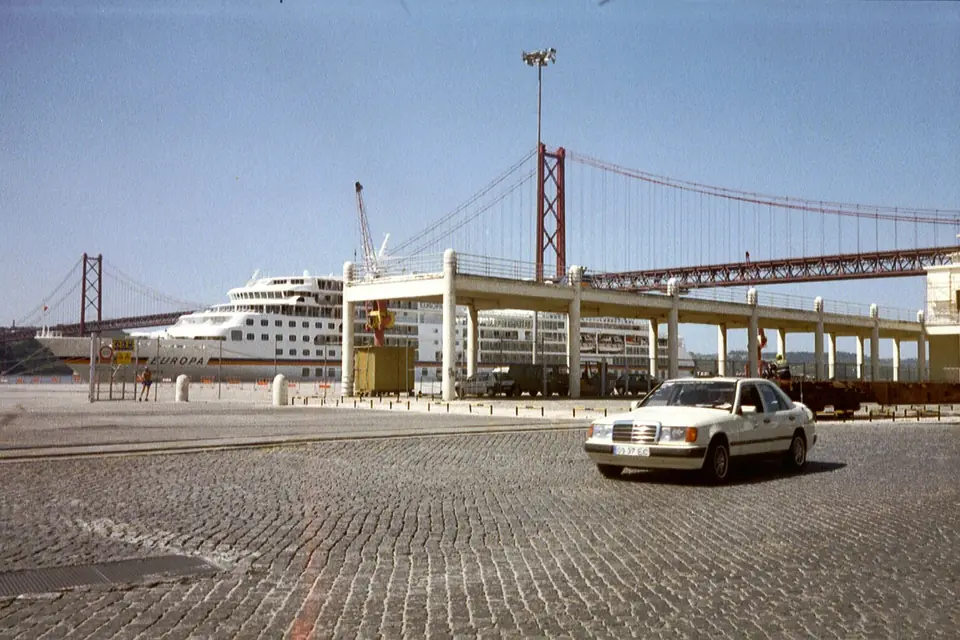
The quay of the maritime station in May 2002, with a liner moored behind the raised walkway and the 25 de Abril Bridge in the background.
Date: 2002-05-19
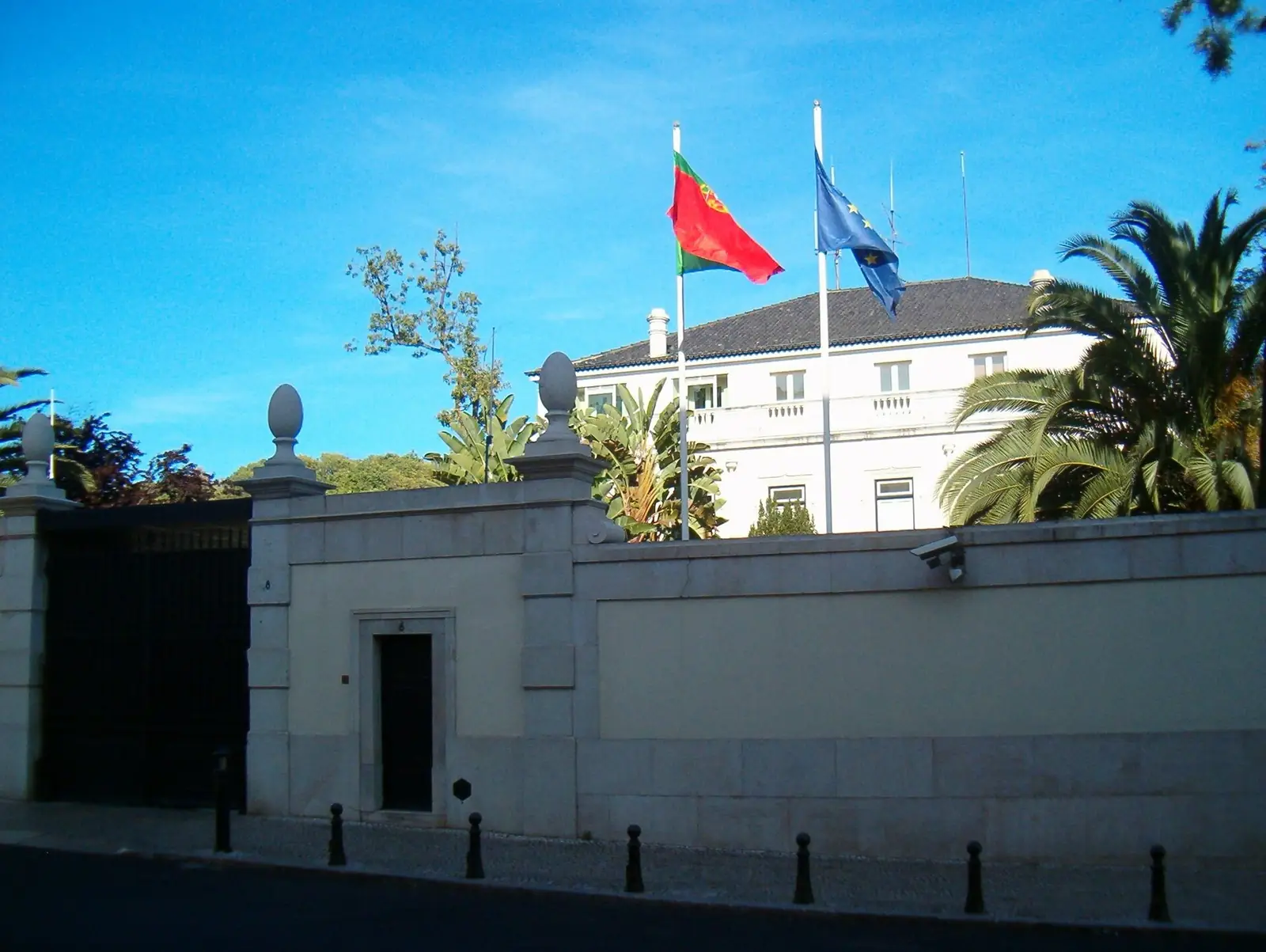
The Palacete de São Bento, official residence of the prime minister, seen from the street, behind the wall.
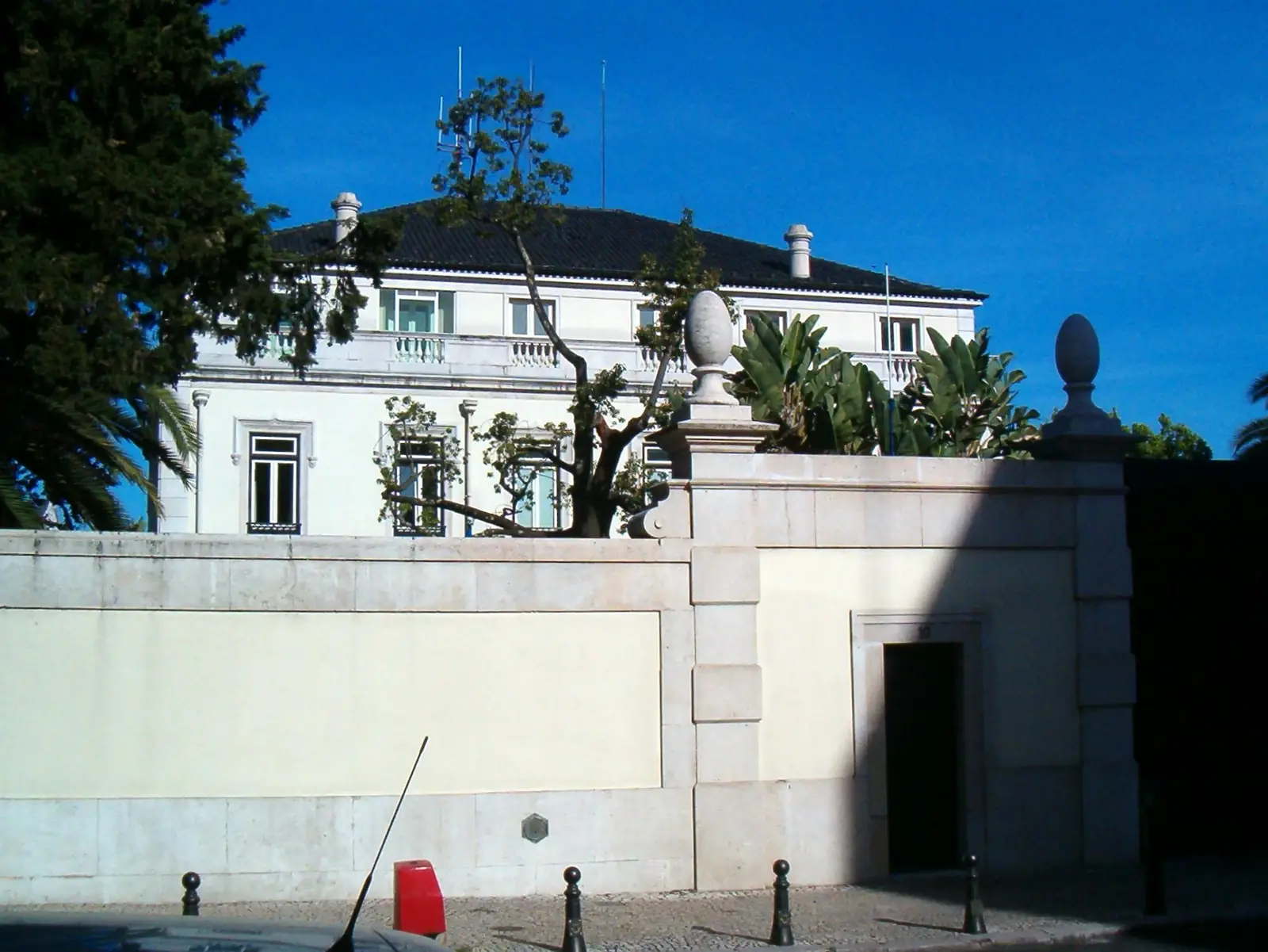
The Palacete de São Bento, behind the Palácio de São Bento, half hidden by the trees of the park.
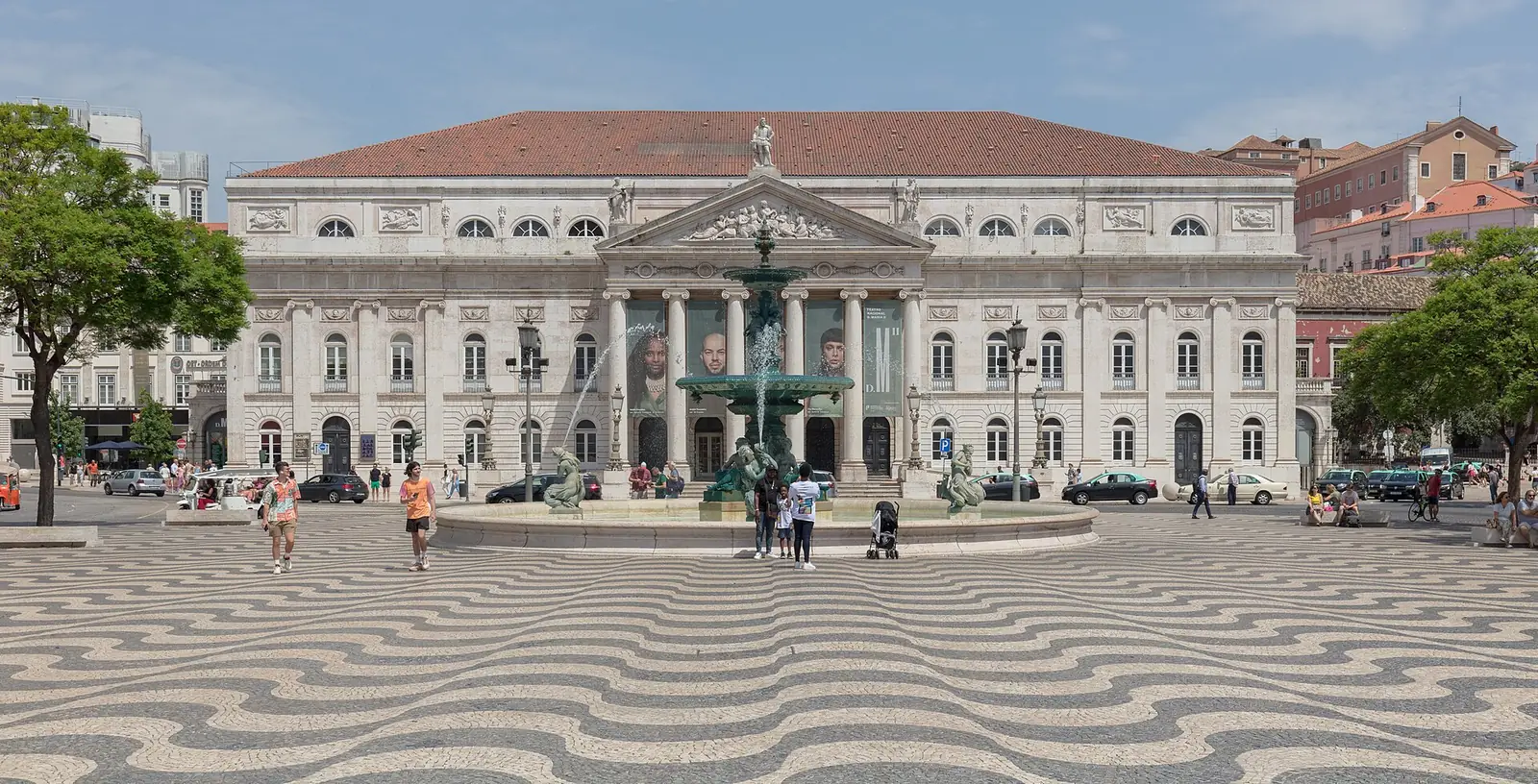
The D. Maria II National Theatre, at the north end of the Rossio, in July 2022.
Date: 2022-07-24
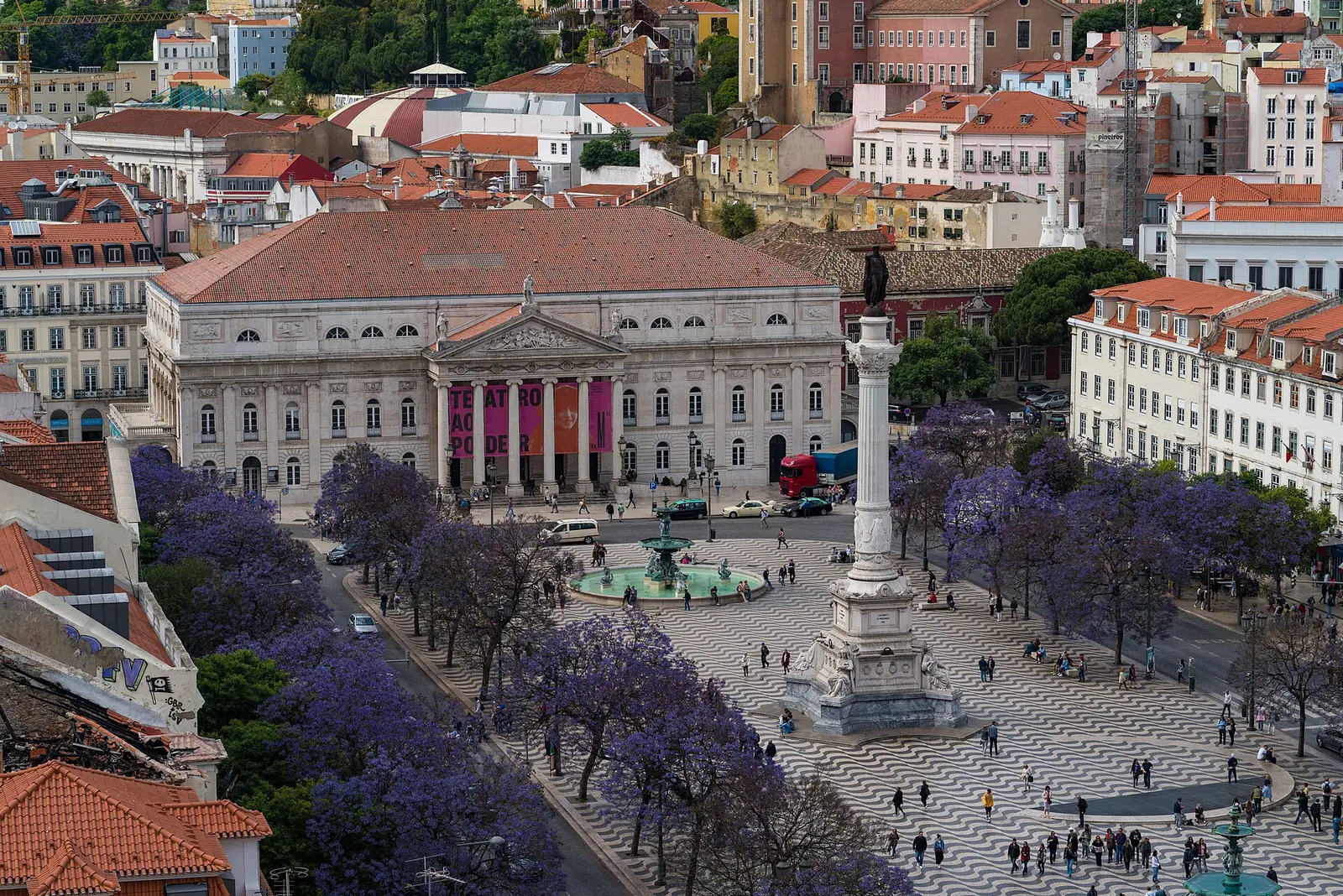
The Rossio seen from above, with the D. Maria II National Theatre in the background, in May 2018.
Date: 2018-05-29
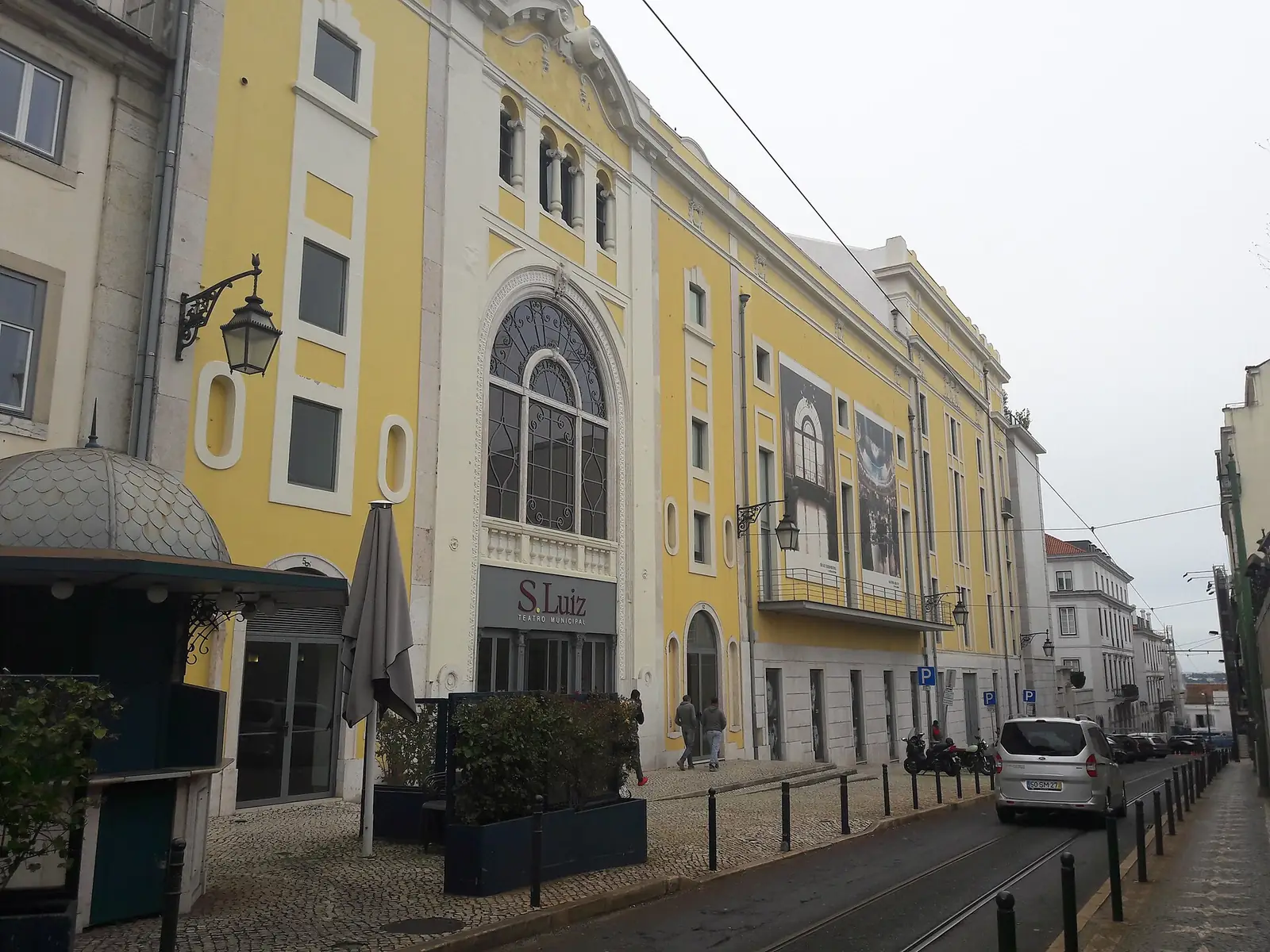
The façade of the São Luiz Theatre, on Rua António Maria Cardoso, in the Chiado, in March 2018.
Date: 2018-03-07
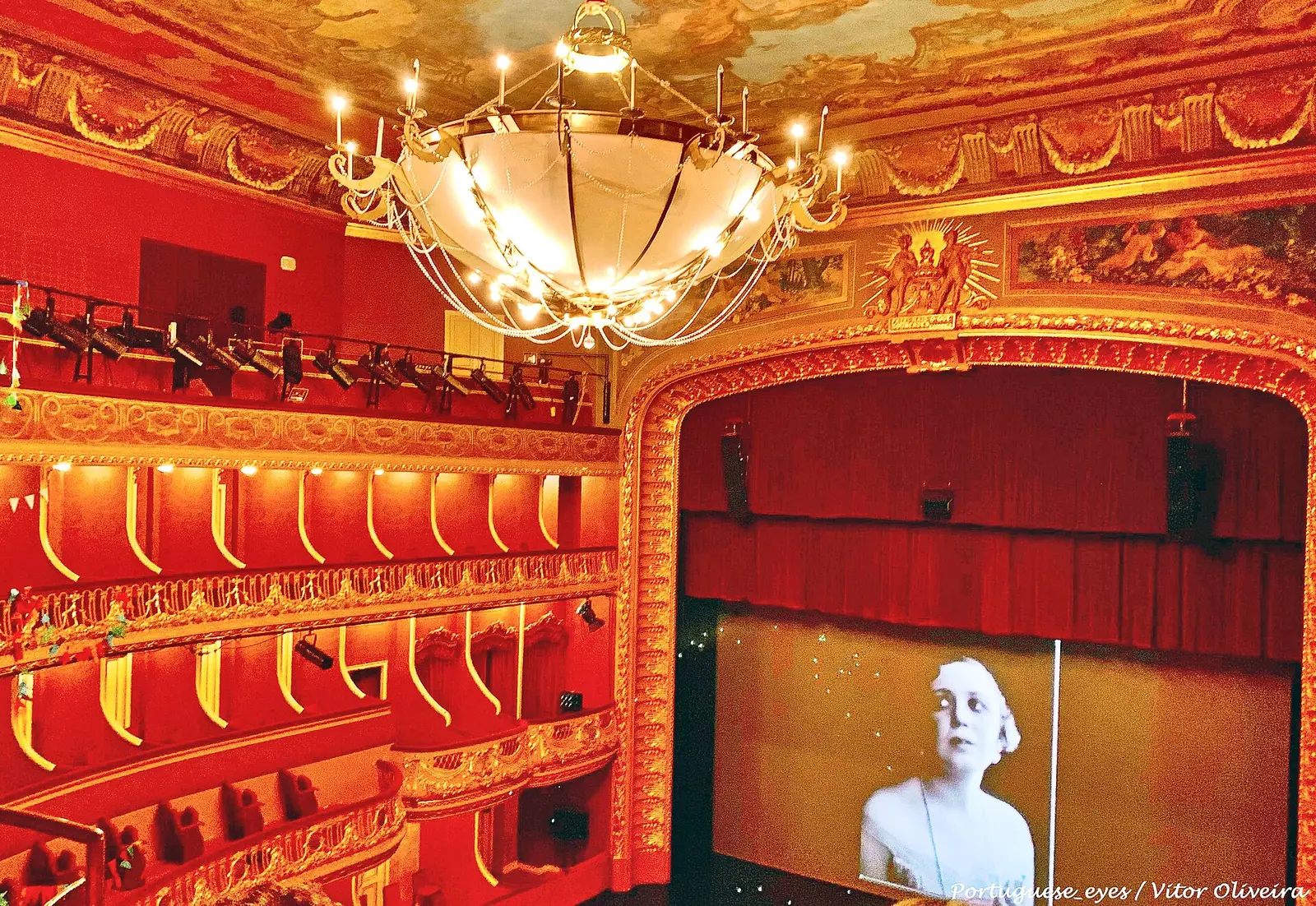
The main auditorium of the São Luiz Theatre, in the Italian style, in October 2020.
Date: 2020-10-04
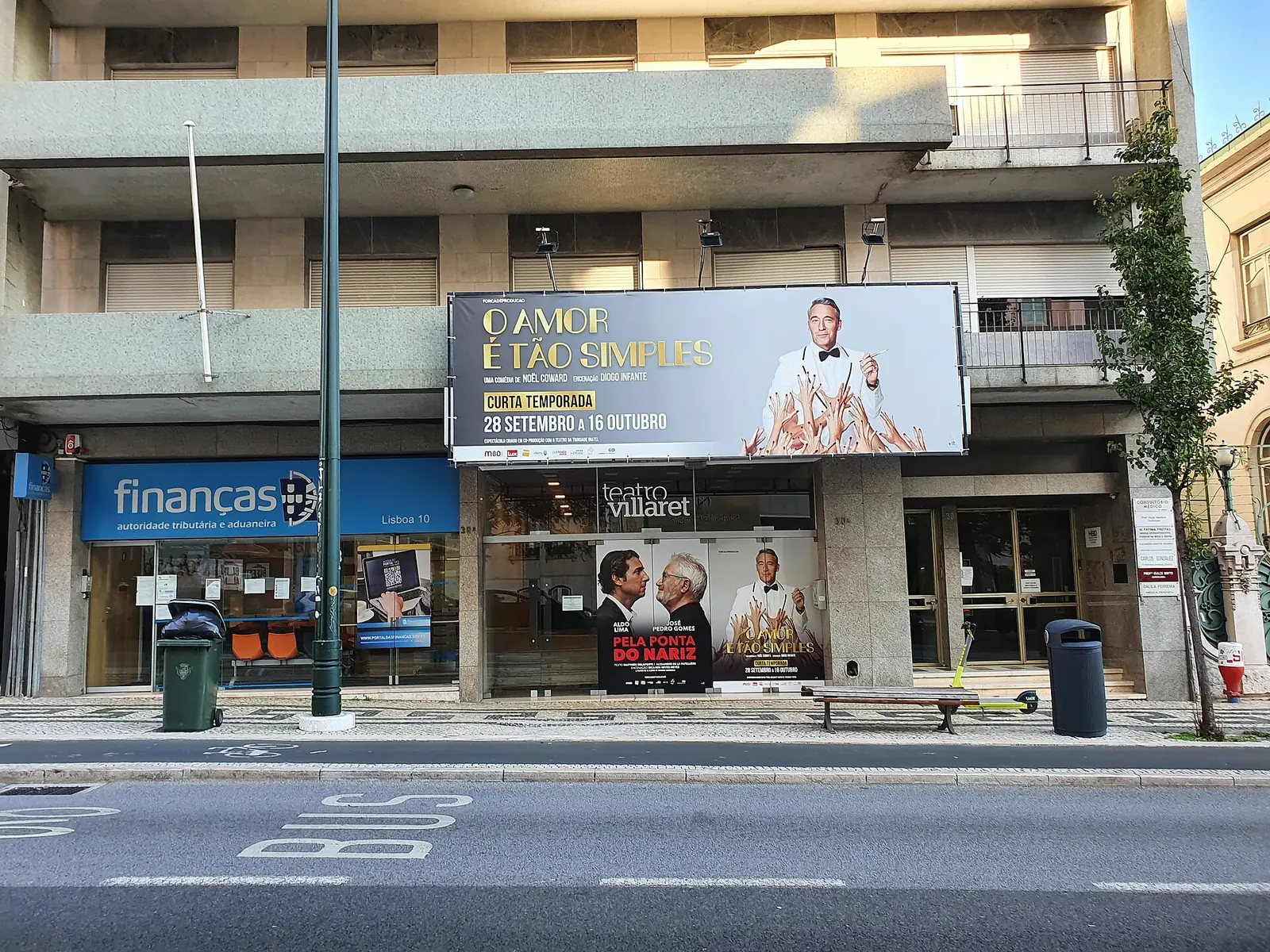
The entrance to the Villaret Theatre, on the ground floor of a building on Avenida Fontes Pereira de Melo, in October 2022.
Date: 2022-10
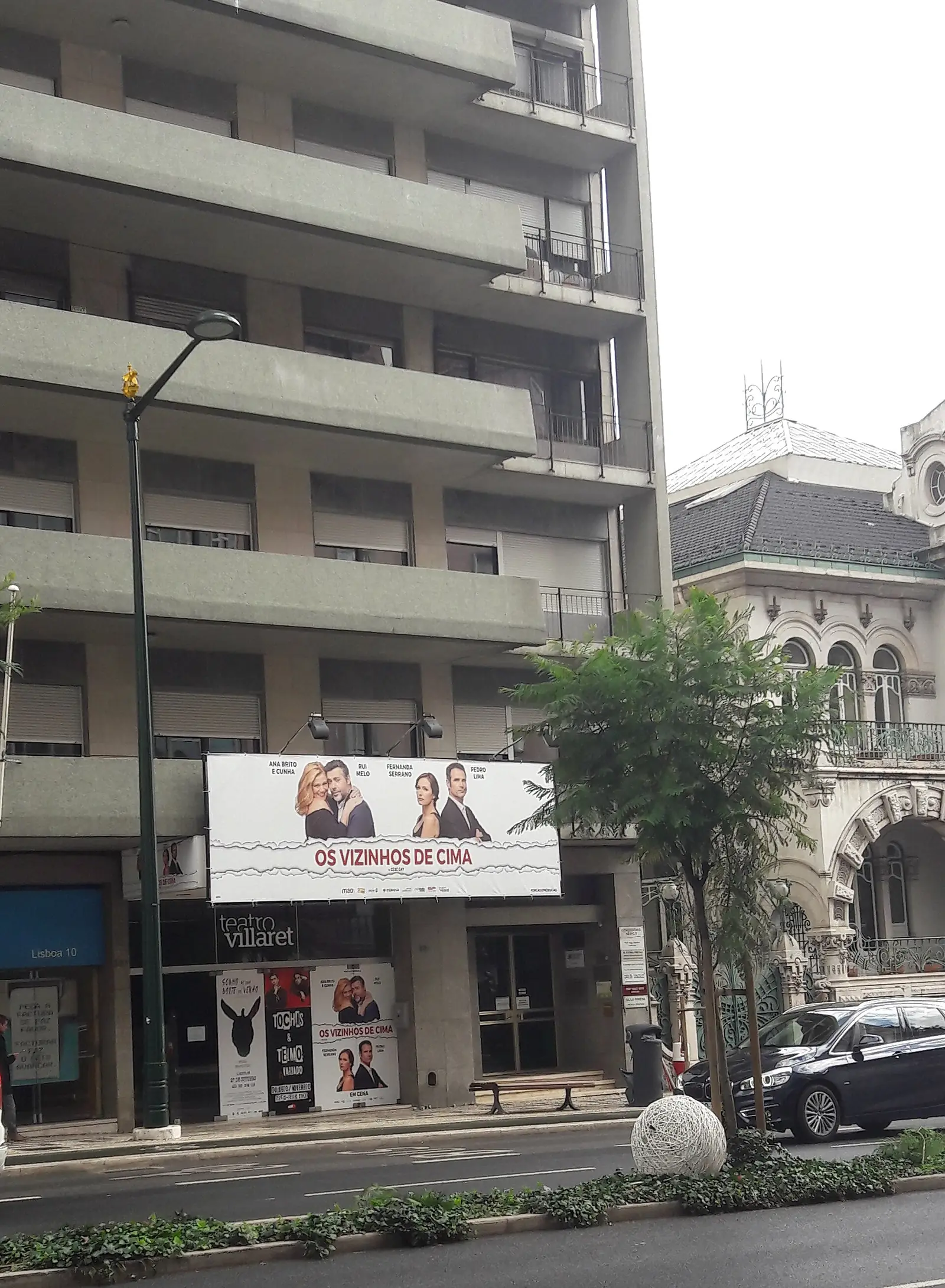
The building on Avenida Fontes Pereira de Melo that houses the Villaret Theatre, in November 2018.
Date: 2018-11-08
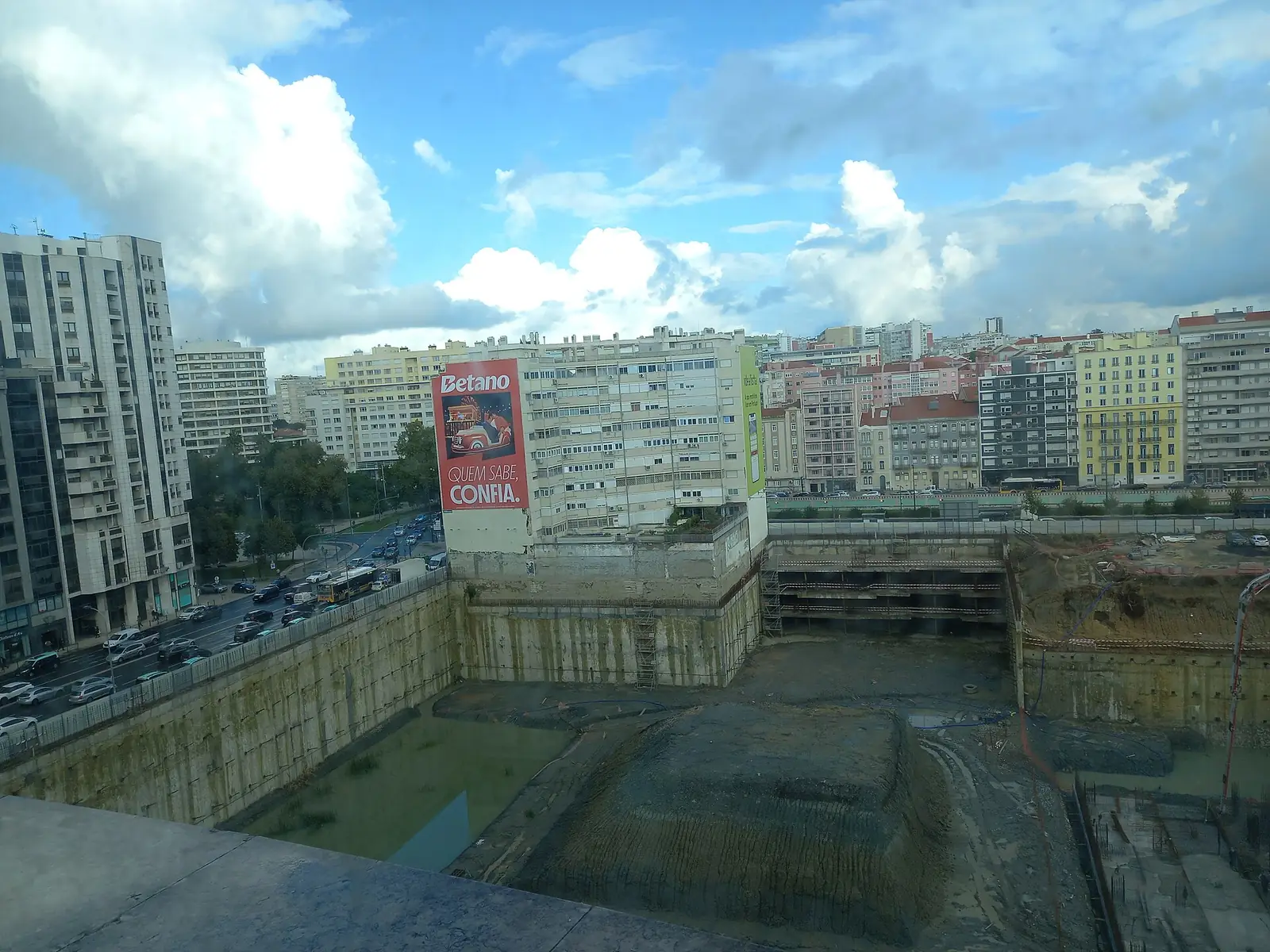
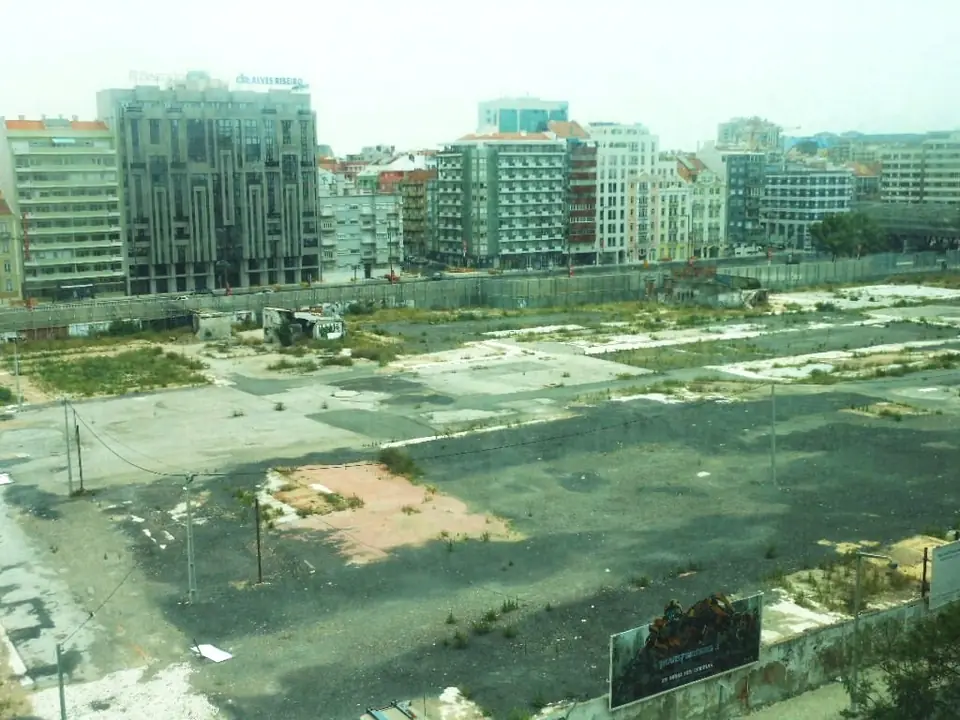
The empty site of the former Feira Popular funfair, in Entrecampos, in June 2011, eight years after the Feira closed.
Date: 2011-06-26
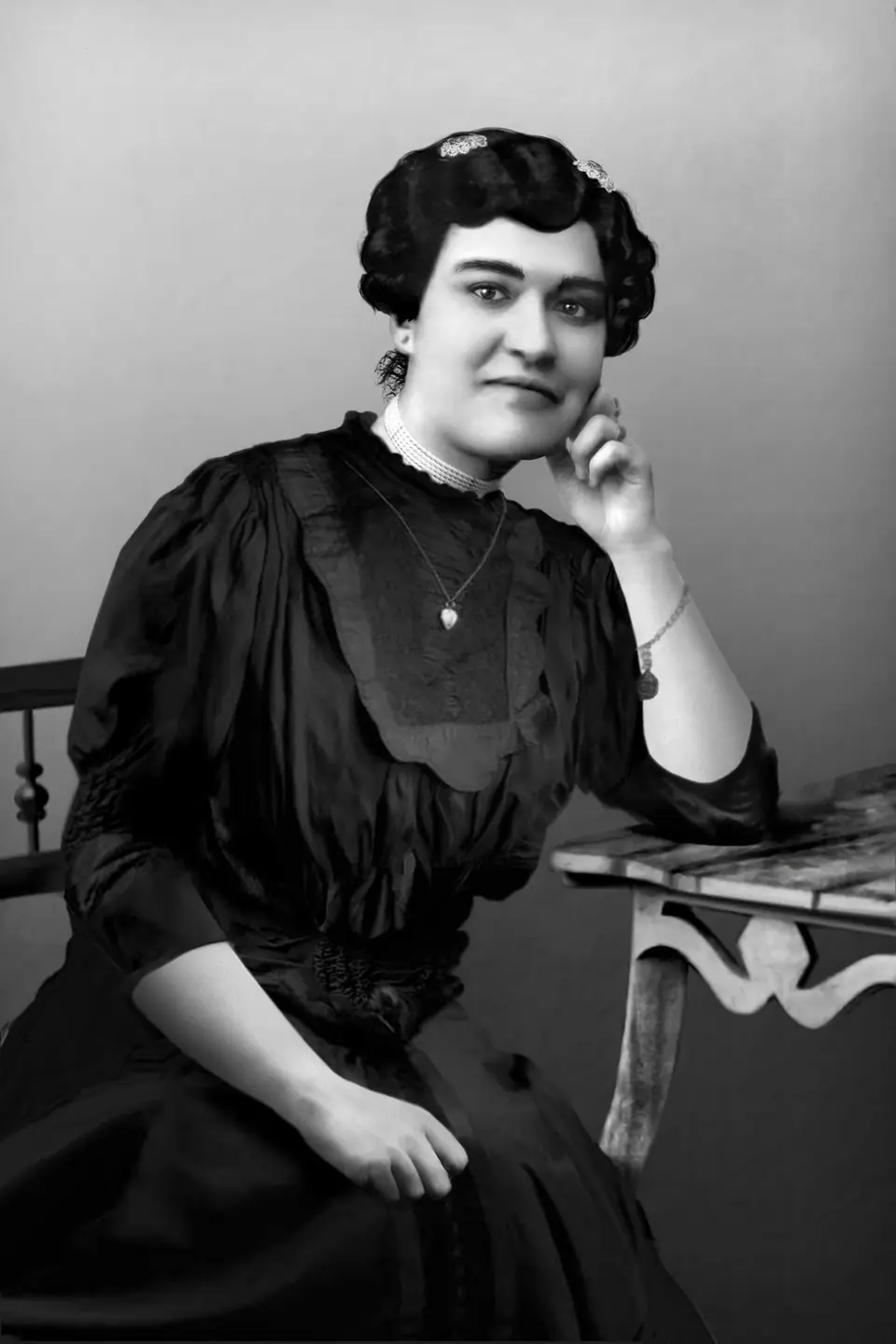
Carolina Beatriz Ângelo, doctor and suffragist, in a photograph from before 1911.
Autor desconhecido (restauro de João Pena Fonseca para o Museu da Guarda), Public domain
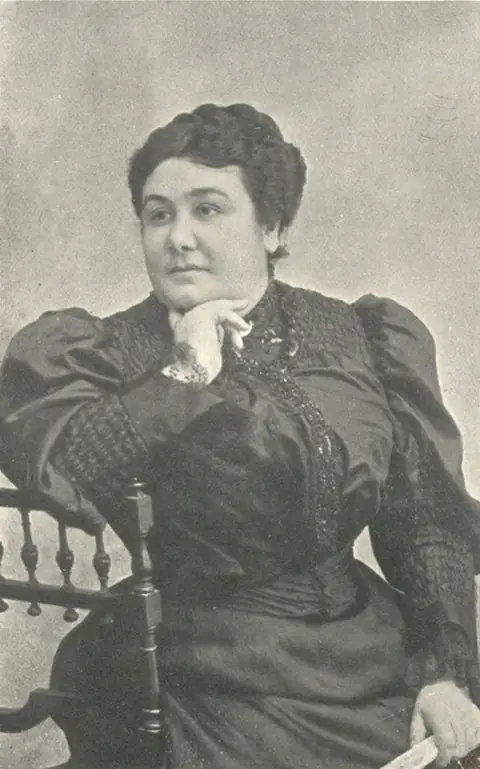
Adelaide Cabete in the “Album Republicano” (Republican Album), published in 1908.
Autor desconhecido, Public domain
Date: 1908
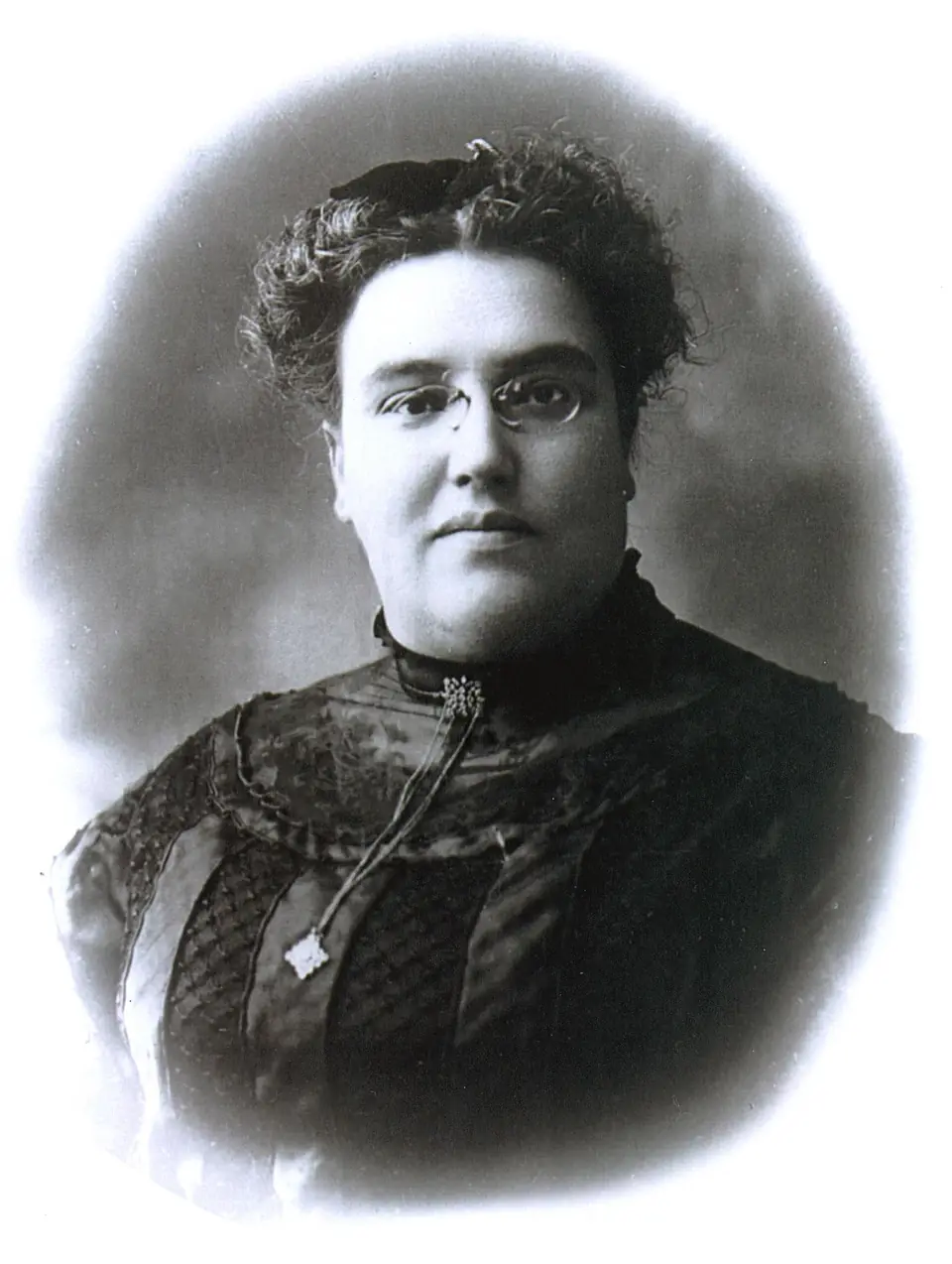
Ana de Castro Osório in a 1913 portrait, from the archive of the Museum of the Presidency of the Republic.
Autor desconhecido, Public domain
Date: 1913

Maria de Lourdes Pintasilgo at a press conference in Amsterdam, on 7 November 1986.
Roland Gerrits / Anefo, CC BY-SA 3.0 NL
Date: 1986-11-07

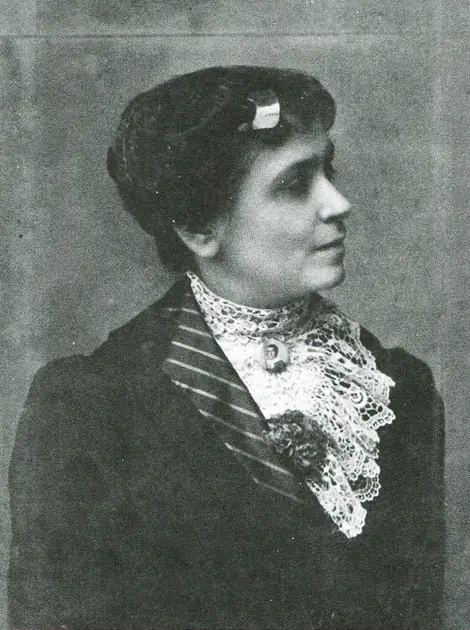
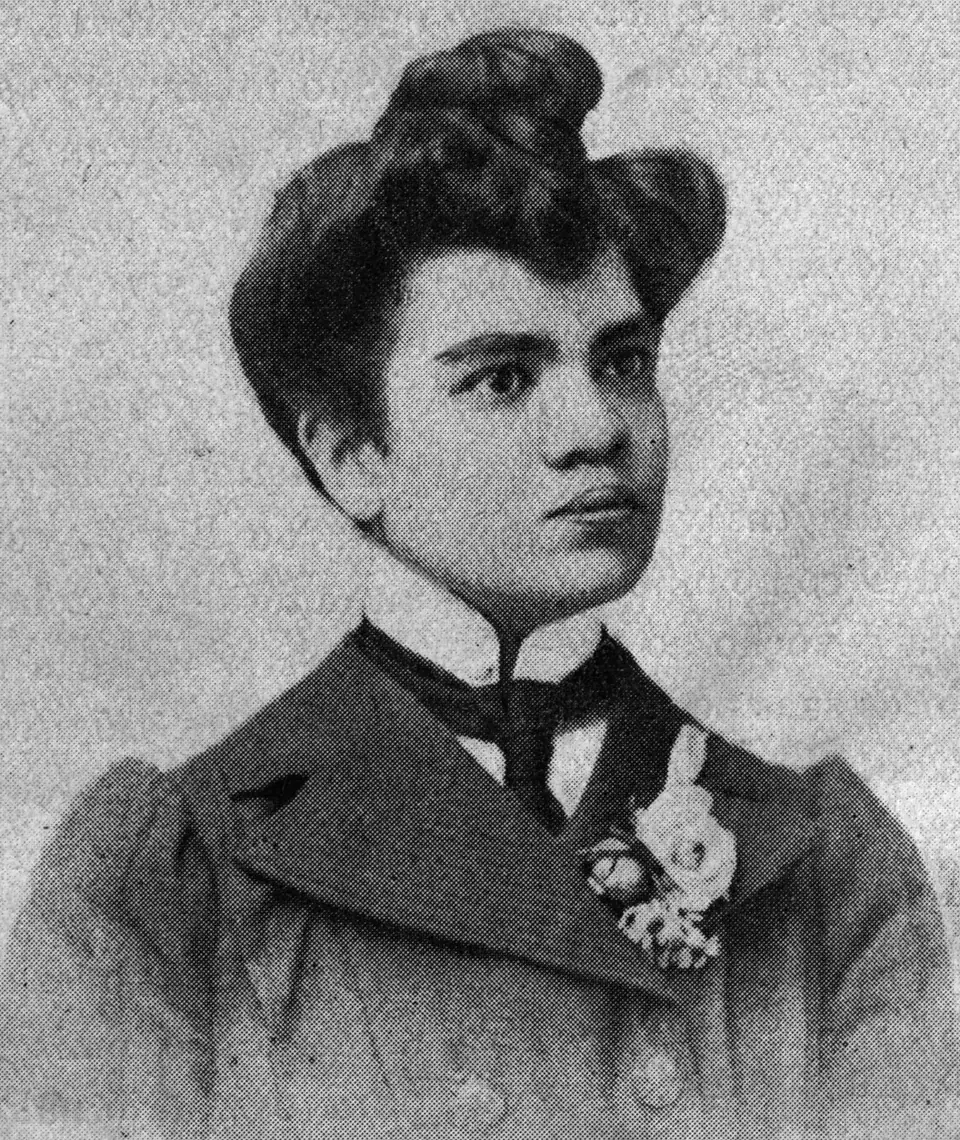
Virgínia Quaresma in a photograph from January 1909.
Autor desconhecido, Public domain
Date: 1909-01-22

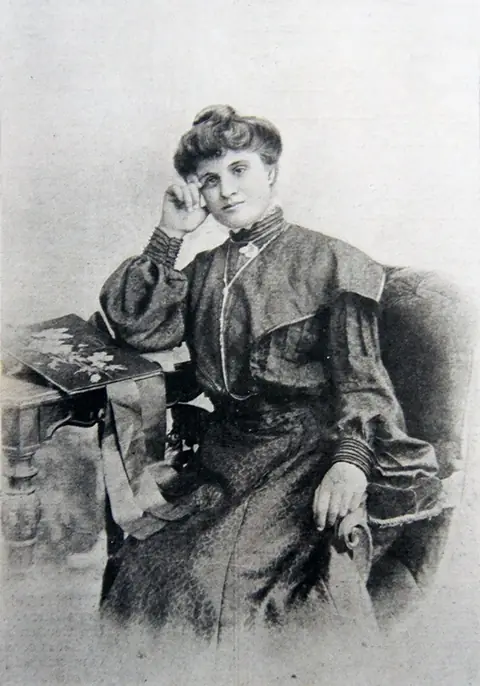
Domitila de Carvalho in a photograph from the late 19th century.
Autor desconhecido, Public domain
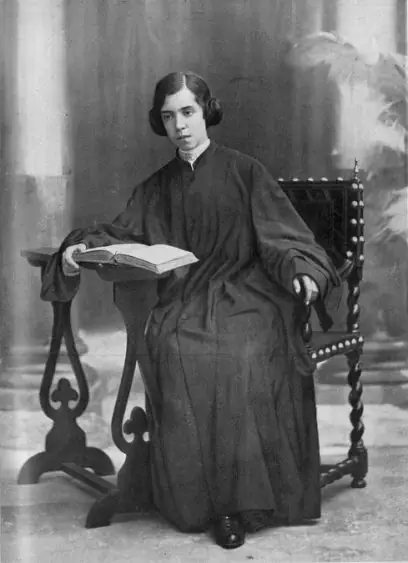
Regina Quintanilha in a gown, in a photograph from the 1910s.
Autor desconhecido, Public domain
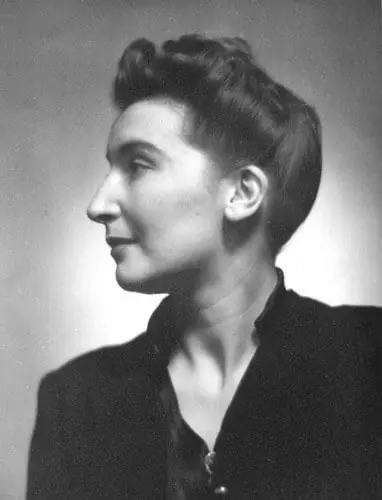
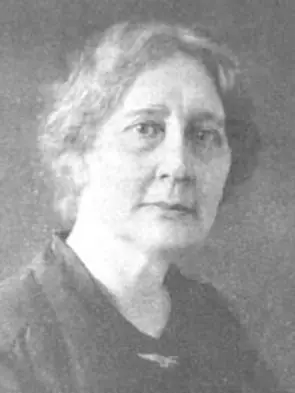
Alice Pestana in a photograph from about 1910.
Autor desconhecido, Public domain
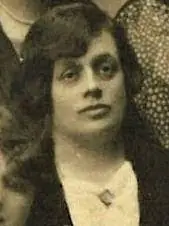
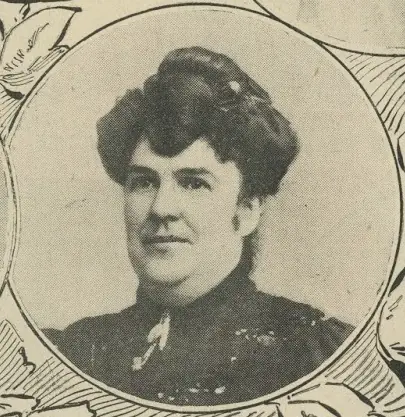
Maria Clara Correia Alves in the newspaper “O Século”, on 12 May 1910.
Autor desconhecido («O Século»), Public domain
Date: 1910-05-12
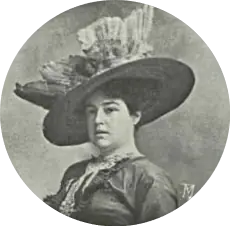
Maria O'Neill in the magazine “Brasil-Portugal”, on 16 August 1912.
Autor desconhecido, Public domain
Date: 1912-08-16
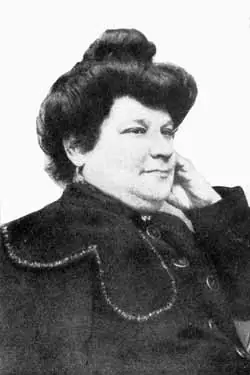
Angelina Vidal in an old photograph, of unknown date.
Autor desconhecido, Public domain
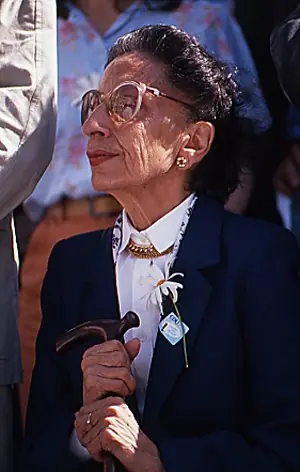
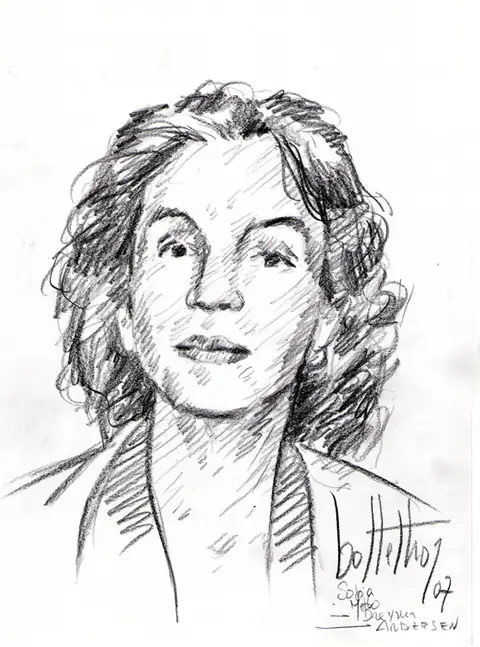
Sophia de Mello Breyner Andresen in a charcoal portrait by Bottelho.
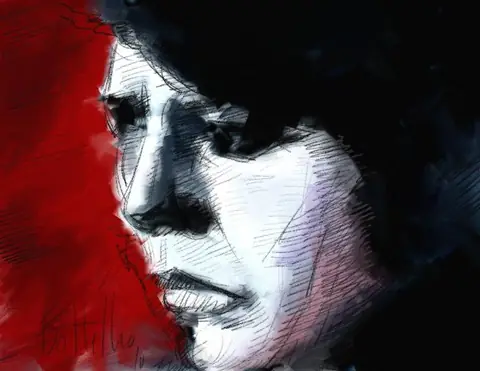
Natália Correia in a portrait painted by Bottelho in 2010.
Bottelho (Carlos Botelho), CC BY-SA 2.0
Date: 2010
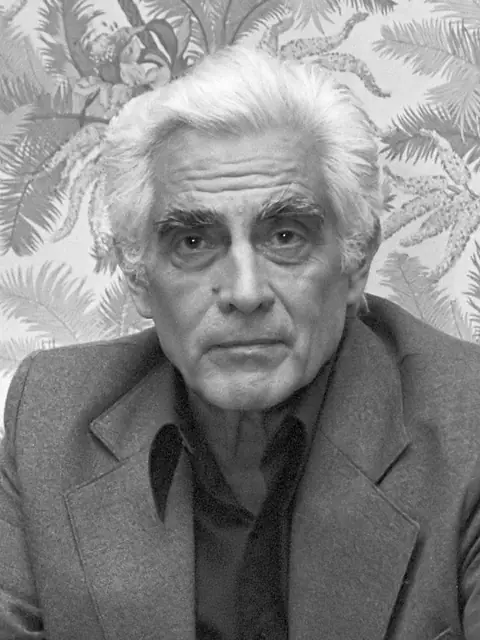
Álvaro Cunhal at a press conference in Amsterdam, on 17 April 1980.
Fernando Pereira / Anefo, CC0 1.0
Date: 1980-04-17
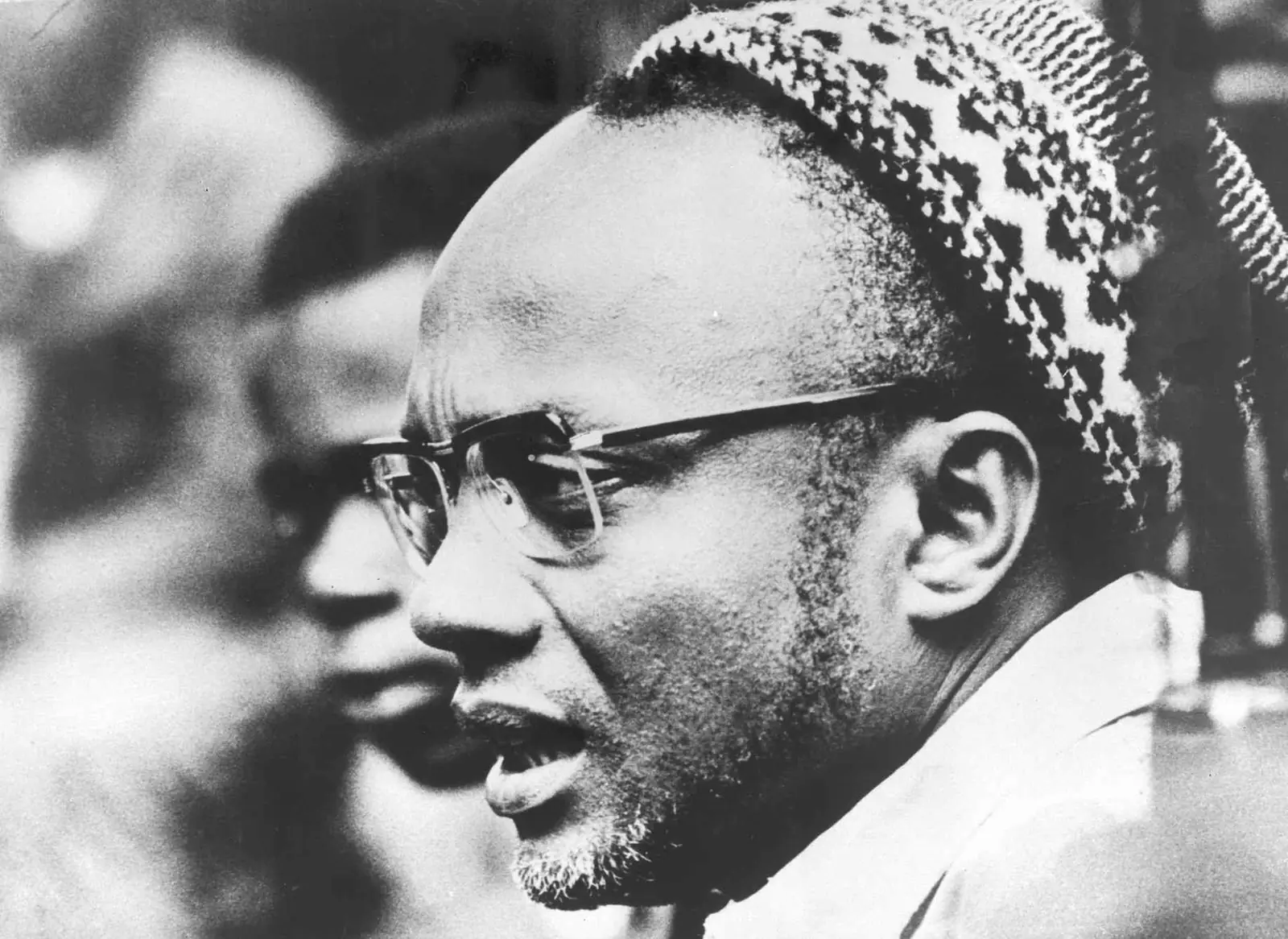
Amílcar Cabral wearing the sumbia, the traditional cap, in February 1964 — probably at the Cassacá Congress.
Autor desconhecido, Public domain
Date: 1964-02
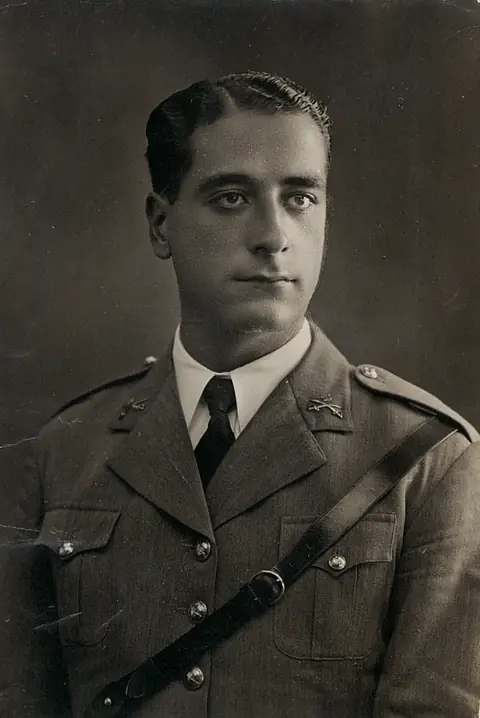
Francisco da Costa Gomes as a young officer, in a photograph from the 1940s.
Autor desconhecido, Public domain
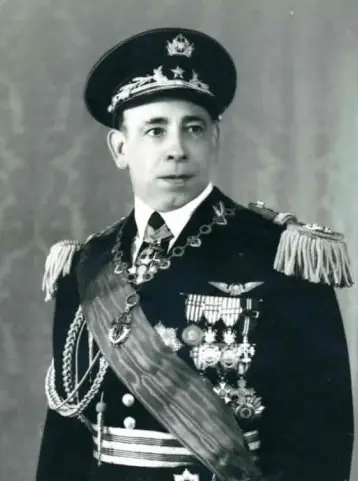
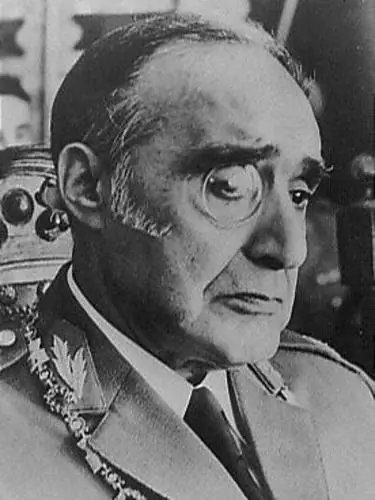
General Humberto Delgado in full-dress uniform, in a photograph from before 1965.
Autor desconhecido, Public domain
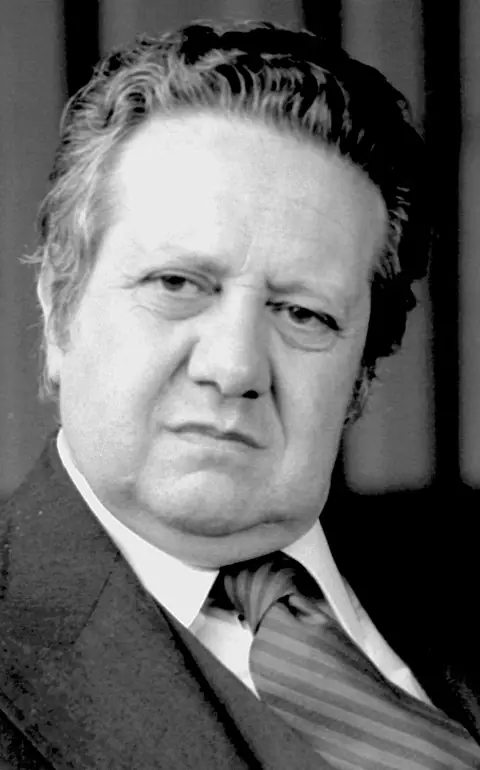
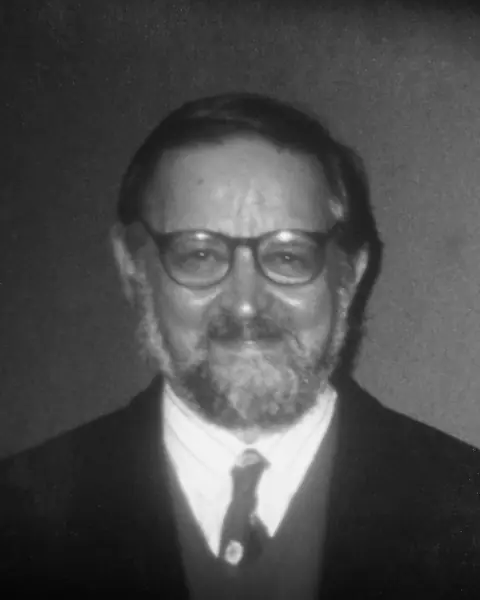
Nuno Teotónio Pereira in a photograph from the 1990s.
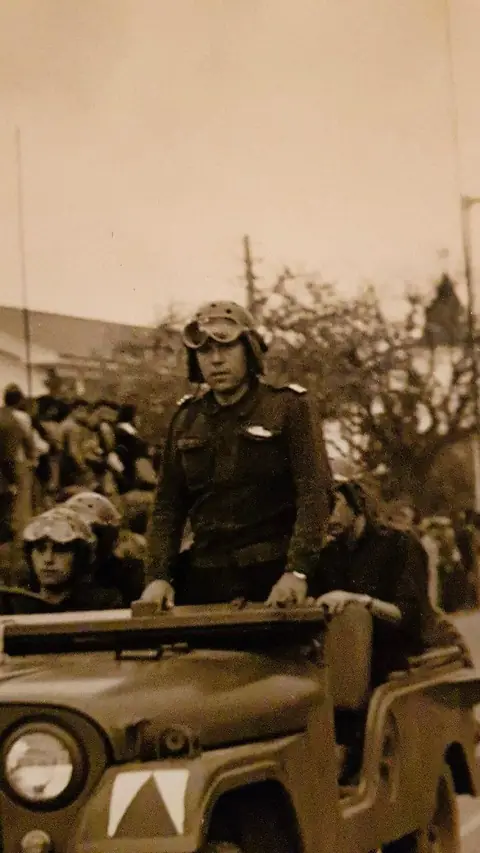
Salgueiro Maia at a parade in Santarém, on 25 January 1975, photographed by his wife, Natércia Maia.
Date: 1975-01-25
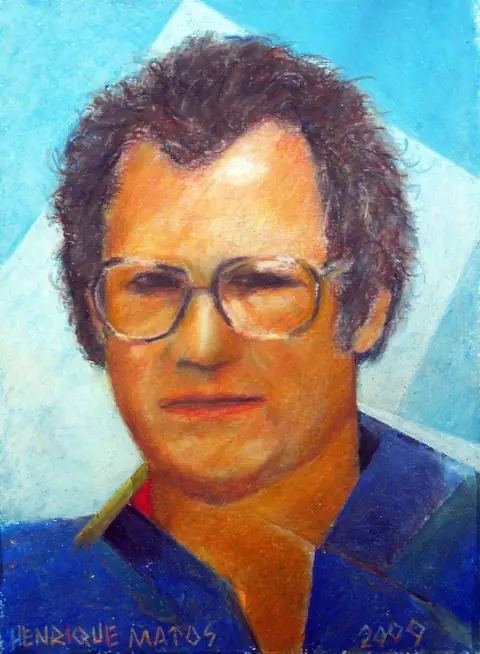
José Afonso in an oil pastel portrait by Henrique Matos, from 2009.
Date: 2009
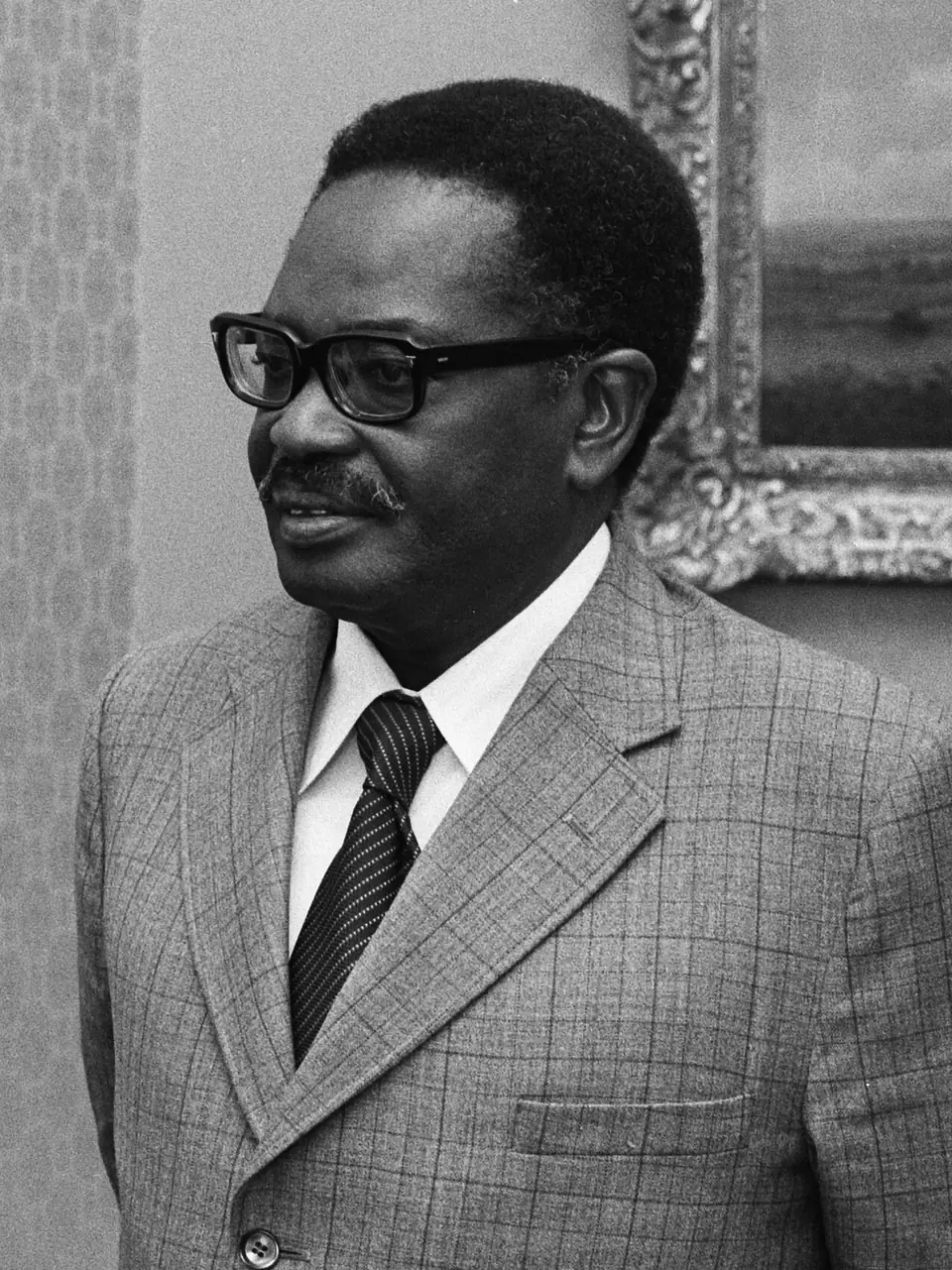
Agostinho Neto, president of the People’s Movement for the Liberation of Angola (MPLA), on a visit to the Netherlands, on 3 April 1975.
Date: 1975-04-03

Domingos Abrantes at a PCP press conference in Amsterdam, on 17 April 1980.
Fernando Pereira / Anefo, CC0 1.0
Date: 1980-04-17
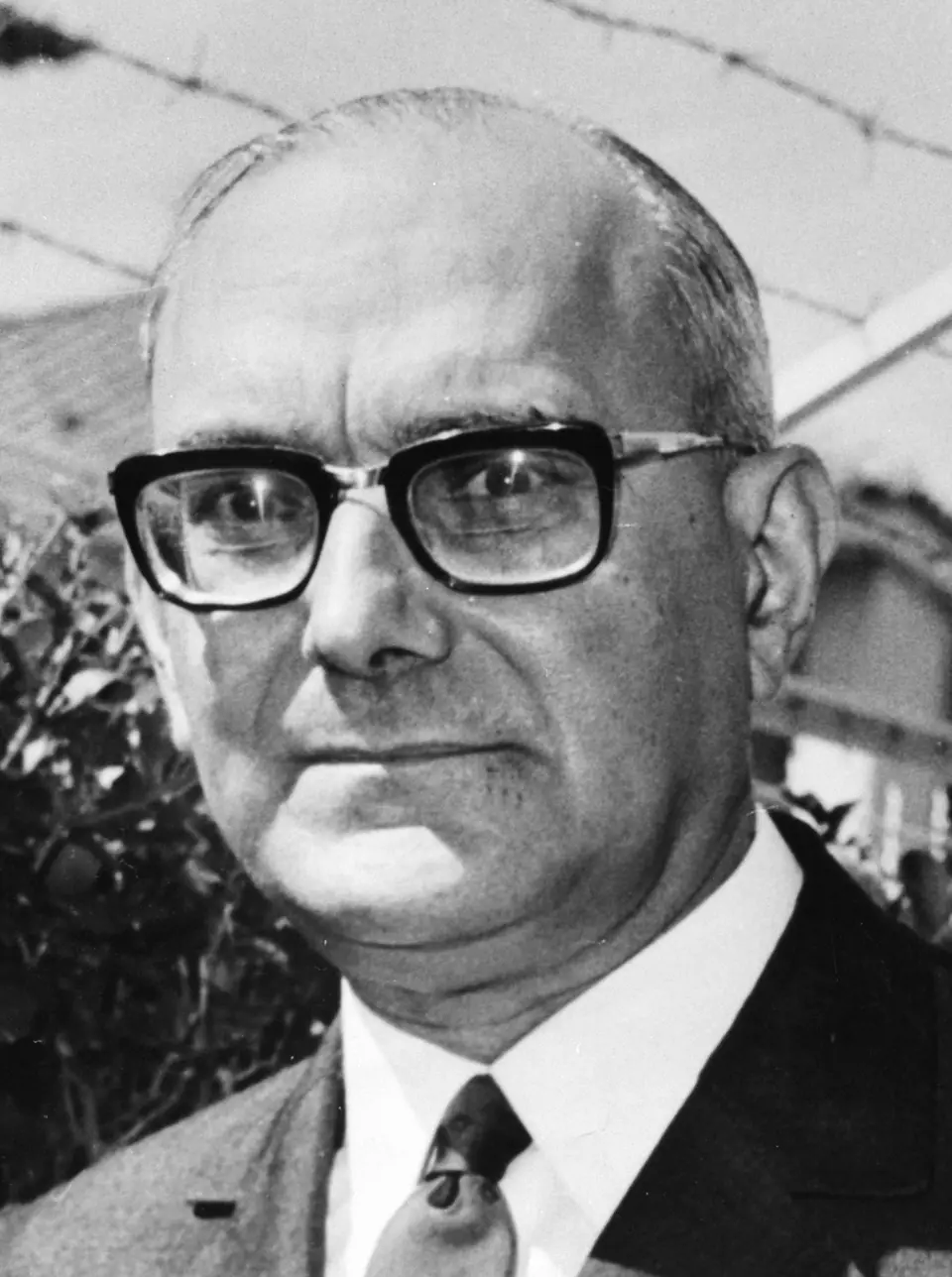
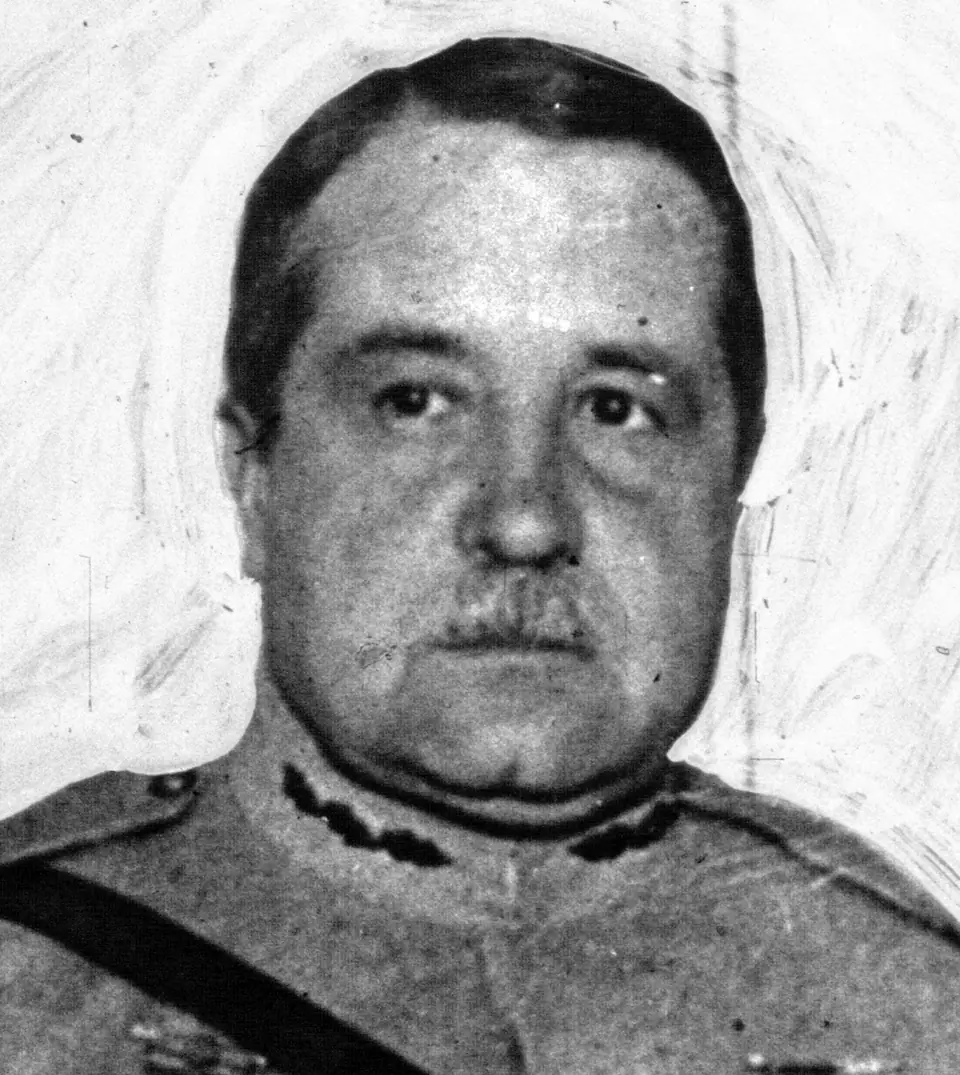


.jpg)
.jpg)
.jpg)
.jpg)


.jpg)
.jpg)

.png)
.JPG)
.JPG)

.jpg)
.png)
.jpg)

.jpg)


.jpg)

.jpg)


.jpg)
.JPG)
.png)

_R_do_Bemformoso.jpg)

.png)


.jpg)


.jpg)


._(38673478592).jpg)
.jpg)
.jpg)
.jpg)

_Coliseu.jpg)

.jpg)
_Pra%C3%A7a_Lu%C3%ADs_de_Cam%C3%B5es.jpg)
_-_Ilustra%C3%A7%C3%A3o_Portuguesa_(05Jan1924).png)
.jpg)


.jpg)
.jpg)


.jpg)


.jpg)


.jpg)


.jpg)
.jpg)

,_Lisbon,_Portugal_(51323558287).jpg)


.jpg)
.jpg)
.jpg)


.jpg)


JoshuaB.jpg)


_(cropped).jpg)
.jpg)
.jpg)
.jpg)
.jpg)


,_Lisboa_001.jpg)
,_Lisboa_01.jpg)


.jpg)
.jpg)
.jpg)
.jpg)
.jpg)


_interi,_Bestanddeelnr_254-9560.jpg)


.jpg)
_(6968946250).jpg)
.jpg)
.jpg)


.jpg)


.jpg)


.jpg)


.jpg)


.jpg)
.jpg)


.jpg)


.jpg)

_-_Belem_District_-_Lisbon,_Portugal_(4633075739).jpg)


.jpg)


.jpg)

.jpg)


_(5934996153).jpg)

.png)

_(cropped).jpg)


.jpg)


.png)


.jpg)

.png)

.jpg)
.jpg)


,_Bestanddeelnr_927-8518_(cropped).jpg)
.jpg)
.jpg)
.jpg)