São Vicente
Botequim
The bar Natália Correia opened in 1971 on Largo da Graça and to which she moved the salon she held at home — where, in the words of a NOVA University guide, people discussed “literature, politics and feminism in freedom”.
History
In the 1950s and 1960s, the home of Natália Correia hosted one of the liveliest salons in Lisbon, with people from the arts, letters and the opposition. In 1971, Natália opened this bar on the ground floor of the Vila Sousa — with Isabel Meyrelles, Júlia Marenha and Helena Roseta, according to the Aljube Museum and the Faculty of Social and Human Sciences of NOVA University (NOVA FCSH); in partnership with Isabel Meyrelles, according to the Imprensa Nacional — and the gatherings moved here.125 It was a place of literary gatherings and café-concerts — Natália sang here for years3 — and, in the words of a NOVA FCSH guide, of free discussion of “literature, politics and feminism”.4
Natália had already been convicted over the Antologia de Poesia Portuguesa Erótica e Satírica (Anthology of Portuguese Erotic and Satirical Poetry). She was running the publishing house Estúdios Cor when it published the Novas Cartas Portuguesas (New Portuguese Letters) in 1972, and she was named a defendant as the editor responsible, until the managing director, Romeu de Melo, took responsibility.5
On the night of 24 to 25 April 1974 she was here, and here she celebrated the fall of the dictatorship, with the poet André Coyné and the writer Dominique de Roux.5
Natália Correia died in the early hours of 16 March 1993, at home, after coming back from the Botequim. Four months later, the City Council named a street in Graça after her; in that street’s children’s playground there has been a bust of her since 2023.67 The bar closed after her death and reopened in 2010, with other owners.2
Where
Map showing where Botequim is.
Open on the map of Lisbon Walk there
Nearby
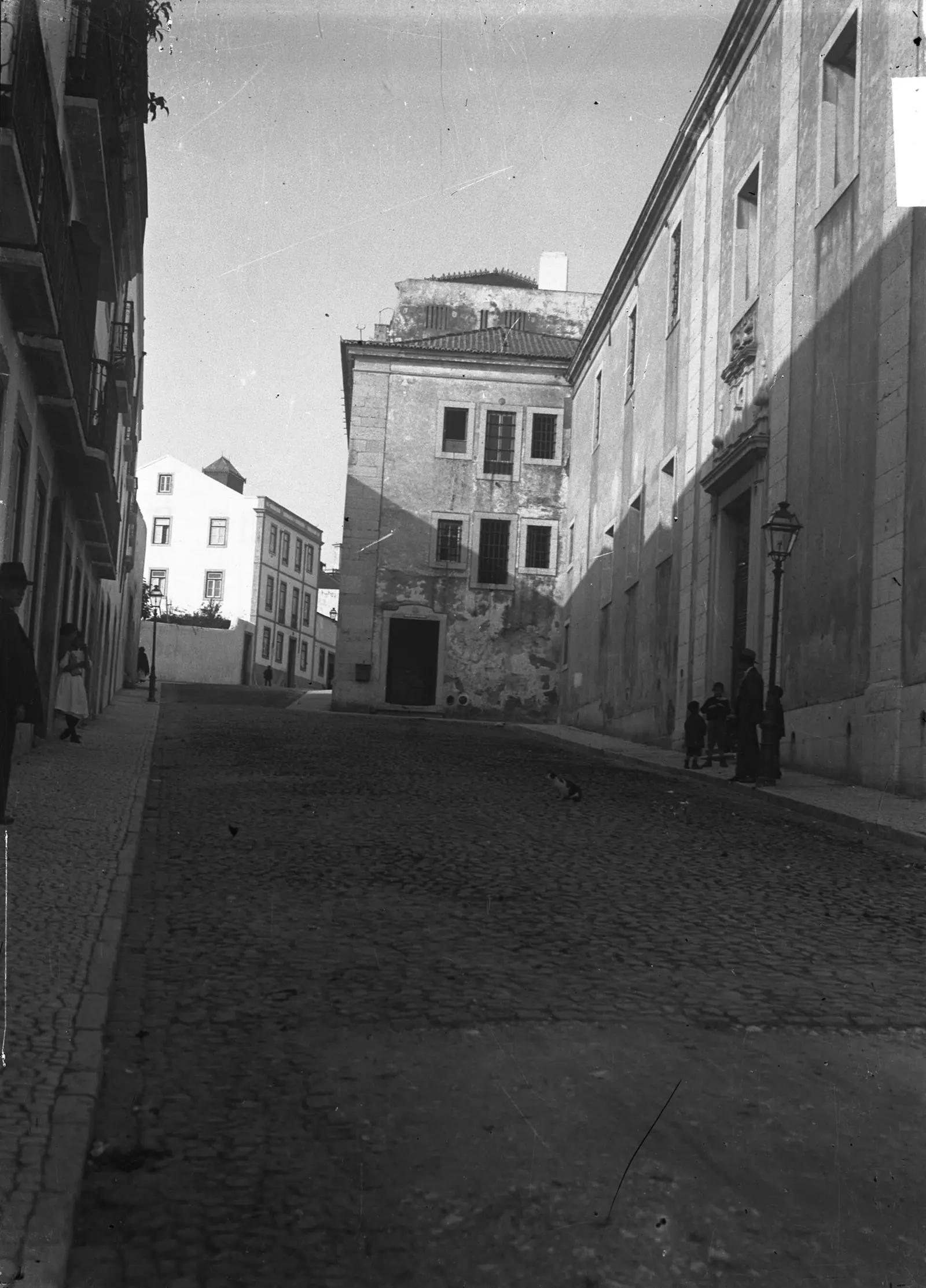
Mónicas Prison
110 m · 2 min on foot
Home of Sophia de Mello Breyner Andresen
110 m · 2 min on foot
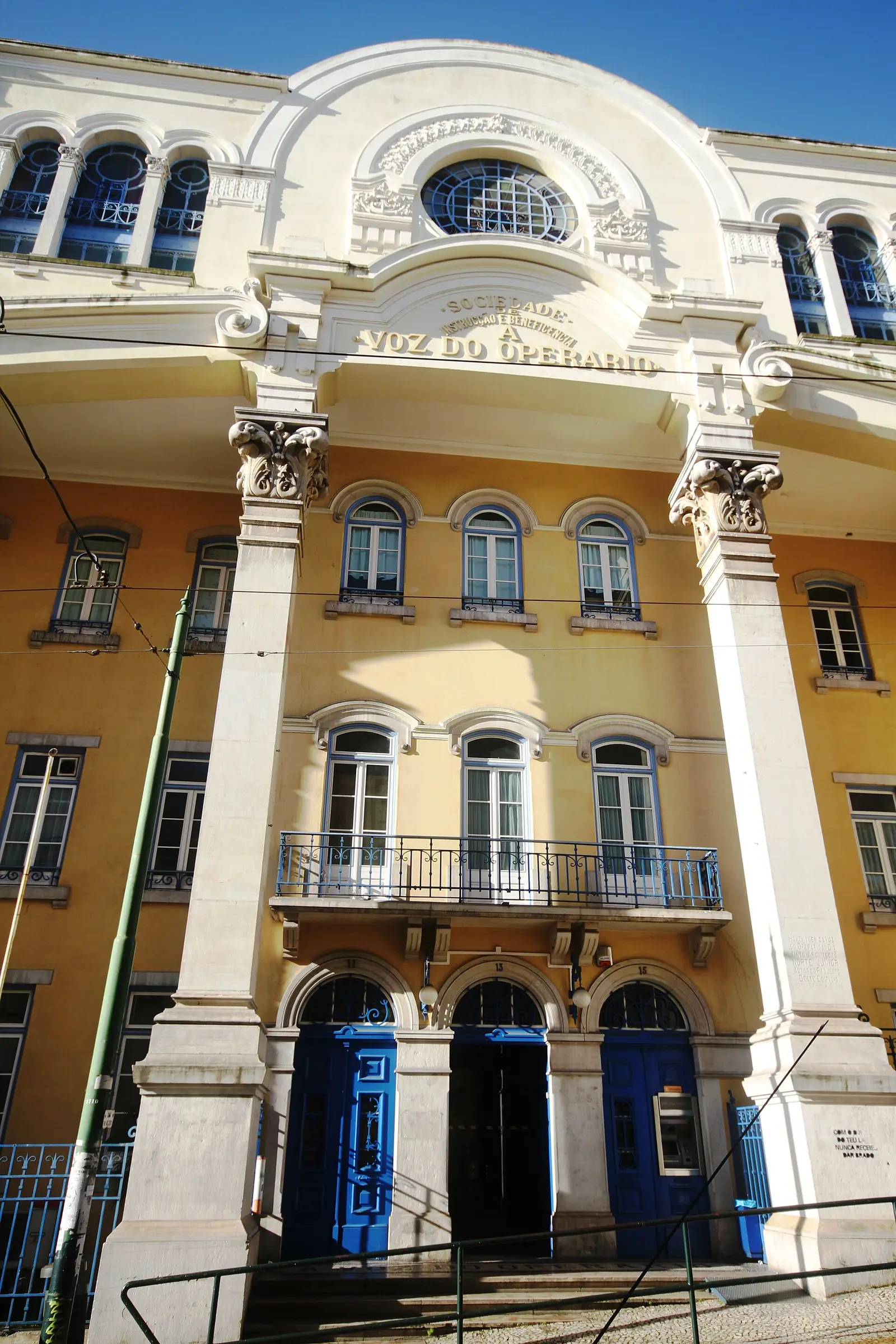
A Voz do Operário (The Worker’s Voice)
110 m · 2 min on foot
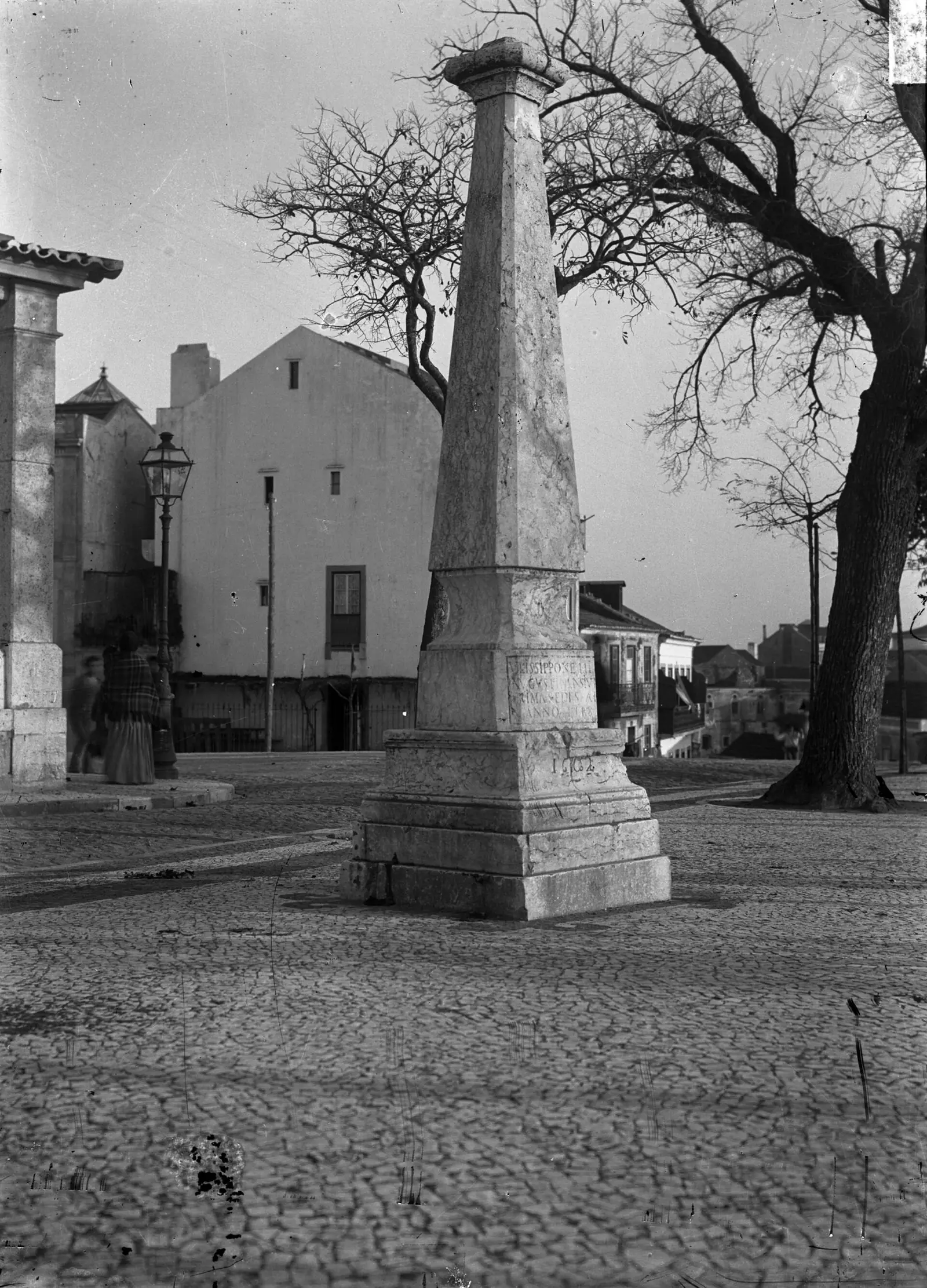
House where Angelina Vidal died (Rua de São Gens, 41)
370 m · 6 min on foot


People


Dates
1971
Natália Correia opens the Botequim.
25 April 1974
Natália celebrates the fall of the dictatorship here.
16 March 1993
Death of Natália Correia, after coming back from the Botequim.
23 July 1993
A street in Graça is named after Natália Correia.
2010
The bar reopens with new owners.
Notes on the sources3
- Quem fundou: as quatro amigas (Museu do Aljube, NOVA FCSH) ou Natália com Isabel Meyrelles, em sociedade (Imprensa Nacional; Wikipédia). O nome escreve-se como na Imprensa Nacional, «Meyrelles»; o Museu do Aljube e a NOVA FCSH escrevem «Meireles».
- Não se encontrou fonte que descreva reuniões políticas concretas no Botequim antes de 1974; a ligação à oposição vem da tertúlia que Natália mantinha em casa.
- Se há placa na fachada da Vila Sousa.
Do you know more, or do you have a document? Tell us.
Sources10
- 1Natália Correia. Museu do Aljube Resistência e Liberdade (EGEAC) — consulted on 2 October 2026
- 2Natália Correia: todas as personalidades num botequim (19/4/2017). FCSH+Lisboa – NOVA FCSH — consulted on 2 October 2026
- 3Natália Correia, retrato de uma poetisa desassombrada. RTP Ensina — consulted on 2 October 2026
- 4Graça em estado de graça (roteiro, 20/4/2017). FCSH+Lisboa – NOVA FCSH — consulted on 2 October 2026
- 5O Essencial sobre Natália Correia (Luiz Fagundes Duarte). Imprensa Nacional, 2024 — consulted on 2 October 2026
- 6A rua de Natália no seu 90º aniversário. Toponímia de Lisboa (blogue da Câmara Municipal de Lisboa) — consulted on 2 October 2026
- 7Estátua de Natália Correia em Lisboa vandalizada com símbolos nazis (18/4/2026). Observador — consulted on 2 October 2026
- 8Natália Correia (13/9/2020). Museu do Aljube – Resistência e Liberdade — consulted on 2 October 2026
- 9Natália Correia – roteiro literário (versão inglesa, com cronologia). Direção Regional da Cultura dos Açores (culturacores.azores.gov.pt) — consulted on 2 October 2026
- 10Natália Correia. Wikipédia — consulted on 2 October 2026
Coordinates: OpenStreetMap (Nominatim), consultado a 2 de outubro de 2026.