Santa Maria Maior
Café Gelo
A café on the Rossio where, between 1957 and 1962, the “Café Gelo Group” of dissident poets and painters used to meet; the group was banned from entering it after May Day 1962.
History
Café Gelo, on the Rossio, had a long-standing reputation for conspiracy: it was from its back room that Alfredo Costa and Manuel Buíça, the regicides, set out on the afternoon of 1 February 1908.31
Between 1957 and 1962, the café was the meeting place of a group of writers and artists that at one point had almost thirty members3 — among them Herberto Helder, António José Forte, Manuel de Lima, Natália Correia, António Gancho, Manuel de Castro, Pedro Oom, Mário Cesariny, Manuel Cargaleiro, Carlos Fernandes and Luiz Pacheco.1 The writer Helder Macedo, who was part of the group, explained in an interview with Público in 2017, quoted by Wikipedia, that its original core was not surrealist: what they had in common was “an attitude of dissent, of refusing to collude”, in political, social, moral or sexual terms.1
The meetings ended in 1962. On May Day that year, during the demonstration that was violently repressed in the Baixa, the police came into the café and beat up the people inside — “the sugar bowls went flying”, Luiz Pacheco recalled. The manager was summoned to the police station and, a few days later, told the group they could no longer stay there.3 They began meeting instead at the Café Nacional, on Rua 1.º de Dezembro, according to Pacheco, or at the Café Palladium, on Avenida da Liberdade, according to Wikipedia.31
The café changed its layout several times; in 2024 it became a seafood restaurant.1
Where
Map showing where Café Gelo is.
Open on the map of Lisbon Walk there
Nearby
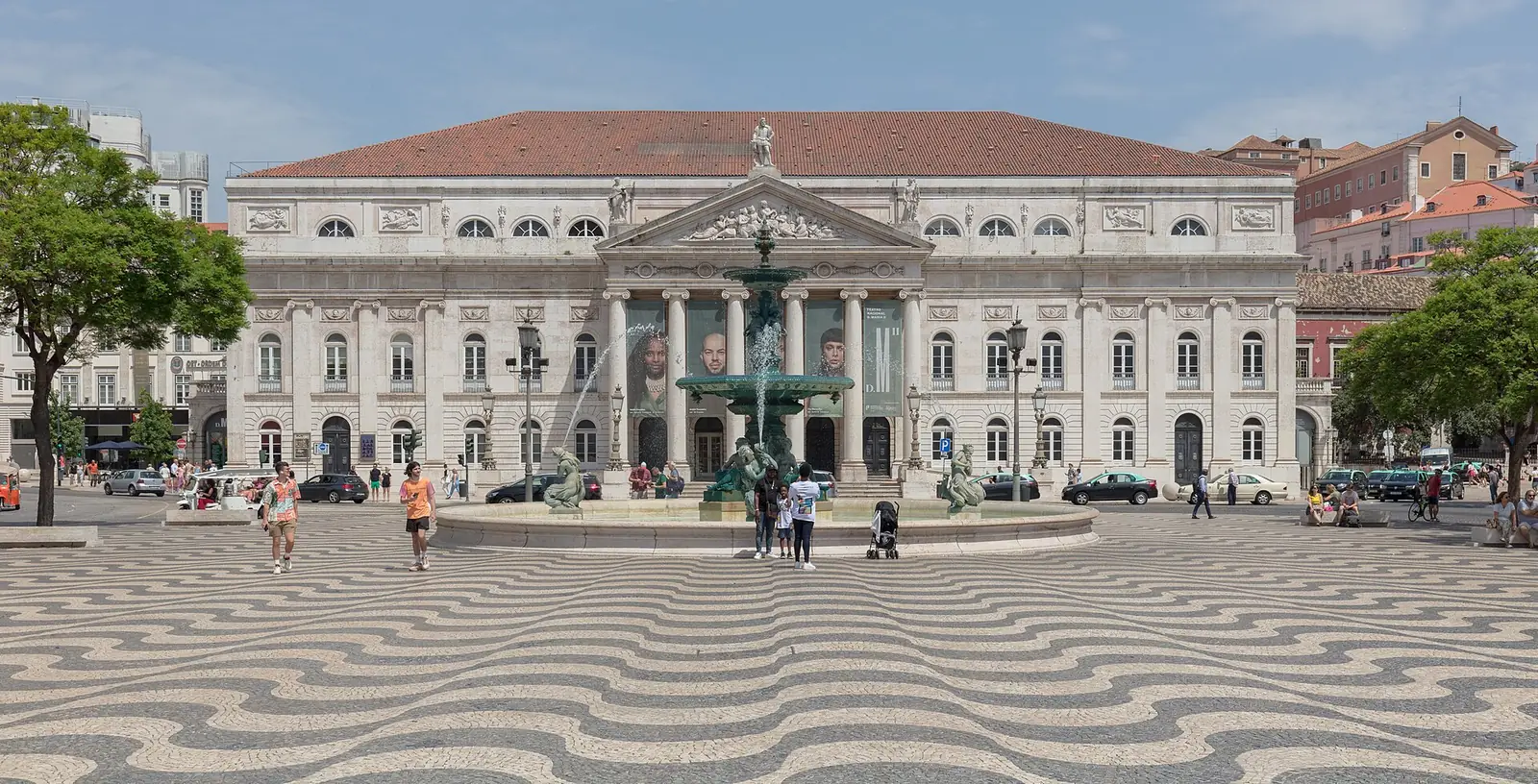
D. Maria II National Theatre
60 m · 1 min on foot
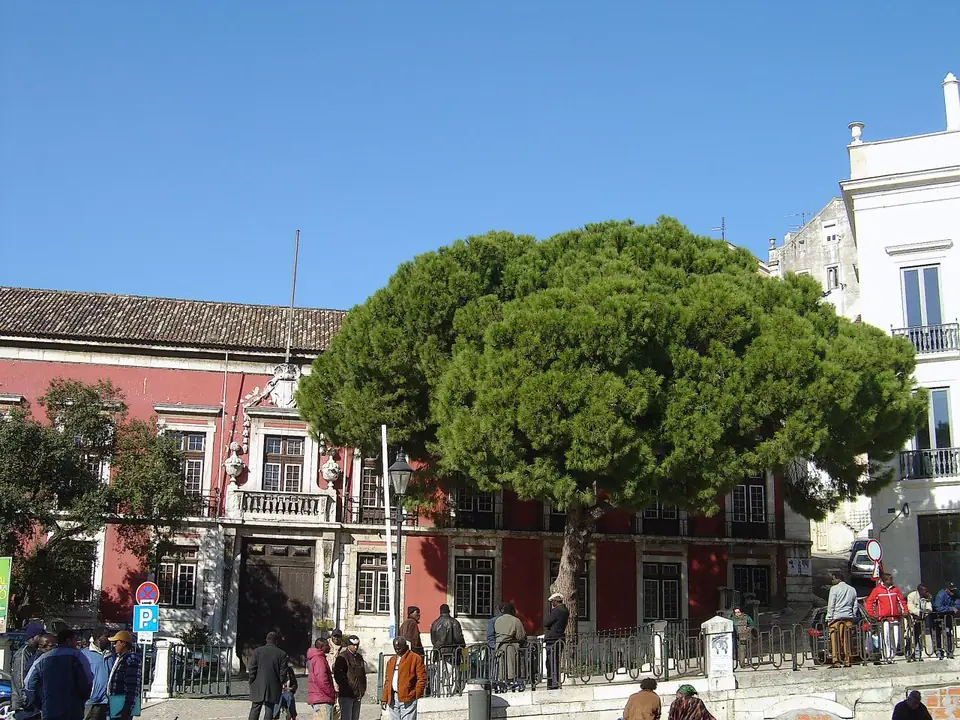
Café Chave d'Ouro
100 m · 1 min on foot
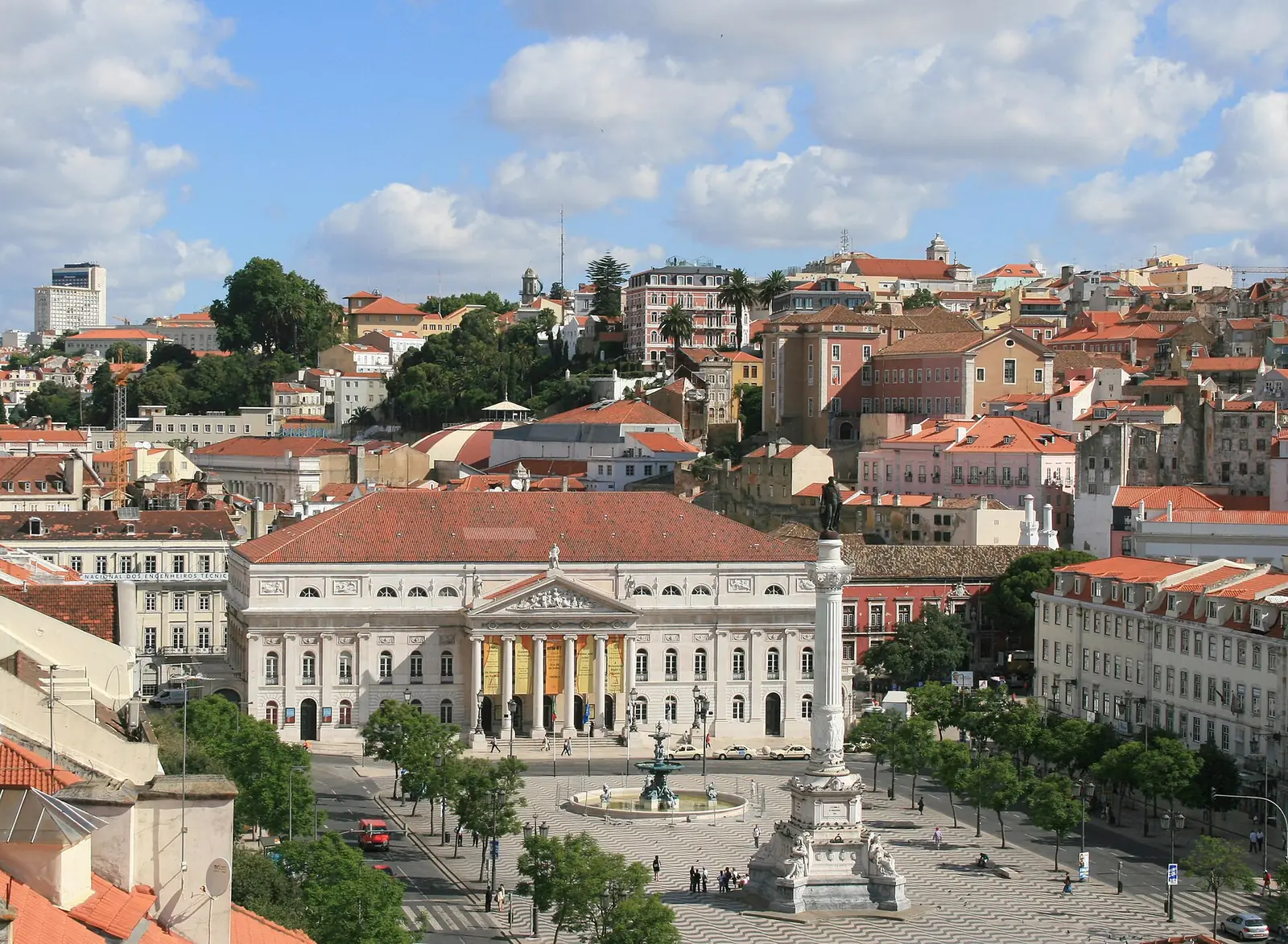
Rossio (Praça de D. Pedro IV)
100 m · 1 min on foot


Dates
1957
The “Café Gelo Group” begins meeting (until 1962).
1 May 1962
Incident with the riot police during the May Day demonstration; the group is banned from the café.
Notes on the sources2
- Para onde foi o grupo depois de expulso do Gelo: o Café Nacional, na Rua 1.º de Dezembro (Luiz Pacheco, entrevista citada pelo Observador), ou o Café Palladium, na Avenida da Liberdade (Eurico de Barros, Time Out, 2021, fonte da Wikipédia).
- Texto da placa à porta.
Do you know more, or do you have a document? Tell us.
Sources5
- 1Café Gelo. Wikipédia — consulted on 2 October 2026
- 2Natália Correia. Museu do Aljube Resistência e Liberdade (EGEAC) — consulted on 2 October 2026
- 3Joana Emídio Marques, Café Gelo: os 60 anos de um grupo que nunca existiu. Observador, 2017 — consulted on 3 October 2026
- 4Eurico de Barros, O Pátio das Antigas: o café das várias vidas. Time Out Lisboa, 2021 — consulted on 4 October 2026Depois do 1.º de Maio de 1962, o «Grupo do Gelo» mudou-se para o desaparecido Café Palladium, na Avenida da Liberdade, e o Gelo pôde continuar aberto.
- 5Gelo. O antigo refúgio revolucionário passou a marisqueira com degustações de bacalhau. NiT, 2024 — consulted on 4 October 2026Artigo de 28 de agosto de 2024 sobre a transformação do Gelo, no Rossio, em marisqueira.
Coordinates: OpenStreetMap (Nominatim), consultado a 2 de outubro de 2026.