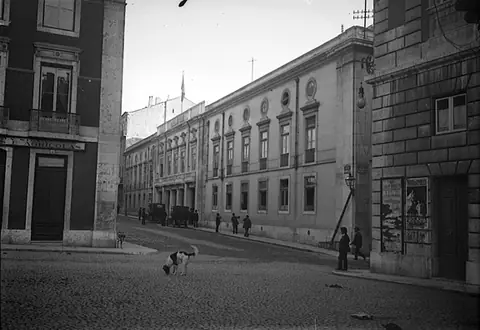
The trial at the Boa-Hora Court, in 1909, of those accused of the Rua da Madalena fire. Photograph by Joshua Benoliel.Joshua Benoliel, Public domain
Santa Maria Maior
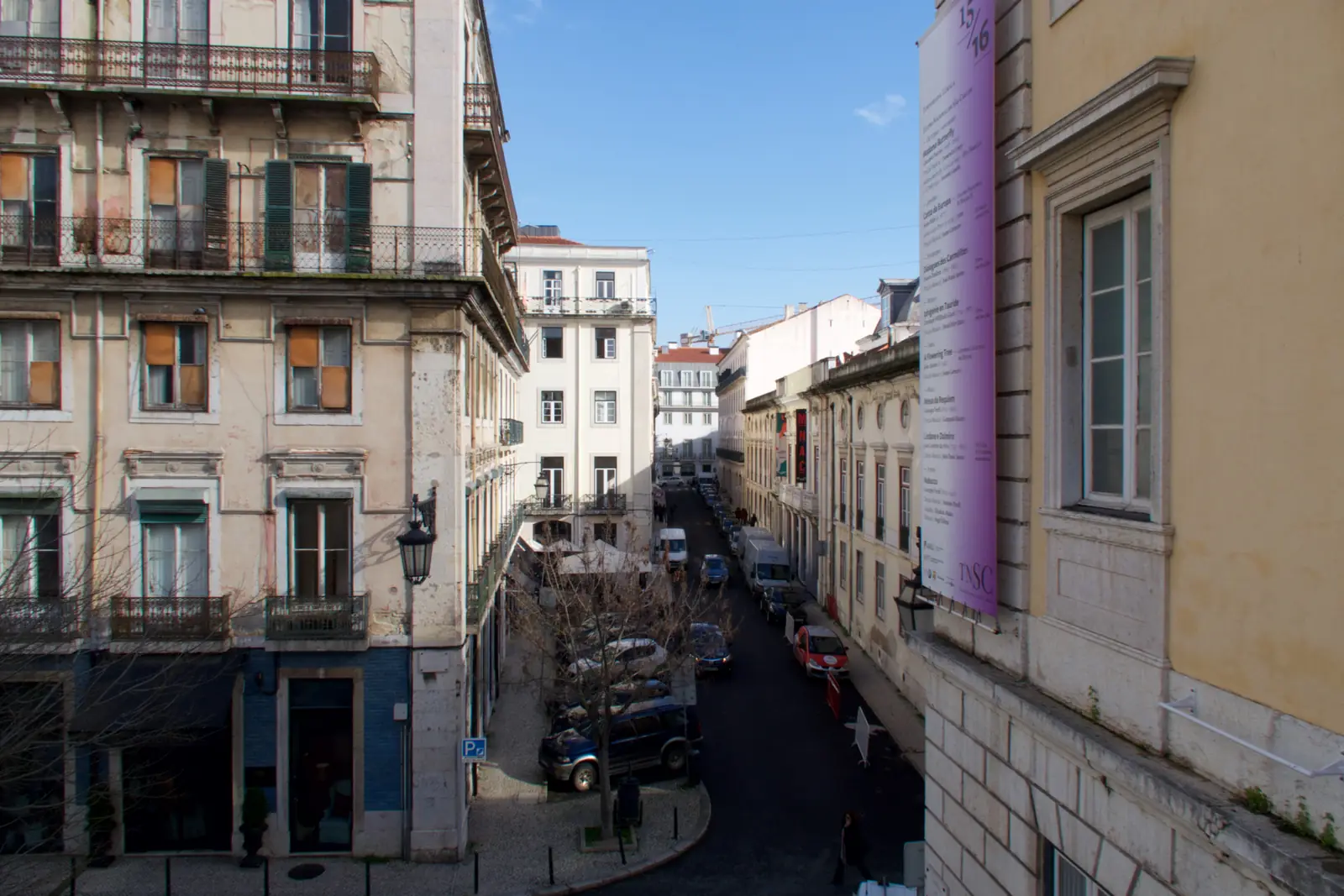
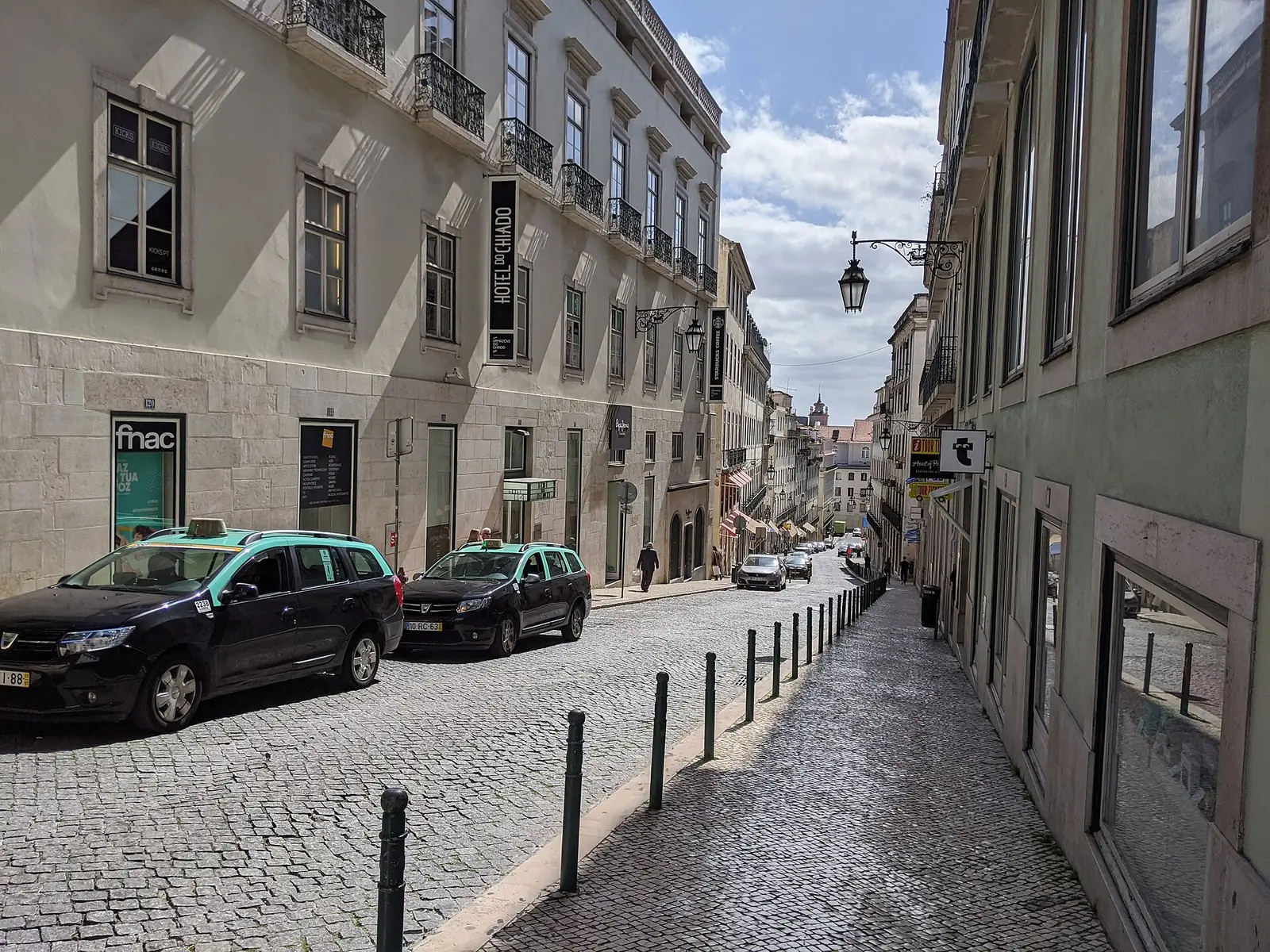
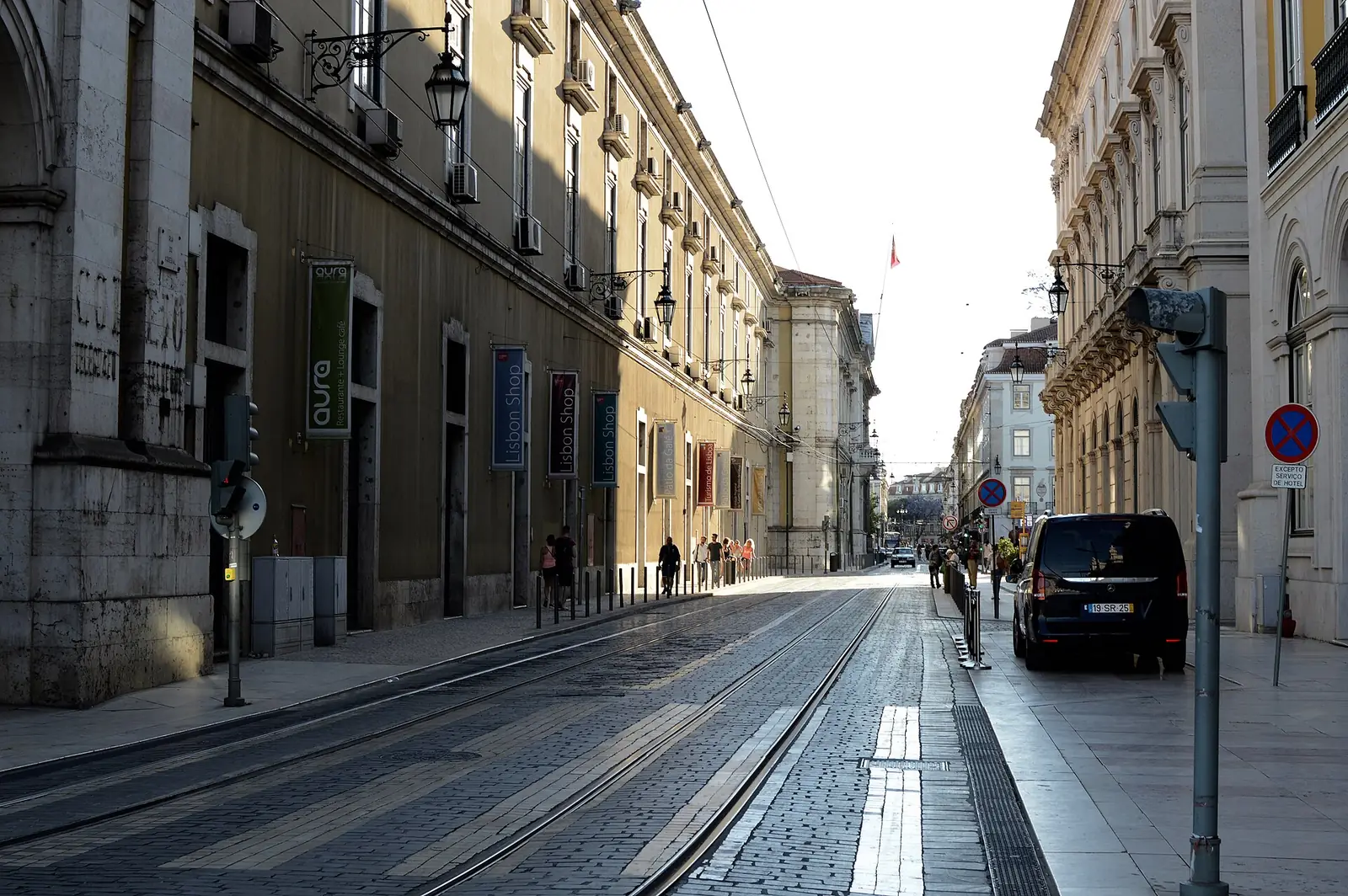
Boa-Hora Court
A convent turned into a court in 1843. The Plenary Court, which tried political prisoners, sat here — and it was here that Maria Alda Nogueira, Natália Correia and the “Three Marias” were tried; the Three Marias were acquitted after 25 April.
Today: Former court, closed since 2009There is a marker at the site
The building began life as a convent in the 17th century, became a barracks and, from 1843, a court — for 166 years, until 2009, when the criminal courts moved to the Campus de Justiça, in Parque das Nações.1
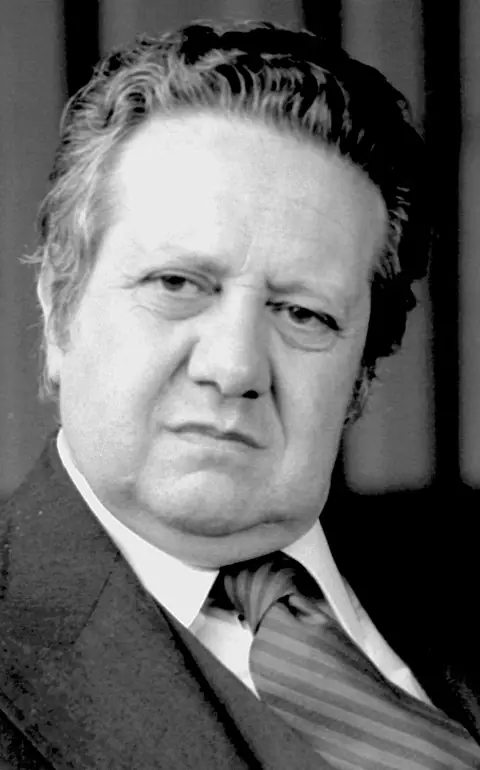
The dictatorship’s political crimes were tried first by the Special Military Courts, created in 1932, and from 1945 by the Plenary Criminal Courts of Lisbon and Porto, presided over by an appeal court judge appointed by the Minister of Justice — a “mere cosmetic manoeuvre”, in the words of the 50 Years Commemorative Commission, to change the regime’s façade after the Allied victory.2 In Lisbon, the Plenary Court sat here; among many others, Álvaro Cunhal and Mário Soares were tried here.1
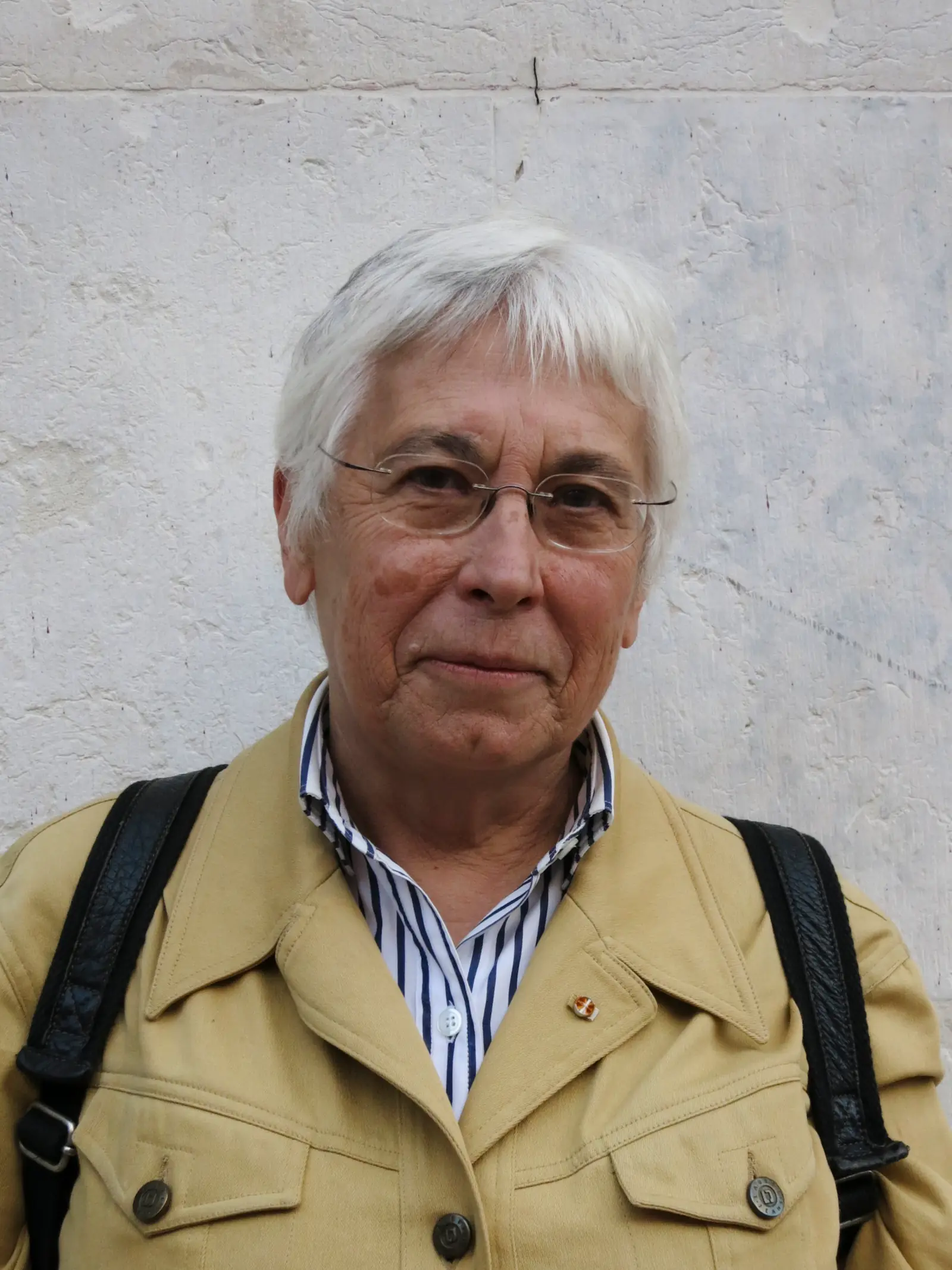
The communist activist Maria Alda Nogueira was tried by the Plenary Court in October 1960 and sentenced to eight years of major imprisonment and to security measures — she was the first woman to be given such a sentence.34Isabel Aboim Inglez was arrested in the middle of the Plenary courtroom while giving evidence as a defence witness, and spent three days in the Mónicas Prison.5 The journalist Diana Andringa was tried here in 1971 and sentenced to twenty months in prison.6
Natália Correia sat in the dock of the Plenary Court for the Antologia de Poesia Portuguesa Erótica e Satírica (Anthology of Portuguese Erotic and Satirical Poetry), which she had edited. The trial was set for 3 June 1969, but, after one postponement after another, the first hearing was only held on 17 March 1970; the verdict, on the 21st, sentenced her, and the publisher, Fernando Ribeiro de Mello, to ninety days in prison, commuted to a fine.26 Natália wanted to read her poem “A Defesa do Poeta” (The Poet’s Defence) in court; her lawyer, Palma Carlos, persuaded her not to.7
The Novas Cartas Portuguesas (New Portuguese Letters), written jointly by Maria Isabel Barreno, Maria Teresa Horta and Maria Velho da Costa, came out in April 1972 and were seized by the censors a few days later; the authors and the publisher were charged with offending public morals.8 Questioned by the Judicial Police, as was the publisher, the authors awaited trial at liberty, on bail.11 The trial began here on 25 October 1973 — in the 6th Correctional Court, an ordinary court, and not the Plenary Court — and the judge at once declared the hearing secret, ordering journalists and women observers from the feminist movement to leave.9 Outside, the case had become the first international feminist cause. On 1 March 1974, Maria Lamas gave evidence as a defence witness.10
The verdict, scheduled for 18 April, was only read after 25 April. On 7 May 1974, in the small courtroom of the 6th Court, Judge Acácio Lopes Cardoso declared that the book was neither pornographic nor immoral, and acquitted the authors. They wore red carnations on their chests; in the courtroom people shouted “Women united will never be defeated” (Mulheres unidas jamais serão vencidas), and the authors announced a women’s liberation movement.11 The birth of the Women’s Liberation Movement is dated from that day.12
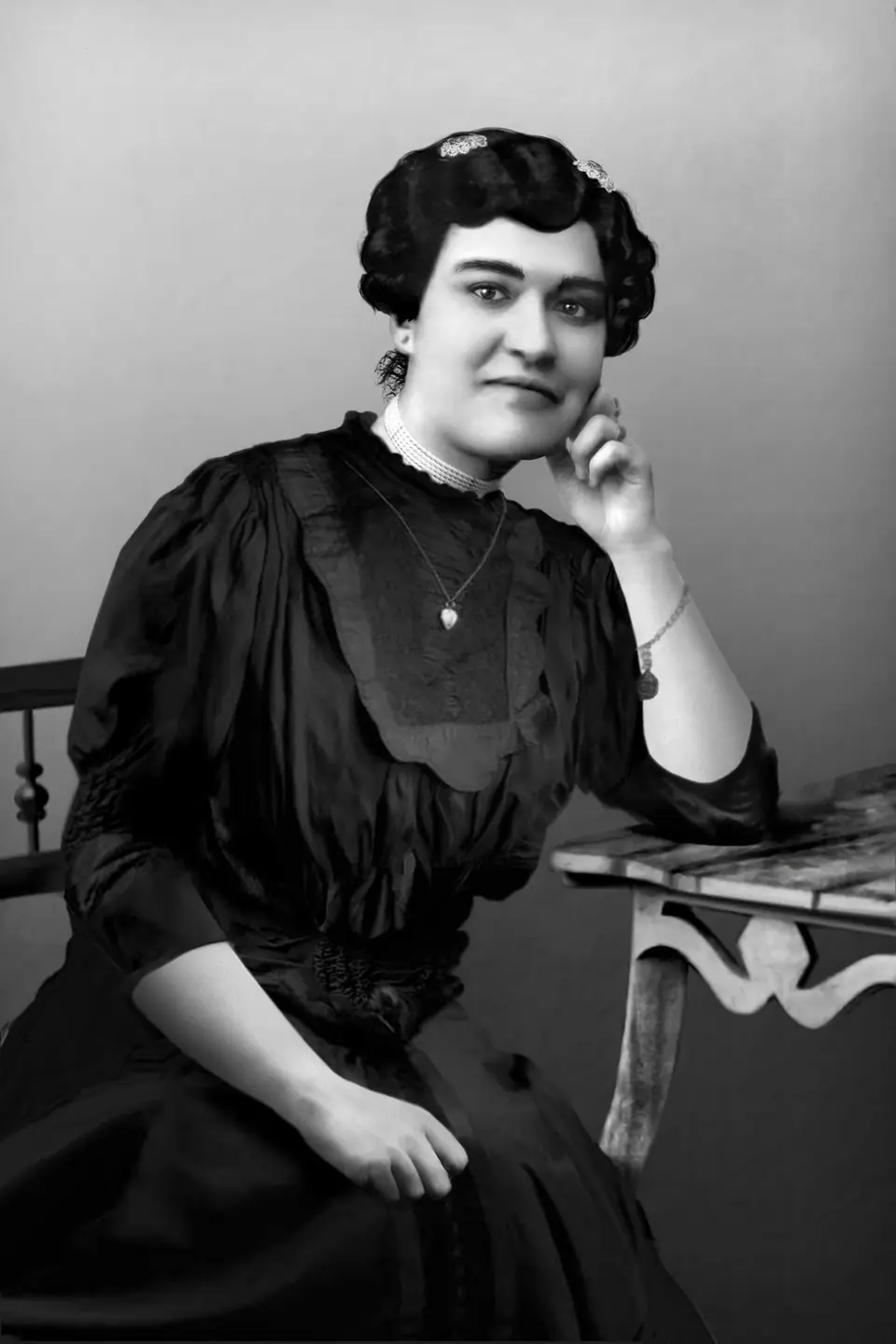
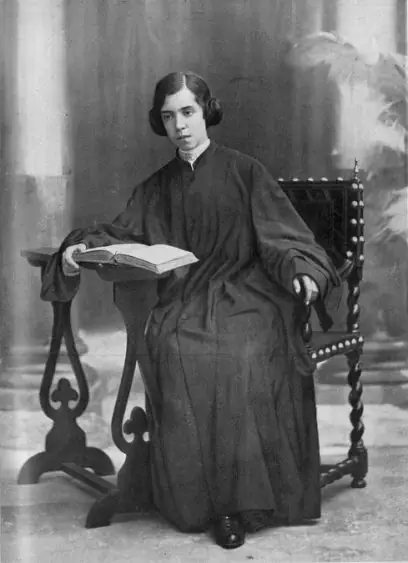
It was also here that, on 14 November 1913, Regina Quintanilha first appeared in a lawyer’s gown — the first woman to practise law in Portugal, with special permission from the president of the Supreme Court of Justice. The profession was only opened to women by law with Decree No. 4676 of 19 July 1918.1325
Once the court had closed, the building was divided between the Ministry of Justice and Lisbon City Council. In May 2021, the City Council unanimously approved a Memorial to Political Prisoners and the Politically Persecuted (1926–1974) for Largo da Boa-Hora, designed by Álvaro Siza Vieira; in August 2025 it had still not been built.1516
Diana Andringa’s testimony, recorded by the Aljube Museum on 19 April 2017. According to the museum’s keywords, she talks about the student movement, support for political prisoners, her links to the People’s Movement for the Liberation of Angola (MPLA) and the liberation struggle, her imprisonment and interrogation in Caxias, and her trial in the Plenary Court.
Original page Licença padrão do YouTube — embed permitido pelo canal oficial do Museu do Aljube
Museu do Aljube Resistência e Liberdade, on YouTube. The player only connects to that site when you press “Watch”.
Lisbon City Council report on the contract by which, on 26 July 2013, the Ministry of Justice bought back from the Council the premises of the former Boa-Hora Court. It was signed by the Minister of Justice, Paula Teixeira da Cruz, and the Mayor, António Costa; the Council calls the building “one of the most striking symbols in the history of the Portuguese judiciary”.
Original page Licença padrão do YouTube — embed permitido pelo canal oficial da Câmara Municipal de Lisboa
Câmara Municipal de Lisboa, on YouTube. The player only connects to that site when you press “Watch”.
In other archives
These can only be viewed on each archive’s own website.
That the Lisbon Plenary Court sat at the Boa-Hora comes from Mensagem de Lisboa (2022); an archival source is still needed to confirm it, say since when, and identify the courtroom.
The date of Maria Alda Nogueira’s trial (22 October 1960) has only been read in Wikipedia. That her sentence was “the heaviest” given to a woman for political reasons also comes only from Wikipedia; Memória Comum says she was “the first woman sentenced to 8 years of major imprisonment and security measures”, and that is what the text says.
The time at which the trial of the “Three Marias” began, on 25 October 1973: that day’s Diário de Lisboa says only that it “began today”; the issue of 8 May 1974 quotes “began yesterday at 10 o’clock, the trial of, etc.” as an example of the routine note to which the censors reduced the news, which is not enough to fix the time (which is why the date no longer carries it).
Carolina Beatriz Ângelo’s appeal to be entered on the electoral roll (1911) was decided by the judge of the 1st Civil Court (Assembly of the Republic); the historian João Esteves says it was lodged here, on 24 April 1911, but no source says whether the 1st Civil Court sat at the Boa-Hora.
State of the Largo da Boa-Hora Memorial in 2026 and current use of the building; the coordinate is that of the square.
Do you know more, or do you have a document? Tell us.
25Efeméride: 1918 – publicado o Decreto que consagrou a abertura da advocacia às mulheres. Ordem dos Advogados, 2016 — consulted on 4 October 2026O decreto n.º 4676, de 19 de julho de 1918, da Secretaria de Estado da Justiça e dos Cultos, abriu às mulheres formadas em Direito a advocacia; Regina Quintanilha estreara-se como advogada no Tribunal da Boa-Hora a 14 de novembro de 1913.
26Francisco Topa, A sádica nostalgia das fogueiras do Santo Ofício: o processo judicial contra a Antologia de poesia portuguesa erótica e satírica. Historiæ (Rio Grande), 6 (1), pp. 122–141; Repositório Aberto da Universidade do Porto, 2015 — consulted on 4 October 2026A partir do processo (Torre do Tombo, Tribunal da Comarca de Lisboa, 4.º Juízo Criminal, processo n.º 90/1966), diz que o julgamento devia ter começado a 3 de junho de 1969, mas que, por sucessivos adiamentos, a primeira sessão só foi a 17 de março de 1970 e a sentença a 21; Natália Correia e o editor foram condenados a 90 dias de prisão substituídos por igual tempo de multa e mais 15 dias de multa, a 50$00 por dia.
Coordinates: OpenStreetMap (Nominatim), consultado a 2 de outubro de 2026.