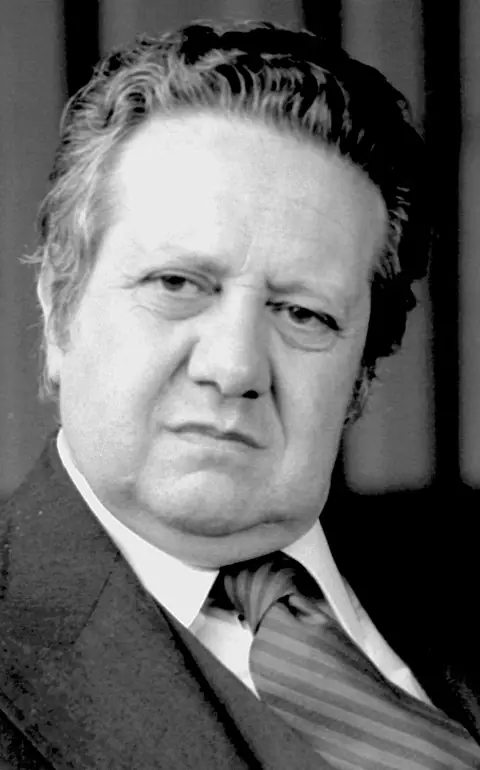
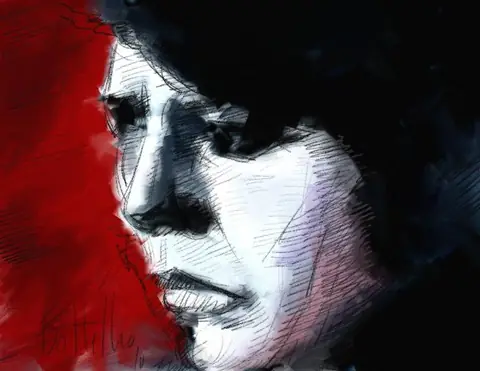
The “Fearless General” (general sem medo): a man of the regime who went over to the opposition, he stood for the Presidency in 1958, answered “Obviously, I’ll sack him!” (Obviamente, demito-o!) when asked what he would do with Salazar, and drew crowds. The PIDE murdered him in 1965.
Oppositionsoldier and aviator, Air Force generalfounder of TAPopposition candidate in the 1958 presidential electionexilemurdered by the PIDE
Born
15 May 1906, Boquilobo (Brogueira), Torres Novas
Died
13 February 1965, near Badajoz / Villanueva del Fresno (Spain)
He was born in Boquilobo, Torres Novas, on 15 May 1906.1 An artillery officer and aviator, he took part in the coup of 28 May 1926 and held prominent posts in the Estado Novo (“New State”), in the Portuguese Legion and in the Portuguese Youth (Mocidade Portuguesa).1 He founded Transportes Aéreos Portugueses in 1945 and was military attaché in Washington.18 From the 1940s onwards his dissent deepened, until in 1958 he emerged as “the Fearless General” (o general sem medo).1
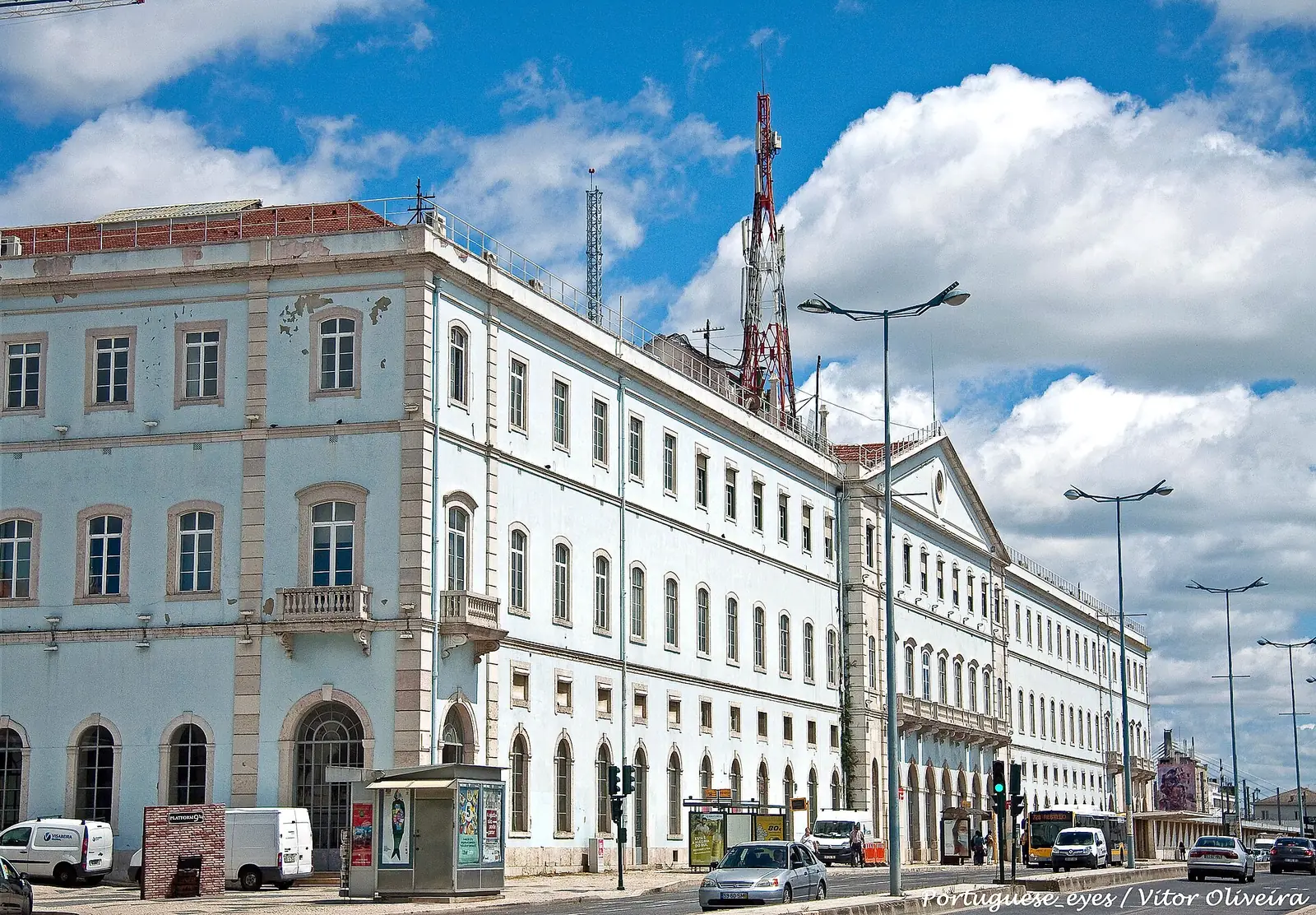
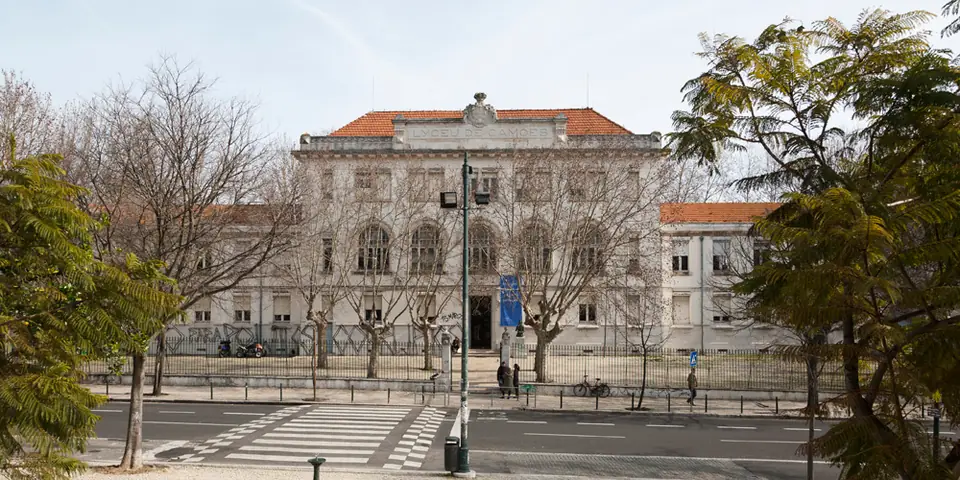
That year he was the opposition candidate in the presidential election, after Arlindo Vicente withdrew in his favour.1 On 10 May, at a press conference at the Café Chave d'Ouro, he was asked what he would do with Salazar if he were elected. He replied: “Obviously, I’ll sack him!” (Obviamente, demito-o!)23 The campaign drew crowds, beginning in Porto, on 14 May.2 In Lisbon, the GNR charged his supporters when he arrived at Santa Apolónia, and the violence was repeated after the rally in the gymnasium of the Liceu de Camões, on 18 May.36 The regime resorted to fraud, and on 8 June Américo Tomás was declared elected.1
Dismissed, he sought asylum at the Brazilian Embassy and left for Brazil in April 1959.1 In exile he followed the preparations for the seizure of the liner Santa Maria and, in the last days of 1961, on the eve of the Beja revolt, he entered Portugal clandestinely. In 1963 he passed through Czechoslovakia and Algeria.1
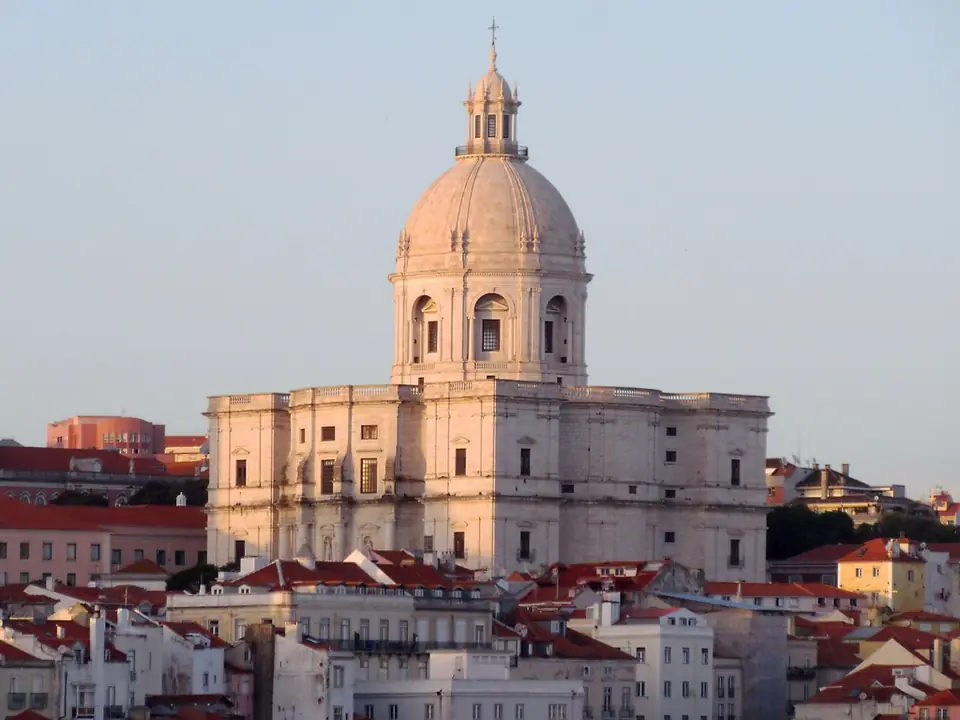
The PIDE lured him into a trap. On 13 February 1965, near Badajoz, a political police squad murdered him, together with his secretary, the Brazilian Arajaryr Campos.15 He was buried in Spain; his remains were moved to Lisbon in 1975 and, on 5 October 1990, to the National Pantheon.8910
A piece by Lisbon City Council, published on 16 May 2016, about the new name of Portela airport: Humberto Delgado Airport. The Council recalls the general who helped create Portuguese commercial aviation and TAP, a candidate against the regime in 1958 and murdered by the PIDE in 1965.
Original page Licença padrão do YouTube — embed permitido pelo canal oficial da Câmara Municipal de Lisboa
Câmara Municipal de Lisboa, on YouTube. The player only connects to that site when you press “Watch”.
In other archives
These can only be viewed on each archive’s own website.
O lugar da morte: Badajoz (Museu do Aljube, Comissão Comemorativa dos 50 Anos) ou perto de Olivença (Panteão Nacional; a Wikipédia precisa: Los Almerines, junto a São Rafael de Olivença). Os corpos só foram encontrados em abril de 1965, em Villanueva del Fresno; o Memória Comum, na biografia de Arajaryr Campos, situa o crime «a cerca de cinco quilómetros» dessa vila.
Quando começou a dissidência: a partir dos anos 1940 (Museu do Aljube) ou nos anos 1950 (Comissão Comemorativa dos 50 Anos).
Do you know more, or do you have a document? Tell us.
12Arajaryr Canto Moreira Campos. Memória Comum – Memorial aos Presos e Perseguidos Políticos — consulted on 4 October 2026Nasceu no Rio de Janeiro a 25 de agosto de 1930; foi assassinada com Humberto Delgado a 13 de fevereiro de 1965, «a cerca de cinco quilómetros de Villa Nueva del Fresno, nas cercanias de Badajoz».





.jpg)