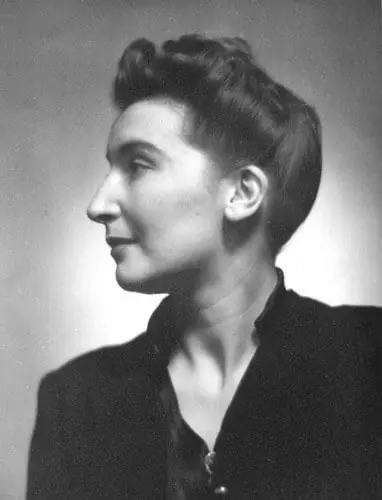
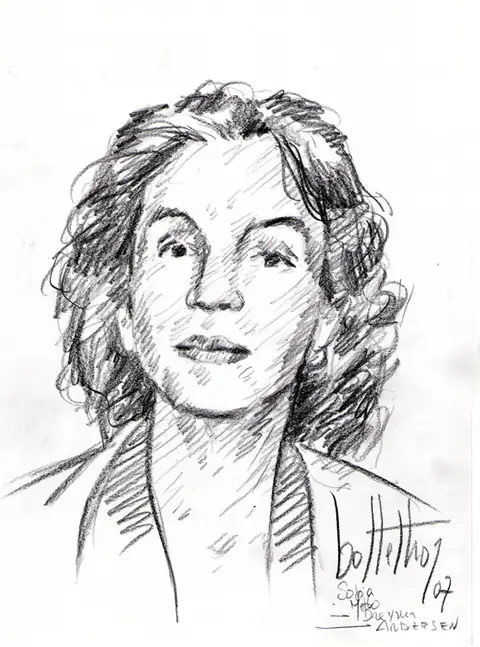
An underground communist activist, she was arrested in 1959 and sentenced to eight years of major imprisonment plus security measures, which she served in Caxias. A deputy from the Constituent Assembly onwards, she chaired the Parliamentary Committee on the Status of Women from 1983 to 1985.
Oppositionteacherunderground communist activistpolitical prisonerdeputy in the Constituent Assembly and the Assembly of the Republicchair of the Parliamentary Committee on the Status of Women (1983–1985)
She was born in Alcântara, Lisbon, on 19 March 1923.4 She graduated in Physical and Chemical Sciences.3 While still a university student, she joined the Portuguese Women’s Association for Peace and, in 1945, the National Council of Portuguese Women.1 It was that year that she met Maria Lamas; as a teacher in the Algarve, she set up several branches of the Council there.42
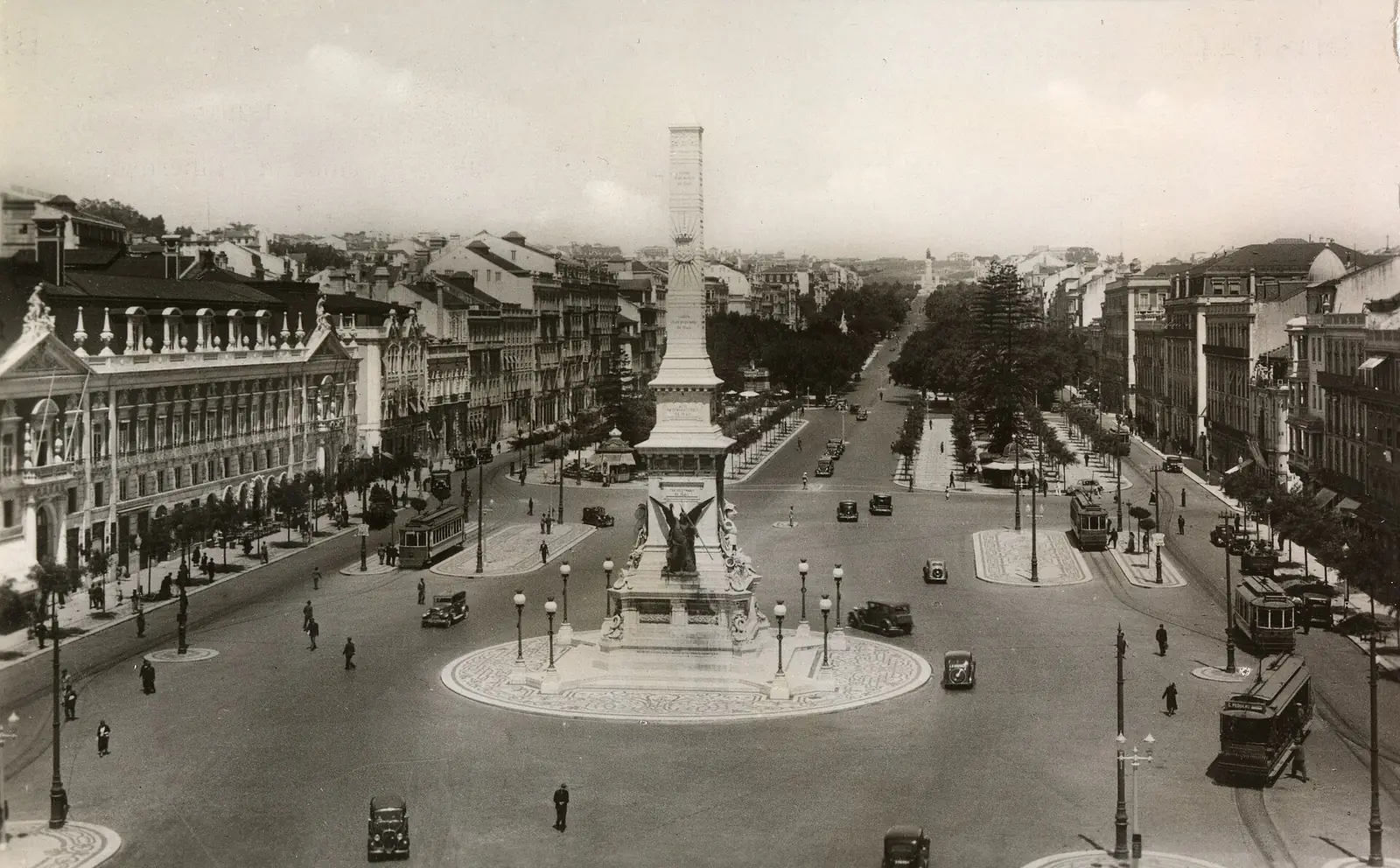
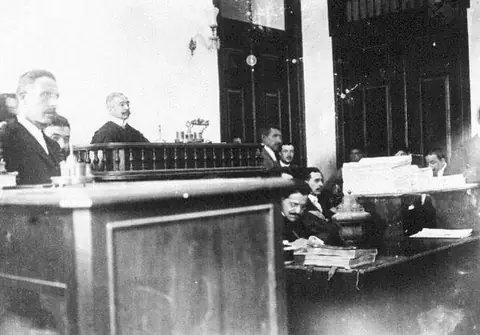
She went underground in 1949 and set up a PCP clandestine house with Sérgio Vilarigues.2 The PIDE arrested her on 15 October 1959, in a taxi, on Avenida da Liberdade.42 She was tried at the Plenary Court on 22 October 1960, with Maria Lamas and Maria Isabel Aboim Inglez among the character witnesses.2 Sentenced to eight years of major imprisonment, followed by a “security measure of internment” of six months to three years, extendable indefinitely, she was the first woman to receive that sentence.4
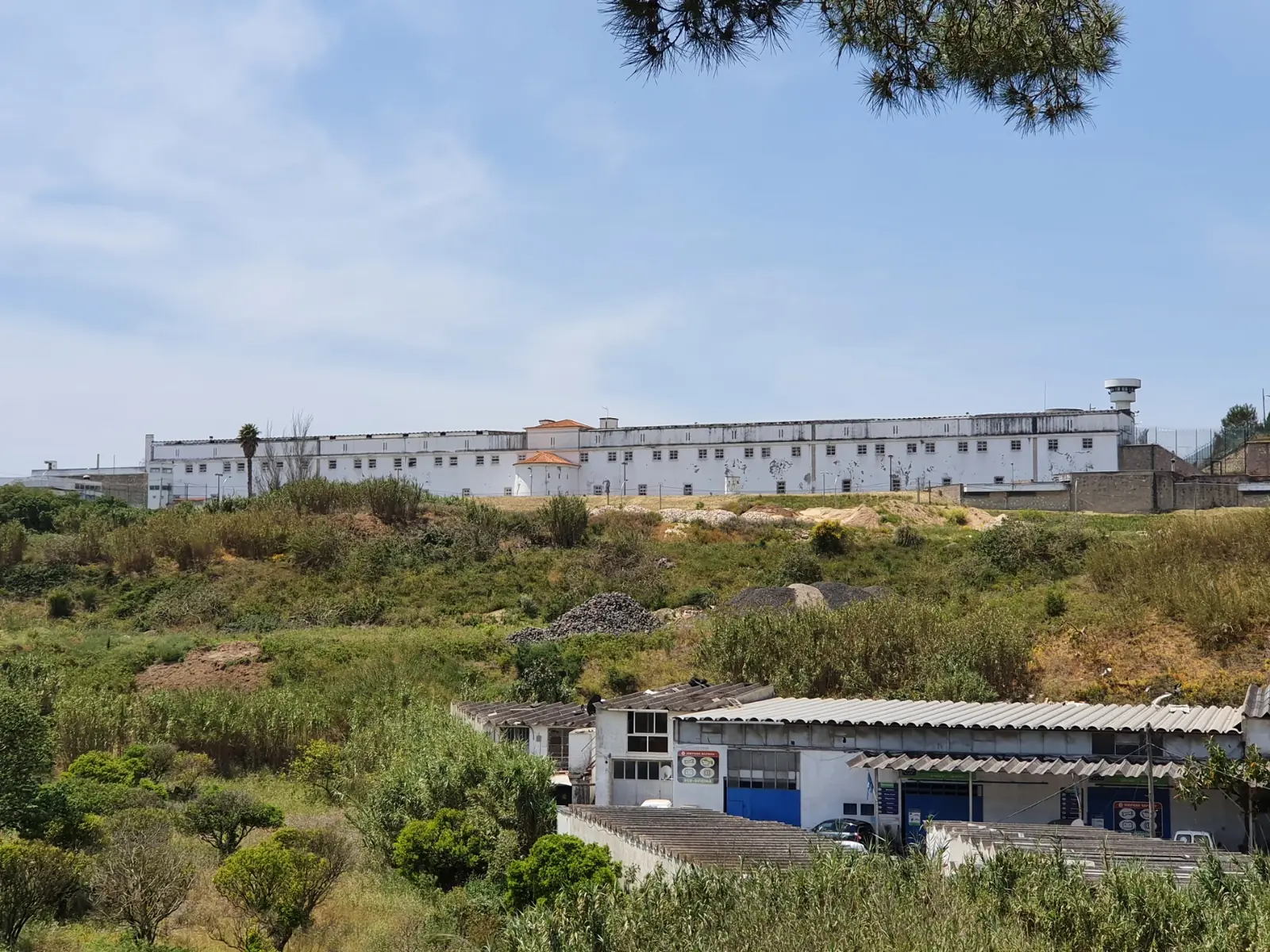
She served it in Caxias Fort.4 In the first days, held incommunicado, she made up the children’s story A Viagem numa Gota de Água (A Journey in a Drop of Water), which she published in 1977.4 With Sofia Ferreira she led the PCP cell in the prison, and in 1961 she smuggled the Caxias Manifesto out of it.2 She taught Mathematics and Geography to Maria Lourença Cabecinha.5 She was released on parole in December 1968.2 “In prison they took away the best years of my life. I went in at 35 and came out at 45”, she said in an interview with Helena Neves.4 Her account of underground life and of the punishments inflicted on women in prison was published in Mulheres Portuguesas na Resistência (Portuguese Women in the Resistance).1
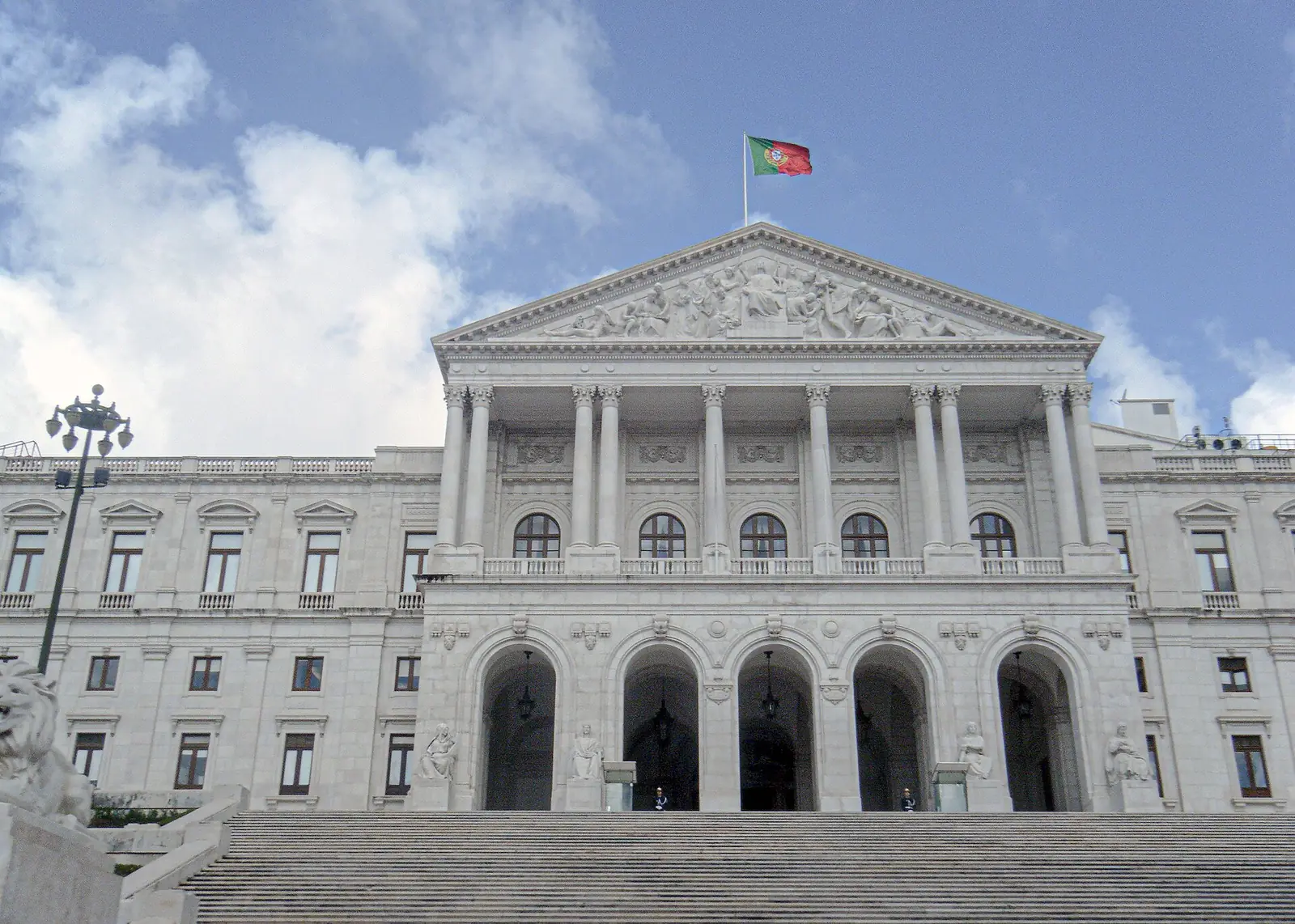
In 1975 she was elected for the PCP to the Constituent Assembly, one of the 27 women who sat in it.3 She was the only woman deputy on the 1st Committee; in the minutes, the deputies appeared by name and she with a “D.” (Dona) before hers — in Parliament’s own view, an example of the difficulty of treating women as equals.3 Later a deputy in the Assembly of the Republic, she chaired the Parliamentary Committee on the Status of Women from 1983 to 1985.1 Her stone bust stands in the Parliament’s cloister; she is one of the two women deputies so honoured.1 She died in Lisbon on 5 March 1998.42
7Biografia de Maria Alda Barbosa Nogueira (deputada). Assembleia da República — consulted on 4 October 2026Regista os mandatos na Assembleia Constituinte e nas I, II, III e IV legislaturas (a IV começou em novembro de 1985).