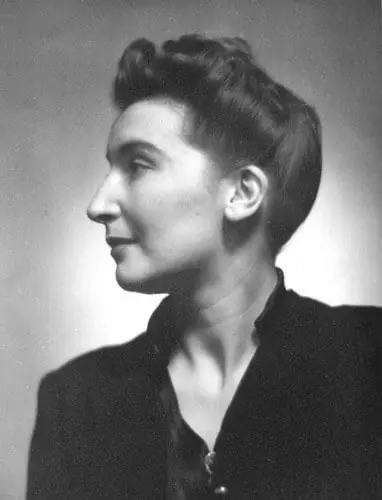
A journalist and writer, she edited “Modas e Bordados” (Fashions and Embroidery), chaired the National Council of Portuguese Women until the regime closed it down in 1947, and responded with “As Mulheres do Meu País” (The Women of My Country). She was arrested several times and lived in exile in Paris.
Oppositionjournalistwriterpresident of the National Council of Portuguese Women (1945–1947)president of the Portuguese Women’s Association for Peacepolitical prisoner
She was born in Torres Novas on 6 October 1893.4 Divorced, and the mother of three daughters, she made her living from journalism: in the 1920s she joined the Agência Americana de Notícias (American News Agency) with the support of Virgínia Quaresma, and she was one of the country’s first professional women journalists.17 She published her first book, of poetry, in 1923, and also wrote for children, sometimes as “Rosa Silvestre”.18
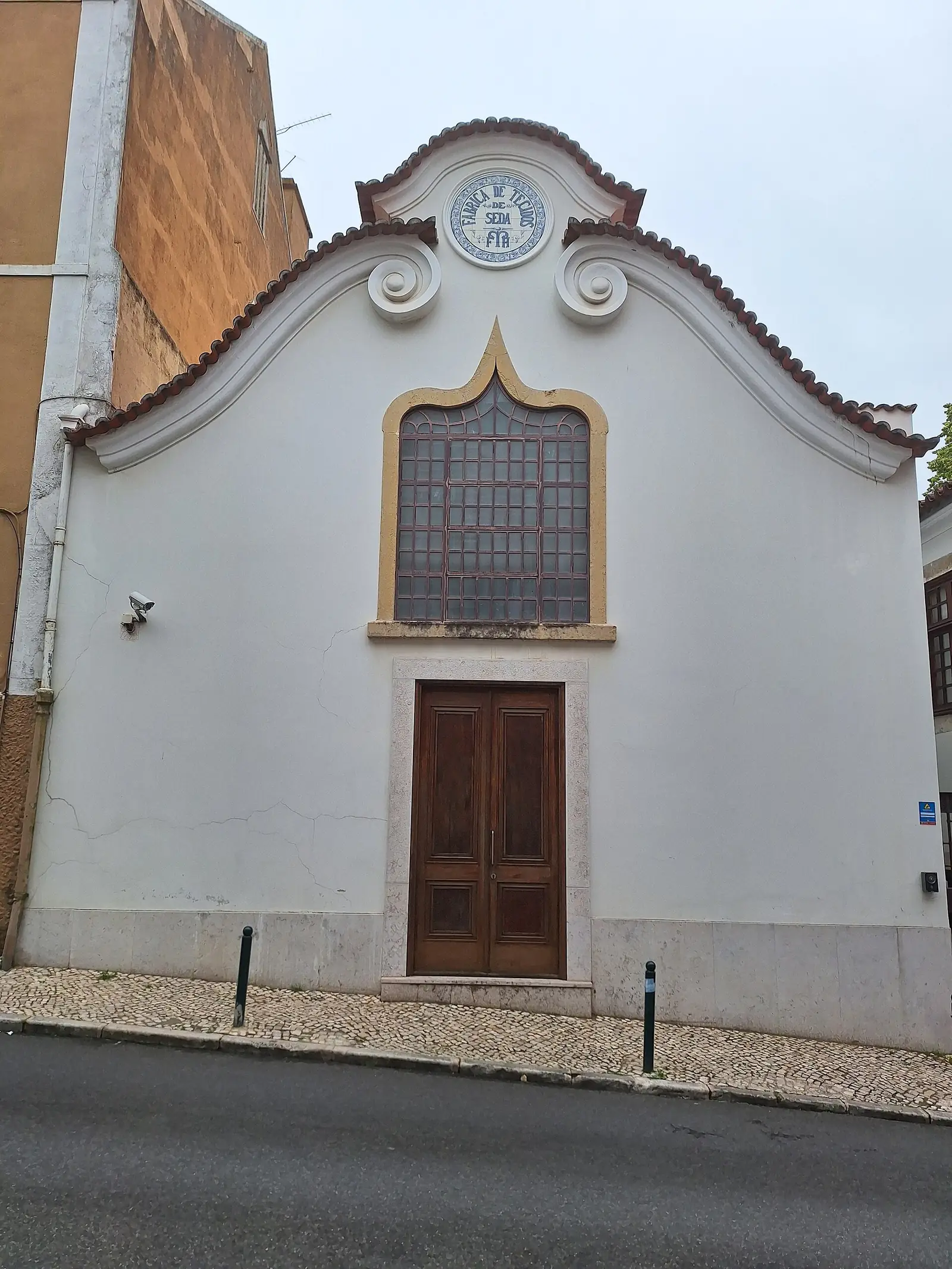
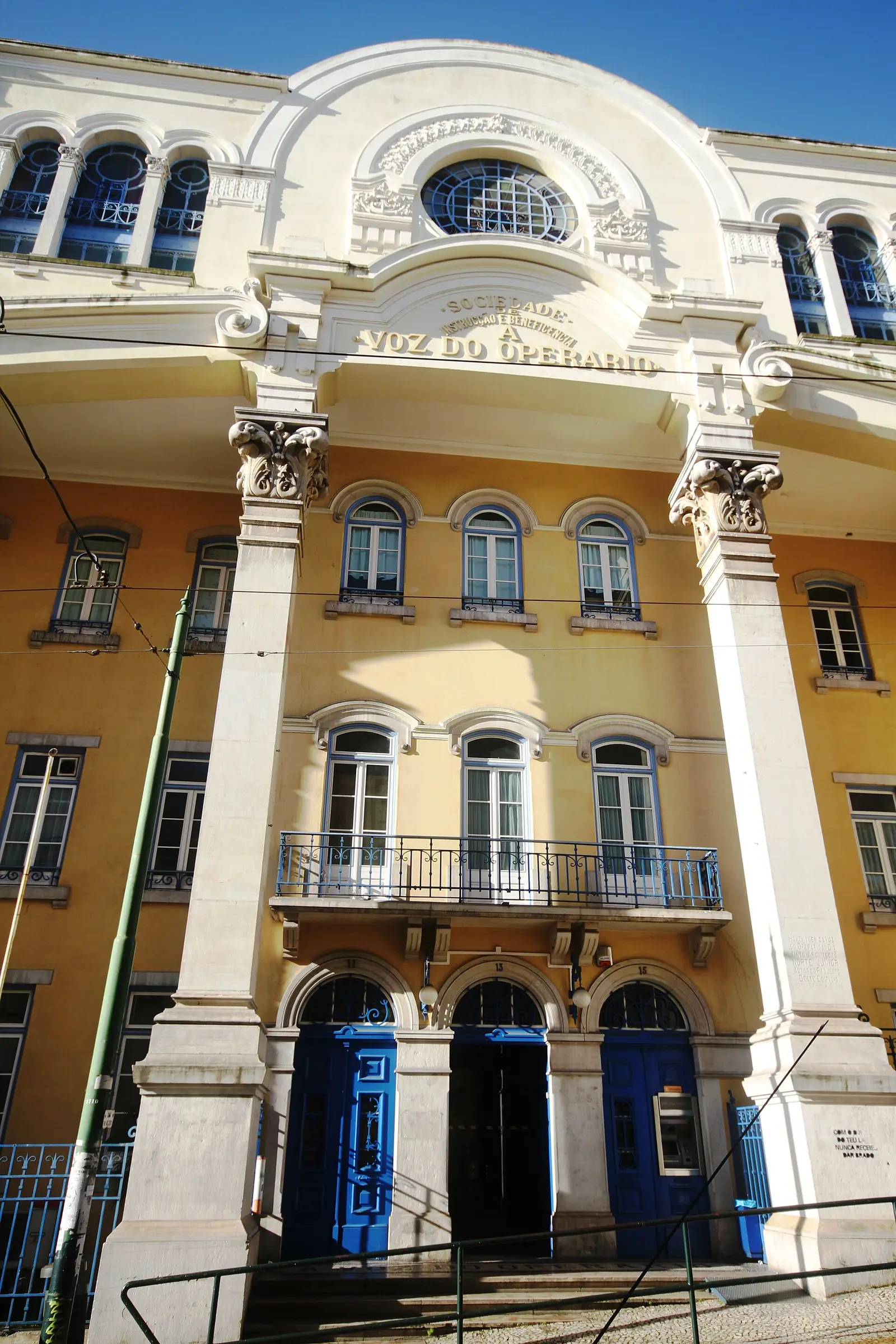
At the invitation of Ferreira de Castro, she became editor of Modas e Bordados (Fashions and Embroidery), the supplement of O Século, written “from woman to woman”;13 she edited it until 1947 — from 1928, according to Virgínia Baptista, whereas the MDM gives her as editor only from the issue of 3 August 1938.14 In 1930 she organised the exhibition “Mulheres Portuguesas” (Portuguese Women) at the newspaper, under the slogan “Let us be intelligently women” (Sejamos inteligentemente mulheres). She chaired the Portuguese Women’s Association for Peace and, from July 1945, the National Council of Portuguese Women. Signing the lists for the founding of the Movement of Democratic Unity (MUD) that year was, for her, her first political act: “In doing so, I came out of anonymity”.171
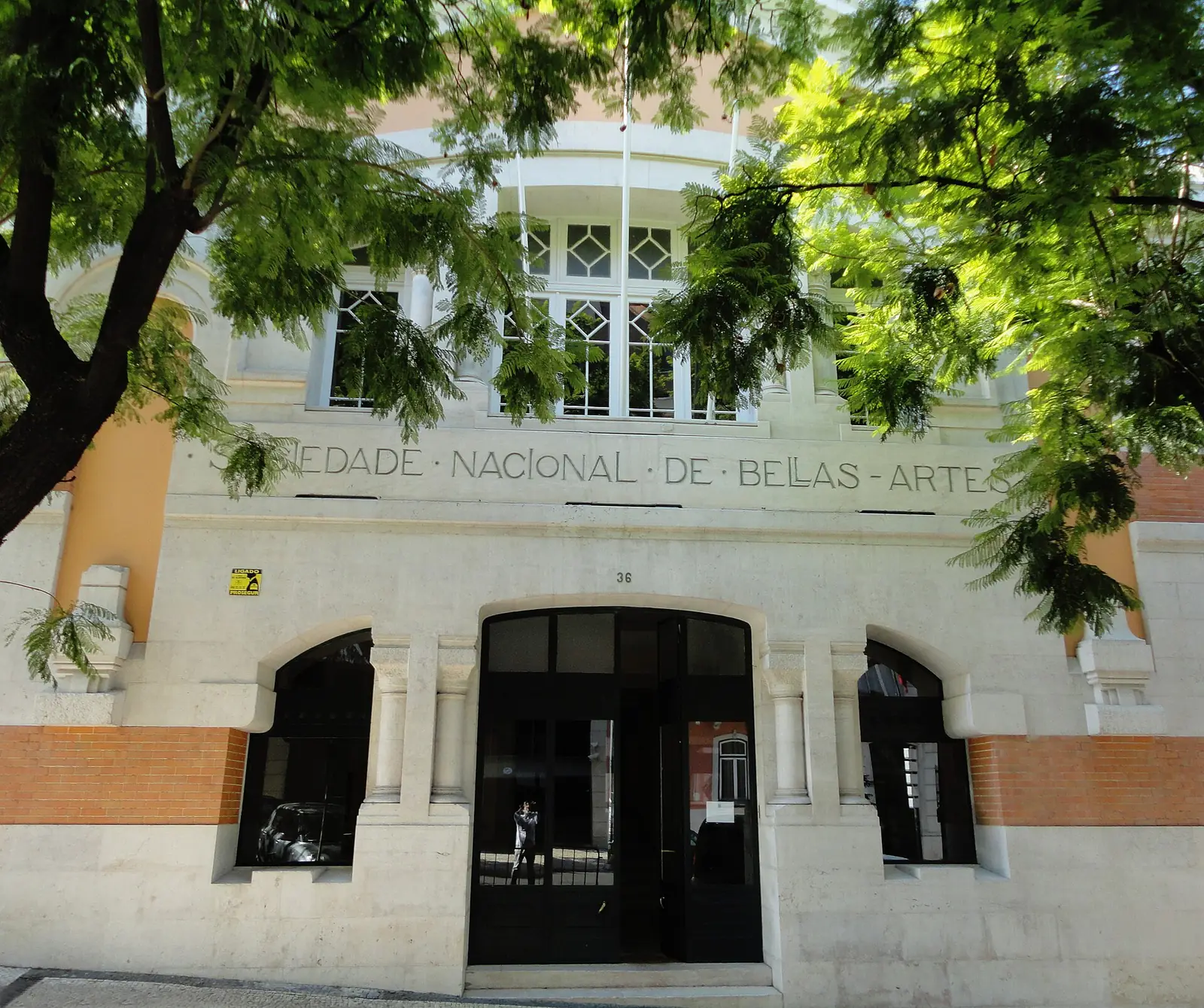
In January 1947 the Council brought together three thousand books written by women at the National Society of Fine Arts. Under pressure from Salazar, the editor of O Século forced her to choose between the newspaper and the Council;6 she chose the Council, which the police closed down on 28 June that year.19 She responded by travelling the country: As Mulheres do Meu País (The Women of My Country), published in instalments between 1948 and 1950, is a great work of reportage on the life and work of Portuguese women.9
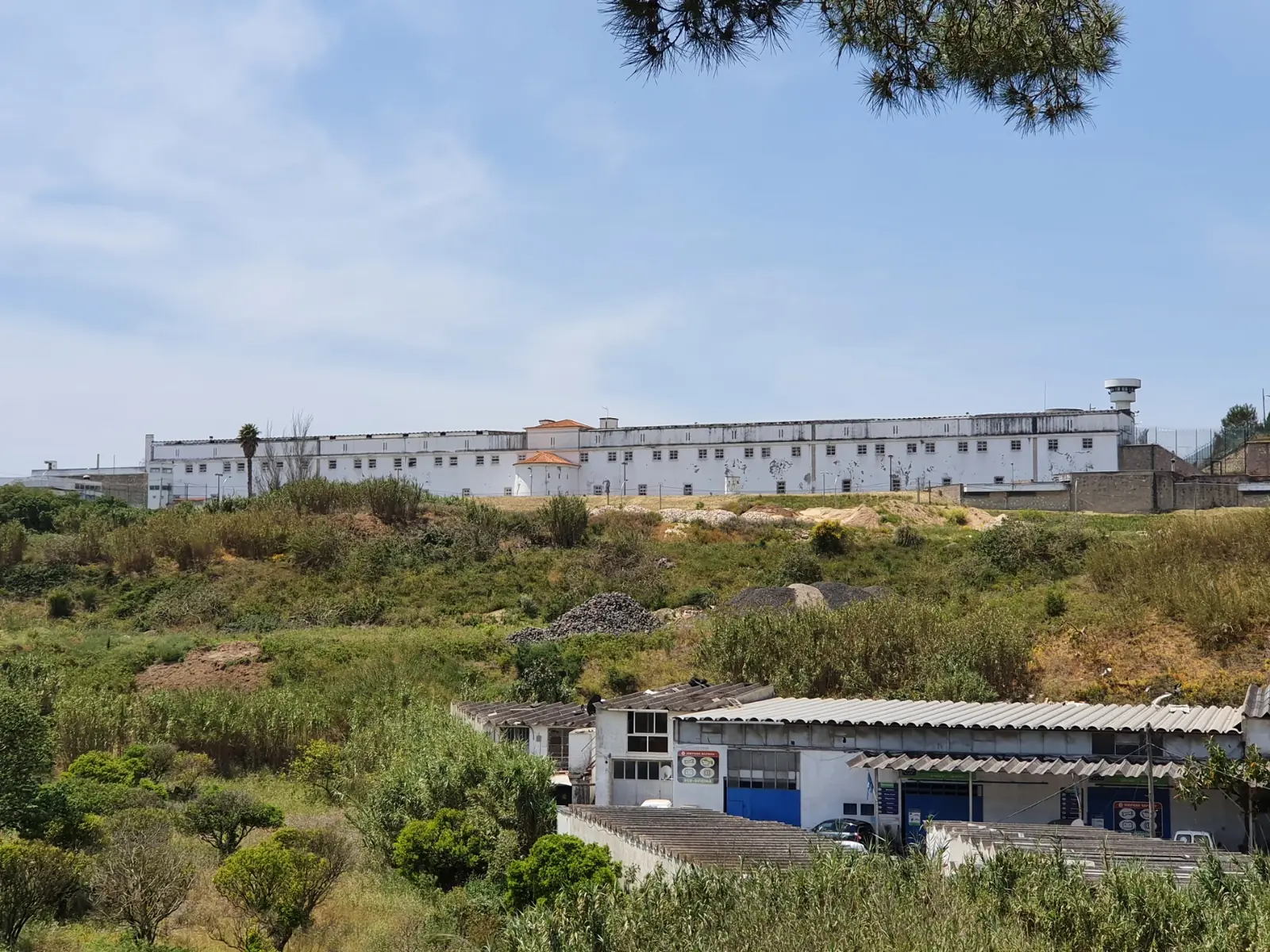
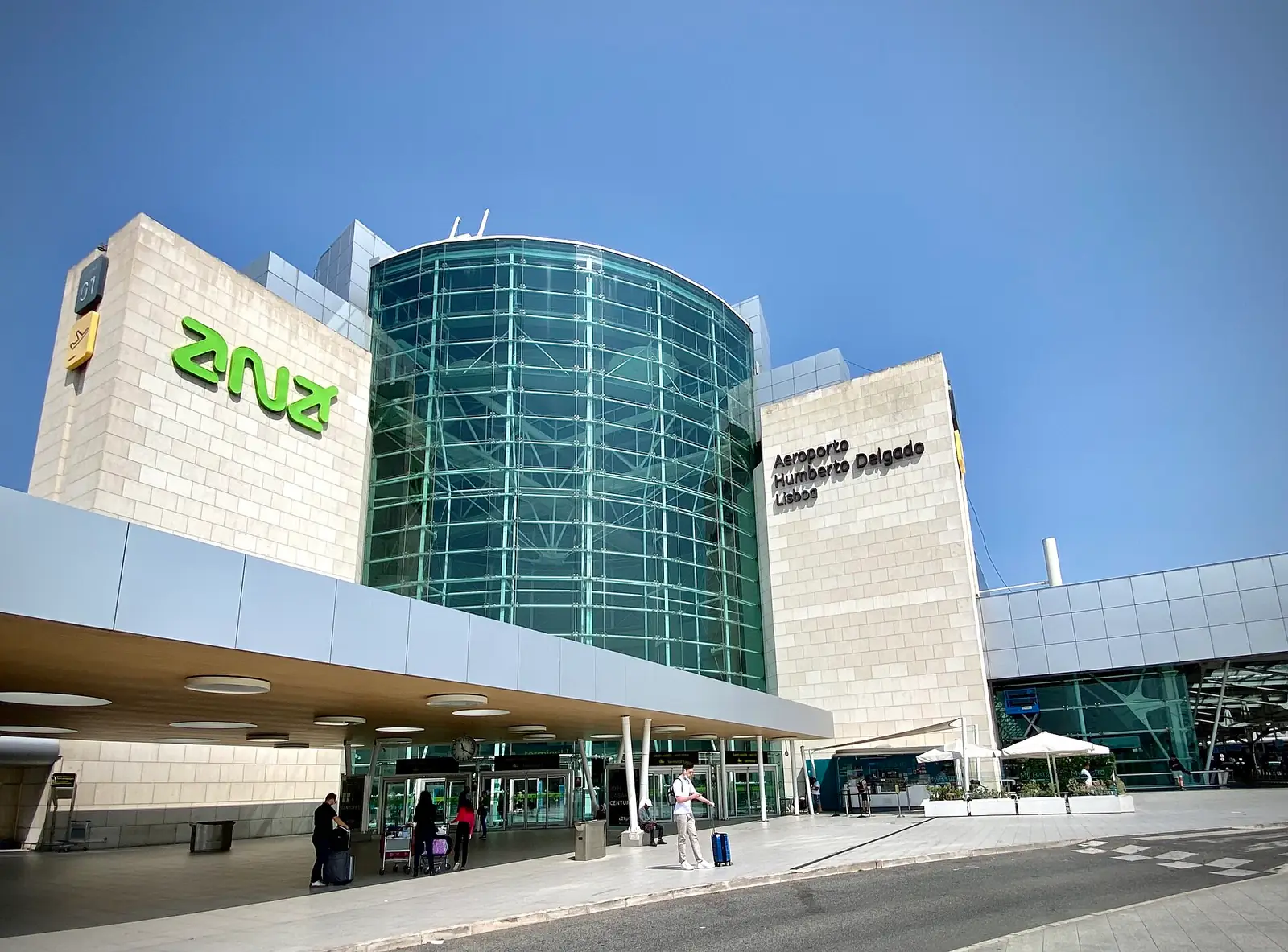
In 1949, at a meeting of Norton de Matos’s campaign, she asked: “Could it be that the Estado Novo is afraid of women’s enlightened minds?”1 That year she was imprisoned in Caxias at the same time as Virgínia Moura,4 and spent several months in isolation.7 She would be arrested again: during her 1950 imprisonment, which lasted six months, she wrote the Cartas Políticas (Political Letters), and a sentence of hers from that time remains: “I looked around me and began to take more notice of the other women: some resigned and heroic in their courage and silence.”10 In December 1953 she was arrested at the airport, on her way back from a meeting of the World Peace Council. In October 1960, together with Isabel Aboim Inglez, she was a character witness for Maria Alda Nogueira at the Plenary Court.20 She went into exile in Paris from 1962 to 1969, supporting Portuguese refugees.4
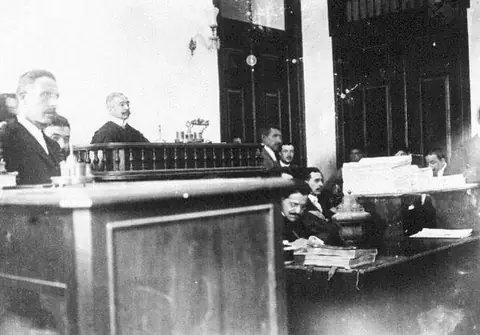
On 1 March 1974, at the age of eighty, she gave evidence at the Boa-Hora Court as a defence witness for Maria Isabel Barreno, one of the “Three Marias”.1 After 25 April she was honorary president of the Democratic Women’s Movement and honorary editor of Mulher – Modas e Bordados (Woman – Fashions and Embroidery).3 She died in Lisbon on 6 December 1983.418
At the Gulbenkian Art Library, Ana Barata draws a portrait of Maria Lamas on the occasion of the exhibition “The Women of Maria Lamas” (“As Mulheres de Maria Lamas”), open to the public from 26 January to 28 May 2024.
Original page Licença padrão do YouTube — embed permitido pelo canal oficial da Universidade Aberta
Universidade Aberta, on YouTube. The player only connects to that site when you press “Watch”.
In other archives
These can only be viewed on each archive’s own website.
O início em «Modas e Bordados»: 1928 (Virgínia Baptista; Wikipédia) ou 1930 (CIG); o MDM dá abril de 1929 para a entrada n'O Século, «pouco tempo depois» a entrada na direção do suplemento, e o nome dela como diretora a partir do número de 3 de agosto de 1938.
O número de fascículos de «As Mulheres do Meu País»: 15 (Virgínia Baptista) ou 24 (Teresa Joaquim).
Que o aeroporto onde foi presa em dezembro de 1953 é o de Lisboa: o MDM escreve só «no Aeroporto».
Do you know more, or do you have a document? Tell us.
21MUD Juvenil. Museu do Aljube Resistência e Liberdade (EGEAC) — consulted on 2 October 2026
22Maria da Conceição Vassalo e Silva da Cunha Lamas. Memória Comum – Memorial aos Presos e Perseguidos Políticos — consulted on 4 October 2026Primeira prisão a 17 de dezembro de 1949; presa na prisão de Caxias em 1949, 1950–1951 e 1953.