Women of the resistance
Maria Velho da Costa
1938–2020
Maria de Fátima de Bivar Velho da Costa
The novelist of “Maina Mendes” and “Casas Pardas”, she was the one who put to the other two Marias the question that gave rise to “Novas Cartas Portuguesas” (New Portuguese Letters). She received the Camões Prize in 2002.
- Born
- 26 June 1938, Lisbon
- Died
- 23 May 2020, Lisbon
Biography
She was born in Lisbon on 26 June 1938, graduated in Germanic Philology from the Faculty of Letters and was a secondary school teacher.13 In 1969 she published Maina Mendes, a novel whose protagonist loses her speech and invents a new one.9
In May 1971, the day after Maria Teresa Horta had been beaten up in the street because of a book, the three friends had their weekly lunch. Maria Velho da Costa threw down the challenge: “If one woman on her own causes all this fuss, this uproar, this scandal, what would happen if there were three of us?”9 From this came the Novas Cartas Portuguesas (New Portuguese Letters, 1972), written with Horta and Maria Isabel Barreno, seized by the censors and taken to court.5
On the first day of the trial, 25 October 1973, at the Boa-Hora Court, she replaced her lawyer, António Alçada Baptista, with Francisco de Sousa Tavares.4 The three were acquitted on 7 May 1974.10
After the revolution she was the first woman to chair the Portuguese Writers’ Association, an aide to the Secretary of State for Culture in Maria de Lourdes Pintasilgo’s government, a lecturer at King’s College London (1980–1987) and cultural attaché in Cape Verde. Among the novels she published afterwards, Casas Pardas (Grey Houses, 1977) and Myra (2008) stand out.12 She received the Camões Prize in 2002. She died at home, in Lisbon, on 23 May 2020.1
Places

Dates
1971
Maria Teresa Horta publishes “Minha Senhora de Mim” (My Lady of Myself)Apr 1972
The “Novas Cartas Portuguesas” (New Portuguese Letters) are publishedJun 1973
The Three Marias, the first international feminist cause25 Oct 1973
The trial of the Three Marias begins, behind closed doors7 May 1974
The “Three Marias” are acquitted1 Aug 1979
Maria de Lourdes Pintasilgo, the first woman prime minister
People
They crossed paths with her
Maria Isabel Barreno
1939–2016 · writer
Maria Teresa Horta
1937–2025 · poet
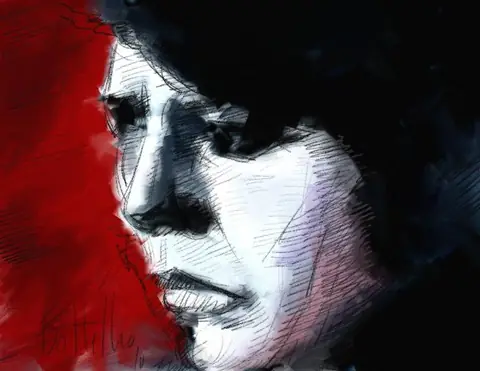
Natália Correia
1923–1993 · poet
Fernanda Botelho
1926–2007 · writer
Maria Lamas
1893–1983 · journalist
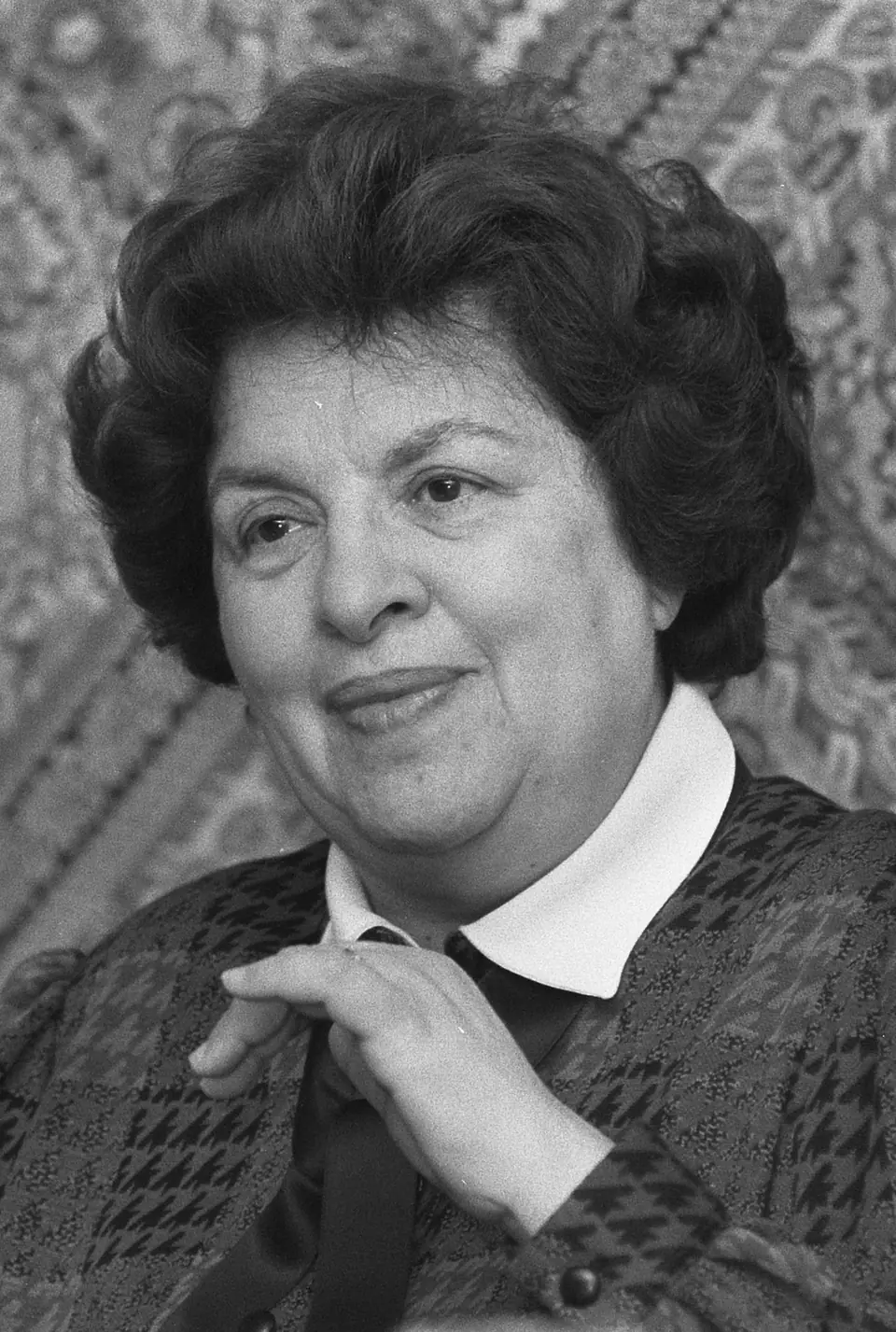
Maria de Lourdes Pintasilgo
1930–2004 · chemical engineer


Videos
In other archives
These can only be viewed on each archive’s own website.
- Hemeroteca Municipal de Lisboa · Document · 25 October 1973«Novas Cartas Portuguesas» – Julgamento secretoA news item from the “Diário de Lisboa”: the judge declared closed the hearing in the trial of the authors and the publisher of “Novas Cartas Portuguesas” (“New Portuguese Letters”), which had begun that day at the Boa-Hora. Journalists and observers from the feminist movement and from PEN Club had to leave the courtroom.Open in the archive
- Hemeroteca Municipal de Lisboa · Document · May 1974As Três Marias foram absolvidasThe front page and the “Diário de Lisboa” report on the acquittal of the “Three Marias”: the judge declared that the book was neither pornographic nor immoral, and the writers wore red carnations on their chests. In the courtroom people shouted “Women united will never be defeated” (“Mulheres unidas jamais serão vencidas”).Open in the archive
- RTP Arquivos · Video · broadcast on 9 May 1974 · 12 minEntrevista às “Três Marias”Fialho Gouveia interviews Maria Teresa Horta, Maria Isabel Barreno and Maria Velho da Costa about the “Novas Cartas Portuguesas” (“New Portuguese Letters”) case. They discuss the book as a weapon for women’s liberation, the trial, the acquittal and the difficulty of getting it to more women readers.Open in the archive
- RTP Arquivos · Video · broadcast on 27 January 1975 · 16 minMaria Velho da CostaFernando Assis Pacheco interviews Maria Velho da Costa in the series “Escrever é Lutar” (To Write Is to Fight). She talks about her first books, the collective writing of “Novas Cartas Portuguesas” (“New Portuguese Letters”) and being a writer and a woman in Portugal, and reads a text of her own, “Esta força” (This strength).Open in the archive
Notes on the sources1
- A Wikipédia diz que o pai, oficial de Infantaria, entrou em 1958 para os censores da comissão de censura de Lisboa; não se encontrou outra fonte.
Do you know more, or do you have a document? Tell us.
Sources13
- 1Morreu a escritora Maria Velho da Costa, uma das autoras das Novas Cartas Portuguesas (23/5/2020). Observador — consulted on 2 October 2026
- 2Maria Velho da Costa (1938-2020). Imprensa Nacional — consulted on 2 October 2026
- 3Mulheres pela Igualdade (biografias). CIG – Comissão para a Cidadania e a Igualdade de Género — consulted on 2 October 2026
- 4«Novas Cartas Portuguesas» – Julgamento secreto (Diário de Lisboa, 25/10/1973). Hemeroteca Municipal de Lisboa – Livros que foram notícia — consulted on 2 October 2026
- 5Novas Cartas Portuguesas. Comissão Comemorativa 50 Anos 25 de Abril — consulted on 2 October 2026
- 6Processo “Novas Cartas Portuguesas”. Museu do Aljube Resistência e Liberdade (EGEAC) — consulted on 2 October 2026
- 7Maria Velho da Costa. Wikipédia — consulted on 2 October 2026
- 8Novas Cartas Portuguesas. Wikipédia (ponto de partida) — consulted on 2 October 2026
- 9Itinerário «Novas Cartas Portuguesas». Museu do Aljube Resistência e Liberdade — consulted on 2 October 2026
- 10“As três Marias foram absolvidas”. Museu do Aljube Resistência e Liberdade (EGEAC) — consulted on 2 October 2026
- 11«As Três Marias foram absolvidas» / «Absolvição para as Novas Cartas Portuguesas» (Diário de Lisboa, 8 de maio de 1974). Hemeroteca Municipal de Lisboa – Livros que foram notícia — consulted on 2 October 2026O ficheiro da Hemeroteca chama-se «04Mai1974», mas a página diz que as «Novas Cartas Portuguesas» passaram «ontem» de tabu a «best-seller», e a absolvição foi a 7 de maio — é o número de 8 de maio.
- 12Consulta SPARQL de identificadores e datas (P569/P570) de pessoas. Wikidata Query Service — consulted on 2 October 2026
- 13Faleceu Maria Velho da Costa, mulher de Abril. Movimento Democrático de Mulheres, 2020 — consulted on 4 October 2026Nasceu em Lisboa a 26 de junho de 1938 e morreu a 23 de maio de 2020.