
People
Mário Soares
1924–2017
Claude Truong-Ngoc, CC BY-SA 3.0
Mário Alberto Nobre Lopes Soares
General secretary of the PS, he returned from exile on 28 April 1974 and was greeted by a crowd at Santa Apolónia. In 1975 he took on the PCP in the República affair and at the Fonte Luminosa rally; in 1976 he headed the First Constitutional Government.
- Born
- 7 December 1924, Lisbon
- Died
- 7 January 2017, Lisbon
Biography
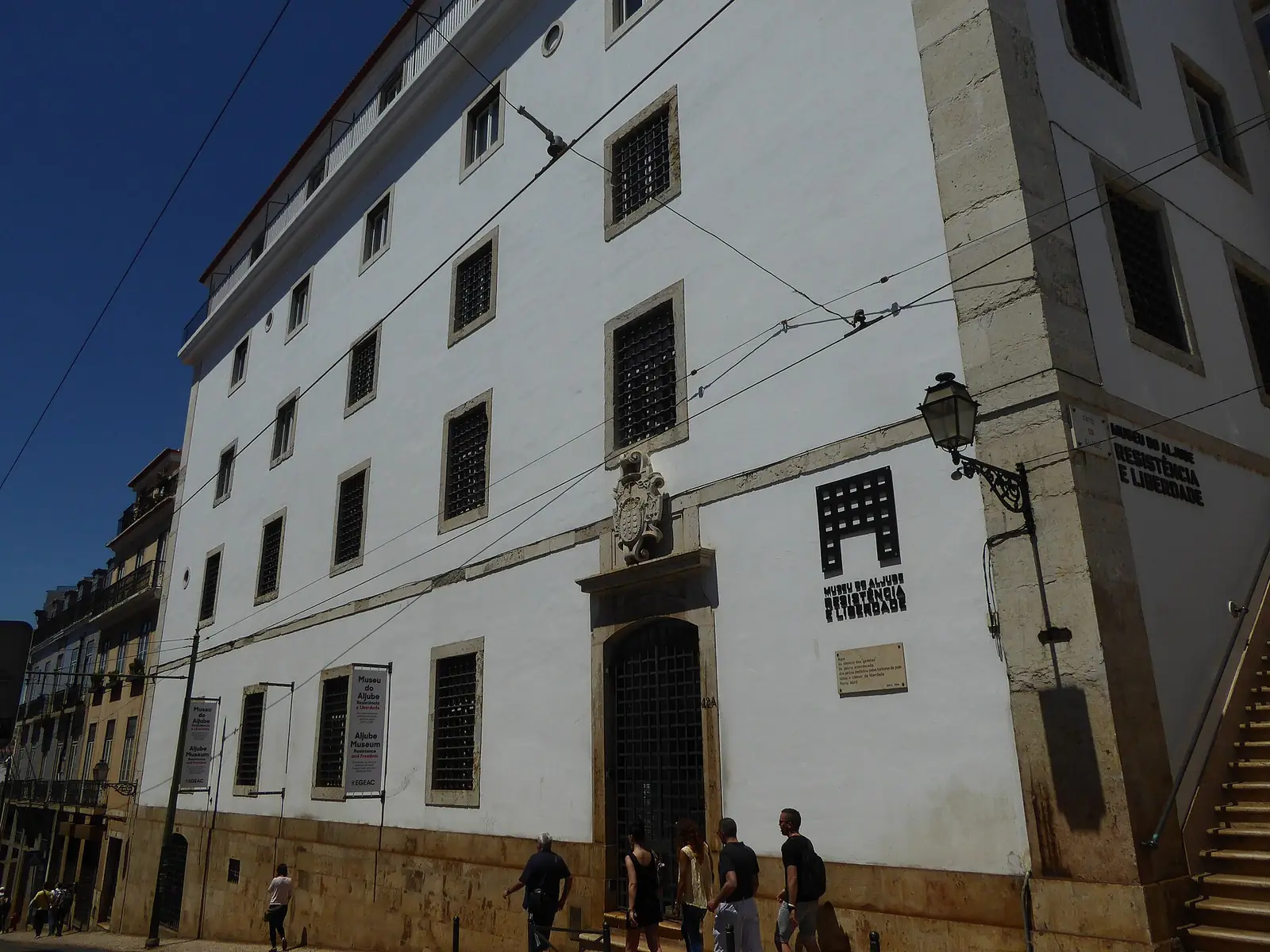
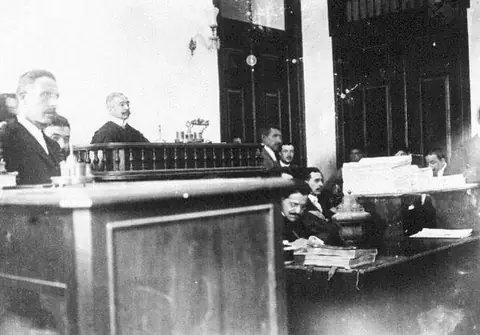
He was born in Lisbon on 7 December 1924.8 A member of the Central Committee of the Movement of Democratic Unity (MUD), he was arrested with the rest of the committee on 31 January 1948 and imprisoned in the Aljube.9 On 15 February 1949 he was arrested again on his way to the Boa-Hora Court, where the Central Committee of the MUD Juvenil (Youth Movement of Democratic Unity) was to be tried; on 22 February, in the Aljube, he married Maria Barroso by proxy.9 In 1974 he was living in exile in France and was general secretary of the Socialist Party (PS), founded the year before.1 On 25 April he was in Bonn, at the invitation of Willy Brandt, and he left for Paris when the SPD told him that a military movement had broken out in Portugal.2
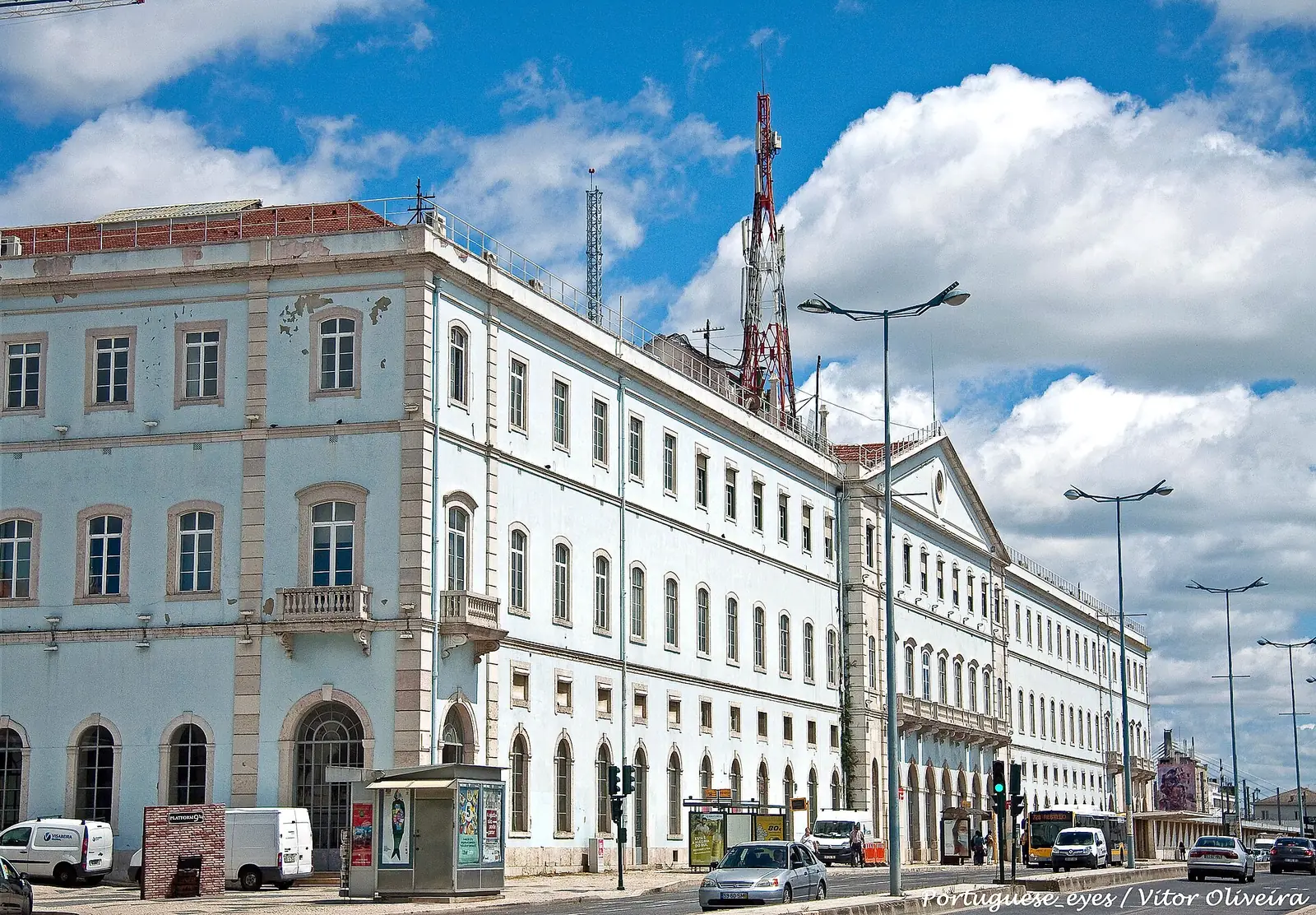
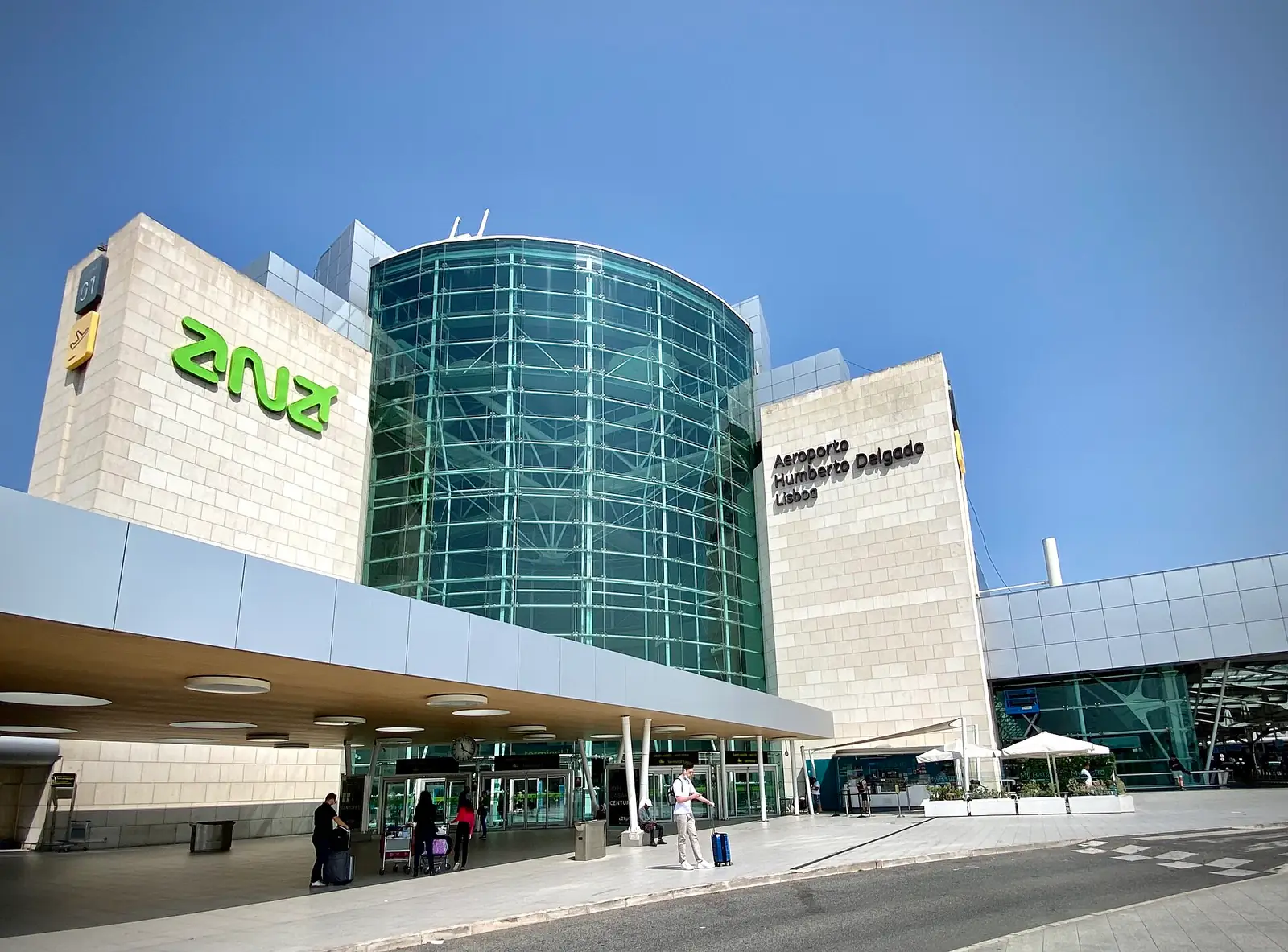
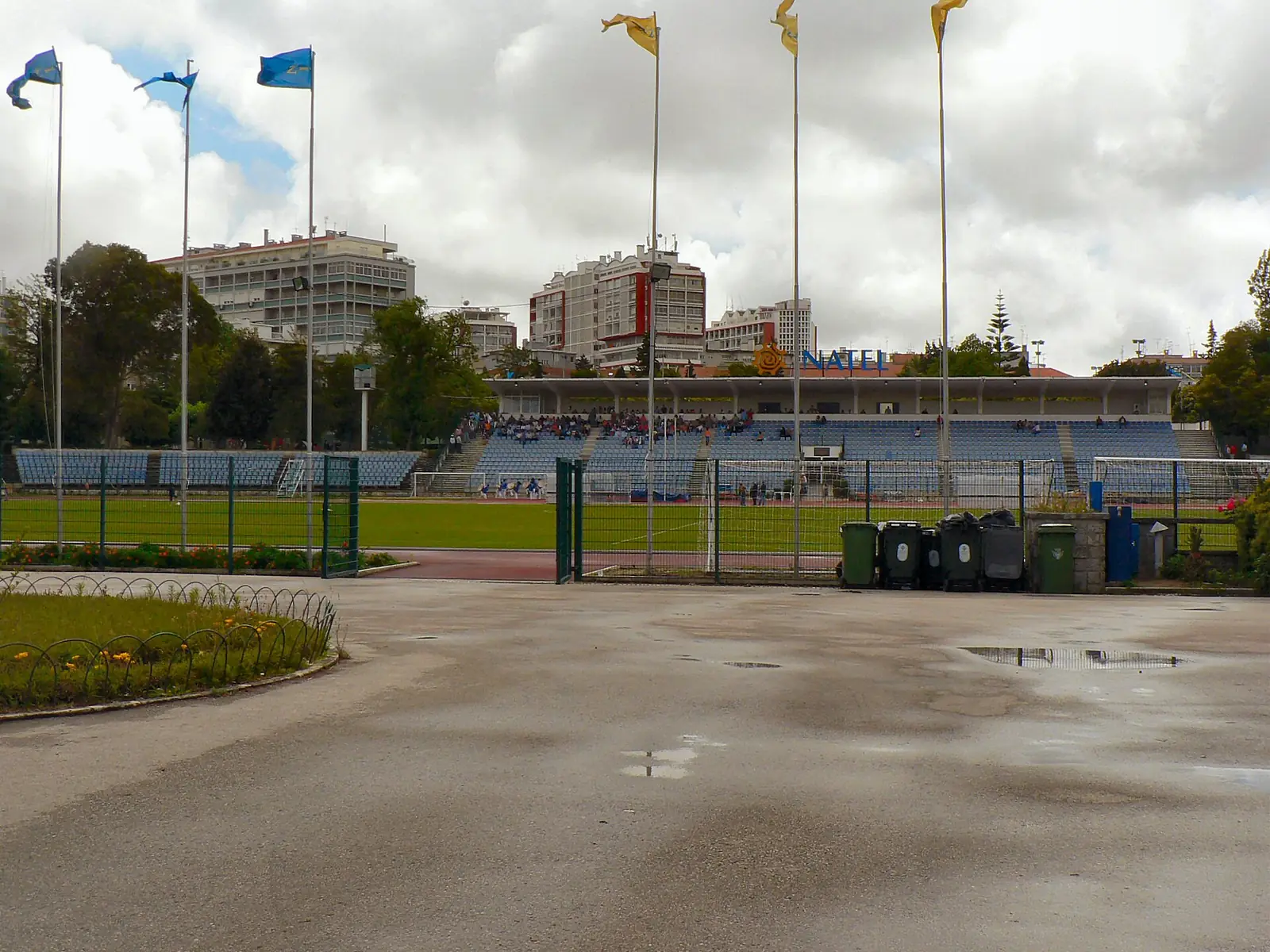
On 28 April he arrived by train at Santa Apolónia Station, with Maria Barroso, also a founder of the PS. A crowd was waiting for him; Soares spoke from a balcony of the station, loudhailer in hand, and went on to the Palácio da Cova da Moura for a meeting with General Spínola.13 Two days later he waited for Álvaro Cunhal a few metres from the plane, at the airport. On May Day (1 May), the two marched from Alameda D. Afonso Henriques to the FNAT stadium, renamed Estádio 1.º de Maio (May Day Stadium), and at the rally Soares embraced Cunhal.1
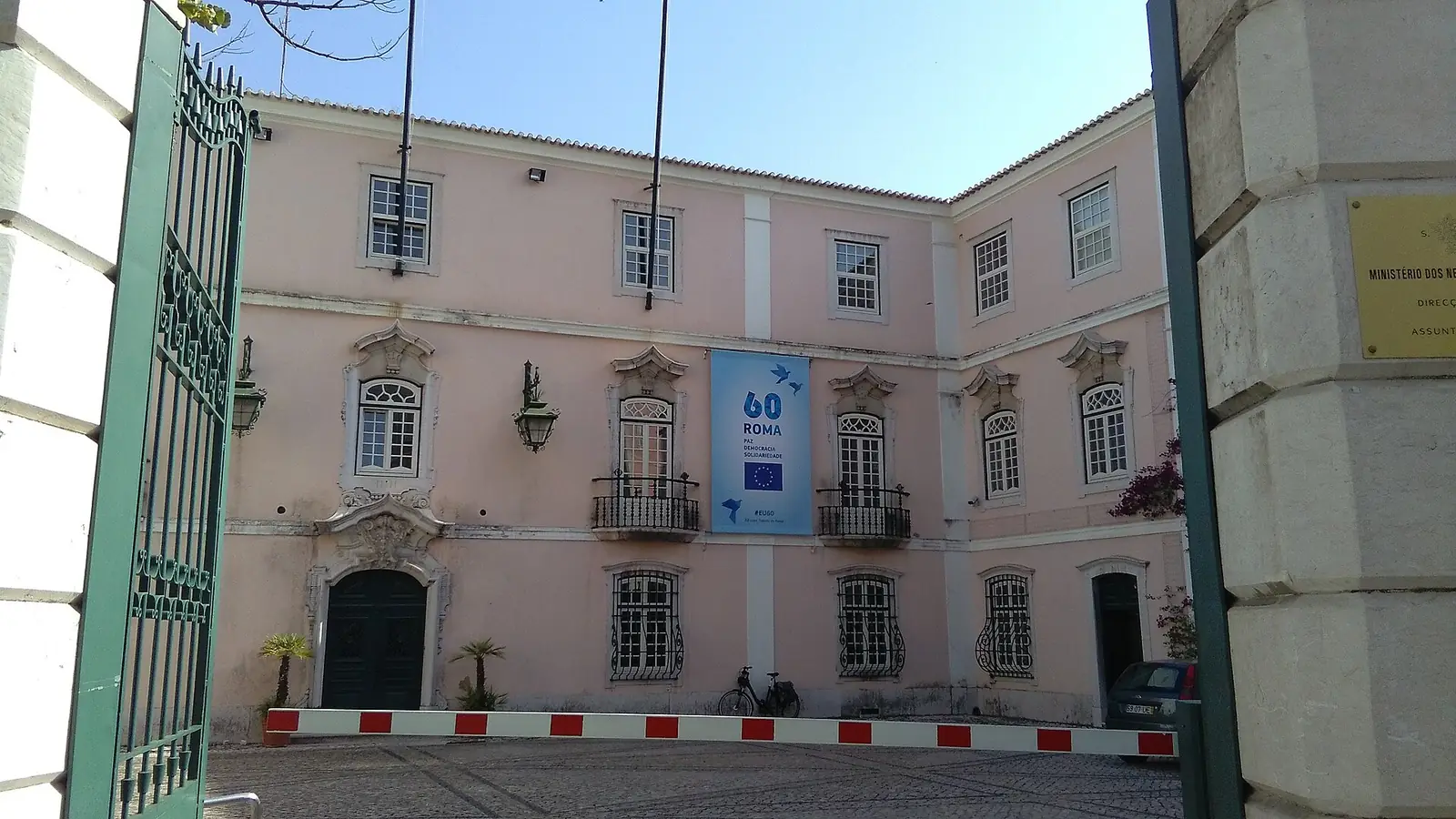
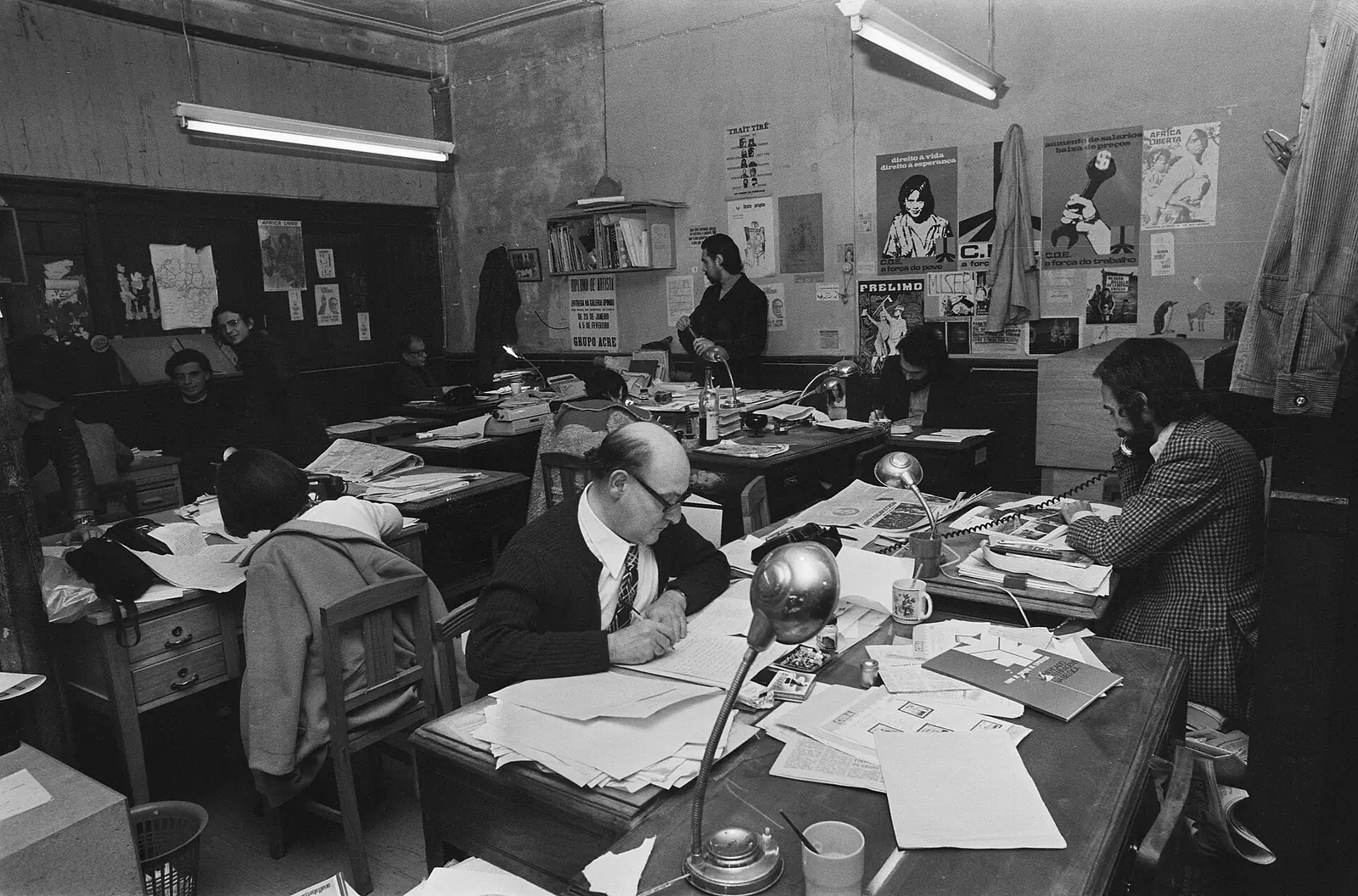
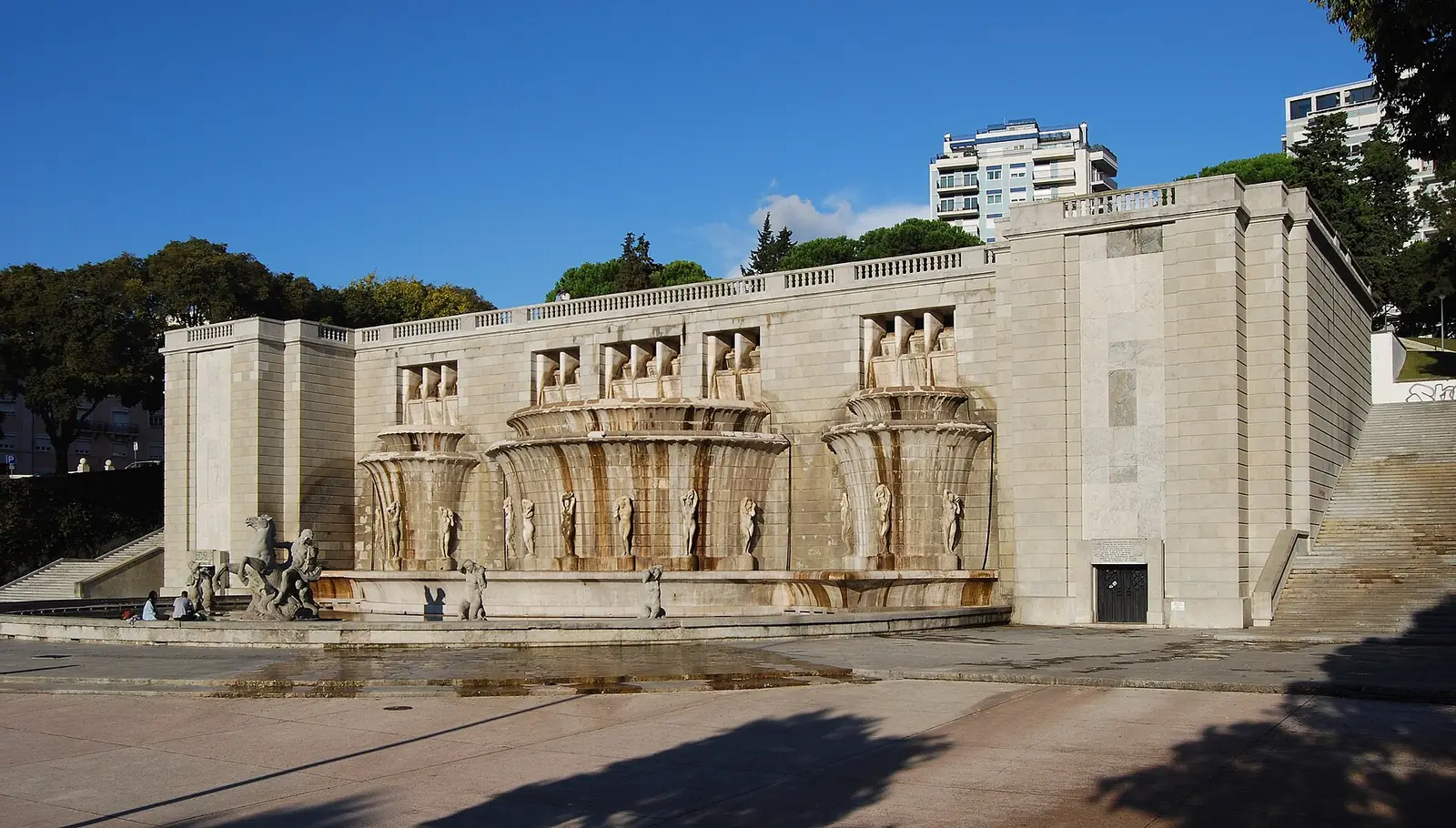
In May 1975, in the affair of the newspaper República, the PS called a demonstration for the 22nd, accusing the PCP of being behind the crisis. Soares then said through the megaphone: “25 April was made to put an end to a dictatorship, not to come and impose another one on us”.4 On 19 July, at the Fonte Luminosa rally, he directly attacked the PCP, the Prime Minister, Vasco Gonçalves, and the Intersindical.5
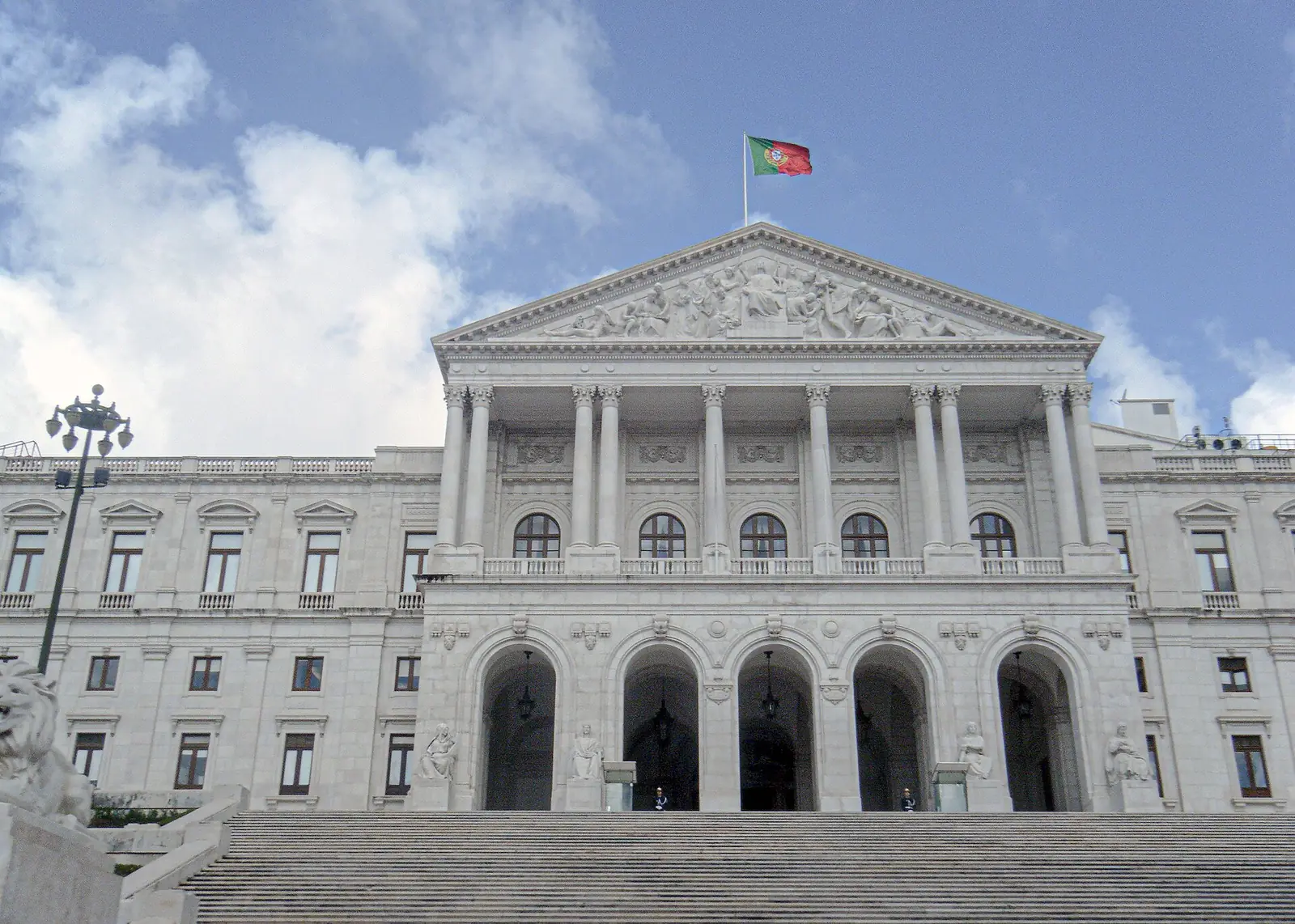
The PS won the elections to the Constituent Assembly, on 25 April 1975, in which Soares was elected a deputy,8 and the first parliamentary elections, on 25 April 1976. In July 1976, Soares was sworn in as Prime Minister of the First Constitutional Government.6 On 9 March 1986 he was sworn in as President of the Republic, before the Assembly of the Republic.9 He died in Lisbon on 7 January 2017.8
Places


Dates
20 Oct 1945
The Plenary Courts replace the Special Military Courts28 Jul 1946
The MUD Juvenil is formally constituted1948
Maria Barroso removed from the Teatro Nacional D. Maria II22 Feb 1949
Mário Soares and Maria Barroso marry by proxy in the Aljube prisonJan 1963
The magazine “O Tempo e o Modo” is launched10 Dec 1967
The British press reveals the “Ballet Rose” scandal15 May 1969
The Second Republican Congress of Aveiro28 Apr 1974
Mário Soares arrives from exile at Santa Apolónia30 Apr 1974
Álvaro Cunhal arrives from exile at the airport1 May 1974
The first May Day in freedom16 May 1974
Palma Carlos’s First Provisional Government is sworn in6 Jul 1974
Decree-Law No. 308/74: women enter the diplomatic career7 Sep 1974
The Lusaka Agreement sets Mozambique’s independence for 25 June 197519 May 1975
The “República affair” begins19 Jul 1975
PS rally at the Fonte Luminosa25 Apr 1976
The first legislative elections23 Jul 1976
Mário Soares’s First Constitutional Government is sworn in26 Jan 1986
Pintasilgo, the first woman candidate for the Presidency of the Republic5 Oct 1990
Humberto Delgado in the National Pantheon
Walks
People
They crossed paths with him
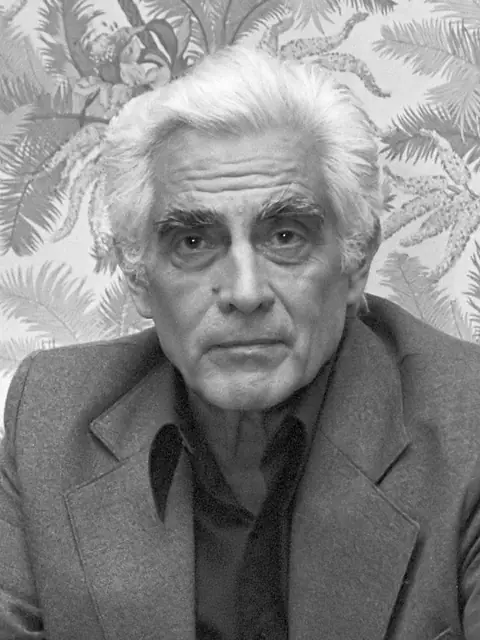
Álvaro Cunhal
1913–2005 · general secretary of the Portuguese Communist Party
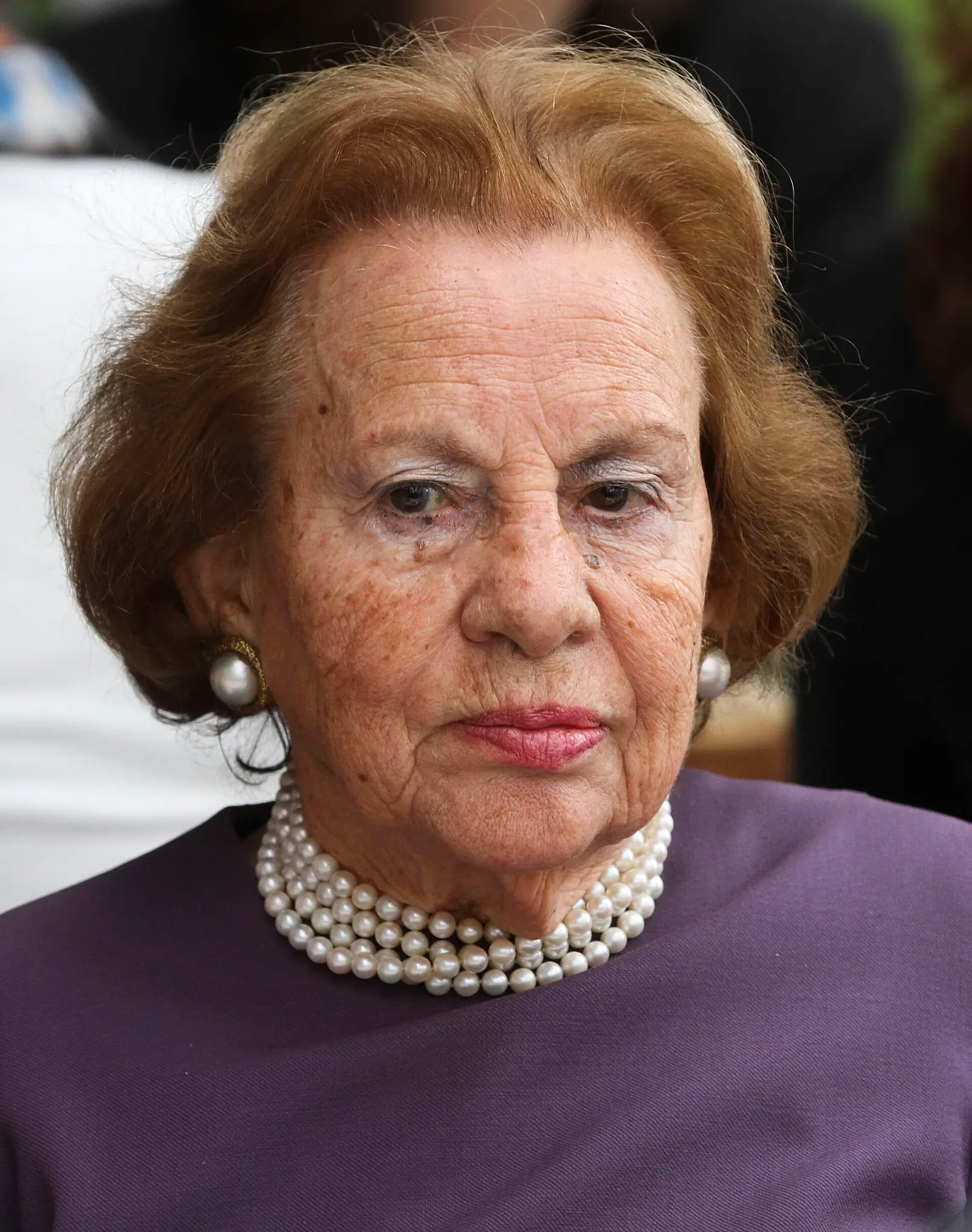
Maria Barroso
1925–2015 · actress
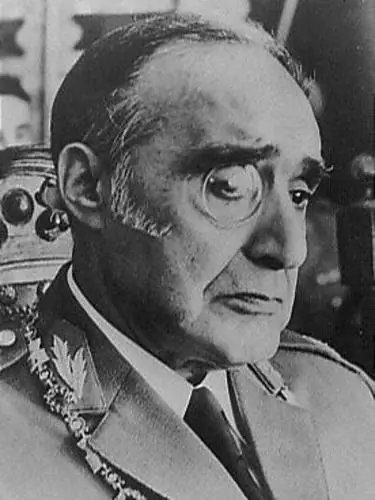
António de Spínola
1910–1996 · general
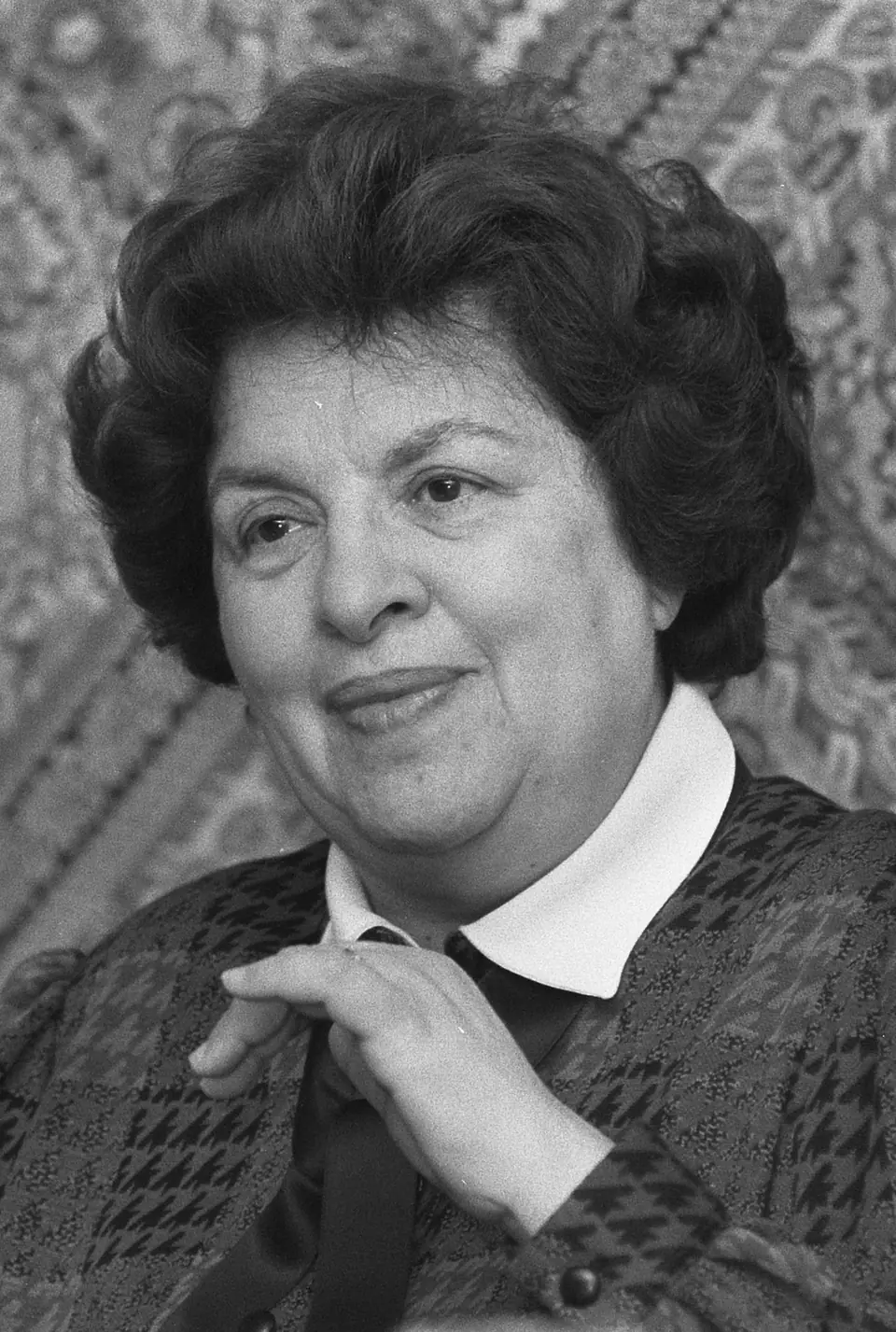
Maria de Lourdes Pintasilgo
1930–2004 · chemical engineer
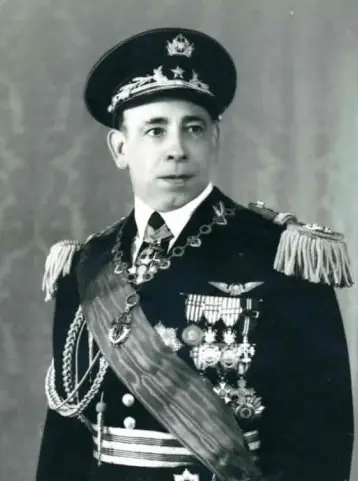
Humberto Delgado
1906–1965 · soldier and aviator, Air Force general
Maria Lamas
1893–1983 · journalist


.jpg)
Videos
At Santa Apolónia station, on 28 April 2017, the CTT (the Portuguese postal service) present a stamp issue recalling Mário Soares’s arrival from exile, 43 years earlier, on the “Comboio da Liberdade” (Freedom Train); the mayor, Fernando Medina, speaks. The tribute plaque “Da Mordaça à Liberdade” (From the Gag to Freedom), by Infraestruturas de Portugal, bearing that day’s date, can be seen.
Original page Licença padrão do YouTube — embed permitido pelo canal oficial da Câmara Municipal de Lisboa
Câmara Municipal de Lisboa, on YouTube. The player only connects to that site when you press “Watch”.
Avelino Fernandes Semedo was doing his military service in the Military Police when the 25 April revolution came, and he tells how he took part in the arrest of PIDE agents and of its director, Silva Pais. He also remembers the first May Day and, at the end, Mário Soares’s speech at the Fonte Luminosa demonstration.
Original page Licença padrão do YouTube — embed permitido pelo canal oficial do Instituto de História Contemporânea
Instituto de História Contemporânea (NOVA FCSH), on YouTube. The player only connects to that site when you press “Watch”.
In other archives
These can only be viewed on each archive’s own website.
- RTP Arquivos · Video · broadcast on 29 September 1969 · 2 minPrimeira conferência de imprensa da Comissão Eleitoral de Unidade DemocráticaThe candidates of the Electoral Commission for Democratic Unity give their first press conference before the elections of October 1969; Mário Soares and Francisco Sousa Tavares are among those who speak. At the end, among the journalists, are Maria Barroso and Sophia de Mello Breyner Andresen.Open in the archive
- RTP Arquivos · Video · broadcast on 28 April 1974 · 7 minRegresso de Mário SoaresMário Soares arrives from exile at Santa Apolónia station, speaks from the balcony and answers journalists’ questions; in the crowd are Palma Inácio and Humberto Delgado’s widow. He then goes on to the Cova da Moura, where General Spínola receives him.Open in the archive
- RTP Arquivos · Video · broadcast on 30 April 1974 · 7 minRegresso de Álvaro CunhalÁlvaro Cunhal arrives at Portela airport after fourteen years in exile and is embraced by Mário Soares and Maria Barroso. He speaks to the journalists and the crowd and goes on to the Cova da Moura to meet Spínola.Open in the archive
- RTP Arquivos · Video · broadcast on 1 May 1974 · 27 minComício do 1º de Maio em LisboaThe rally of the first May Day (1 May) in freedom, at the Estádio 1.º de Maio (May Day Stadium), opened by the journalist Adelino Gomes. Francisco Pereira de Moura, Nuno Teotónio Pereira and Mário Soares speak, and Soares embraces Álvaro Cunhal.Open in the archive
Show 9 more
- RTP Arquivos · Video · broadcast on 1 May 1974 · 7 minManifestação do 1º de Maio em LisboaThe May Day (1 May) march of 1974, from Alameda D. Afonso Henriques to the Estádio 1.º de Maio (May Day Stadium), with carnations, placards and people on the balconies. Mário Soares, Álvaro Cunhal and José Manuel Tengarrinha wave side by side.Open in the archive
- RTP Arquivos · Video · broadcast on 7 May 1974 · 52 minCaminhos da LiberdadeAn RTP retrospective, made solely with footage from its archive, of the week from the military coup to May Day 1974. It shows, among other moments, the release of the prisoners in Caxias, the siege of the newspaper “Época”, where a PIDE/DGS agent had taken refuge, the parade of the Armed Forces in the Rossio, the PIDE/DGS premises on 27 April and the arrivals of Mário Soares and Álvaro Cunhal.Open in the archive
- RTP Arquivos · Video · broadcast on 19 July 1975 · 2 minComício do PS em LisboaMário Soares arrives at the Alameda and goes on to the Fonte Luminosa for the Socialist Party (PS) rally of July 1975, against the political situation and what was happening at the newspaper “República”. In the evening, Salgado Zenha and Soares speak, alongside Manuel Alegre.Open in the archive
- RTP Arquivos · Video · broadcast on 2 April 1976 · 45 minAprovação da Constituição da República Portuguesa 1976The last speeches and the final vote on the Constitution in the Constituent Assembly: the Social Democratic Centre (CDS) votes against, all the others in favour. The deputies give a standing ovation and sing the national anthem, followed by the explanations of vote.Open in the archive
- RTP Arquivos · Video · broadcast on 8 May 1978 · 5 minReabertura do Teatro Nacional Dona Maria IIA report by Joaquim Furtado on the reopening of the rebuilt theatre — the building outside and inside, street interviews and archive images of the 1964 fire and of a visit by Mário Soares to the theatre in October 1977. Jorge Silva Melo, of the independent theatre company Cornucópia, and José Lima de Freitas, director of the National Theatre, speak.Open in the archive
- RTP Arquivos · Video · broadcast on 5 October 1990 · 2 minTrasladação dos restos mortais de Humberto DelgadoHumberto Delgado’s coffin arrives at the National Pantheon, with a guard of honour and military aircraft flying overhead. Emídio Guerreiro and President Mário Soares speak; Maria Barroso looks on.Open in the archive
- RTP Arquivos · Video · broadcast on 22 July 2005 · 58 minLuiz Pacheco: Mais um Dia de NoiteAn RTP2 documentary about the writer and publisher Luiz Pacheco, with his own testimony and those of Mário Soares, José Saramago and Rui Zink, among others. At 9 minutes 45 seconds, the poet Zetho Gonçalves talks about the editions of Mário Cesariny published by Pacheco and explains what the group that met at the Café Gelo was, of which Pacheco was part.Open in the archive
- RTP Arquivos · Video · broadcast on 1 May 2015 · 5 min150º Aniversário de Santa ApolóniaA news item by Cristina Liz for the station’s 150th anniversary, made with archive images — Humberto Delgado, candidate for the Presidency in 1958, and the return of Mário Soares and other exiles on 28 April 1974, with statements by Soares, among other moments in the history of Santa Apolónia, up to the station of today.Open in the archive
- RTP Arquivos · Video · broadcast on 20 July 2015 · 1 minMemórias da Revolução: Comício do PS na AlamedaA piece from the series “Memórias da Revolução” (Memories of the Revolution), by the Institute of Contemporary History with RTP, on the 40th anniversary of the PREC, about the Socialist Party rally on the Alameda D. Afonso Henriques in July 1975. It is the rally that became known by the name of the Fonte Luminosa, at the end of the Alameda.Open in the archive
Sources9
- 1Operação Viragem Histórica. Comissão Comemorativa 50 Anos 25 de Abril — consulted on 2 October 2026
- 2Cronologia do 25 de Abril, por Jofre Alves (blogue Abril de Novo, 2010), na Biblioteca Digital do CD25A. Centro de Documentação 25 de Abril – Universidade de Coimbra — consulted on 2 October 2026
- 3O regresso dos exilados. Associação 25 de Abril — consulted on 2 October 2026
- 4O caso República. Comissão Comemorativa 50 Anos 25 de Abril — consulted on 2 October 2026
- 5Escalada de tensão e crise político-militar (julho–agosto de 1975). Comissão Comemorativa 50 Anos 25 de Abril — consulted on 2 October 2026
- 6A construção da democracia (1974-1976). Assembleia da República – Comunicar — consulted on 2 October 2026
- 7Mário Soares (Q156781). Wikidata — consulted on 2 October 2026
- 8Biografia de Mário Soares. Fundação Mário Soares e Maria Barroso — consulted on 3 October 2026
- 9A vida de Mário Soares, em momentos (cronologia). Fundação Mário Soares e Maria Barroso — consulted on 3 October 2026