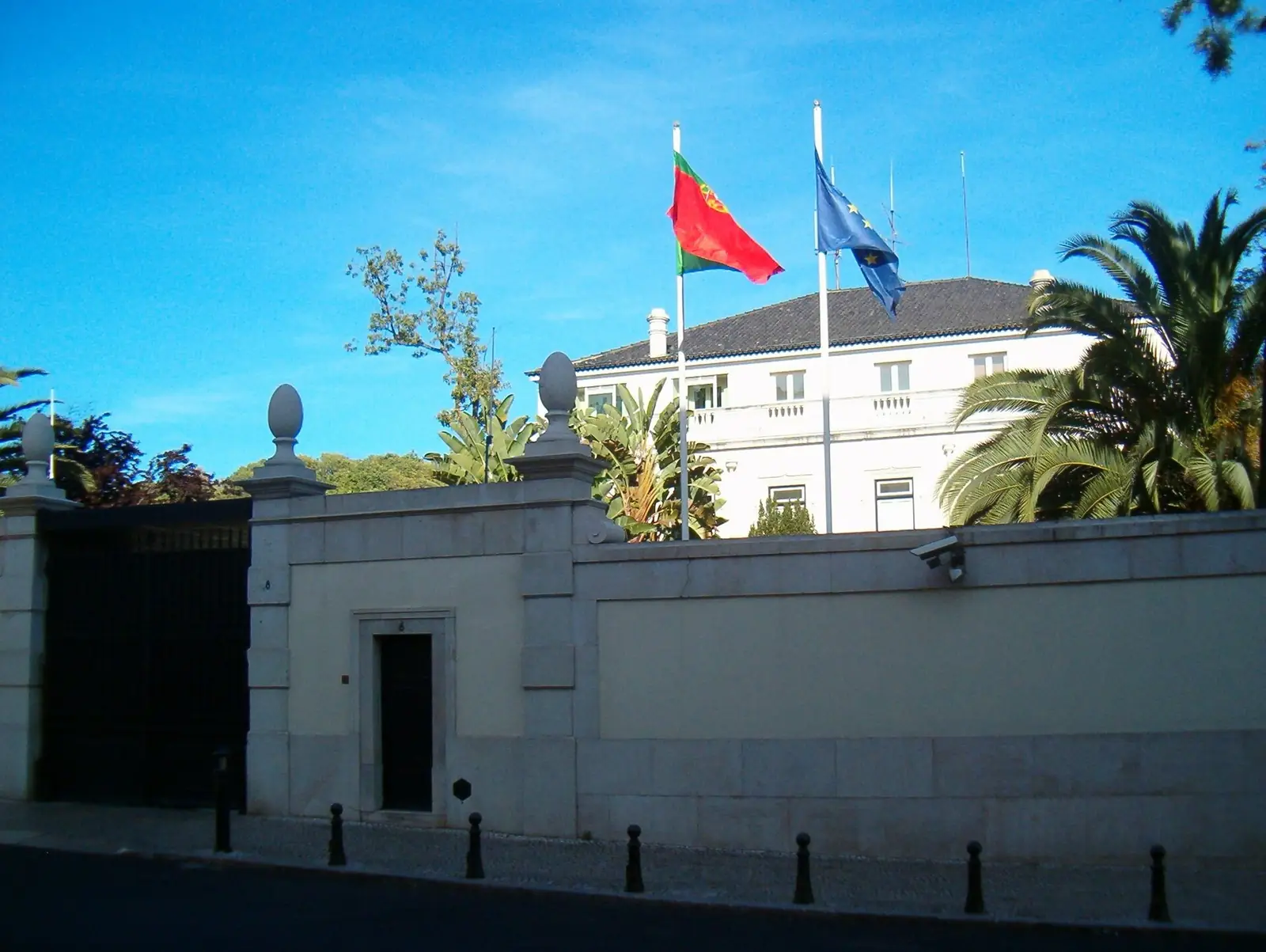
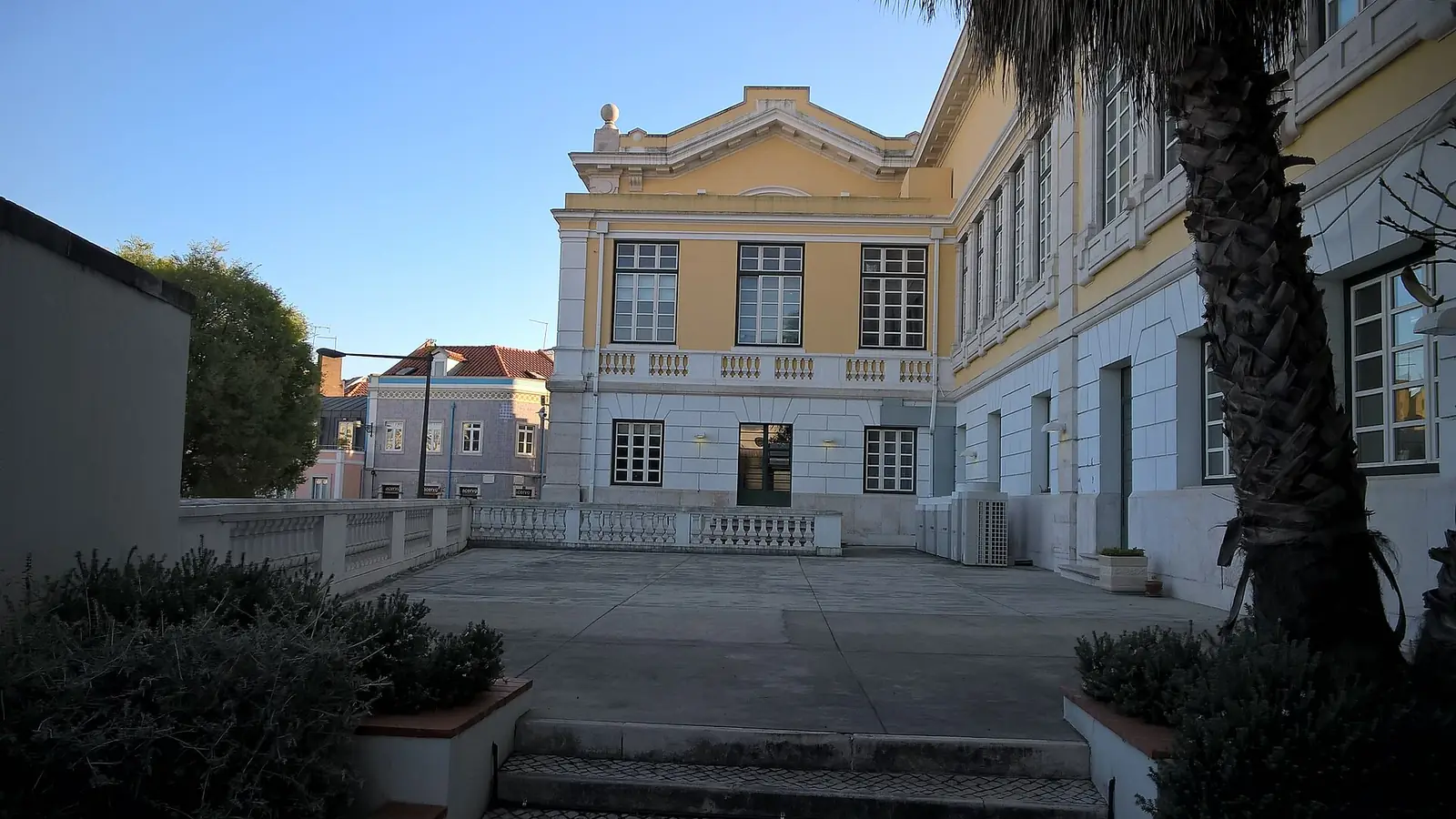
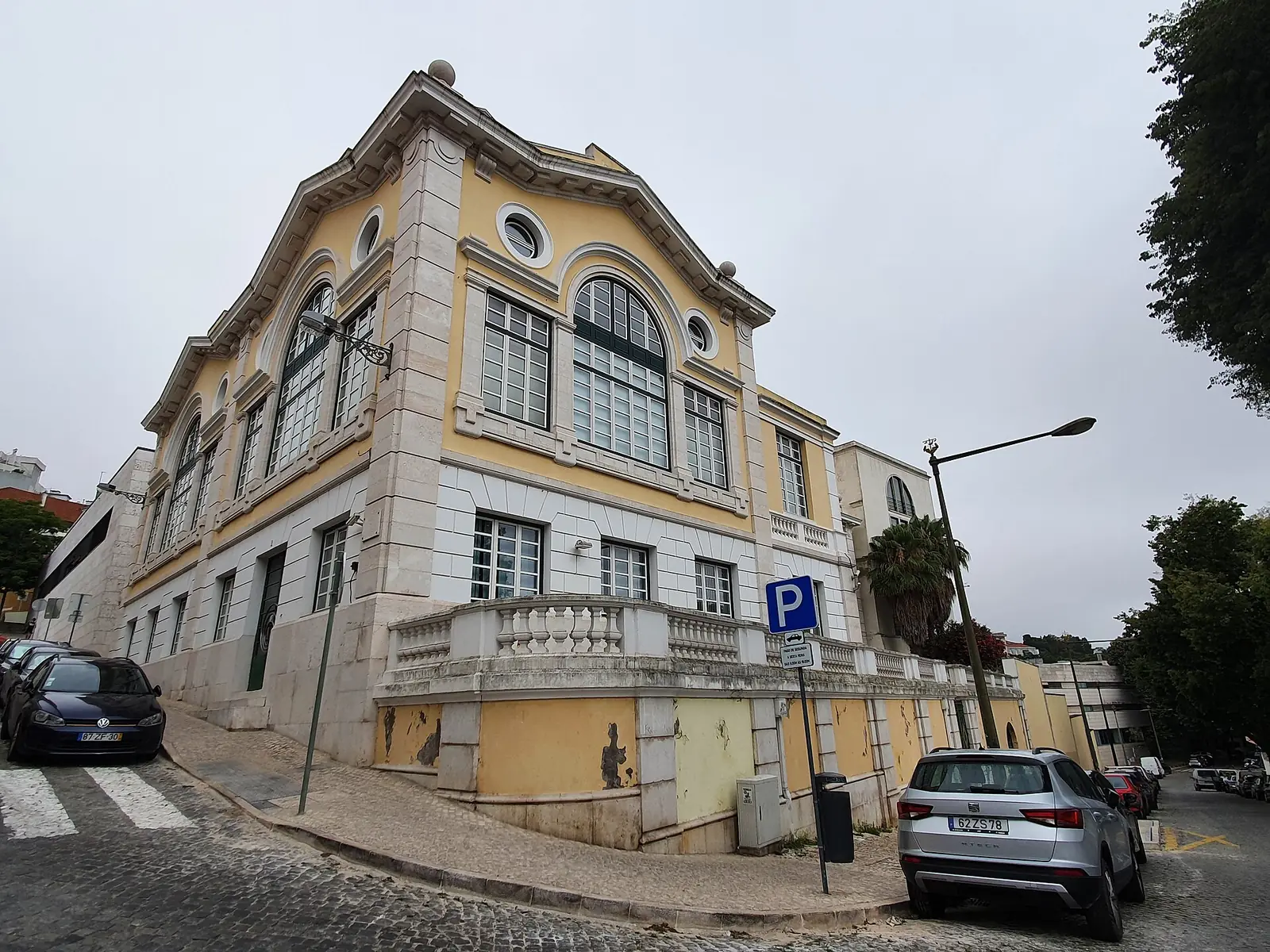
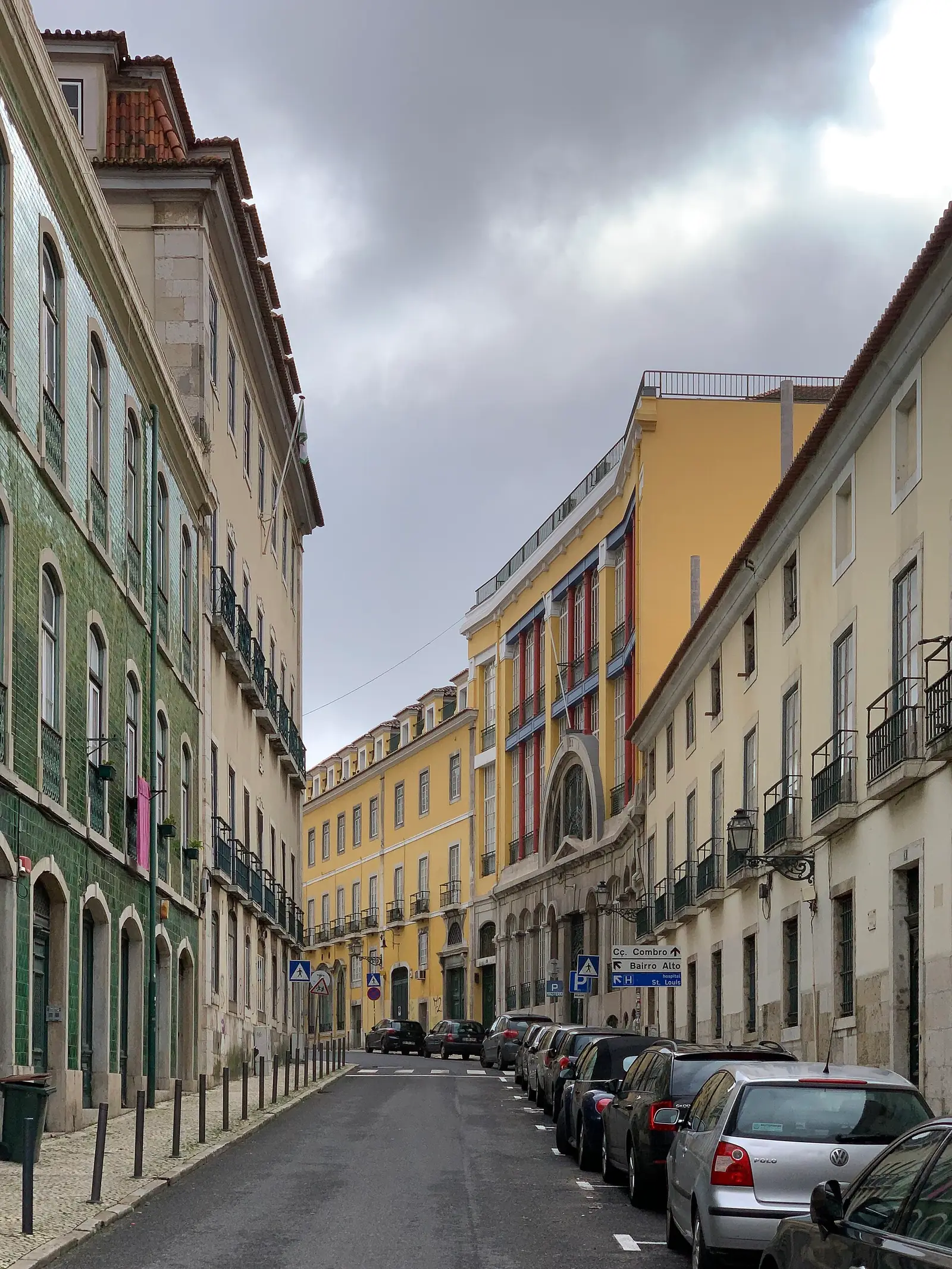
The Palácio de São Bento, seat of the Assembly of the Republic, in June 2014.Albarubescens, CC BY-SA 4.0
Estrela
Palácio de São Bento
The parliament where, in 1911, women were refused the vote and where, in 1975–76, twenty-seven women deputies helped to write the Constitution that prohibits discrimination on grounds of sex. Sophia de Mello Breyner Andresen chaired the committee on the preamble here.
Today: Assembly of the RepublicThere is a marker at the site
A former Benedictine monastery, the palace has been the seat of parliament since 1834.1 Under the First Republic, the Chamber of Deputies met in the Session Hall — where the Constituent Assembly approved the Constitution of 1911 — and the Senate in the former hall of the Chamber of Peers, which became known as the Senate Hall.2223
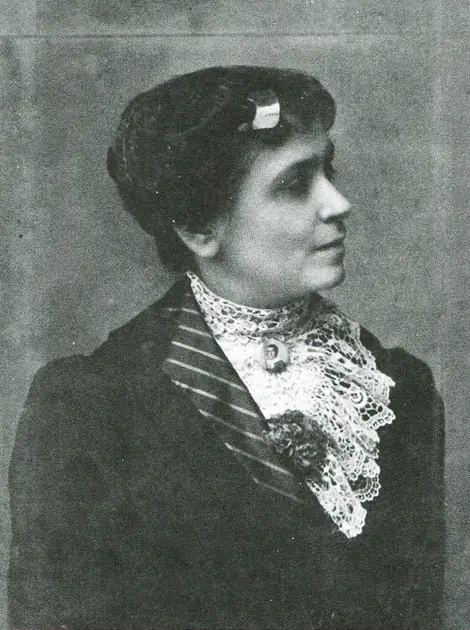
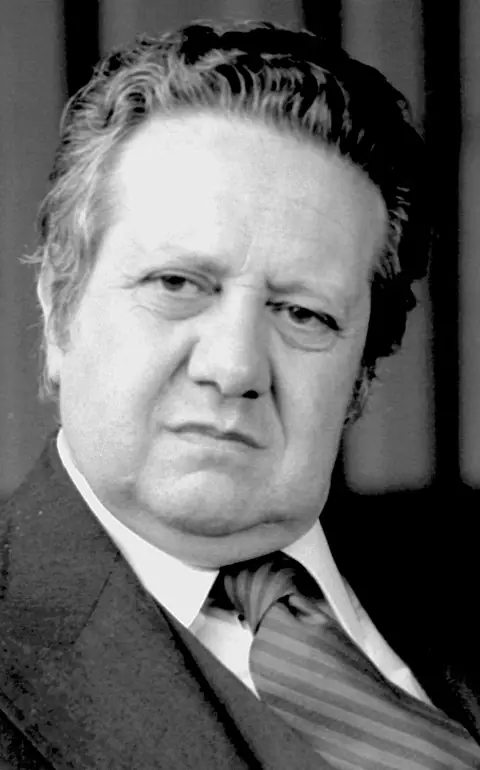
In 1911, the Constituent Assembly of the new Republic barely discussed votes for women. On 24 July a petition from the Feminist Propaganda Association asking for it was submitted; two days later, the article on women’s civil and political rights was removed from the draft, and Bernardino Machado declared that the matter “is not constitutional”. In 1912, in the Senate, a senator argued that “a woman who is really ugly in the face is ugly in intelligence”. The electoral law of 1913 gave the vote only to citizens “of the male sex” — closing the door that Carolina Beatriz Ângelo had opened.2
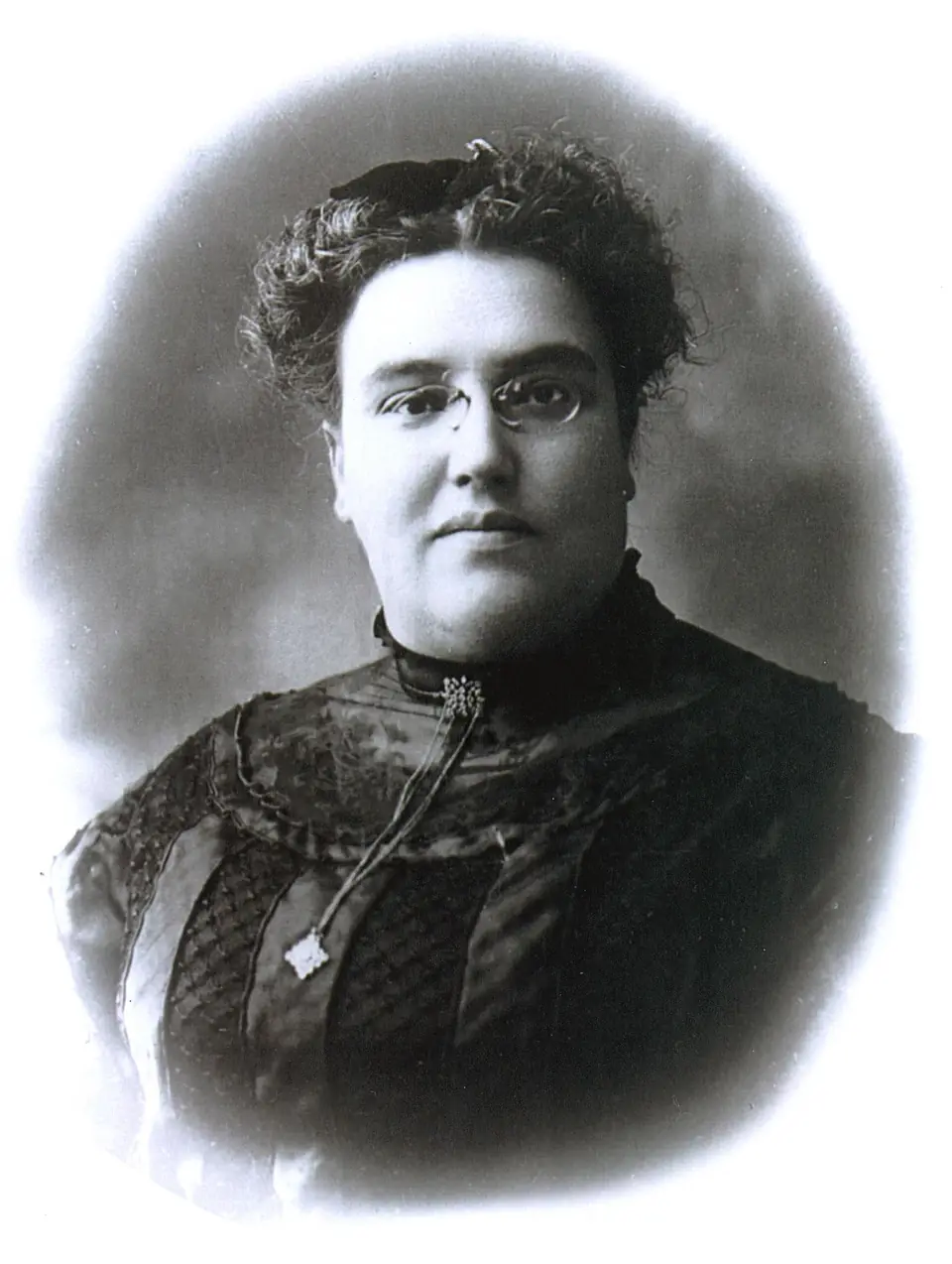
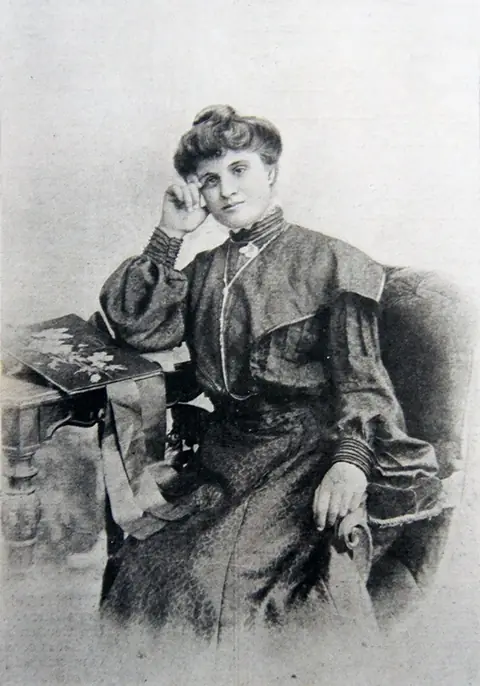
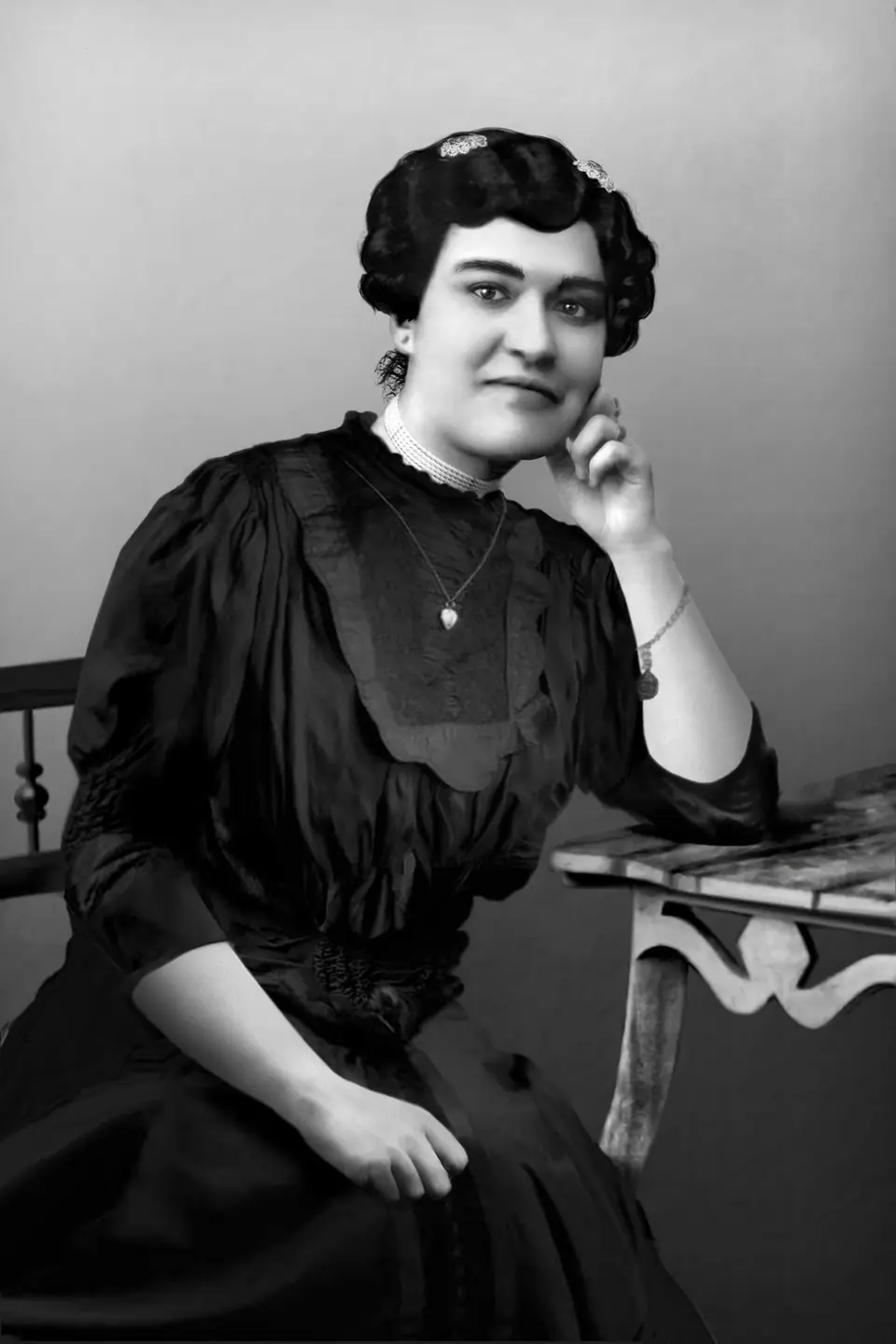
The first women deputies arrived in 1935, by then under the Estado Novo (“New State”), elected on the lists of the single party: Domitila de Carvalho, Maria Cândida Parreira and Maria Guardiola. On 10 January 1935, at the first meeting of the National Assembly, the three of them took their seats in the Session Hall.22 They sat mainly on the committees for labour, welfare and education, matters “more closely linked to women’s interests”.3
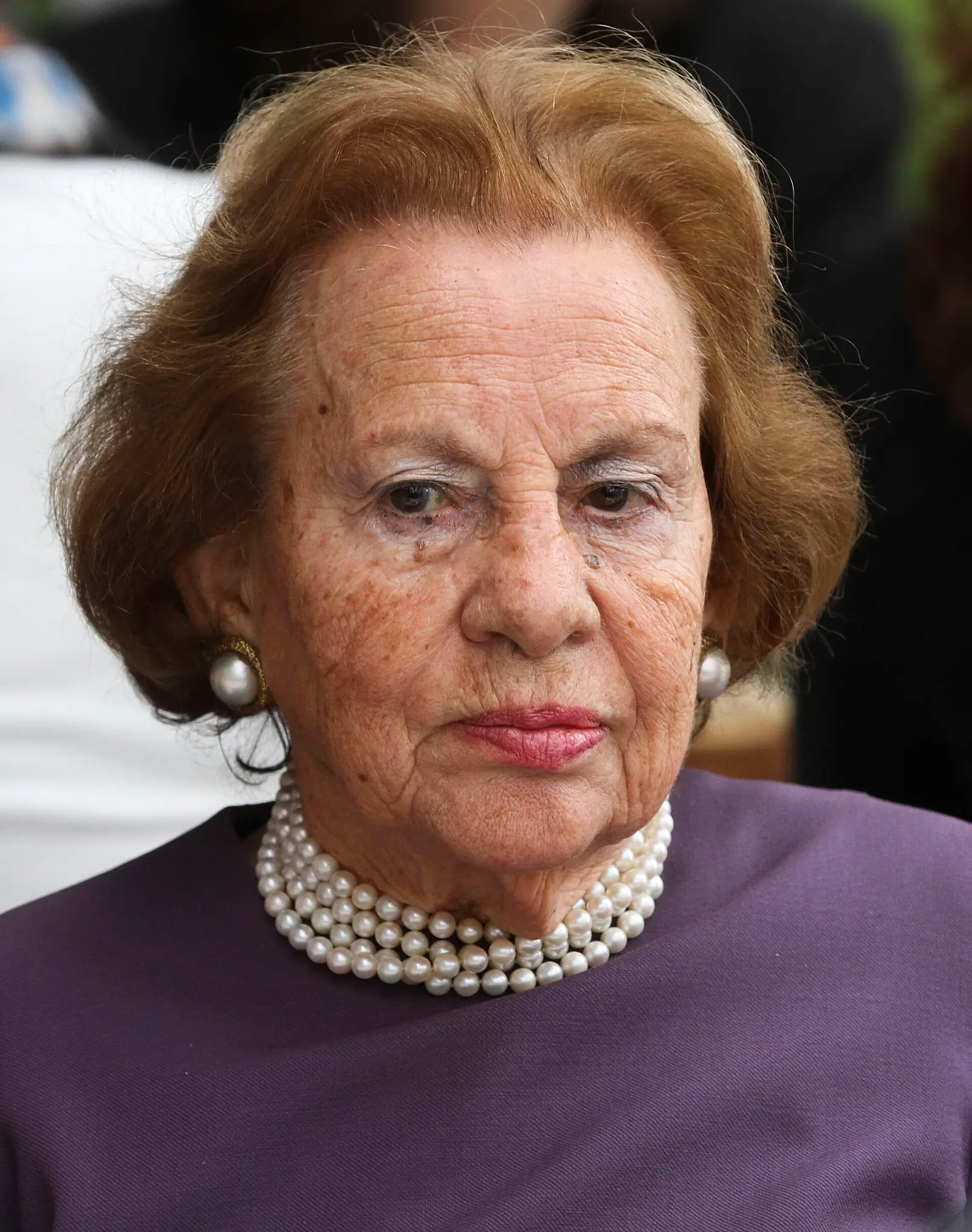
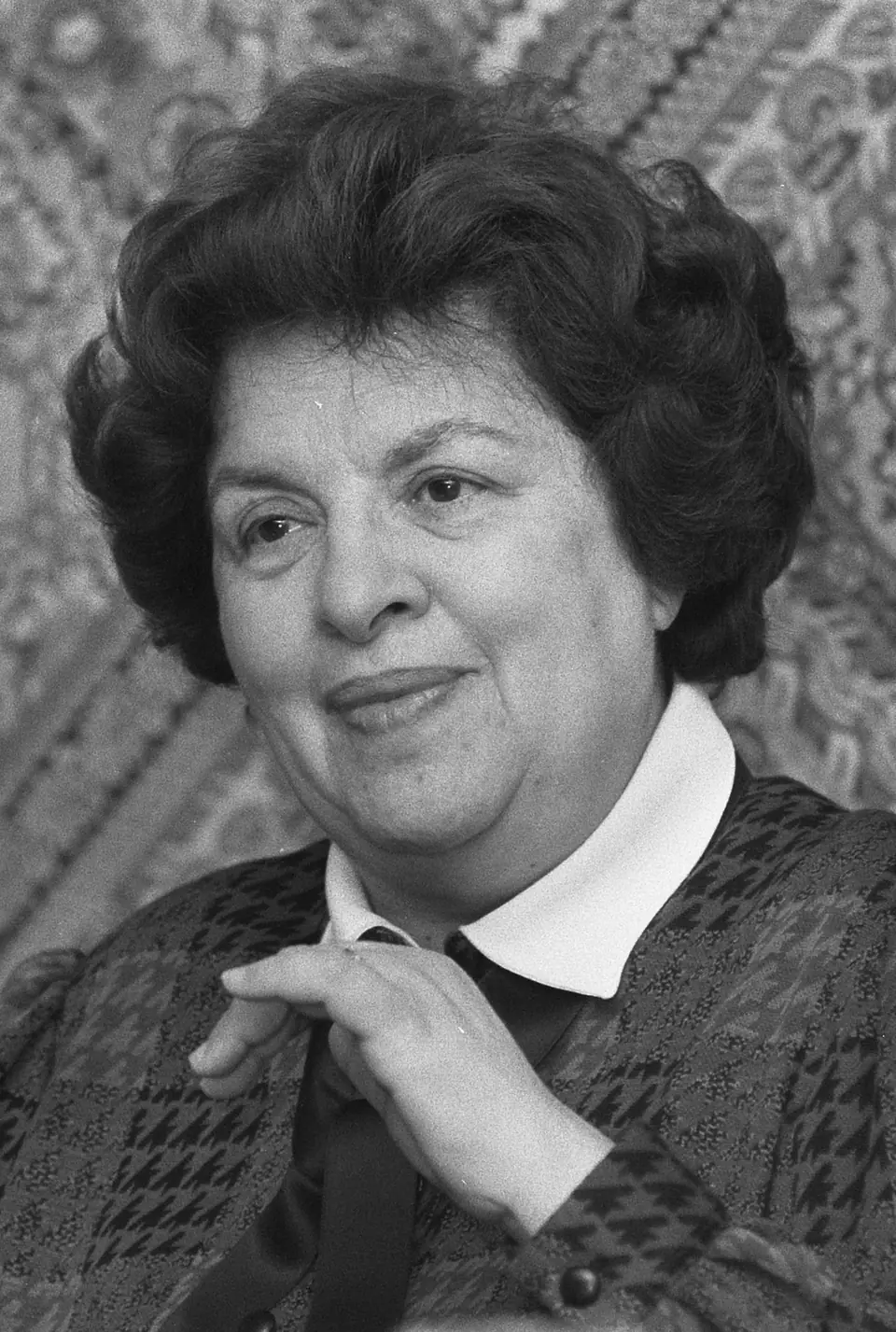
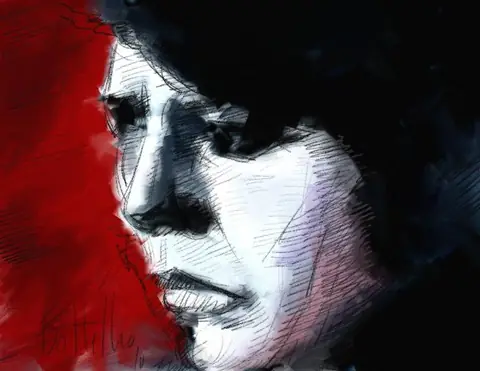
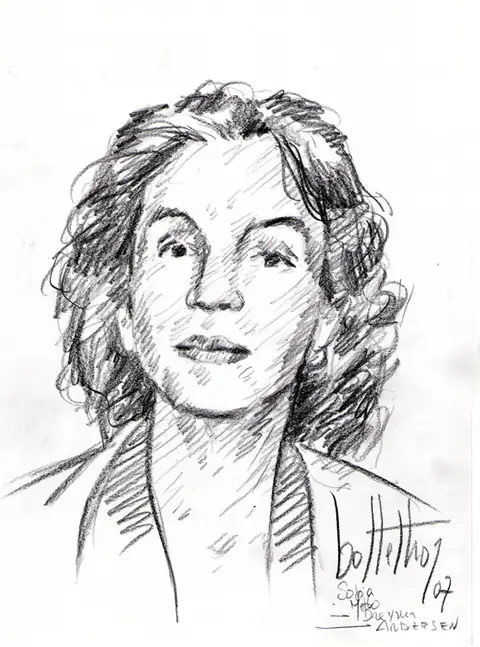
In the elections of 25 April 1975, the first free ones, twenty women were elected to the Constituent Assembly, out of a total of 250 deputies; with resignations and replacements, twenty-seven came to hold a seat, among them Maria Alda Nogueira, Helena Roseta and Sophia de Mello Breyner Andresen. Only six sat on committees, and only one chaired one: Sophia, the committee drafting the preamble. The men were addressed as “Sr. Deputado” (Mr Deputy); the women, often, as “minha senhora” (madam).4
On 12 November 1975, a demonstration by construction workers surrounded the palace and kept the deputies inside for about 36 hours.5 On the 13th, at around midday, the deputies of the PCP and the MDP/CDE, the only ones the demonstrators would let through, began to leave; the others stayed, and the siege only ended with the agreement between the unions and the prime minister, in the early hours of the 14th.2421 The Constitution was approved on 2 April 1976. Article 13 prohibits privileging or disadvantaging anyone on grounds of sex; Article 36 gives spouses equal rights and duties.6
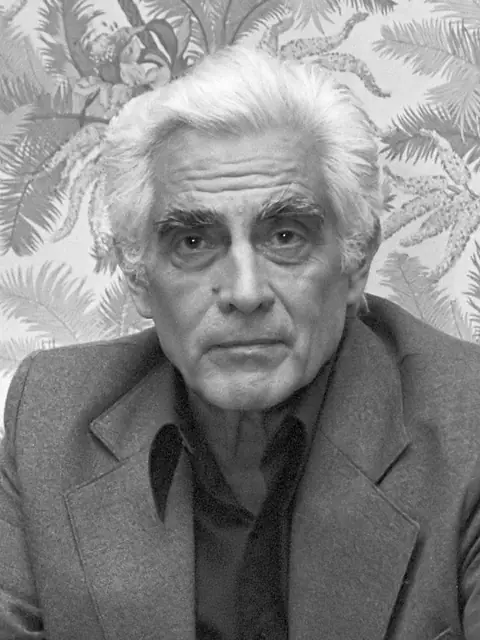
Maria Alda Nogueira, who had served almost ten years as a political prisoner, later chaired the Parliamentary Committee on the Status of Women; her bust stands in the palace cloister.7
A short piece from Parliament’s series “Cápsula do Tempo” (Time Capsule), devoted to the women in the Constituent Assembly of 1975–1976.
Original page Licença padrão do YouTube — embed permitido pelo canal oficial da Assembleia da República
Assembleia da República, on YouTube. The player only connects to that site when you press “Watch”.
Parliament looks back at the opening session of the Constituent Assembly, opened at 16:12 on 2 June 1975 by the interim president Henrique de Barros. It follows the Assembly’s work up to the approval of the Constitution on 2 April 1976.
Original page Licença padrão do YouTube — embed permitido pelo canal oficial da Assembleia da República
Assembleia da República, on YouTube. The player only connects to that site when you press “Watch”.
In the series “Espaços com História” (Spaces with History), Parliament shows the Session Chamber of the São Bento Palace, where the deputies first met in 1903. Filmed in the chamber itself, the piece goes through the changes the hemicycle has undergone in 120 years.
Original page Licença padrão do YouTube — embed permitido pelo canal oficial da Assembleia da República
Assembleia da República, on YouTube. The player only connects to that site when you press “Watch”.
In other archives
These can only be viewed on each archive’s own website.
18A eleição da Assembleia Constituinte. RTP – Memórias da Revolução (textos de Aniceto Afonso, Carlos Matos Gomes e Maria Inácia Rezola) — consulted on 2 October 2026
19Abertura solene da Assembleia Constituinte. RTP – Memórias da Revolução (textos de Aniceto Afonso, Carlos Matos Gomes e Maria Inácia Rezola) — consulted on 2 October 2026
20Cerco à Assembleia Constituinte – Parte 1. RTP – Memórias da Revolução (textos de Aniceto Afonso, Carlos Matos Gomes e Maria Inácia Rezola) — consulted on 2 October 2026
21Cerco à Assembleia Constituinte – Parte 2. RTP – Memórias da Revolução (textos de Aniceto Afonso, Carlos Matos Gomes e Maria Inácia Rezola) — consulted on 2 October 2026
22Teresa Fonseca, 120 anos da Sala das Sessões (1903–2023) — parte 3, Estado Novo. Assembleia da República – Comunicar (n.º 87), 2023 — consulted on 4 October 2026A Sala das Sessões de São Bento viu em 1911 a aprovação da Constituição republicana; a primeira reunião da Assembleia Nacional foi a 10 de janeiro de 1935, com as três primeiras deputadas (fotografia do Arquivo Fotográfico da AR).
23Sala do Senado. Assembleia da República — consulted on 4 October 2026A antiga sala da Câmara dos Pares, em São Bento, acolheu o Senado da Constituição de 1911 e, no Estado Novo, a Câmara Corporativa.
24O cerco à Assembleia Constituinte. Assembleia da República – Comunicar (n.º 94), 2023 — consulted on 4 October 2026A 13 de novembro de 1975, por volta do meio-dia, só os deputados do PCP e do MDP/CDE começaram a sair; dois deputados socialistas saíram depois das 20 horas; o cerco durou cerca de 36 horas.
Coordinates: OpenStreetMap (Nominatim), consultado a 2 de outubro de 2026.