Skip to content
Em Cada Esquina

Avenidas Novas (antiga São Sebastião da Pedreira)

Headquarters of the Portuguese Women’s Association for Peace

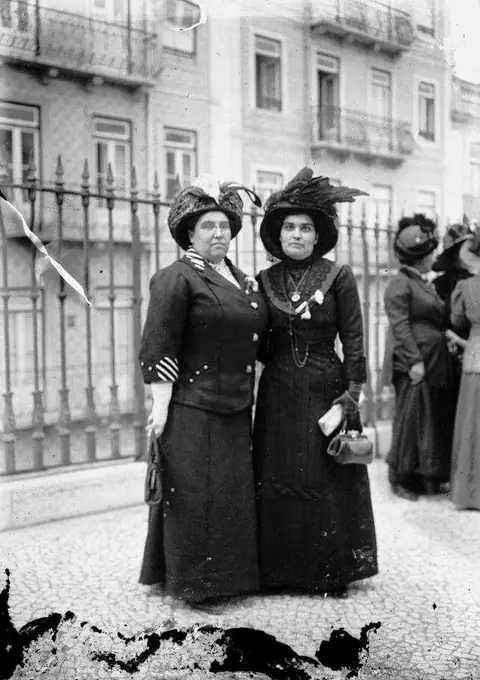
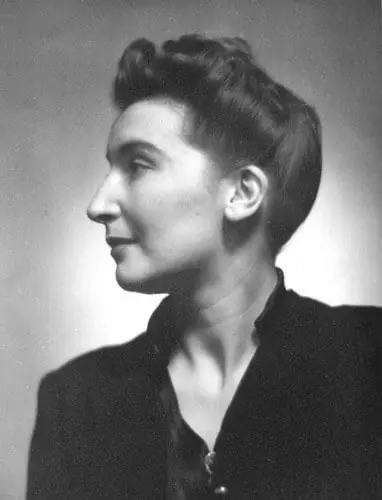
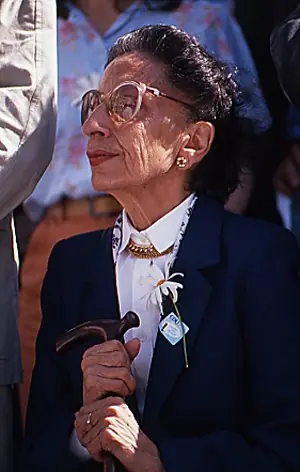
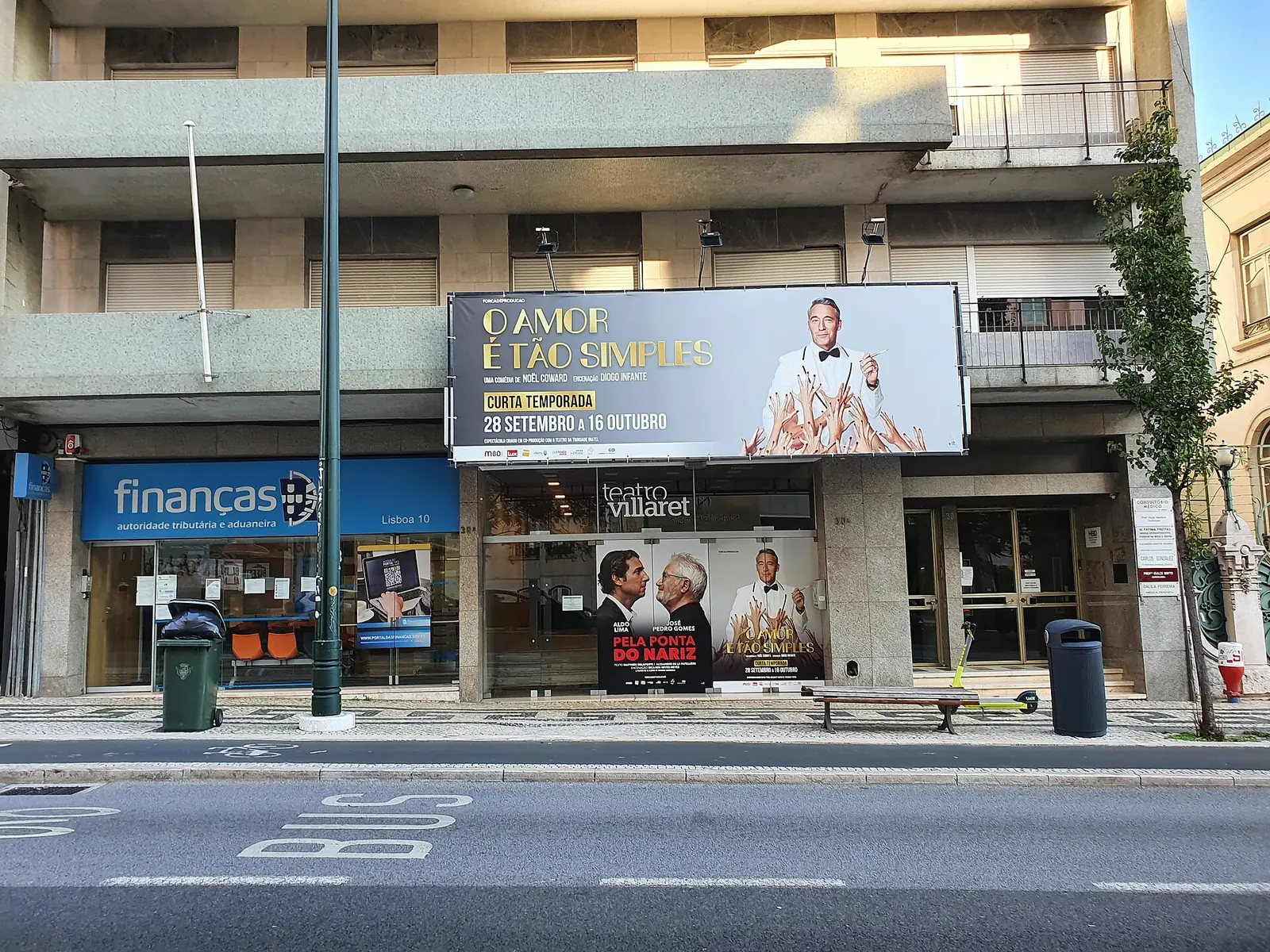
Headquarters of the Portuguese Women’s Association for Peace, which from 1935 to 1952 brought women together for peace and for their rights — from Maria Lamas, its president, to Stella Piteira Santos, Isabel Aboim Inglez and Maria Alda Nogueira. The Minister of the Interior dissolved it in 1952.

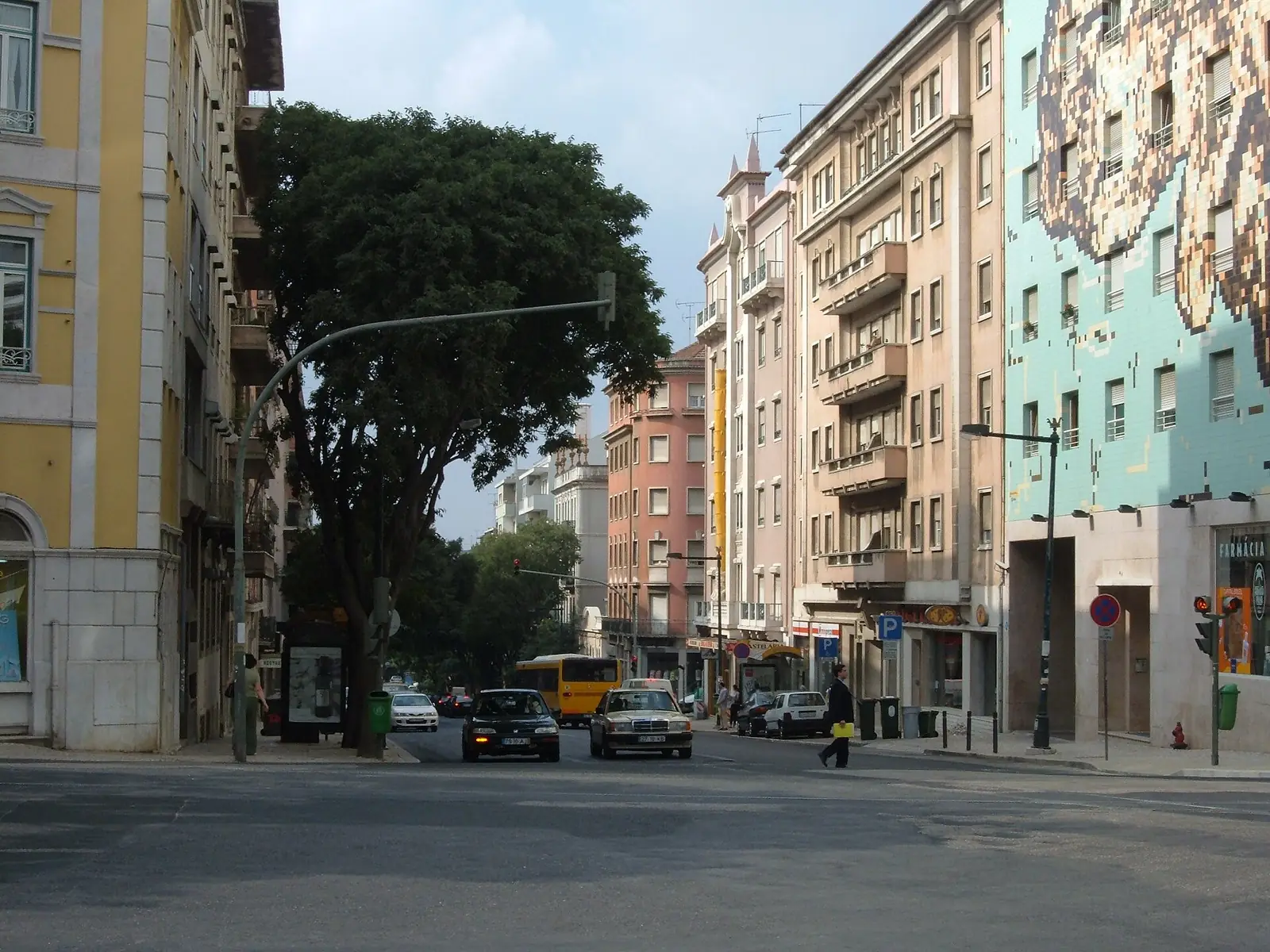
Approximate location
See on the map

History

The Portuguese Women’s Association for Peace (AFPP) was formally established on 10 November 1935. The register of the Lisbon Civil Government, now in the archive of the Secretariat-General of the Ministry of Internal Administration, gives its headquarters as the second floor of no. 25 Rua Latino Coelho and, before that, the second floor of no. 4 Rua do Loreto.1 Among its founders was the primary school teacher Maria dos Santos Machado, a communist activist who signed herself “Rubina” in the clandestine press.4

On the eve of the Second World War, the association brought together women who were fighting for peace and for women’s rights.3 Maria Lamas agreed to become its president in 1938.2 Stella Piteira Santos was one of its first members, and during the war her German was put to use helping Jewish refugees, mostly from Germany, to reach Lisbon and find somewhere to live. Maria Alda Nogueira joined while still a student.4 Isabel Aboim Inglez, Manuela Porto, Francine Benoit, Virgínia Moura and Elina Guimarães were also active in the association.53
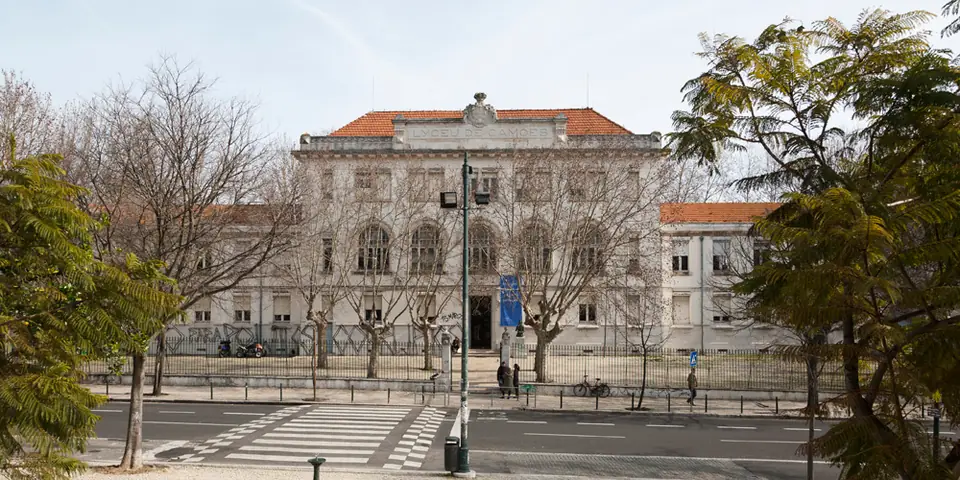
On 21 March 1952, an order from the Minister of the Interior dissolved the association.1 For the historian Virgínia Baptista, there was an “intercommunicability” between the AFPP and the National Council of Portuguese Women, closed down in 1947, and the association kept up its activity even after it had been dissolved.2 The Democratic Women’s Movement, born in 1968, counts it as part of its own history.3

Notes on the sources2
  • Em que anos funcionou cada sede, a da Rua do Loreto e a da Rua Latino Coelho: o registo do Governo Civil só diz que a primeira foi anterior.
  • O ponto no mapa marca a Rua Latino Coelho, não o prédio do n.º 25.

Do you know more, or do you have a document? Tell us.

Sources6
  1. 1Associação Portuguesa Feminina para a Paz (PT/SGMAI/GCLSB/H-B/001/00114). Secretaria-Geral do MAI – Arquivo do Governo Civil de Lisboa (Archeevo) — consulted on 2 October 2026
  2. 2Maria Lamas, a ativista pelos direitos das mulheres (Virgínia Baptista, IHC – NOVA FCSH). RUN – Repositório da Universidade Nova de Lisboa — consulted on 2 October 2026
  3. 3A nossa história – MDM 1968-2023. MDM – Movimento Democrático de Mulheres — consulted on 2 October 2026
  4. 4Mulheres pela Igualdade (biografias). CIG – Comissão para a Cidadania e a Igualdade de Género — consulted on 2 October 2026
  5. 5Maria Isabel Aboim Inglês. Wikipédia (português) — consulted on 2 October 2026
  6. 6Associação Feminina Portuguesa para a Paz (registo do Governo Civil de Coimbra, PT/SGMAI/GCCBR/H-B/001/03406). Secretaria-Geral do Ministério da Administração Interna, Arquivo dos Governos Civis — consulted on 4 October 2026Processo de 1935–1936 da delegação de Coimbra; dá como data da constituição da associação 10 de novembro de 1935.

Coordinates: OpenStreetMap (Nominatim), consultado a 2 de outubro de 2026.

Menu

Appearance