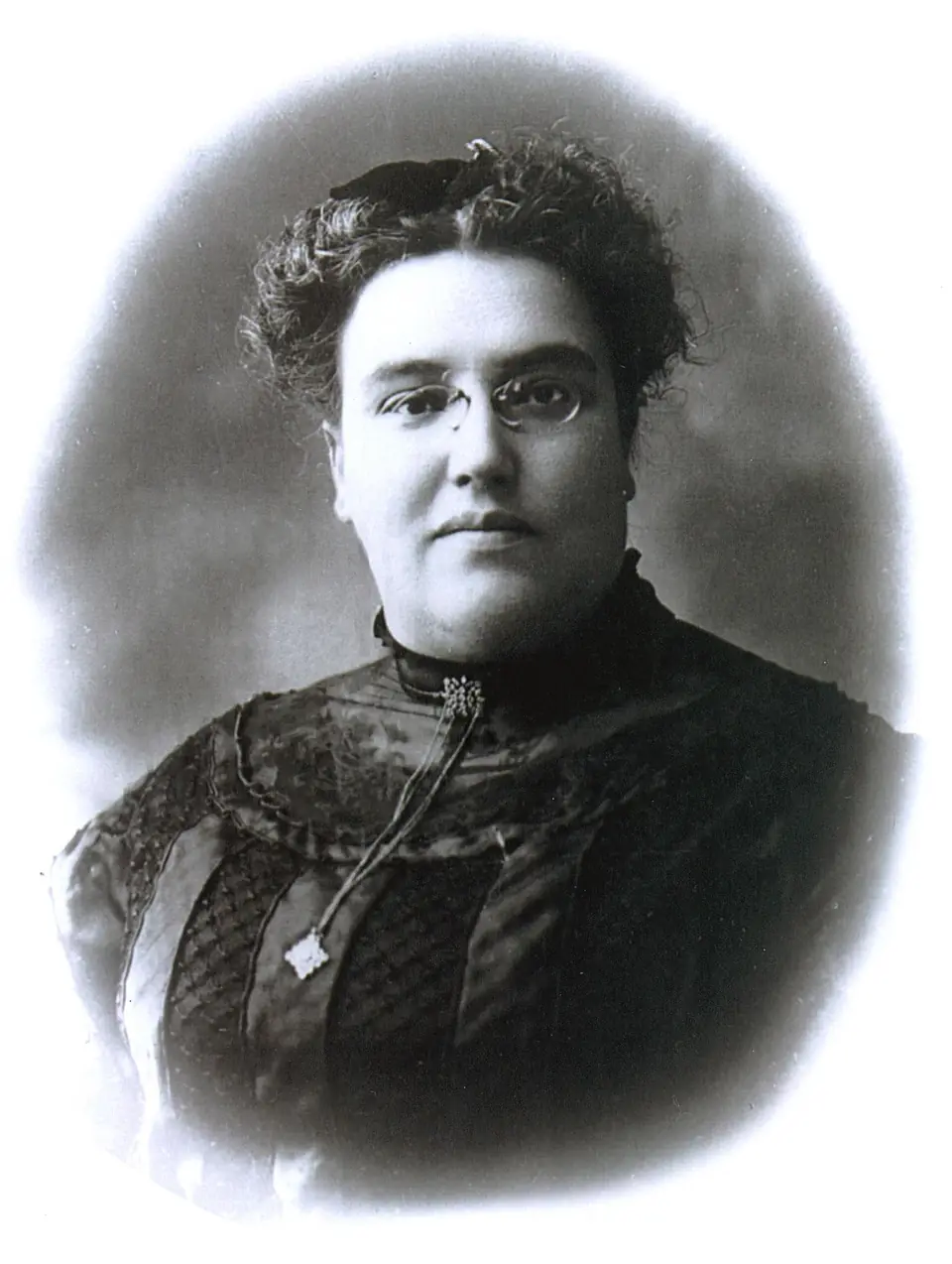
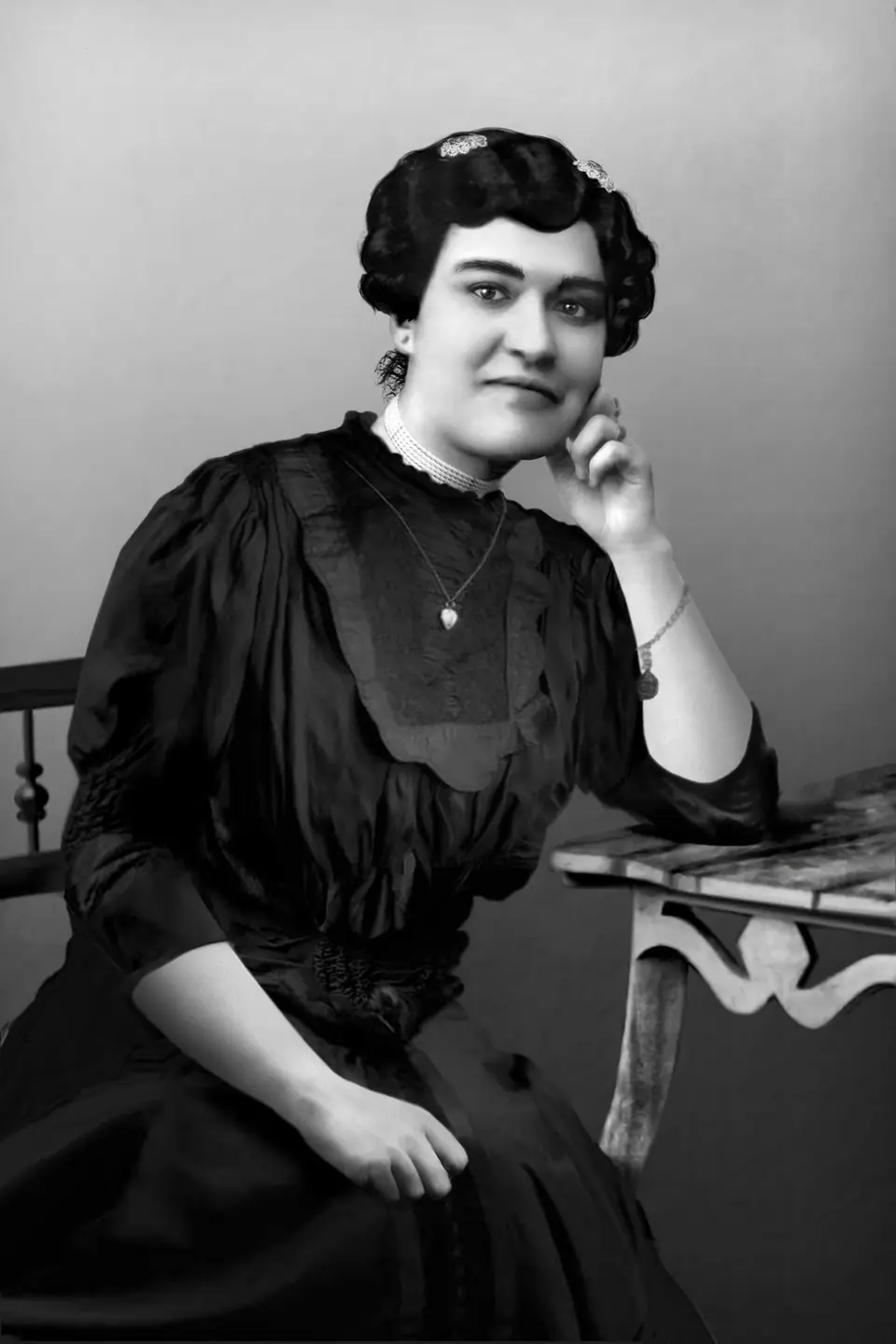
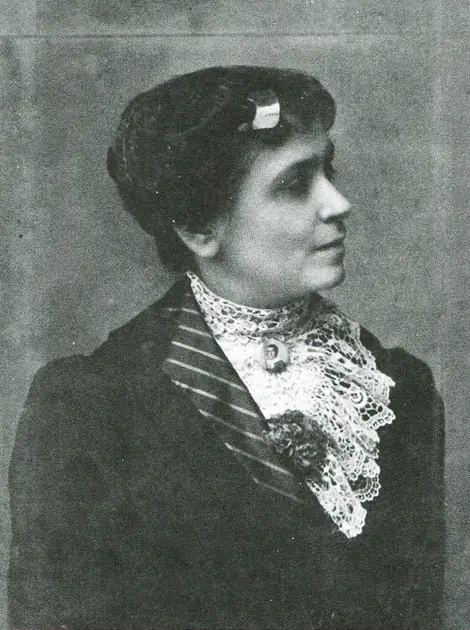
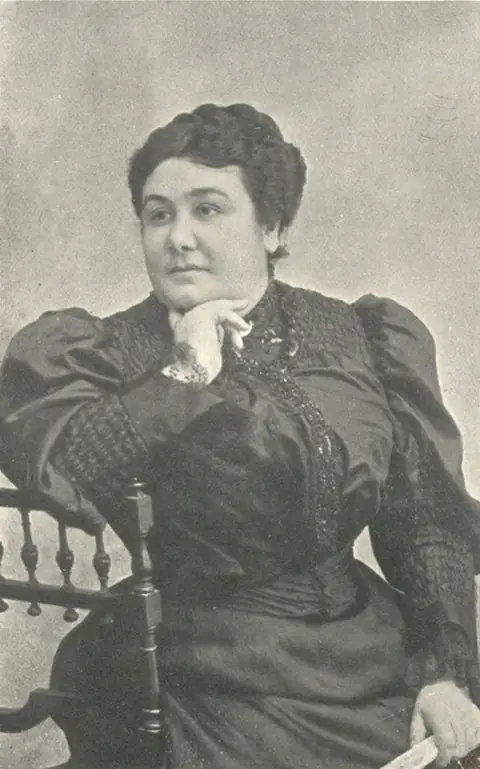
Considered the first Portuguese professional woman journalist, she worked for “O Século” and “A Capital”, campaigned for divorce and for the vote, and opened the way for other women journalists, such as Maria Lamas.
Republicfirst woman reporter in Portugalfeminist and republicanchief editor of “Alma Feminina” (1907–1908)head of the Lisbon office of the Agência Americana de Notícias (American News Agency)
She was born in Elvas on 28 December 1882 and was one of the first women to graduate from the Curso Superior de Letras (Higher Course in Letters), in 1903. She started out at the Jornal da Noite and in the “Jornal da Mulher” (Woman’s Journal) section of O Mundo, where she signed articles in defence of feminism.1 In 1907–1908 she was chief editor of the magazine Alma Feminina (Feminine Soul), which for the first time in Portugal gave prominence to a woman factory worker.12
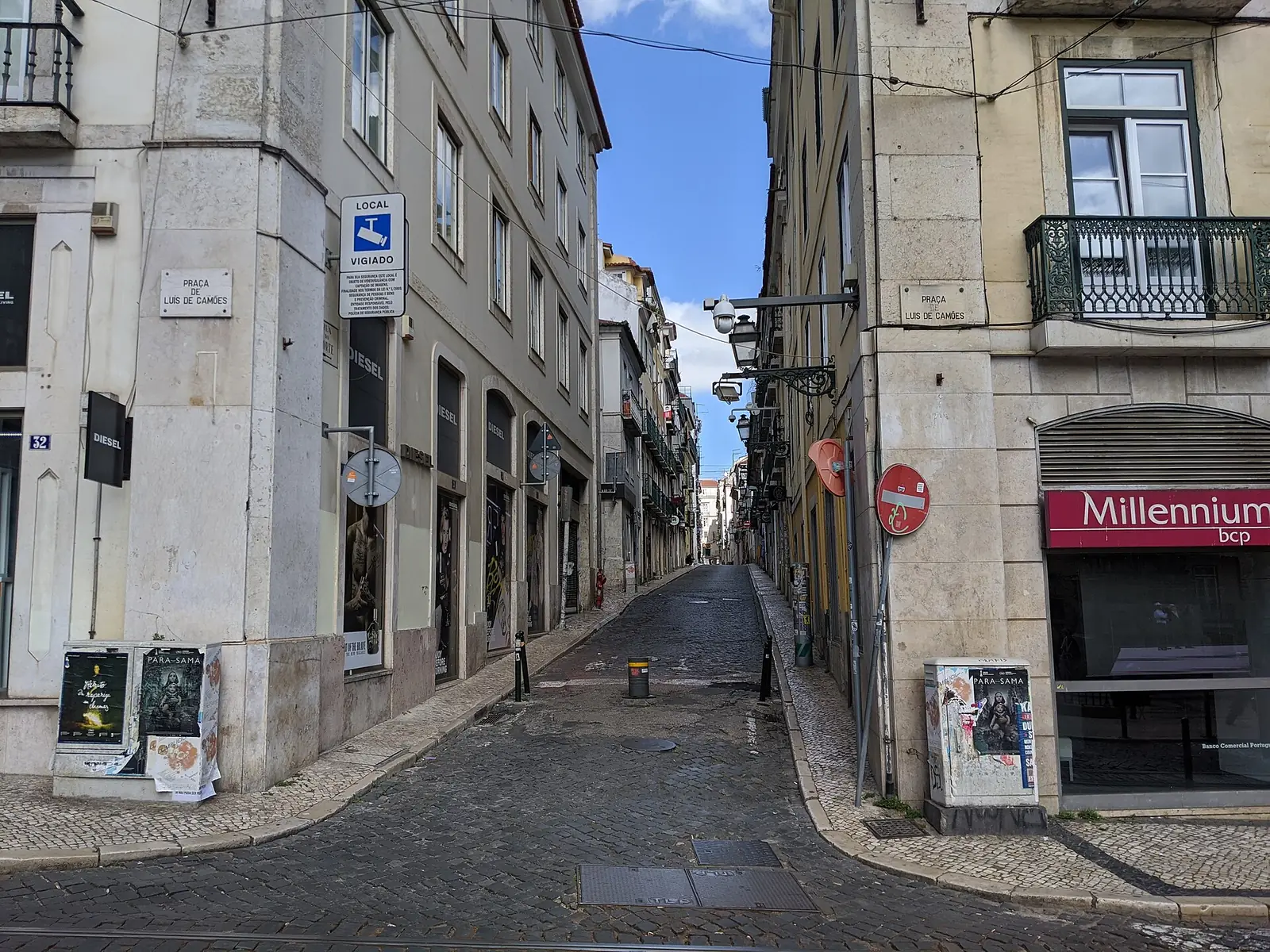
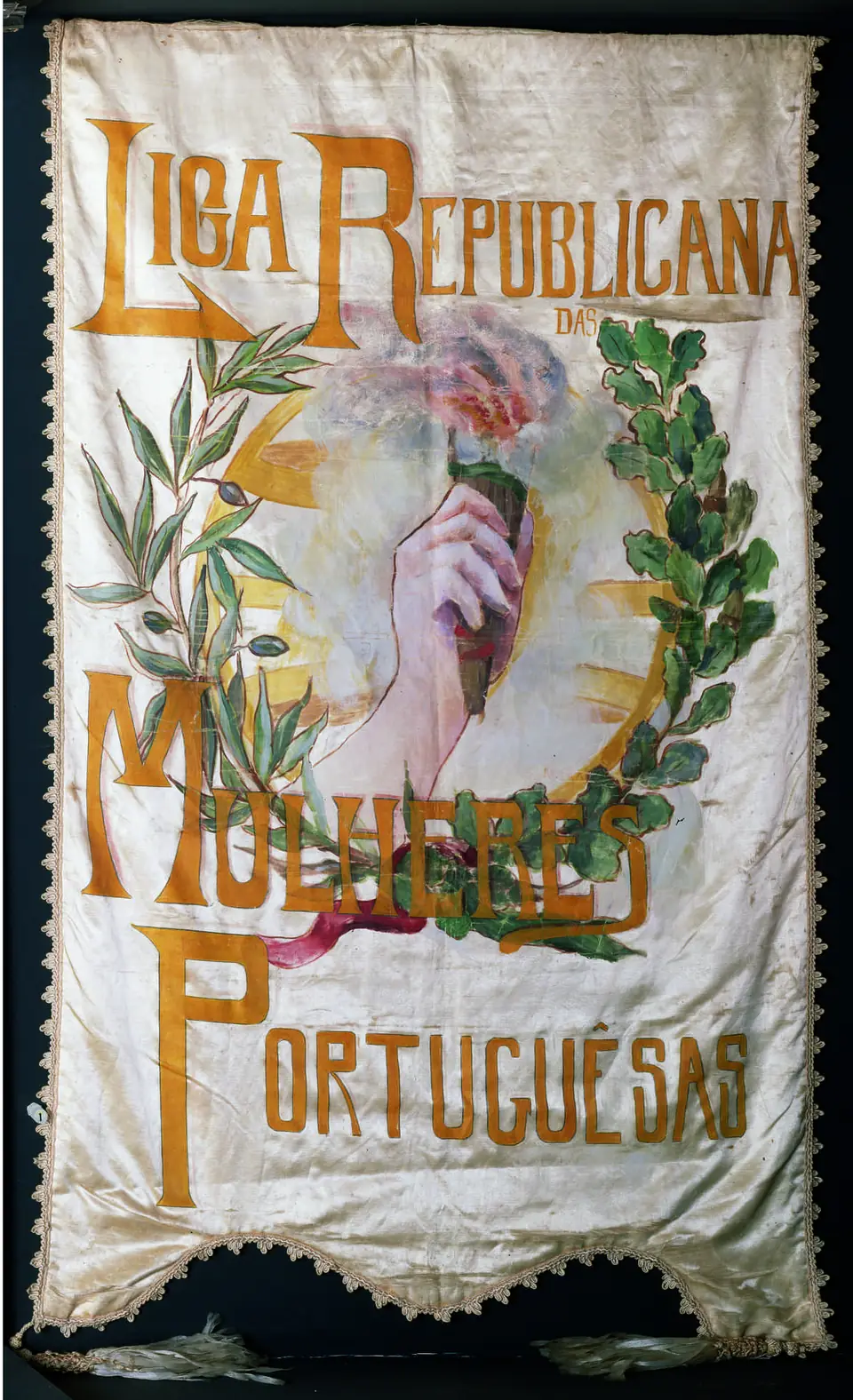
In 1908 Manuel Guimarães took her to O Século, where she rose to head of General News and Special Reports and made reporting a noble genre. In 1910 she moved to A Capital, which Manuel Guimarães had just founded at no. 3 Rua do Norte, and rented a home right opposite the newspaper.1 A feminist and republican, she took part in the 1909 campaign for the divorce law and spoke at the general assembly of the Republican League of Portuguese Women on 26 October 1910, which approved the feminist demands to be presented to Afonso Costa. She wrote in favour of women’s right to vote and of their access to the same professions as men.1
Between 1912 and 1917 she worked in Brazil. Back in Lisbon, she headed the office of the Agência Americana de Notícias (American News Agency), on Rua António Maria Cardoso, and put it at the service of the Crusade of Portuguese Women, in aid of the maimed, the orphans and the widows of the Great War.1 In the 1920s she brought Maria Lamas into the agency, and Lamas thus became one of the country’s first professional women journalists.3 She died in Lisbon on 26 October 1973, aged 90.21
1860–1929 · writer and educationalist (pen name Caiel)
Notes on the sources2
When she began to head the Lisbon office of the Agência Americana de Notícias: Toponímia de Lisboa links it to the support for the Crusade of Portuguese Women during the Great War; Wikipedia says she only began working at the agency in 1922.
At which number on Rua do Norte she lived, and until when: Toponímia de Lisboa says only that she rented a home opposite the newspaper.
Do you know more, or do you have a document? Tell us.