Campo de Ourique
The “A Padaria do Povo” cooperative (the People’s Bakery)
A bread cooperative founded in 1904 in a working-class neighbourhood, and home to Bento de Jesus Caraça’s Popular University until 1946. According to the Democratic Women’s Movement itself, it was at an assembly here that the MDM was born, in 1968.
History
The cooperative A Padaria do Povo (The People’s Bakery) was born in 1904 to make cheaper bread for the parishes of Santa Isabel and Campolide — and also, says the Campo de Ourique Parish Council, to house “a lively spirit of political criticism and cultural dissemination”.3 The house remembers a working-class neighbourhood economy: when the ovens started working, around 1906, those who brought flour left part of it as payment and took the rest away as bread. There is another version, in which King Carlos was its patron; the cooperative keeps a clock and a safe of his.43
Campo de Ourique was a land of anarchists and Carbonari, and the Padaria do Povo was the tavern where they met. According to the historian José Zaluar, president of the cooperative, it was from here that, in the early hours of 4 October 1910, a group of Carbonari set out for the barracks of Infantry 16, shouting “Long live the Republic!” (Viva a República!) — one of the first moments of the republican revolution.4
In 1919, António Ferreira de Macedo and the mathematician Bento de Jesus Caraça founded the Portuguese Popular University, which began in rooms lent by the cooperative and, after 1924, became its tenant.3 It brought classes, lectures and a library to the neighbourhood’s workers — and also conflict: according to José Zaluar, in the minutes of the general meetings there are members threatening to denounce the board to the political police, saying that “this place was controlled by the communists”. The Popular University was persecuted and closed in 1946, the year Caraça was arrested by the PIDE and expelled from teaching.4
According to the Democratic Women’s Movement (MDM) itself, it was at an assembly at the Padaria do Povo that the MDM was born, in 1968, heir to the National Council of Portuguese Women and the Portuguese Women’s Association for Peace. Maria Lamas was elected its honorary president in 1975, and Maria Alda Nogueira was one of the five women who signed the deed of its first statutes, on 23 January 1976.1 The date of the founding is not agreed: the biography of Helena Pato at the Aljube Museum puts it in 1969, and the MDM’s own page counts among the women who “went on to found” the movement Manuela Porto, who died in 1950, and Maria Isabel Aboim Inglez, who died in 1963, who can only have been forerunners. This entry follows the date the MDM gives, 1968.21
Today the cooperative has a bar and restaurant, and its rooms host tap dancing, piano, chess and theatre. In the courtyard, beneath the chimney of the old ovens, a mural by the sculptor Dora Moneti Faggin marks the house’s 120 years.4
Where
Map showing where The “A Padaria do Povo” cooperative (the People’s Bakery) is.
Open on the map of Lisbon Walk there
Nearby
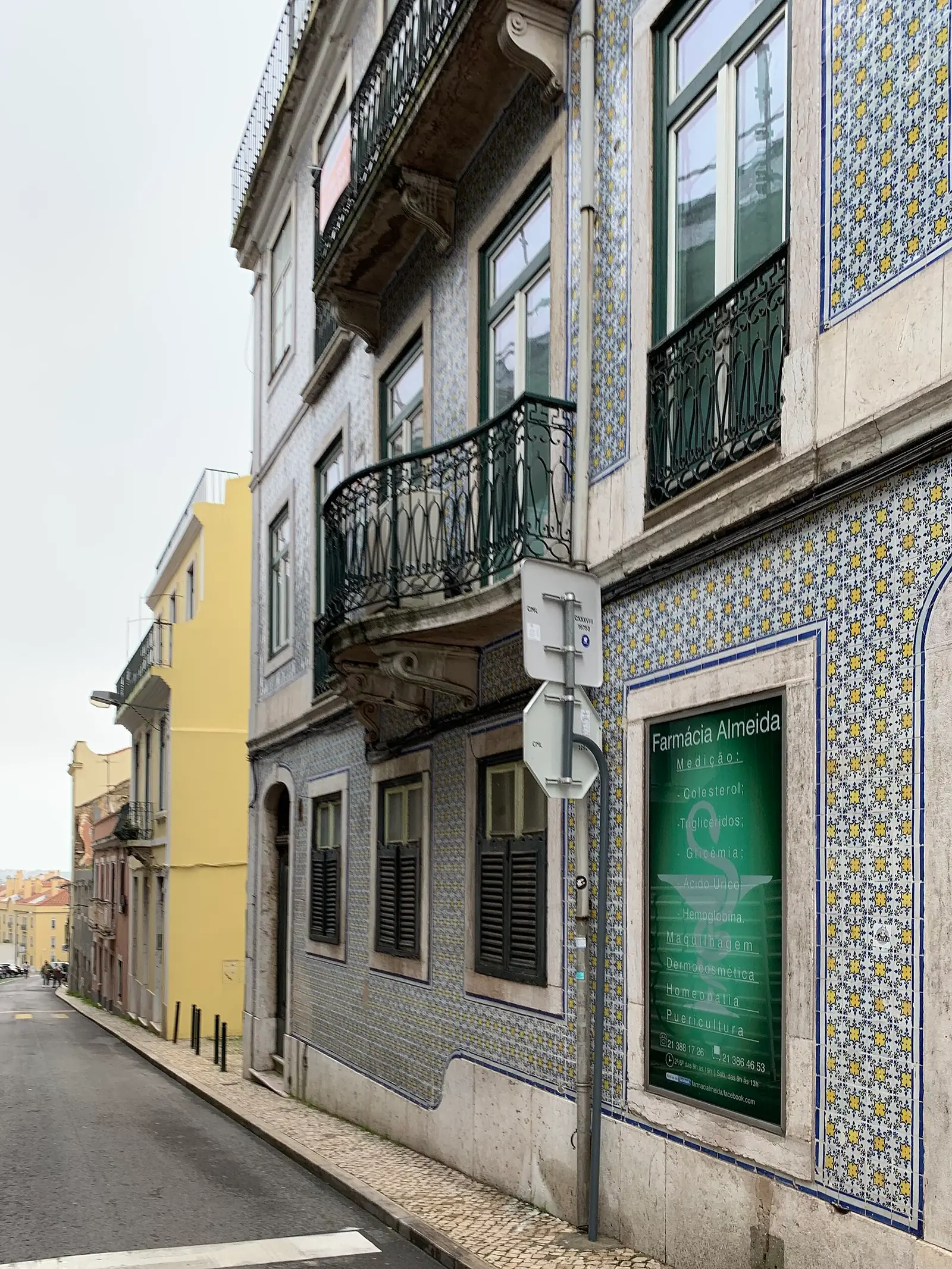
Home of Carolina Beatriz Ângelo and Januário Barreto (Rua do Sol ao Rato, 181)
470 m · 7 min on foot
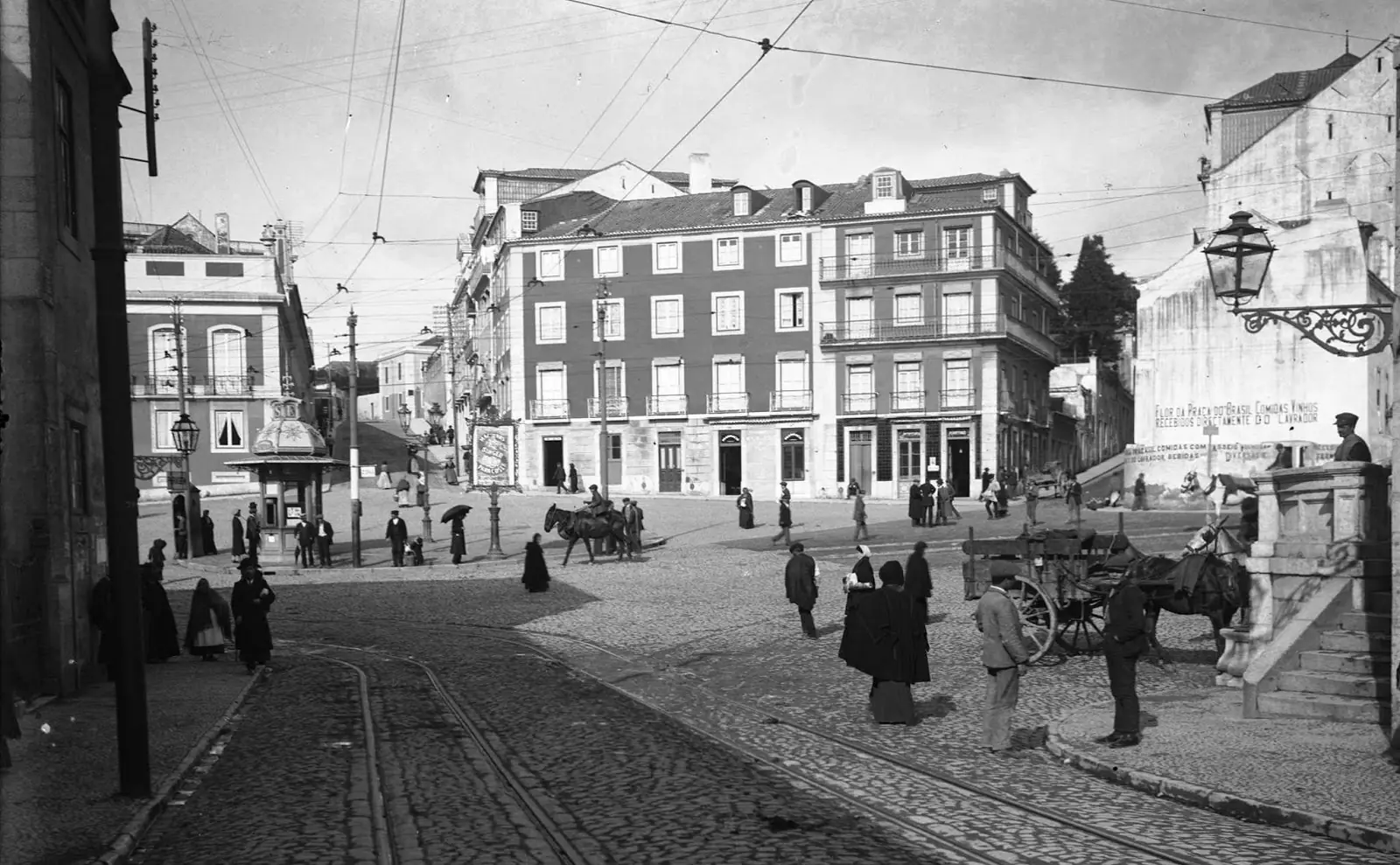
Largo do Rato (formerly Praça do Brasil)
750 m · 10 min on foot
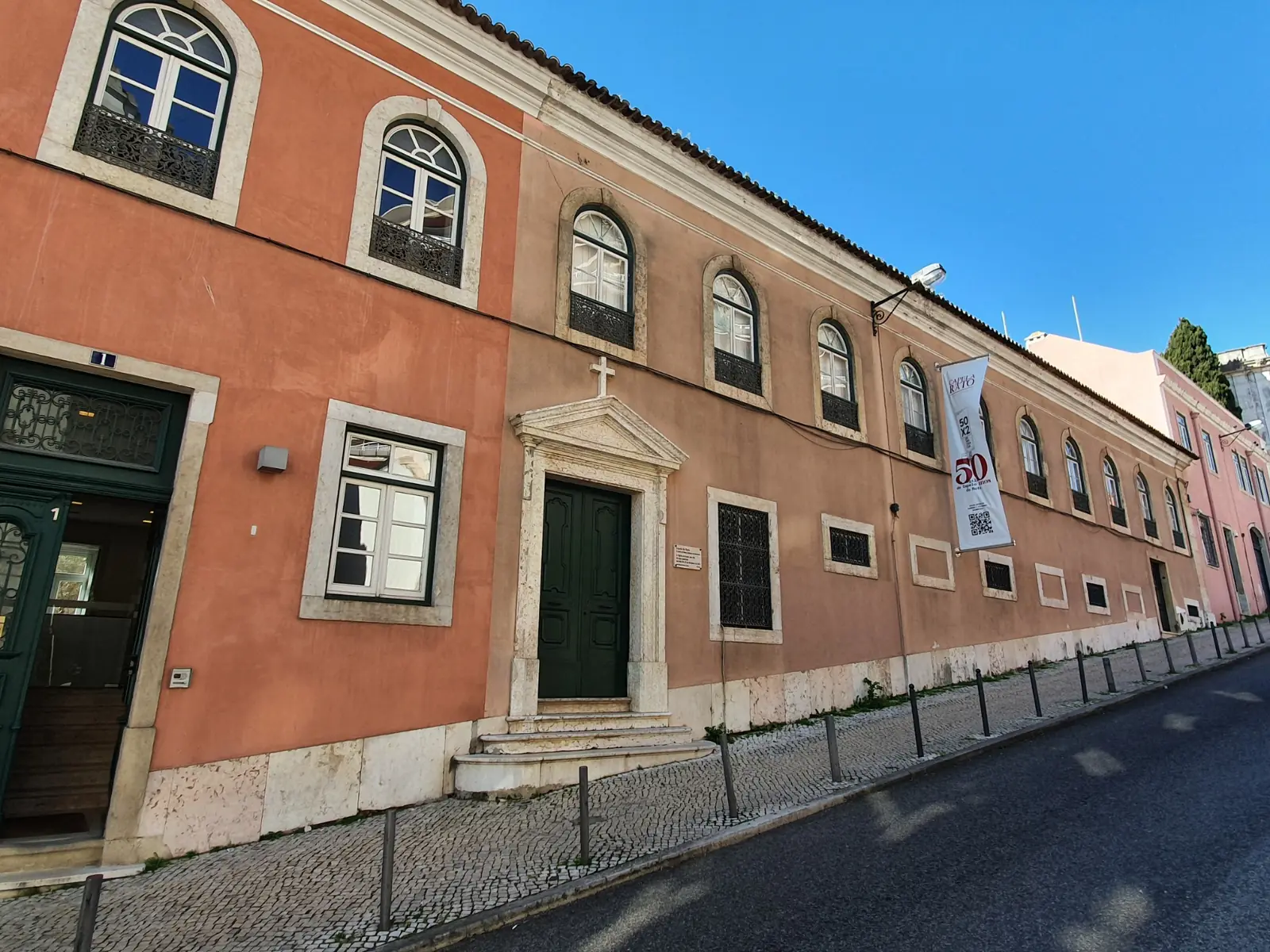
Capela do Rato
760 m · 10 min on foot
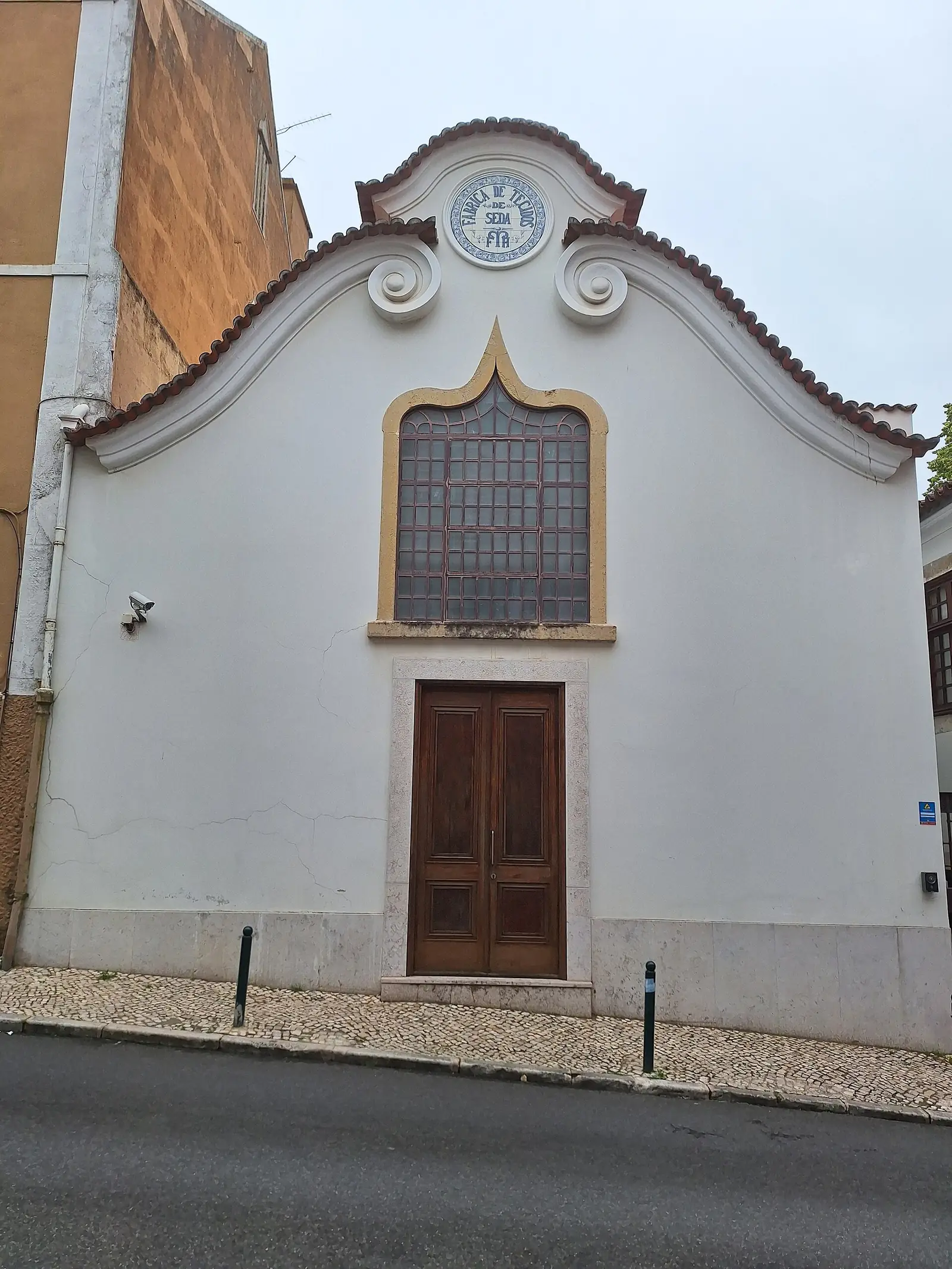
Last headquarters of the CNMP, closed by the police in 1947
850 m · 15 min on foot


People
- Maria Lamas 1893–1983Honorary president of the MDM, founded at an assembly at the Padaria do Povo (1975)
- Maria Alda Nogueira 1923–1998An underground communist activist, she was arrested in 1959 and sentenced to eight years of major imprisonment plus security measures, which she served in Caxias. A deputy from the Constituent Assembly onwards, she chaired the Parliamentary Committee on the Status of Women from 1983 to 1985.
Dates
1904
The cooperative is founded.
4 October 1910
A group of Carbonari sets out from here for the Infantry 16 barracks (according to José Zaluar).
1919
The Portuguese Popular University is founded, in the cooperative’s rooms.
1946
The Popular University closes, persecuted by the regime.
1968
Founding assembly of the Democratic Women’s Movement (according to the MDM).
Notes on the sources3
- Who attended the MDM’s founding assembly: the sources on the cooperative do not mention the MDM.
- The Carbonari setting out in the early hours of 4 October 1910 appears only in José Zaluar’s account to Mensagem de Lisboa.
- When the threats of denunciation recorded in the minutes were made: José Zaluar speaks of the PIDE, which only existed from 1945 (before that it was the PVDE), and does not date them.
Do you know more, or do you have a document? Tell us.
Sources4
- 1A nossa história – MDM 1968-2023. MDM – Movimento Democrático de Mulheres — consulted on 2 October 2026
- 2Helena Pato (testemunho e biografia). Museu do Aljube Resistência e Liberdade — consulted on 2 October 2026
- 3Cooperativa «A Padaria do Povo». Junta de Freguesia de Campo de Ourique — consulted on 2 October 2026
- 4Padaria do Povo, a cooperativa onde há sempre alguém que diz «não» (Catarina Pires, 2/7/2026). Mensagem de Lisboa — consulted on 2 October 2026
Coordinates: OpenStreetMap (Nominatim), consultado a 2 de outubro de 2026.