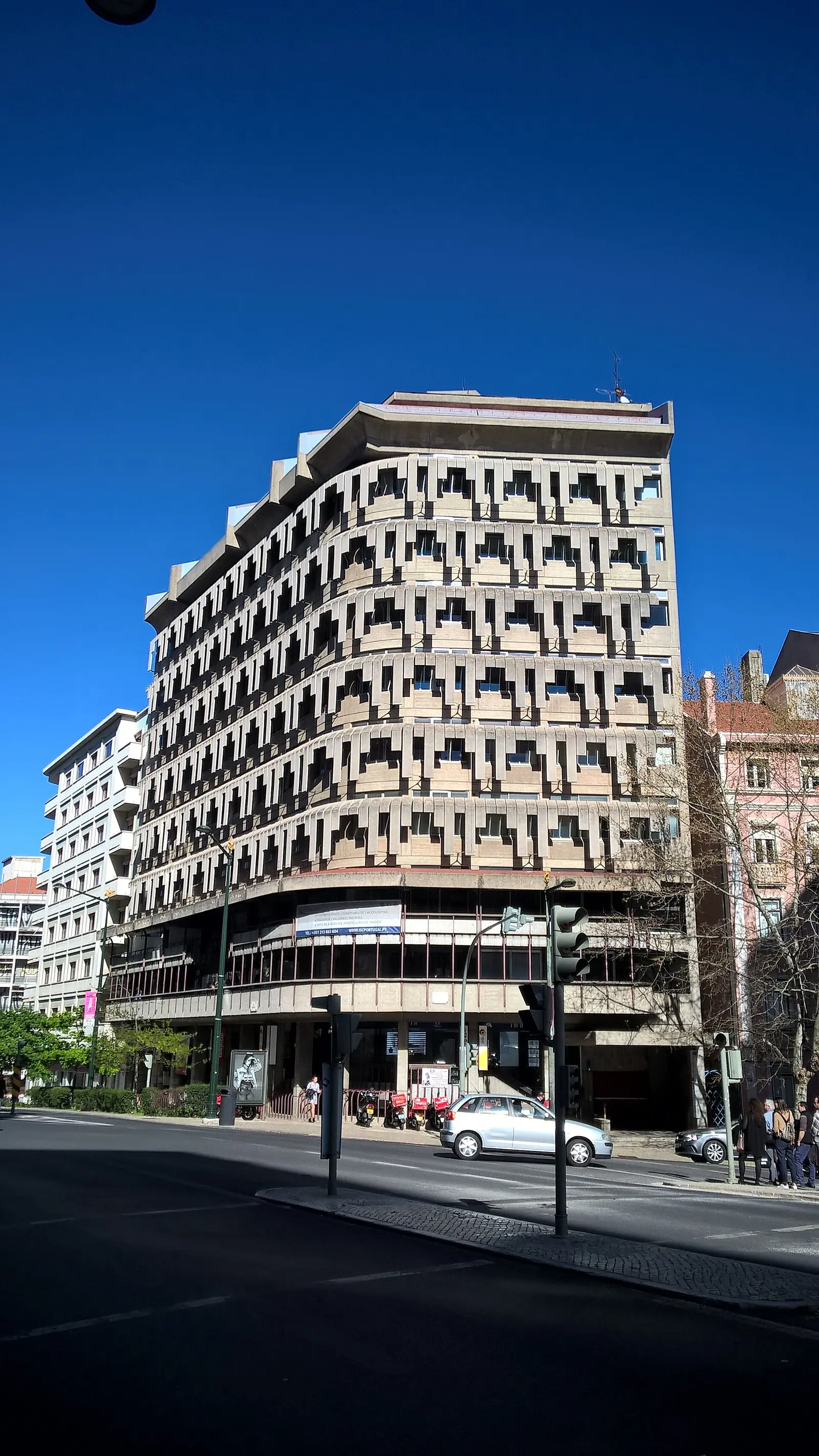
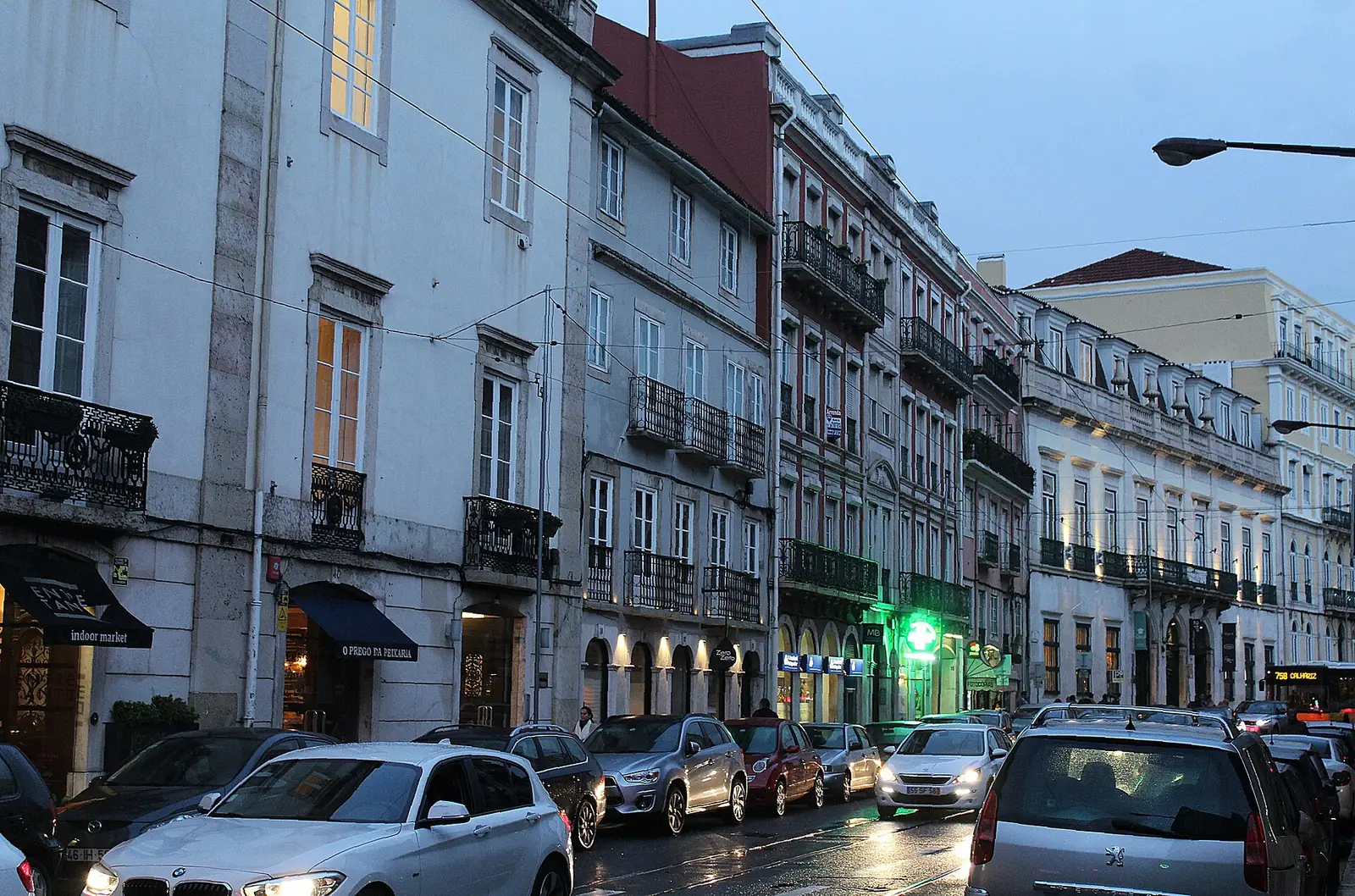
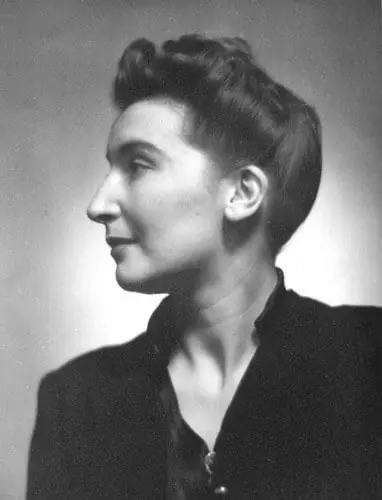
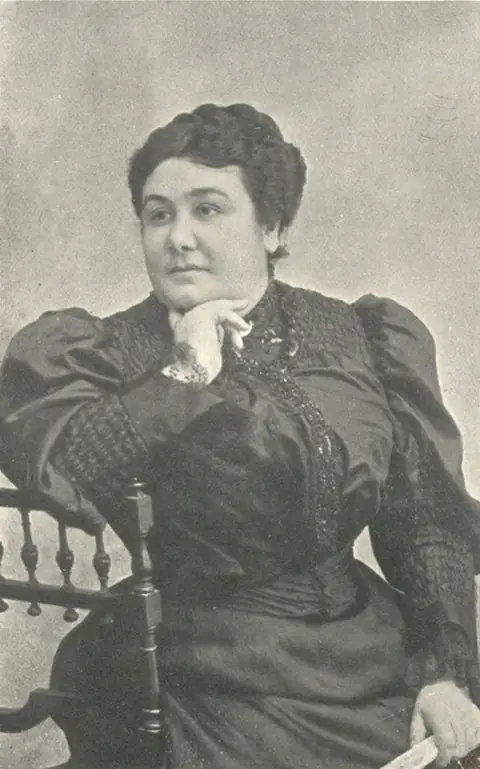
The entrance of the National Society of Fine Arts, on Rua Barata Salgueiro, in 2012.Manuelvbotelho, CC BY-SA 3.0
Santo António
National Society of Fine Arts
In January 1947, the National Council of Portuguese Women, led by Maria Lamas, brought together here three thousand books by four hundred women authors from thirty countries. It was a success — and the pretext for the regime to close the Council down months later.
Today: National Society of Fine Arts (Sociedade Nacional de Belas-Artes)
The National Society of Fine Arts opened its headquarters on this street in 1913, with a large exhibition hall.1
From 4 to 12 January 1947, the National Council of Portuguese Women, led by Maria Lamas, held the “Exhibition of Books Written by Women” (Exposição de Livros Escritos por Mulheres) here: three thousand books, by four hundred women authors from thirty countries, with photographs of women who had stood out as intellectuals and as members of the resistance to Nazism and fascism.23 The actress and translator Manuela Porto gave a talk on “Virginia Woolf: the problem of women of letters” (Virginia Woolf: o problema das mulheres das letras).3
In a letter of 6 March 1947, Maria Lamas wrote that the exhibition had been “a resounding success” and that the Catholic press had seen the Council as “a mortal danger to Woman and Morality”.9 Newspapers linked to the regime accused it of being against the Estado Novo (“New State”) and of linking feminism and communism.5 For the researcher Teresa Joaquim, it was the exhibition that led to the closure of the Council by the police, on 28 June 1947.6
Between 1946 and 1956, the building also hosted the General Exhibitions of Visual Arts, which brought together opposition artists.1
As salas usadas e a data da palestra de Manuela Porto.
Se há alguma marca da exposição no edifício.
A carta de Maria Lamas a Eugénio Bento Ferreira, de 6 de março de 1947 («um êxito estrondoso»; a imprensa católica viu no Conselho «um perigo de morte para a Mulher e a Moral»), só foi lida tal como a cita a Wikipédia, a partir do livro «Cartas de Maria Lamas» (Campo das Letras, 2004), que não se consultou.
Do you know more, or do you have a document? Tell us.
12Um grande comício sem palavras — a partir da 2.ª Exposição Geral de Artes Plásticas de 1947 (textos da exposição). Casa da Achada – Centro Mário Dionísio, 2017 — consulted on 4 October 2026As Exposições Gerais de Artes Plásticas fizeram-se na SNBA de 1946 a 1956 (menos em 1952); nasceram da CEJAD, a comissão de escritores, jornalistas e artistas do MUD, cujos membros entraram em massa para sócios e ganharam as eleições da SNBA em 1946; em 1947 a PIDE apreendeu 12 quadros.
Coordinates: OpenStreetMap (Nominatim), consultado a 2 de outubro de 2026.