Women of the resistance
Cesina Bermudes
1908–2001
Cesina Borges Adães Bermudes
An obstetrician and pioneer of “painless childbirth” in Portugal. She campaigned for Norton de Matos in 1949, on the Central Committee of the National Democratic Women’s Movement, and for that she was imprisoned in Caxias and barred from teaching at the Faculty of Medicine.
- Born
- 20 May 1908, Lisbon
- Died
- 9 December 2001, Lisbon
Biography
She was born in Lisbon on 20 May 1908, the daughter of the writer Félix Bermudes. She graduated from the Lisbon Faculty of Medicine in 1932, was an assistant in Anatomy and General Practice at the Lisbon Civil Hospitals and specialised in obstetrics in 1937. She obtained her doctorate in 1947, with a mark of 19 out of 20 for her dissertation.1 She was the first Portuguese woman to earn a doctorate in obstetrics.4
In 1945 she signed the lists of the Movement of Democratic Unity (MUD) and argued for a Women’s Committee to be formed within it.4 In Norton de Matos’s campaign in the 1949 presidential election she sat on the Central Committee of the National Democratic Women’s Movement, with Maria Lamas and Isabel Aboim Inglez; she was one of the leaders of the campaign’s Women’s Electoral Committee in Lisbon and spoke at several rallies.2 In a speech in Santarém she set out the demands that, in the words of the Commission for Citizenship and Gender Equality (CIG), “the Feminist Committee defended”: “abolition of the regulation of prostitution, equal pay for equal work, legal equality for both sexes […] and universal suffrage”.4 On 7 February 1949 she attended the delegates’ assembly, at the António José de Almeida Republican Centre, which decided that the candidate would not go to the polls.2 A photograph of 10 February shows her at the Lisbon rally at the Voz do Operário, with Maria Lamas and Manuel João da Palma Carlos.3
On 14 October 1949 she was arrested for being on the movement’s Central Committee and taken to Caxias Fort, which she left on 14 January 1950.12 Her opposition to the regime cost her her university career: she was not allowed to take up her tenured teaching post4 and, barred from teaching at the Faculty of Medicine, she began teaching childcare at industrial schools.1
In 1954 she went to Paris to study new childbirth techniques. On her return she promoted in medical journals the psychoprophylactic method, the so-called “painless childbirth”, which she pioneered in Portugal with the obstetrician Pedro Monjardino.1 In 1989 she was made a Commander of the Order of Liberty, and she died in Lisbon in December 2001.2 Since an edict of 24 September 2009, a street in the Pólo Tecnológico de Lisboa, in Carnide, has borne her name.1
Places


Dates
1945
Women in the Movement of Democratic Unity28 Jan 1949
Meeting of the Women’s Committee of Norton de Matos’s campaign10 Feb 1949
Norton de Matos campaign rally at the Voz do Operário, with Maria Lamas and Cesina Bermudes12 Feb 1949
Norton de Matos withdraws from the presidential election14 Oct 1949
Arrest of Cesina Bermudes, a leader of the National Democratic Women’s Movement
People
They crossed paths with her
Maria Lamas
1893–1983 · journalist
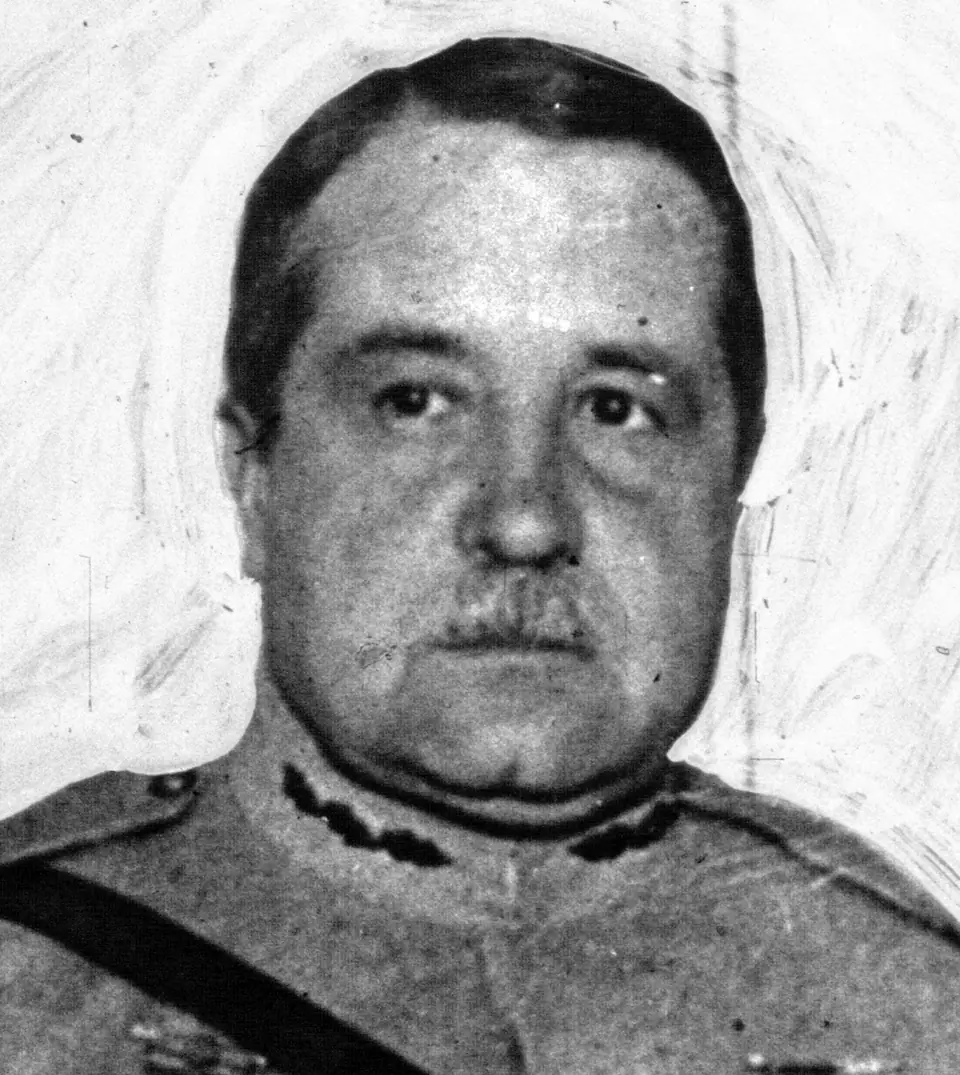
Norton de Matos
1867–1955 · general
Isabel Aboim Inglez
1902–1963 · teacher
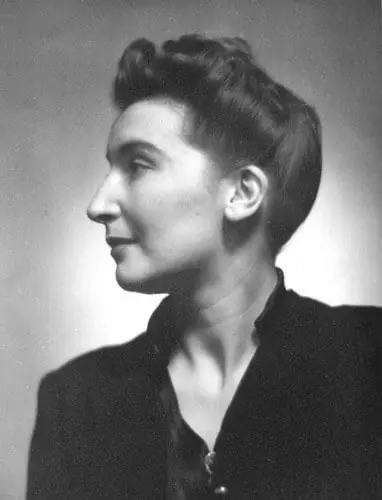
Manuela Porto
1908–1950 · actress
Maria Alda Nogueira
1923–1998 · teacher
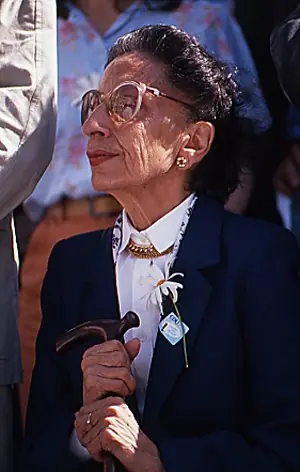
Virgínia Moura
1915–1998 · civil engineer


Videos
In other archives
These can only be viewed on each archive’s own website.
- Casa Comum – Fundação Mário Soares e Maria Barroso · Photograph · 10 February 1949Candidatura de Norton de Matos às eleições presidenciais, comício de Lisboa (Voz do Operário)A photograph of another rally for Norton de Matos’s candidacy at A Voz do Operário, also from Manuel Mendes’s papers. Among those present are Maria Lamas, Manuel João da Palma Carlos and Cesina Bermudes.Open in the archive
- RTP Arquivos · Video · broadcast on 6 May 2000 · 53 minMulheresA documentary by Luís Filipe Costa on the women who fought against fascism and against the ideology that wanted them to be wives and mothers without rights. Among others, Isabel do Carmo, Aida Magro, Cesina Bermudes, Margarida Tengarrinha, Maria Teresa Horta, Stella Piteira Santos and Conceição Matos give their testimony, with archive footage of Maria Lamas.Open in the archive
Notes on the sources3
- O ano da licenciatura: 1932 (Toponímia de Lisboa) ou 1933 (CIG e Movimento Democrático de Mulheres, que dá o internato geral em 1933/34; a Wikipédia hesita entre os dois).
- O pioneirismo do doutoramento: a CIG diz que foi a primeira portuguesa doutorada em obstetrícia; a Wikipédia, que foi a segunda mulher a doutorar-se na Faculdade de Medicina de Lisboa, depois de Domitila de Carvalho; o Movimento Democrático de Mulheres, que foi a primeira mulher doutorada em Medicina.
- A «Comissão Feminista» cujas reivindicações apresentou em Santarém: o nome é o da CIG, que não diz que comissão era; a Wikipédia põe-na entre as dirigentes da Comissão Eleitoral Feminina da candidatura em Lisboa e na Comissão Central do Movimento Nacional Democrático Feminino. Não se confirmou se é uma destas; o texto cita a CIG.
Do you know more, or do you have a document? Tell us.
Sources5
- 1A Rua Cesina Adães Bermudes e o parto sem dor. Toponímia de Lisboa (blogue da Câmara Municipal de Lisboa) — consulted on 2 October 2026
- 2Cesina Bermudes. Wikipédia (português) — consulted on 2 October 2026
- 3Candidatura de Norton de Matos [...] comício de Lisboa (Voz do Operário). Maria Lamas, Manuel João da Palma Carlos e Cesina Bermudes – fotografia (cota 04654.000.026). Casa Comum – Fundação Mário Soares e Maria Barroso — consulted on 2 October 2026
- 4Mulheres pela Igualdade (biografias). CIG – Comissão para a Cidadania e a Igualdade de Género — consulted on 2 October 2026
- 5Cesina Bermudes. Movimento Democrático de Mulheres — consulted on 4 October 2026Nasceu a 20 de maio de 1908 e morreu a 9 de dezembro de 2001; licenciada em 1933, doutorada em 1947; comendadora da Ordem da Liberdade em 1989.