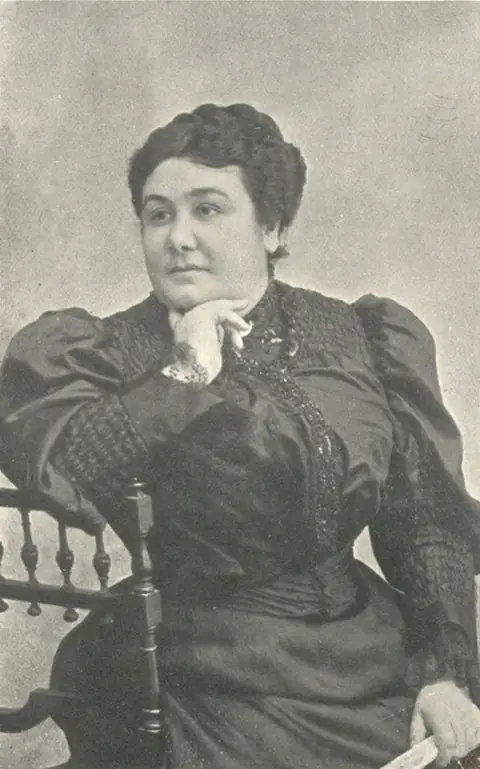
An actress, translator and reciter of poetry, she was vice-president of the National Council of Portuguese Women and, in 1947, spoke about Virginia Woolf at the Exhibition of Books Written by Women. Troubled by the exhibition, the regime closed the Council down that same year.
Oppositionactresswriter and translatortheatre critic and reciter of poetryvice-president of the National Council of Portuguese Women (1946)
She was born in Lisbon on 24 April 1908.2 She was an actress with the Rey Colaço – Robles Monteiro company and studied at the National Theatre Conservatory; she was also a theatre critic, a reciter of poetry and a translator, and brought into Portuguese women writers such as Louisa May Alcott, Anne Brontë, Elizabeth Gaskell and Virginia Woolf.1 In 1931 she married the painter Roberto Araújo Pereira at the Lisbon civil registry, under a regime of “total, complete and absolute separation of property” — a pioneering procedure at the time.1
In the 1930s she embraced feminist activism and joined, one after another, the organisations that opposed the Estado Novo (“New State”): the National Council of Portuguese Women (CNMP), the Portuguese Women’s Association for Peace, the Movement of National Anti-Fascist Unity, the Movement of Democratic Unity, the Committee of Democratic Writers, Journalists and Artists, the Portuguese PEN Club and the Central and Women’s Committee of the National Democratic Movement.1
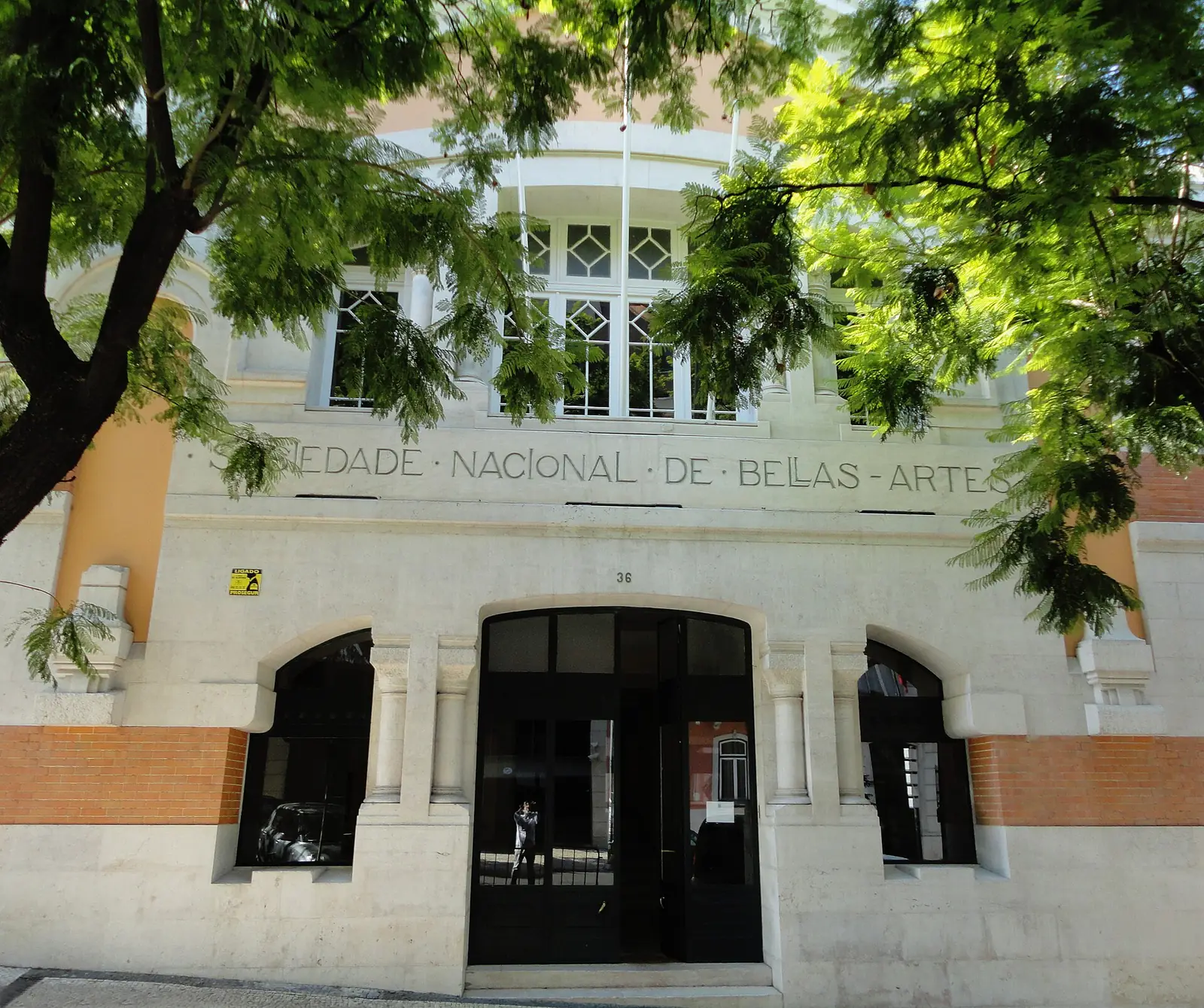
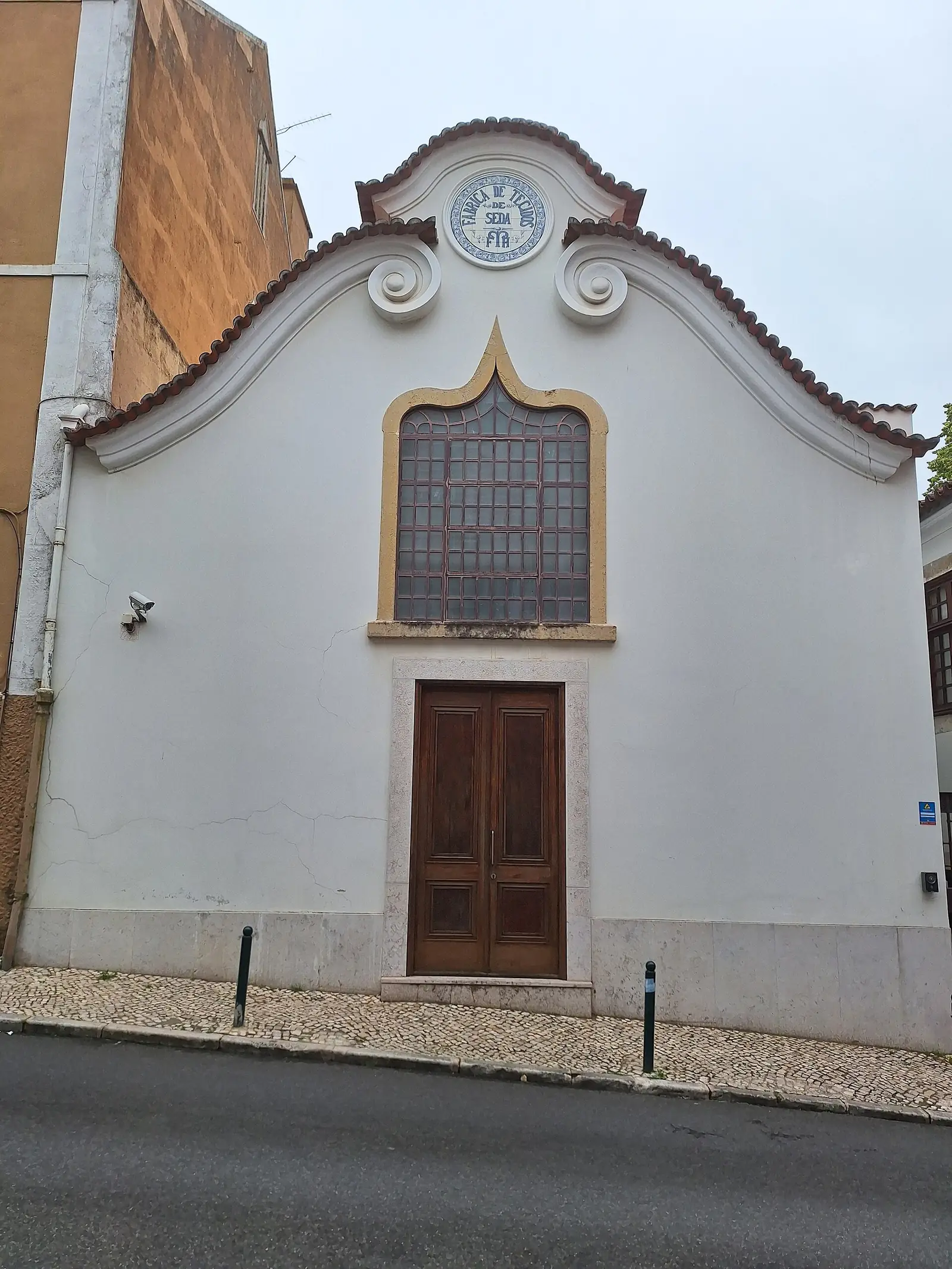
In 1946 she was appointed vice-president of the CNMP. In January 1947, at the Exhibition of Books Written by Women that the Council organised at the National Society of Fine Arts, she gave the talk “Virginia Woolf: o problema das mulheres das letras” (Virginia Woolf: the problem of women of letters).12 The regime disliked the scale of the exhibition and outlawed the Council.1 On 28 June 1947 the police closed, “without prior notice”, its headquarters in Amoreiras, putting an end to 33 years of the association.3 She died in Lisbon on 7 July 1950, aged 42.2
The day of the talk on Virginia Woolf: the exhibition was open from 4 to 12 January 1947, and the sources do not say on which day she spoke.
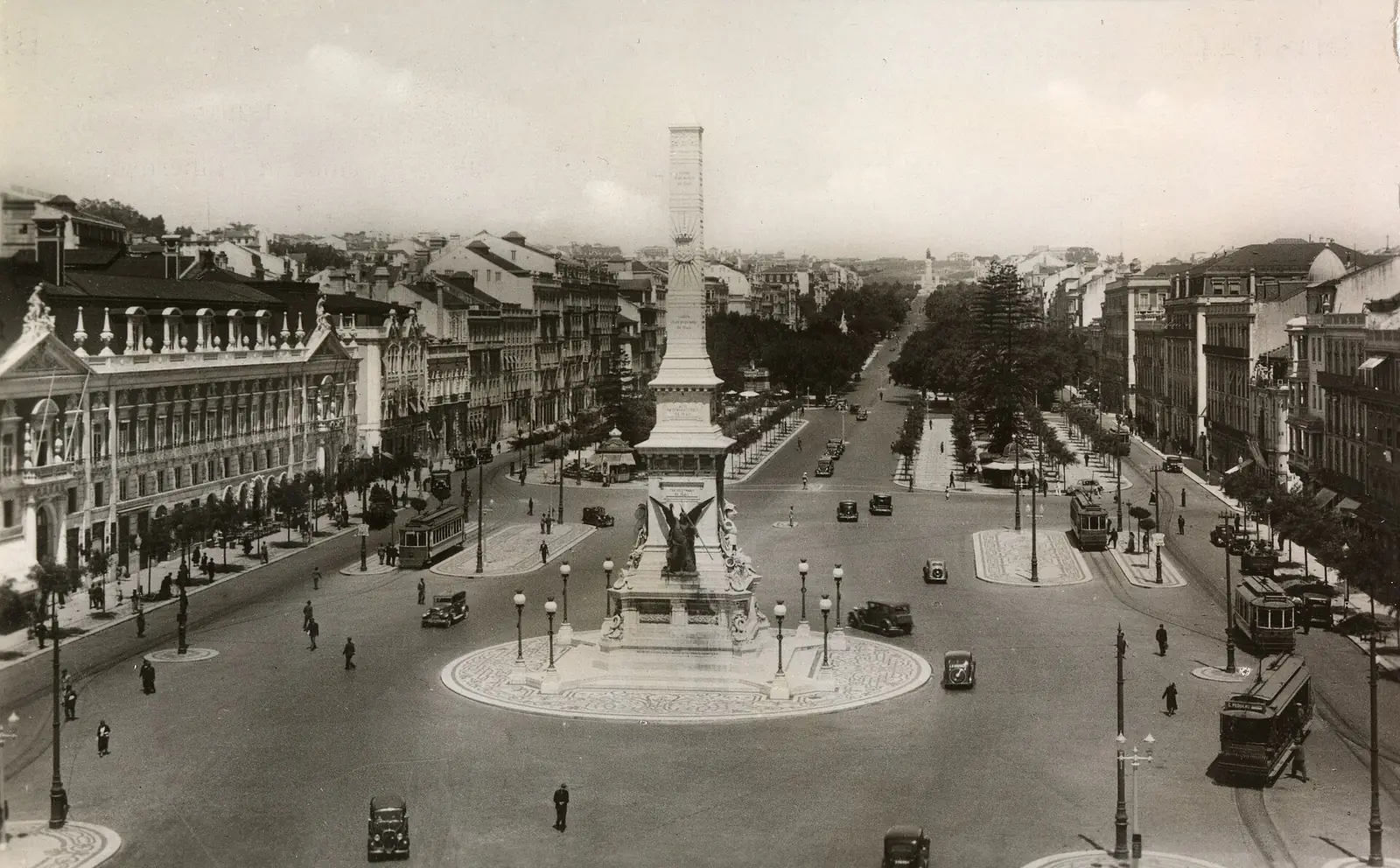
At which headquarters she worked as vice-president of the CNMP: on Praça dos Restauradores or already on Travessa da Fábrica das Sedas, in Amoreiras, where the Council moved in 1946.
Do you know more, or do you have a document? Tell us.