
Women of the resistance
Domitila de Carvalho
1871–1966
Autor desconhecido, Public domain
Domitila Hormizinda Miranda de Carvalho
The first woman to attend the University of Coimbra, she graduated in Mathematics, Philosophy and Medicine and was a teacher and headmistress of the first girls’ secondary school (liceu). A monarchist and conservative who supported nascent Salazarism, she was one of the first three women deputies, elected in 1934 on the National Union lists.
- Born
- 10 April 1871, Travanca (Santa Maria da Feira)
- Died
- 11 November 1966, Lisbon (Prazeres)
Biography
She was born in Travanca, in the municipality of Santa Maria da Feira, in 1871.2 She was the first woman to attend the University of Coimbra, where she took degrees in Mathematics, Philosophy and Medicine.1 In 1906 she joined, with four other women doctors — Adelaide Cabete, Carolina Beatriz Ângelo, Emília Patacho and Maria do Carmo Lopes — the Portuguese committee of the French association La Paix et le Désarmement par les Femmes.3
She practised medicine in Lisbon, at the National Assistance for Tuberculosis Patients, but chose teaching: she was a teacher and headmistress of the Liceu D. Maria Pia, the country’s first girls’ secondary school (liceu), which would later be called Liceu Maria Amália Vaz de Carvalho.2
A monarchist and conservative, she embraced the principles of the Estado Novo (“New State”) and stood out in the small elite of women who supported nascent Salazarism; being a monarchist, she acted as go-between for Salazar and the former Queen Amélia, with whom she corresponded.2 In the elections of 16 December 1934 she was elected on the National Union lists and, with Maria Cândida Parreira and Maria Guardiola, became one of the first three Portuguese women deputies. She sat in the National Assembly for two legislatures, from 1935 to 1942.1 It was not the First Republic, which had denied women the right to vote and to be elected, that opened Parliament to them: it was Salazar’s regime, albeit in a very restricted way, because it saw them as a means of building and spreading the ideology of the Estado Novo.1
In the Assembly, she spoke on infant mortality and was behind the compulsory courses in general hygiene and childcare in girls’ secondary schools.2 In the debate on Carneiro Pacheco’s education reform, in 1936, she argued for a compulsory crucifix in primary schools, against secular education.2 She died in Lisbon, in the parish of Prazeres, in 1966.2
Places


Dates
1906
Five women doctors join the pacifist movement “La Paix et le Désarmement par les Femmes”1906
Creation of the Liceu Maria Pia, the first girls’ secondary school1933
The first girls’ secondary school moves into a building of its own16 Dec 1934
The first three Portuguese women deputies are elected11 Jan 1935
The National Assembly opens, with the first three women deputies7 Mar 2025
Parliament marks 50 years of universal suffrage for women
Walks
People
They crossed paths with her
Maria Guardiola
1895–1987 · Mathematics teacher
Maria Cândida Parreira
1877–1942 · lawyer
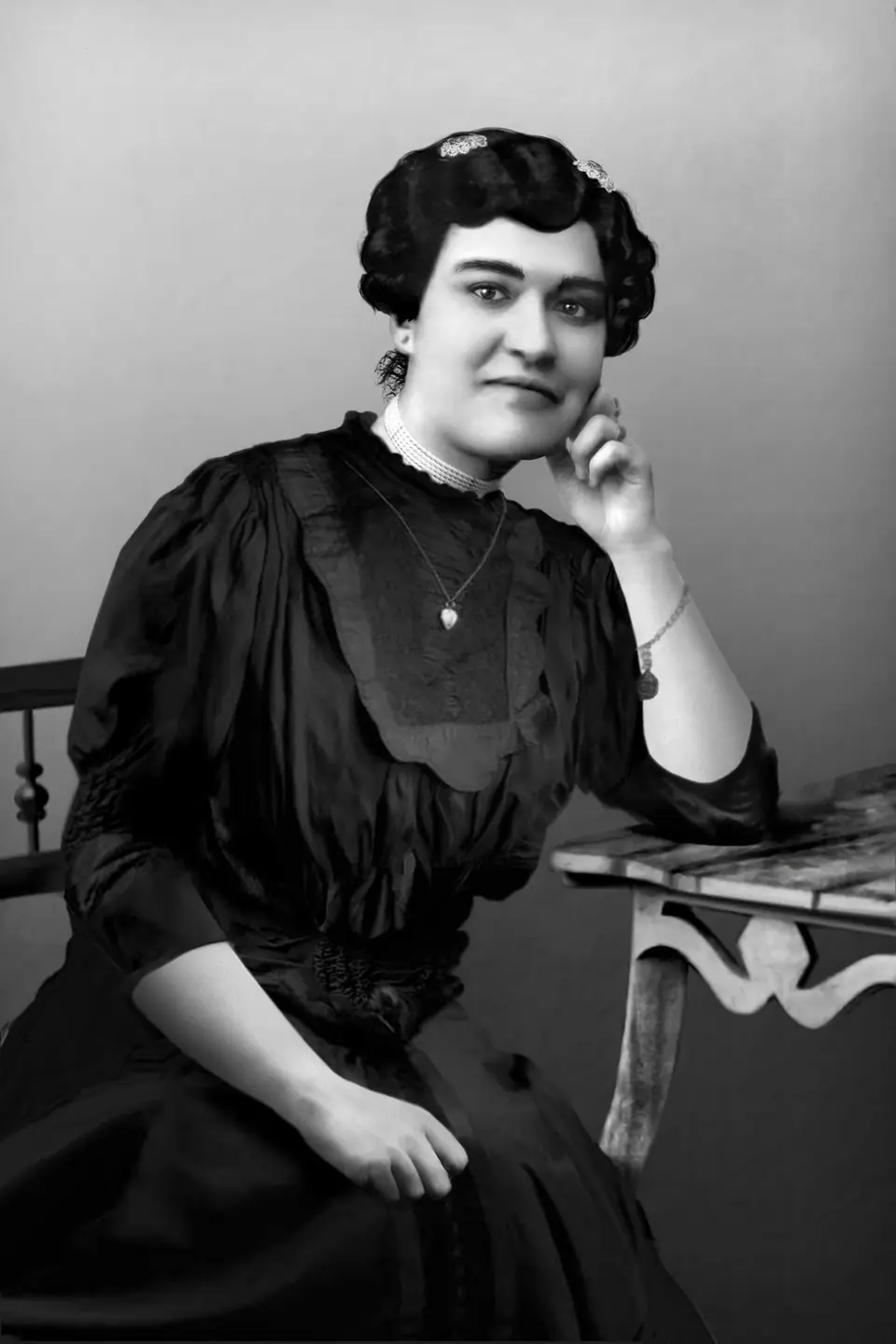
Carolina Beatriz Ângelo
1878–1911 · surgeon and gynaecologist
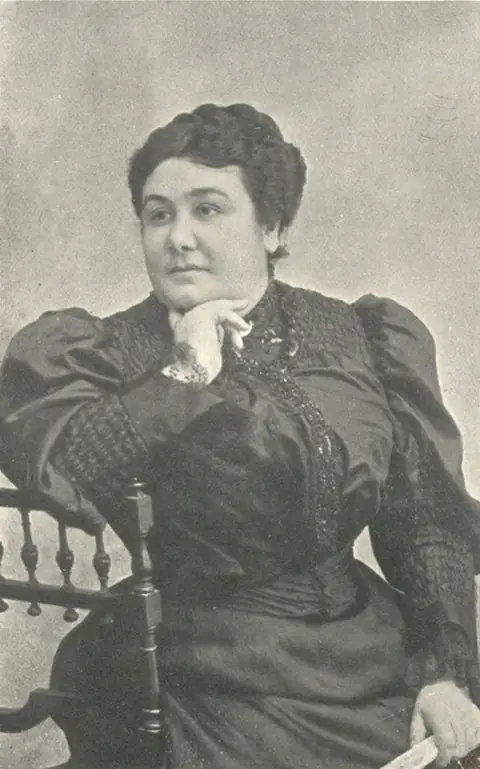
Adelaide Cabete
1867–1935 · obstetrician and gynaecologist
António de Oliveira Salazar
1889–1970 · professor of Economics and Finance at the University of Coimbra
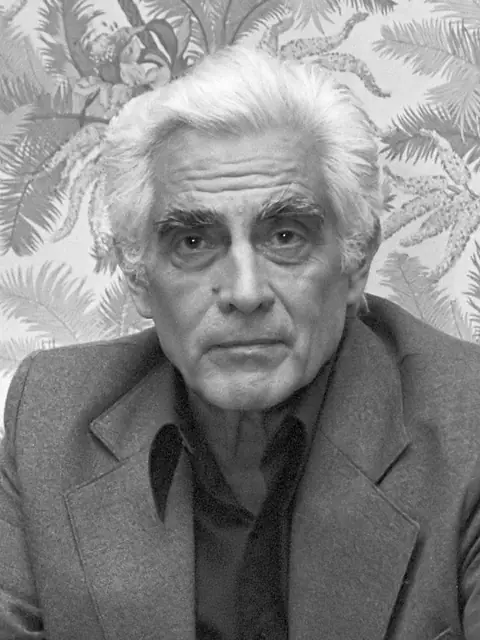
Álvaro Cunhal
1913–2005 · general secretary of the Portuguese Communist Party


Notes on the sources2
- Os anos em que foi reitora do Liceu D. Maria Pia: da fundação, em 1906, a novembro de 1912, segundo a Wikipédia; as outras fontes não dão datas.
- O papel de interlocutora entre Salazar e a antiga rainha D. Amélia e a defesa do crucifixo nas escolas, em 1936, vêm só da Wikipédia. O perfil da Assembleia da República confirma o resto do retrato político e regista que interveio, na sessão de 1935–1936, na discussão da proposta que reorganizava o Ministério da Instrução — falta ver o Diário das Sessões.
Do you know more, or do you have a document? Tell us.
Sources4
- 1Um olhar sobre a participação feminina na Assembleia Nacional: a deputada Virgínia Faria Gersão (Faces de Eva, n.º 47). Susana Fontes e Sónia Coelho / Faces de Eva (SciELO Portugal) — consulted on 2 October 2026
- 2Domitila de Carvalho. Wikipédia (pt) — consulted on 2 October 2026
- 3A rua lisboeta da primeira mulher que votou em Portugal. Toponímia de Lisboa (Câmara Municipal de Lisboa) — consulted on 2 October 2026
- 4Domitila Hormizinda Miranda de Carvalho (Os Deputados da Assembleia Nacional, 1935-1974). Assembleia da República — consulted on 4 October 2026Legislaturas I e II; dirigiu o Liceu Maria Pia; perfil — «Monárquica (amiga da Rainha D. Amélia); Católica convicta; […] Devotada admiradora de Salazar; Descrente do feminismo».