A communist leader, he was arrested in 1949 and escaped from Peniche Fortress in 1960. General secretary of the PCP, he returned from exile on 30 April 1974 and addressed the crowd at the airport from the top of a Chaimite armoured car.
Oppositiongeneral secretary of the Portuguese Communist Partyexile in the Soviet Union
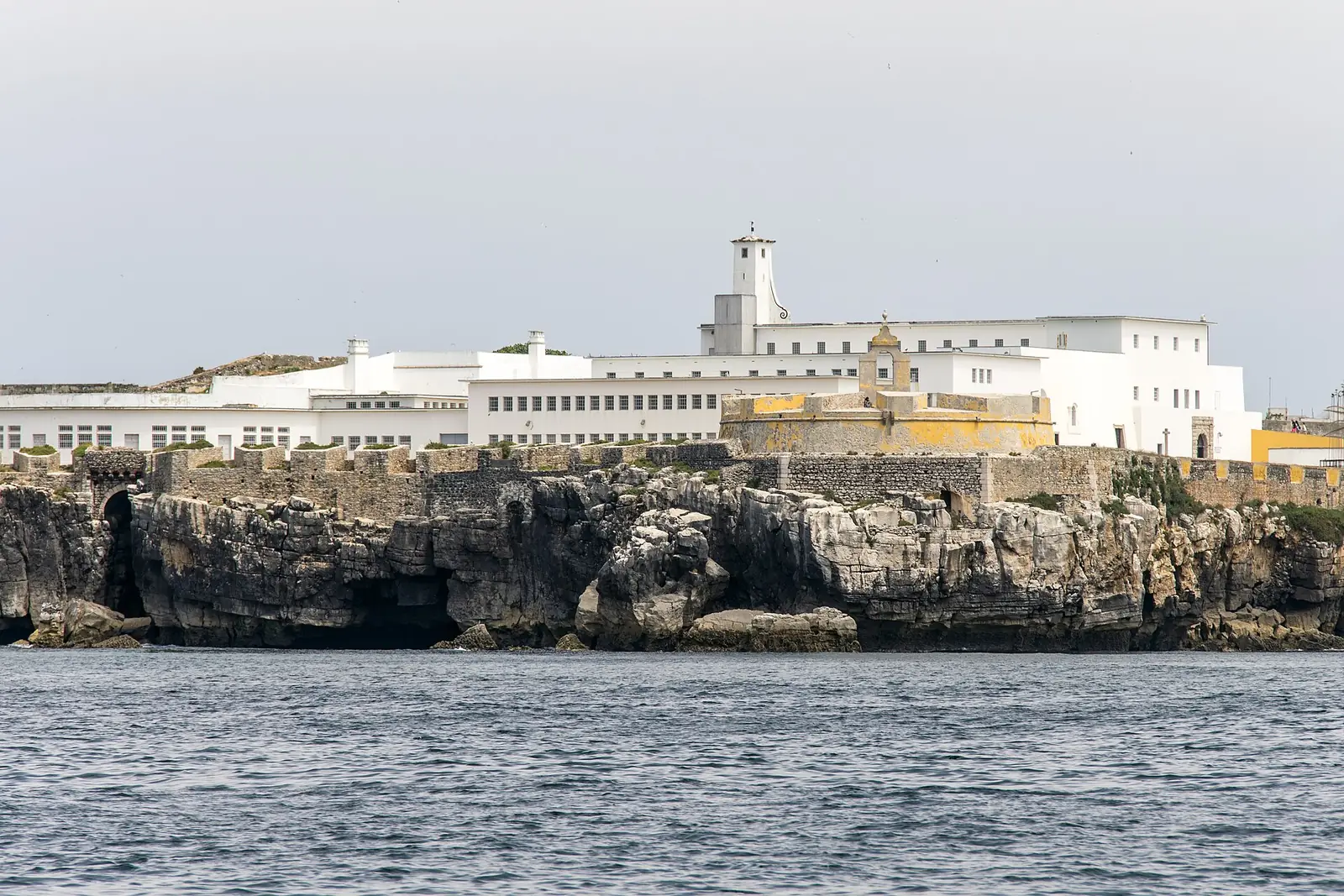
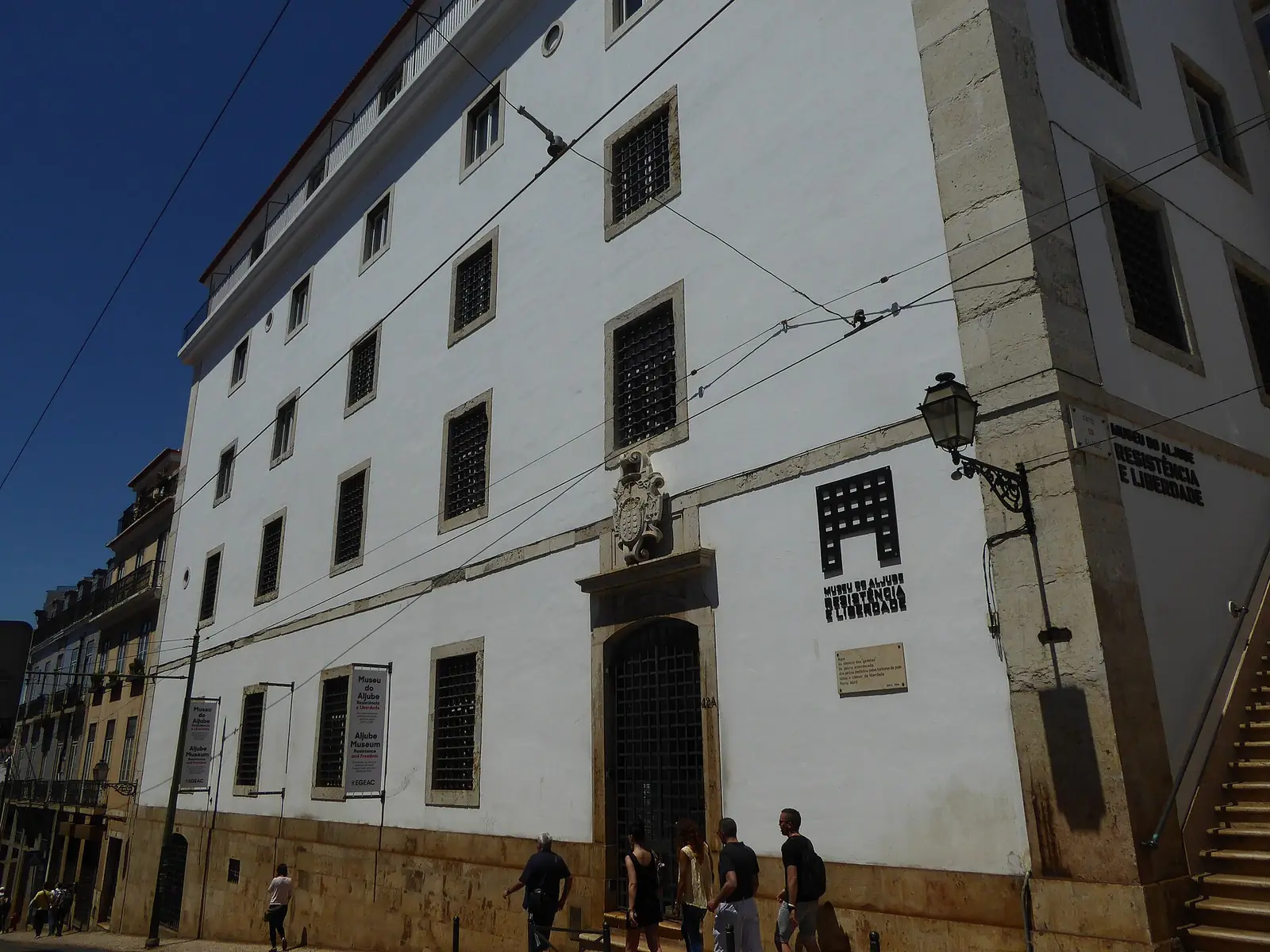
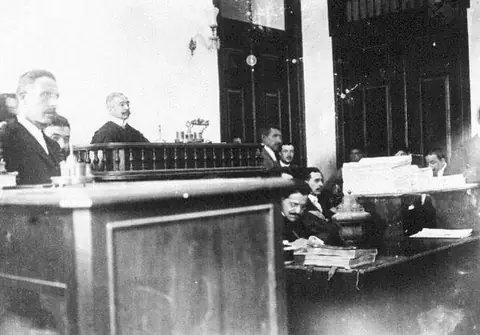
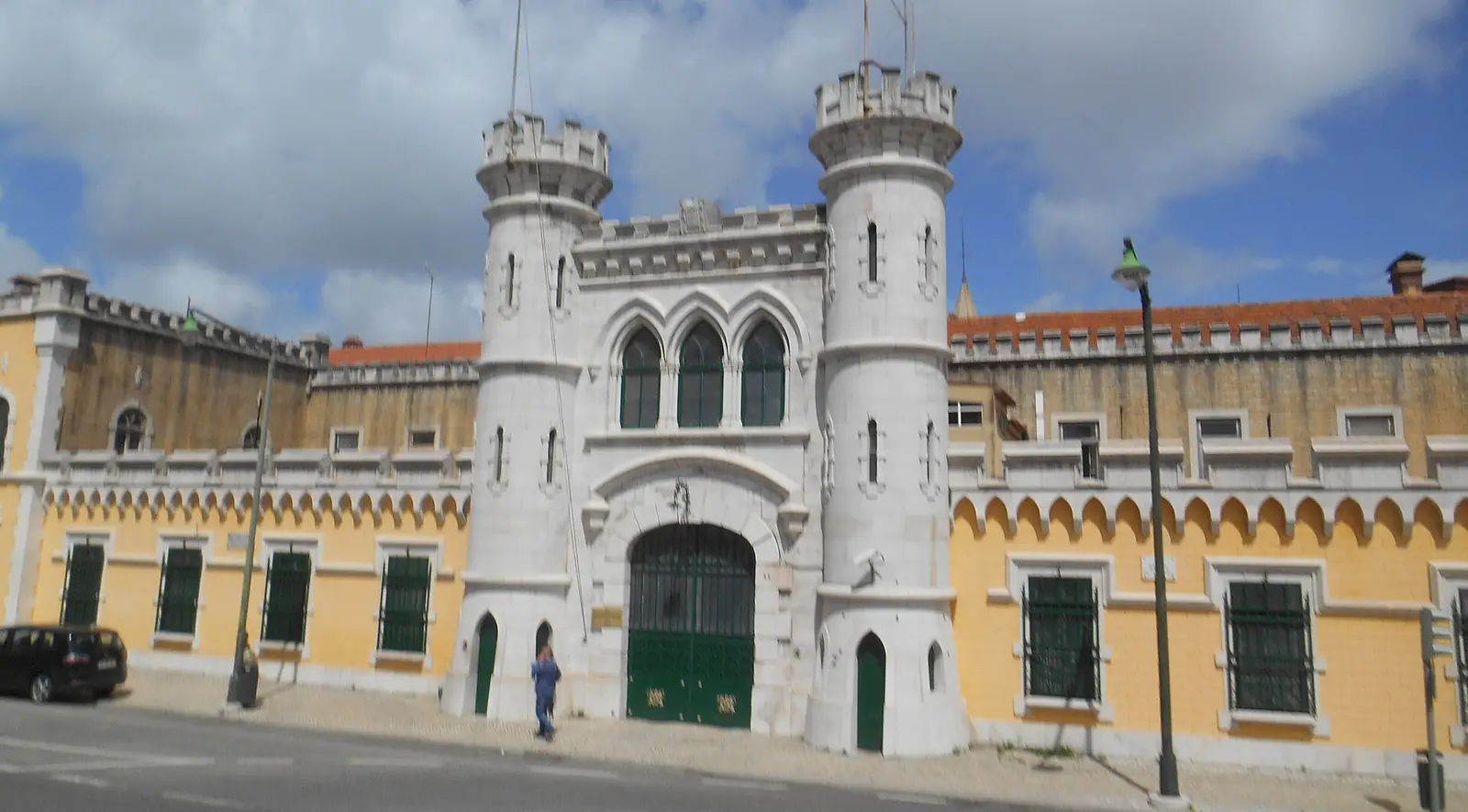
He was born in Coimbra on 10 November 1913.89 First arrested in 1937, he was taken to the Aljube.9 An underground leader of the Portuguese Communist Party, he was arrested by the PIDE in the early hours of 25 March 1949, in a house in Luso where he lived with Sofia Ferreira — they posed as a couple — and where Militão Ribeiro was also hiding. He spent eleven years in prison.6 In May 1950 he was tried with Sofia Ferreira at the Plenary Court in the Boa-Hora;1011 he was held first in the Lisbon Penitentiary, where he translated Shakespeare’s King Lear, and then in Peniche.9 On 3 January 1960 he escaped from Peniche Fortress with nine other prisoners and a GNR guard, in an escape prepared on the outside by Pires Jorge and António Dias Lourenço.7
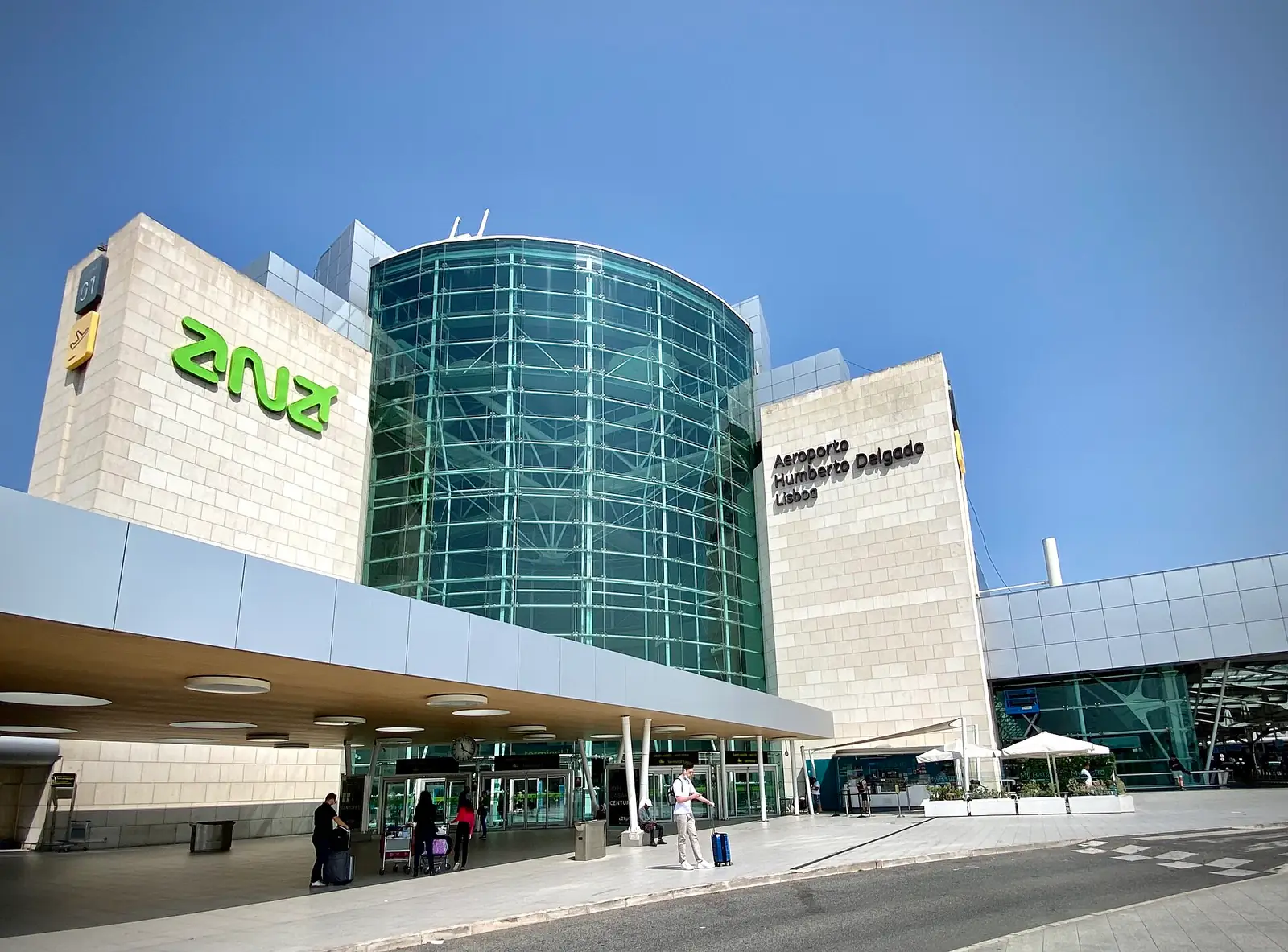
As the party’s general secretary, he arrived at Lisbon airport on 30 April 1974, after 14 years of exile in the Soviet Union.13 An emotional crowd was waiting for him; among those waiting beside the plane was Mário Soares. Still at the airport, he climbed onto a Chaimite armoured car to speak to the crowd, and was later received by António de Spínola.1
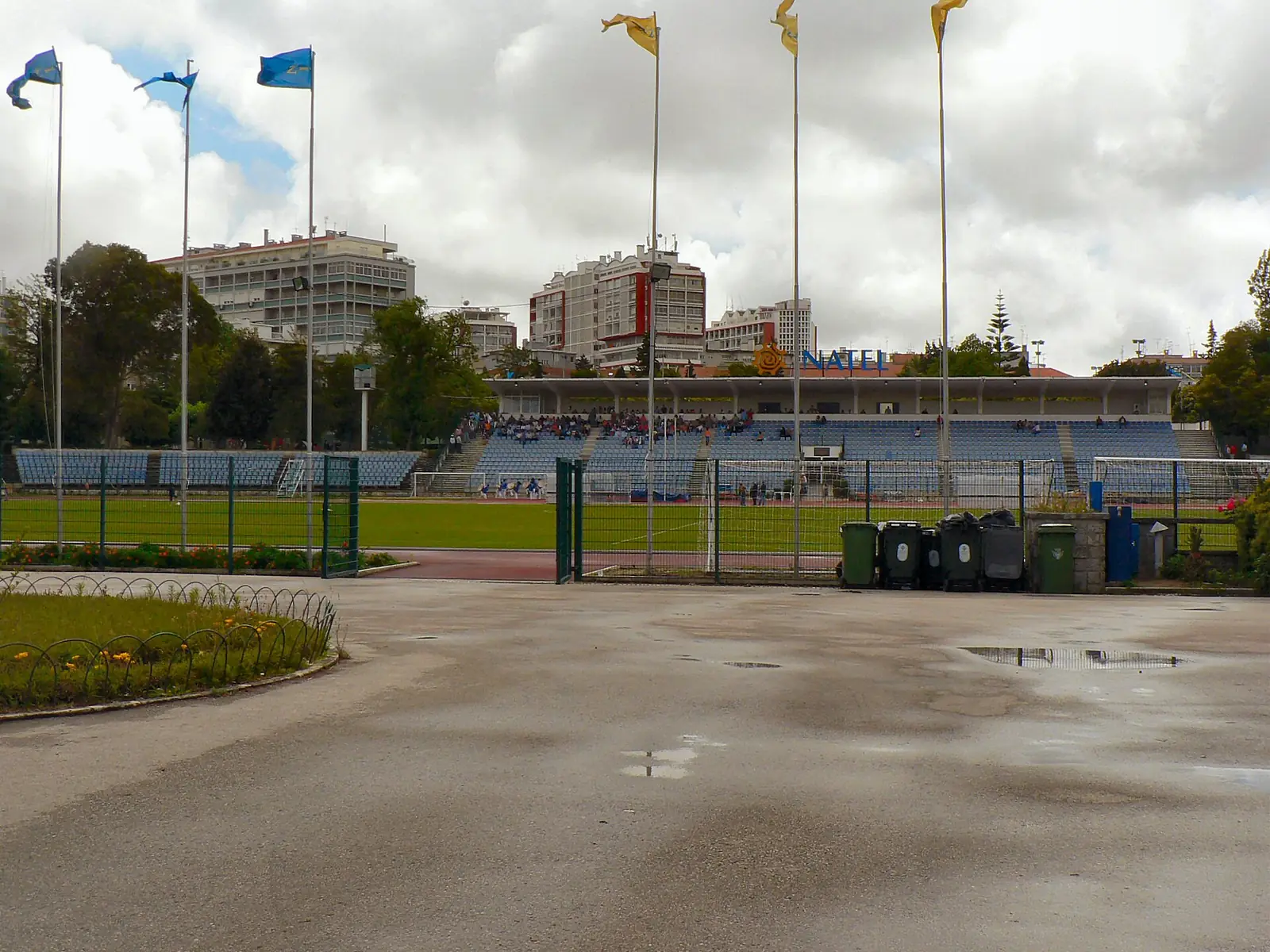
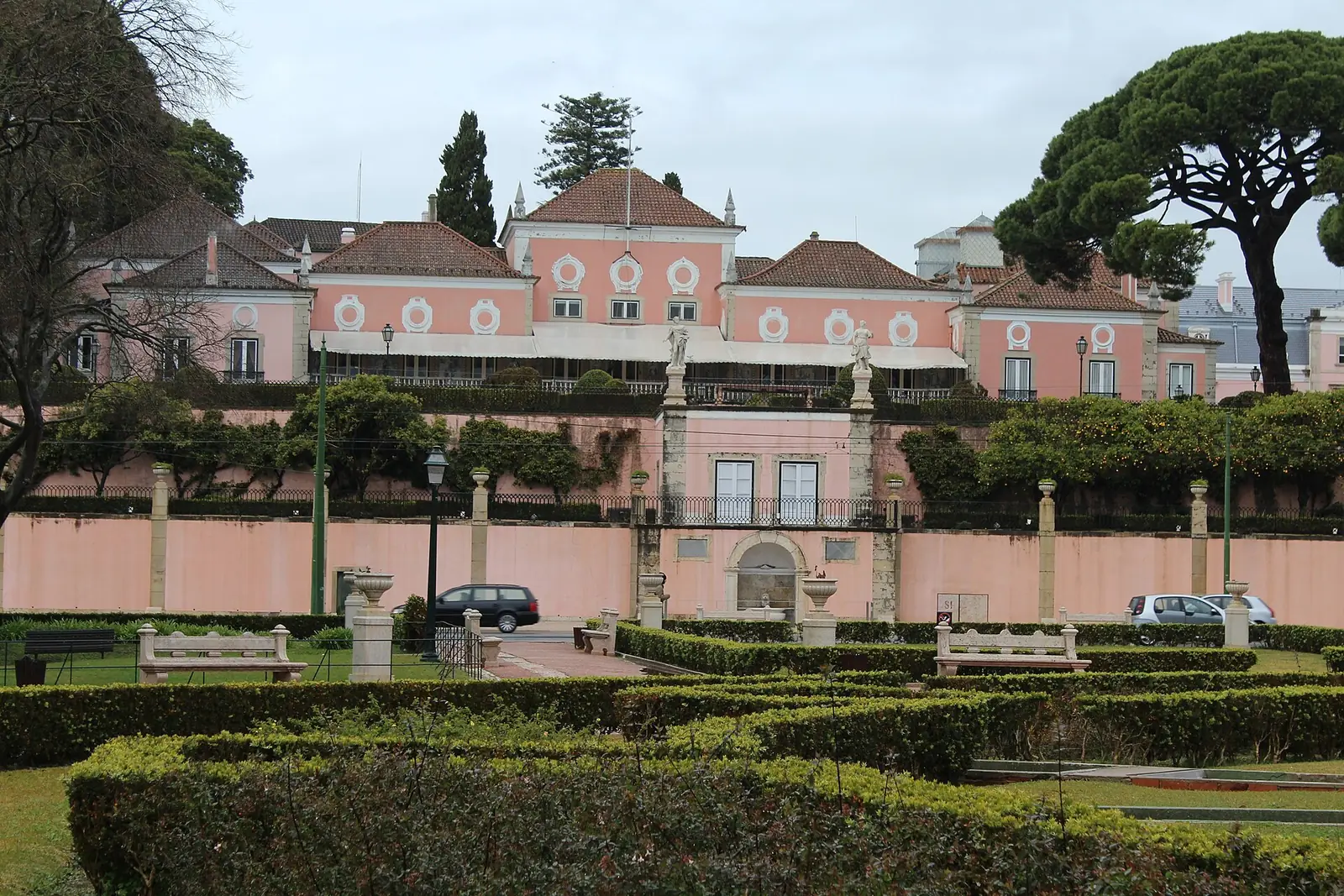
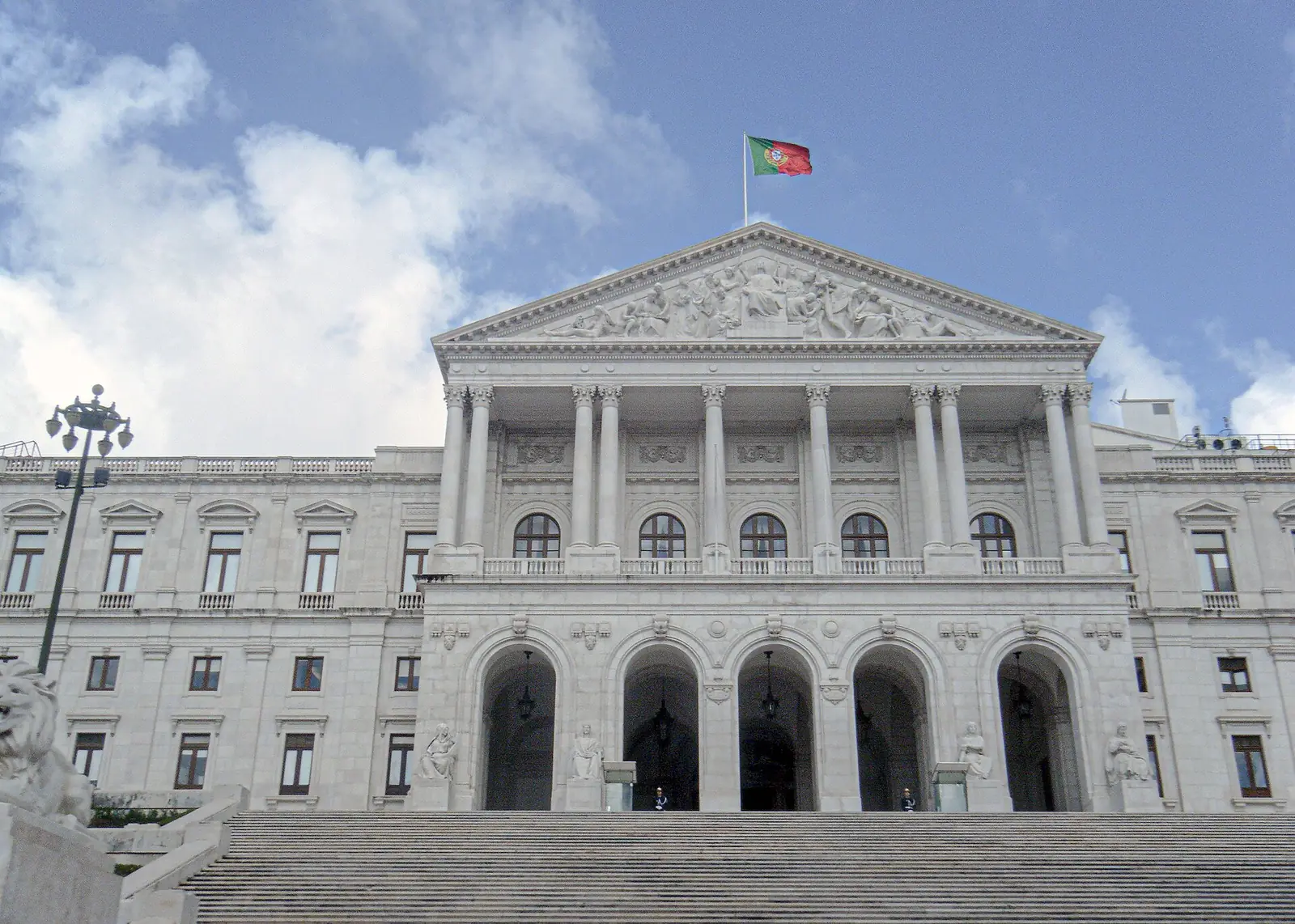
The next day he spoke, with Soares, at the May Day (1 May) rally in the FNAT stadium, which was then renamed Estádio 1.º de Maio (May Day Stadium). He hailed the military and the first measures taken “to liquidate the fascist dictatorship and establish freedom”.1 He was a minister without portfolio in the first four provisional governments.12 On 25 November 1975, President Costa Gomes summoned him to the Palácio de Belém, seeking to stand down the activists and civilians gathered outside some barracks.4 Elected a deputy to the Constituent Assembly in 1975, he was elected to the Assembly of the Republic at the following elections, up to those of 1987.12 He died in Lisbon on 13 June 2005.89
7Fuga de Peniche. Museu do Aljube Resistência e Liberdade (EGEAC) — consulted on 2 October 2026
8Álvaro Barreirinhas Cunhal. Memória Comum – Memorial aos Presos e Perseguidos Políticos — consulted on 3 October 2026
9Rui Mendes, Álvaro Cunhal, secretário-geral do Partido Comunista Português, 1913–2005. Câmara Municipal de Lisboa — Comissão Municipal de Toponímia, 2013 — consulted on 3 October 2026Brochura de junho de 2013, publicada quando a Câmara deu o nome de Álvaro Cunhal a uma avenida do Lumiar; colaboração da comissão do centenário do PCP.
13Biografia — Álvaro Cunhal (PCP). Assembleia da República — consulted on 4 October 2026Álvaro Barreirinhas Cunhal, deputado do PCP nas legislaturas I, II, III e IV (1976–1987).
14Centenário do nascimento de Álvaro Cunhal (exposição virtual). Arquivo Nacional Torre do Tombo — consulted on 4 October 2026Reproduz o registo de Álvaro Barreirinhas Cunhal no Registo Geral de Presos da PIDE (liv. 38, n.º 7550), com as datas extremas 1937-07-21 / 1960-01-03.
15Álvaro Cunhal, revolução e ressaca. Visão (série «50 anos do 25 de Abril», Visão Biografia), 2024 — consulted on 4 October 2026A 30 de abril de 1974, pelas 13h50, o voo AF501 da Air France, vindo de Paris, aterrou na Portela com Álvaro Cunhal.





.jpg)