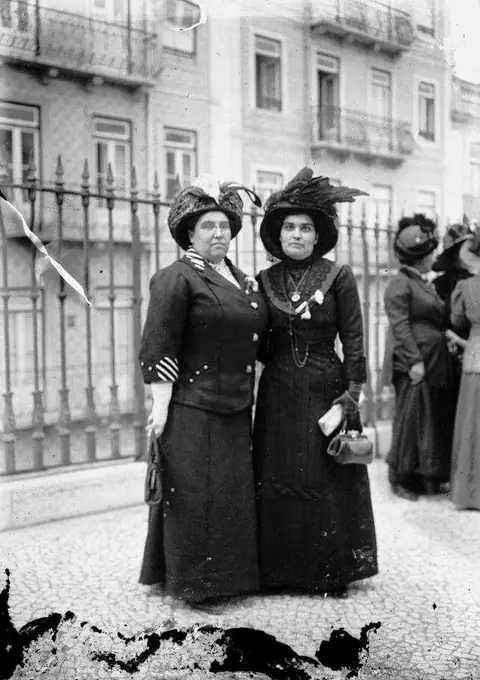
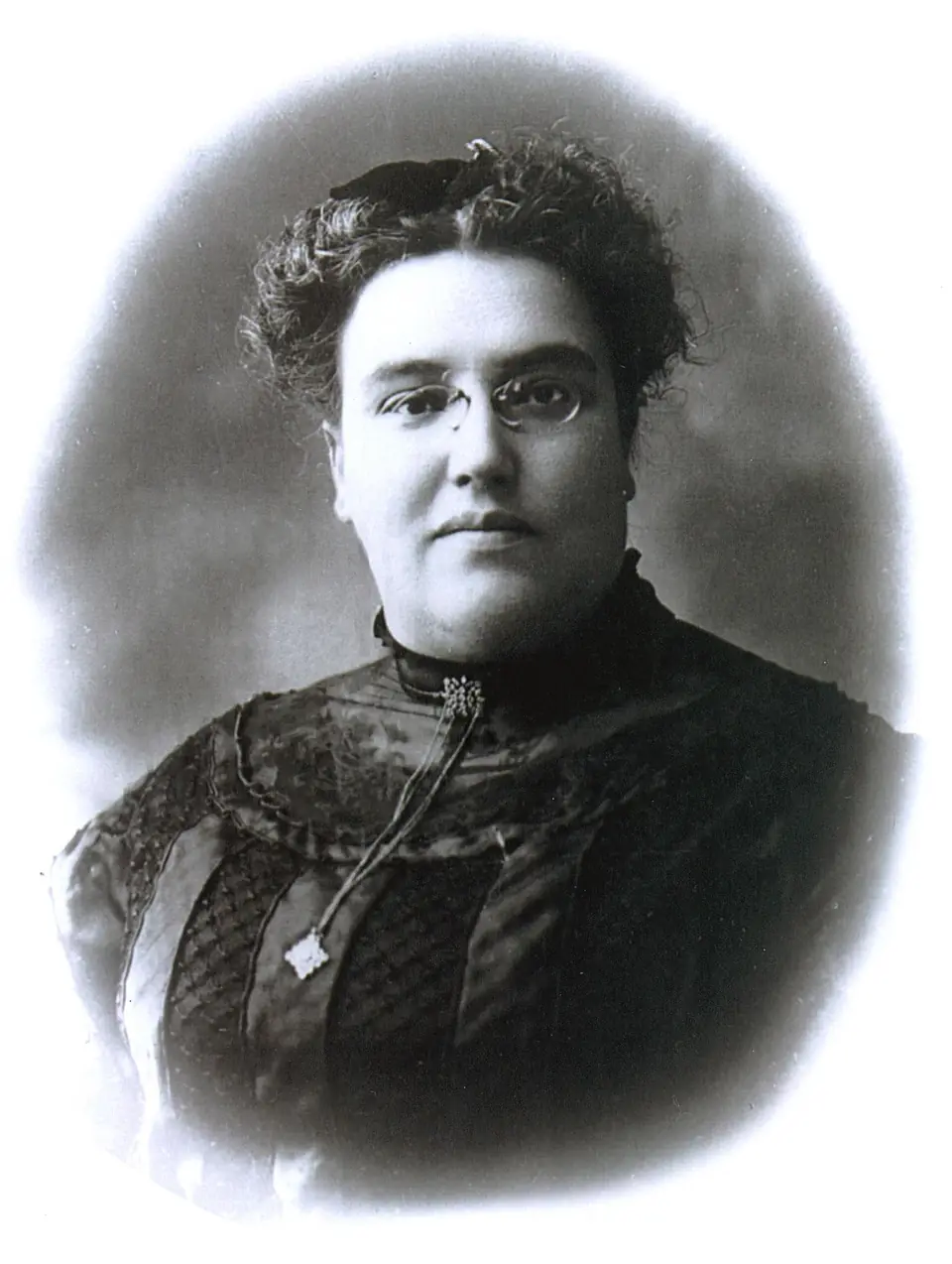
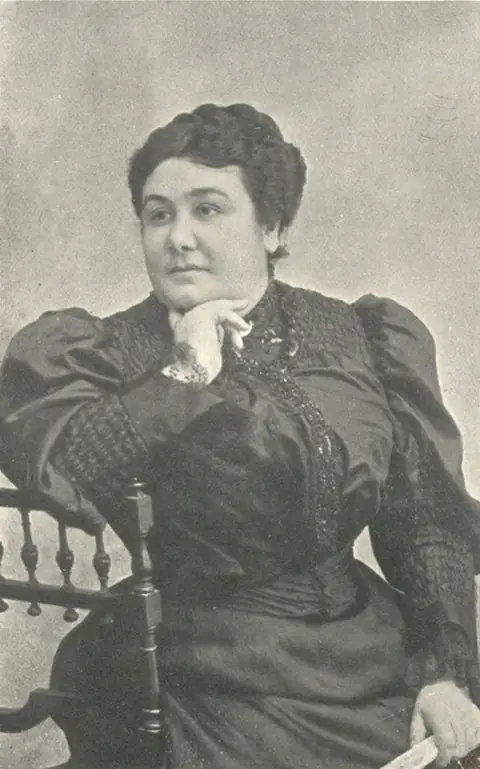
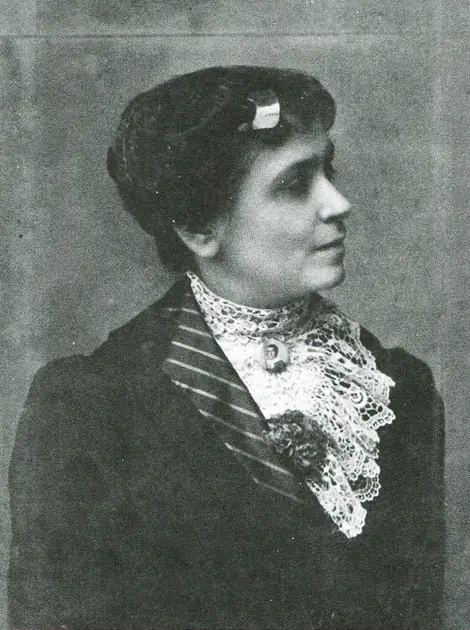
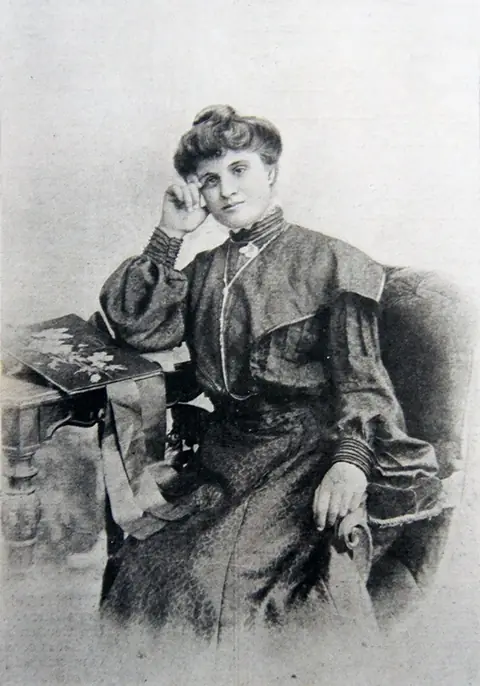
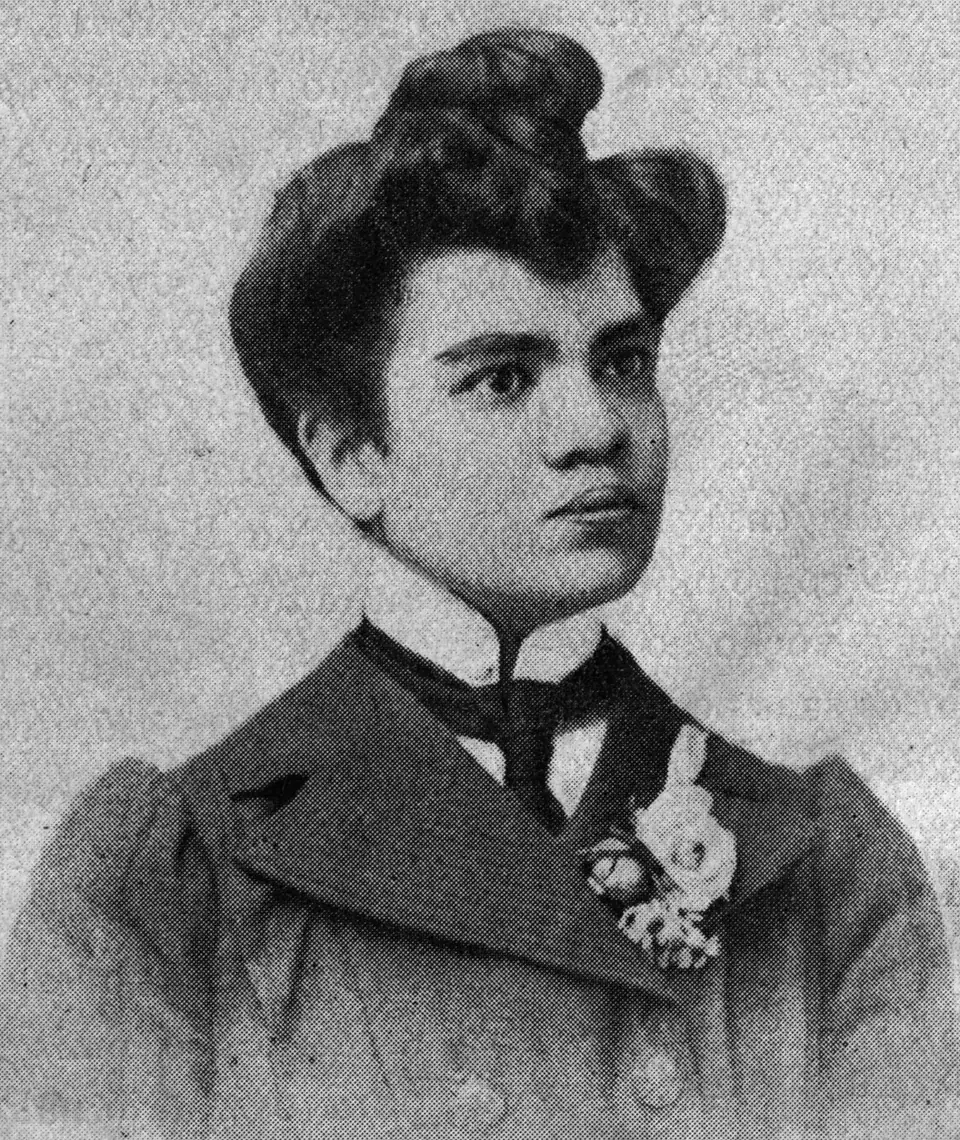
A doctor, the first Portuguese woman surgeon and a suffragist. A widow and “head of household”, she won in court the right to be registered as a voter and, on 28 May 1911, at the Clube Estefânia, became the first woman to vote in Portugal.
Republicsurgeon and gynaecologistsuffragistfirst woman to vote in Portugalleader in the Republican League of Portuguese Womenpresident of the Feminist Propaganda Association
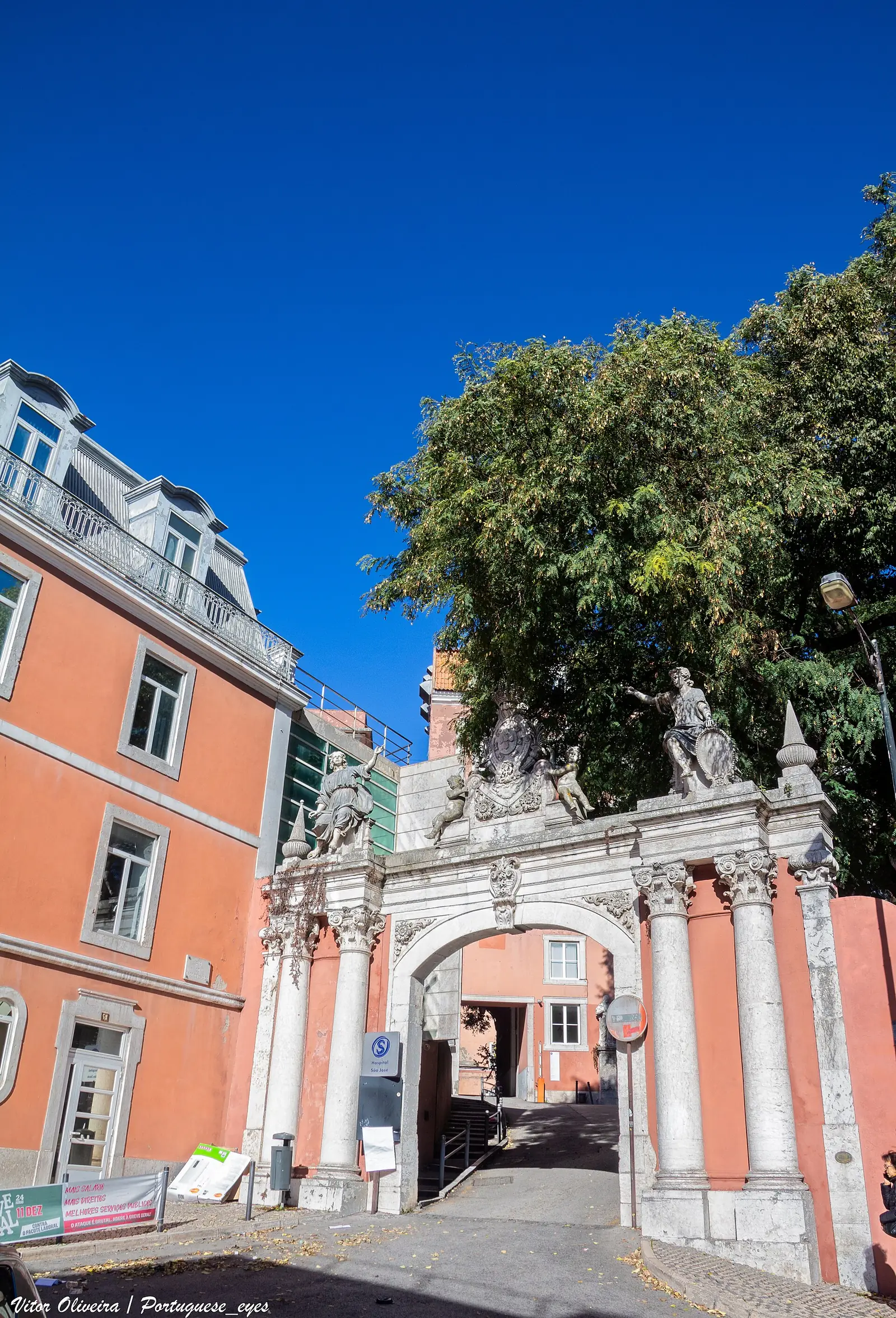
She was born in Guarda in 1878 and came to Lisbon to study: at the Polytechnic School from 1895, then at the Medical-Surgical School, where she completed her degree in 1902. That year she married her cousin Januário Barreto, a doctor and republican; their daughter, Maria Emília, was born in 1903, the year she presented her thesis, “Prolapsos Genitais” (Genital Prolapses).6 She was the first woman to operate in Portugal, at São José Hospital, with the surgeon Sabino Coelho; she also worked at Rilhafoles, with Miguel Bombarda, and specialised in gynaecology, with a practice at No. 84 Rua Nova do Almada.1
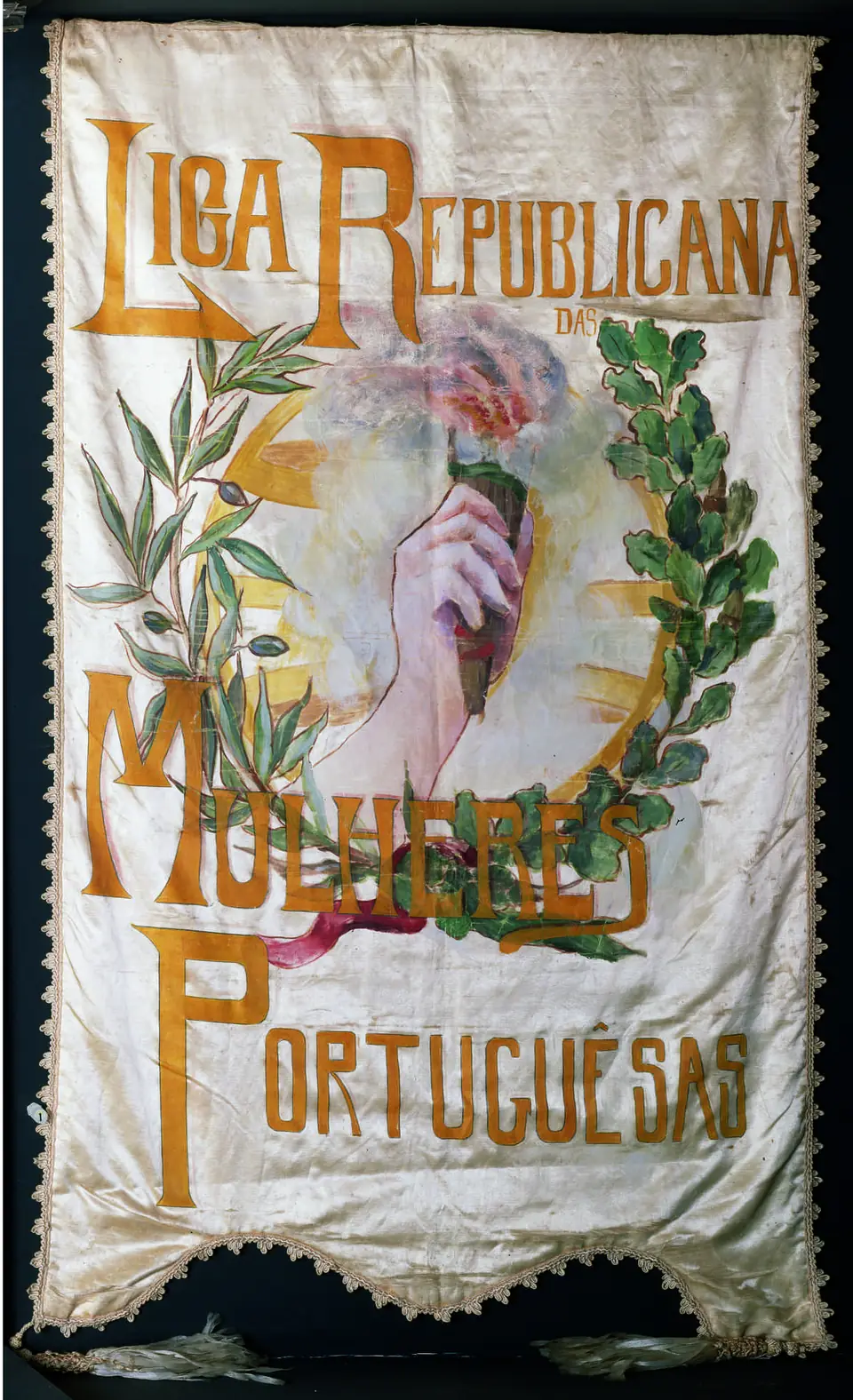
In 1906 she joined, with four other women doctors, among them Adelaide Cabete and Domitila de Carvalho, the Portuguese committee of La Paix et le Désarmement par les Femmes. In Freemasonry, she was initiated into the Humanidade Lodge with the symbolic name “Lígia”.1 In 1907 she was at the founding of Ana de Castro Osório’s Portuguese Group for Feminist Studies, with Maria Veleda, Sofia Quintino and Adelaide Cabete,6 and she rose to the leadership of the Republican League of Portuguese Women.5 With Adelaide Cabete, she secretly made the green and red flags of the revolution of 5 October 1910.62 Januário Barreto had died that year, a few months before the Republic; the funeral left from the couple’s home, on Rua do Sol ao Rato, for the Prazeres Cemetery.2
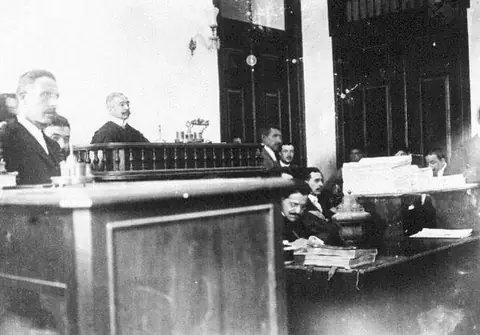
The electoral law of 14 March 1911 gave the vote to those over 21 who could read and write or were heads of household, without saying they had to be men.3 Carolina and Ana de Castro Osório argued for the vote for women who were educated and who worked; others, such as Maria Veleda, would accept it only without restrictions.4 Out of this disagreement within the League came the Feminist Propaganda Association, in 1911, which she founded with Ana de Castro Osório and of which she was president.21 A widow, with a daughter in her care, she applied to be entered on the electoral register on 1 April.6 The registration committee and the Ministry of the Interior turned her down, and she appealed to the courts. Judge João Baptista de Castro, father of Ana de Castro Osório, ruled in her favour, in a judgment that the newspaper A Capital published on 29 April:3 to exclude her “merely for being a woman” was “simply absurd and iniquitous”.8
On 28 May 1911, at the São Jorge de Arroios polling station, set up in the Clube Estefânia, the presiding officer still consulted the polling board on whether he should accept her vote, and one voter protested. At the second call, her name rang out — “It’s me!” (Sou eu!), she answered — and she voted, as voter No. 2513, to applause. She then said that, if she were ever elected, she would know how to fulfil her mandate.24 She was the first woman to vote in Portugal and in southern Europe.6 The news went round the world, and foreign journalists came to Portugal to interview her.4
She died a few months later, on 3 October 1911, aged 33: she was taken ill on the tram, on her way back from a meeting “of feminist ladies, which she had chaired”, and died on the stairs of her home, reported the newspaper A Luta. A freethinker, she had asked for a civil funeral, “and democratic in every respect”.5 In 1913, the new electoral law required voters to be male; women’s suffrage only returned in 1931, and restrictions on voting on grounds of sex only fell after 25 April.3 In 1988, the City Council named a street in Bairro de Caselas after her.1
A report by the Arroios parish television on a tribute to Carolina Beatriz Ângelo, filmed at the entrance to the Clube Estefânia’s headquarters, beside the plaque with her name and portrait. Among those who speak are her great-granddaughter, Maria João Fagundes, and the president of the Arroios Parish Assembly, Anabela Valente.
Original page Licença padrão do YouTube — embed permitido pelo canal oficial da Freguesia de Arroios (Arroios TV)
Freguesia de Arroios (Arroios TV), on YouTube. The player only connects to that site when you press “Watch”.
A short documentary by the Assembly of the Republic (“Especial Eleições” — Elections Special, 2019) about the doctor, republican and suffragist who was the first woman to vote in Portugal, taking advantage of the fact that the law did not say that only men could vote. Among those who comment on her story are the stage director Paula Pais and Isabel Vaz, chair of the executive committee of Luz Saúde.
Original page Licença padrão do YouTube — embed permitido pelo canal oficial da Assembleia da República
Assembleia da República, on YouTube. The player only connects to that site when you press “Watch”.
In other archives
These can only be viewed on each archive’s own website.
O dia da morte: segue-se 3 de outubro de 1911, com o Dicionário de Médicos Portugueses, a FCSH, João Esteves («História Constitucional», 2014), a Dignipédia Global e a Wikipédia; a Toponímia de Lisboa diz 2 de outubro e a Assembleia da República 13. A Wikipédia diz que morreu «pelas 2 horas da manhã», o que pode explicar a data de 2. Falta ver o registo de óbito.
O ano em que entrou na Loja Humanidade: 1907, segundo a Toponímia de Lisboa, João Esteves («História Constitucional», 2014) e a Dignipédia Global; 1906, segundo a FCSH, a partir de Isabel Lousada.
Se a Loja Humanidade em que foi iniciada é a mesma que, segundo a Wikipédia, Deolinda Lopes Vieira ajudou a fundar em 1923, já na Ordem Maçónica Mista «O Direito Humano»: nenhuma das fontes o diz.
Onde funcionava a 1.ª Vara Cível, cujo juiz decidiu o recurso para o recenseamento: o historiador João Esteves diz que o recurso foi entregue no Tribunal da Boa-Hora, a 24 de abril de 1911; as outras fontes não dizem onde.
Onde está sepultada: num jazigo do Cemitério dos Prazeres, segundo a Wikipédia; nenhuma outra fonte o confirma.
Do you know more, or do you have a document? Tell us.
10Ana Lúcia Ferreira, Ângelo, Carolina Beatriz [Dicionário Global]. Dignipédia Global — consulted on 4 October 2026Foi a primeira cirurgiã portuguesa e a primeira médica que operou no Hospital de São José; fundou com Ana de Castro Osório a Associação de Propaganda Feminista, em maio de 1911.