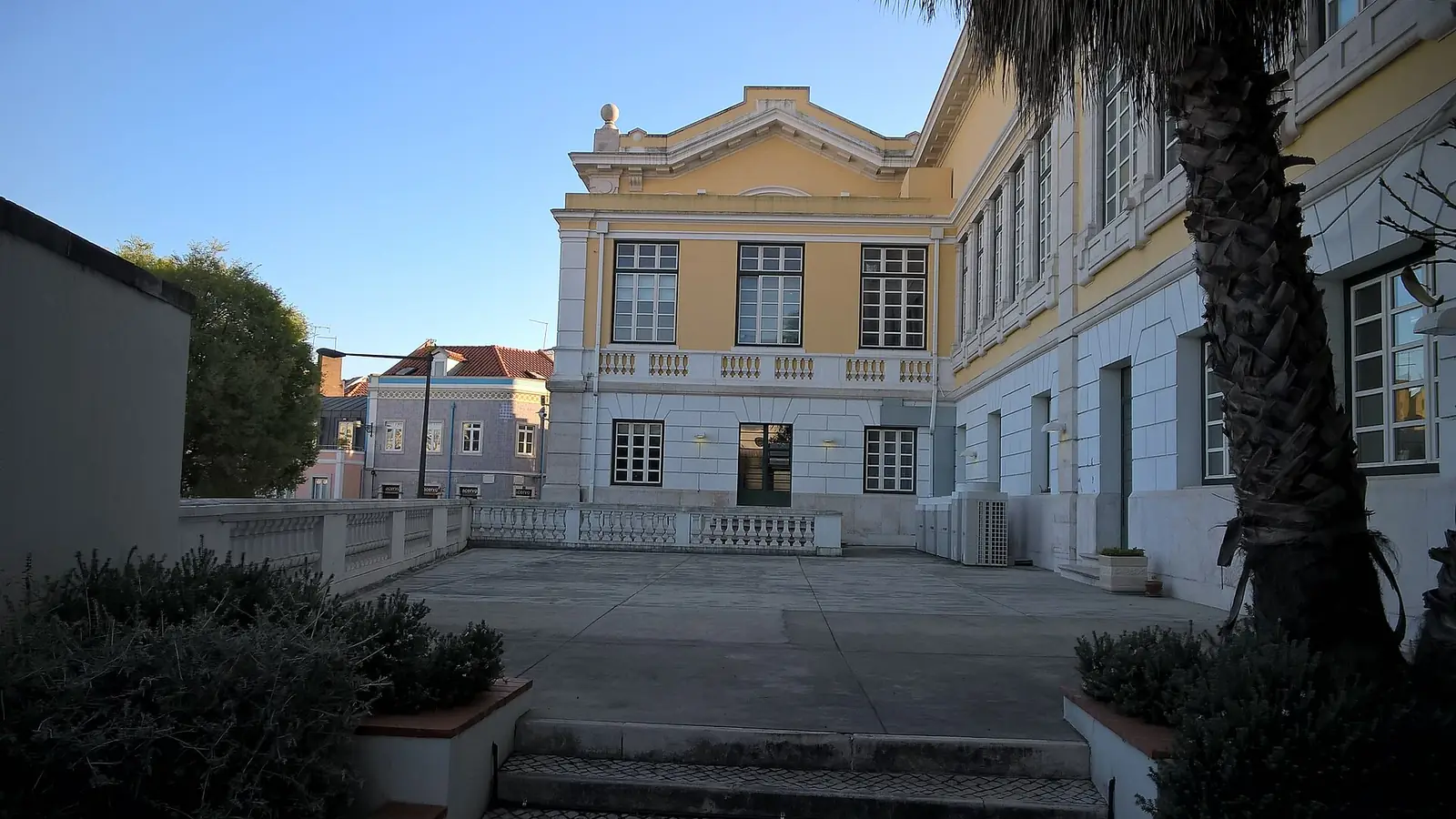
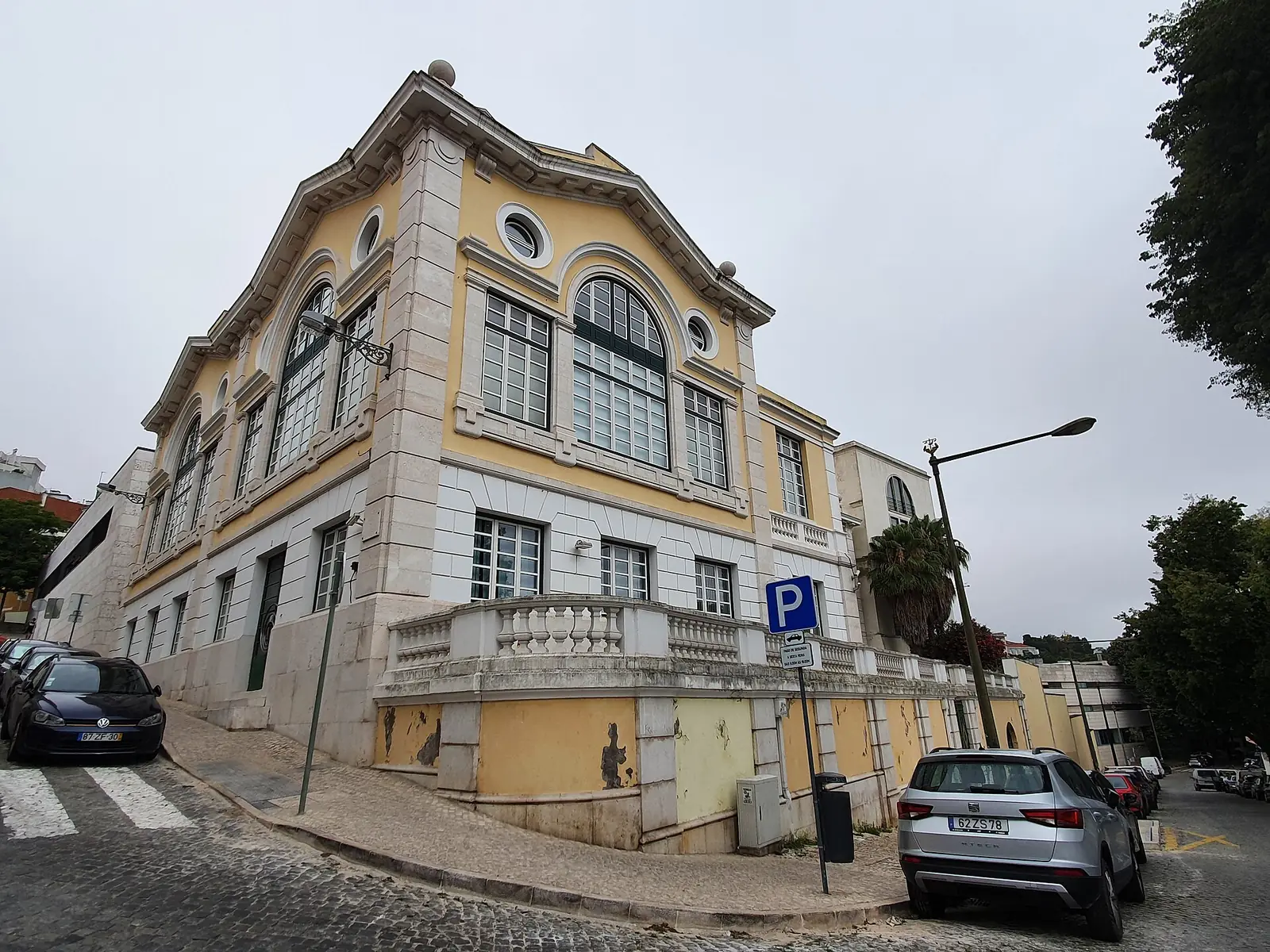
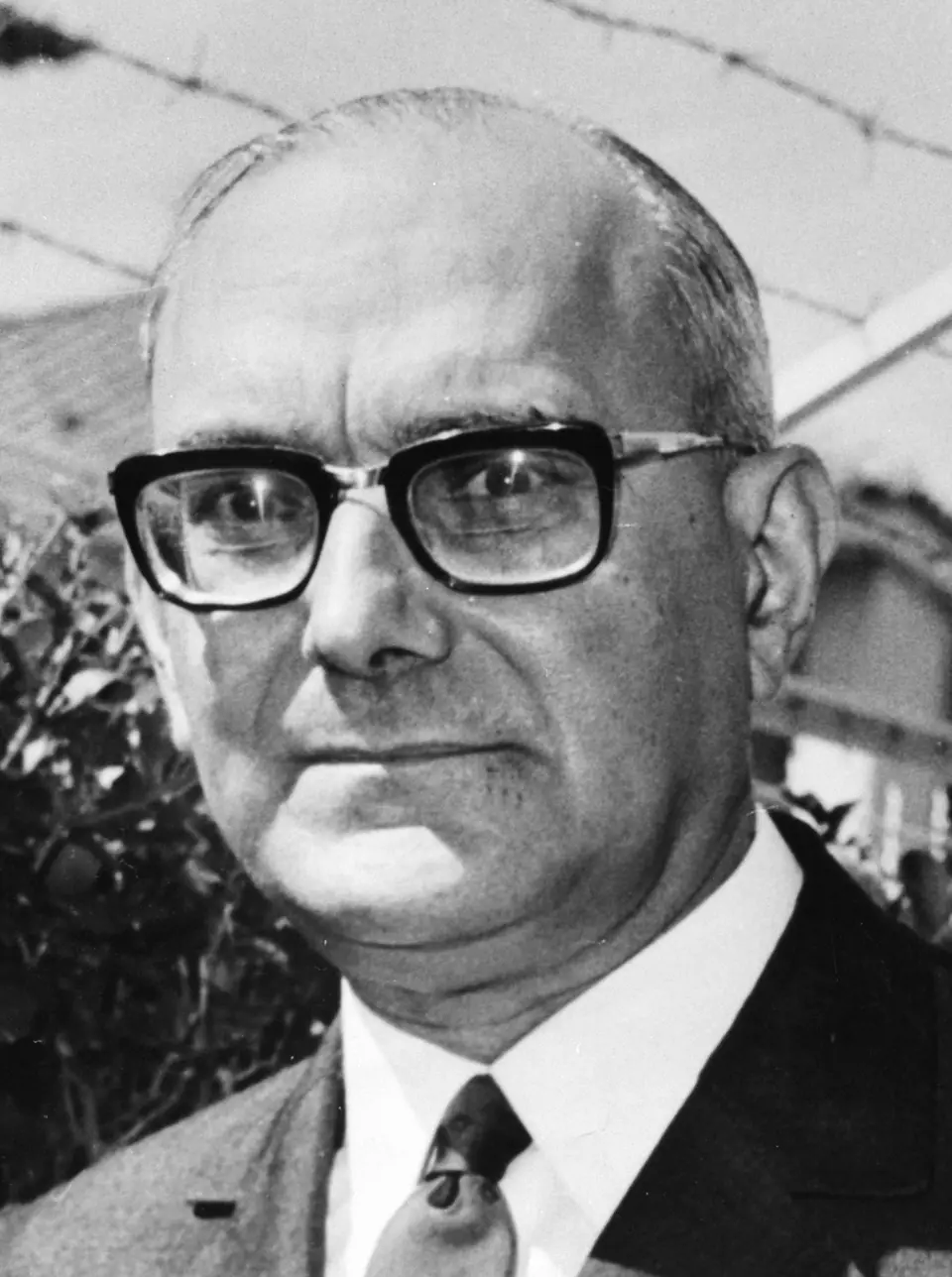
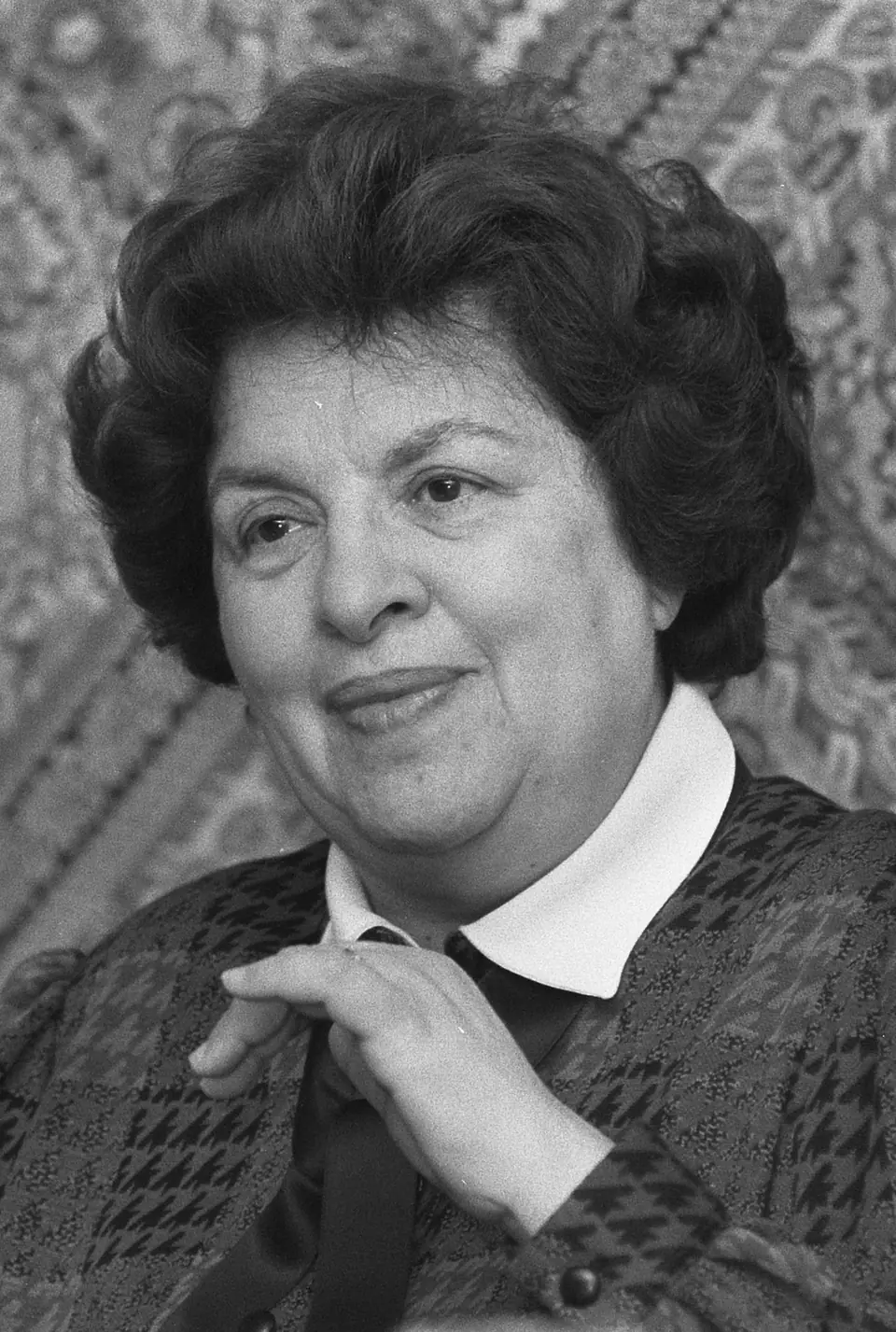
The Palacete de São Bento, official residence of the prime minister, seen from the street, behind the wall.Koshelyev, CC BY-SA 3.0
Estrela
Palacete de São Bento – Salazar’s official residence
The mansion behind Parliament that the State expropriated in 1937 as the official residence of the President of the Council (head of government). Salazar lived here from May 1938 to July 1970, the month in which he died. Today it is the official residence of the Prime Minister.
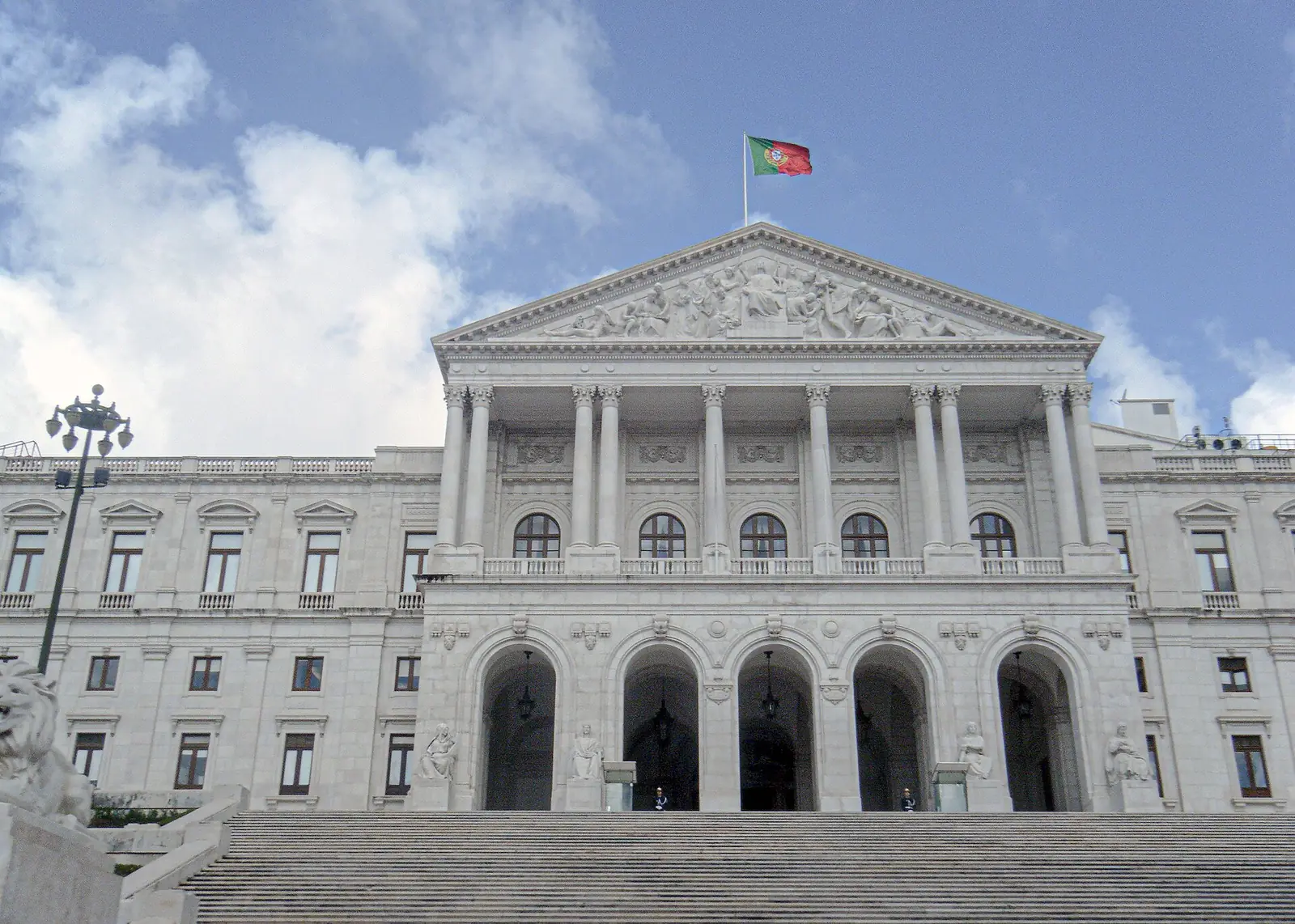
The mansion was built in 1877 by order of Joaquim Machado Cayres, as his home, on land that since 1598 had belonged to the walled grounds of the Convent of São Bento — the convent that in 1834 became the Palácio das Cortes (Palace of Parliament).1
In 1937, the year in which António de Oliveira Salazar escaped a bomb on Avenida Barbosa du Bocage, the State expropriated the mansion to install in it the official residence of the President of the Council (head of government). Until then, Salazar had lived on Rua Bernardo Lima.12 After conversion works, he moved in in May 1938; the official inauguration was in April 1939. During the works, the architect Cristino da Silva designed a monumental staircase linking the lower part of the grounds to Parliament, opened to make communication between the two buildings easier.1
In 1968, after a fall from a chair left him unable to govern, Salazar was replaced as head of government by Marcelo Caetano, but he went on living here until July 1970, the month in which he died.341 Caetano never lived in the mansion. In 1971 he ordered the largest remodelling in its history, which preserved little more than the four façades and added a storey in place of the attic.1
Segundo a Wikipédia, o palacete era desde dezembro de 1934 um colégio de raparigas das Escravas do Sagrado Coração de Jesus, que teve de sair quando o Estado o expropriou; a página da congregação fala de um colégio aberto em 1934 a pedido do patriarca de Lisboa e instalado em 1938 na Rua de São Félix, sem nomear o palacete.
Do you know more, or do you have a document? Tell us.
Sources5
1Residência Oficial do Primeiro-Ministro — História. Governo de Portugal — consulted on 3 October 2026Página do sítio do Governo, lida na cópia do Internet Archive de 29 de novembro de 2009; inclui o quadro dos chefes de Governo que residiram no palacete.
5José António Saraiva, Salazar. O regresso à terra. Sol, 2020 — consulted on 4 October 2026Salazar morreu em São Bento, às 9h15 de 27 de julho de 1970, com D. Maria à cabeceira; o diretor da PIDE confirmou o óbito pelo telefone da residência oficial.
Coordinates: OpenStreetMap (way 115238860, «Palacete de São Bento»), consultado a 3 de outubro de 2026.