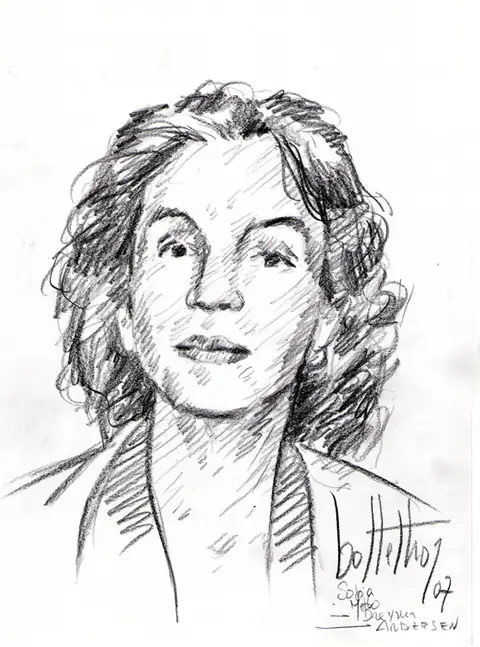
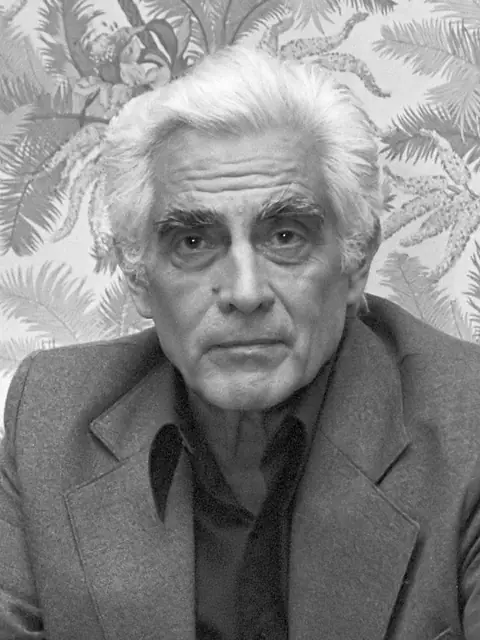
An actress who recited poetry against the regime, she was an opposition candidate in 1969 and the only woman to speak at the opening of the Aveiro Congress, in 1973. She was at the founding of the Socialist Party and, on 28 April 1974, accompanied Mário Soares on the train that brought him back from exile to Santa Apolónia.
Oppositionactressteacherfounder of the Socialist Partyopposition parliamentary candidate (1969)
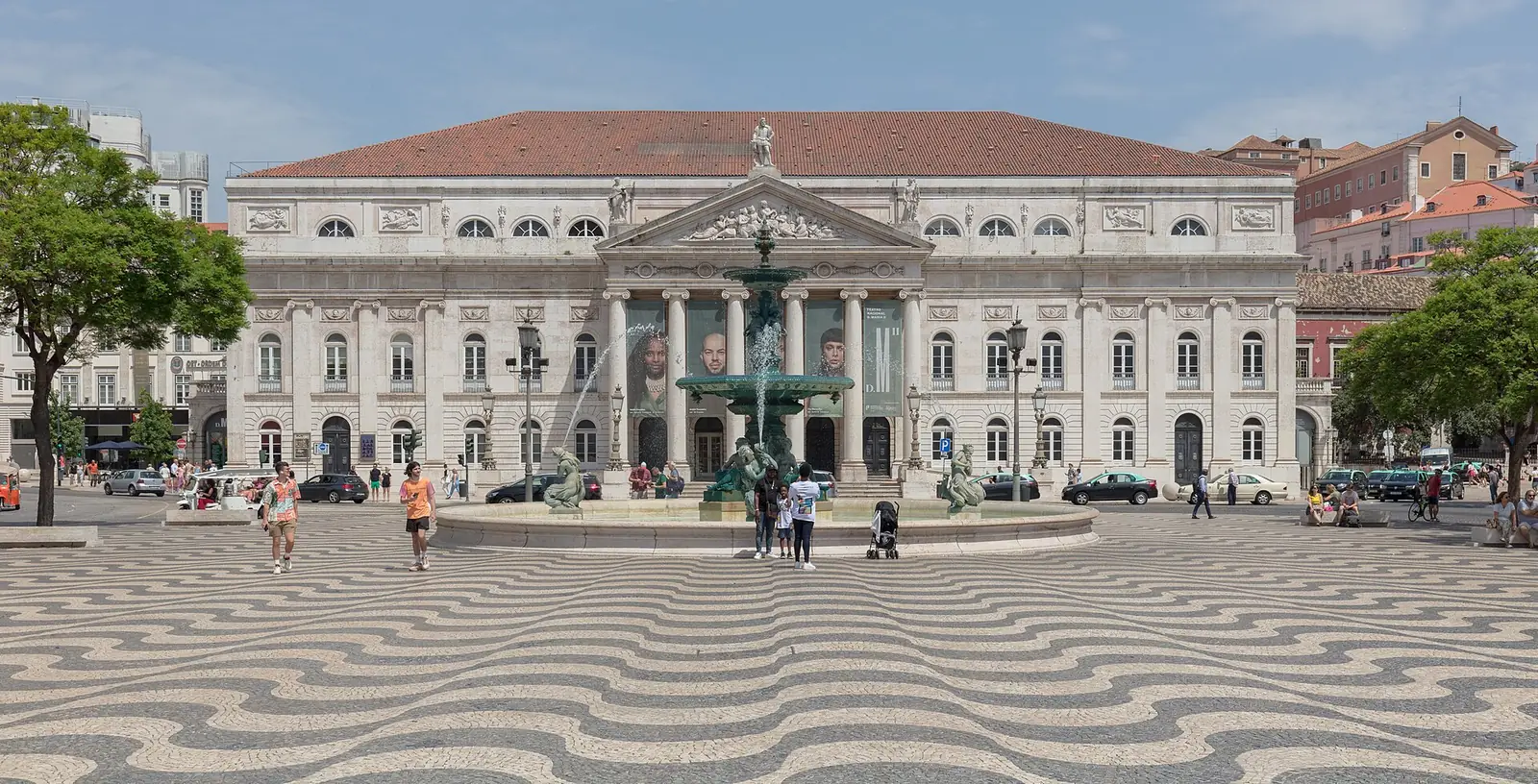
She was born in Fuzeta, in Olhão, on 2 May 1925.6 She came from a family of democrats and opponents of the dictatorship. She trained in Dramatic Art at the National Conservatory and in History and Philosophy at the Lisbon Faculty of Letters, and was a stage and film actress.2 She gave poetry recitals as an act of activism, often accompanied by Fernando Lopes-Graça’s choir, reciting verse by poets opposed to the regime, among them those of the Novo Cancioneiro (New Songbook).2 Accused of reciting subversive poetry, she was questioned by the PIDE and expelled from the National Theatre;4 in 1948, after Lorca’s The House of Bernarda Alba, the regime banned her from acting.7
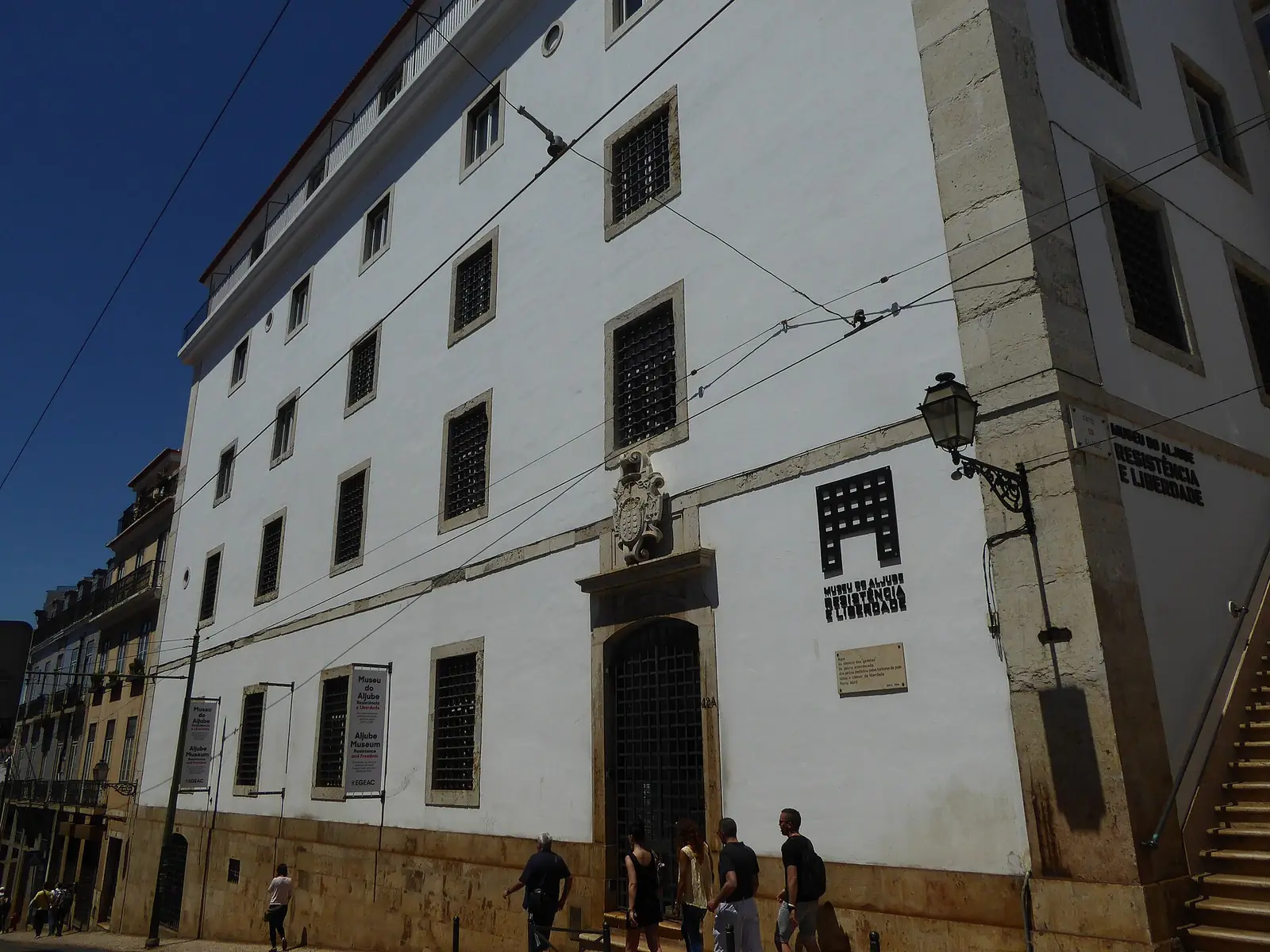
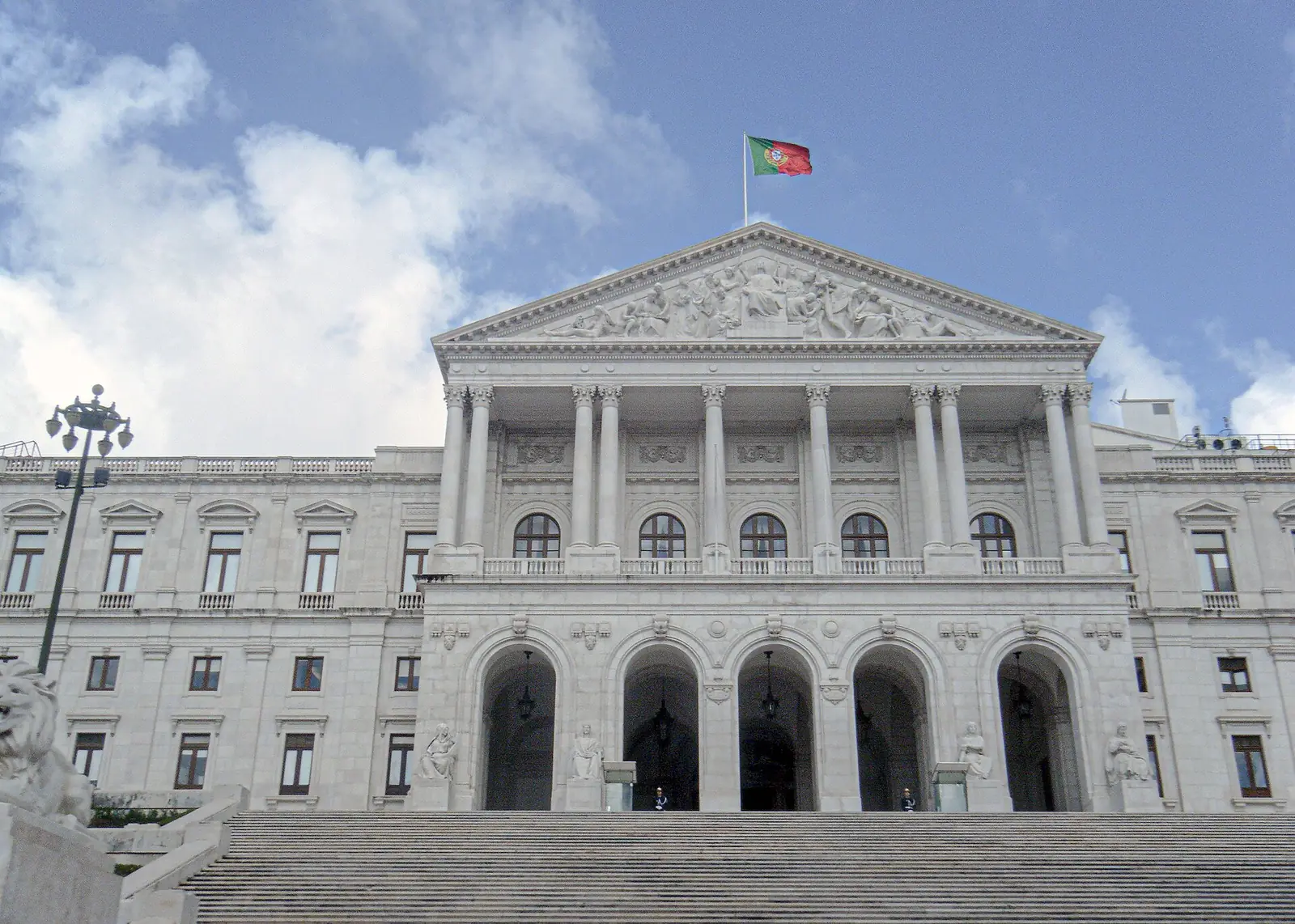
On 22 February 1949 she married Mário Soares by proxy, while he was imprisoned in the Aljube for political reasons.47 Around that time she was teaching at the Colégio Moderno, until she was banned from teaching in both state and private schools;4 in 1959 she was refused a licence to teach privately.7 She took part in the presidential campaigns of Norton de Matos and Humberto Delgado.2 In the 1969 elections she stood as an opposition candidate for parliament2 — for the Democratic Electoral Commission (CDE), in the Santarém constituency, according to the Mário Soares and Maria Barroso Foundation; for the Electoral Commission for Democratic Unity (CEUD), according to the Assembly of the Republic.74 In 1973 she spoke at the 3rd Congress of the Democratic Opposition, in Aveiro, and was the only woman to speak at the opening session.245 That same year, in Germany, she took part with her husband in the founding of the Socialist Party; she was the only woman present.214
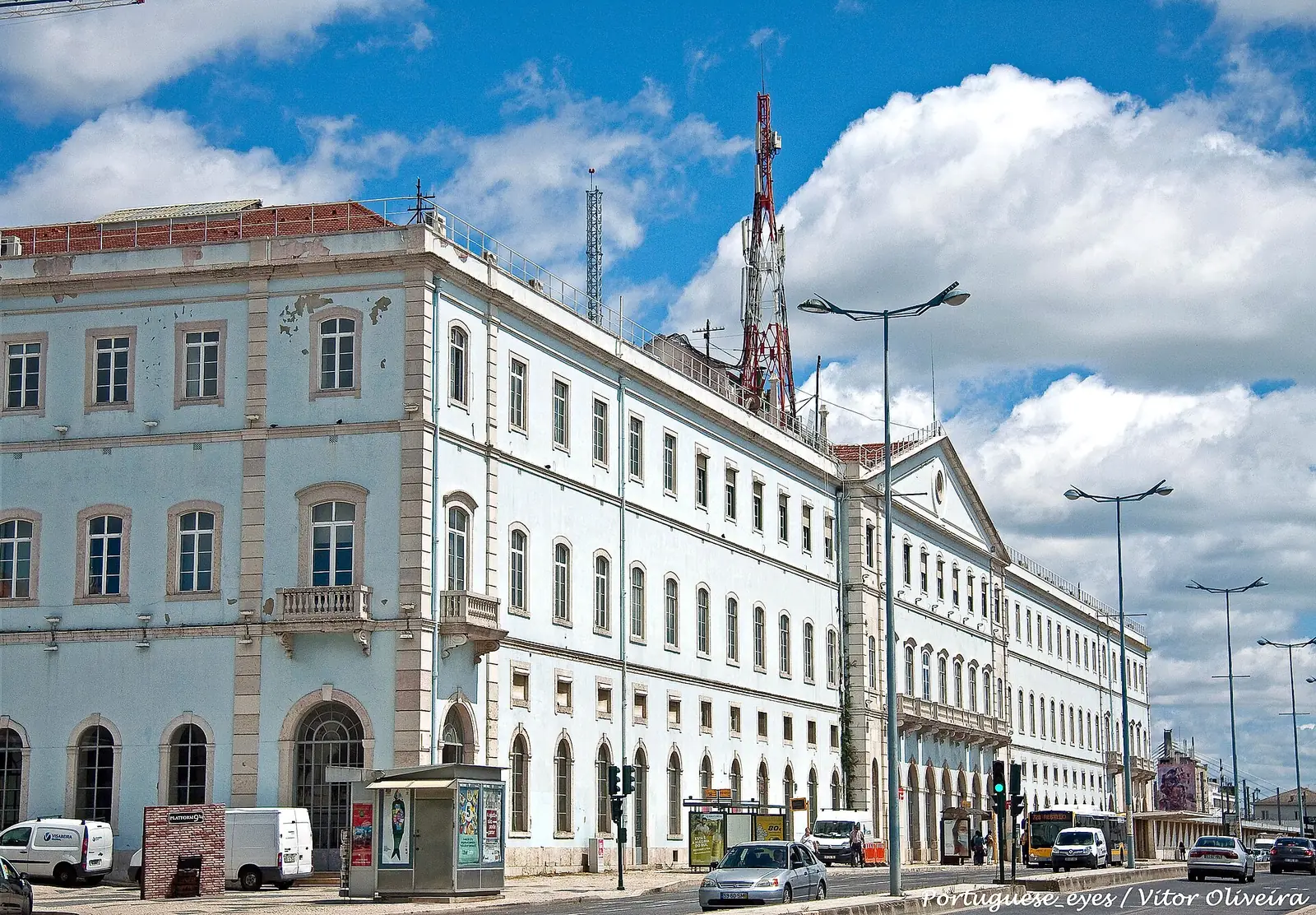
On 28 April 1974 she accompanied Soares on the train that brought him back from exile in France; a photograph kept by the Mário Soares and Maria Barroso Foundation shows the two of them on board. At Santa Apolónia station a crowd was waiting for them. Soares spoke from a balcony of the station, loudhailer in hand, and went on to the Palácio da Cova da Moura for a meeting with General Spínola.1 Maria Barroso died in Lisbon on 7 July 2015.6
A session held by the foundation on World Poetry Day 2021 about Maria Barroso, a stage and screen actress who recited poetry. The speakers are Isabel Soares, Jorge Silva Melo, José Manuel dos Santos, Manuel Alegre, Maria da Glória Garcia, Rui Vilar and Vasco Vieira de Almeida.
Original page Licença padrão do YouTube — embed permitido pelo canal oficial da Fundação Mário Soares e Maria Barroso
Fundação Mário Soares e Maria Barroso, on YouTube. The player only connects to that site when you press “Watch”.
In other archives
These can only be viewed on each archive’s own website.
De que estação partiu o comboio em que regressaram: a cronologia de Mário Soares na Fundação diz que o Sud Express partiu a 27 de abril de 1974 (Soares tinha ido de Bona para Paris a 25), sem nomear a estação.
Quando foi proibida de ensinar no ensino público: a exposição da Assembleia da República não dá datas, e a Fundação Mário Soares e Maria Barroso só dá o indeferimento da licença de ensino particular, em 1959.
Do you know more, or do you have a document? Tell us.