Estrela
Emissora Nacional (Rua do Quelhas)
The regime’s official radio station was occupied in the early hours of 25 April 1974 by a small force from the Serra da Carregueira Firing Range, to serve as the MFA’s reserve broadcaster. It was fought over again on 11 March and 25 November 1975.
History
In 1974 the Emissora Nacional, the regime’s official radio station, stood at no. 2 Rua do Quelhas. The Armed Forces Movement (MFA) wanted to occupy it, to have it as a reserve broadcaster and to stop the regime from using it.1 The mission fell to the Serra da Carregueira Firing Range, with Captains Oliveira Pimentel and Frederico Morais, who had few men: they set out with 47 — the two captains, a conscript lieutenant, four officer cadets and 40 other ranks — in two heavy vehicles and a jeep.2 (The “Lugares de Abril” page, by the same association, speaks of about a hundred soldiers; this entry follows the detailed count in the chronology.)1
They disarmed the PSP guards, who put up no resistance, and Captain Frederico Morais telephoned the Command Post: “We have occupied TOKYO without any incident.” The station suspended its broadcasts at 07:50, and at 08:30 a communiqué of the Movement was read here for the first time.21
During the attempted coup of 11 March 1975, at around 13:00, the 5th Division of the General Staff occupied the station and began broadcasting communiqués that alerted the population to the troop movements under way and called for support for the MFA.4 The Emissora Nacional declared itself the “only authorised voice”, Captain Duran Clemente spoke into its microphones, and the workers organised pickets outside it.5
On 25 November 1975, the station was occupied at 17:00 by Military Police and COPCON forces; half an hour later, the Military Police radio was calling for reinforcements to defend it.6
Where
Map showing where Emissora Nacional (Rua do Quelhas) is.
Open on the map of Lisbon Walk there
Nearby
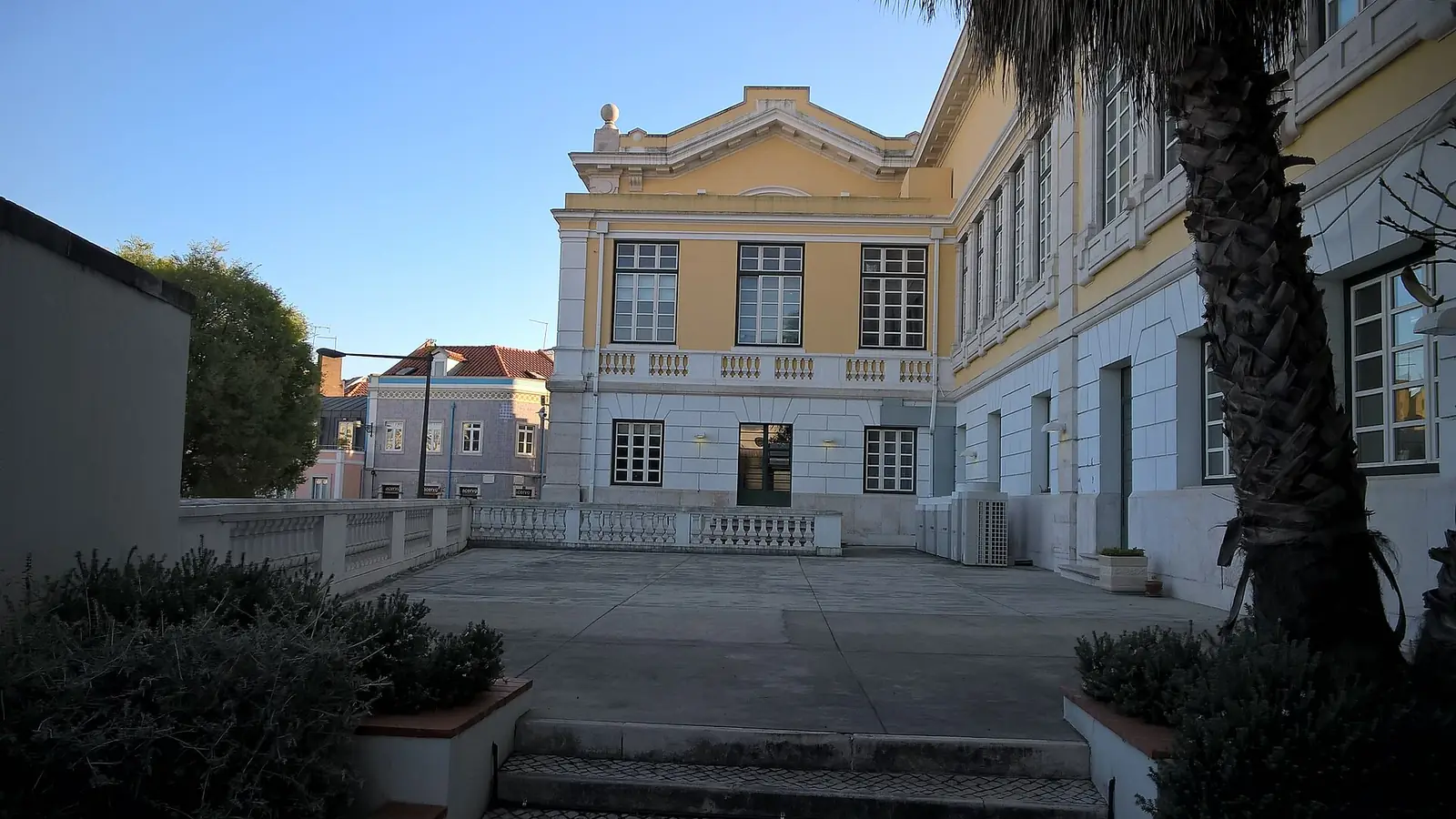
ISCEF, in the Quelhas
140 m · 2 min on foot
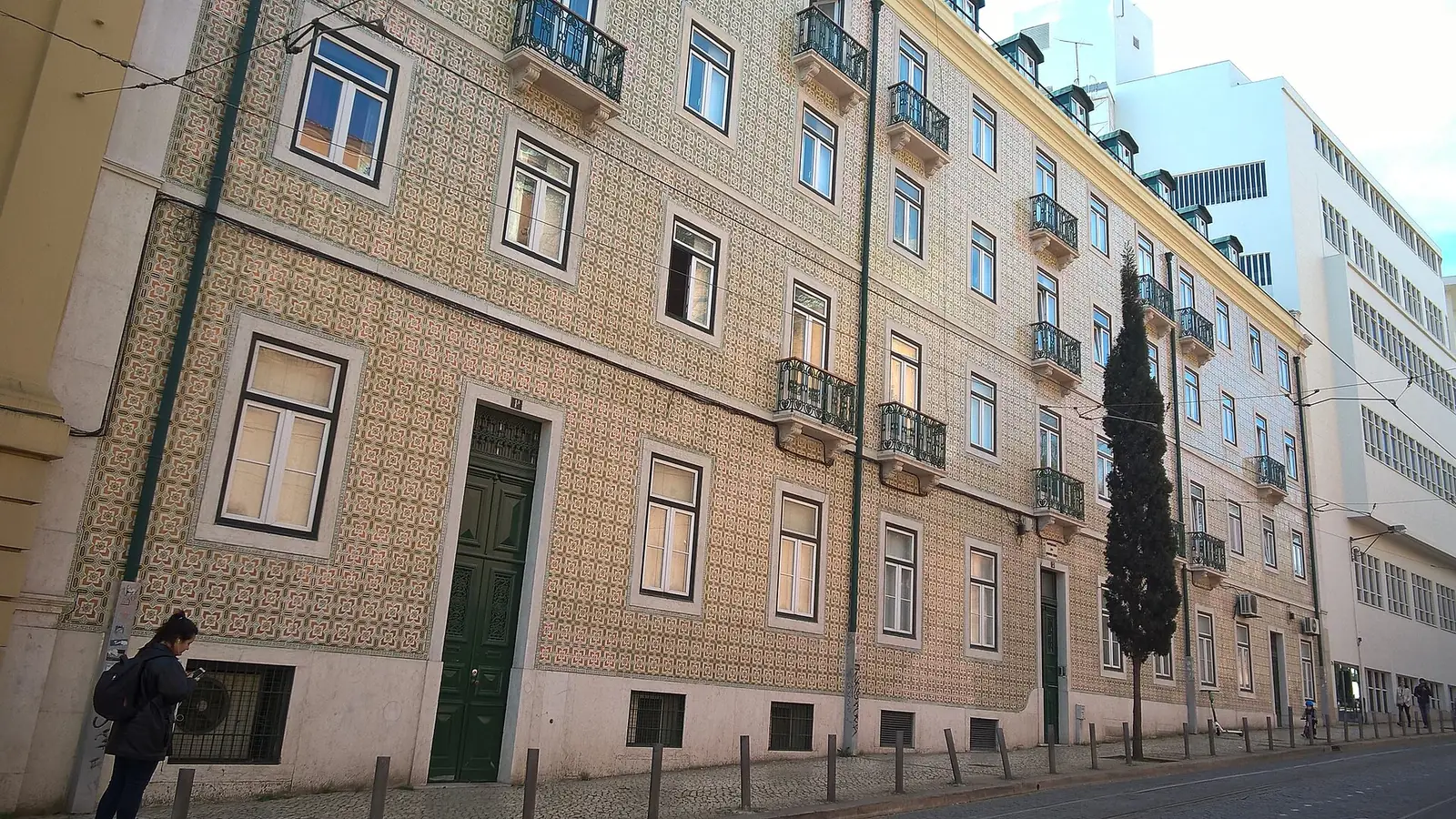
Calçada Ribeiro Santos
360 m · 5 min on foot
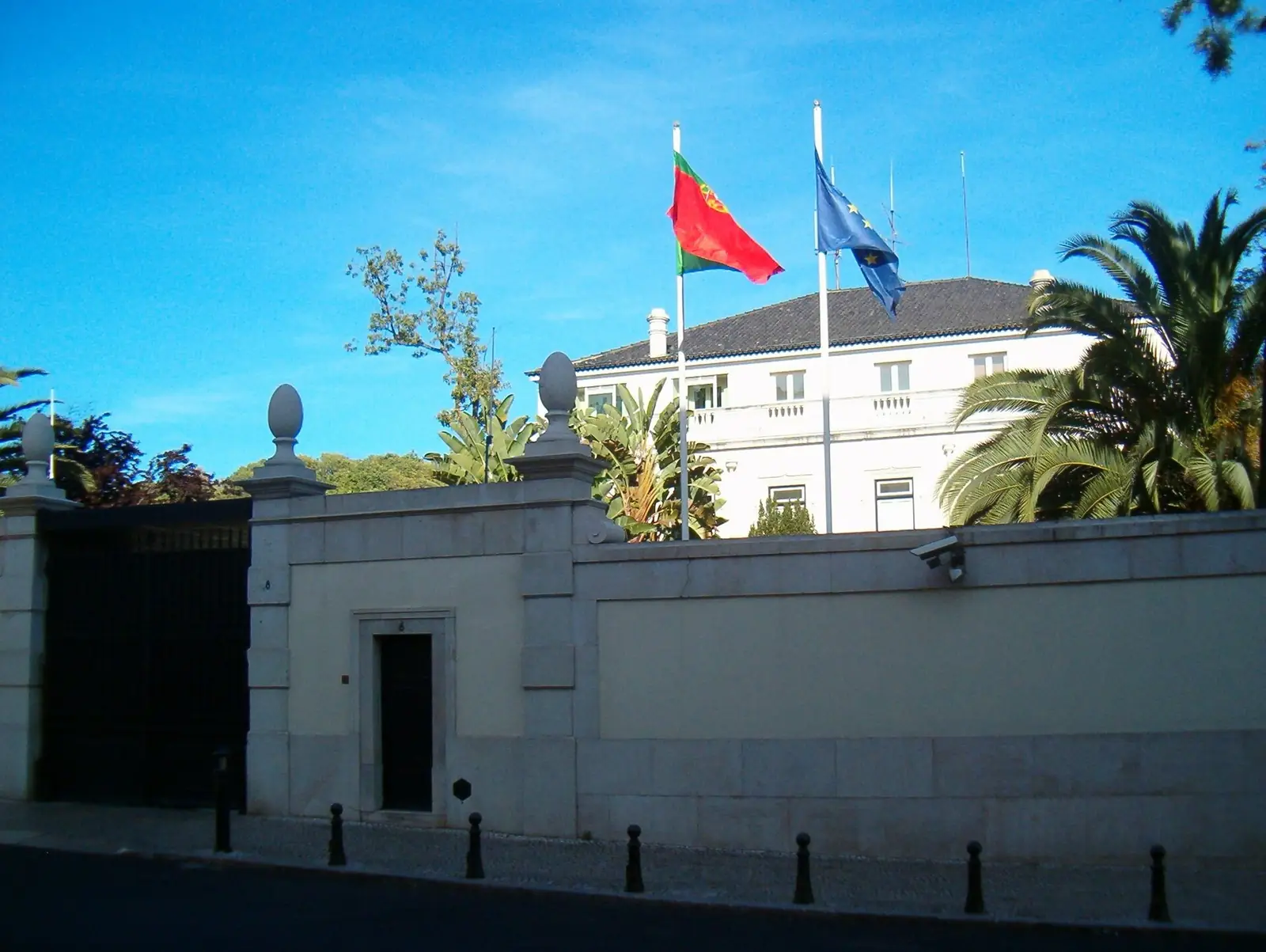
Palacete de São Bento – Salazar’s official residence
370 m · 5 min on foot
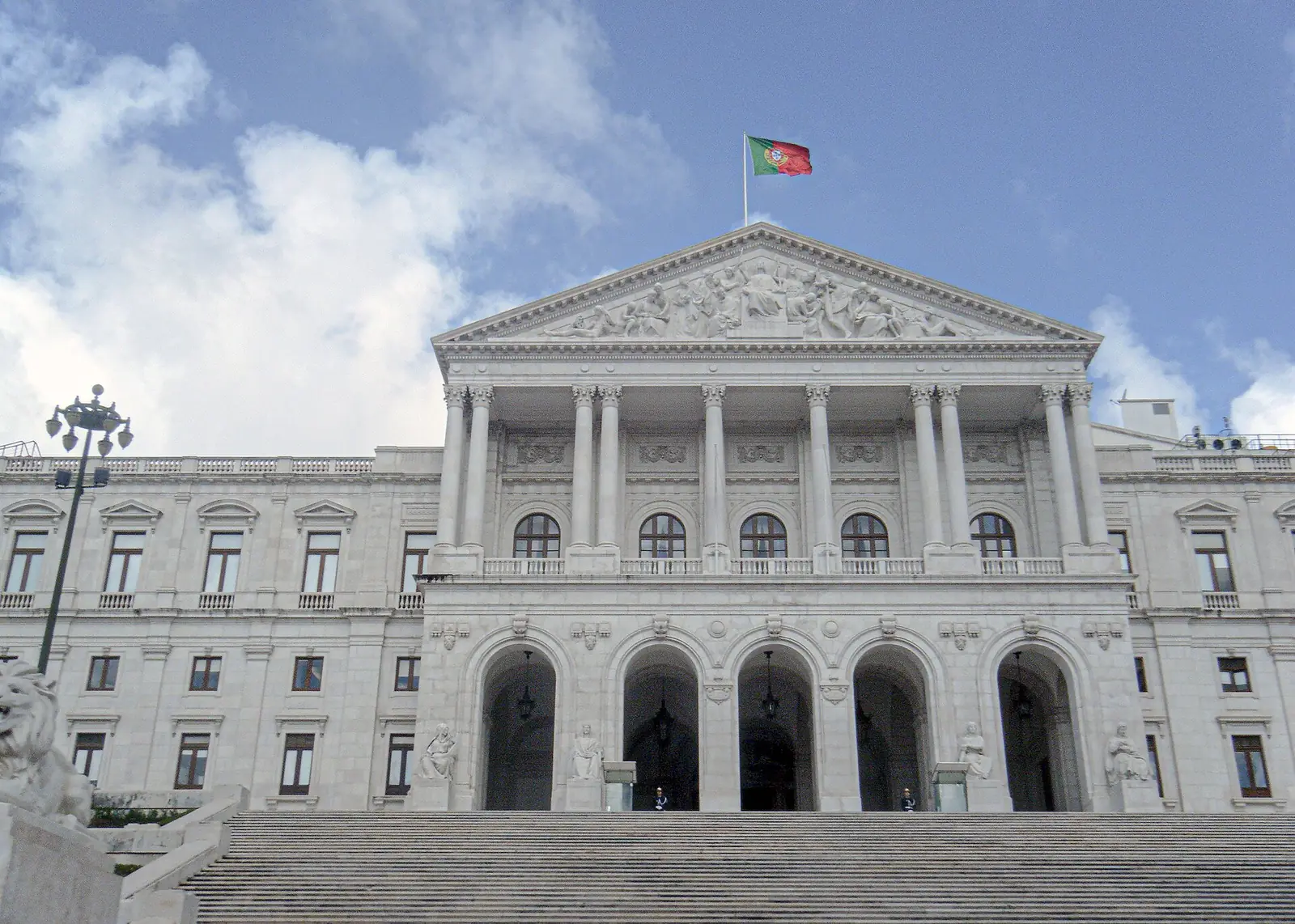
Palácio de São Bento
420 m · 6 min on foot


Dates
25 April 1974
A force from the Serra da Carregueira Firing Range occupies the station (“TOKYO”).
25 April 1974, 08:30
An MFA communiqué is read here for the first time.
11 March 1975, 13:00
The 5th Division occupies the Emissora Nacional.
25 November 1975, 17:00
Occupation by Military Police and COPCON forces.
Videos
In other archives
These can only be viewed on each archive’s own website.
Notes on the sources2
- The time of the occupation: 03:15 (the “Lugares de Abril” page; Jofre Alves’s chronology) or 03:50 (the chronology “Movimentações do dia 25 de Abril” (Movements on 25 April), by the same 25 April Association).
- What is at no. 2 Rua do Quelhas today: the coordinates mark the street, not the building.
Do you know more, or do you have a document? Tell us.
Sources7
- 1Emissora Nacional (Lugares de Abril). Associação 25 de Abril — consulted on 2 October 2026
- 2Movimentações do dia 25 de Abril. Associação 25 de Abril — consulted on 2 October 2026
- 3Cronologia do 25 de Abril, por Jofre Alves (blogue Abril de Novo, 2010), na Biblioteca Digital do CD25A. Centro de Documentação 25 de Abril – Universidade de Coimbra — consulted on 2 October 2026
- 4A defesa do RAL1 e a resposta do MFA. Comissão Comemorativa 50 Anos 25 de Abril — consulted on 2 October 2026
- 5RAL 1 – Lisboa. RTP – Memórias da Revolução (textos de Aniceto Afonso, Carlos Matos Gomes e Maria Inácia Rezola) — consulted on 2 October 2026
- 625 de Novembro de 1975. Comissão Comemorativa 50 Anos 25 de Abril — consulted on 2 October 2026
- 7Inauguradas as últimas placas do Projeto «Lugares de Abril». Olhares de Lisboa, 2024 — consulted on 3 October 2026
Coordinates: OpenStreetMap (Nominatim), consultado a 2 de outubro de 2026.