A poet. She lived in Graça from 1951 until her death, wrote the “Cantata da Paz” (Cantata of Peace) for the São Domingos vigil, helped found the committee for aid to political prisoners and was a deputy in the Constituent Assembly. “This is the dawn I was waiting for” (Esta é a madrugada que eu esperava) is hers.
OppositionpoetCatholic opponent of the colonial warfounder of the National Commission for Aid to Political Prisonersdeputy in the Constituent Assembly (PS)
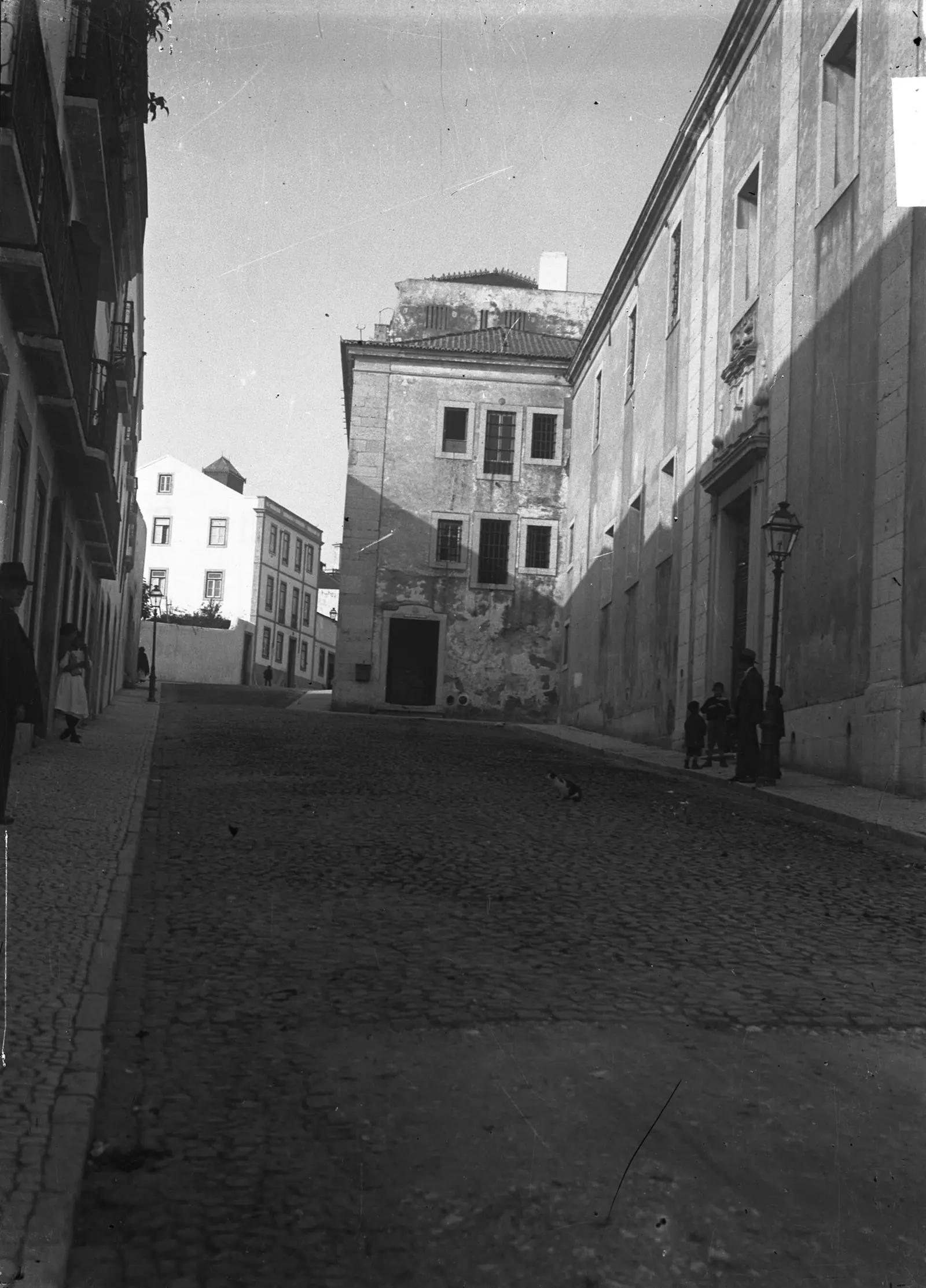
She was born in Porto on 6 November 1919. In 1951 she moved with her family to Lisbon, to the 1st floor of no. 57 Travessa das Mónicas, in Graça, where she lived until her death.21
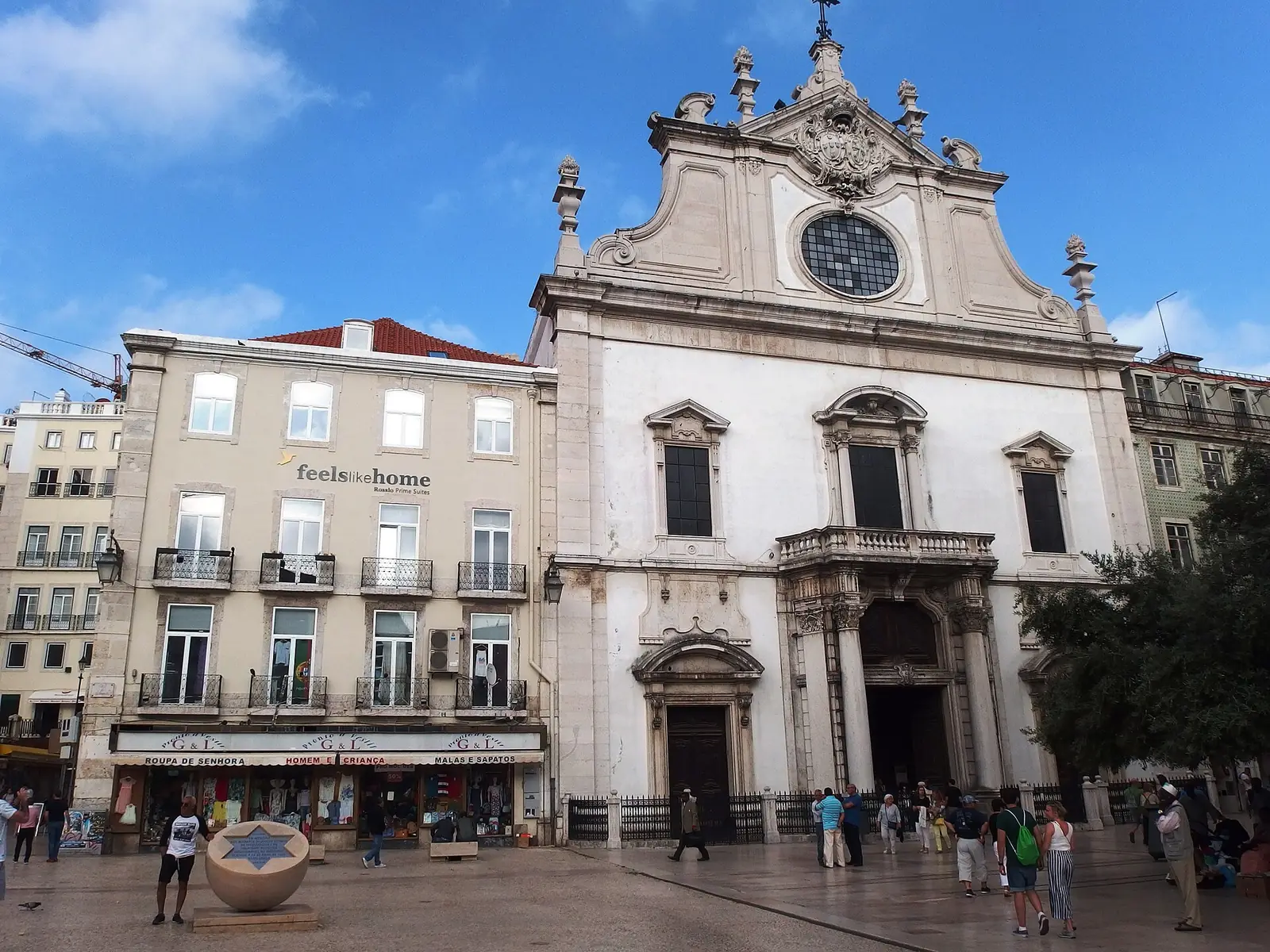
She supported Humberto Delgado’s candidacy and signed the Manifesto of the 101, by Catholics against the colonial war and against the Church’s support for Salazar. She was a founder and member of the National Commission for Aid to Political Prisoners; before 25 April she chaired the Centro Nacional de Cultura (National Culture Centre) and the general assembly of the Portuguese Writers’ Association.14 The lines “We see, we hear and we read / We cannot ignore” (Vemos, ouvimos e lemos / Não podemos ignorar), from the “Cantata da Paz” (Cantata of Peace), were written for the gathering of Catholics in the Church of São Domingos on 1 January 1969.3 That year she was a CEUD candidate in the elections to the National Assembly.4
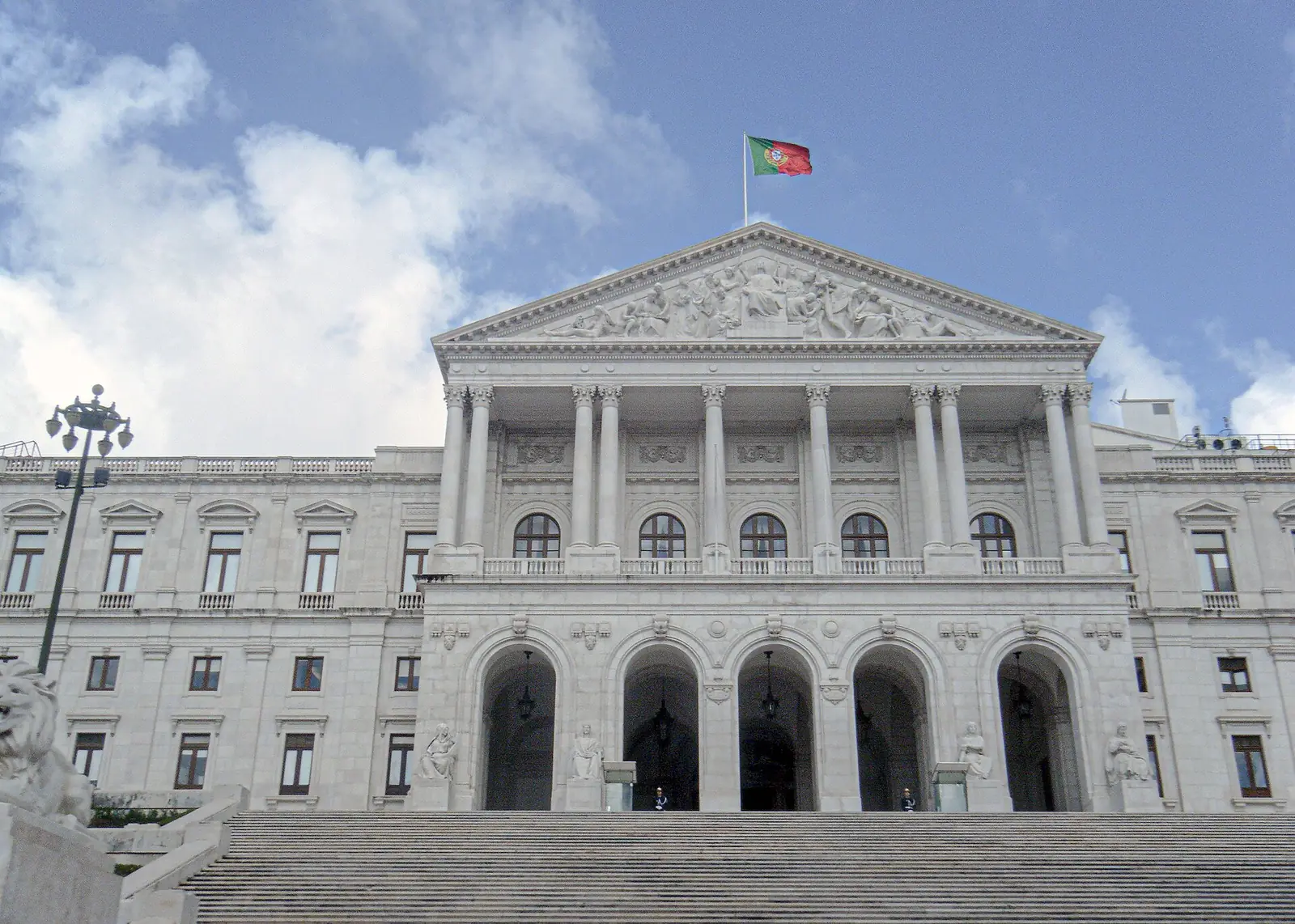
About 25 April she wrote the poem that has remained the poem of the Revolution: “This is the dawn I was waiting for / The first day whole and clean” (Esta é a madrugada que eu esperava / O dia inicial inteiro e limpo).9 In 1975 she was elected to the Constituent Assembly for the Porto constituency, on a Socialist Party list.1 Of the 27 women who held seats in the Constituent Assembly, she was the only one to chair a committee — the one that drafted the preamble of the Constitution.57
In 1999 she was the first Portuguese woman to receive the Camões Prize. She died on 2 July 2004, aged 84; ten years later, on 2 July 2014, she was moved to the National Pantheon.1
The name of the commission: Comissão Nacional de Socorro aos Presos Políticos, CNSPP, according to Eloísa Aragão and the Assembly of the Republic’s exhibition on women in politics; the Assembly’s text on the National Pantheon honours calls it “Comissão Nacional de Apoio aos Presos Políticos” and, in another passage, “Associação de Socorro aos Presos Políticos”. This entry uses the most cited name.
The book in which the poem “25 de Abril” was first published (probably “O Nome das Coisas”, 1977, which appears in the Assembly of the Republic’s bibliography).
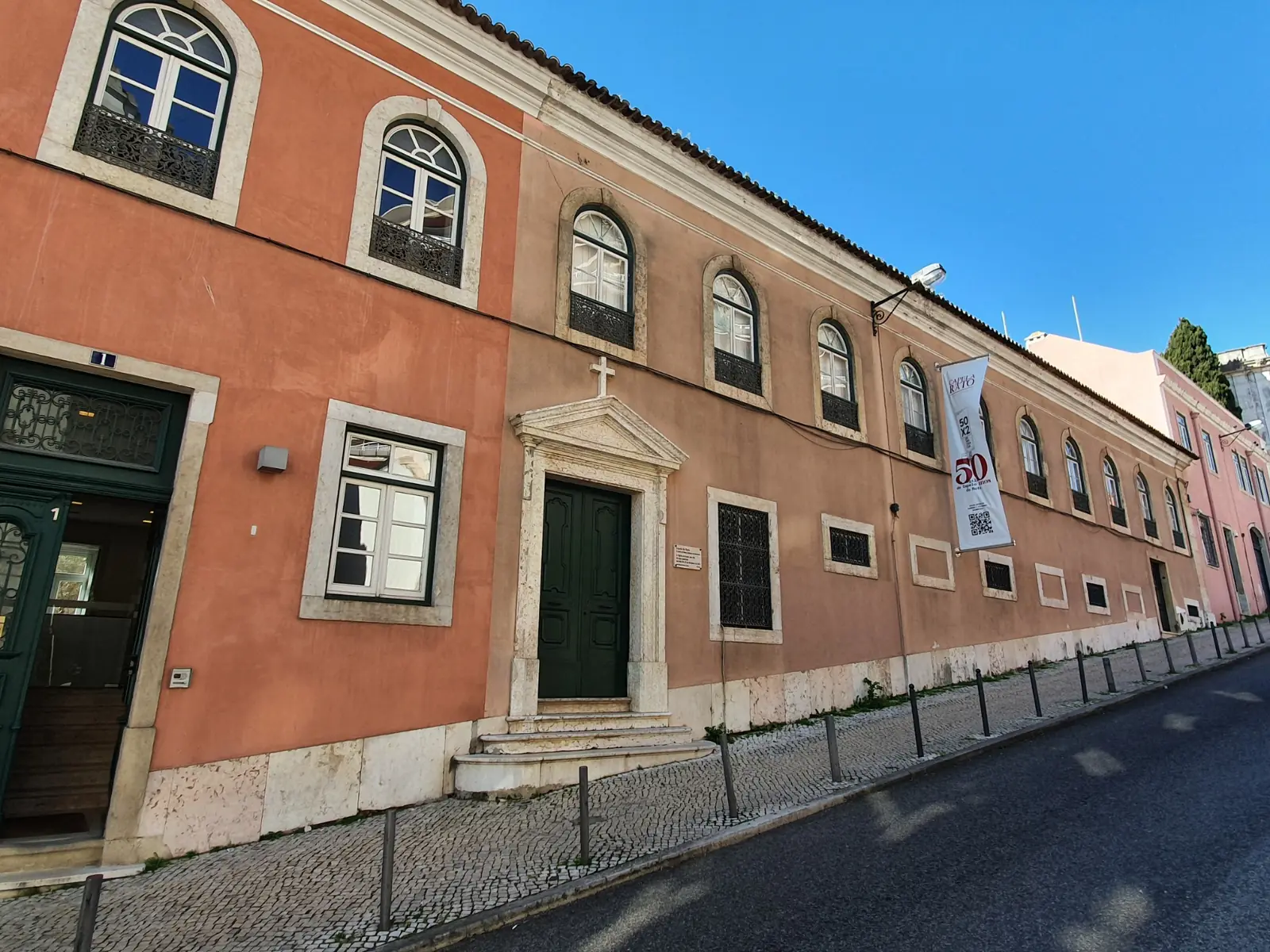
Whether she was at the Capela do Rato vigil (the sources differ).
The place of death: Lisbon, according to Wikidata; the other sources say she lived on Travessa das Mónicas until her death, without saying where she died.
Do you know more, or do you have a document? Tell us.
6Sophia de Mello Breyner Andresen. RTP – Memórias da Revolução (textos de Aniceto Afonso, Carlos Matos Gomes e Maria Inácia Rezola) — consulted on 2 October 2026
7A constituinte. Comissão Comemorativa 50 Anos 25 de Abril — consulted on 2 October 2026