A medical student, she was the first woman to speak at a general assembly in the 1962 academic crisis; she later founded the Revolutionary Brigades, which attacked the machinery of the colonial war. A doctor and professor, she is the author of the first study on obesity in Portugal.
Oppositiondoctorstudent leader (1962 crisis)co-founder of the Democratic Women’s Movementfounder of the Revolutionary Brigades and the PRPpolitical prisoner
She was born in Barreiro in 1940, the daughter of a communist activist. She was in the MUD Juvenil (Youth Movement of Democratic Unity) and in the campaigns of Arlindo Vicente and Humberto Delgado in 1958, and at 18 she joined the PCP.1 In the 1962 academic crisis she was on the Medicine Pro-Association Committee; according to a PIDE report, she was the first woman to take the floor at a general assembly, at the University Stadium, where she spoke of a “Free Nation” and proposed offering flowers to the police.2
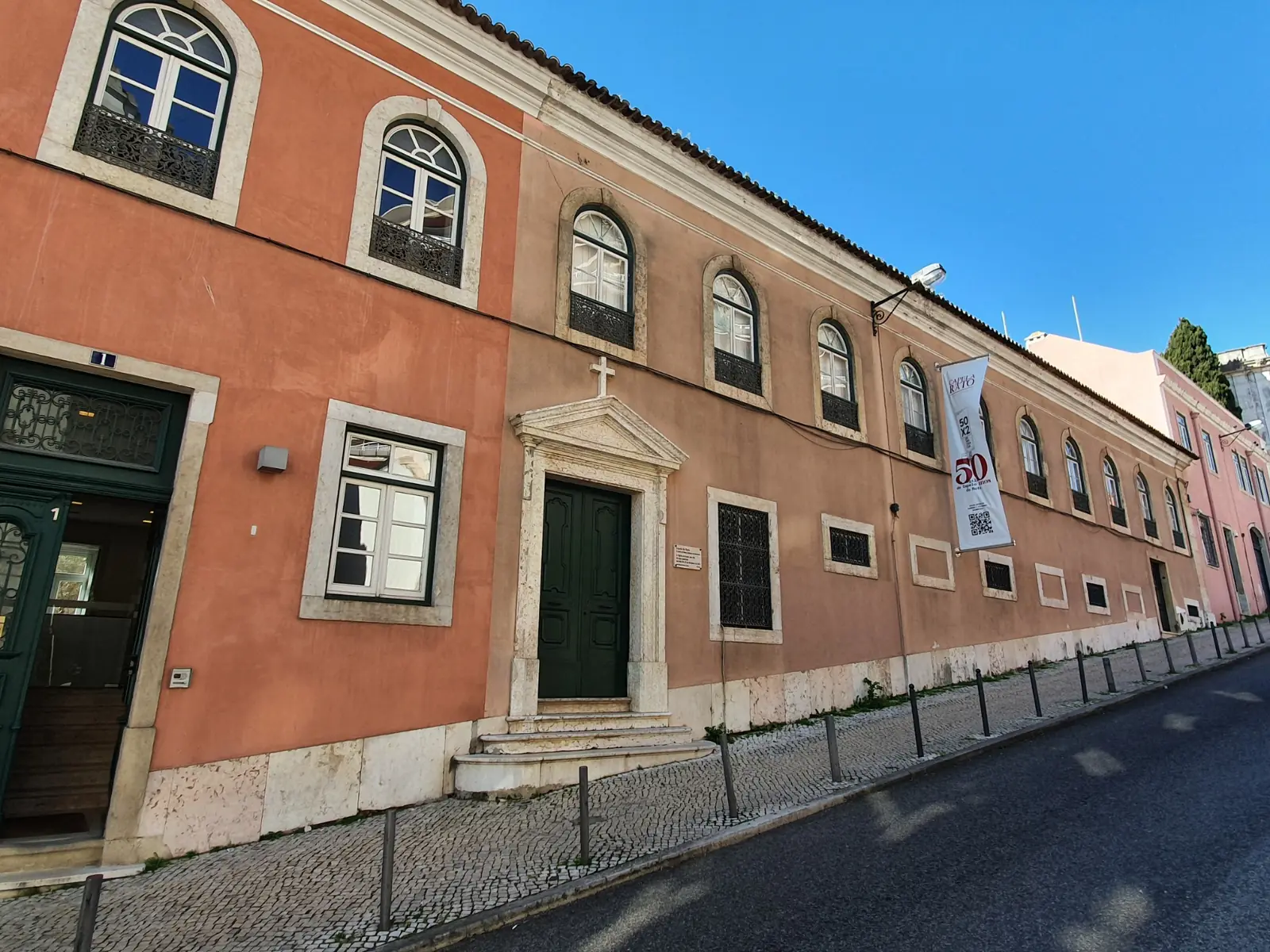
She took part in founding the Democratic Women’s Movement and was on the Lisbon Democratic Electoral Commission. In 1969–1970 she broke with the PCP over the armed struggle and founded, with Carlos Antunes, the Revolutionary Brigades; in 1973, the Revolutionary Party of the Proletariat; and she went underground.1 The Brigades’ first action was a bomb at the NATO base at Fonte da Telha, on 7 November 1971.3 At the time of the Capela do Rato vigil, the Brigades, “led by Carlos Antunes and Isabel do Carmo”, were called on to publicise it in Lisbon.9
The PIDE/DGS arrested her in 1970 and again in 1972, after the murder of Ribeiro Santos; her testimony to the Aljube Museum speaks of isolation, interrogations and torture in Caxias.1
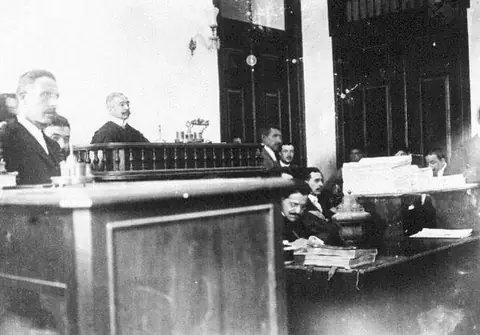
After 25 April she ran the newspaper Revolução. In 1978 she was arrested and, in 1980, tried in the Boa-Hora Court as the moral author of armed actions, of which she would later be cleared; she was released in 1982.18 She graduated and took her doctorate at the Lisbon Faculty of Medicine, where she taught, and carried out the first study of the prevalence of obesity in Portugal. In 2004, on the 30th anniversary of 25 April, she received the Order of Liberty.8
A documentary edited by Sofia Gomes for the exhibition “Women and Resistance – New Portuguese Letters and other struggles” (“Mulheres e Resistência – Novas Cartas Portuguesas e outras lutas”), with excerpts from the testimonies the Aljube Museum has been recording since 2015: sixteen women talk about resistance to the dictatorship and the struggle for women’s rights. This version has Portuguese Sign Language (LGP) interpretation; the version without LGP is on the same channel (XmUbNbnHgKg, 2022).
Original page Licença padrão do YouTube — embed permitido pelo canal oficial do Museu do Aljube
Museu do Aljube Resistência e Liberdade, on YouTube. The player only connects to that site when you press “Watch”.
Isabel do Carmo, in a testimony recorded by the Aljube Museum on 24 April 2019. The museum’s keywords include the student movement, life underground, the armed struggle, imprisonment, torture and isolation in Caxias, and imprisonment after 25 April.
Original page Licença padrão do YouTube — embed permitido pelo canal oficial do Museu do Aljube
Museu do Aljube Resistência e Liberdade, on YouTube. The player only connects to that site when you press “Watch”.
Published on International Women’s Day 2024, it recalls the academic crisis of 1962 and the student movement against the dictatorship through the voices of three women who took part in it: Manuela Tavares, Maria Emília Brederode Santos and Isabel do Carmo.
Original page Licença padrão do YouTube — embed permitido pelo canal oficial da Comissão Comemorativa 50 Anos 25 de Abril
Comissão Comemorativa 50 Anos 25 de Abril, on YouTube. The player only connects to that site when you press “Watch”.
In other archives
These can only be viewed on each archive’s own website.
Her grade in the Order of Liberty: Commander (CIG) or Grand Officer (Wikipedia); the Aljube Museum says only “decorated”.
How long she was imprisoned after 1978: released in 1982, according to the Aljube Museum; “about four years (1978-1984)”, according to the CIG, which contradicts itself: that span is six years. This entry follows the Aljube Museum.
The year the MDM was founded: 1968 (Aljube Museum, in this biography) or 1969 (Helena Pato’s biography).
The exact dates and places of the 1970 and 1972 arrests.
Do you know more, or do you have a document? Tell us.