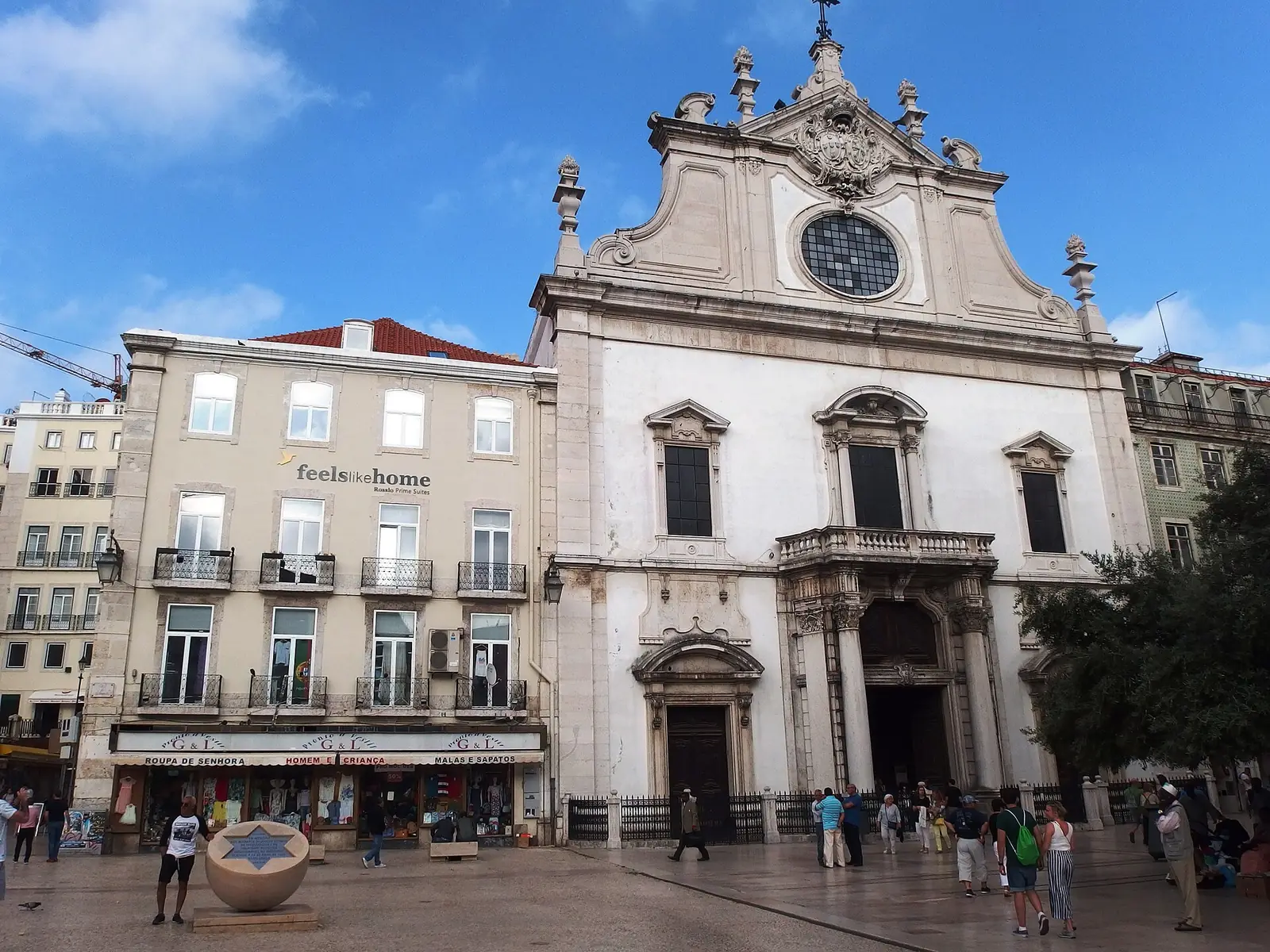
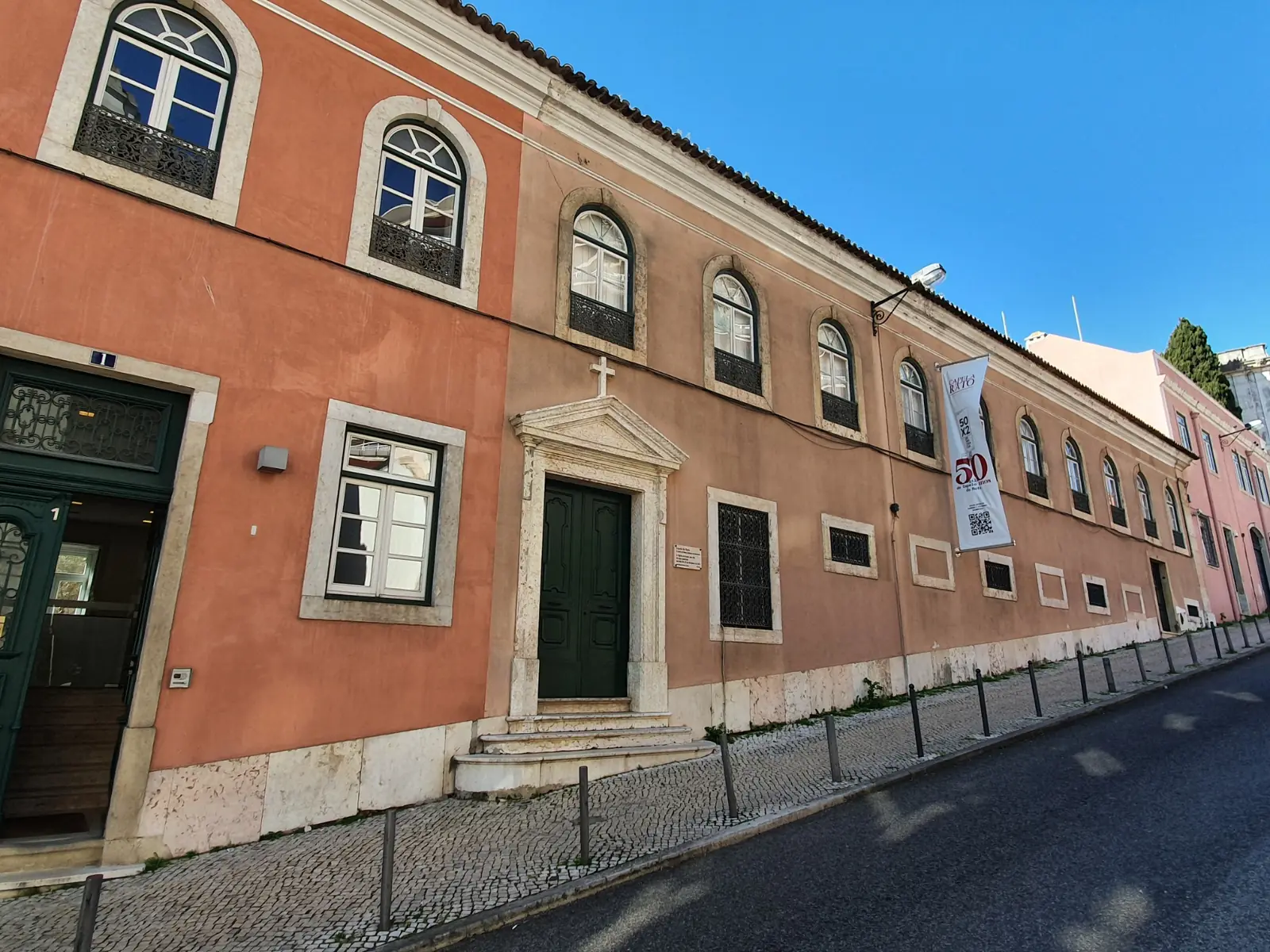
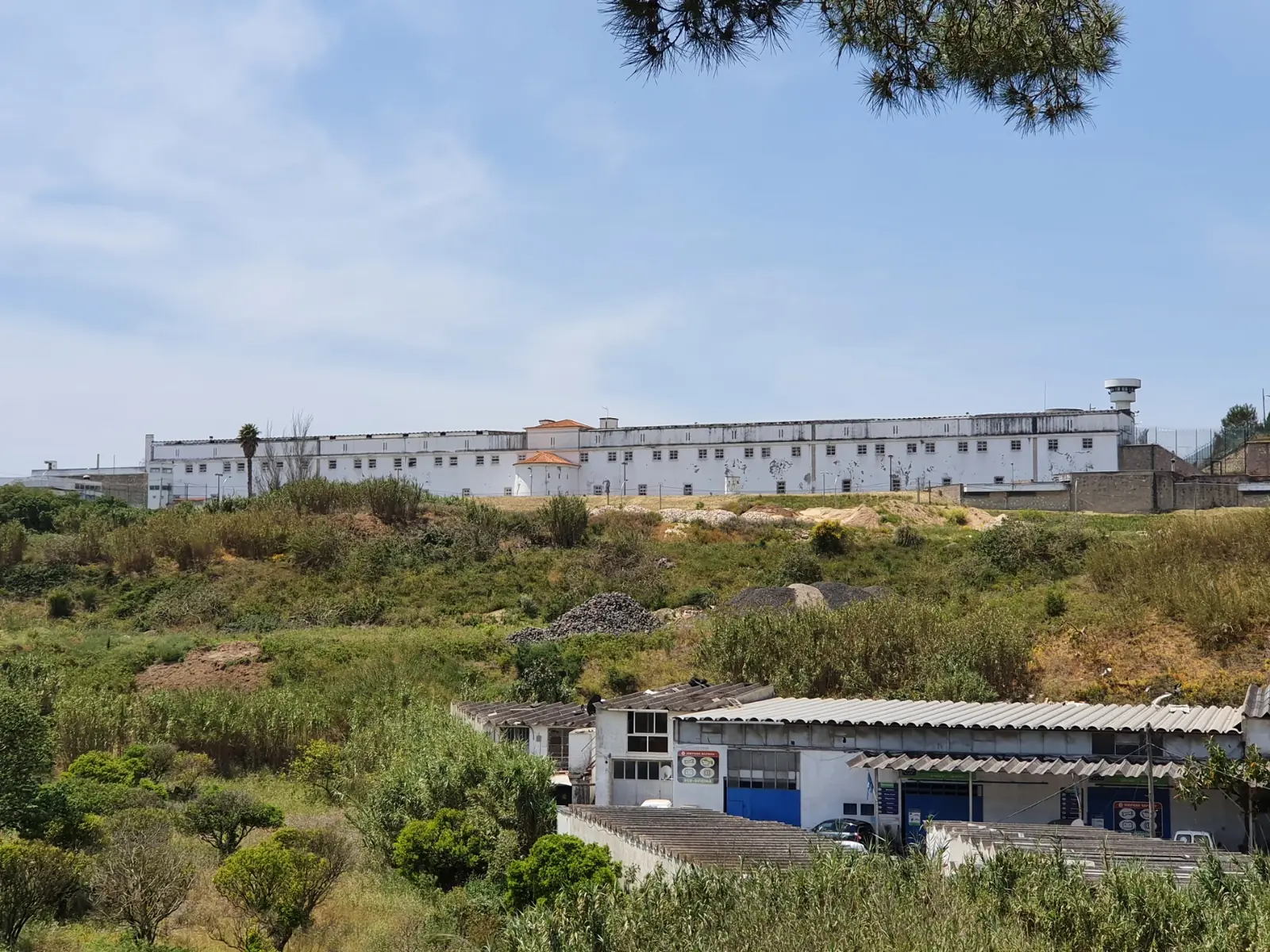
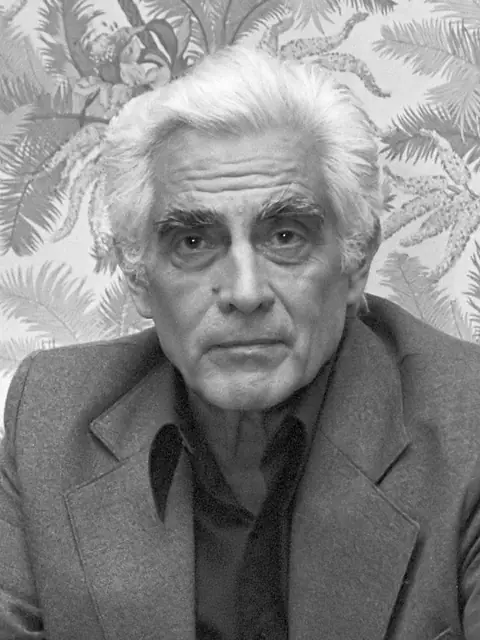
An architect and a figure among the progressive Catholics, he took part in the peace vigil at São Domingos (1968–1969) and was one of the organisers of the Capela do Rato vigil (1972). Arrested by the DGS in 1970, after the Rato vigil and at the end of 1973, he only left Caxias with 25 April.
Repressionarchitectprogressive Catholicorganiser of the Capela do Rato vigilpolitical prisoner
He was born in Lisbon in 1922 and qualified in Architecture at the Lisbon School of Fine Arts. His works include the Bloco das Águas Livres and the Franjinhas Building, on Rua Braamcamp.1 From the early 1960s until 25 April he was one of the leading figures among the so-called progressive Catholics. He took part in founding the Pragma cooperative, in 1964, and was involved in the GEDOC booklets (1969), the National Commission for Aid to Political Prisoners (1970) and the Boletim Anti-Colonial (Anti-Colonial Bulletin, 1972).1
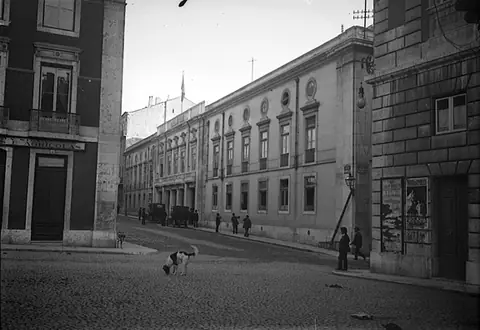
Over the turn of 1968 into 1969 he took part in the peace vigil at the Church of São Domingos, and as a result had to give a statement to the PIDE.23 He was detained by the DGS in May 1970.1 In December 1972 he was one of the organisers of the vigil at the Capela do Rato, prepared by Catholics linked to the Boletim Anti-Colonial — he himself, Maria da Conceição Moita, Isabel Pimentel and Luís Moita — and by a group of students.3 When the police broke it up, he was one of the fourteen participants singled out as leaders, who were taken to the cells of the Civil Government and then to Caxias; the Architects’ Union protested against his imprisonment.34
He was arrested again at the end of 1973 and stayed in Caxias until 25 April. He was one of the speakers at the 1974 May Day rally in Lisbon.1 He died in Lisbon in 2016.1