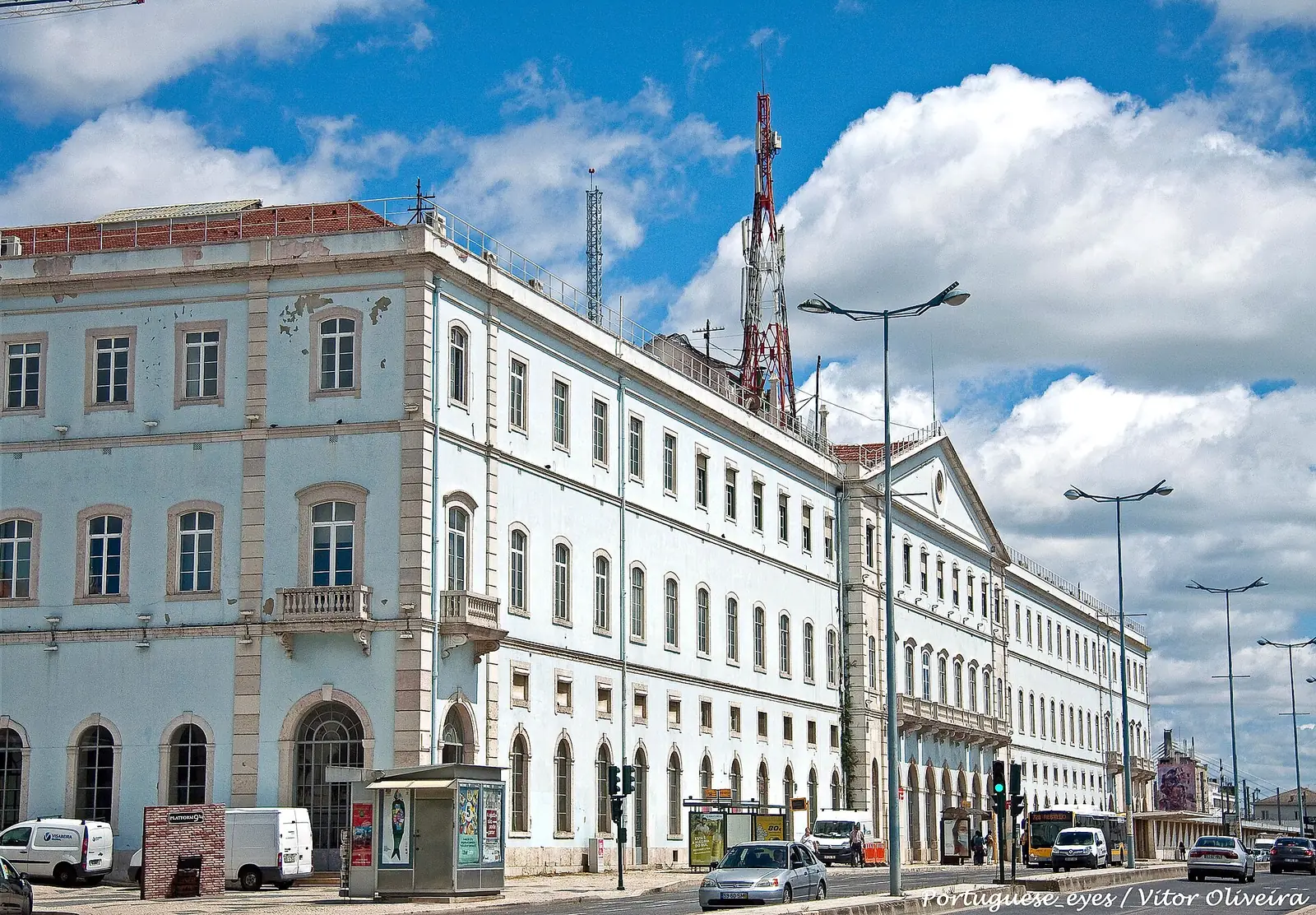
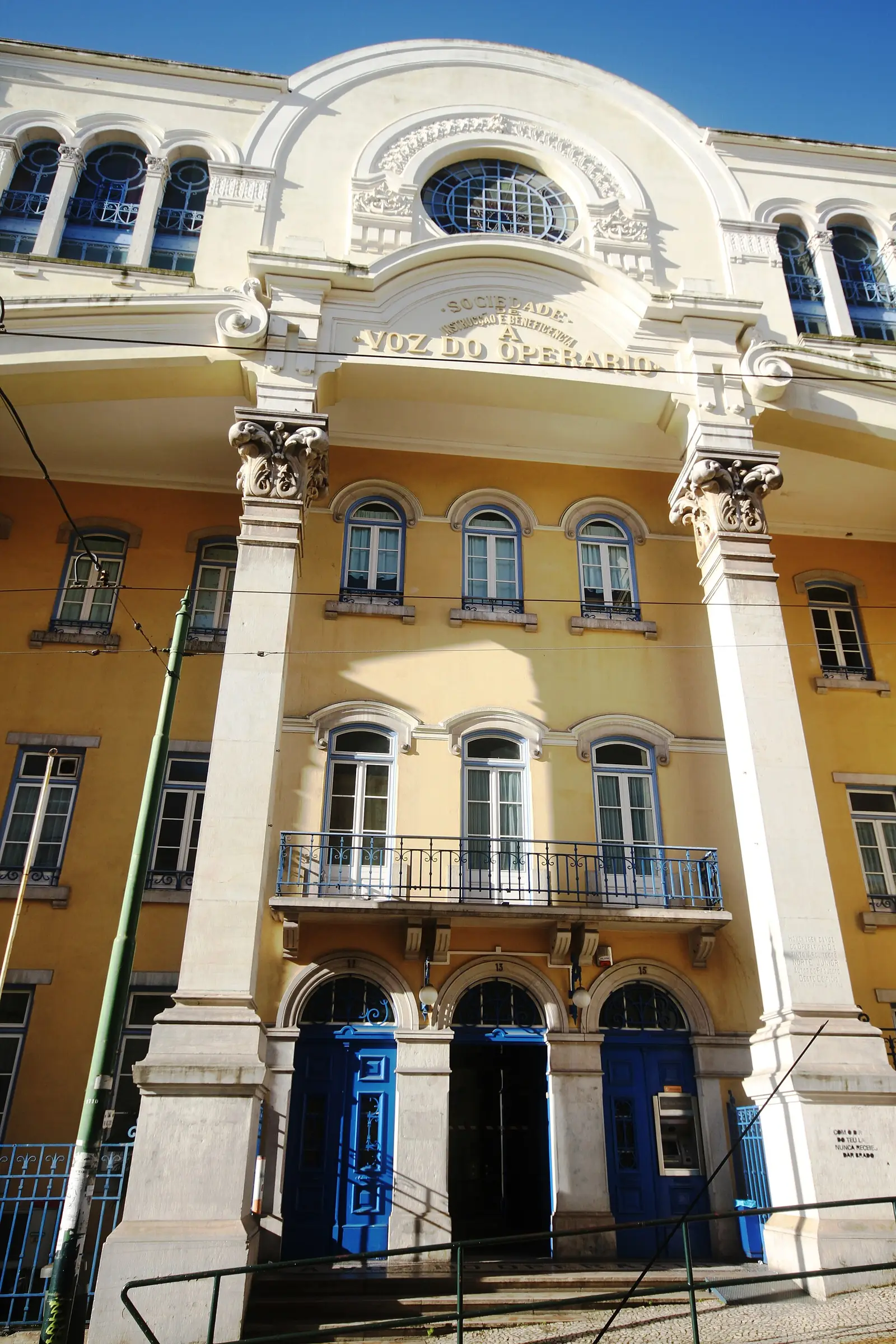
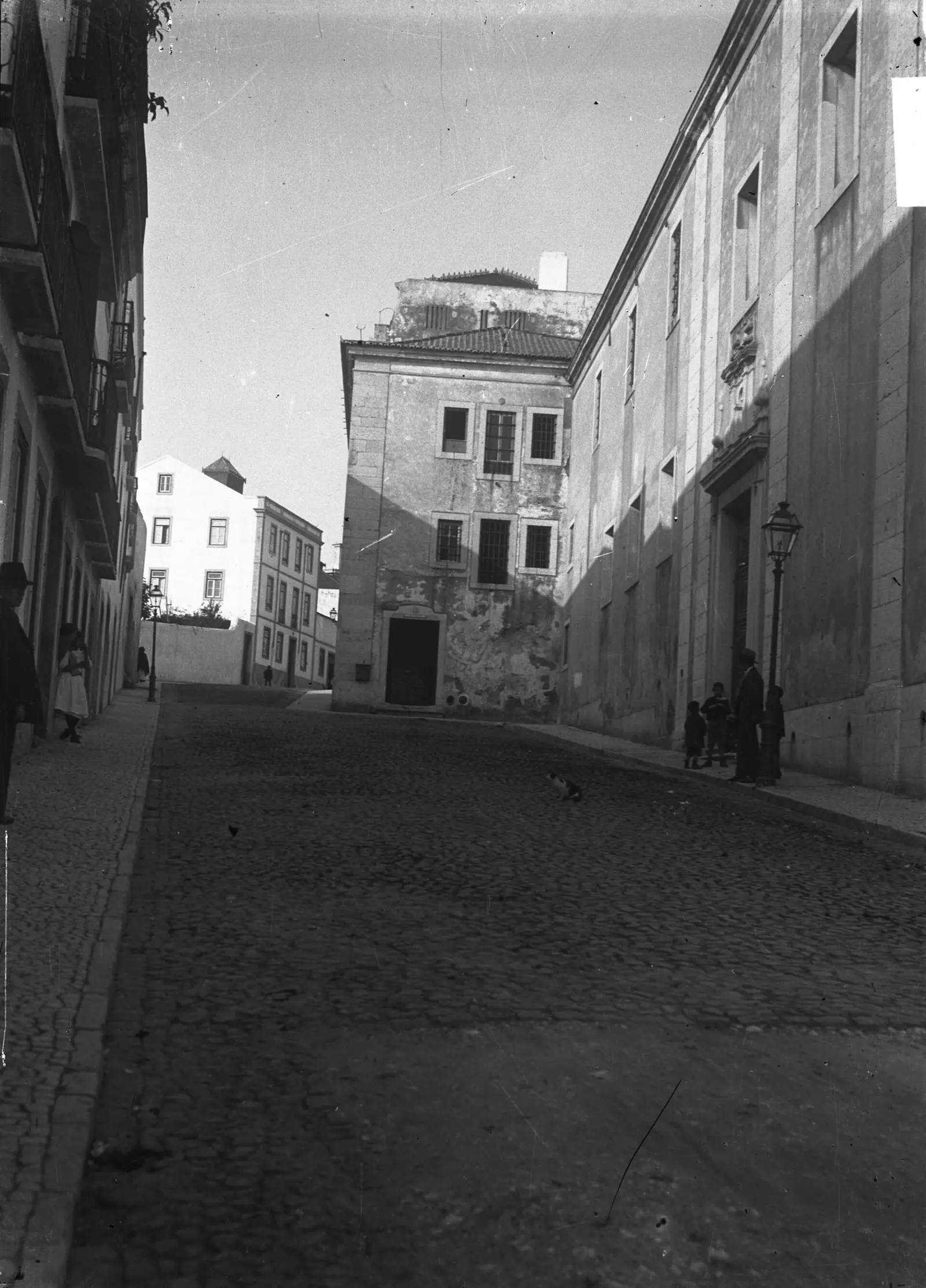
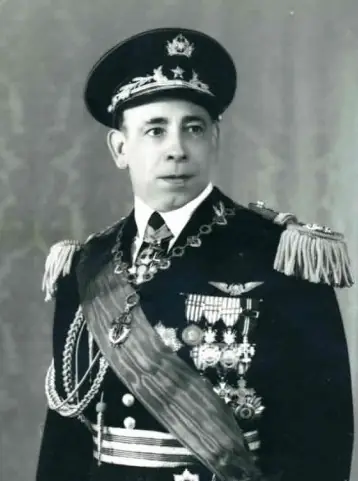
Law no. 520 of 29 April 1916, promulgated by Bernardino Machado, designated “the old and unfinished church of Santa Engrácia” as the National Pantheon. Listed as a national monument in 1910, it remained unfinished for decades and served as a depot for war materiel and as a shoe workshop. Only in 1956 was it decided to finish it; the work ended in 1966, and in December that year the Pantheon was inaugurated with the transfer of the remains of Almeida Garrett, João de Deus and Guerra Junqueiro and of Presidents Teófilo Braga, Sidónio Pais and Óscar Carmona.3
In 1988 the Assembly of the Republic granted the honours of the Pantheon to Humberto Delgado, the “Fearless General” (General sem Medo), the opposition candidate in the presidential election of 1958, which he lost through proven electoral fraud.35 On 13 February 1965, in a PIDE ambush near Badajoz — “Operation Autumn” (Operação Outono) — Delgado was murdered together with his secretary, the Brazilian Arajaryr Campos, who had been with him since his exile in Brazil and was 34. The bodies were only found in April, beside a track known as “Los Malos Pasos”, near the Portuguese border.65 According to the Spanish judicial investigation, the two were killed on a track by the Los Almerines estate, in the municipality of Badajoz, near Olivença, and the bodies were then taken to that track, some six kilometres south of Villanueva del Fresno, where two boys found them on 24 April 1965.11
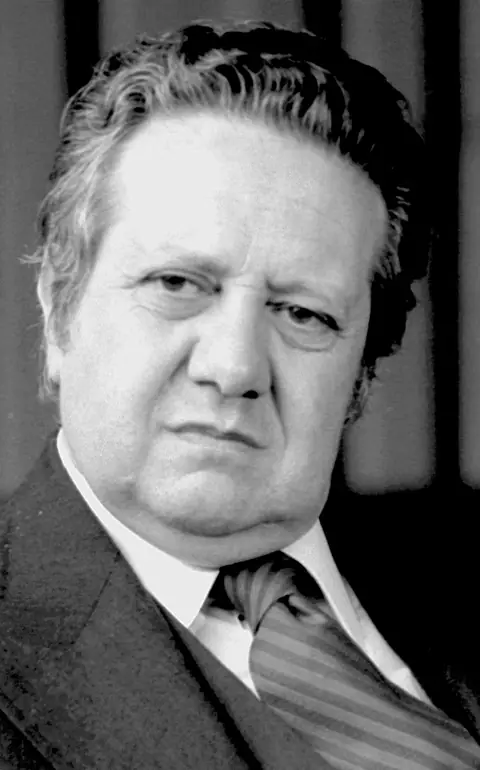
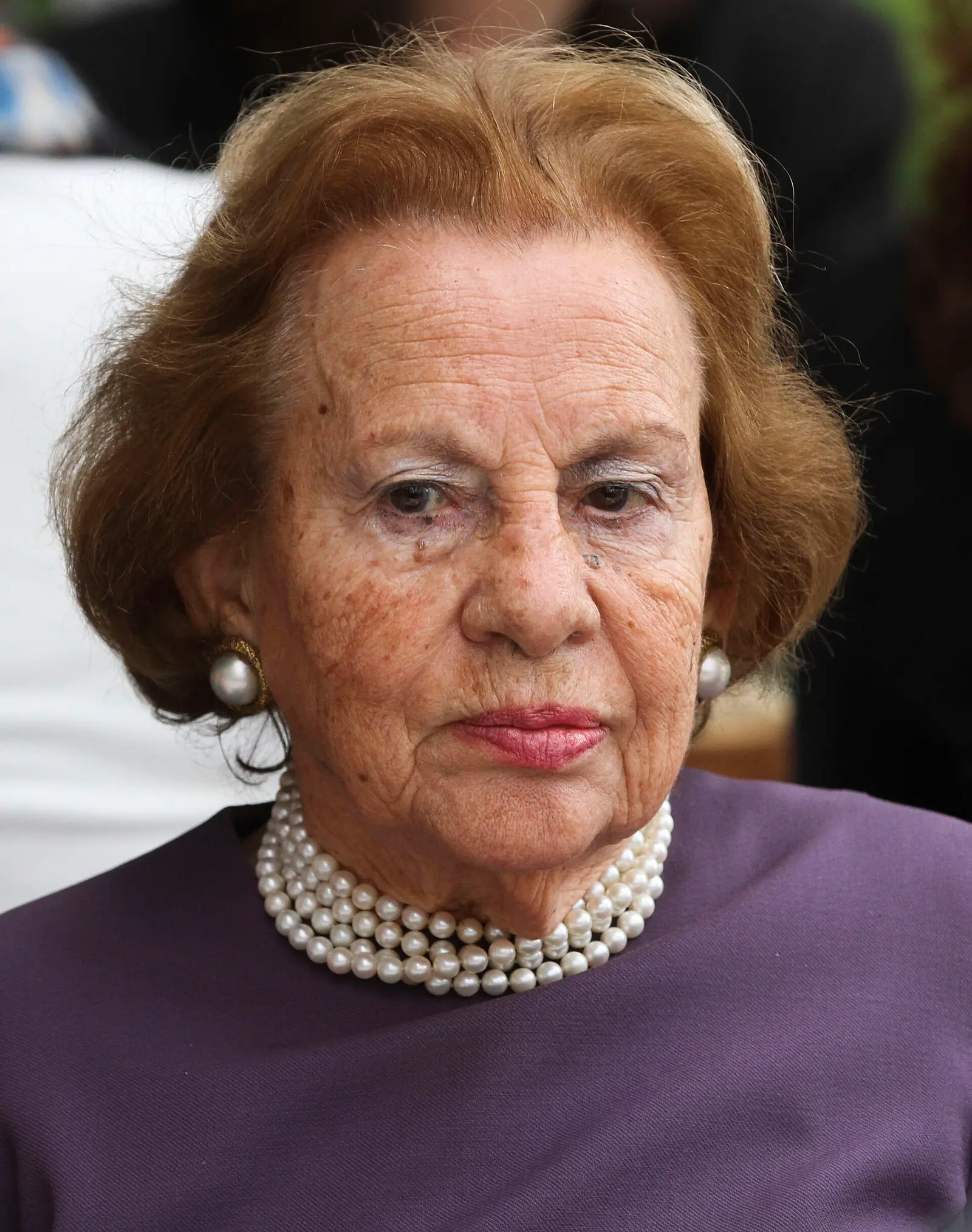
Buried in Spain, the general was moved to Lisbon in January 1975 and laid in a niche in the Prazeres Cemetery, with President Costa Gomes and Prime Minister Vasco Gonçalves in the cortège;910 from there he was moved to the Pantheon on 5 October 1990.13 The ceremony was attended by the President of the Republic, Mário Soares, with Maria Barroso, the Prime Minister, Cavaco Silva, and the President of the Assembly of the Republic, Vítor Crespo; the anti-fascist Emídio Guerreiro gave the eulogy for the general.4
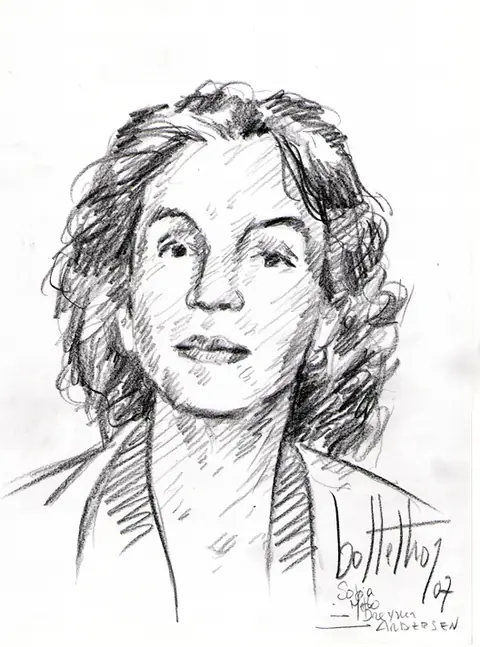
On 2 July 2014, ten years after her death, the poet Sophia de Mello Breyner Andresen was moved to the Pantheon; she had supported Delgado’s candidacy, signed the Manifesto of the 101 against the colonial war, and been a member of the Constituent Assembly.83
The whereabouts of Arajaryr Campos’s remains: a local history blog from Villanueva del Fresno says that the two were buried in the town cemetery as unknown persons and that hers were exhumed on 8 June 1965 and taken to Madrid, on their way to Brazil; an institutional source is still needed to confirm this and say where she is buried.
Do you know more, or do you have a document? Tell us.
9Cerimónias fúnebres de Humberto Delgado. RTP Arquivos — consulted on 4 October 2026Notícia de janeiro de 1975 (ficha de 24 de janeiro): os restos mortais de Humberto Delgado vêm de Espanha e são postos numa gaveta funerária do Cemitério dos Prazeres, com Costa Gomes e Vasco Gonçalves no cortejo.
11Humberto Delgado: historia de una emboscada que acabó en Badajoz con el militar sin miedo al salazarismo. elDiario.es (Extremadura) — consulted on 4 October 2026Segundo a investigação judicial espanhola do juiz José María Crespo Márquez, o crime foi num caminho junto à herdade de Los Almerines, no concelho de Badajoz, perto de Olivença; os corpos foram levados para o caminho de «Malos Pasos», a uns seis quilómetros a sul de Villanueva del Fresno, onde dois rapazes os encontraram a 24 de abril de 1965.
Coordinates: OpenStreetMap (Nominatim), consultado a 2 de outubro de 2026.