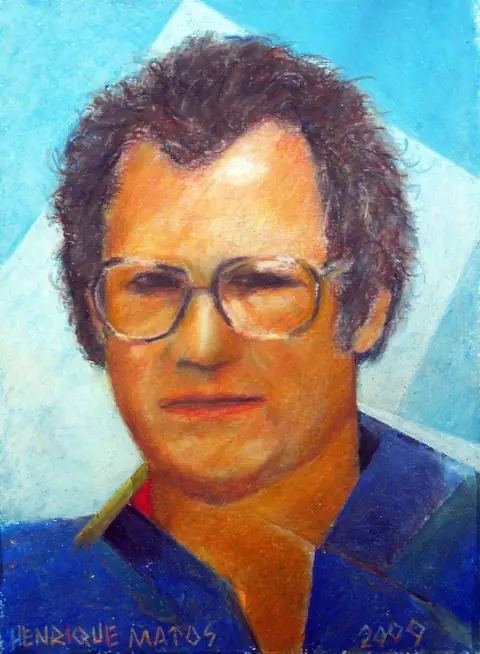
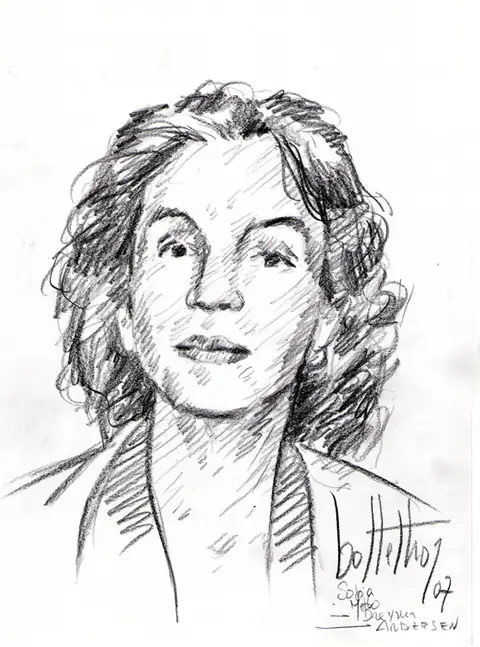
A priest and singer. At the São Domingos vigil, as 1968 turned into 1969, he sang Sophia de Mello Breyner’s “Cantata da Paz” (Cantata of Peace). Barred from being a priest, from teaching and from singing in public, he left for France in 1971 and took part in the recording of “Cantigas do Maio” (Songs of May).
Culture and censorshipsingerpriest, barred from exercising his ministry in 1970music teacher
He was born in Vila Nova da Barquinha on 17 May 1941, studied at the seminaries of Santarém, Almada and Olivais and was ordained a priest in 1965. Between 1968 and 1970 he was a secondary school (liceu) teacher and curate of the parish of Barreiro; in December 1968 he met José Afonso.1
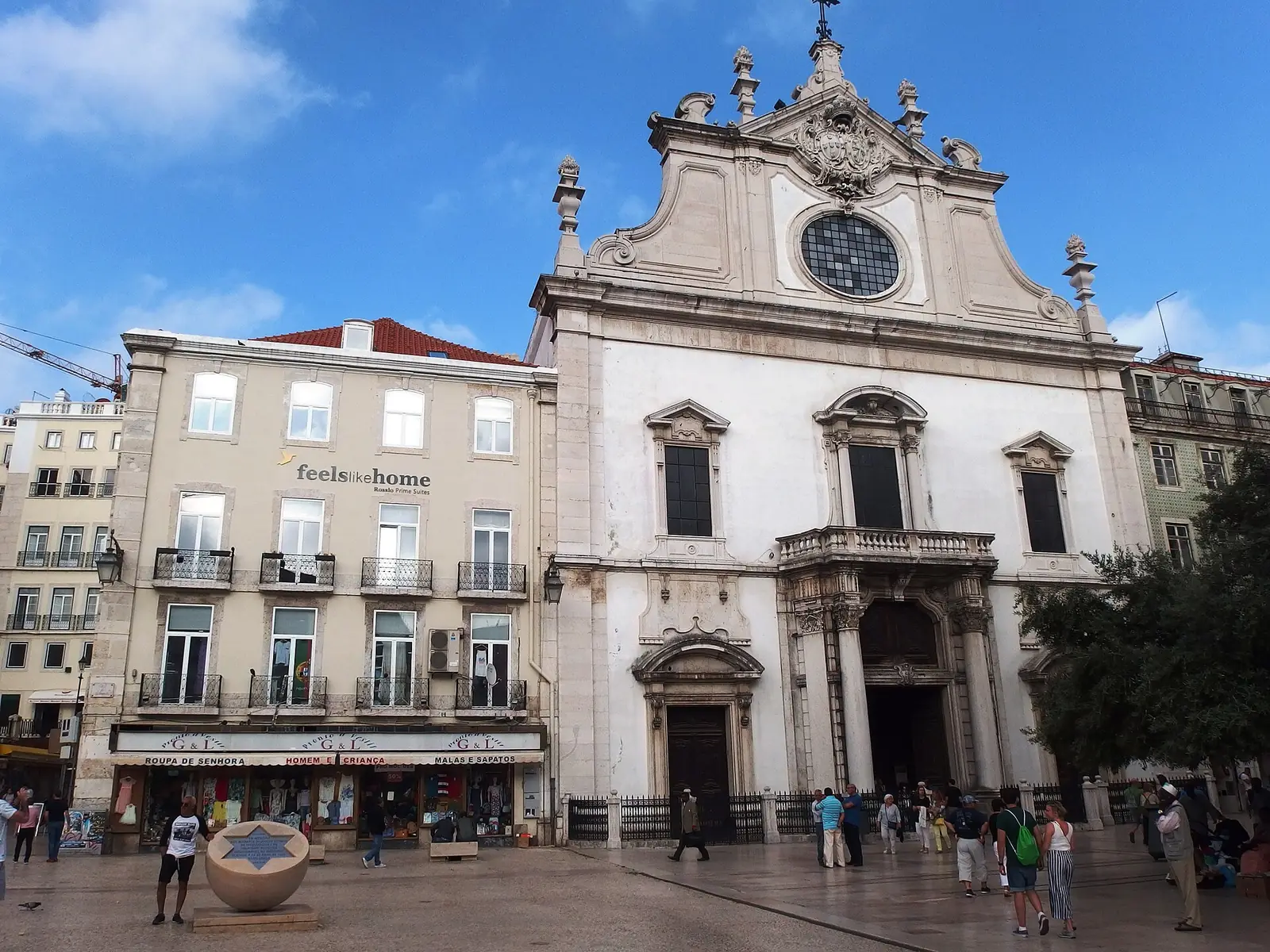
On the night of 31 December 1968, at the vigil for peace in the Church of São Domingos, he sang the “Cantata da Paz” (Cantata of Peace), which Sophia de Mello Breyner Andresen had written for that night.23 In 1969 he appeared on Zip-Zip and recorded Cantilenas; the cantata came out in 1970 on the record Canções da Cidade Nova (Songs of the New City).13
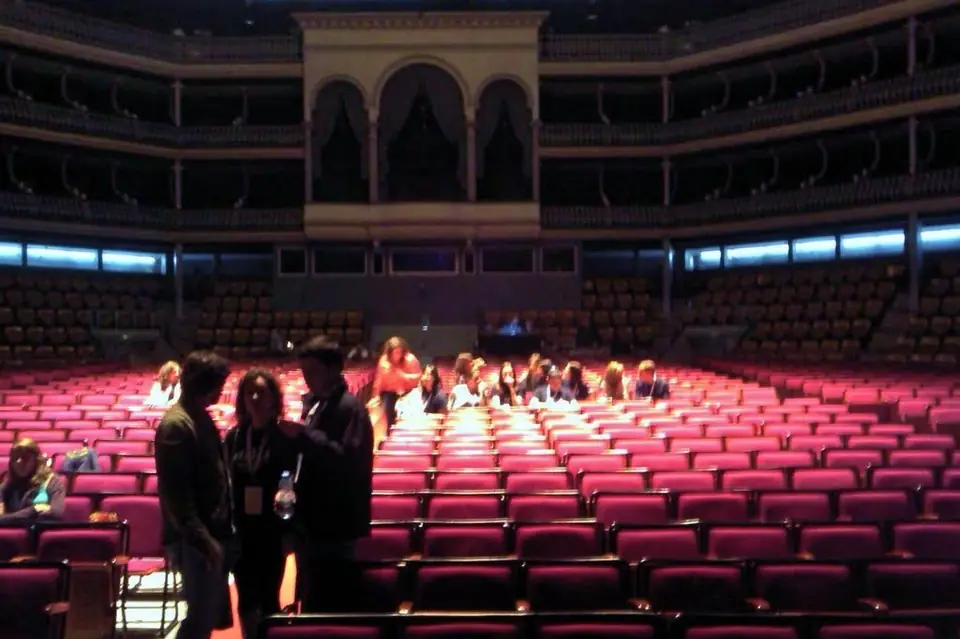
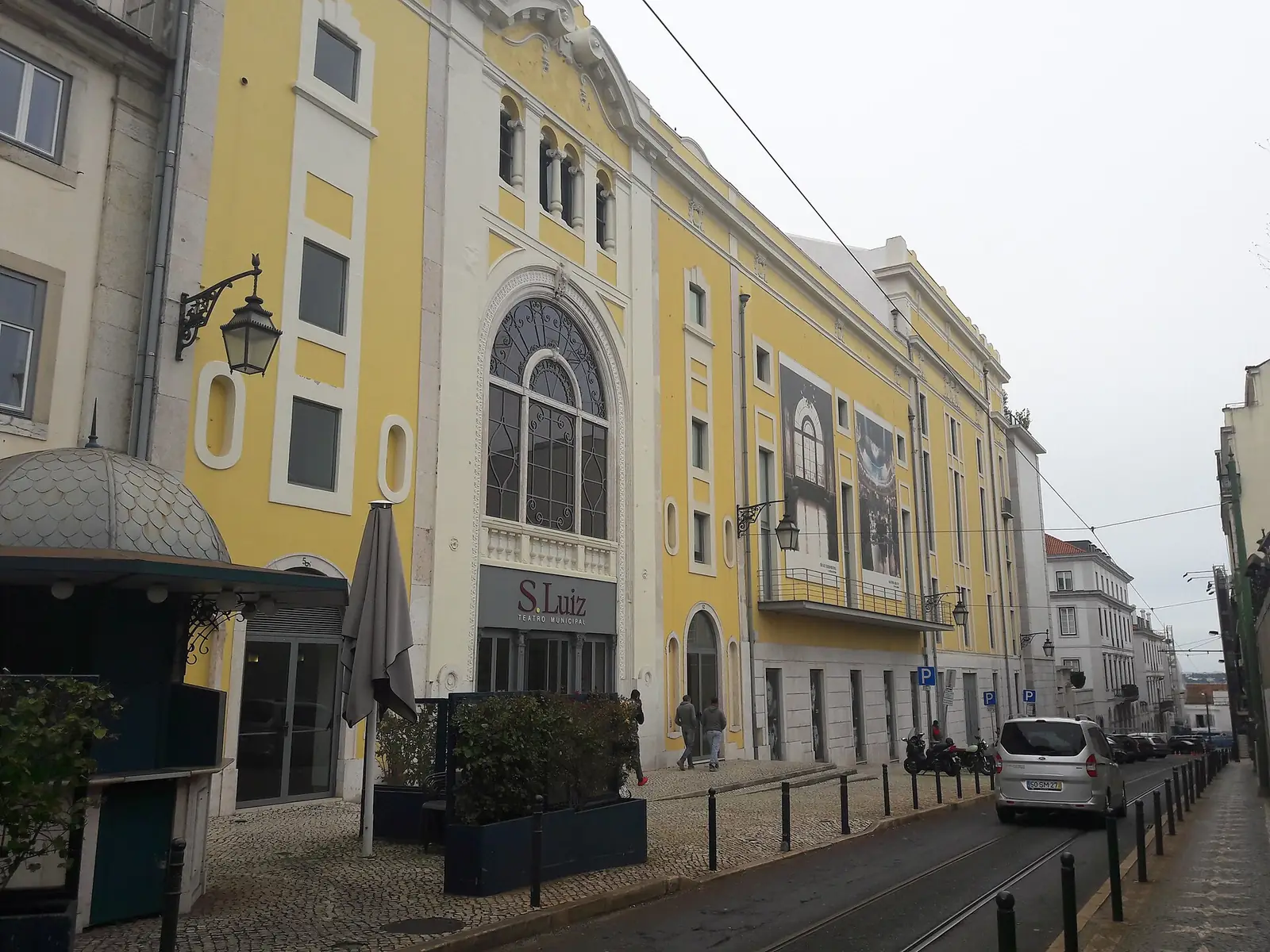
He returned after 25 April and sang at sessions in support of popular struggles, the Agrarian Reform, cooperatives and workers’ and residents’ committees, and in the MFA’s cultural dynamisation campaigns.1 In May 1974, at the “free singing” show that the Emissora Nacional and RTP organised at the São Luiz Theatre, “Cantar Não É Talvez Suficiente” (Singing Is Perhaps Not Enough), a poem by Manuel Alegre set to his music, was heard.7 In June 1975 RTP filmed him at the Coliseu, accompanying José Afonso at a LUAR rally in support of the People’s Movement for the Liberation of Angola (MPLA).6 He later devoted himself to teaching music and to the José Afonso Association.1
Francisco Fanhais’s testimony, recorded by the Aljube Museum on 15 January 2020. Going by the museum’s keywords, he talks about the Catholics and the Church, the PIDE, the colonial war, the LUAR, protest music (música de intervenção) and censorship.
Original page Licença padrão do YouTube — embed permitido pelo canal oficial do Museu do Aljube
Museu do Aljube Resistência e Liberdade, on YouTube. The player only connects to that site when you press “Watch”.
In other archives
These can only be viewed on each archive’s own website.