Santa Maria Maior
Church of São Domingos
As 1968 turned into 1969, more than a hundred Catholics kept a vigil here against the colonial war. For that night, Sophia de Mello Breyner Andresen wrote the “Cantata da Paz” (Cantata of Peace): “We see, we hear and we read / We cannot ignore” (Vemos, ouvimos e lemos / Não podemos ignorar).
History
On 8 December 1967, Pope Paul VI made 1 January the World Day of Peace. On the night of 31 December 1968, after the Mass presided over by the Cardinal Patriarch Manuel Gonçalves Cerejeira, a group of lay people announced that they would stay on in this church in a vigil.1 Four of them went to tell the cardinal and the prior, and among them was a young woman, Catalina Pestana: a lady had pointed out that women did half the things in the Church, but that when someone had to speak to the bishop, it was the men who went.3
The document they read out denounced the “political commitment of the Church towards the State” and condemned the bishops’ pastoral note on the Day of Peace, which treated the “overseas peoples” as part of the “Portuguese Nation”. More than a hundred people stayed until six in the morning of 1 January 1969, discussing the war in Guinea, Angola and Mozambique.1
Sophia de Mello Breyner Andresen wrote the “Cantata da Paz” (Cantata of Peace) for that night — “We see, we hear and we read / We cannot ignore” (Vemos, ouvimos e lemos / Não podemos ignorar) — sung by Francisco Fanhais. Those present included Nuno Teotónio Pereira, Francisco de Sousa Tavares, Vítor Wengorovius, Luís Moita and Catalina Pestana.1 Sophia was there too, according to the testimonies gathered by the researcher Eloísa Aragão: Catalina Pestana remembers her and her husband, Francisco de Sousa Tavares, who argued with the prior; Nuno Teotónio Pereira says that “Sophia was there too”; Francisco Fanhais, who sang the cantata, insists that “of course Sophia was there”, although he admits he does not remember seeing her.3 According to the historian António de Araújo, the action had been planned at the home of Maria Natália and Nuno Teotónio Pereira.2
In the days that followed, the Patriarchate condemned the “tendentious character” of the vigil, and Nuno Teotónio Pereira was summoned by the PIDE. Four years later, the same Catholic circles would hold the vigil in the Capela do Rato.1
Where
Map showing where Church of São Domingos is.
Open on the map of Lisbon Walk there
Nearby
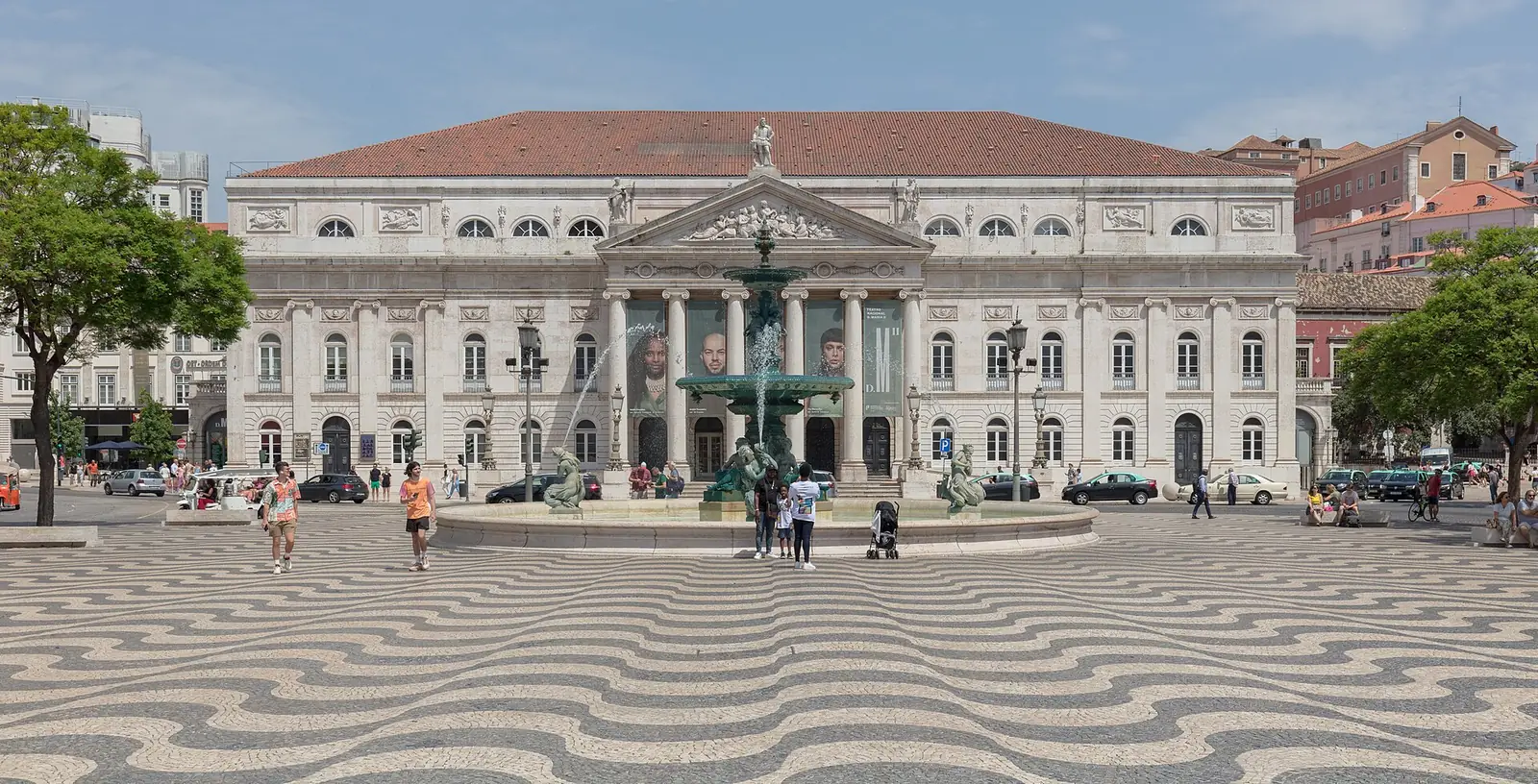
D. Maria II National Theatre
130 m · 2 min on foot
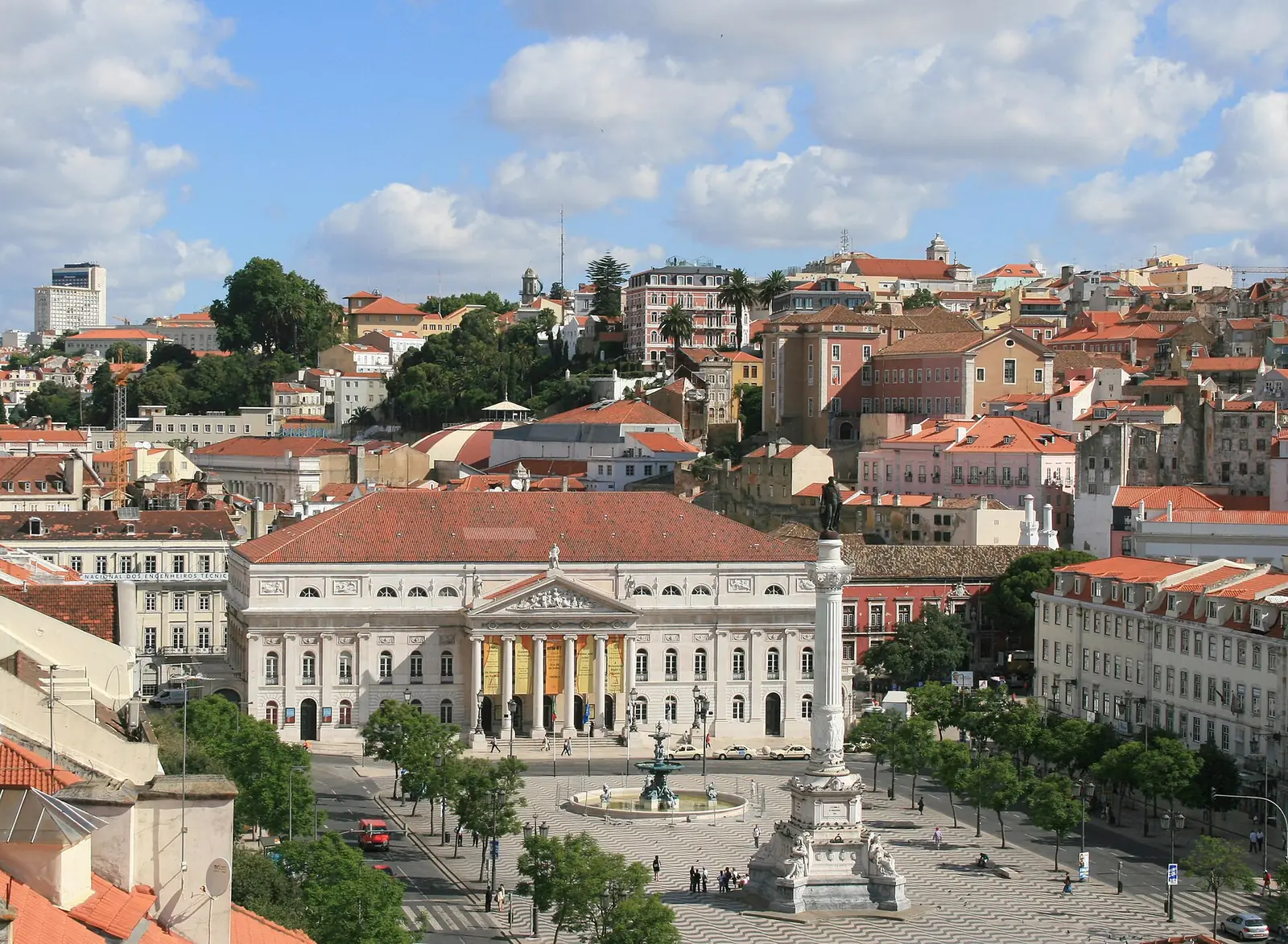
Café Chave d'Ouro
140 m · 2 min on foot
Rossio (Praça de D. Pedro IV)
140 m · 2 min on foot


People


.jpg)
Dates
8 December 1967
Paul VI establishes the World Day of Peace, on 1 January.
31 December 1968
The vigil for peace begins, after Cardinal Cerejeira’s Mass.
1 January 1969
The vigil ends at six in the morning.
Videos
Francisco Fanhais’s testimony, recorded by the Aljube Museum on 15 January 2020. Going by the museum’s keywords, he talks about the Catholics and the Church, the PIDE, the colonial war, the LUAR, protest music (música de intervenção) and censorship.
Original page Licença padrão do YouTube — embed permitido pelo canal oficial do Museu do Aljube
Museu do Aljube Resistência e Liberdade, on YouTube. The player only connects to that site when you press “Watch”.
Francisco Fanhais sings, with his guitar on a stage, the “Cantata da Paz” (Cantata of Peace) that Sophia de Mello Breyner Andresen wrote for the São Domingos vigil and that he himself sang that night. The video was published by the Municipality of Montemor-o-Novo in April 2021.
Original page Licença padrão do YouTube — embed permitido pelo canal oficial do Município de Montemor-o-Novo
Município de Montemor-o-Novo, on YouTube. The player only connects to that site when you press “Watch”.
Sources4
- 1A Vigília de São Domingos. Comissão Comemorativa 50 Anos 25 de Abril — consulted on 2 October 2026
- 2«A paz é possível»: algumas notas sobre o caso da Capela do Rato (António de Araújo). Lusitania Sacra, 2.ª série, 16 (2004), pp. 431-463 – Universidade Católica Portuguesa — consulted on 2 October 2026
- 3Sophia de Mello Breyner Andresen: militância antifascista a partir da crise do Estado Novo (tese de doutoramento, Eloísa da Silva Aragão, 2017). Universidade de São Paulo — consulted on 2 October 2026
- 4Vigília da Capela do Rato. Wikipédia — consulted on 2 October 2026
Coordinates: OpenStreetMap (Nominatim), consultado a 2 de outubro de 2026.