Santa Maria Maior (Chiado)
Rádio Renascença (the Rua Capelo studios)
In the Rádio Renascença studios, on the second floor of no. 5 Rua Capelo, the first verse of “Grândola, Vila Morena”, by José Afonso, went on air at 00:20 on 25 April 1974, on the programme “Limite” — the signal that confirmed the advance of the MFA troops.
History
In April 1974 the Rádio Renascença studios were here, on the second floor of no. 5 Rua Capelo. The MFA chose this station for the confirmation signal: “Grândola, Vila Morena” (Grândola, swarthy town), on the programme Limite, at 00:20 on 25 April.18
The contact was made through journalists from the daily República. On 23 April, Álvaro Guerra, sent by Almada Contreiras, asked Carlos Albino — one of the makers of Limite — to broadcast “Venham Mais Cinco” (Let five more come). The song was banned by Renascença’s internal censorship, so Carlos Albino suggested alternatives, with “Grândola” at the top of the list.36 On the morning of the 24th the final choice and the time were settled: between 00:20 and 00:22.7 As a precaution, Carlos Albino bought the record Cantigas do Maio (Songs of May) that day, fearing that the political police might raid the programme’s offices, in Praça de Alvalade.413
Limite faced two censorships: the station’s own and the official one, exercised by a colonel who followed the broadcasts live and vetted the scripts. To settle the details safely, Carlos Albino and the programme’s technical and sound manager, Manuel Tomás, left the studios and knelt in the Church of São João de Brito, pretending to pray.5 They then recorded a sequence of about ten minutes in which the reading of the song’s first verse was linked to other texts, in the voice of the announcer Leite de Vasconcelos, who did not know what the recording was for.7
That night the announcer on duty was Paulo Coelho, who, unaware of the arrangement, brought forward the reading of the advertisements and nearly made them miss the exact time. According to the 25 April Association, Manuel Tomás gave a small, apparently accidental nudge to the hand of the sound technician José Videira, setting the reel running: out came Leite de Vasconcelos’s recorded voice and José Afonso’s song. At the end, the censor present is said to have shown signs of having heard something he had not expected.2
After 11 March 1975, the station’s Lisbon studios were occupied by a workers’ committee, opening the “Caso Renascença” (the Renascença affair), which divided the country and only ended with the destruction, on the government’s orders, of the Buraca transmitters, on 7 November 1975.11
Where
Map showing where Rádio Renascença (the Rua Capelo studios) is.
Open on the map of Lisbon Walk there
Nearby
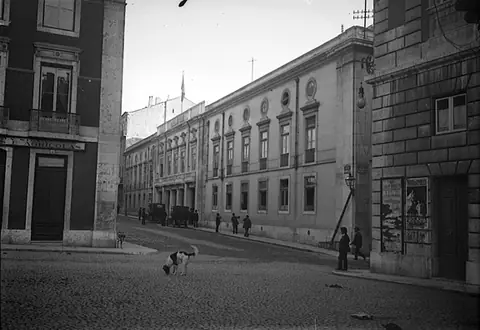
Lisbon Civil Government and the PSP’s 1st Station
40 m · 1 min on foot
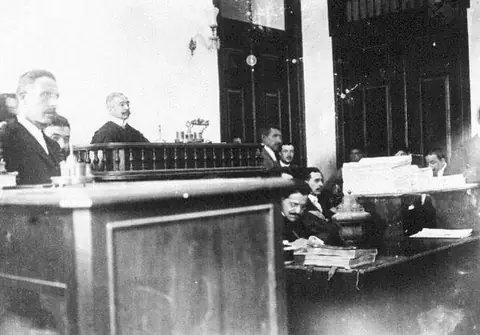
Boa-Hora Court
80 m · 1 min on foot
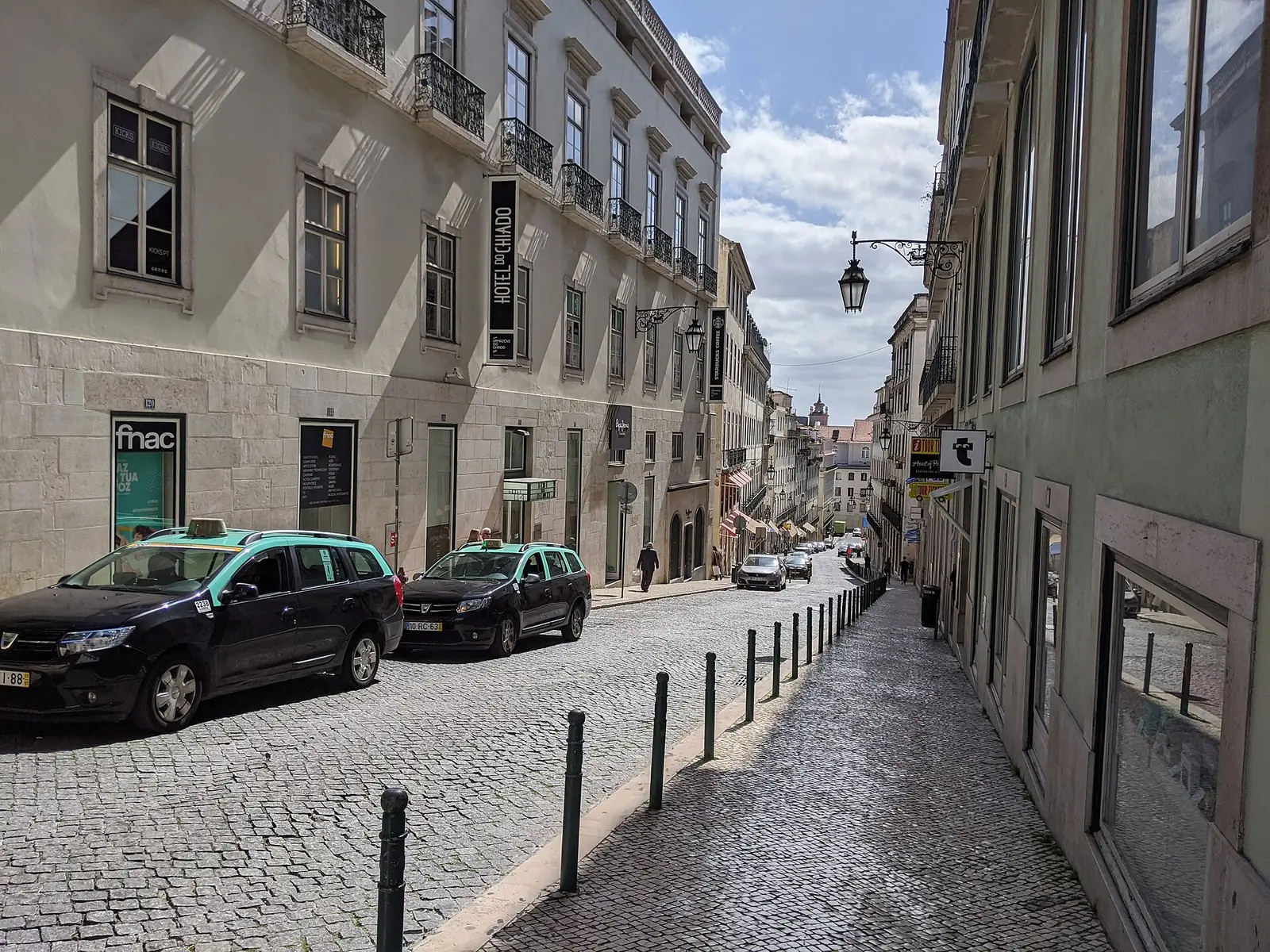
Carolina Beatriz Ângelo’s surgery (Rua Nova do Almada, 84)
120 m · 2 min on foot
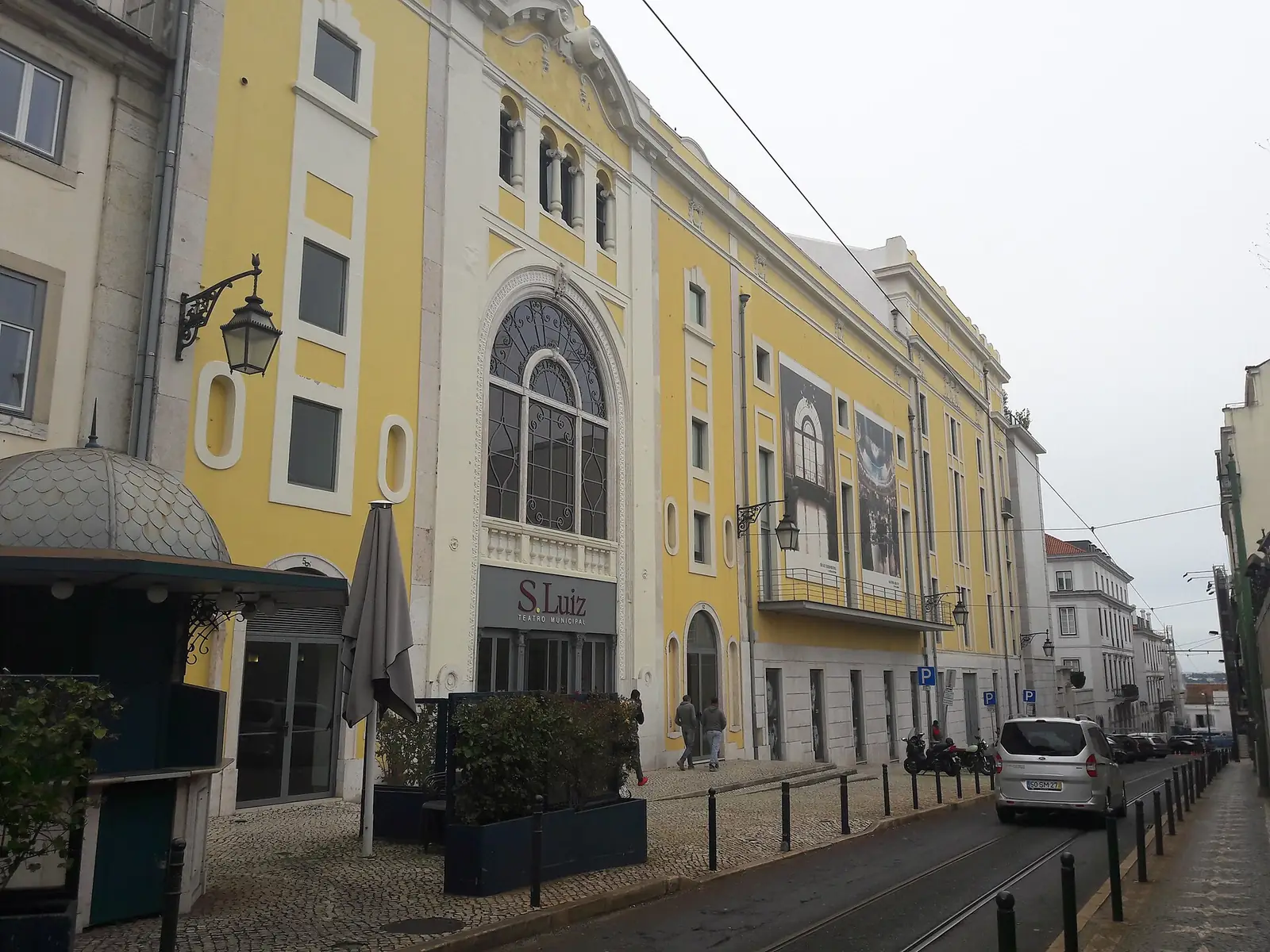
São Luiz Theatre
170 m · 3 min on foot


People

.png)
Dates
23 April 1974
Álvaro Guerra asks Carlos Albino for the signal on “Limite”; “Grândola” is suggested
24 April 1974
Final choice of “Grândola” and recording of the sequence with Leite de Vasconcelos’s voice
25 April 1974, 00:20
Broadcast of the second signal, “Grândola, Vila Morena”, on the programme “Limite”
7 November 1975
Destruction of the Renascença transmitters at Buraca, on the government’s orders
19 Feb 1975
The “Renascença affair”
Videos
José Afonso gives his opinion on the use of “Grândola, Vila Morena” (Grândola, swarthy town) as one of the signals of 25 April, in an excerpt published by the José Afonso Association in January 2022. The date of the interview is not given.
Original page Licença padrão do YouTube — embed permitido pelo canal oficial da Associação José Afonso
Associação José Afonso, on YouTube. The player only connects to that site when you press “Watch”.
For the special broadcast on the 45th anniversary of 25 April, Renascença brought together Carlos Albino, who was responsible for broadcasting the signal on the programme “Limite”, the journalist Luís Filipe Costa, who read the MFA’s communiqués on Rádio Clube Português, and the photojournalist Alfredo Cunha. The three recall the day from the inside.
Original page Licença padrão do YouTube — embed permitido pelo canal oficial da Renascença
Renascença, on YouTube. The player only connects to that site when you press “Watch”.
In February 2026 the Government classified as a national treasure the reels holding the recording of Rádio Renascença’s programme “Limite”, which in the early hours of 25 April 1974 gave the troops their signal. In this one-minute piece, Renascença reports the news to the sound of “Grândola, Vila Morena”.
Original page Licença padrão do YouTube — embed permitido pelo canal oficial da Renascença
Renascença, on YouTube. The player only connects to that site when you press “Watch”.
In other archives
These can only be viewed on each archive’s own website.
Notes on the sources1
- Se o hotel tem alguma placa ou marca que lembre a «Grândola» de 1974: não se confirmou no local.
Do you know more, or do you have a document? Tell us.
Sources16
- 1Rádio Renascença, 25/04/1974, 00:20 (Movimentações do dia 25 de Abril). Associação 25 de Abril — consulted on 2 October 2026
- 2Movimentações do dia 25 de Abril. Associação 25 de Abril — consulted on 2 October 2026
- 3Preparativos para a transmissão da senha, 23/04/1974 (cronologia). Associação 25 de Abril — consulted on 2 October 2026
- 4Preparativos para a transmissão da senha, 24/04/1974 (cronologia). Associação 25 de Abril — consulted on 2 October 2026
- 5Preparativos para a transmissão da senha, 24/04/1974 – Igreja de S. João de Brito (cronologia). Associação 25 de Abril — consulted on 2 October 2026
- 6MFA – Preparativos para a Acção, 23/04/1974 (Limite). Associação 25 de Abril — consulted on 2 October 2026
- 7MFA – Preparativos para a Acção, 24/04/1974 (escolha da Grândola). Associação 25 de Abril — consulted on 2 October 2026
- 8O 25 de Abril para os mais novos – Cronologia hora a hora. Centro de Documentação 25 de Abril – Universidade de Coimbra — consulted on 2 October 2026
- 9Cronologia do 25 de Abril, por Jofre Alves (blogue Abril de Novo, 2010), na Biblioteca Digital do CD25A. Centro de Documentação 25 de Abril – Universidade de Coimbra — consulted on 2 October 2026
- 10Operação Viragem Histórica. Comissão Comemorativa 50 Anos 25 de Abril — consulted on 2 October 2026
- 11O Caso Rádio Renascença. Comissão Comemorativa 50 Anos 25 de Abril — consulted on 2 October 2026
- 1225 de Abril de 1974. Museu do Aljube Resistência e Liberdade (EGEAC) — consulted on 2 October 2026
- 13Cantigas do Maio (1971). AJA – Associação José Afonso — consulted on 3 October 2026A ficha do disco na discografia de José Afonso: o título é «Cantigas do Maio».
- 148 marcos da história da Renascença. Observador, 2016 — consulted on 4 October 2026De 1937 a maio de 2016 a Renascença esteve no n.º 14 da Rua Ivens, no Chiado, num edifício do século XIX que passou a hotel; no «verão quente» de 1975 as suas instalações foram ocupadas.
- 15Hugo Real, Renascença troca Chiado pela Buraca. Correio da Manhã, 2016 — consulted on 4 October 2026O edifício do n.º 14 da Rua Ivens, de onde a Renascença emitia desde 1937, foi vendido à seguradora Fidelidade para ser hotel; a rádio mudou-se para a Quinta do Bom Pastor, em 2016.
- 16Portfolio — Ivens 12-16, Lisboa. Fidelidade Sociedade Gestora — consulted on 4 October 2026O edifício da Rua Ivens 12-16, «outrora sede da Rádio Renascença», foi totalmente reconstruído em 2021 para ser o hotel The Ivens.
Coordinates: OpenStreetMap (Nominatim), consultado a 2 de outubro de 2026.