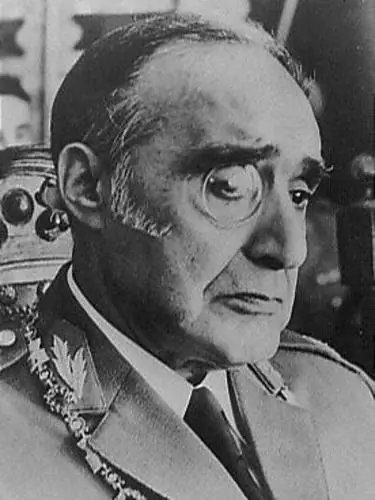
In May 1958, after a crowd had welcomed him in Porto, Humberto Delgado returned to Lisbon by train, on 16 May.12 People were waiting for him all the way from Santa Apolónia to the Terreiro do Paço, kept at a distance by the GNR cavalry. The PIDE diverted the general’s motorcade to the eastern part of the city, and the Guard chased and beat his supporters across the Terreiro do Paço, the Rossio, the Restauradores and the streets of the Baixa.1 Fifty years later, the City Council unveiled a plaque bearing the general’s likeness in the station.2
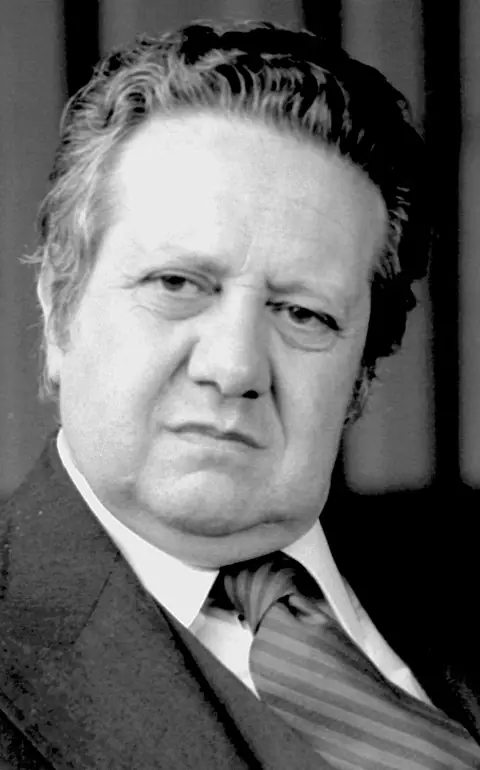
On 25 April 1974, Mário Soares was in Bonn.10 Three days later, on 28 April, he arrived here by train — the Sud Express, which had left Paris the day before — with Maria Barroso, also a founder of the Socialist Party.3911 A crowd was waiting for them; from a balcony of the station, Soares addressed the street with a loudhailer in his hand, and then went on to the Palácio da Cova da Moura to meet General Spínola.9 The Casa Comum photographs show Ramos da Costa and Manuel Tito de Morais on the balcony with them.4
Two days later Álvaro Cunhal arrived, at the airport; on 30 April, the National Salvation Junta authorised the return of all the exiles.3
Fernanda Gonçalves tells how she heard about the revolution while in Aveiro, arrived the next day at Santa Apolónia on a train full of friends and went on to Caxias, where thousands of people were waiting for the political prisoners to come out. She remembers the passage the crowd kept open for the negotiations with the PIDE, inside.
Original page Licença padrão do YouTube — embed permitido pelo canal oficial da Câmara Municipal de Lisboa
Câmara Municipal de Lisboa, on YouTube. The player only connects to that site when you press “Watch”.
At Santa Apolónia station, on 28 April 2017, the CTT (the Portuguese postal service) present a stamp issue recalling Mário Soares’s arrival from exile, 43 years earlier, on the “Comboio da Liberdade” (Freedom Train); the mayor, Fernando Medina, speaks. The tribute plaque “Da Mordaça à Liberdade” (From the Gag to Freedom), by Infraestruturas de Portugal, bearing that day’s date, can be seen.
Original page Licença padrão do YouTube — embed permitido pelo canal oficial da Câmara Municipal de Lisboa
Câmara Municipal de Lisboa, on YouTube. The player only connects to that site when you press “Watch”.
In other archives
These can only be viewed on each archive’s own website.
12Humberto Delgado (mostra). Biblioteca Nacional de Portugal — consulted on 4 October 2026Depois da chegada de Delgado à estação de Santa Apolónia «a 16 de Maio de 1958», a GNR e agentes da PIDE reprimiram a população de Lisboa que o fora receber.
Coordinates: OpenStreetMap (Nominatim), consultado a 2 de outubro de 2026.





.jpg)