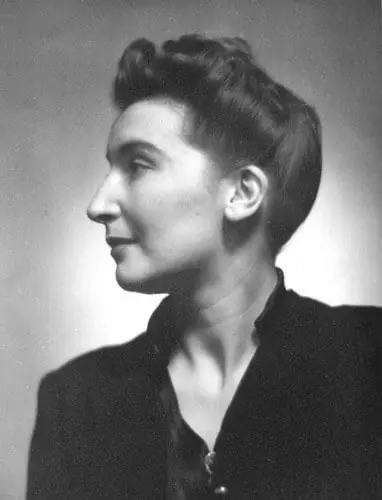
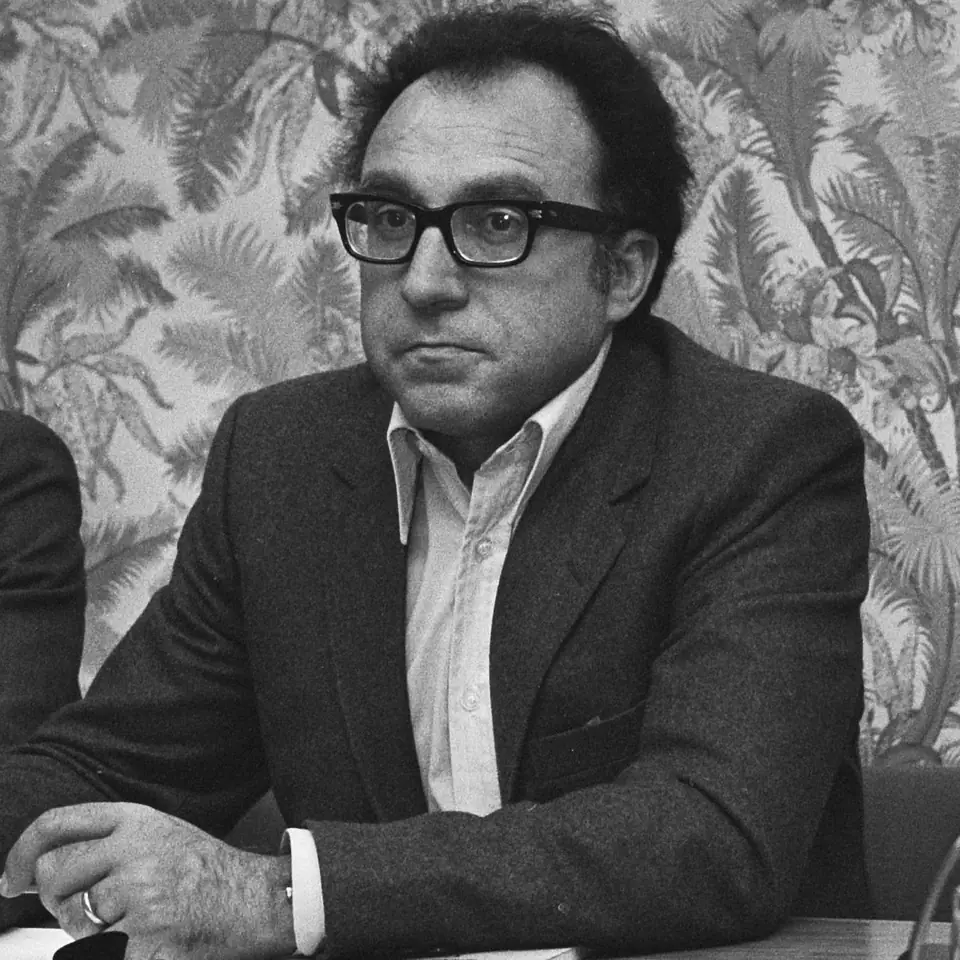
Maria Stella Bicker Correia Ribeiro Piteira Santos
One of the first members of the Portuguese Women’s Association for Peace, she helped Jewish refugees during the war. Arrested and tortured by the PIDE in 1962, she went into exile in Algeria and was, in Algiers, the first female voice of Rádio Voz da Liberdade (Voice of Freedom Radio).
Repressionfeminist and anti-fascist activistpolitical prisonerexile in Algeriaannouncer on Rádio Voz da Liberdade
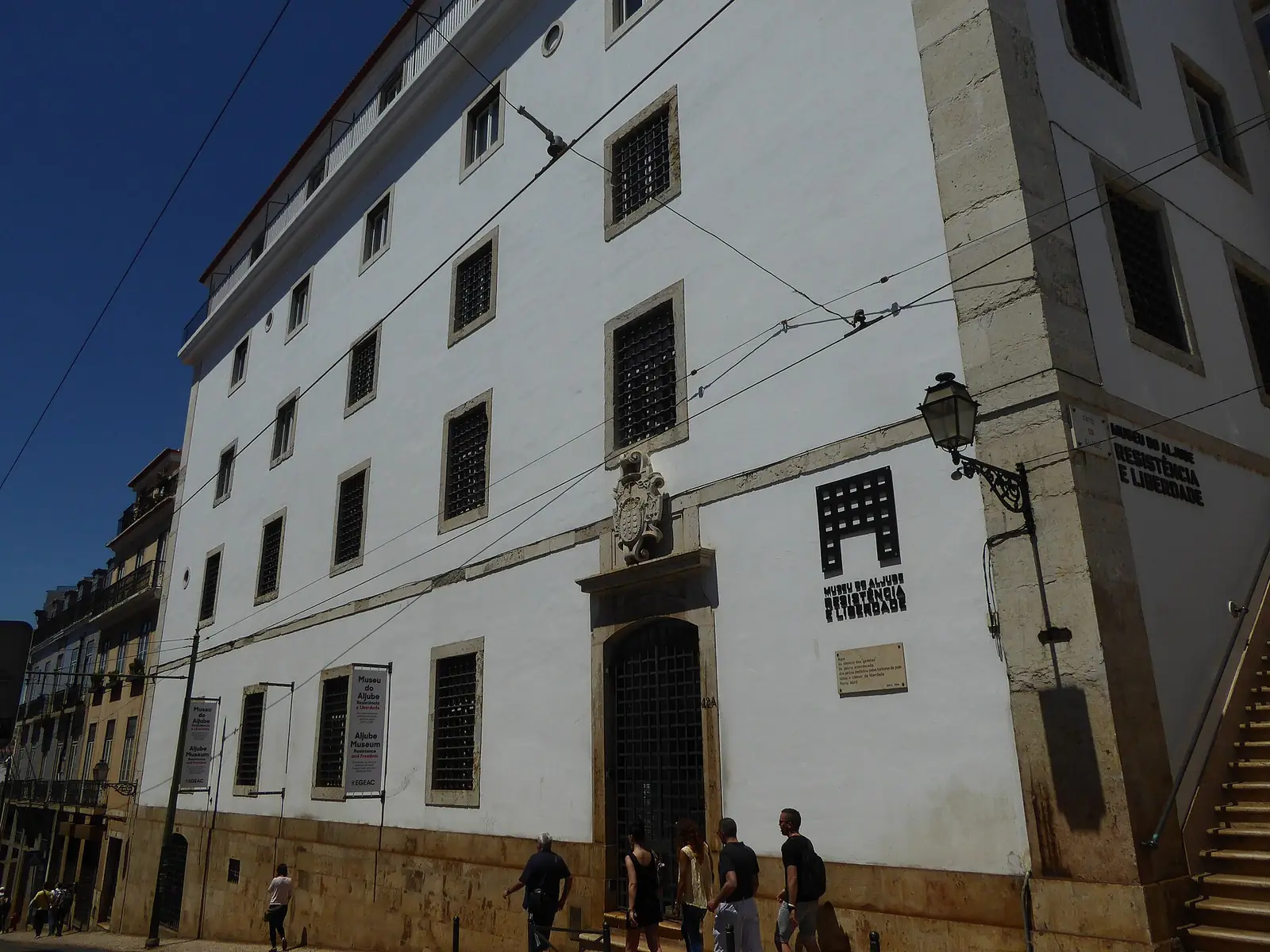
She was born in Portimão in 1917.4 She began her political activity in 1934, helping friends in the PCP: she typed up minutes and carried texts to the clandestine press.3 That year, aged 17, she married Inácio Fiadeiro, a law student and communist activist; they had two children, António and Maria Antónia Fiadeiro.4 In May 1938, with her husband and other PCP activists, she helped organise the escape of the communist leader Francisco de Paula Oliveira, “Pavel”, from the infirmary of Aljube Prison, where he was being treated, gravely ill; afterwards, the couple hid him in their home.4
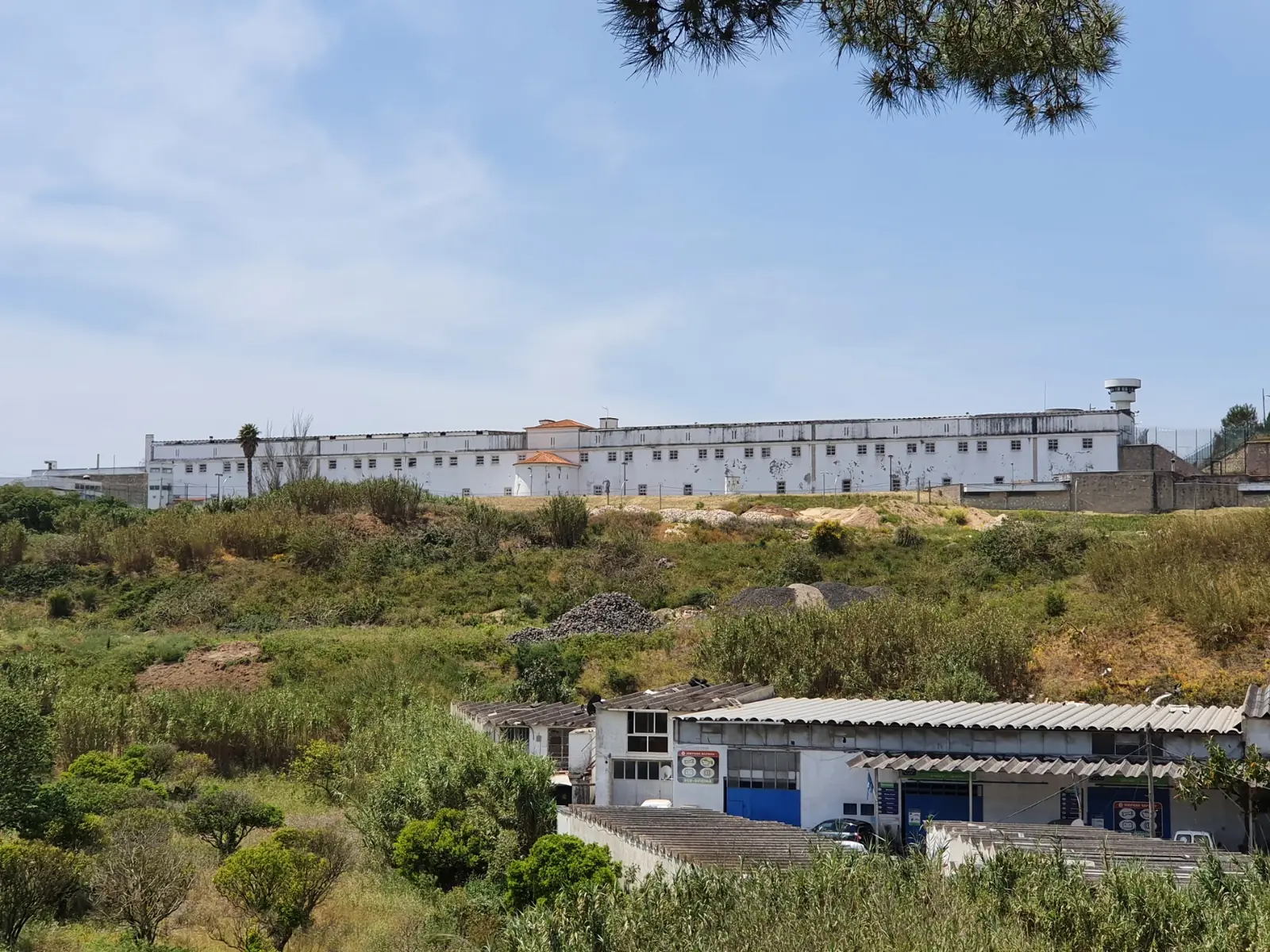
The PIDE arrested her on 15 February 1962. She spent almost two months in Caxias, where she was tortured, in a cell with Alda Nogueira, Sofia Ferreira and Cândida Ventura.43 She then went into exile in Algeria with her second husband, Fernando Piteira Santos, whom she had married in 1948.34 In Algiers she was the first woman announcer on Rádio Voz da Liberdade (Voice of Freedom Radio), created in 1963, and she worked there until 1974.4 It was her voice that opened the broadcasts: “Friends, companions and comrades, this is Rádio Voz da Liberdade, speaking on behalf of the Patriotic Front for National Liberation”.3
She returned to Portugal on 2 May 1974.4 She died in Lisbon in 2009.34
These come only from Wikipedia: her help in the escape of “Pavel” from the Aljube (May 1938), the date of her arrest (15 February 1962), her time in Caxias, the detail that she was the first woman announcer on Rádio Voz da Liberdade, and the day she returned to Portugal (2 May 1974). The CIG says only that she was arrested and tortured “in Lisbon” and that she was the voice of the radio station.
At which headquarters of the National Council of Portuguese Women she was active: the one in Restauradores or the one in Amoreiras, where the Council moved in 1946. Wikipedia places her joining after July 1946; the CIG gives no date.
Do you know more, or do you have a document? Tell us.
Sources4
1Maria Stella Piteira Santos («Mulheres na Resistência», documentário). RTP — consulted on 4 October 2026Episódio baseado numa entrevista de 2001 a Manuela Cruzeiro — a fuga de «Pavel» do Aljube, a participação no golpe de Beja (1962), a prisão e a tortura do sono que se seguiram, o exílio, a FPLN e a Rádio Voz da Liberdade, em Argel, e o regresso logo depois do 25 de Abril.
2Fernando Piteira Santos — português, cidadão do século XX (catálogo da exposição). Centro de Documentação 25 de Abril, Universidade de Coimbra, 2003 — consulted on 4 October 2026Fernando Piteira Santos casou a 7 de fevereiro de 1948 com Maria Stella Bicker Correia Ribeiro; deixou Lisboa em 1962 e só voltou a 2 de maio de 1974, depois de doze anos de exílio em Argel.