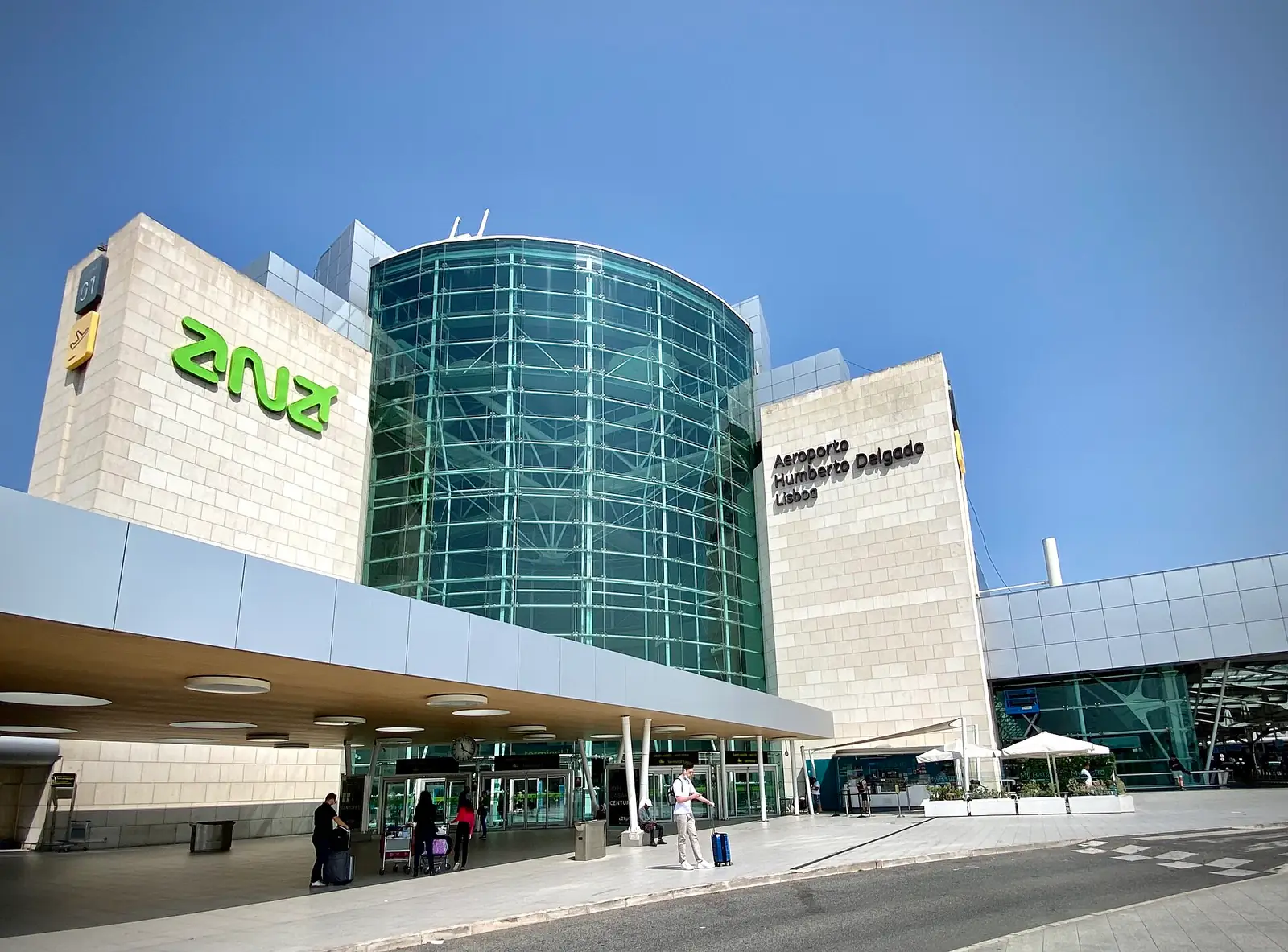
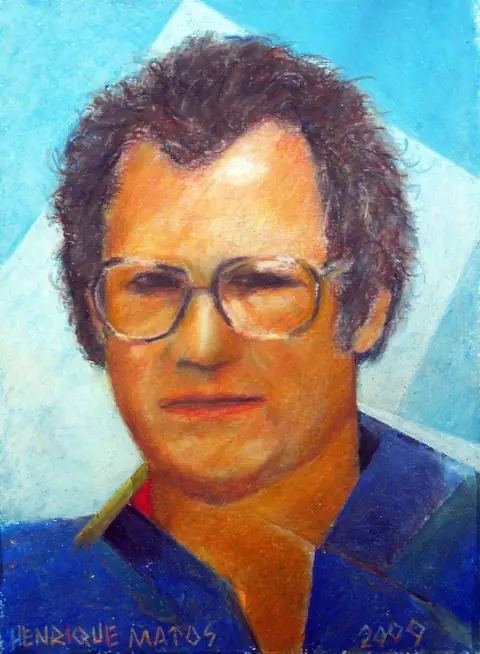
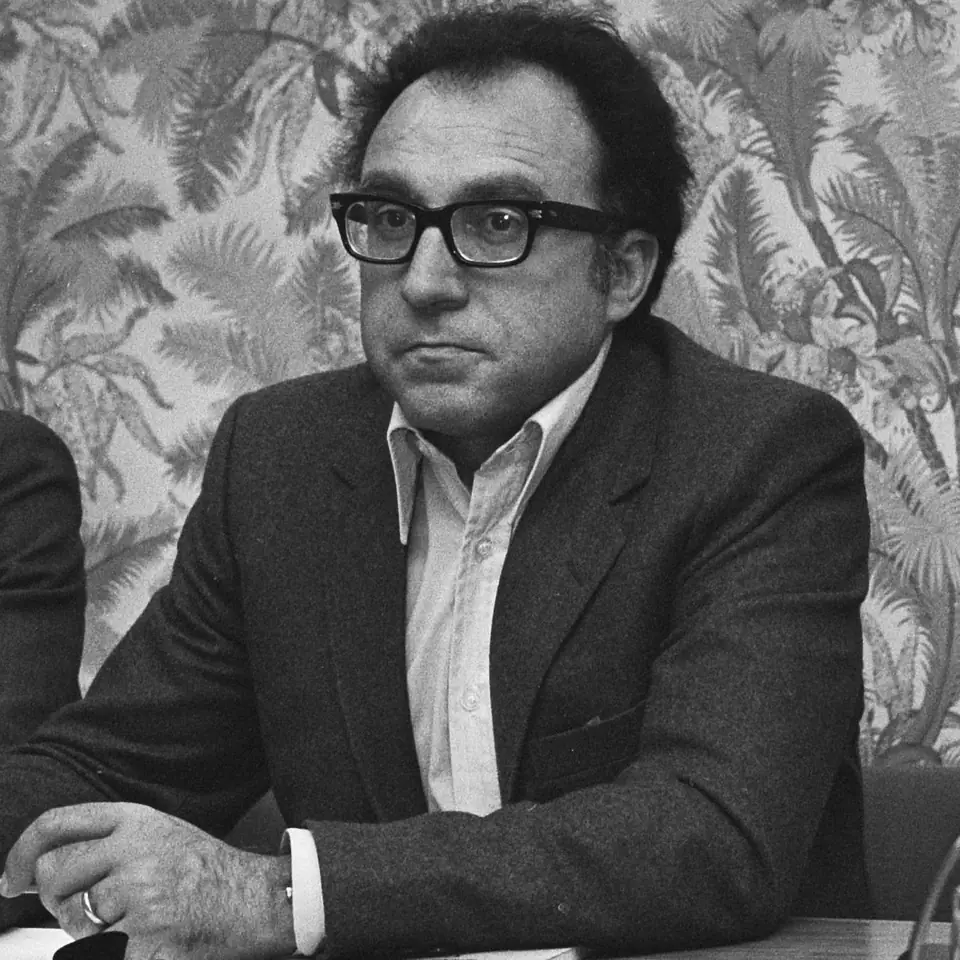
A singer, composer and producer. Arrested by the PIDE in 1962, he deserted from the colonial war and spent eleven years in exile in France, where he produced José Afonso’s “Cantigas do Maio” (Songs of May). He returned on 30 April 1974 and was welcomed at the airport with “Grândola”.
Culture and censorshipsinger and composerproducer of “Cantigas do Maio”political prisoner (1962)exile in France (1963–1974)
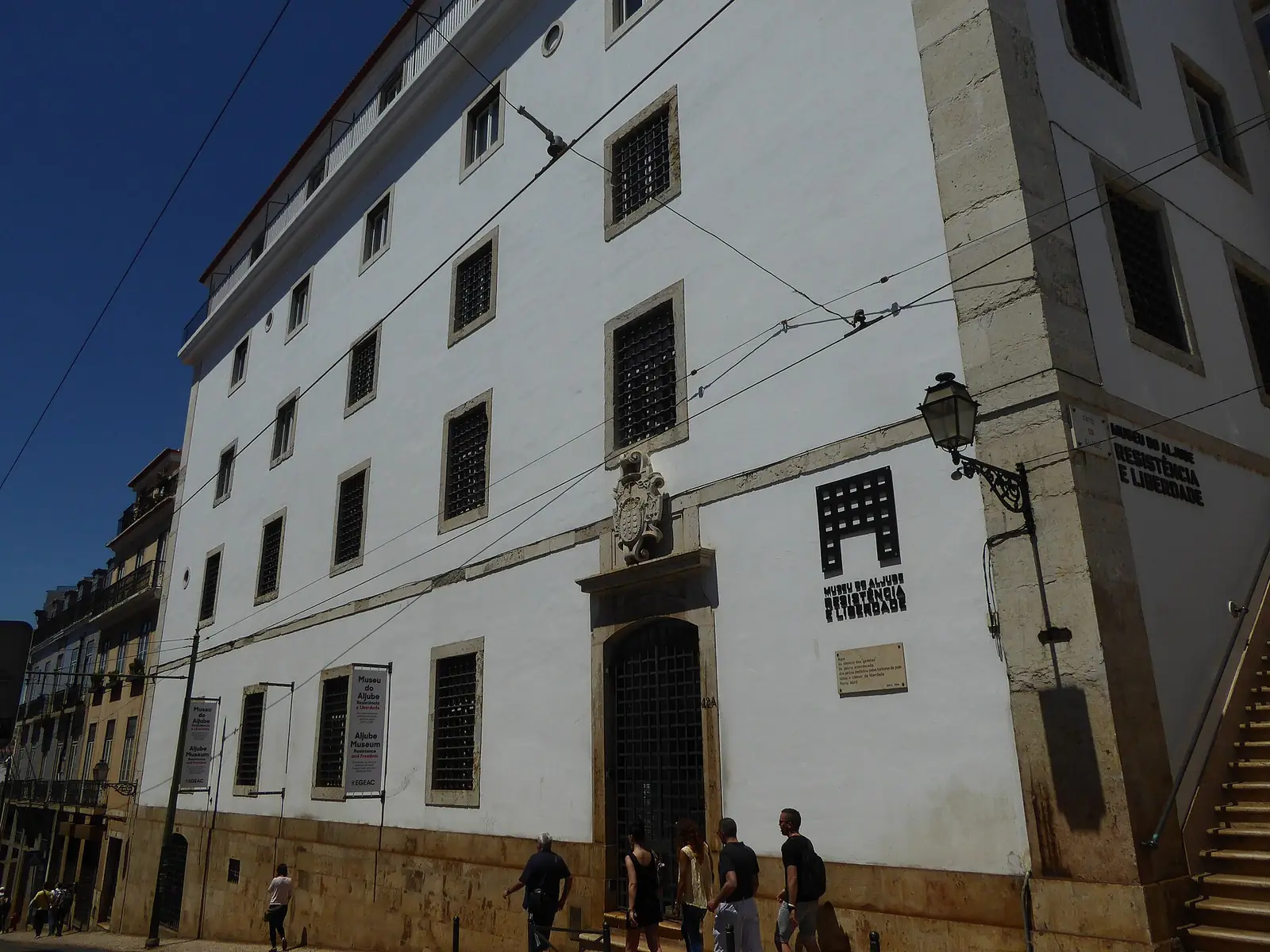
The son of primary school teachers, he was born in Porto on 25 May 1942 and studied music at the Parnaso school. In 1958 he became involved in the campaign of Humberto Delgado and, in 1961, he joined the Portuguese Communist Party and the academic struggles of Lisbon and Coimbra.1 In April 1962 he was arrested by the PIDE and held in the Aljube and in Caxias; he was released in September.1
Determined not to go to the colonial war, he deserted in 1963, against the party’s wishes, and went into exile in France.12 In Paris he lived through May 1968, sang at emigrants’ gatherings and met Sérgio Godinho and José Afonso; he made his first record, Seis Cantigas de Amigo (Six Songs of a Friend), in 1969.1 On 10 November 1970 he sang at the Mutualité, in Paris, at the concert “La Chanson de Combat Portugaise”.4 He produced José Afonso’s Cantigas do Maio (Songs of May) and in 1971 released Mudam-se os Tempos, Mudam-se as Vontades (Times Change, Wills Change).12
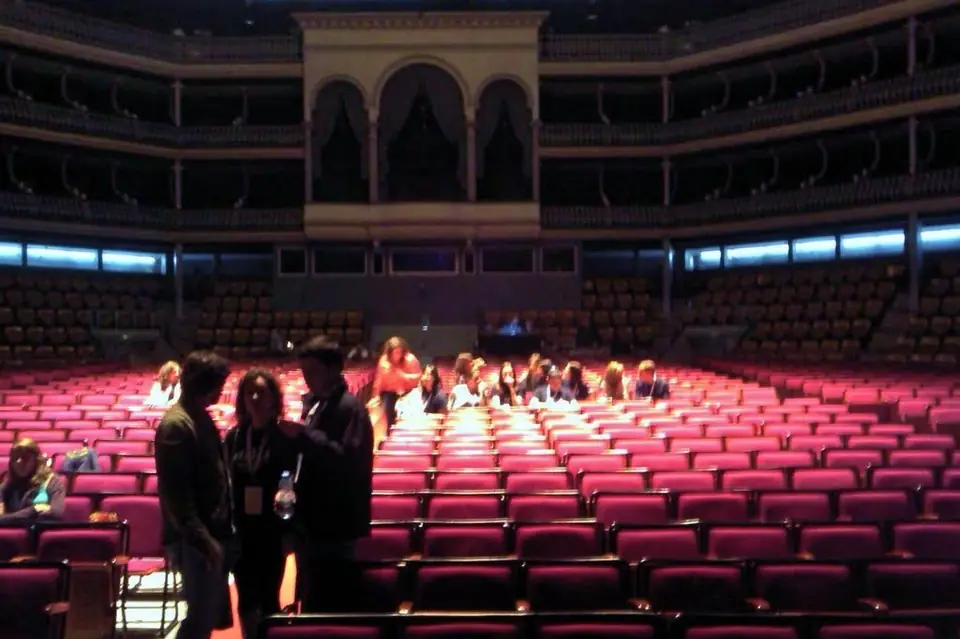
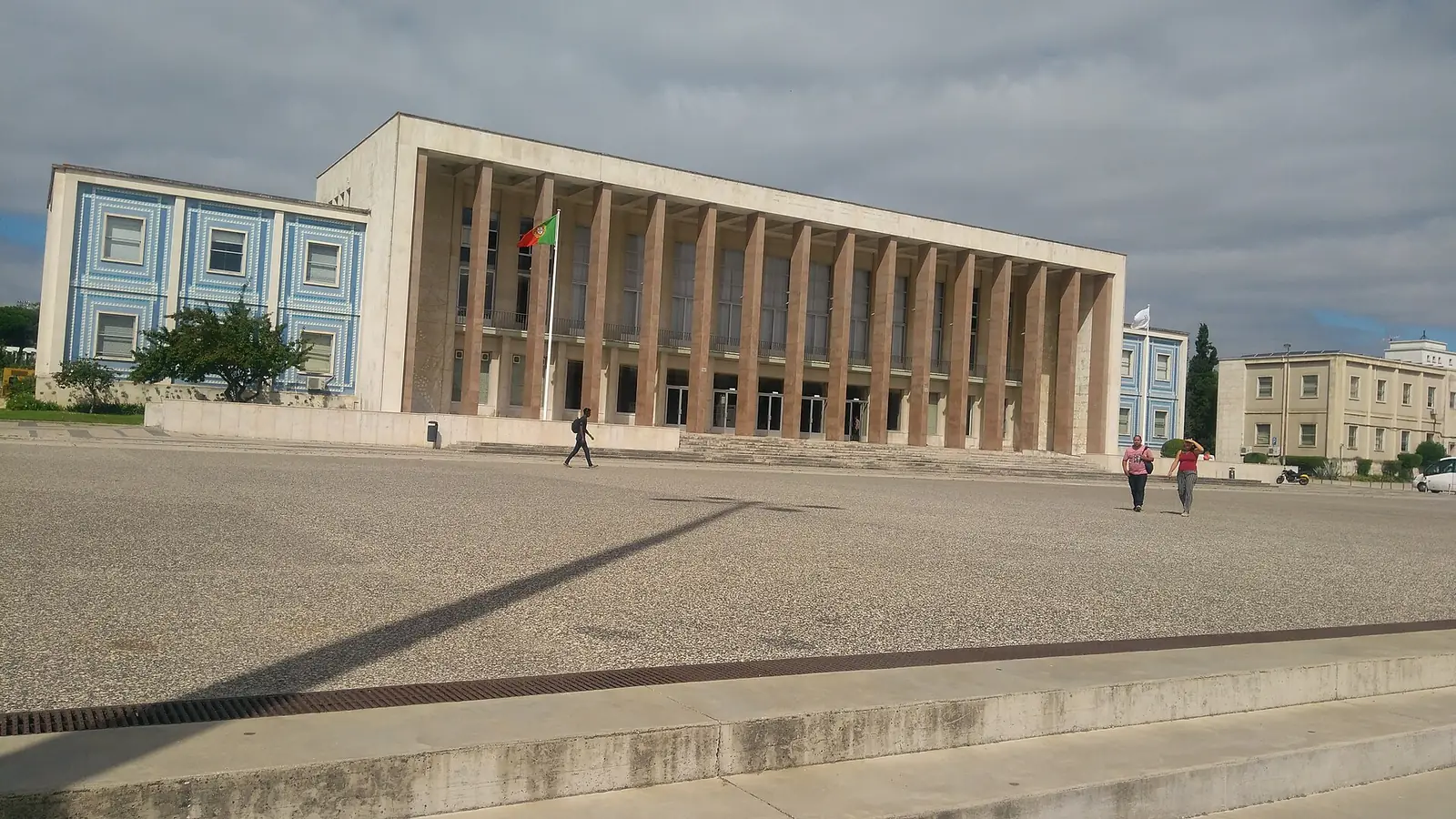
He returned on 30 April 1974, with Luís Cília. RTP filmed him at Portela airport hugging his mother, his wife and his friends and singing “Grândola” in chorus with José Afonso, Adriano Correia de Oliveira, José Jorge Letria and Ary dos Santos.5 He was one of the founders of the Cultural Action Collective, later the Cultural Action Group (GAC) – Vozes na Luta, linked to the UDP, and worked with the Comuna theatre group and with the Teatro do Mundo.1 In 1980 he sang at the Coliseu, at the 10th anniversary of the CGTP-IN trade union confederation, and in April 1982 RTP filmed him in the Aula Magna of the Rectorate, rehearsing the presentation of the record Ser Solidário (Being in Solidarity).67
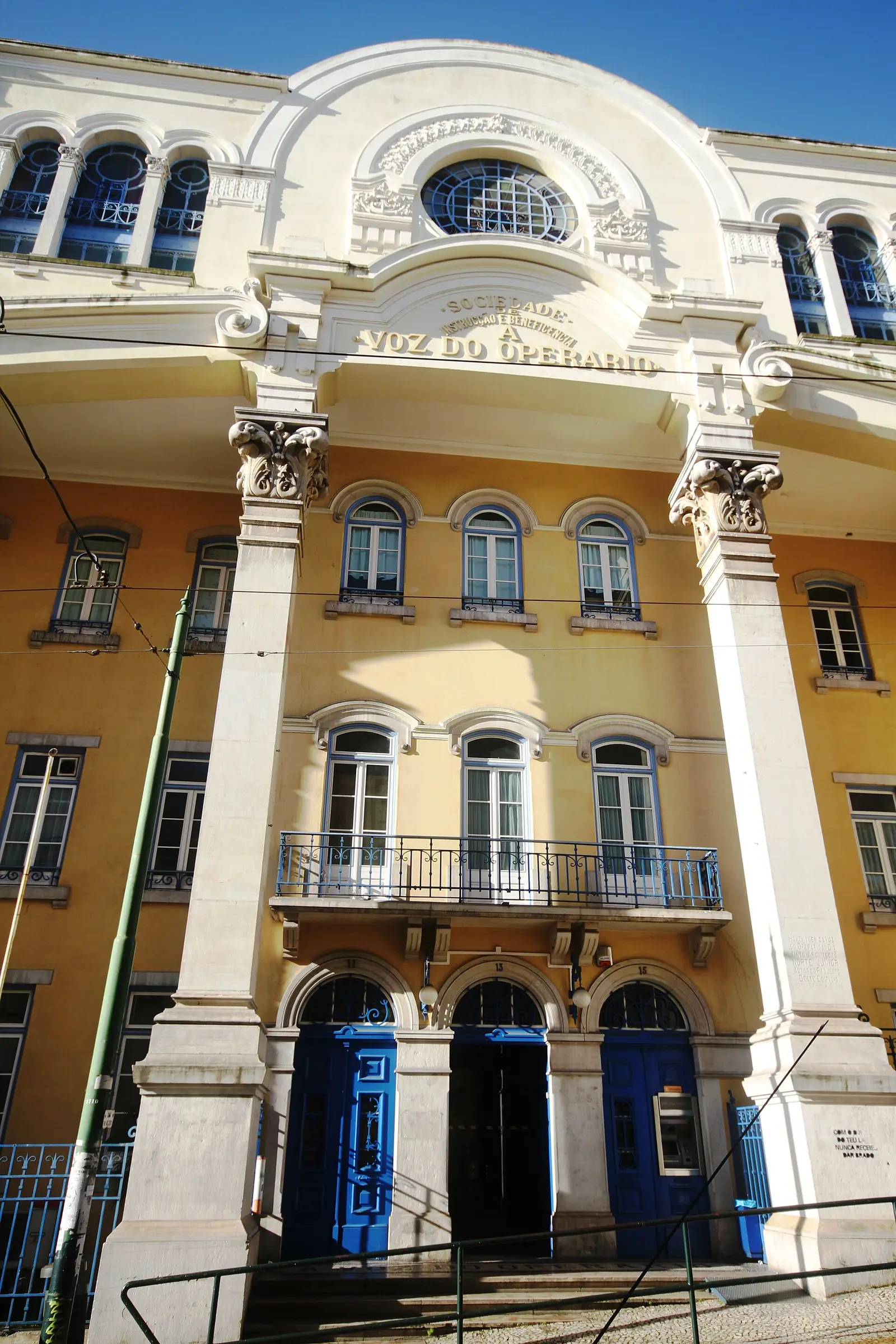
He died on 19 November 2019.1 His wake was held at A Voz do Operário, where former members of the GAC sang “A cantiga é uma arma” (The song is a weapon), and the funeral set off from there for the Alto de São João cemetery.8 The Assembly of the Republic paid tribute to him as an “artist, singer and composer, who was also an anti-fascist political fighter”.3
José Mário Branco’s testimony, recorded by the Aljube Museum on 16 May 2019, six months before he died. Going by the museum’s keywords, he talks about the Aljube prison, the PIDE and the interrogations, the students, the colonial war, exile and May 1968.
Original page Licença padrão do YouTube — embed permitido pelo canal oficial do Museu do Aljube
Museu do Aljube Resistência e Liberdade, on YouTube. The player only connects to that site when you press “Watch”.
The 1971 recording of Natália Correia’s poem set to music by José Mário Branco, from the LP “Mudam-se os Tempos, Mudam-se as Vontades” (Times Change, Wills Change), recorded in France, in exile. The track reaches YouTube through the label’s distributor, on the singer’s automatic channel.
Original page Licença padrão do YouTube — faixa entregue ao YouTube pela Parlophone Spain (℗ 1971 José Mário Branco, em licença exclusiva à Warner Music Portugal); embed permitido (oEmbed)
Warner Music Portugal (canal «José Mário Branco – Topic», do YouTube), on YouTube. The player only connects to that site when you press “Listen”.
In other archives
These can only be viewed on each archive’s own website.
10Álvaro Cunhal, revolução e ressaca. Visão (série «50 anos do 25 de Abril», Visão Biografia), 2024 — consulted on 4 October 2026A 30 de abril de 1974, pelas 13h50, o voo AF501 da Air France, vindo de Paris, aterrou na Portela com Álvaro Cunhal.
11«Ser solidário» (LP, 1982). Arquivo Musical José Mário Branco (CESEM, NOVA FCSH) — consulted on 4 October 2026Álbum duplo de 1982, editado pela Edisom, gravado de 4 de janeiro a 12 de março de 1982.