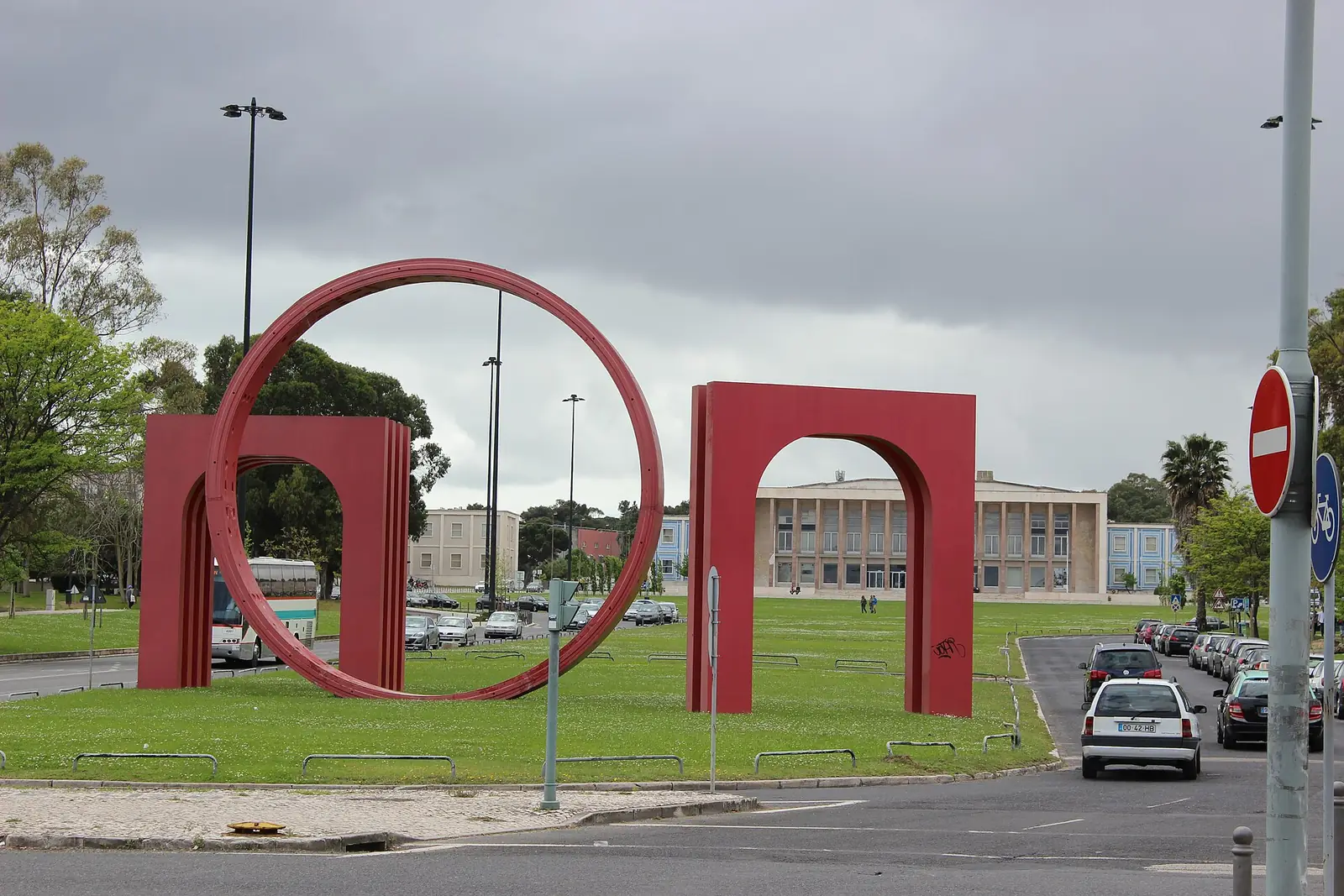
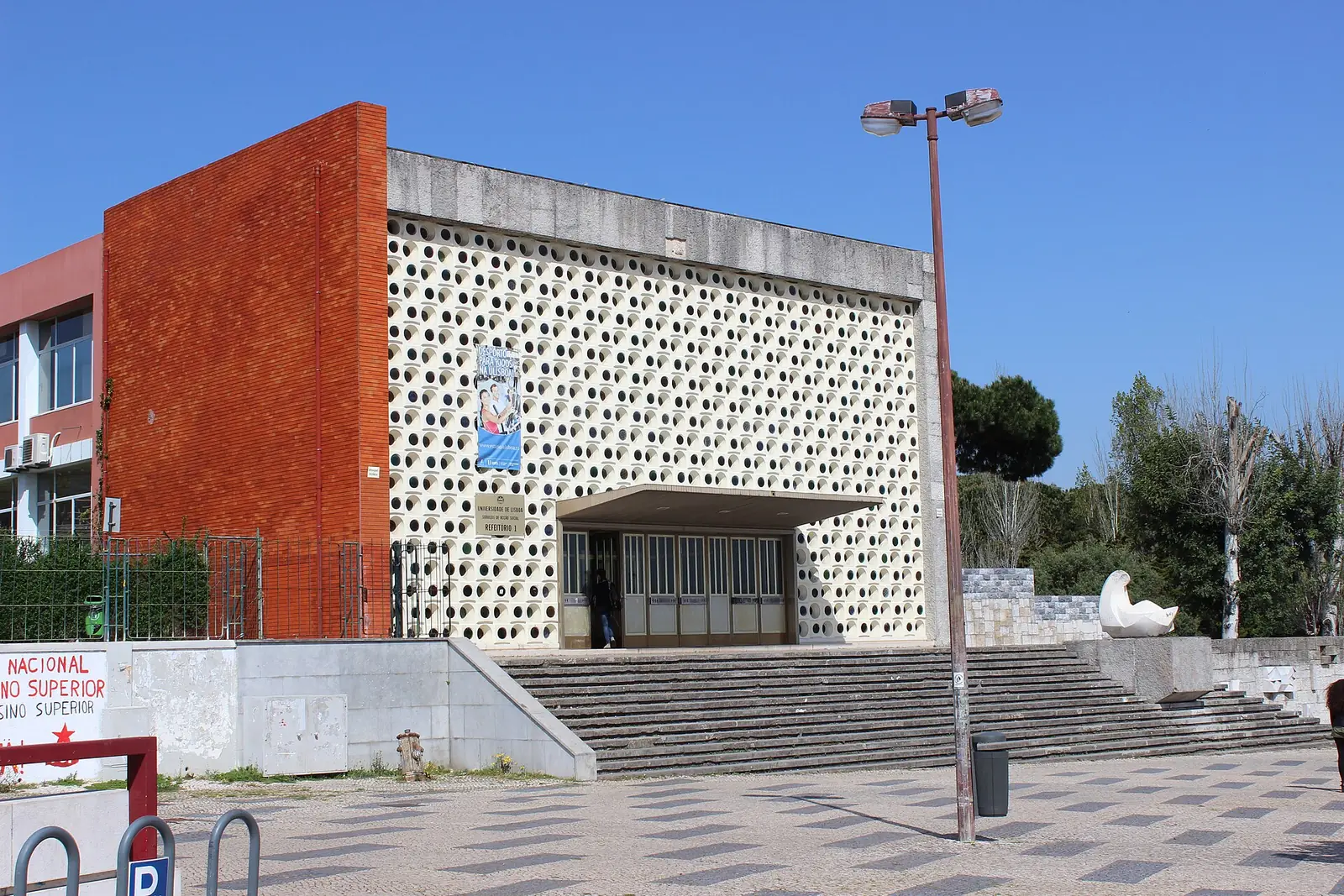
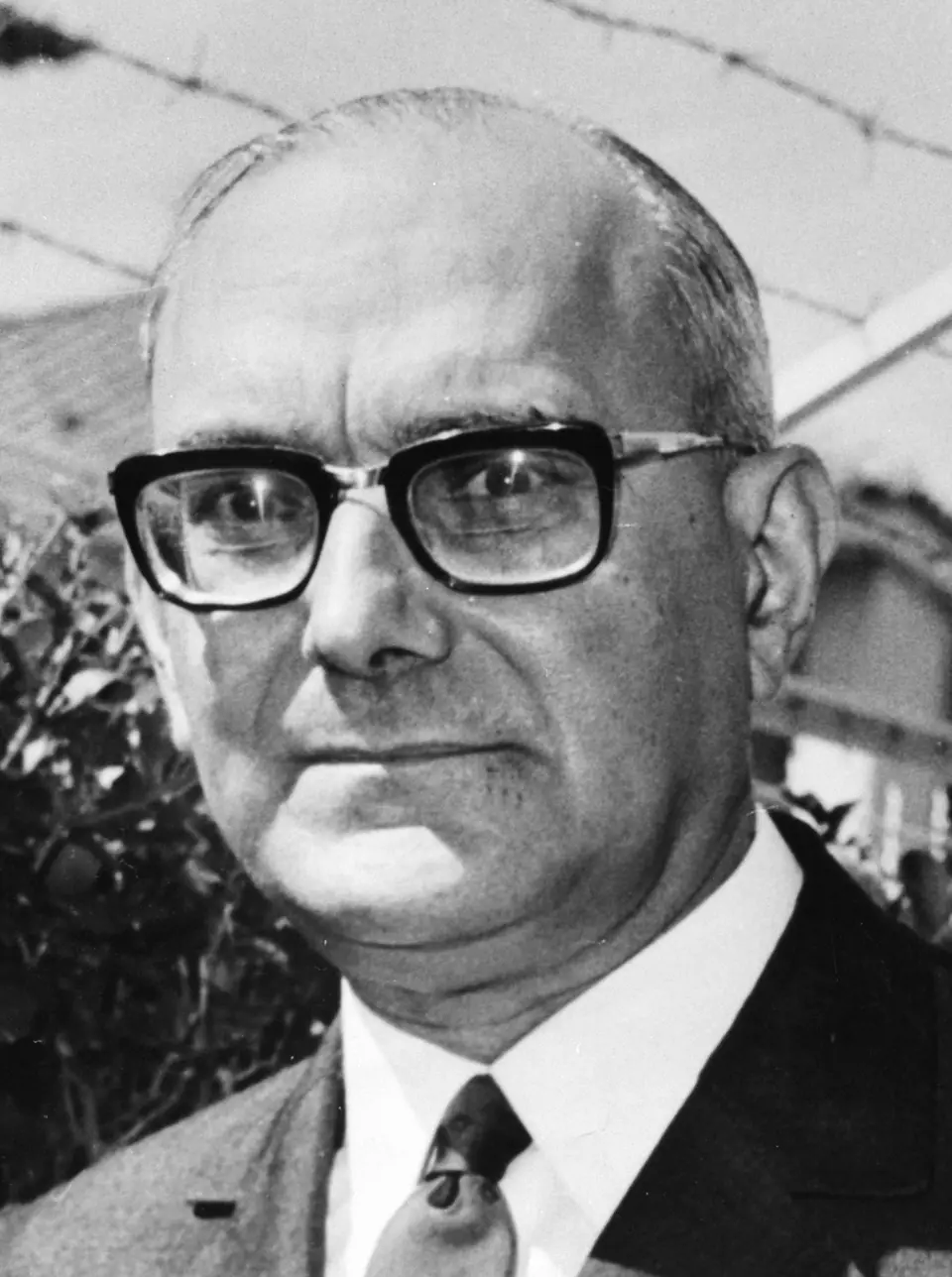
In the 1962 academic crisis, the rector was Marcelo Caetano: from the balcony of the Rectorate he defended the university’s autonomy and, when the government banned Students’ Day again, he resigned. The open ground in front filled with students’ plenary meetings.
Marcelo Caetano, a leading figure of the Estado Novo (“New State”) and a former Minister for the Colonies and Minister of the Presidency, became rector of the University of Lisbon on 20 January 1959.3 In the spring of 1962, the government banned the Students’ Day celebrations and the riot police charged the students at the University Stadium and in Campo Grande.2 The rector was greeted with applause by the students gathered at the Stadium and, later, from the balcony of the Rectorate, he spoke to them and reaffirmed that the university’s autonomy had to be respected. As an alternative to the banned celebrations, he invited them to a dinner at the Castanheira de Moura restaurant, in Lumiar — and did not turn up.1
On 26 March, the student associations of Lisbon and Coimbra declared “luto académico” (academic mourning), a strike from classes. The government backed down and agreed that Students’ Day could be celebrated on 7 and 8 April, but on 5 April it banned it again. That day, feeling his authority undermined, Marcelo Caetano tendered his resignation, and the mourning strike resumed.21 The university says that he resigned because he felt his authority had been undermined by the police response, and gives 12 April as the end of his term.3
During the three months of mourning, the open ground in front of the Rectorate was the scene of countless student gatherings.4 The open-air plenary meetings — here, in front of the faculties and in the University Stadium, in the Cidade Universitária — were something new in a gagged society, where public debate was rare: the student association leaders spoke directly to thousands of students and put decisions about the resistance to the vote.2
The day on which Marcelo Caetano spoke to the students from the balcony of the Rectorate.
Whether any woman student spoke at the plenary meetings in front of the Rectorate: the sources consulted only record Isabel do Carmo’s speech in the University Stadium.
Do you know more, or do you have a document? Tell us.
Sources5
1O Dia do Estudante. Comissão Comemorativa 50 Anos 25 de Abril — consulted on 2 October 2026