People
Adriano Correia de Oliveira
1942–1982
Adriano Maria Correia Gomes de Oliveira
A singer of the Coimbra generation that made song a weapon against the Estado Novo (“New State”). His “Trova do Vento que Passa” (Ballad of the Passing Wind), with a poem by Manuel Alegre, became a student and anti-fascist anthem. He was at the Coliseu in March 1974 and at the airport to welcome the exiles.
- Born
- 9 April 1942, Porto
- Died
- 16 October 1982, Avintes
Biography
He was born in Porto on 9 April 1942 and grew up in Avintes, Vila Nova de Gaia. In 1959 he enrolled in Law at Coimbra, where he sang in the Orfeão Académico (Academic Choir), did theatre with the CITAC and, with José Afonso and António Portugal, renewed the Coimbra song (canção de Coimbra).1
He premiered “Trova do Vento que Passa” (Ballad of the Passing Wind), a poem by Manuel Alegre set to music by António Portugal, at a party to welcome the freshers of the Lisbon Faculty of Medicine: the audience made him sing it again, and the students went out singing it in the street.12 Recorded on disc in 1963, it became an anthem of the student and anti-fascist movement.1 A PCP activist since 1960, he refused to submit new songs to the Censorship Commission: Que Nunca Mais (Never Again), ready before 25 April, only came out in 1975.1
In March 1974 he sang at the 1st Portuguese Song Meeting (I Encontro da Canção Portuguesa), at the Coliseu.34 On 30 April he was at the airport to welcome José Mário Branco and Luís Cília.5 After the revolution he sang in the MFA’s cultural dynamisation campaigns and took part in the creation of the Cultural Action Collective, in 1974, and of the Cantar Abril cooperative, in 1979; in 1980 he returned to the Coliseu for the 10th anniversary of the CGTP-IN trade union confederation.1
He died in Avintes on 16 October 1982, aged 40.16 In 1983 he was posthumously made a Commander of the Order of Liberty; since 2009 he has had a street in Lisbon, in the Avenidas Novas.1
Places


Dates
29 Mar 1974
The 1st Portuguese Song Meeting at the Coliseu30 Apr 1974
José Mário Branco and Luís Cília arrive from exile and are welcomed with “Grândola”May 1974
The 1st Free Popular Song Meeting, in Porto18 Oct 1980
“Os 10 Magníficos” (The Magnificent Ten) at the Coliseu, for the ten years of the CGTP-IN16 Oct 1982
Adriano Correia de Oliveira dies
People
They crossed paths with him
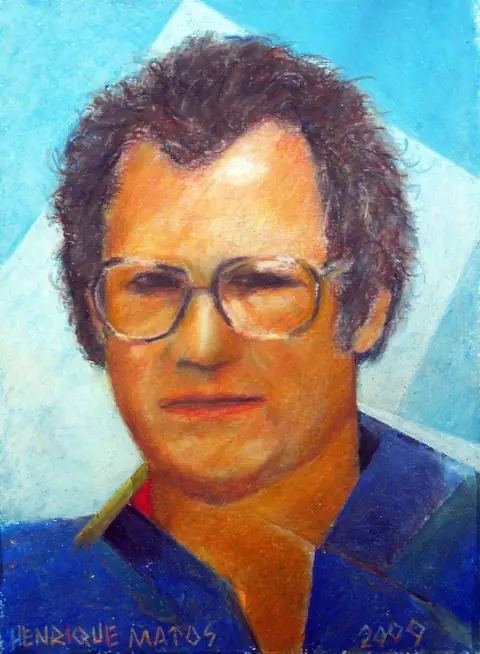
José Afonso (Zeca Afonso)
1929–1987 · singer and composer
José Mário Branco
1942–2019 · singer and composer
Francisco Fanhais
b. 1941 · singer
Luís Cília
b. 1943 · singer and composer
Manuel Freire
b. 1942 · singer
Luísa Basto
b. 1947 · singer

Videos
A Lisbon City Council report on the streets in Entrecampos named after Adriano Correia de Oliveira, Mário Cesariny and Francisco Lyon de Castro, where murals were also painted. Adriano’s street, in the Avenidas Novas, had been named by an edict of 2009.
Original page Licença padrão do YouTube — embed permitido pelo canal oficial da Câmara Municipal de Lisboa
Câmara Municipal de Lisboa, on YouTube. The player only connects to that site when you press “Watch”.
In other archives
These can only be viewed on each archive’s own website.
- RTP Arquivos · Video · broadcast on 30 April 1974 · 10 minRegresso de José Mário BrancoA Noticiário Nacional (National News) report on the arrival of José Mário Branco and Luís Cília at Portela airport, back from exile in France. José Mário Branco hugs his mother, his wife and his friends, José Afonso talks about 25 April and those present, among them José Jorge Letria and Ary dos Santos, sing “Grândola” in chorus.Open in the archive
- RTP Arquivos · Video · broadcast on 6 May 1974 · 32 min1.º Encontro Livre da Canção Popular no PortoA report from the Pavilhão dos Desportos (Sports Pavilion) in Porto, where José Mário Branco reads the communiqué of the Cultural Action Collective and the singers join José Afonso in “Grândola”. Luís Cília, Fausto, Adriano Correia de Oliveira, Francisco Fanhais, Manuel Freire and José Jorge Letria also sing, and José Afonso sings “Venham Mais Cinco” (Let five more come).Open in the archive
- RTP Arquivos · Video · broadcast on 16 October 2002 · 2 min20.º aniversário da morte de Adriano Correia de OliveiraA Telejornal news item on the twentieth anniversary of the death of Adriano Correia de Oliveira, with archive footage of the singer singing “Trova do Vento que Passa” (Ballad of the Passing Wind) alongside Manuel Alegre. The poet says he was the first to receive the record with the song.Open in the archive
Sources10
- 1António Adriano (textos), Adriano Correia de Oliveira, músico, 1942-1982. Câmara Municipal de Lisboa — Comissão Municipal de Toponímia, 2016 — consulted on 3 October 2026
- 2Jorge Mangorrinha, #4 «Trova do vento que passa» (Manuel Alegre / António Portugal), Adriano Correia de Oliveira, 1964 — série «50 canções a chamar Abril». Diário de Notícias, 2024 — consulted on 3 October 2026
- 3Canção Intervenção, 28/03/1974 (cronologia). Associação 25 de Abril — consulted on 2 October 2026
- 4Pedro Tadeu, «Fascistas! Fascistas!» gritaram cinco mil pessoas no Coliseu, no mês antes de Abril. Mensagem de Lisboa, 2024 — consulted on 3 October 2026
- 5Regresso de José Mário Branco (Noticiário Nacional, 30 de abril de 1974). RTP Arquivos — consulted on 3 October 2026
- 6Adriano Correia de Oliveira. Wikipédia — consulted on 3 October 2026
- 720.º aniversário da morte de Adriano Correia de Oliveira (Telejornal, 16 de outubro de 2002). RTP Arquivos — consulted on 3 October 2026
- 8Morte de Adriano Correia de Oliveira (efeméride). e-cultura, Centro Nacional de Cultura — consulted on 4 October 2026«A 16 de outubro de 1982, morre o músico e intérprete Adriano Correia de Oliveira» (Porto, 9-4-1942 – Avintes, 16-10-1982).
- 9Trova do vento que passa. Memória Comum — consulted on 4 October 2026Balada de Manuel Alegre e António Portugal, «cantada, em 1963, por Adriano Correia de Oliveira».
- 10Adriano Correia de Oliveira. Meloteca — consulted on 4 October 2026Discografia — «Trova do vento que Passa» (EP, 1963), Orfeu, ATEP 6097.