Penha de França
Portuguese Legion Command
On 25 April 1974 the general command of the Portuguese Legion — the regime’s militia, created in 1936, with a network of informers and shock troops — stood in Largo da Penha de França. Surrounded by Major Jaime Neves’s column, it surrendered without incident.
History
The Portuguese Legion was created in 1936, on the model of German and Italian fascist movements. It brought together the most radical elements of the Portuguese right and, as early as the following year, took the army’s place in the 28 May parade. In the last years of the regime, it had an intelligence service with a complex network of informers and acted as shock troops, playing a prominent part in arresting demonstrators and raiding institutions linked to the opposition.3 In the provinces, prior censorship often worked out of the premises of public bodies such as the Legion, barracks or town halls.4 Before he became the “Fearless General” (general sem medo), Humberto Delgado held senior posts in it: as one of its leaders, he visited Spain during the civil war, at the invitation of the Falangists.5
On 25 April 1974, the Legion’s general command was here, in Largo da Penha de França.1 Late in the morning, the MFA Command Post sent a column from the Cavalry Practical School, reinforced by soldiers from other units that had joined the Movement, to secure its surrender. At around 13:30, Major Jaime Neves’s column took up positions on Rua da Penha de França and Calçada do Poço dos Mouros and gave fifteen minutes for the surrender. Before the time was up, the commander, General Pereira de Castro, surrendered, and the Movement’s forces entered the barracks: “Morocco occupied without incident”.7 A few days later, the MFA dismantled the Legion, with strong popular support.3
Twenty-five years later, in an RTP programme by Diana Andringa, Commander Sá Leal, who had chaired the committee that wound it up, spoke of the information gathered on nearly a million people — “a large part of that information was dangerously bad” — and summed up: “The Legion was not a paper tiger, because it still roared and could still do some harm”.3
Where
Map showing where Portuguese Legion Command is.
Open on the map of Lisbon Walk there
Nearby
Espírito Santo family home — seat of the Centre for African Studies
580 m · 9 min on foot
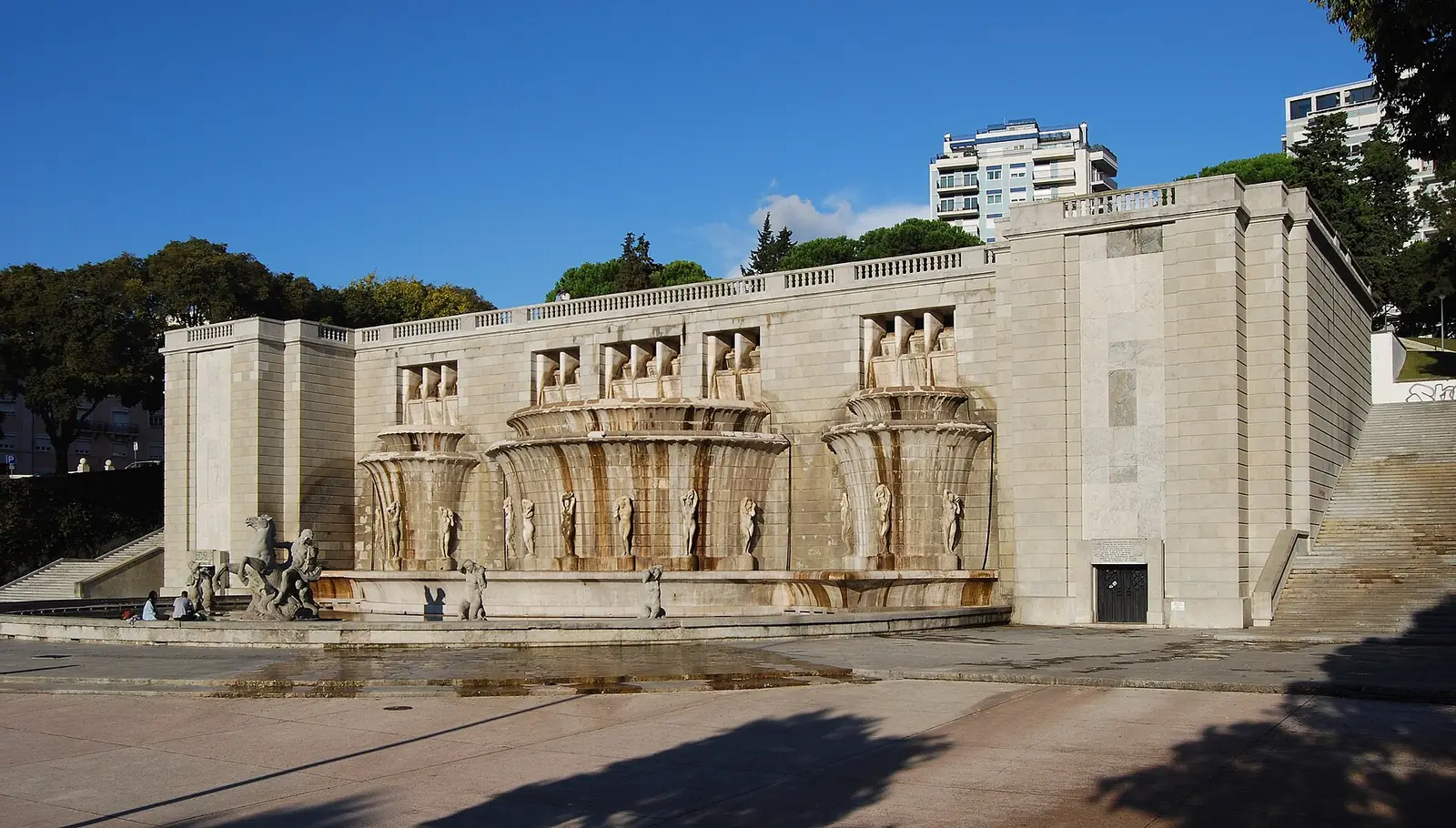
Alameda D. Afonso Henriques and the Fonte Luminosa
800 m · 10 min on foot
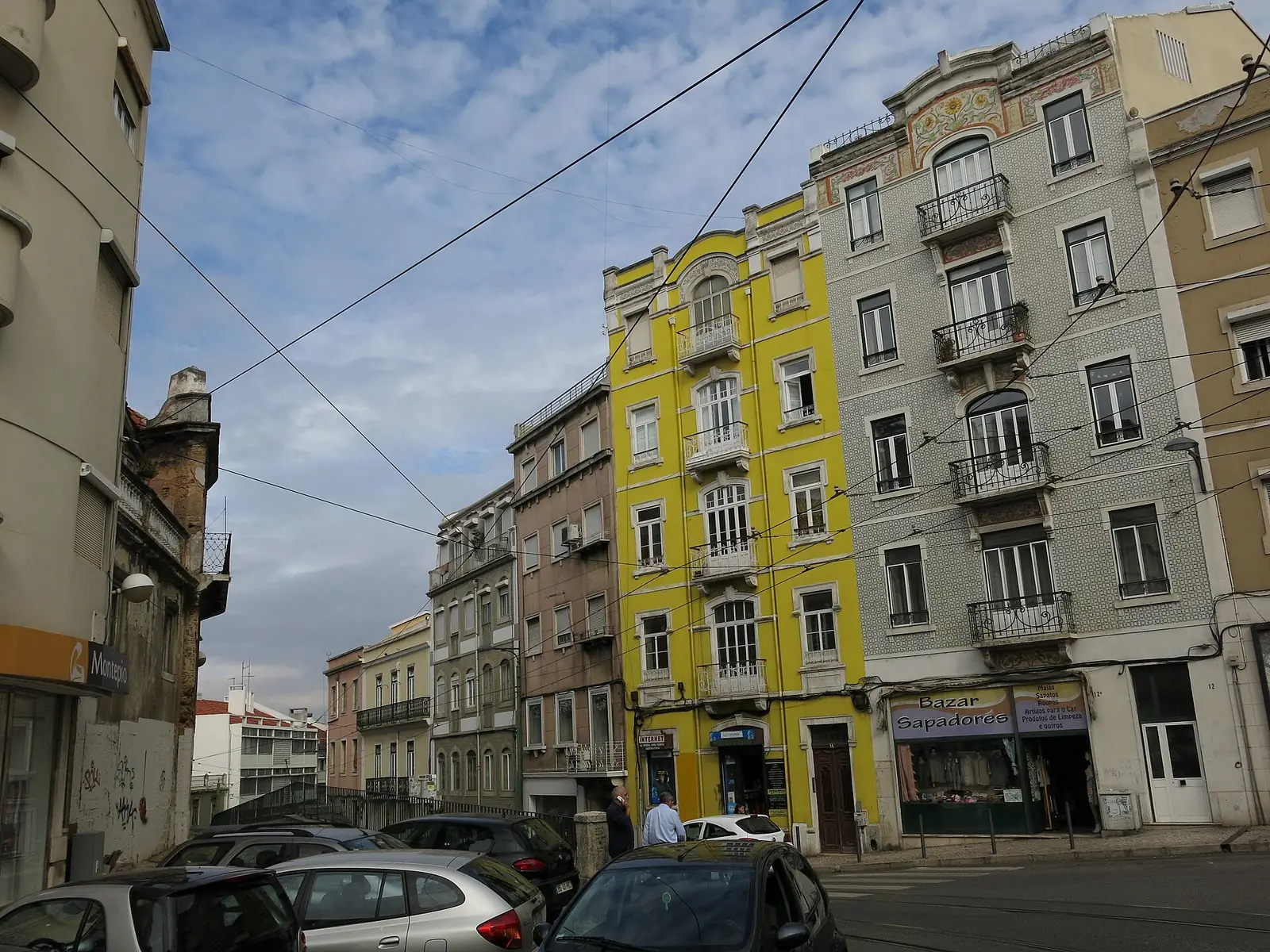
Rua Angelina Vidal
870 m · 15 min on foot


People


.jpg)
Dates
1936
The Portuguese Legion is created.
25 April 1974, 13:30
Jaime Neves’s column surrounds the command and gives fifteen minutes for the surrender; General Pereira de Castro surrenders.
Notes on the sources3
- The time: surrender at around 13:30 (“Movimentações do dia 25 de Abril”, 25 April Association) or occupation “at around 14:00” (the “Lugares de Abril” page, from the same association).
- The exact building of the command in Largo da Penha de França, and what is there today; the point on the map is approximate.
- Since when the Legion’s general command was in Penha de França.
Do you know more, or do you have a document? Tell us.
Sources7
- 1Comando da Legião Portuguesa (Locais de Abril). Associação 25 de Abril — consulted on 2 October 2026
- 2O golpe militar de 25 de Abril de 1974. Uma cronologia (Abílio Pires Lousada e Humberto Nuno de Oliveira), Revista Portuguesa de História Militar, IV, n.º 6. Comissão Portuguesa de História Militar / Ministério da Defesa (jun. 2024) — consulted on 2 October 2026
- 3Acabou-se a Legião. RTP Ensina — consulted on 2 October 2026
- 4Os censores do 25 de Abril: o pessoal político da censura à imprensa (Joaquim Cardoso Gomes). Media & Jornalismo, CIMJ / FCSH-UNL — consulted on 2 October 2026
- 5Humberto da Silva Delgado (biografia). Museu do Aljube Resistência e Liberdade — consulted on 2 October 2026
- 6Nominatim – OpenStreetMap (geocodificação). OpenStreetMap contributors (ODbL) — consulted on 2 October 2026
- 7Movimentações do dia 25 de Abril. Associação 25 de Abril — consulted on 2 October 2026
Coordinates: OpenStreetMap (Nominatim), consultado a 2 de outubro de 2026.