Santa Maria Maior
Palácio da Independência – headquarters of the Portuguese Youth (Mocidade Portuguesa)
In the palace where the uprising of 1 December 1640 was planned, the Estado Novo set up the headquarters of the Portuguese Youth (Mocidade Portuguesa), the regime’s youth organisation. Abolished on 25 April 1974 itself, it made way for the Association of the Disabled of the Armed Forces.
History
The palace of the Counts of Almada, in Largo de São Domingos, next to the Rossio, is a national monument. It is called the Palace of Independence or of the Restoration because it was in this house that D. Antão de Almada and the conspirators planned the uprising of 1 December 1640.2
A decree of 30 May 1939 authorised the purchase of the palace, to house the headquarters of the Portuguese Youth (Mocidade Portuguesa), the Museum of the Restoration and the Historical Society of the Independence of Portugal; on 24 November 1940 it passed into the care of the Historical Society. Until 1974 the Portuguese Youth, its League of Former Graduates and other associations of the Estado Novo (“New State”) had their headquarters here.2 The Portuguese Youth and the Women’s Portuguese Youth (Mocidade Portuguesa Feminina) had been created, according to the decree that abolished them in 1974, by a law of 11 April 1936.5 Humberto Delgado held senior posts in the Mocidade, as he did in the Portuguese Legion; from the 1940s he gradually drew away from the regime until, in 1958, he emerged as “the Fearless General” (o general sem medo).3
On 25 April 1974 itself, the National Salvation Junta’s Decree-Law no. 171/74 abolished the Portuguese Youth and the Women’s Portuguese Youth, along with the DGS and the Portuguese Legion.5 The palace was then occupied, at the insistence of the Armed Forces Movement, to house the Association of the Disabled of the Armed Forces. Only in 1983 did it return in full to the Historical Society, and the association stayed on here, in part, until 1993.2
Where
Map showing where Palácio da Independência – headquarters of the Portuguese Youth (Mocidade Portuguesa) is.
Open on the map of Lisbon Walk there
Nearby
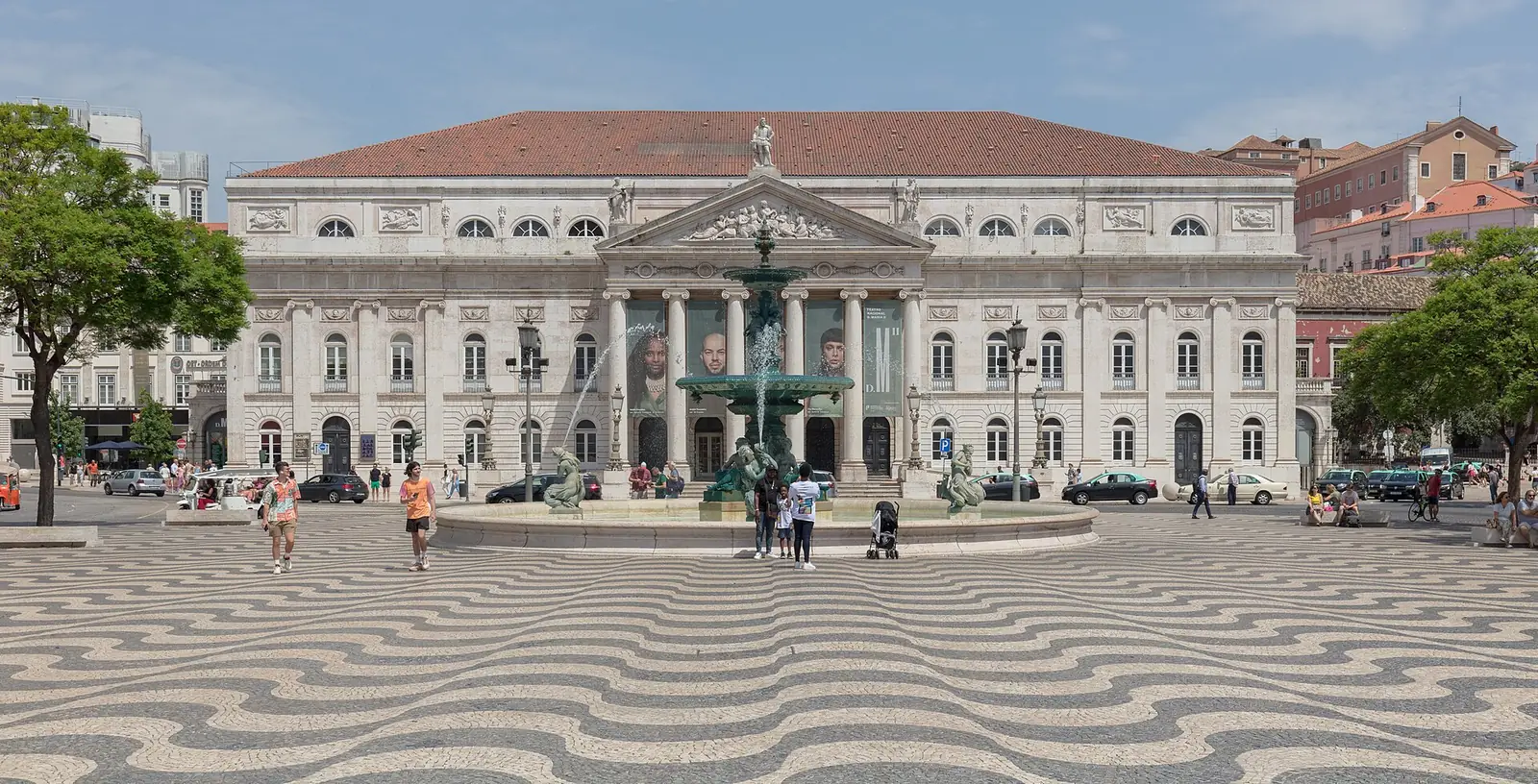
D. Maria II National Theatre
80 m · 1 min on foot
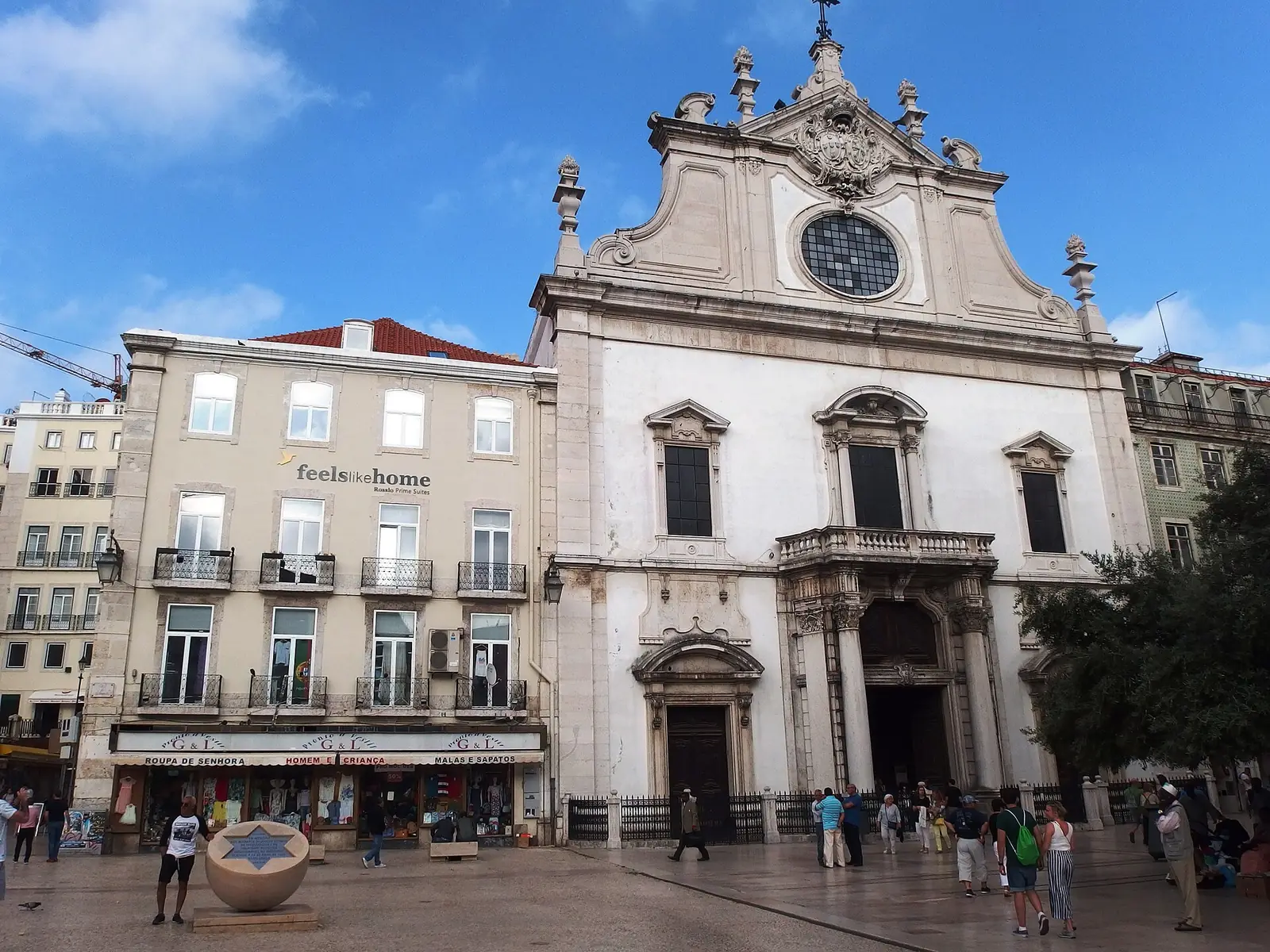
Church of São Domingos
100 m · 2 min on foot
Café Gelo
140 m · 2 min on foot
Café Chave d'Ouro
170 m · 3 min on foot


.jpg)
Dates
30 May 1939
A decree authorises the purchase of the palace, to house, among others, the headquarters of the Portuguese Youth.
24 November 1940
The palace passes into the care of the Historical Society of the Independence of Portugal.
25 April 1974
Decree-Law no. 171/74 abolishes the Portuguese Youth and the Women’s Portuguese Youth.
1983
The palace returns in full to the Historical Society.
11 Apr 1936
Law No. 1941 creates the Portuguese Youth (Mocidade Portuguesa)
Videos
In other archives
These can only be viewed on each archive’s own website.
Notes on the sources3
- A ocupação do palácio pela Associação dos Deficientes das Forças Armadas depois do 25 de Abril, e a Liga dos Antigos Graduados, só foram lidas na Wikipédia; a Sociedade Histórica confirma a compra (1939), a entrega (1940), a sede da Mocidade Portuguesa (1940), a cedência total (1983) e a saída da ADFA (1993). Falta ler o inventário do SIPA (monumentos.gov.pt, n.º 5257), que não abriu.
- Um decreto de 5 de junho de 1939 (citado pela Wikipédia) mandou entregar o palácio ao Estado «sem outro fim»; a Sociedade Histórica dá a Mocidade Portuguesa aqui instalada em 1940, sem citar diploma.
- Se a Mocidade Portuguesa Feminina teve instalações no palácio: o seu Comissariado Nacional estava, nos anos do boletim (1939-1947), na Praça do Marquês de Pombal, n.º 8 (Hemeroteca Municipal de Lisboa).
Do you know more, or do you have a document? Tell us.
Sources8
- 1Decreto n.º 28 262, de 8 de dezembro de 1937 (Diário do Governo, I série, n.º 285): aprova o regulamento da Mocidade Portuguesa Feminina. Diário do Governo (Imprensa Nacional), no Diário da República Eletrónico, 1937 — consulted on 4 October 2026Aprova o regulamento da MPF, «secção feminina da organização nacional Mocidade Portuguesa», a cargo da Obra das Mães pela Educação Nacional; é um decreto, não um decreto-lei.
- 2Palácio da Independência. Wikipédia (ponto de partida) — consulted on 2 October 2026
- 3Humberto da Silva Delgado (biografia). Museu do Aljube Resistência e Liberdade — consulted on 2 October 2026
- 4Nominatim – OpenStreetMap (geocodificação). OpenStreetMap contributors (ODbL) — consulted on 2 October 2026
- 5Legislação 25A – Extinção da DGS, LP e MP (Dec.-Lei 171/74 de 25 de Abril). Centro de Documentação 25 de Abril, Universidade de Coimbra — consulted on 2 October 2026
- 6Helena Roldão, Mocidade Portuguesa Feminina: boletim mensal (Lisboa, 1939-1947) — ficha histórica. Hemeroteca Municipal de Lisboa, 2014 — consulted on 3 October 2026
- 7História do Palácio. Sociedade Histórica da Independência de Portugal — consulted on 4 October 2026Cronologia do palácio — Decreto-Lei n.º 29 638, de 30 de maio de 1939; entrega à Sociedade Histórica a 24 de novembro de 1940; sede da Mocidade Portuguesa desde 1940; cedência total em 1983; saída da ADFA em 1993.
- 8Comissariado Nacional da Mocidade Portuguesa Feminina (descrição do fundo do Arquivo Nacional Torre do Tombo). Associação dos Amigos da Torre do Tombo — consulted on 4 October 2026A Mocidade Portuguesa Feminina foi «criada e regulamentada» pelo Decreto-Lei n.º 28 262, de 8 de dezembro de 1937, sob a direção da Obra das Mães pela Educação Nacional.
Coordinates: OpenStreetMap (Nominatim), consultado a 2 de outubro de 2026.