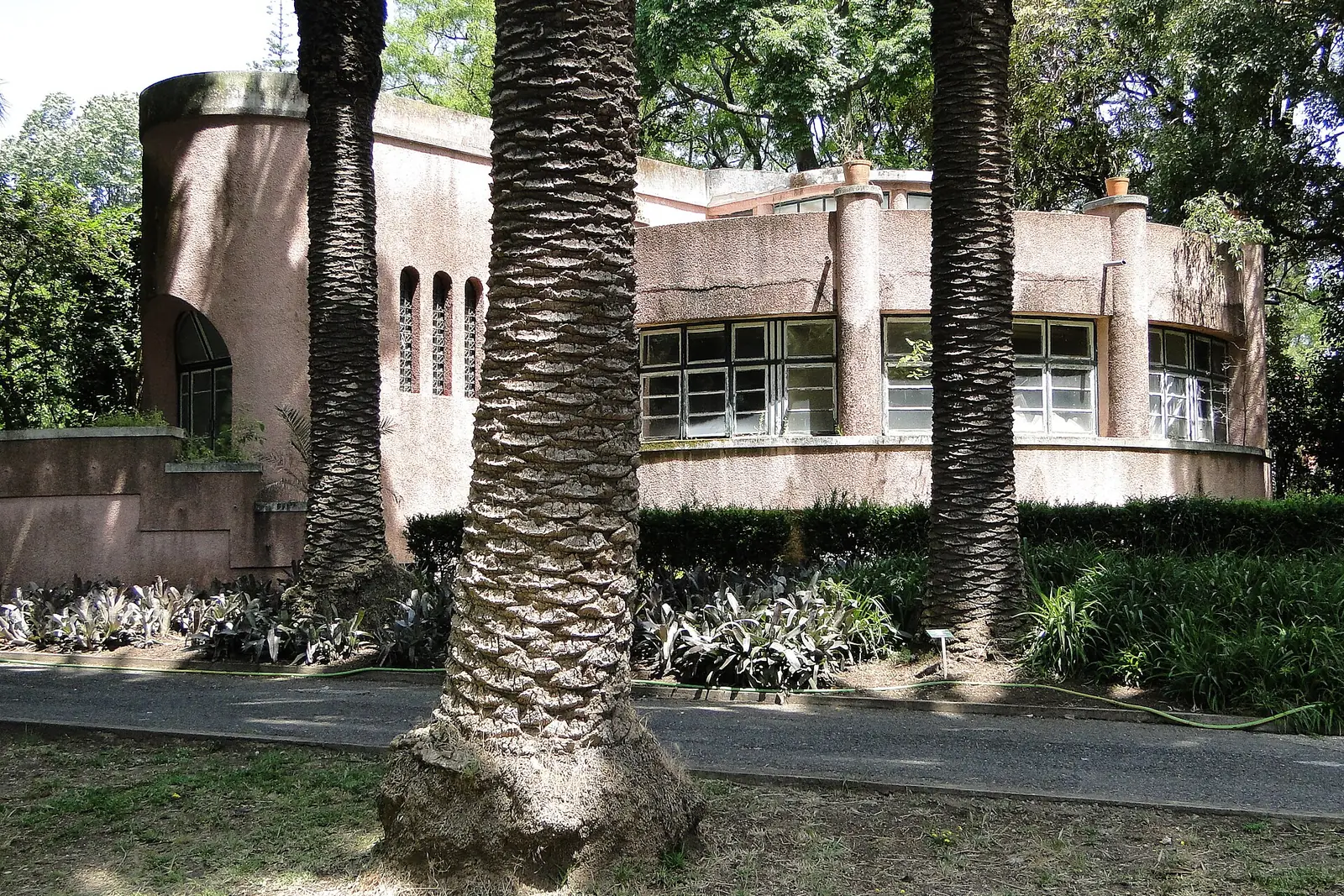
The Palácio de Belém, official residence of the President of the Republic, seen from the gardens of Praça Afonso de Albuquerque, in 2017.Dguendel, CC BY 4.0
Belém
Palácio de Belém
Here, in 1970, the first woman to be part of a government in Portugal took office. In September 1974 the palace was the stage for the tense meetings that led to Spínola’s resignation; on 25 November 1975, for President Costa Gomes’s command post.
Today: Palácio de Belém – Presidency of the Republic
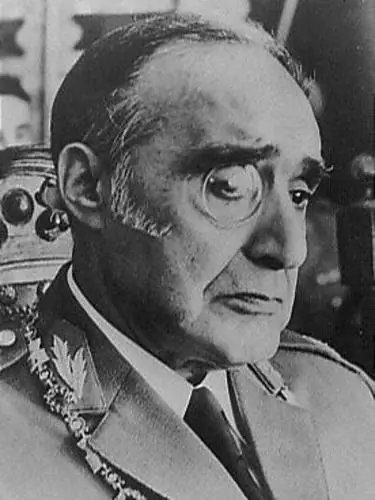
On 10 September 1974, the declaration recognising the independence of Guinea-Bissau was signed here. At the ceremony, the President of the Republic, António de Spínola, attacked the decolonisation process and appealed to the “silent majority” (maioria silenciosa).2 That was the name of the demonstration in support of the President called for 28 September, in Belém: that of the country which, according to the Commemorative Commission, rejected the revolution, socialism and the course of decolonisation.3
There followed, in the words of the official report on 28 September, “hours of extraordinary tension and emotion”. In successive meetings at the palace, Spínola tried to declare a state of siege and to dismiss the prime minister, Vasco Gonçalves, who, with Otelo Saraiva de Carvalho, was at one point apparently held at Belém. Outside, trade unions, workers’ and residents’ committees and left-wing parties were putting up barricades on the roads into Lisbon. In the end the demonstration was called off by Spínola and banned by the Armed Forces Movement (MFA), and at the appointed time it was left-wing activists who gathered in Belém. On 30 September, at a meeting of the Council of State broadcast by RTP, Spínola announced his resignation.2Costa Gomes was appointed in his place.5
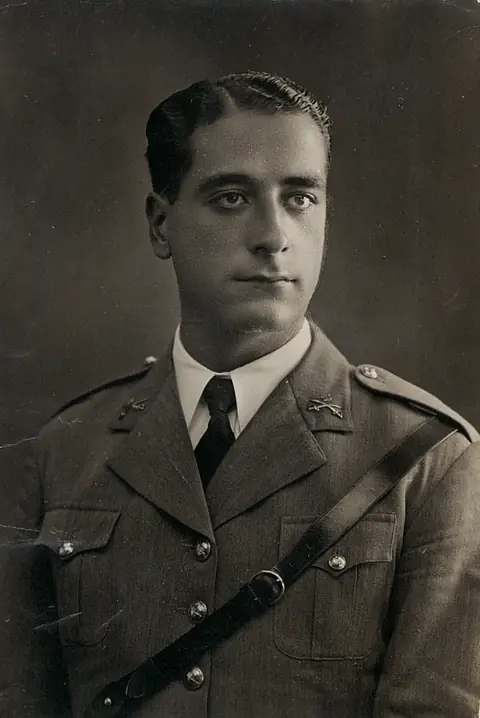
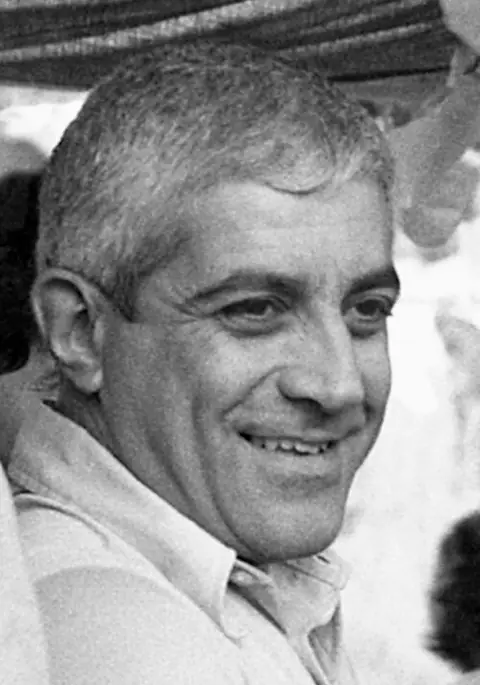
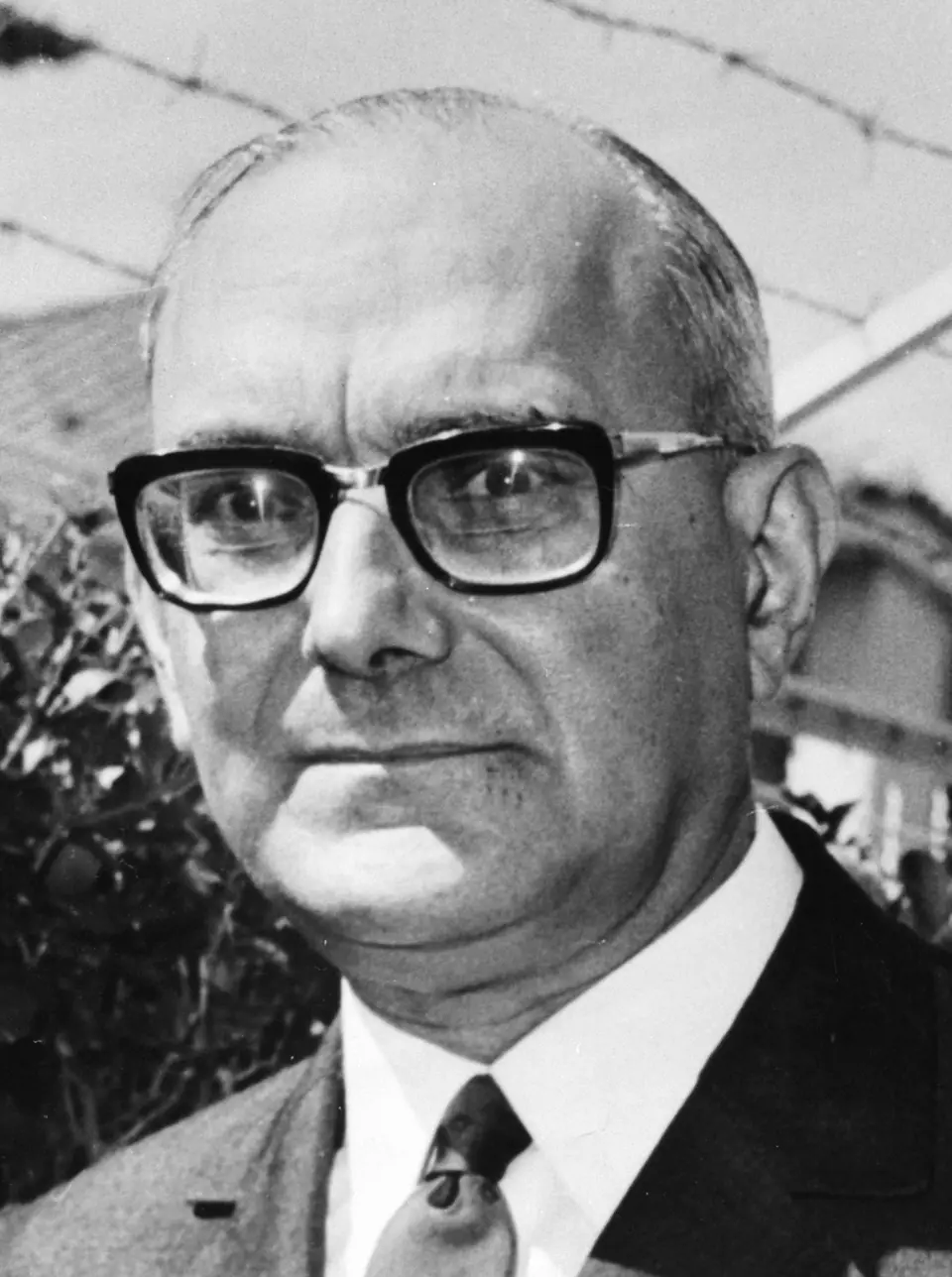
On 25 November 1975, at around 09:00, the President of the Republic, the Council of the Revolution and military commanders held an emergency meeting here, and a command post was set up in the palace, directed by Costa Gomes, assisted by Vasco Lourenço, with Ramalho Eanes as his deputy. Costa Gomes summoned Álvaro Cunhal to Belém, seeking to demobilise the activists and civilians gathered outside some of the barracks, and at 16:30 he declared a state of siege in the Lisbon region. Major Diniz de Almeida came to Belém after a telephone call from the Presidency and was arrested as soon as he arrived.4 In March, it was he who had commanded the defence of RAL 1.8
O dia da tomada de posse de Maria Teresa Cárcomo Lobo, em agosto de 1970: a nomeação foi notícia n’A Capital a 20 de agosto e o decreto saiu no Diário do Governo de 21 (Arquivo Histórico da Presidência); a notícia da RTP sobre a posse tem a data de 22 de agosto, que pode ser a da emissão e não a da cerimónia.
Do you know more, or do you have a document? Tell us.
Sources12
1Maria Teresa de Almeida Rosa Cárcomo Lobo (Os Deputados da Assembleia Nacional, 1935-1974). Assembleia da República — consulted on 4 October 2026Subsecretária de Estado da Saúde e Assistência de 21 de agosto de 1970 a 11 de julho de 1973; deputada na XI legislatura (1973-1974), pelo círculo do Estado da Índia, presidente da comissão de Saúde, Trabalho, Previdência e Assistência.
228 de Setembro. Comissão Comemorativa 50 Anos 25 de Abril — consulted on 2 October 2026
425 de Novembro de 1975. Comissão Comemorativa 50 Anos 25 de Abril — consulted on 2 October 2026
5Do 25 de Abril de 74 ao 11 de Março de 75. RTP – Memórias da Revolução (textos de Aniceto Afonso, Carlos Matos Gomes e Maria Inácia Rezola) — consulted on 2 October 2026
11Tomada de posse de Maria Teresa Cárcomo Lobo. RTP Arquivos (Noticiário Nacional de 1970), 1970 — consulted on 4 October 2026Notícia com a data de 22 de agosto de 1970; a posse foi no Palácio de Belém, na Sala do Conselho de Estado.
12Histórias secretas do Palácio de Belém. Diário de Notícias, 2011 — consulted on 4 October 2026Spínola leu o discurso de renúncia na Sala do Conselho de Estado do Palácio de Belém, a 30 de setembro de 1974.
Coordinates: OpenStreetMap (Nominatim), consultado a 2 de outubro de 2026.