Espírito Santo family home — seat of the Centre for African Studies
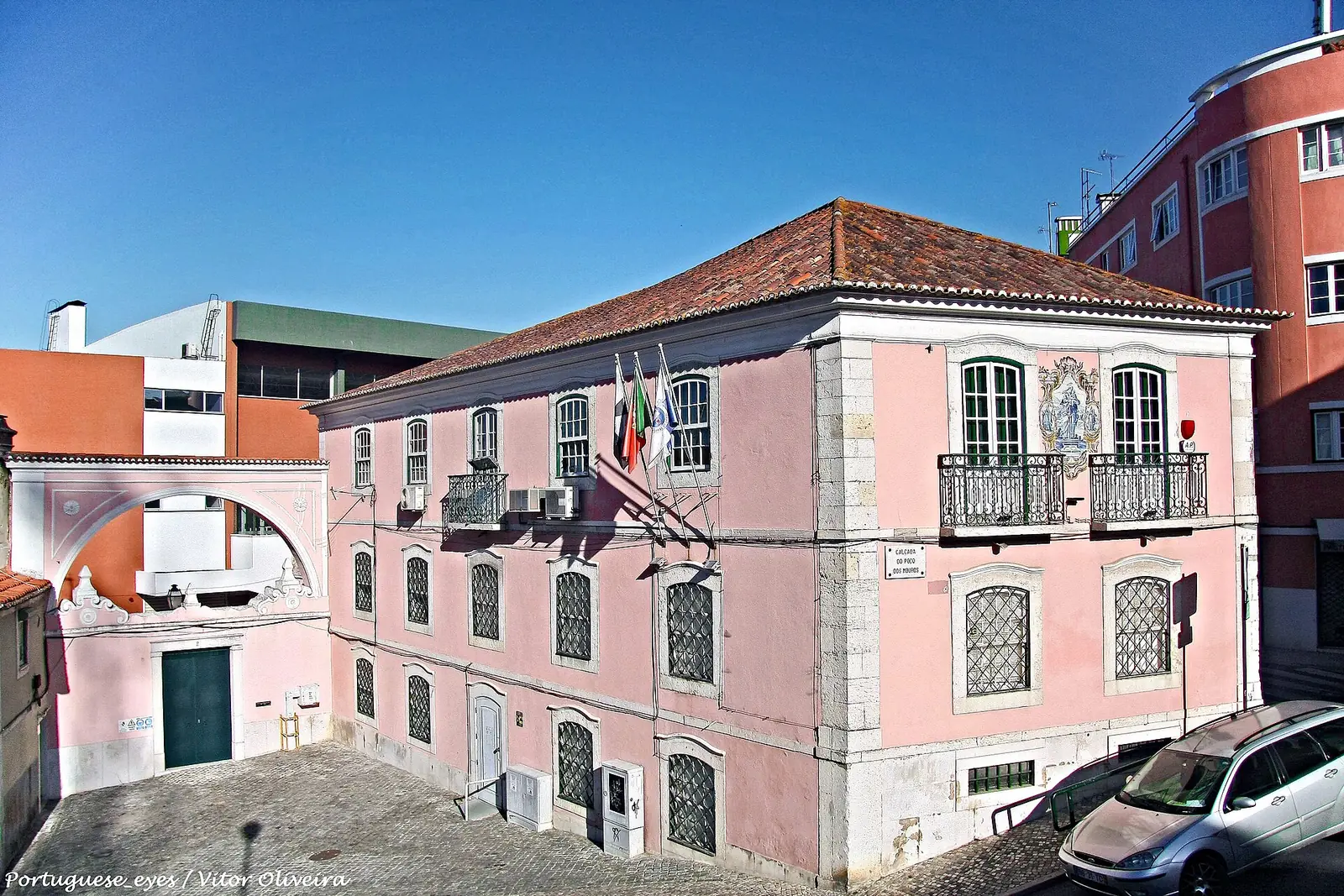
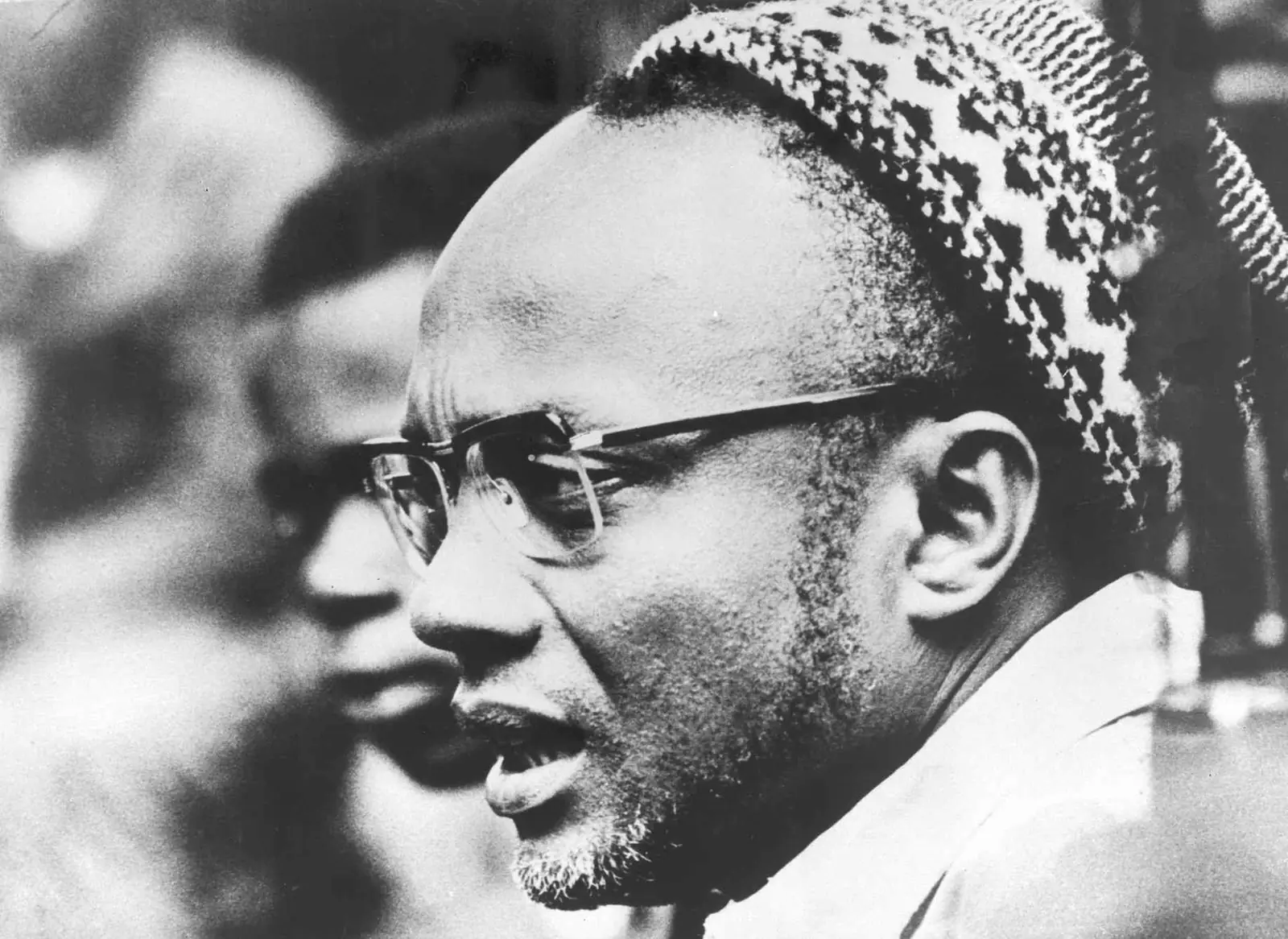
In 1951 the Centre for African Studies was set up in the house where the São Toméan poet Alda do Espírito Santo lived: Amílcar Cabral, Mário Pinto de Andrade, Francisco José Tenreiro and others met here to “get to know Africa”, away from the eyes of the PIDE.
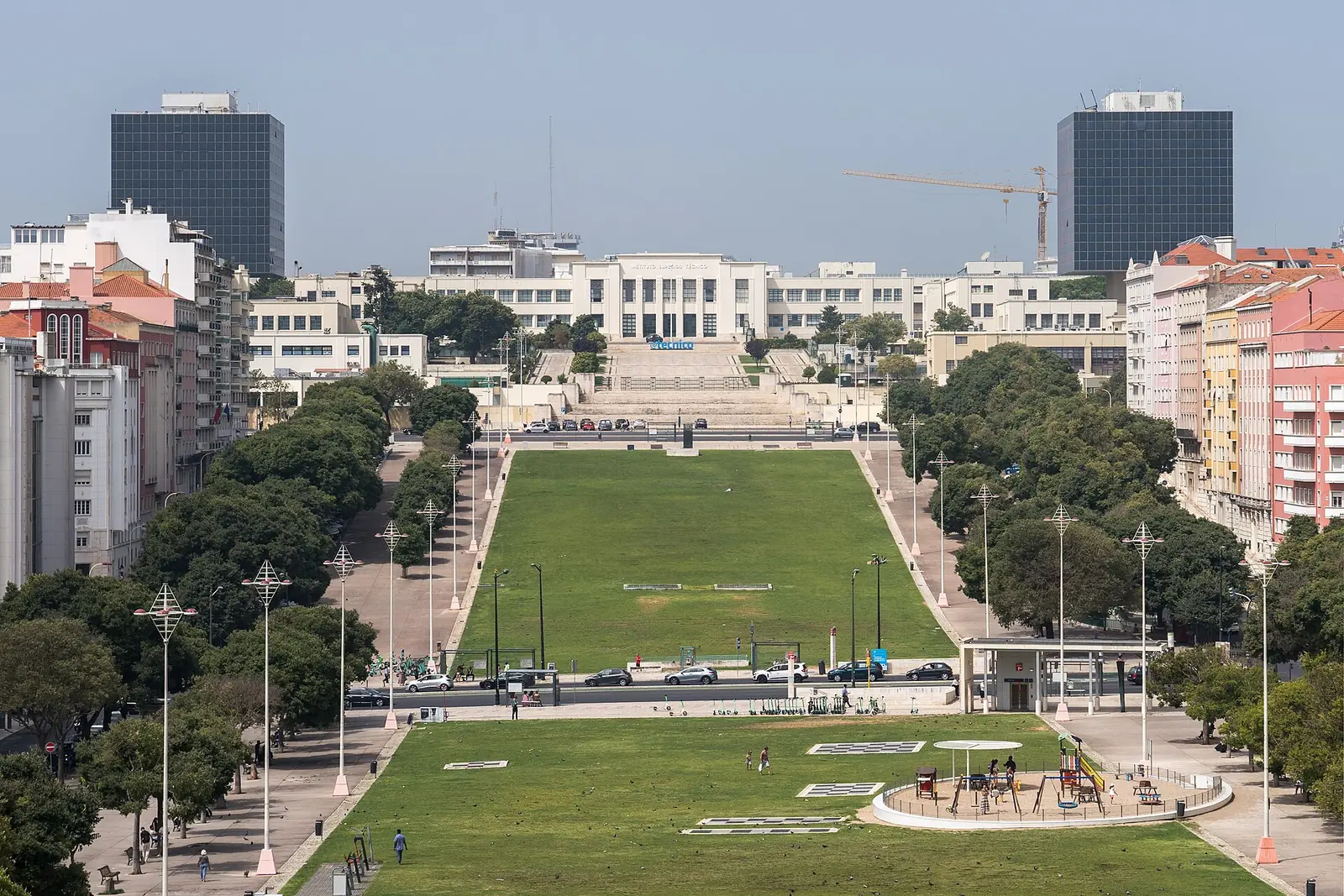
In the early 1950s, a group of African students from the House of the Students of the Empire was looking for somewhere to talk about Africa. They found it in 1951 in this house, the home of “Aunt Andreza”, aunt of the São Toméan poet Alda do Espírito Santo: “a huge house, at Rua Actor Vale, 37, at the top of the Alameda”, which a São Toméan teacher, Januário Espírito Santo, had rented for his children who came to study in Portugal. The one who ran it was Aunt Andreza. Alda lived there and was a friend of Mário Pinto de Andrade; it was through him that the Centre for African Studies set up here, as its provisional headquarters.1
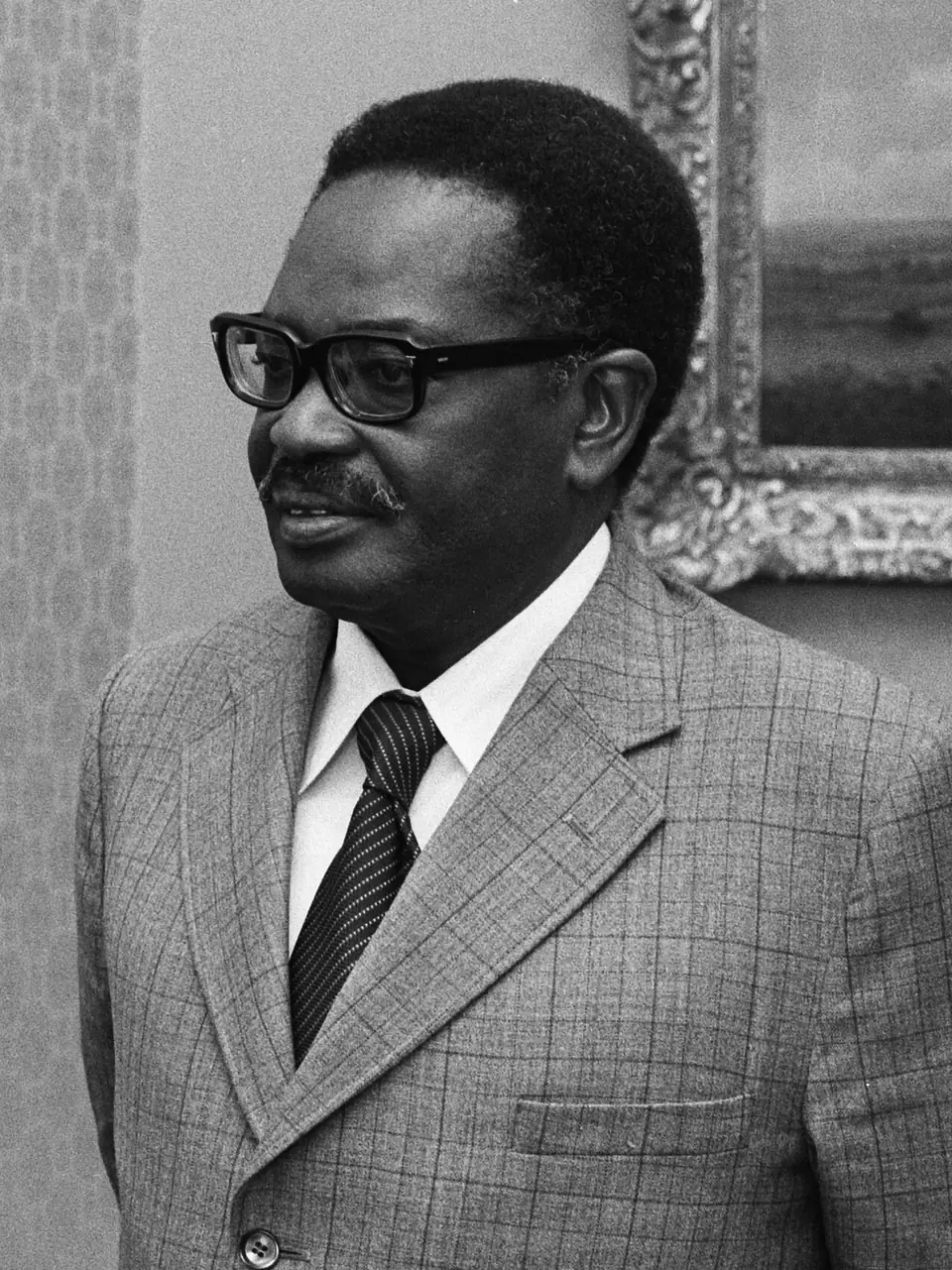
The Centre was run by Mário Pinto de Andrade, Amílcar Cabral, Francisco José Tenreiro and António Domingues, and operated alongside the House of the Students of the Empire; its aim, in the words of the São Toméan doctor António Tomás Medeiros, was “to get to know Africa”.1Agostinho Neto took part in founding it.5 At the regular meetings at Alda’s house there were talks on linguistics and history, and a cultural and political awareness took shape about colonialism, “assimilationism” and the “defence of the colonised”.2 The researcher Inocência Mata describes the Centre as “a closed structure precisely because of the PIDE”.3
They wanted to publish a magazine, but there was no money. They published a booklet of African poetry in Portuguese, which João Gaspar Simões attacked in the Diário de Notícias — it was not literature, he wrote, it was political propaganda — and they took part in an issue of the magazine Présence Africaine with the article “Les étudiants noirs parlent” (Black students speak).1
Alda do Espírito Santo returned to São Tomé in January 1953 and that year wrote the poem “Trindade”, about the Batepá massacre.2 After Batepá, the Pidjiguiti massacre, in Guinea, and 4 February 1961, in Angola, the “elders”, afraid that the PIDE would link those events to the Centre, left Portugal: Mário Pinto de Andrade went to Paris, Lúcio Lara and Viriato da Cruz to Germany; Agostinho Neto spent most of those years in prison; the poet Noémia de Sousa, Medeiros recounts, “disappears”. That was how the Centre came to an end.1