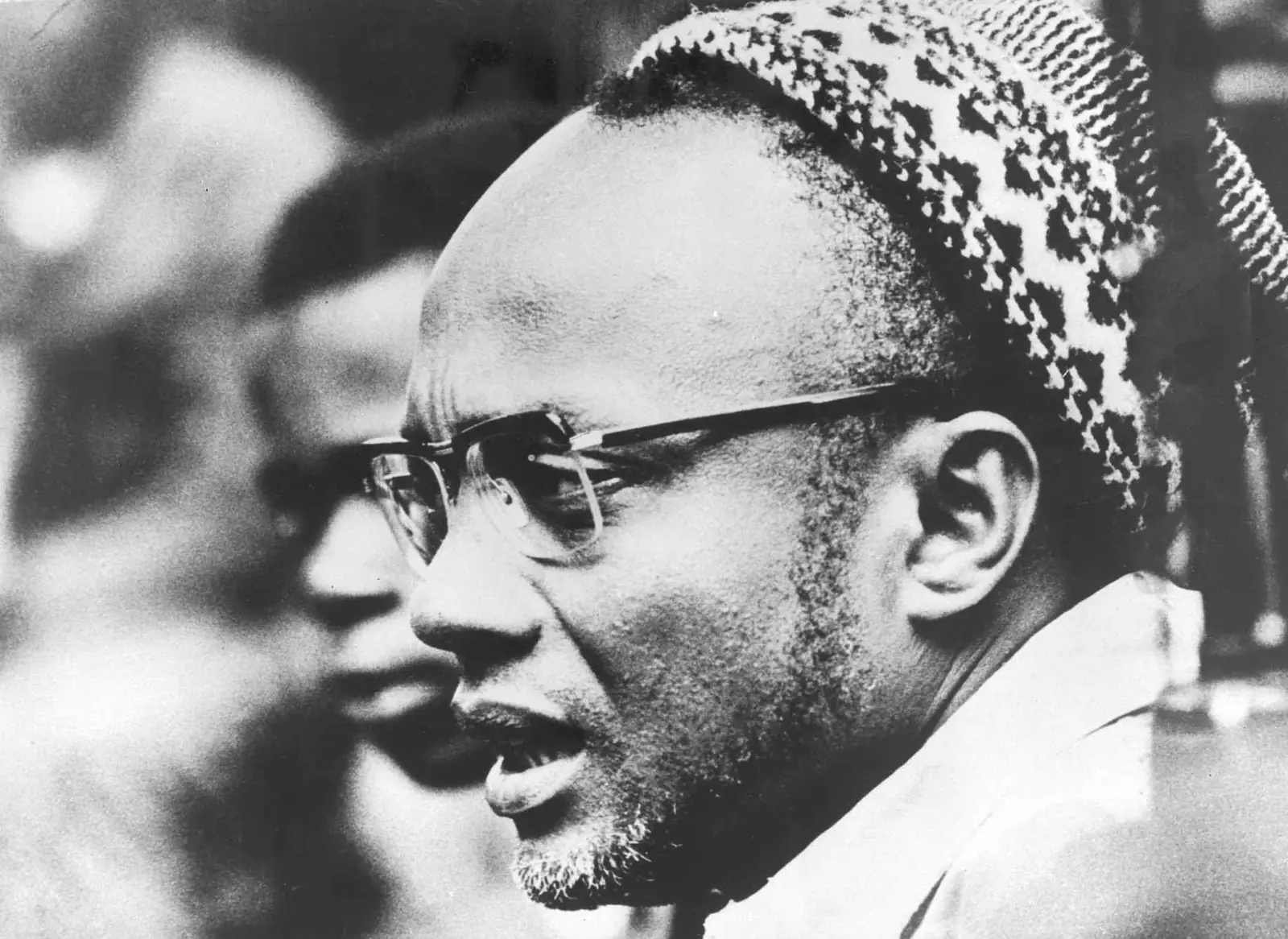
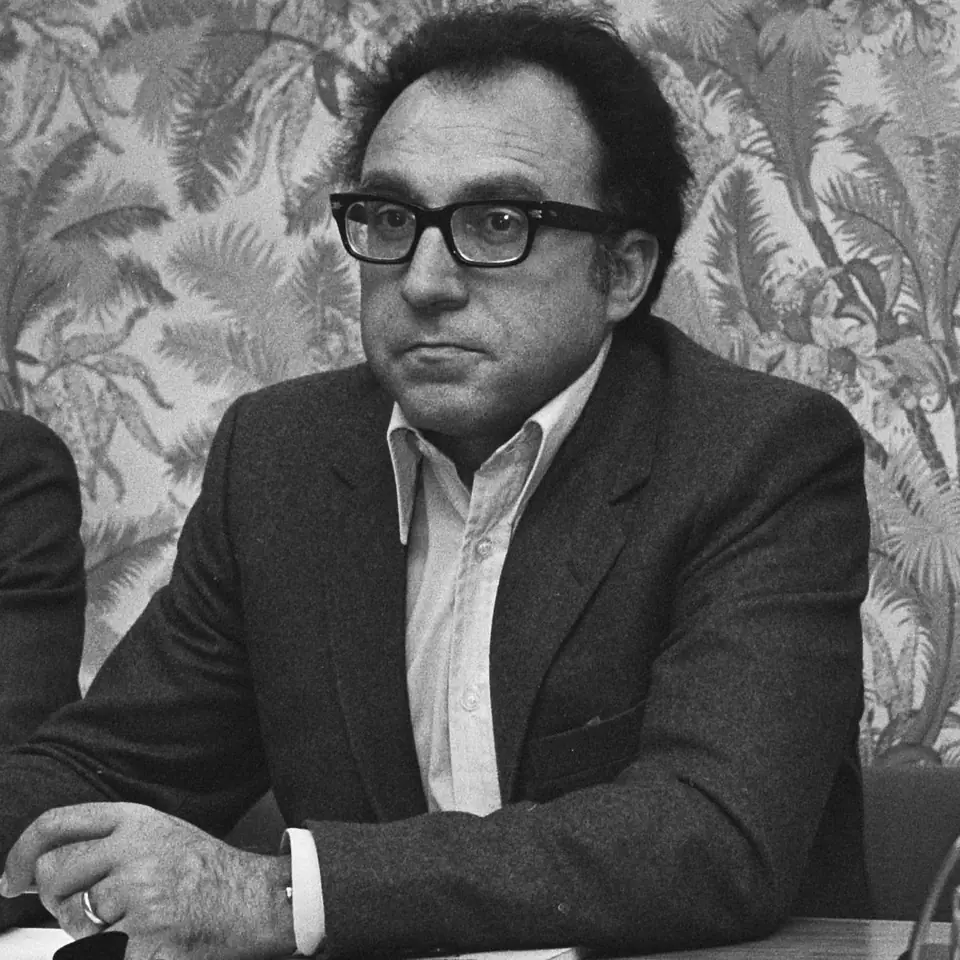
A medical student in Lisbon from 1948, he was active in the House of the Students of the Empire, the MUD Juvenil and the Centre for African Studies. Arrested several times by the PIDE in Lisbon, he was the first president of independent Angola.
Colonialismdoctor (Lisbon Faculty of Medicine)poetmember of the MUD Juvenilpolitical prisonerpresident of the MPLA and of Angola
Born
17 September 1922, Kaxicane (Ícolo e Bengo), Angola
He was born on 17 September 1922 in Kaxicane, Angola.1 He began studying medicine in Coimbra and in 1948 transferred to the Lisbon Faculty of Medicine, without giving up his activity at the House of the Students of the Empire.3 In Lisbon he was active in the MUD Juvenil and took part in setting up the Centre for African Studies, with Amílcar Cabral, Mário Pinto de Andrade, Marcelino dos Santos and Francisco José Tenreiro.1
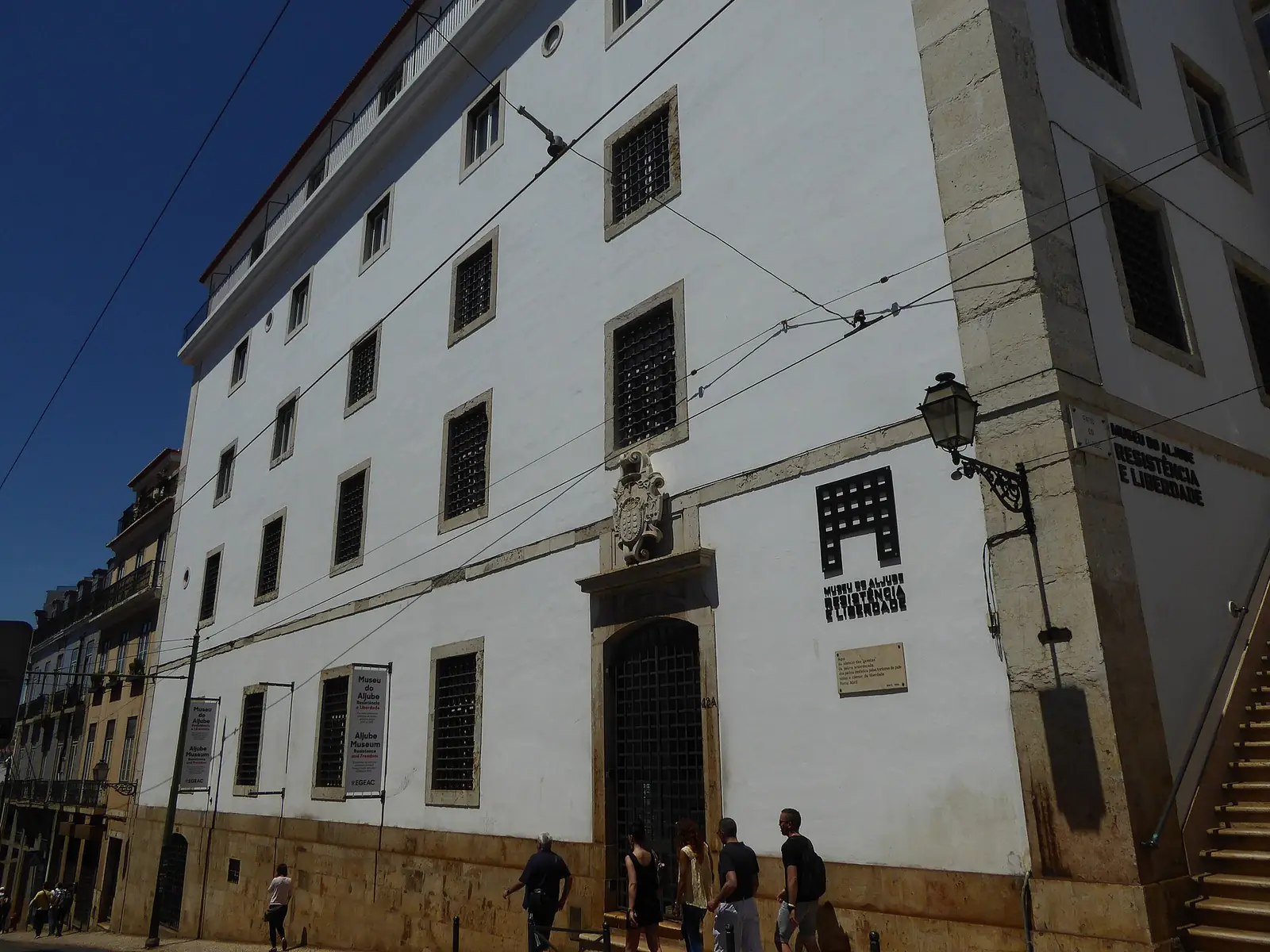
The PIDE arrested him for the first time in Lisbon on 23 March 1952, while he was collecting signatures for the Stockholm World Peace Conference. In February 1955 he was arrested once more and sentenced to 18 months in prison. He came out in July 1957 and graduated in medicine in Lisbon on 27 October 1958.5 Back in Luanda, he was arrested on 8 June 1960, brought to Aljube Prison and deported to Cape Verde, and later returned to the Aljube.51 Released in 1962, under compulsory residence in Lisbon, he escaped by boat to Morocco on 30 June that year, with his wife and children.51
He took over the leadership of the People’s Movement for the Liberation of Angola (MPLA) and was the first president of independent Angola. He died in 1979, in Moscow.13
The dates of his spells in the Aljube after the 1960 arrest: Memória Comum says he returned to the Aljube in October 1962 and stayed there until March 1963, which does not match the escape of 30 June 1962 that the same text recounts; Wikipedia gives a brief spell in the Aljube in 1962, with release in March. The 1950 and 1951 arrests that Wikipedia gave do not appear in Memória Comum, which dates the first to 23 March 1952.
Do you know more, or do you have a document? Tell us.
Sources5
1Agostinho Neto. Museu do Aljube Resistência e Liberdade — consulted on 2 October 2026
5António Agostinho Neto. Memória Comum – Memorial aos Presos e Perseguidos Políticos — consulted on 4 October 2026Primeira prisão a 23 de março de 1952, em Lisboa; de novo preso em fevereiro de 1955 e condenado a 18 meses; saiu em julho de 1957; preso em Luanda a 8 de junho de 1960, passou pelo Aljube e por Cabo Verde; fugiu de Portugal a 30 de junho de 1962.