Dr Afonso Costa Republican School Centre — evening classes for women (Calçada de Arroios)
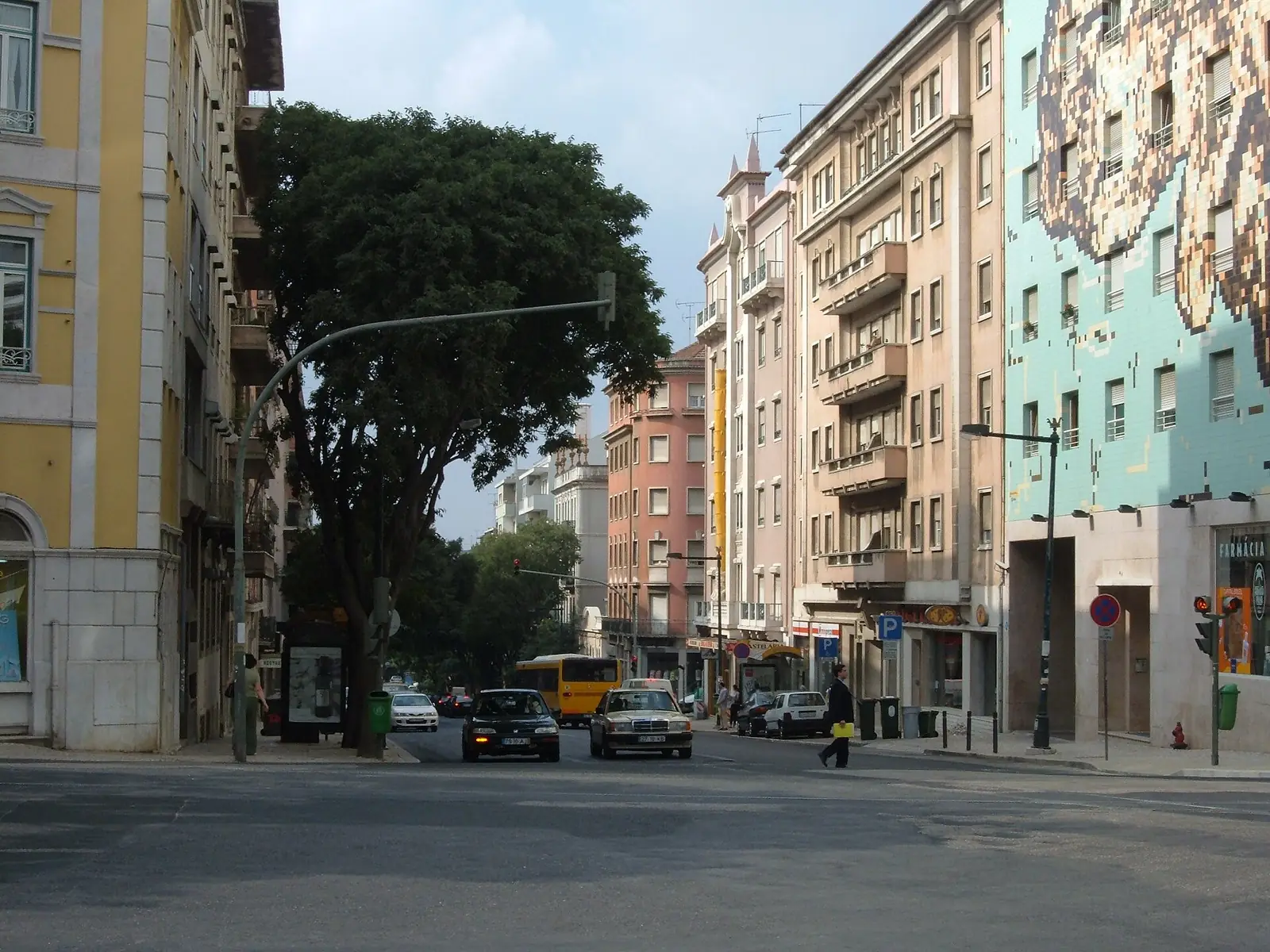
In this republican centre on Calçada de Arroios, while the monarchy still ruled, Maria Veleda set up free evening courses to teach women to read and write; in 1907, the Portuguese Group for Feminist Studies gave classes here to illiterate women.
In the last years of the monarchy, the Dr Afonso Costa Republican School Centre operated on Calçada de Arroios, run by the republican Alves Torgo. It was also a meeting place: republican figures such as Magalhães Lima, Afonso Costa, Manuel de Arriaga, Bernardino Machado and António José de Almeida gathered there in the evenings.2
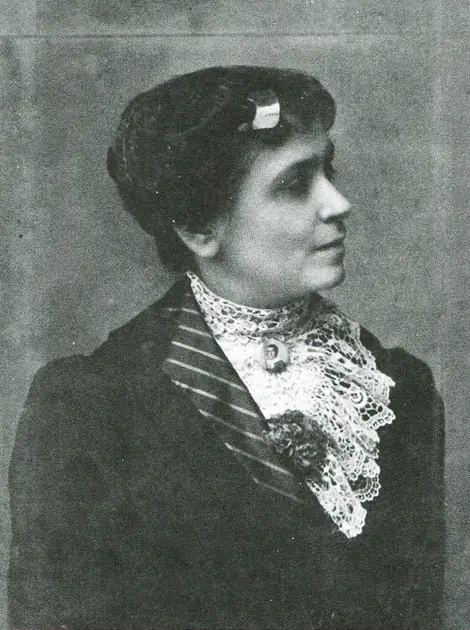
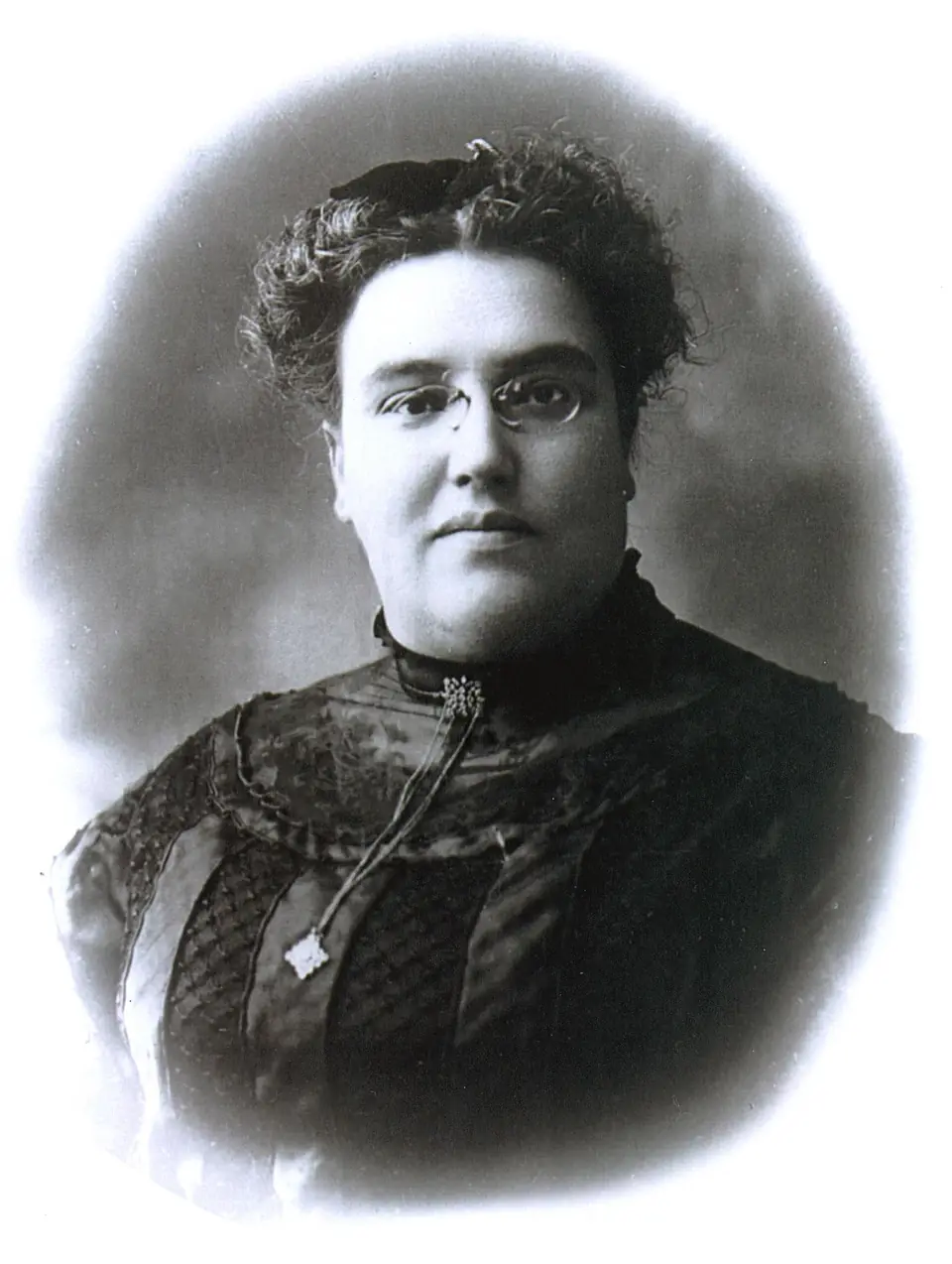
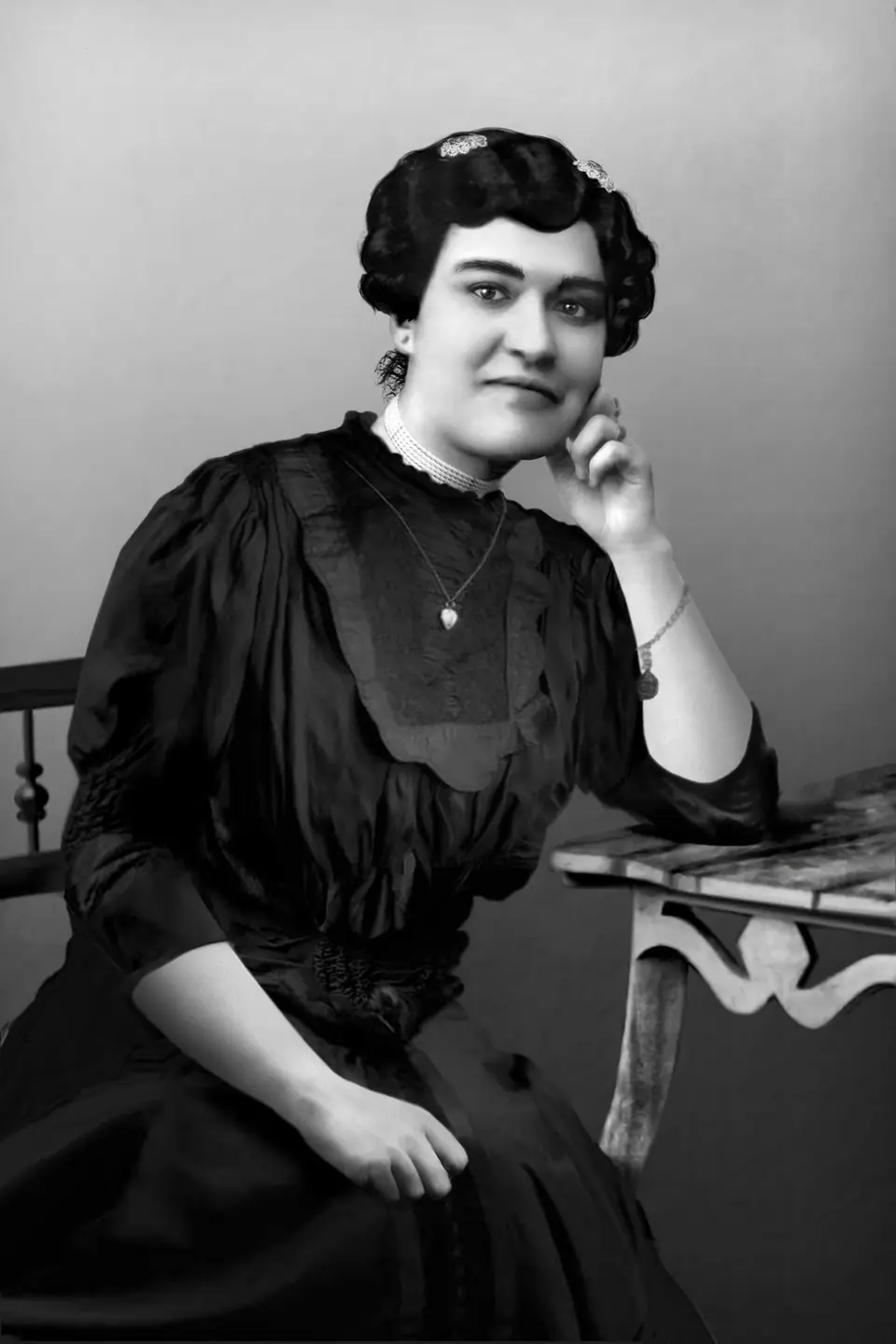
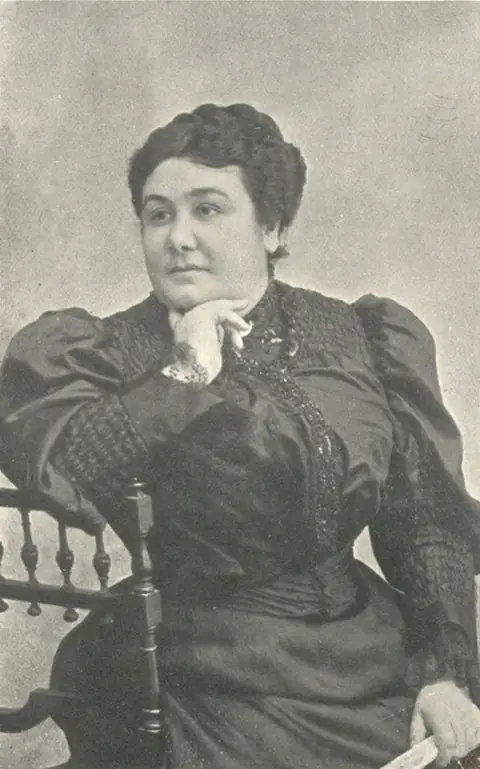
Maria Veleda, a writer and teacher, had settled in Lisbon in 1905 with her two children and her mother. She was the teacher in charge here and set up two evening courses, entirely free, to teach women to read and write.2 In 1907, according to Toponímia de Lisboa, the City Council’s street-names service, it was she who presided over the Portuguese Group for Feminist Studies, which gave evening courses for illiterate women at the Afonso Costa Centre.1 Being able to read mattered: the electoral law of 1911 would give the vote only to those who could read and write or were heads of family.6
The door number of the centre on Calçada de Arroios, and whether the building still exists.
Who led the Portuguese Group for Feminist Studies: Maria Veleda, according to Toponímia de Lisboa; Ana de Castro Osório, according to the text cited by the Almanaque Republicano and the Dicionário de Médicos Portugueses.
Whether the evening courses Maria Veleda set up at the centre (Wikipedia) are the same as those the Portuguese Group for Feminist Studies gave there in 1907 (Toponímia de Lisboa).
Do you know more, or do you have a document? Tell us.
7Osório, Ana de Castro. Dicionário Pedagógico (Dignipédia Global) — consulted on 4 October 2026Diz que Ana de Castro Osório «fundou e dirigiu» o Grupo Português de Estudos Feministas (1907), a Liga Republicana das Mulheres Portuguesas e a Associação de Propaganda Feminista.
Coordinates: OpenStreetMap (Nominatim), consultado a 2 de outubro de 2026.