A poet from São Tomé whose Lisbon home, on Rua Actor Vale, housed the Centre for African Studies from 1951. Arrested in 1965 and imprisoned in Caxias, she later wrote the words of the anthem of São Tomé and Príncipe.
Colonialismpoetteacherhost of the Centre for African StudiesSão Tomé nationalistpolitical prisoner
She was born in São Tomé on 30 April 1926 and came to Lisbon to study, enrolling for a degree in Arts.12 Her poems began to be read from 1946, at the gatherings in the home of Luís Espírito Santo.2 At the university and at the House of the Students of the Empire she mixed with the future leaders of the liberation movements — Amílcar Cabral, Agostinho Neto, Mário Pinto de Andrade, Francisco José Tenreiro, Marcelino dos Santos, Noémia de Sousa.125
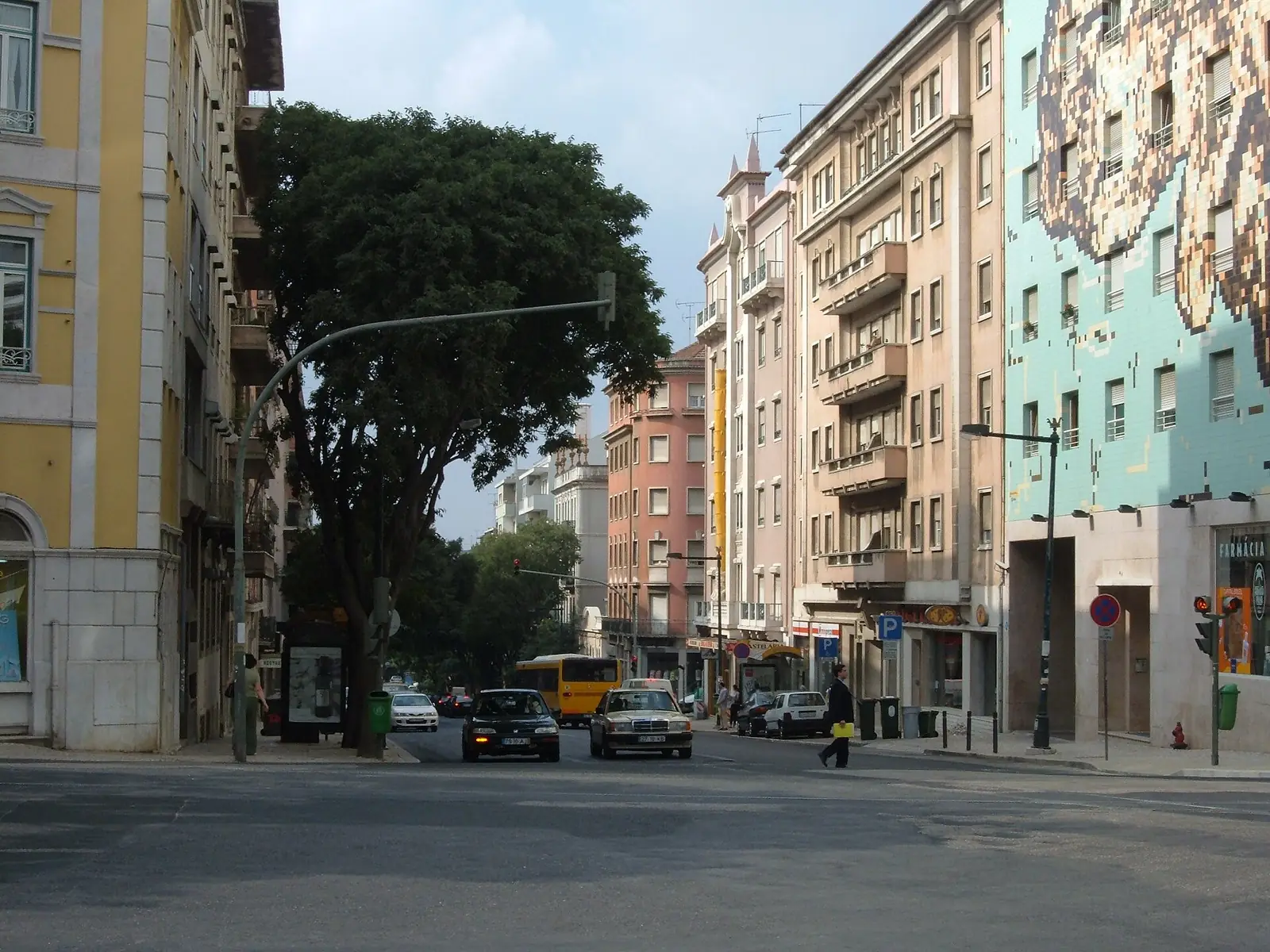
In 1951, the Centre for African Studies was set up in the house where she lived, at Rua Actor Vale, 37, at the top of the Alameda — a large house run by an aunt, “Aunt Andreza”; Wikipedia counts her among the founders of the Centre.234 Talks on linguistics and history were given there, and a political awareness of colonialism and “assimilationism” took shape.1 Some time later she gave up her course, for political and financial reasons.1
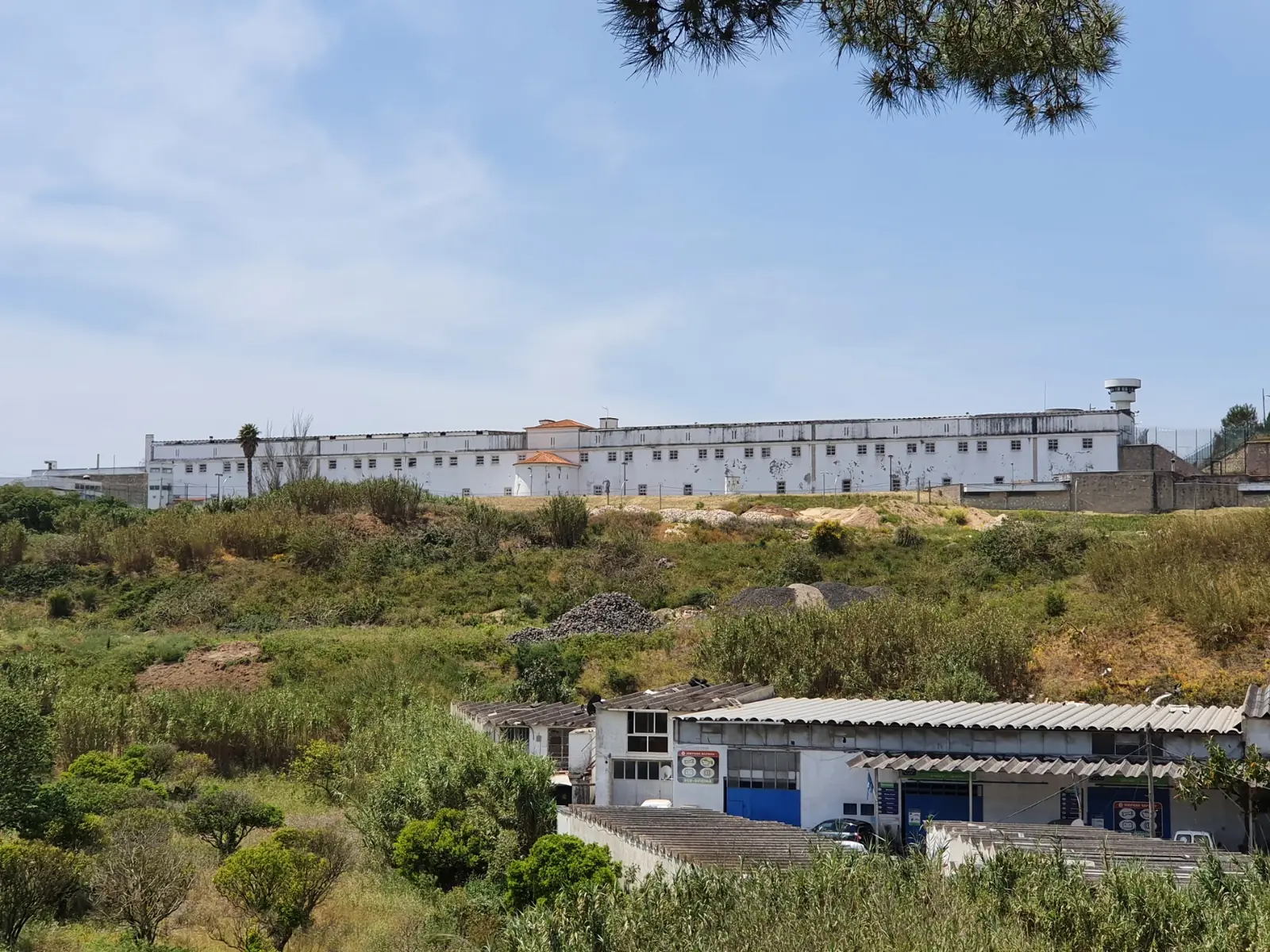
In January 1953 she returned to São Tomé, where she worked as a teacher and journalist. That year she wrote the poem “Trindade”, which denounces the Batepá massacre of February that year.1 On 4 December 1965 she was arrested in São Tomé and imprisoned in the fort-prison of Caxias, accused of “inciting subversion in the archipelago”.12
After independence, in 1975, she was Minister of Education and Culture, Minister of Information and Culture and President of the National Assembly of São Tomé and Príncipe, and wrote the words of the national anthem, “Independência Total” (Total Independence).12 She died in Luanda on 9 March 2010.21
Whether she was a founder of the Centre for African Studies, as Wikipedia says: António Tomás Medeiros recounts that the Centre was run by Mário Pinto de Andrade, Amílcar Cabral, Francisco José Tenreiro and António Domingues, and that it was set up in the house where she lived through Mário de Andrade.
Her age at death: 82, according to Memória Comum; the dates in Wikipedia (30 April 1926 and 9 March 2010) give 83.
The day of the Batepá massacre: 3 February 1953, according to the Aljube Museum, which the chronology follows; 5 February, in Trindade, according to Memória Comum.
Do you know more, or do you have a document? Tell us.
6Massacre de Batepá. Museu do Aljube Resistência e Liberdade (EGEAC) — consulted on 2 October 2026
7Alda do Espírito Santo (Library Weekly). African Studies Centre Leiden — consulted on 4 October 2026Nascida a 30 de abril de 1926; morreu «aged 83 in hospital in Luanda, Angola, on 10 March 2010» (a partir da Wikipédia inglesa e de Gerhard Seibert, 2012).