
People
Amílcar Cabral
1924–1973
Autor desconhecido, Public domain
Amílcar Lopes Cabral
An agronomy student in Lisbon from 1945, he met Agostinho Neto, Mário Pinto de Andrade and Marcelino dos Santos at the House of the Students of the Empire, and was one of the leaders of the Centre for African Studies. He founded the PAIGC and was assassinated in Conakry in 1973.
- Born
- 12 September 1924, Bafatá (Guinea-Bissau)
- Died
- 20 January 1973, Conakry
Biography
He was born in Bafatá, in Guinea, in 1924, and went to Cape Verde as a child, where he went to school. In 1945, on a scholarship, he entered the Higher Institute of Agronomy in Lisbon, where he came into contact with anti-fascist groups; at the House of the Students of the Empire he met Mário Pinto de Andrade, Agostinho Neto and Marcelino dos Santos.1
He was a member of the House’s Cape Verde section. In a letter of 1948 he wrote that he had been at a general meeting “until 2 in the morning”, arguing for the purchase of a house on the outskirts of Lisbon.3 According to the testimony of António Tomás Medeiros, he was one of the leaders of the Centre for African Studies, which in 1951 was set up on Rua Actor Vale.4 He returned to Bissau in 1952.5
In 1956 he founded, with others, the African Party for Independence, which in 1960 was renamed the African Party for the Independence of Guinea and Cape Verde (PAIGC).6 Of the manifesto of the Anti-Colonialist Movement, launched in 1957 by nationalists from the colonies who were studying in Europe, he said that it was “the preface to our struggle”.2 He was assassinated in Conakry on 20 January 1973, by two members of his own party.13
Places

Dates
1951
The Centre for African Studies sets up at Rua Actor Vale, 37Dec 1957
Nationalists from the colonies found the Anti-Colonialist Movement in Paris3 Aug 1959
The Pidjiguiti massacre, in the port of Bissau23 Jan 1963
The PAIGC begins the armed struggle in Guinea6 Sep 1965
Closure of the House of the Students of the Empire22 Nov 1970
Operation Green Sea (Operação Mar Verde): the invasion of Conakry20 Jan 1973
Amílcar Cabral assassinated in Conakry5 Jul 1975
Independence of Cape Verde
People
They crossed paths with him
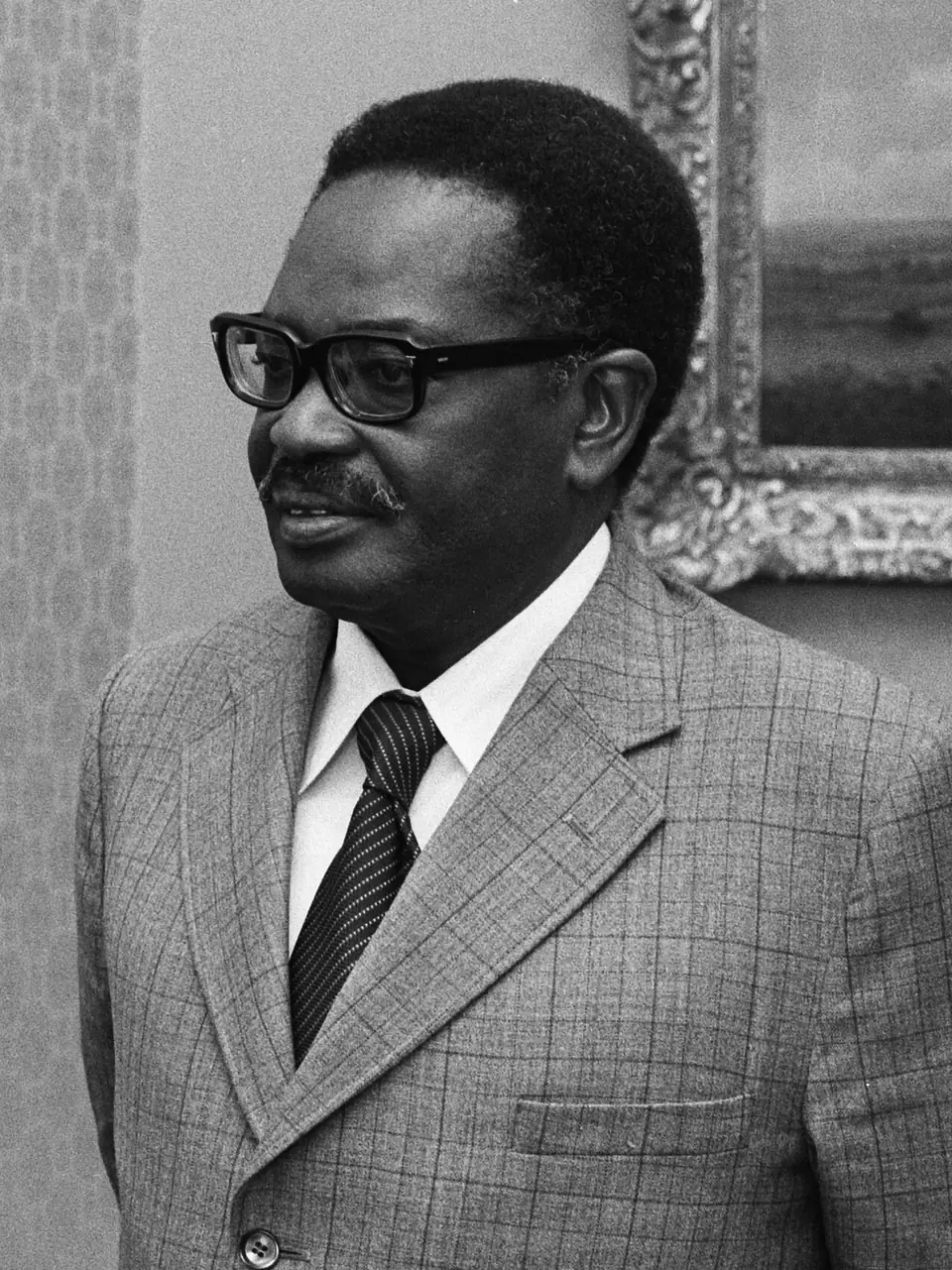
Agostinho Neto
1922–1979 · doctor (Lisbon Faculty of Medicine)
Alda do Espírito Santo
1926–2010 · poet
Noémia de Sousa
1926–2002 · poet
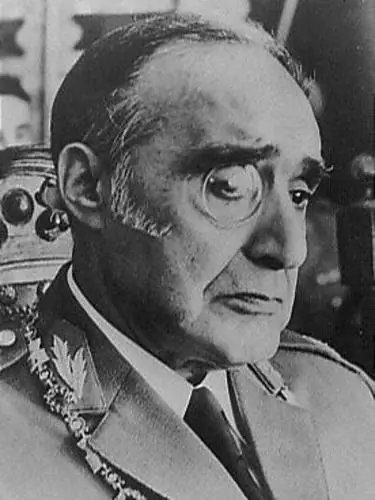
António de Spínola
1910–1996 · general
José Luandino Vieira
b. 1935 · Portuguese-Angolan writer


Videos
In other archives
These can only be viewed on each archive’s own website.
Sources8
- 1Amílcar Lopes Cabral. Museu do Aljube Resistência e Liberdade (EGEAC) — consulted on 2 October 2026
- 2Movimento Anti-Colonialista (MAC). Museu do Aljube Resistência e Liberdade (EGEAC) — consulted on 2 October 2026
- 3Lugar de Memória Casa dos Estudantes do Império (Helena Wakim Moreno). ReMapping Memories Lisboa — consulted on 2 October 2026
- 4Entrevista a António Tomás Medeiros (Colecção E-Books). Centro de Documentação 25 de Abril – Universidade de Coimbra — consulted on 2 October 2026
- 5Amílcar Cabral. Wikipédia — consulted on 2 October 2026
- 6Uma guerra sem solução militar (O MFA e o 25 de Abril). Comissão Comemorativa 50 Anos 25 de Abril — consulted on 3 October 2026
- 7Do acto na Imprensa à imprensa dos movimentos de libertação (Imprensa anticolonial). Comissão Comemorativa 50 Anos 25 de Abril — consulted on 3 October 2026
- 8Ana Araújo, Cabral, Amílcar [Dicionário Global]. Dignipédia Global — consulted on 4 October 2026Acabou o curso de Agronomia em 1952 e voltou à Guiné para dirigir o Posto Agrícola Experimental do Pessubé (Bissau); fundou o partido a 19 de agosto de 1956, com outros cinco militantes.