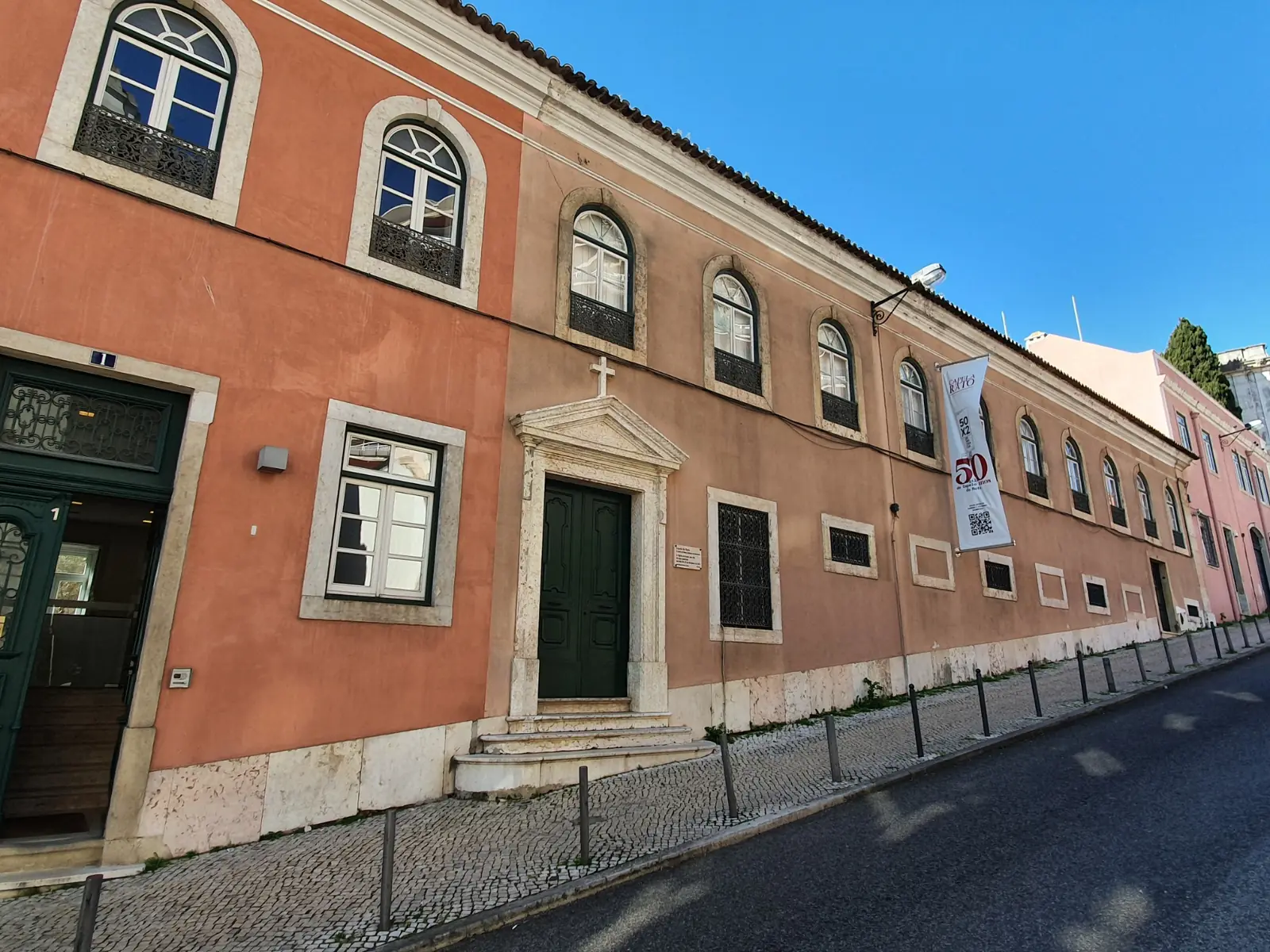
Rua do Sol ao Rato, where Carolina Beatriz Ângelo and Januário Barreto lived, in December 2019.Sergei Gussev, CC BY 2.0
Campo de Ourique
Home of Carolina Beatriz Ângelo and Januário Barreto (Rua do Sol ao Rato, 181)
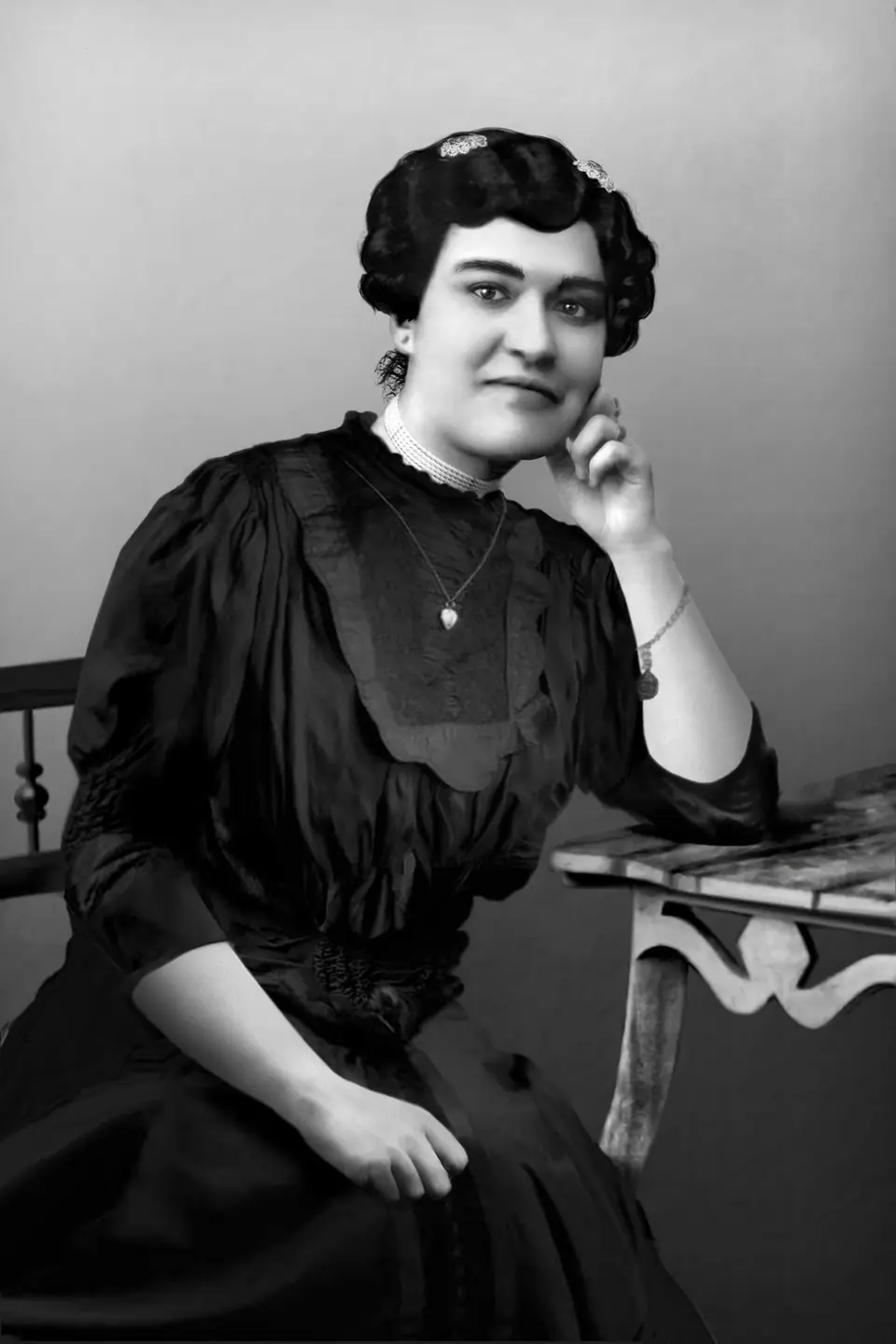
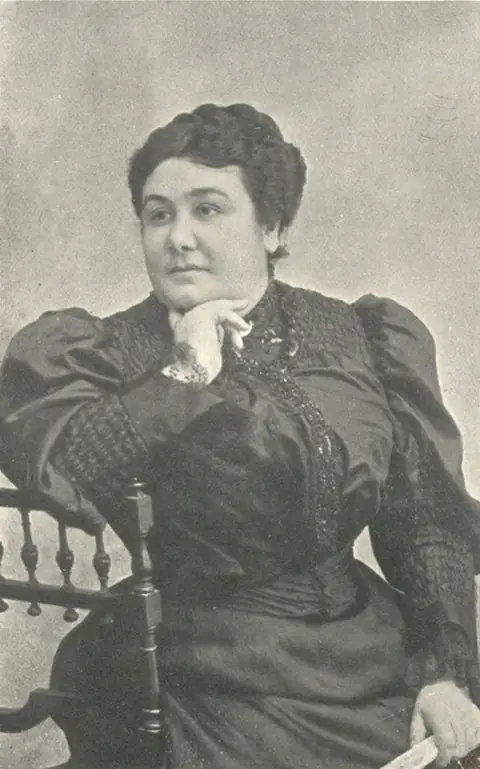
In 1909 the doctor Carolina Beatriz Ângelo lived here with her husband, the republican doctor Januário Barreto. His funeral left from here in 1910; widowhood made her a “head of family”, the status with which, in 1911, she became the first woman to vote in Portugal.
According to an advertisement from 1909, the doctor Carolina Beatriz Ângelo had her surgery at no. 84 Rua Nova do Almada and lived at no. 181 Rua do Sol ao Rato. In 1902 she had married her cousin Januário Barreto, also a doctor and a republican activist.2 Their daughter, Maria Emília, had been born in 1903.4
Januário Barreto, a former pupil of the Casa Pia, died in 1910, “just a few months short of seeing proclaimed the Republic for which he had fought so hard”. His wake was held in this house, on a first floor, and the funeral cortege left from here for the Prazeres Cemetery, accompanied by a crowd. At the funeral the lawyer José de Castro spoke, deputy grand master of the Freemasons — the same man who entrusted Carolina and Adelaide Cabete with making the green and red flags of the republican revolution.1 Those were the flags raised in Lisbon on 5 October 1910.2
A widow, with a seven-year-old daughter, Carolina became a “head of family”.3 The 1911 electoral law gave the vote to Portuguese citizens over the age of 21 who could read and write or were heads of family, without saying that they had to be men: she applied to be registered as a voter and won her case in court.62 On 28 May 1911, at the São Jorge de Arroios polling station, set up in the Clube Estefânia, she became the first woman to vote in Portugal.1She died on 3 October that year, on returning home, by then on Rua António Pedro, after a political meeting of “feminist ladies”.4
Home of Carolina Beatriz Ângelo and Januário Barreto (Rua do Sol ao Rato, 181)Rua do Sol ao Rato, Lisboa (n.º 181, 1.º, na numeração de 1909–1910; não localizado na numeração atual)
Where no. 181 stood in the 1909–1910 numbering: the street’s current numbering does not seem to reach that number (OpenStreetMap), and the point on the map marks only the street. The plans and records of the time, in the Lisbon Municipal Archive, may provide the answer.
The day of Januário Barreto’s death: 23 June 1910, according to a blog on the history of Benfica, the club of which he was the first chairman; Isabel Lousada gives only the year.
When the couple, or Carolina once widowed, left this house for the one on Rua António Pedro, in Arroios, and the number of that house.
Do you know more, or do you have a document? Tell us.




.jpg)