People
José Dias Coelho
1923–1961
José António Dias Coelho
A sculptor and painter who gave up his artistic career for underground life in the PCP. PIDE agents shot him dead in a street in Alcântara on 19 December 1961, aged 38.
- Born
- 19 June 1923, Pinhel
- Died
- 19 December 1961, Lisbon (Rua da Creche, Alcântara)
Biography
He was born in Pinhel on 19 June 1923. In 1942 he entered the Lisbon School of Fine Arts, first in Architecture and then in Sculpture, and was active in the MUNAF, the MUD and the MUD Juvenil (Youth Movement of Democratic Unity).12 He organised the General Exhibitions of Visual Arts, which were held at the National Society of Fine Arts outside the control of the SNI, and where artists hostile to the regime showed their work.13 Arrested by the PIDE on 6 January 1949, during the campaign of Norton de Matos, he was held incommunicado for ten days in the Aljube.21
In 1952, for having led the protests of the Fine Arts students, he was dismissed from his post as a technical-school teacher and expelled from the school, and he was banned from entering any other faculty in the country. In 1955 he went underground as a full-time PCP worker and left his career as a sculptor behind. The clandestine house he shared with his partner, Margarida Tengarrinha, housed the party’s document-forging office, and from 1960 the two of them drew for the clandestine press.1
He was a member of the leadership of the Lisbon Regional Organisation and was in charge of the PCP’s intellectual sector when, on 19 December 1961, PIDE agents pursued him from Rua dos Lusíadas and shot him dead outside no. 30 Rua da Creche, in Alcântara.12 The street has borne his name since an edict of 17 February 1975.3 José Afonso commemorated him in the song “A Morte Saiu à Rua” (Death Went Out into the Street).1
Places


Dates
People
They crossed paths with him
Margarida Tengarrinha
1928–2023 · visual artist
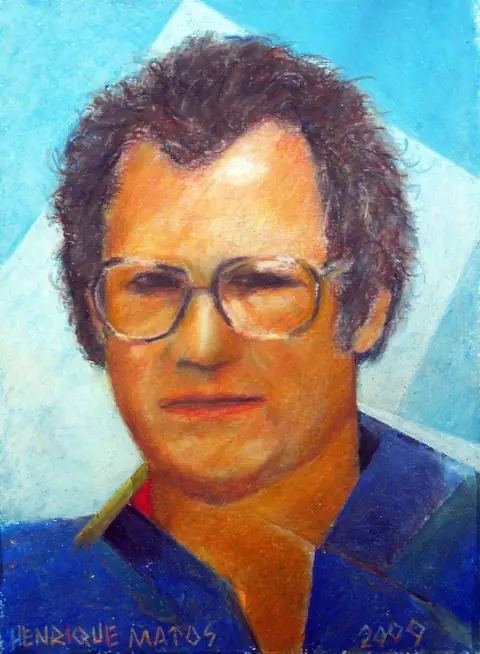
José Afonso (Zeca Afonso)
1929–1987 · singer and composer
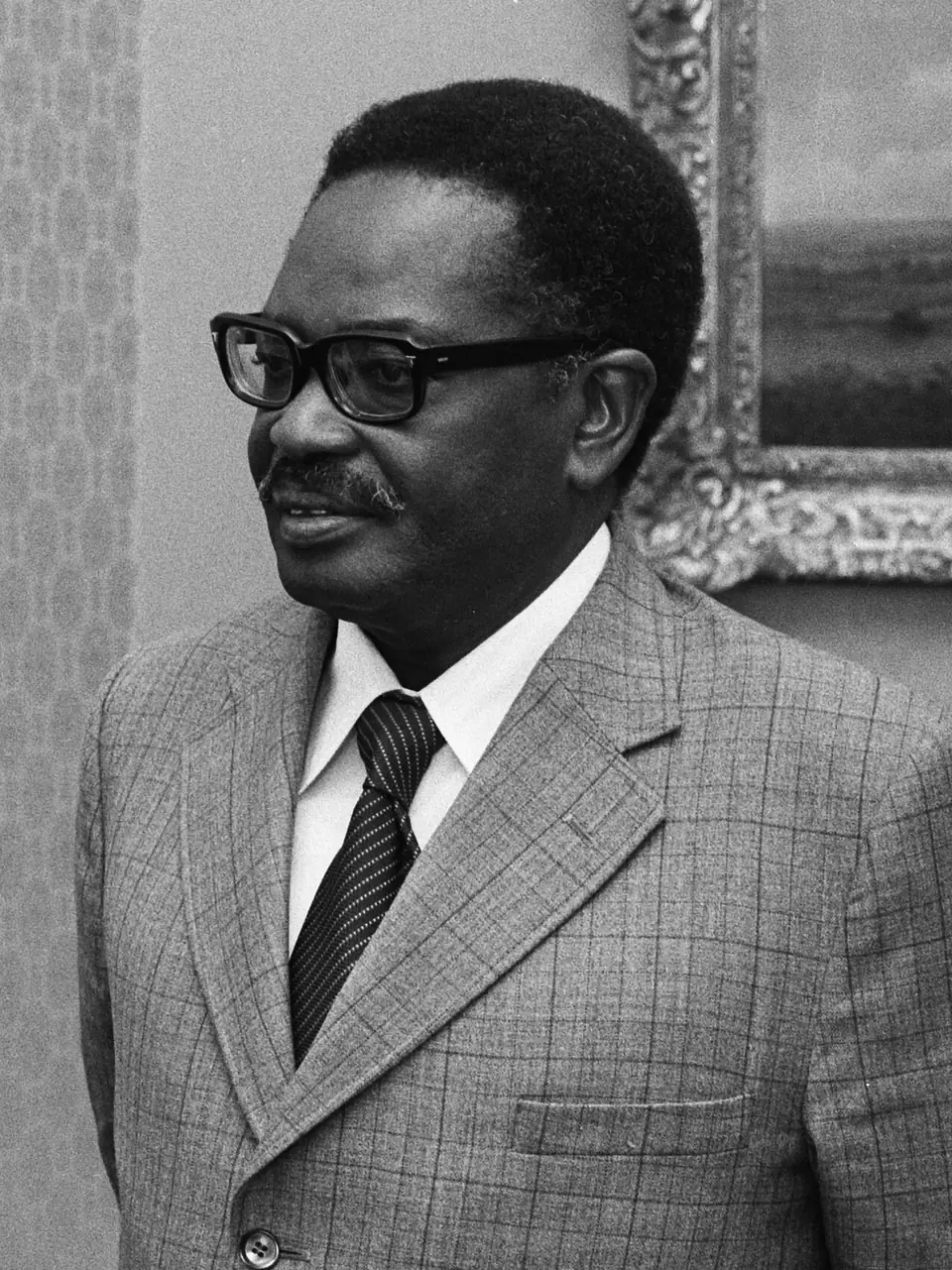
Agostinho Neto
1922–1979 · doctor (Lisbon Faculty of Medicine)
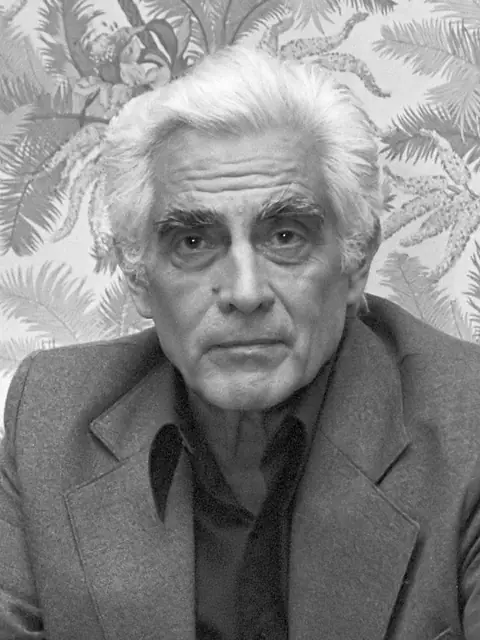
Álvaro Cunhal
1913–2005 · general secretary of the Portuguese Communist Party
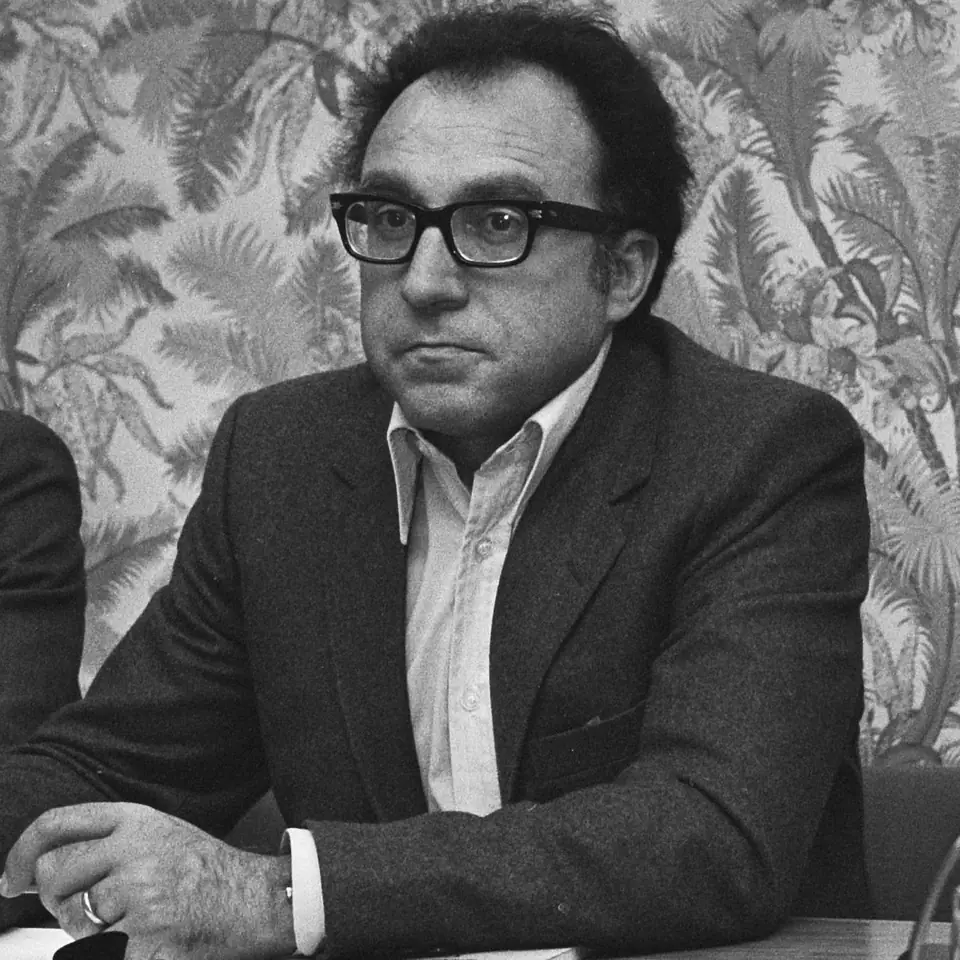
Domingos Abrantes
b. 1936 · leader of the MUD Juvenil
Emídio Santana
1906–1988 · metalworker


Videos
Margarida Tengarrinha’s testimony, recorded by the Aljube Museum on 8 March 2017 and published in 2021. Going by the museum’s keywords, it covers the Youth Movement of Democratic Unity (MUD Juvenil), underground life in the Portuguese Communist Party (PCP), the document-forgery apparatus, the clandestine press and José Dias Coelho.
Original page Licença padrão do YouTube — embed permitido pelo canal oficial do Museu do Aljube
Museu do Aljube Resistência e Liberdade, on YouTube. The player only connects to that site when you press “Watch”.
José Afonso sings “A Morte Saiu à Rua” (Death Went Out into the Street), the song in which he evoked the sculptor José Dias Coelho, killed by the PIDE in 1961, at the Coliseu dos Recreios concert of 29 January 1983. The excerpt was published by the José Afonso Association.
Original page Licença padrão do YouTube — embed permitido pelo canal oficial da Associação José Afonso
Associação José Afonso, on YouTube. The player only connects to that site when you press “Watch”.
In other archives
These can only be viewed on each archive’s own website.
- RTP Arquivos · Video · broadcast on 27 September 1974 · 22 minA Mulher e o Fascismo: Mulheres que Lutaram – Parte IA programme by Antónia de Sousa and Maria Antónia Palla in which Maria Barroso, Margarida Tengarrinha and Isabel do Carmo tell how they came to the struggle against the dictatorship. Tengarrinha talks about life underground and the murder of José Dias Coelho; Isabel do Carmo, in Barreiro, about the strikes and workers’ struggles that shaped her.Open in the archive
- RTP Arquivos · Video · broadcast on 27 September 1974 · 19 minA Mulher e o Fascismo: Mulheres que Lutaram – Parte IIIn the second part, Margarida Tengarrinha speaks by the plaque that remembers José Dias Coelho, on the former Rua da Creche, and near Caxias prison; Maria Barroso at Santa Apolónia, and Isabel do Carmo in the Rossio. All three talk about 25 April and the road to democracy.Open in the archive
Notes on the sources1
- The time of the crime: “in broad daylight” (Toponímia de Lisboa) or “early in the evening” (Voz do Operário).
Do you know more, or do you have a document? Tell us.
Sources5
- 1José António Dias Coelho (biografia). Museu do Aljube Resistência e Liberdade — consulted on 2 October 2026
- 2José António Dias Coelho. Memória Comum – Memorial aos Presos e Perseguidos Políticos — consulted on 2 October 2026
- 3O pintor saiu a uma Rua de Alcântara num dia assim. Toponímia de Lisboa – CML (19/6/2013) — consulted on 2 October 2026
- 4A PIDE assassinou Dias Coelho há 60 anos. Voz do Operário (6/12/2021) — consulted on 2 October 2026
- 5Consulta SPARQL de identificadores e datas (P569/P570) de pessoas. Wikidata Query Service — consulted on 2 October 2026