Avenidas Novas
Liceu Maria Amália Vaz de Carvalho (successor to the Liceu Maria Pia, the first girls’ secondary school)
The country’s first girls’ secondary school (liceu), created in 1906 as the Liceu Maria Pia, and from 1933 the first to be housed in a building purpose-built for girls. Domitila de Carvalho and Maria Guardiola, two of the first three Portuguese women deputies, were headmistresses here.
History
The writer and journalist Maria Amália Vaz de Carvalho, whose name the school bears today, argued from the end of the 19th century for the creation of a secondary school for girls; in 1885 she got King Luís to sign a decree authorising it.5 The school was established by royal decree in 1906, under the name Liceu Maria Pia — the country’s first girls’ liceu.1 Its headmistress, from its founding to November 1912, was Domitila de Carvalho, the first woman to attend the University of Coimbra and the first Portuguese woman to teach mathematics.32 The school offered only the General Course: girls who wanted the Complementary Course had to enrol in the boys’ liceus. On 24 December 1917, Sidónio Pais raised it to a central liceu, under the name Liceu de Almeida Garrett; later it took the name of Maria Amália Vaz de Carvalho.3
From 1933, the school occupied this building, the first purpose-built for a girls’ liceu, to a design by Miguel Ventura Terra with alterations by António do Couto de Abreu.1 The premises only became permanent in the 1933–1934 school year.5 The ministerial order that listed the building as a Monument of Public Interest in October 2020 speaks of “a simple and functional construction model”, clearly influenced by French lycées, and of “an exemplary case of girls’ school buildings”.1
From 1928 to 1946, the headmistress was the mathematics teacher Maria Guardiola. In the elections of 16 December 1934, she and Domitila de Carvalho entered the National Assembly with the lawyer Maria Cândida Parreira: they were the first three Portuguese women deputies.2 Guardiola was on the regime’s side: she held leading posts in the Mothers’ Work for National Education (Obra das Mães pela Educação Nacional) and in the Women’s Portuguese Youth (Mocidade Portuguesa Feminina), of which she was national commissioner.24
Where
Map showing where Liceu Maria Amália Vaz de Carvalho (successor to the Liceu Maria Pia, the first girls’ secondary school) is.
Open on the map of Lisbon Walk there
Nearby
Rádio Clube Português (the Rua Sampaio e Pina studios)
80 m · 1 min on foot
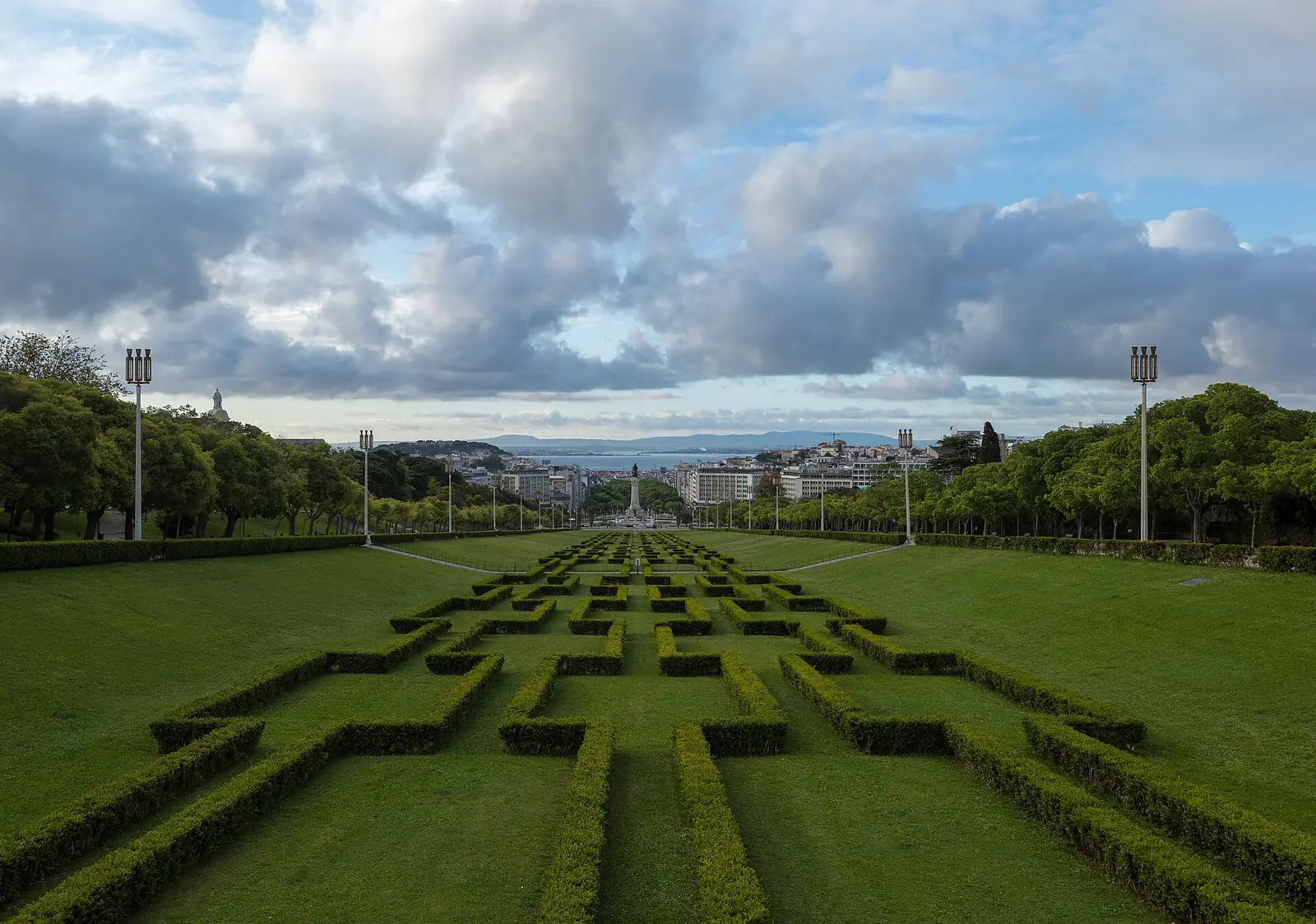
Parque Eduardo VII
410 m · 6 min on foot
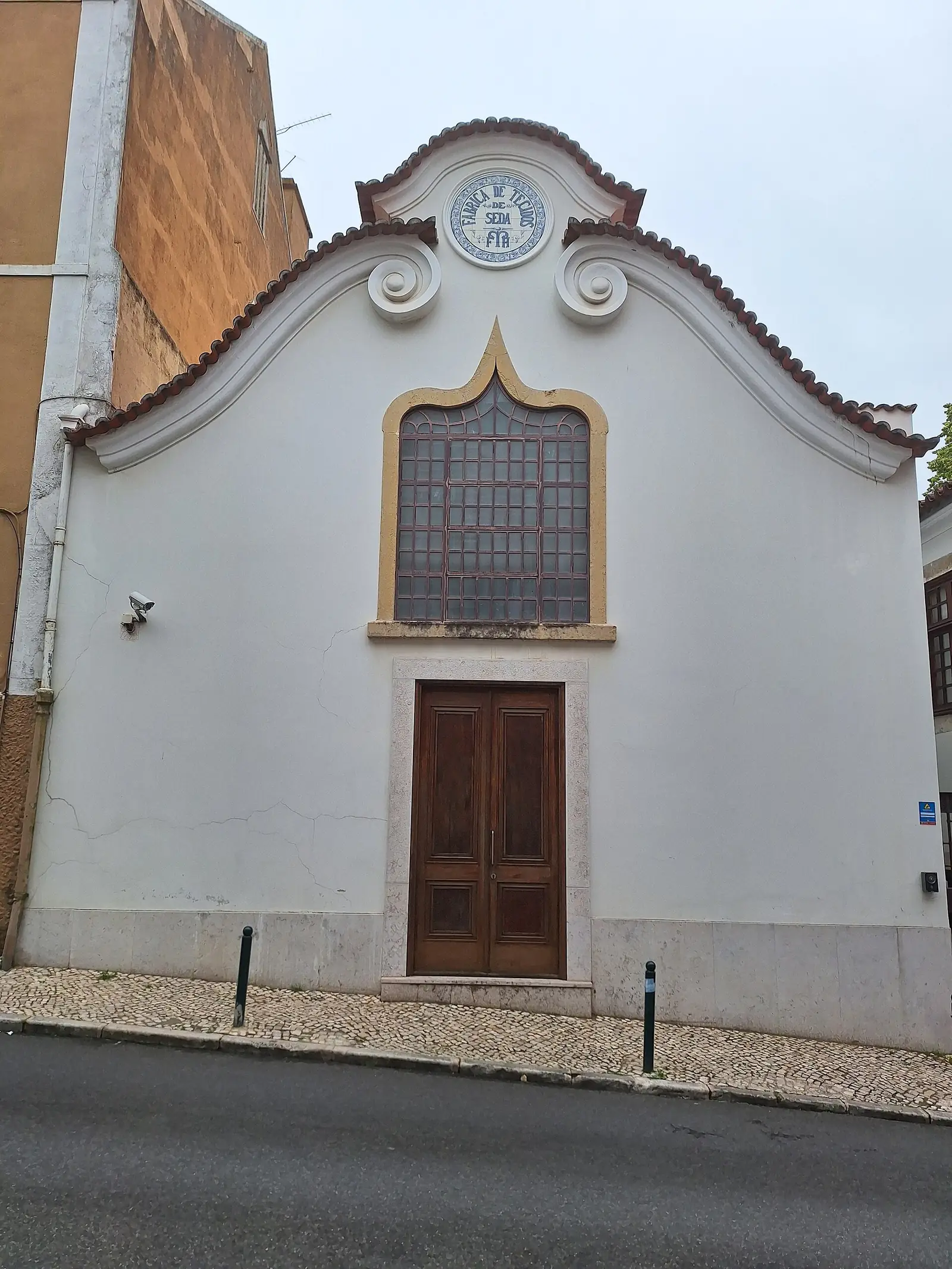
Last headquarters of the CNMP, closed by the police in 1947
470 m · 7 min on foot
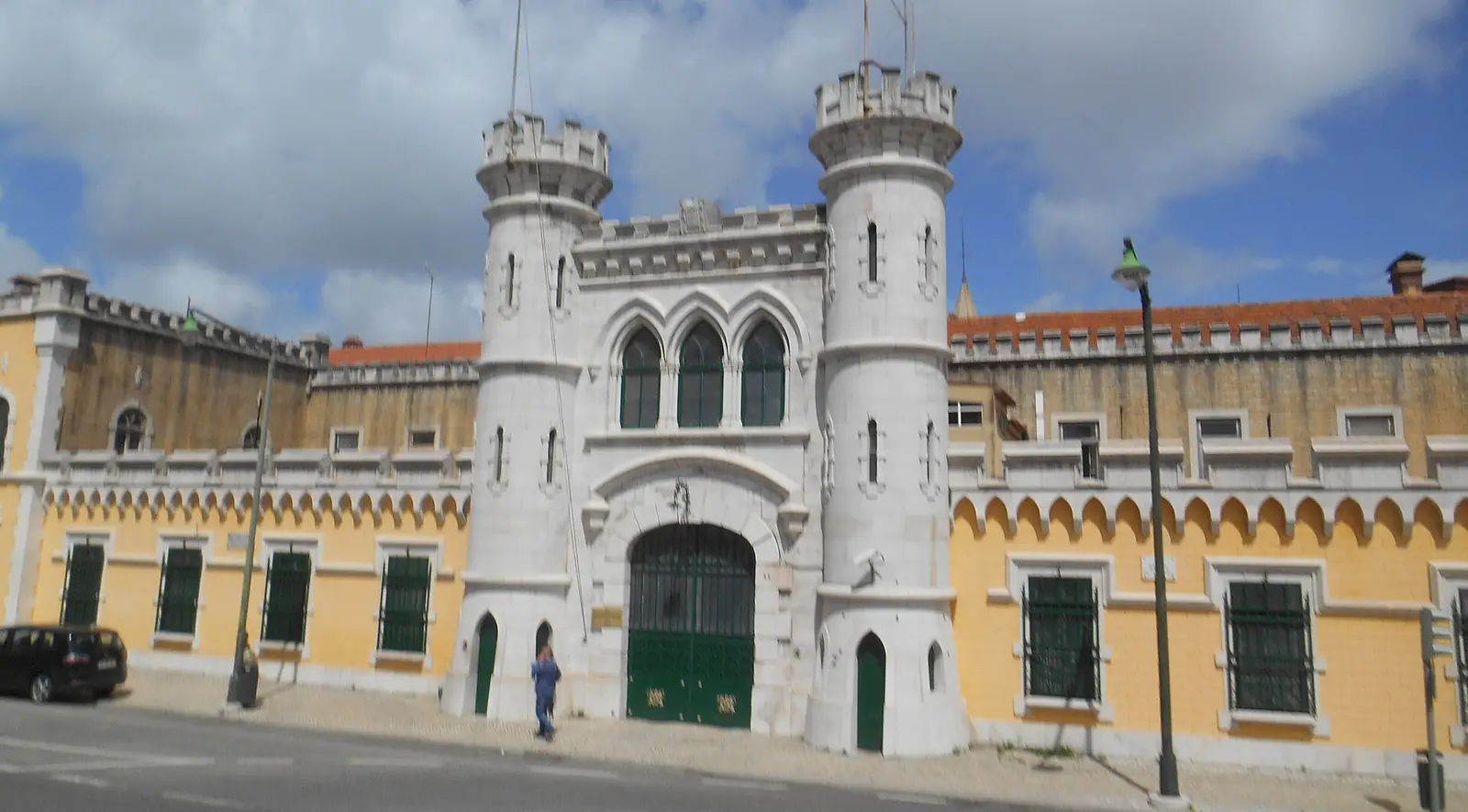
Lisbon Penitentiary
480 m · 7 min on foot


People


Dates
1885
A decree by King Luís authorises the creation of a girls’ liceu.
1906
The Liceu Maria Pia, the first girls’ liceu, is created.
24 December 1917
It becomes a central liceu, under the name Liceu de Almeida Garrett.
1928
Maria Guardiola becomes headmistress.
1933
The school moves to the building on Rua Rodrigo da Fonseca.
19 October 2020
The building is listed as a Monument of Public Interest.
Notes on the sources4
- The school’s addresses before 1933 (there are unconfirmed references to Largo do Contador-Mor, in Alfama, and to the Palácio Valadares, in Largo do Carmo).
- The succession of names: Domitila de Carvalho’s Wikipedia biography says that the Liceu Maria Pia became the Liceu de Almeida Garrett in 1917 and only later the Maria Amália Vaz de Carvalho; Maria Guardiola’s treats the Almeida Garrett and the Maria Amália as different schools.
- The day of its founding (23 February 1906, according to Wikipedia) and the dates of Domitila de Carvalho’s time as headmistress have only been read in Wikipedia.
- The relationship between the 1885 decree (FCSH+Lisboa) and the 1906 royal decree that established the school.
Do you know more, or do you have a document? Tell us.
Sources5
- 1Declarado interesse público do Liceu Maria Amália e da Confeitaria Nacional em Lisboa (19/10/2020). Visão / Lusa — consulted on 2 October 2026
- 2Um olhar sobre a participação feminina na Assembleia Nacional: a deputada Virgínia Faria Gersão (Faces de Eva, n.º 47). Susana Fontes e Sónia Coelho / Faces de Eva (SciELO Portugal) — consulted on 2 October 2026
- 3Domitila de Carvalho. Wikipédia (pt) — consulted on 2 October 2026
- 4Maria Baptista dos Santos Guardiola. Wikipédia (pt) — consulted on 2 October 2026
- 5Pioneirismo no feminino em ruas de Lisboa (17/1/2018). FCSH+Lisboa (NOVA FCSH) — consulted on 2 October 2026
Coordinates: OpenStreetMap (Nominatim), consultado a 2 de outubro de 2026.