Estrela (segundo o OpenStreetMap)
Alcântara Maritime Station
Opened in 1943 and painted by Almada Negreiros, it was the empire’s gateway for departures and arrivals: from here and from the neighbouring Rocha do Conde de Óbidos, soldiers left for the colonial war, and here, in 1975, the crates of those returning from Africa piled up.
History
The station was built to give Lisbon a quay fit for the great passenger liners. It was meant to be ready for the visitors to the Exhibition of the Portuguese World, in 1940, but it was only inaugurated on 17 July 1943, with the arrival of the Serpa Pinto and some 230 English refugees: in the early years of the Second World War, thousands of refugees waited on this quay for visas and for ships to take them out of Europe.123 It was designed by the architect Porfírio Pardal Monteiro.2
Almada Negreiros finished painting the walls of the hall in 1945. Instead of the heroes the dictatorship celebrated, he painted the poor people of the river — sailors, fishermen and the hard labour of the women coal-heavers on the quay — and the paintings made the authorities uneasy.45
From this quay settlers left for Angola and Mozambique, and to it came African students bound for the House of the Students of the Empire, as well as African women and men who came to work as maidservants and menservants in the homes of white employers.16 With the war, from 1961, the soldiers left from here and, above all, from the Rocha do Conde de Óbidos quay, a kilometre to the east.714 RTP filmed embarkations at the Alcântara quay in 1961, 1962 and 1964.8910
In 1975, as the colonies became independent, more than half a million people arrived from Africa, and the crates holding what they had been able to bring covered the quay for months.6 In October that year RTP filmed “retornados” (returnees) from Angola collecting their belongings at the Alcântara docks; in 1977 there were still crates stored on the quay.1112 The same port that saw the soldiers leave, writes the historian Cátia Antunes, saw the “retornados” and their belongings arrive, and these piled up there for many years.15 Today the station houses the Almada Murals Interpretation Centre (Centro Interpretativo Murais de Almada nas Gares Marítimas).13
Where
Map showing where Alcântara Maritime Station is.
Open on the map of Lisbon Walk there
Nearby
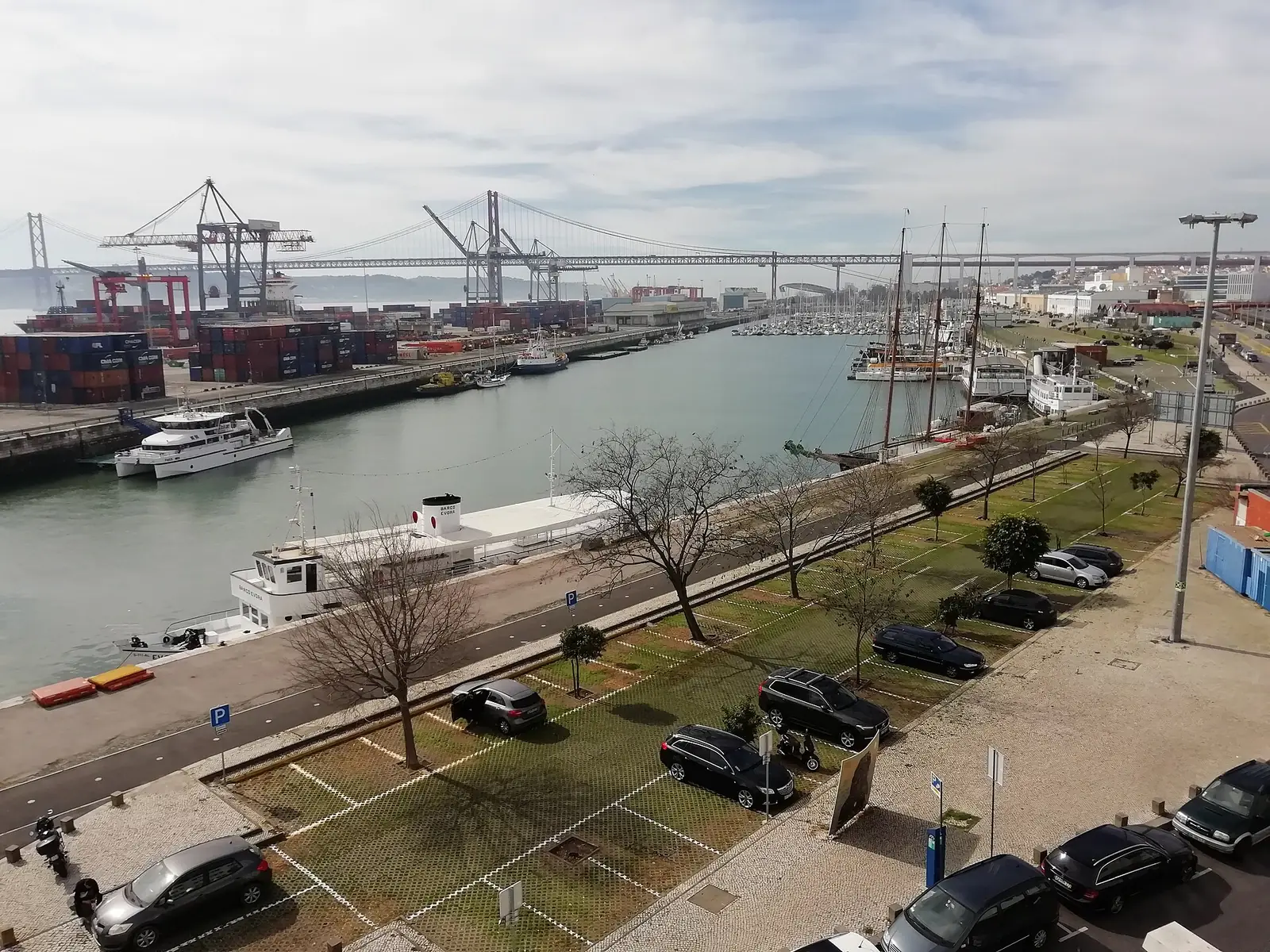
Doca de Alcântara (the attack on the freighter “Cunene”)
180 m · 3 min on foot
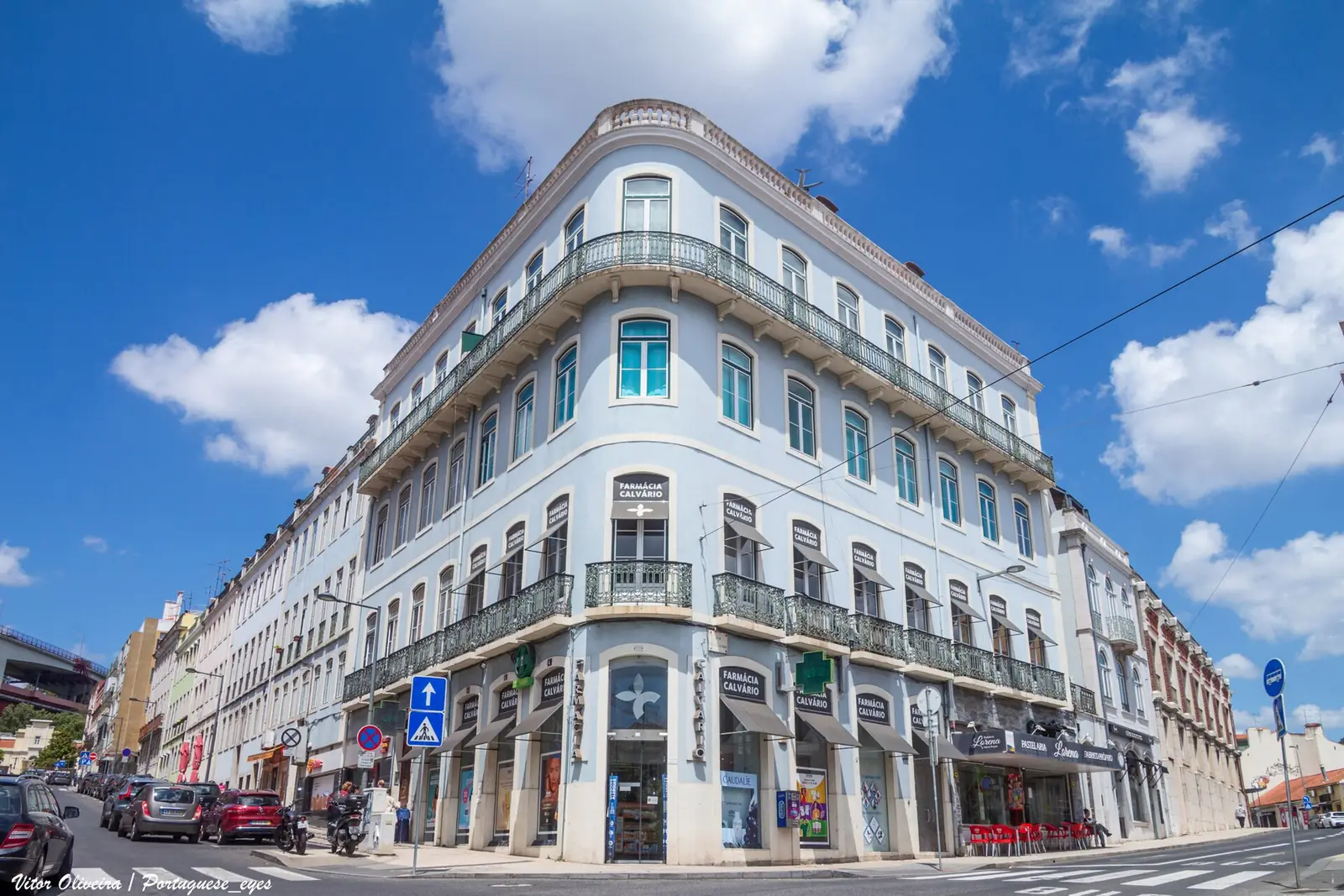
Rua da Creche (where José Dias Coelho was murdered)
730 m · 10 min on foot
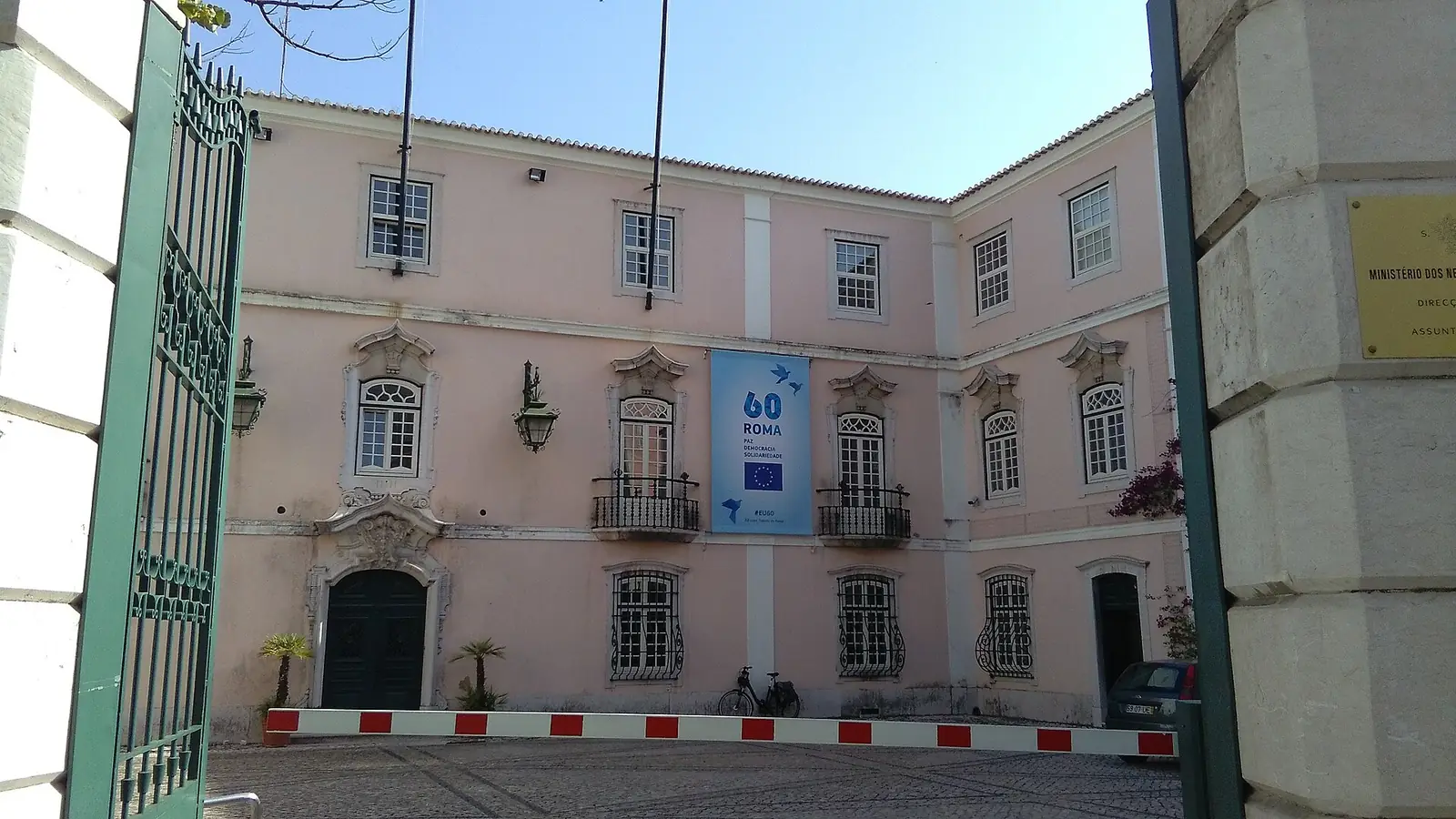
Palácio da Cova da Moura
880 m · 15 min on foot
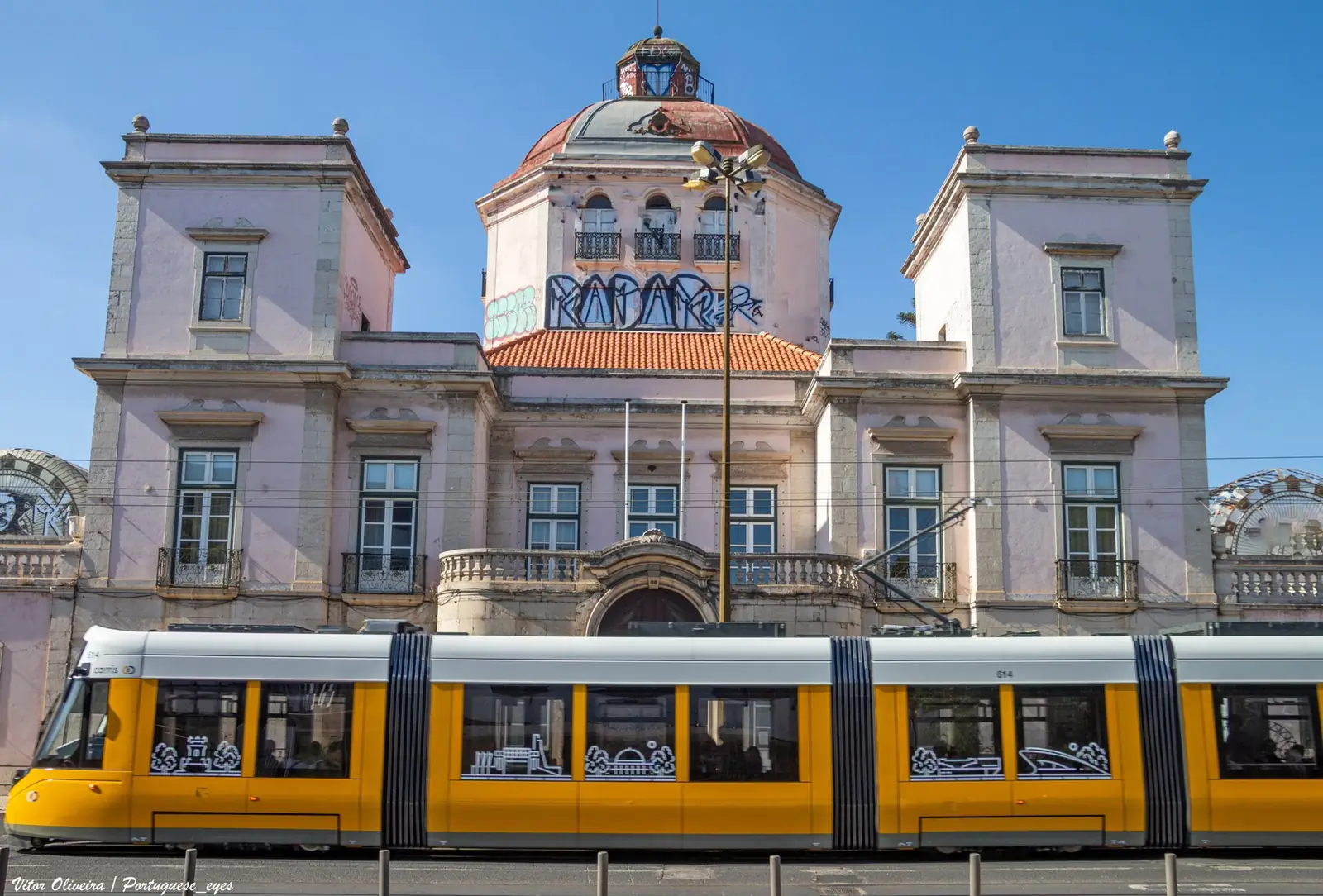
Palácio Burnay (Higher Institute of Social Sciences and Overseas Policy)
910 m · 15 min on foot


Dates
17 July 1943
The station is inaugurated, with the arrival of the “Serpa Pinto” and of refugees from the war.
1945
Almada Negreiros finishes the murals.
24 August 1961
RTP films troops embarking for the colonial war at the Alcântara quay.
16 July 1962
Troops embark on the “Niassa” at the Alcântara quay.
October 1975
“Retornados” (returnees) from Angola collect their belongings at the Alcântara docks.
September 1977
Crates belonging to “retornados” are still stored on the quay.
Aug 1975
The “air bridge” brings more than 228,000 people from Angola
Notes on the sources1
- In which years, besides those filmed by RTP (1961, 1962 and 1964), troops embarked at the Alcântara quay: the main point of departure was the Rocha do Conde de Óbidos quay.
Do you know more, or do you have a document? Tell us.
Sources15
- 1Cais. Centro Interpretativo Murais de Almada nas Gares Marítimas (Câmara Municipal de Lisboa, Administração do Porto de Lisboa) — consulted on 3 October 2026
- 2Passagens. Centro Interpretativo Murais de Almada nas Gares Marítimas (Câmara Municipal de Lisboa, Administração do Porto de Lisboa) — consulted on 3 October 2026
- 3Diz que disse (cronologia das pinturas murais das gares). Centro Interpretativo Murais de Almada nas Gares Marítimas (Câmara Municipal de Lisboa, Administração do Porto de Lisboa) — consulted on 3 October 2026
- 4O que contam as paredes. Centro Interpretativo Murais de Almada nas Gares Marítimas (Câmara Municipal de Lisboa, Administração do Porto de Lisboa) — consulted on 3 October 2026
- 5Gare Marítima de Alcântara (os murais). Centro Interpretativo Murais de Almada nas Gares Marítimas (Câmara Municipal de Lisboa, Administração do Porto de Lisboa) — consulted on 3 October 2026
- 6Chegadas. Centro Interpretativo Murais de Almada nas Gares Marítimas (Câmara Municipal de Lisboa, Administração do Porto de Lisboa) — consulted on 3 October 2026
- 7Partidas. Centro Interpretativo Murais de Almada nas Gares Marítimas (Câmara Municipal de Lisboa, Administração do Porto de Lisboa) — consulted on 3 October 2026
- 8Embarque das tropas para o Ultramar (Telejornal, 24 de agosto de 1961). RTP Arquivos, 1961 — consulted on 3 October 2026
- 9Embarque de tropas para o Ultramar (Noticiário Nacional, 16 de julho de 1962). RTP Arquivos, 1962 — consulted on 3 October 2026
- 10Embarque de tropas para o Ultramar (Noticiário Nacional, 8 de janeiro de 1964). RTP Arquivos, 1964 — consulted on 3 October 2026
- 11Retornados de Angola (Noticiário Nacional, 16 de outubro de 1975). RTP Arquivos, 1975 — consulted on 3 October 2026
- 12Caixotes de retornados em Lisboa (Noticiário Nacional, 20 de setembro de 1977). RTP Arquivos, 1977 — consulted on 3 October 2026
- 13Bilheteira (preços e horário). Centro Interpretativo Murais de Almada nas Gares Marítimas (Câmara Municipal de Lisboa, Administração do Porto de Lisboa) — consulted on 3 October 2026
- 14Partida de tropas para o Ultramar (Noticiário Nacional, 12 de janeiro de 1962). RTP Arquivos, 1962 — consulted on 3 October 2026
- 15Cátia Antunes, Porto de Lisboa. Centro de Estudos Sociais da Universidade de Coimbra — projeto ECHOES (exposição Lisboa) — consulted on 3 October 2026
Coordinates: OpenStreetMap (way 98960366), consultado a 3 de outubro de 2026.