Alcântara
Palácio Burnay (Higher Institute of Social Sciences and Overseas Policy)
Bought in 1940 by the Ministry of the Colonies, it housed the councils of the empire and, in 1962, the former Higher Colonial School, renamed the Higher Institute of Social Sciences and Overseas Policy: the school for the administrators of the colonies.
History
The palace, from the early 18th century and also known as the Palace of the Patriarchs (Palácio dos Patriarcas), was bought in 1940 by the Ministry of the Colonies, which installed here the Technical Council for Colonial Development, the Board of Geographical Missions, the Higher Inspectorate of Colonial Administration and the Council of the Colonial Empire.1 In 1952 it hosted the First National Congress of Tropical Medicine.2
In 1962 the school that trained the cadres of the colonial administration arrived. Founded in 1906 at the Geographical Society as the Colonial School, called the Higher Colonial School from 1926 and housed in the Palacete dos Anjos, in Príncipe Real, from 1933, it had become the Higher Institute of Overseas Studies in 1954. President Américo Tomás inaugurated it in this palace on 20 November 1962; four days later, it was called the Higher Institute of Social Sciences and Overseas Policy.3 One of the professors at the Higher Colonial School, António de Almeida, had in 1940, with Artur Ricardo Jorge, led the teams that measured the people put on display in the Colonial Garden.4
For the researcher Frederico Ágoas, the school’s changes of name, after the constitutional revision of the early 1950s had enshrined the “províncias ultramarinas” (overseas provinces), were above all an effort at “political cosmetics and propaganda” to defend the empire; the palace, which also housed the Overseas Council, became one of the places where many commonplaces were voiced about the “nature of the Portuguese” and their relationship with other peoples.1
In 1974 the institute dropped “Overseas Policy” (Política Ultramarina) from its name and became the Higher Institute of Social and Political Sciences.3 After the institute left, the palace was abandoned; in January 2024 the Government approved €16 million to restore it as the headquarters of Museus e Monumentos de Portugal.5
Where
Map showing where Palácio Burnay (Higher Institute of Social Sciences and Overseas Policy) is.
Open on the map of Lisbon Walk there
Nearby
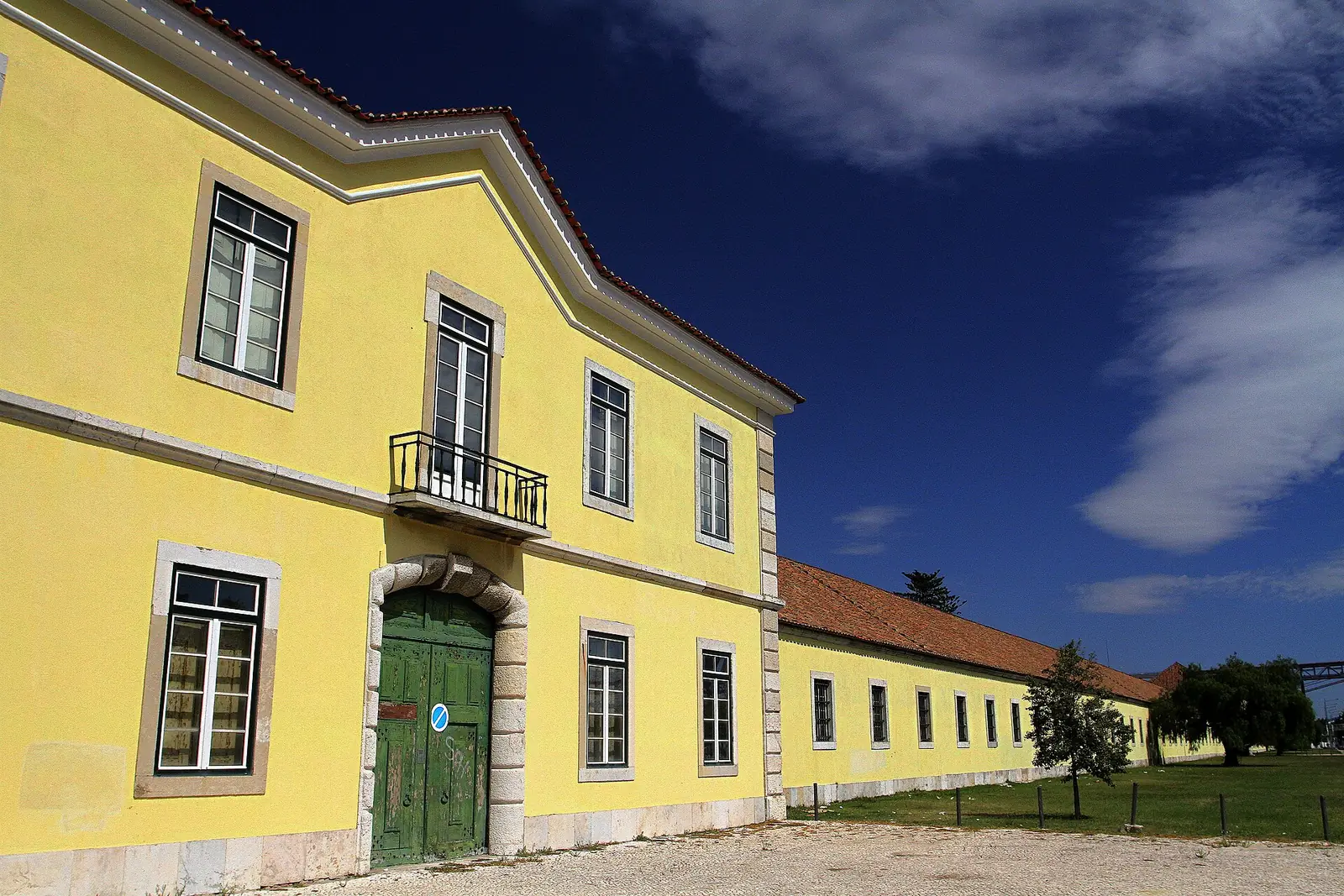
Cordoaria Nacional (Colonial Hospital and School of Tropical Medicine)
610 m · 9 min on foot
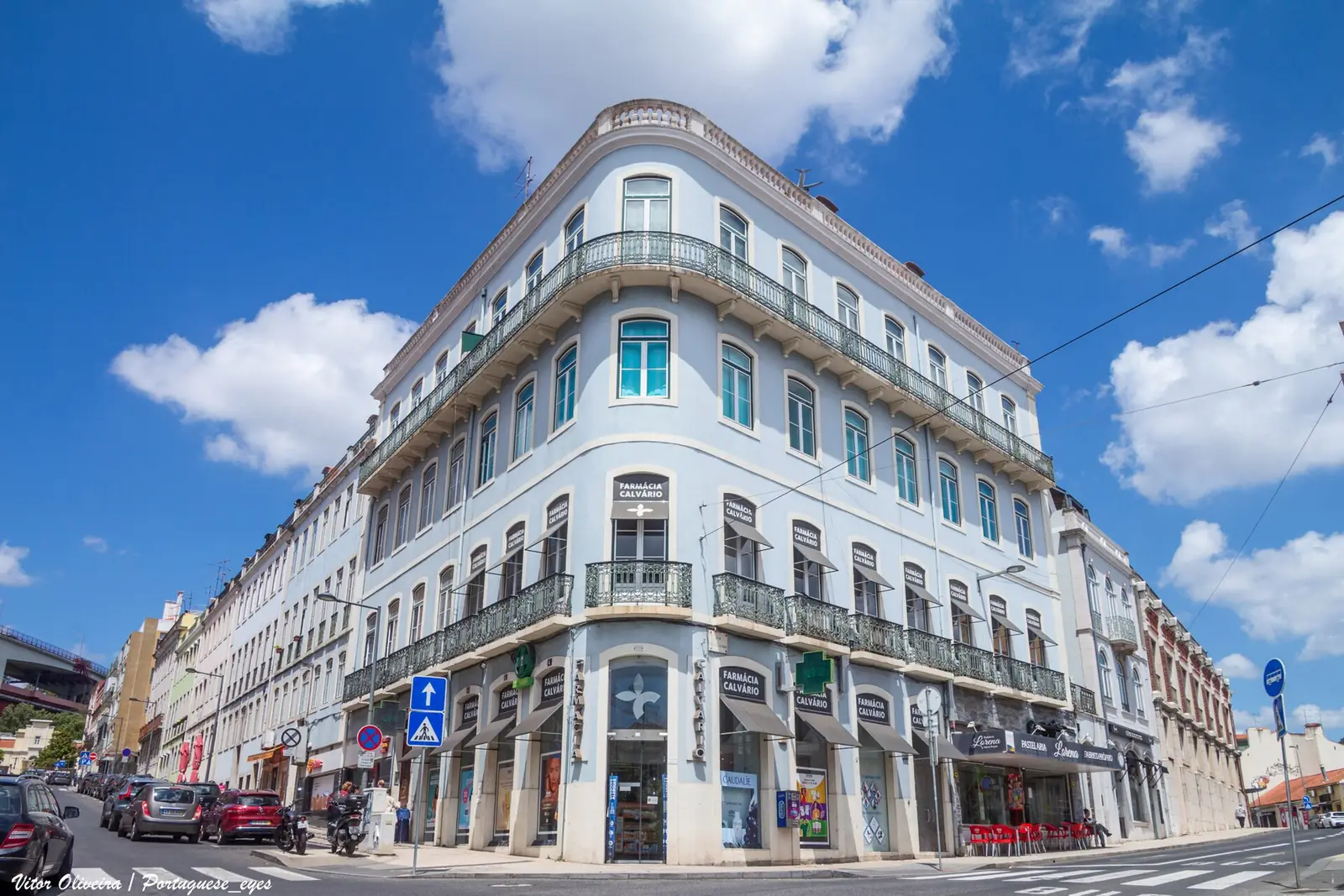
Rua da Creche (where José Dias Coelho was murdered)
870 m · 15 min on foot
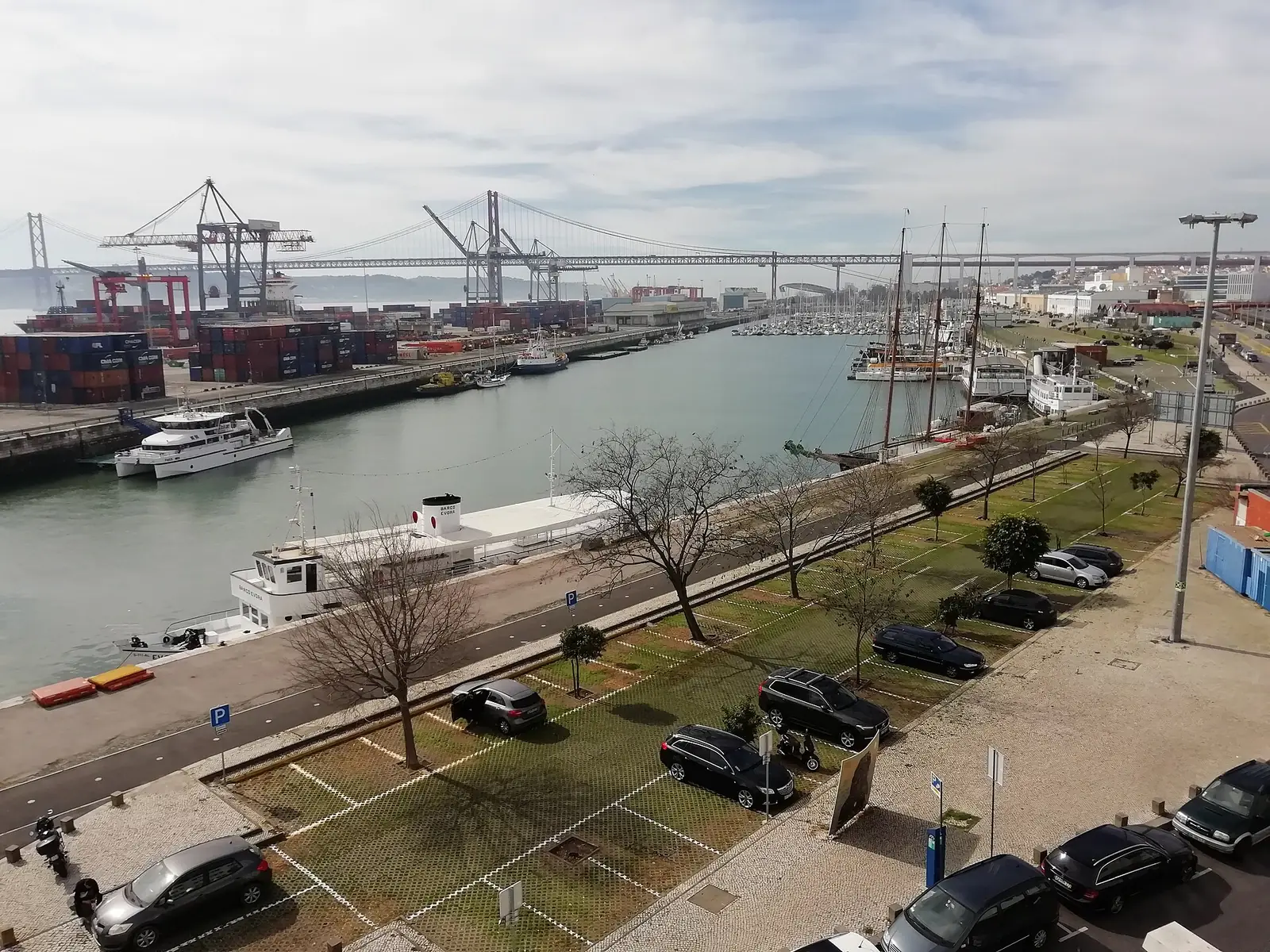
Doca de Alcântara (the attack on the freighter “Cunene”)
890 m · 15 min on foot
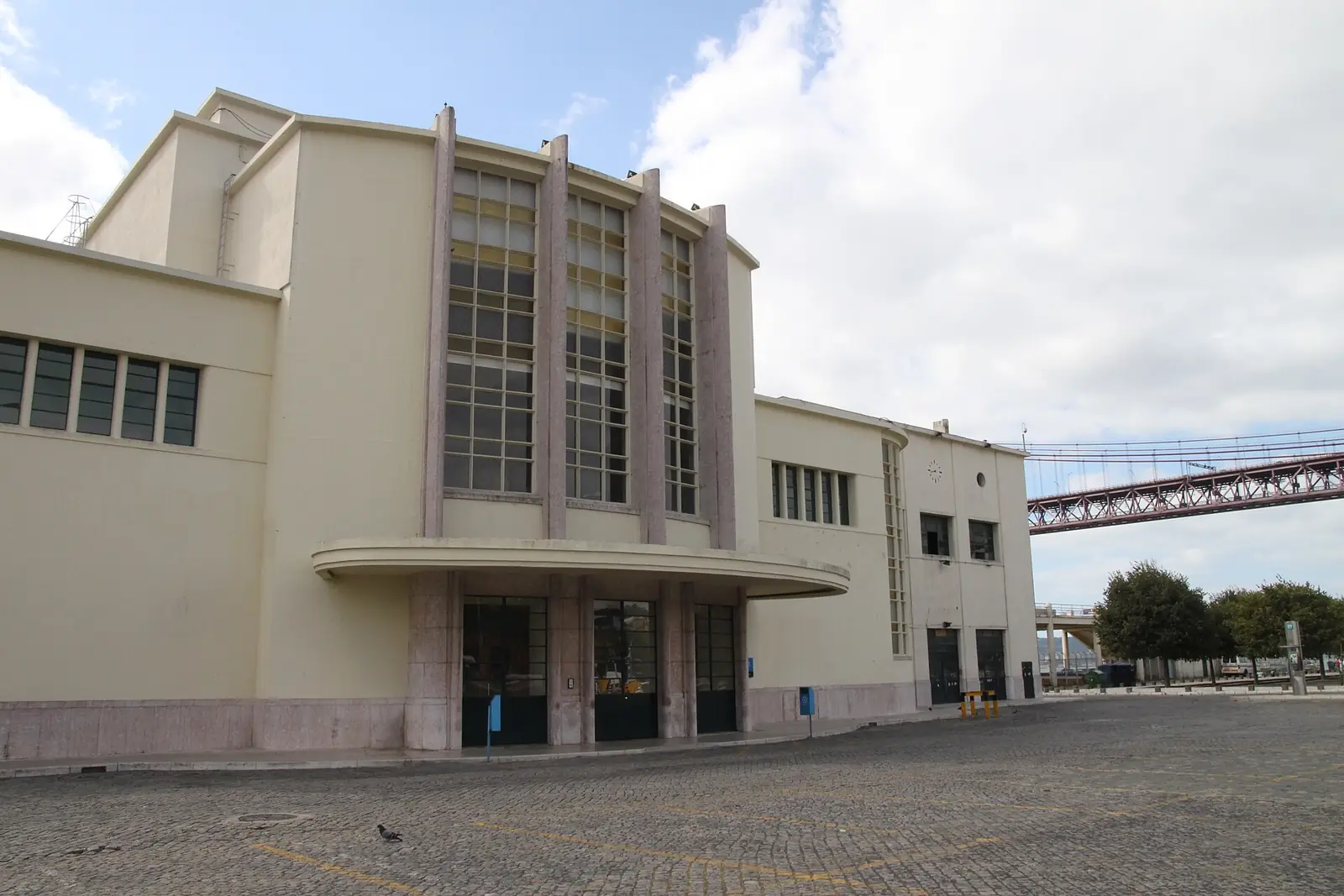
Alcântara Maritime Station
910 m · 15 min on foot


.jpg)
Dates
1940
The Ministry of the Colonies buys the palace.
1952
First National Congress of Tropical Medicine.
20 November 1962
Américo Tomás inaugurates the Higher Institute of Overseas Studies here.
24 November 1962
The institute becomes the Higher Institute of Social Sciences and Overseas Policy.
1974
It becomes the Higher Institute of Social and Political Sciences.
5 January 2024
The Government approves the restoration of the palace.
Notes on the sources2
- In which year the institute left the palace: the sources consulted do not say.
- Whether the restoration work announced in 2024 has begun.
Do you know more, or do you have a document? Tell us.
Sources5
- 1Frederico Ágoas, Palácio Burnay – ISCSP(U): ideologia e ciência no ensino colonial. Centro de Estudos Sociais da Universidade de Coimbra — projeto ECHOES (exposição Lisboa) — consulted on 3 October 2026
- 2Memórias do IHMT revisitadas nas coleções do Museu (1902-2022): 120 peças. Instituto de Higiene e Medicina Tropical — Universidade NOVA de Lisboa, 2022 — consulted on 3 October 2026
- 3Escola Colonial (1906-1974). Biblioteca Nacional de Portugal — TECOP, Textos e Contextos do Orientalismo Português — consulted on 3 October 2026
- 4Cláudia Castelo, Simulação e dissimulação do império colonial português em Belém, Lisboa (1940/2020): a secção colonial e o jardim botânico tropical. Anais do Museu Histórico Nacional (Rio de Janeiro), vol. 54, 2021 — consulted on 3 October 2026
- 5Governo aprova recuperação do Palácio Burnay e extensão do Museu de Arte Antiga. Cultura Portugal — Governo da República Portuguesa, 2024 — consulted on 3 October 2026
Coordinates: OpenStreetMap (relação 8316064), consultado a 3 de outubro de 2026.