Estrela (segundo o OpenStreetMap)
Doca de Alcântara (the attack on the freighter “Cunene”)
The first action of the ARA, the armed wing of the PCP: on the night of 26 October 1970, explosive charges blew a hole in the freighter “Cunene”, which carried weapons and supplies for the colonial war and was left “flooded and immobilised in the Alcântara dock”.
History
Armed Revolutionary Action (ARA) was the armed wing of the Portuguese Communist Party, active from 1970 to 1973, to fight against the colonial war, overthrow the dictatorship and win freedom. Its first action, studied and decided on in the central command by Jaime Serra, Francisco Miguel and Raimundo Narciso, targeted the freighter Cunene, which supplied the colonial troops with weapons and other goods.1 Among the group that set up the ARA, in 1970, was Maria Machado, who took part in preparing several actions; the Aljube Museum does not say which.3
Jaime Serra, of the central command, told the story of the operation in a book published in 1999. Gabriel Pedro — an old communist activist who had spent years in prison at Tarrafal and had come back clandestinely from France — took a boat out of the Poço do Bispo dock; with Carlos Coutinho, who was in charge of the action, he rowed for hours down the river, with fishing tackle as a disguise, evading a Maritime Police launch. Alongside the Cunene, they attached to the hull, half a metre below the waterline, two magnetic charges set to go off at four in the morning, and got away by jumping from boat to boat to the quay.4 Serra places the ship at the Rocha do Conde de Óbidos quay; O Século of 27 October, which he himself quotes, says it was “moored at the north wall of the Alcântara dock” — the location also given by the ARA communiqué, and the one followed here. According to Wikipedia, the original target was the liner Vera Cruz, which Serra does not mention.42
The ARA communiqué, dated 26 October, announced that the 16,000-ton Cunene, “used to feed the colonial war”, had been left “flooded and immobilised in the Alcântara dock, in Lisbon, with a large hole”.12 The next day, the newspapers reported the explosions: according to O Século (The Century), the first came before five in the morning and the second a few minutes later, and they woke thousands of people in Alcântara; the crew managed to pump out the water with the ship’s own pumps.4 The captain put them down to “a diesel pipe or gases in the hold”.2
Other actions followed: the destruction, in the port of Lisbon, of equipment bound for the colonial army; that of the cultural centre of the United States embassy; that of the helicopter fleet at the Tancos air base; the cutting of radio-telegraph and telephone communications; and the destruction of part of the NATO headquarters in Oeiras.1
Where
Map showing where Doca de Alcântara (the attack on the freighter “Cunene”) is.
Open on the map of Lisbon Walk there
Nearby
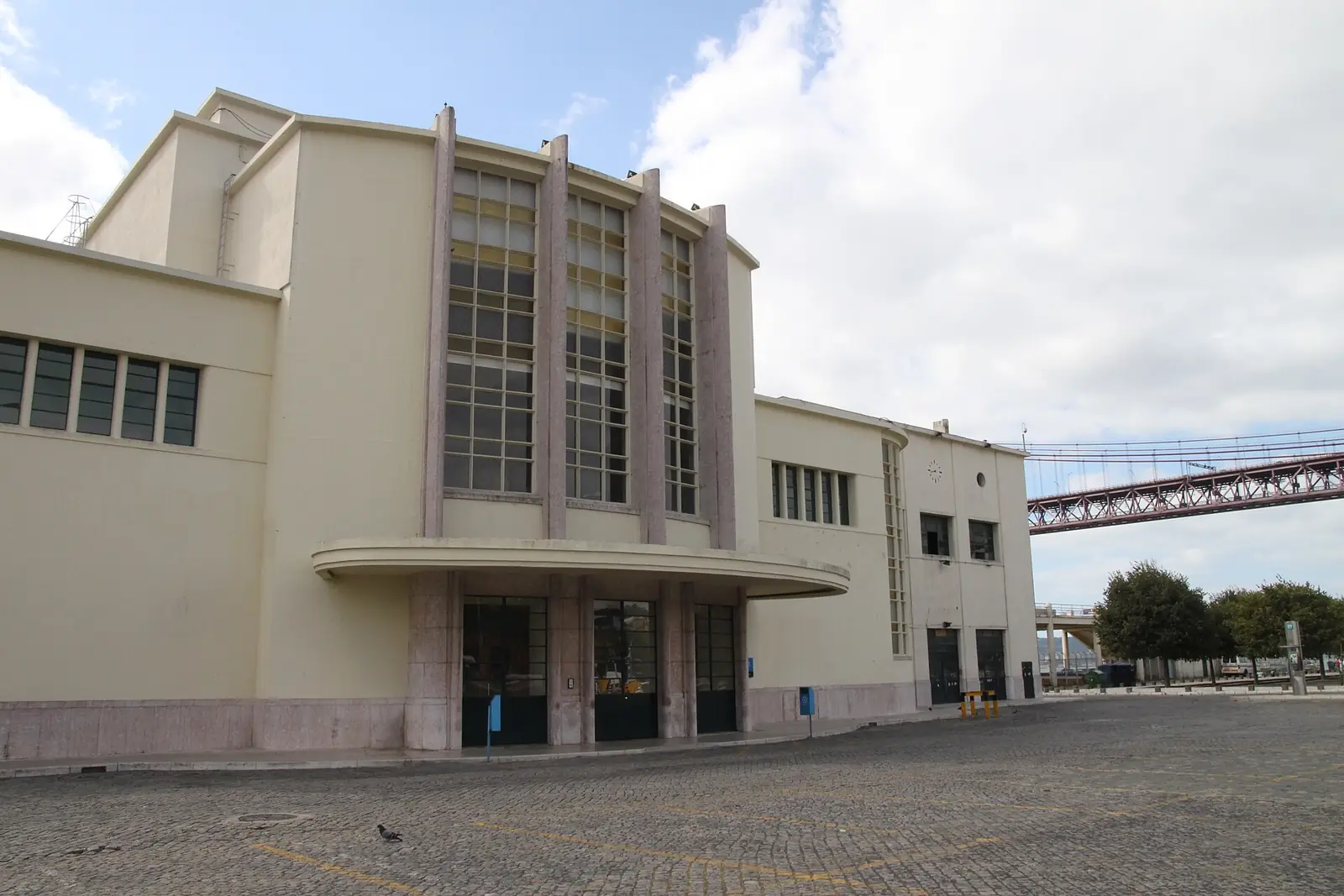
Alcântara Maritime Station
180 m · 3 min on foot
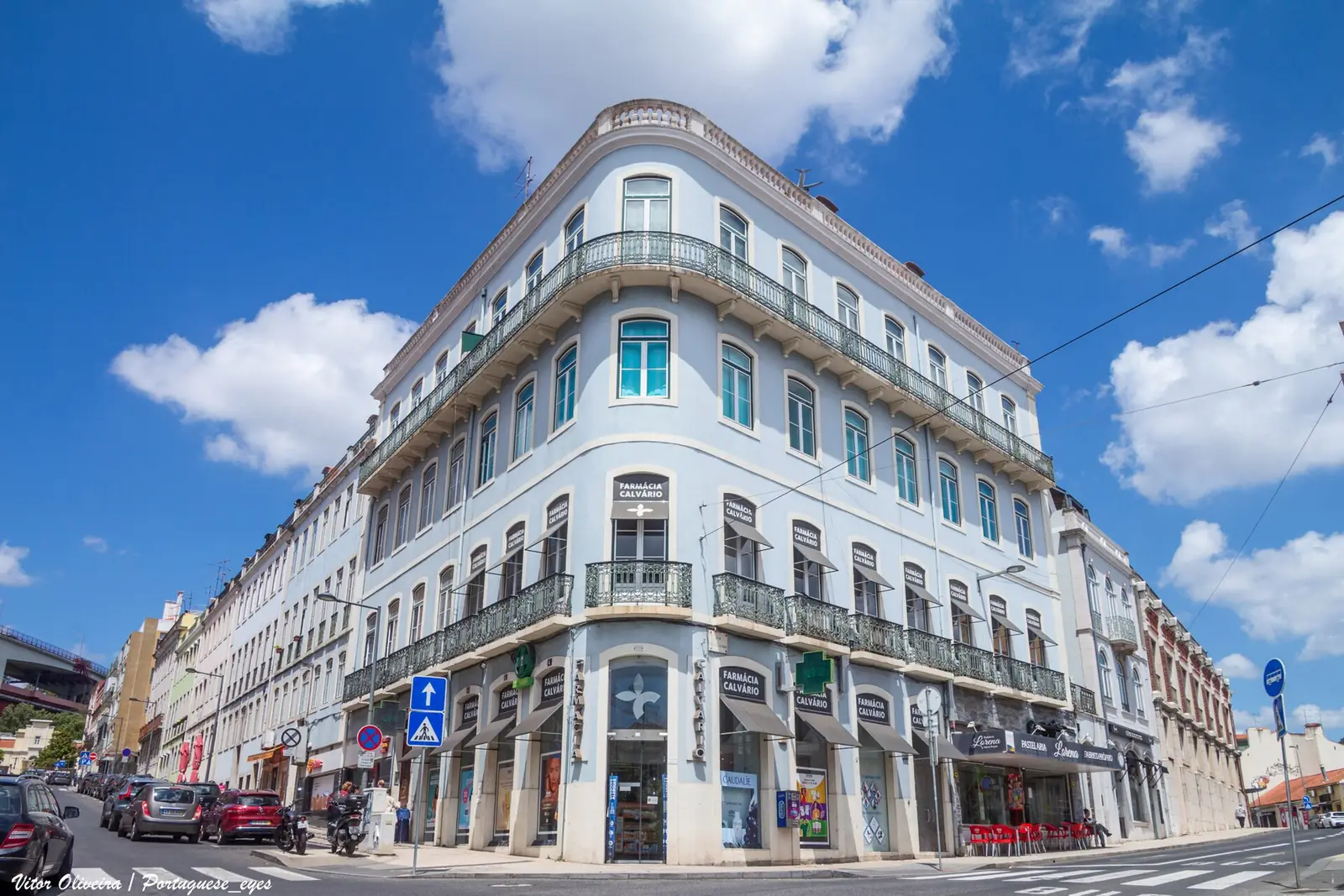
Rua da Creche (where José Dias Coelho was murdered)
560 m · 8 min on foot
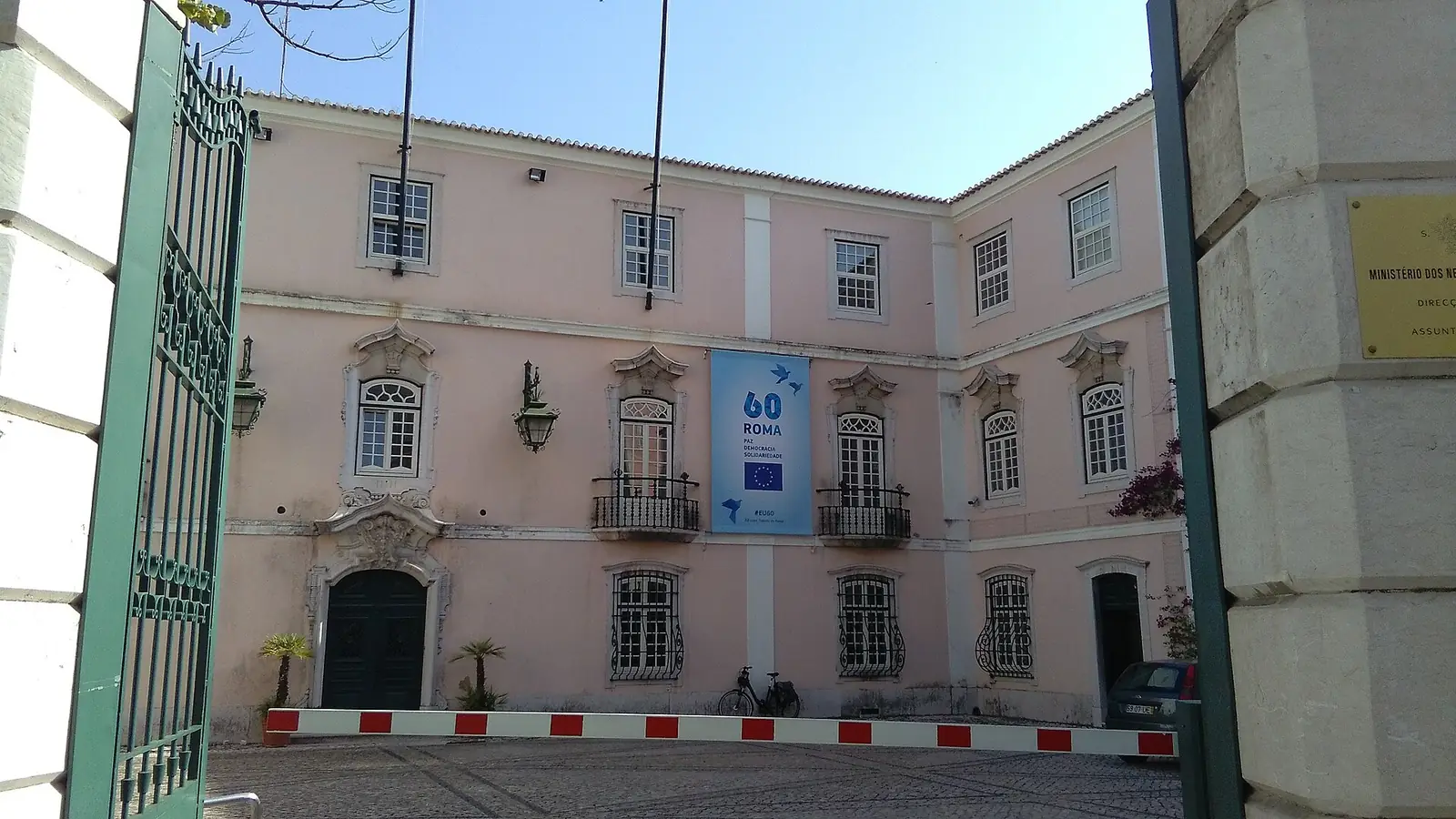
Palácio da Cova da Moura
770 m · 10 min on foot
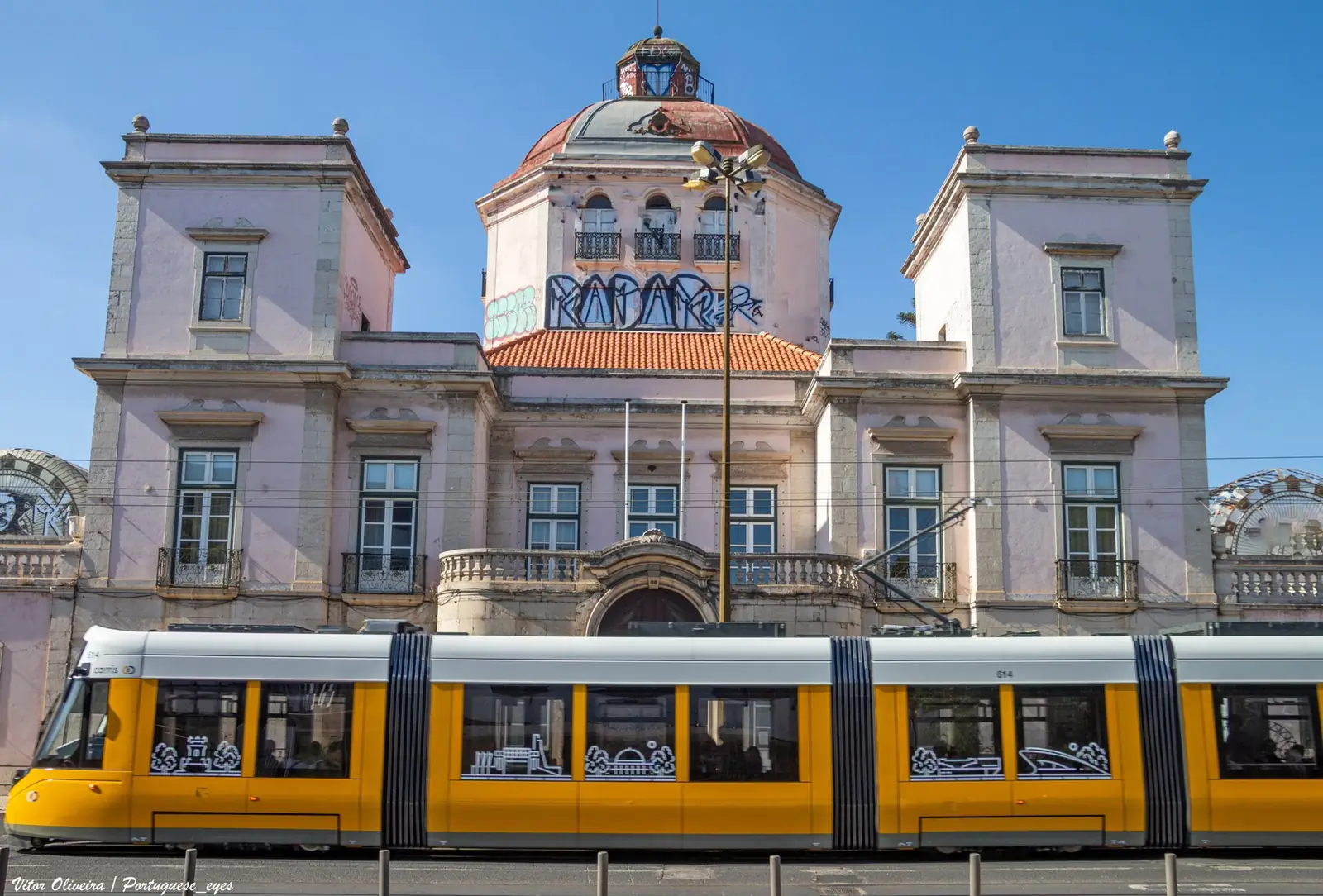
Palácio Burnay (Higher Institute of Social Sciences and Overseas Policy)
890 m · 15 min on foot


Dates
26 October 1970
The ARA attacks the freighter “Cunene”; the communiqué claiming the action bears this date.
Videos
Raimundo Narciso, who with Jaime Serra and Francisco Miguel decided, in the central command of the Armed Revolutionary Action (ARA), on the attack on the “Cunene”, in an excerpt from the testimony the Aljube Museum recorded on 25 April 2016. Going by the museum’s keywords, he talks about his family, the Portuguese Communist Party (PCP), the armed struggle and the sabotage of the ship; the full version is in the museum’s documentation centre.
Original page Licença padrão do YouTube — embed permitido pelo canal oficial do Museu do Aljube
Museu do Aljube Resistência e Liberdade, on YouTube. The player only connects to that site when you press “Watch”.
Maria Machado’s testimony, recorded by the Aljube Museum on 21 October 2020. Going by the museum’s keywords, she talks about life underground and the clandestine houses of the Portuguese Communist Party (PCP), her family, women, and the Armed Revolutionary Action (ARA), whose founding group she belonged to.
Original page Licença padrão do YouTube — embed permitido pelo canal oficial do Museu do Aljube
Museu do Aljube Resistência e Liberdade, on YouTube. The player only connects to that site when you press “Watch”.
In other archives
These can only be viewed on each archive’s own website.
- RTP Arquivos · Video · broadcast on 12 January 1972 · 5 minDestruição de material de guerra em LisboaSilent black-and-white footage from the National Newsreel: at the Doca de Alcântara, an explosion followed by a fire destroyed war material that had come from France and was to go to the colonial war on the ship “Muxima”, in an action attributed to the Armed Revolutionary Action (ARA). Firefighters and dock workers are seen in the building of the Companhia Nacional de Carregadores Açorianos, completely destroyed, with burnt furniture and weapons.Open in the archive
- RTP Arquivos · Video · broadcast on 12 April 1999 · 29 minEntrevista a Jaime SerraIn the RTP 2 series “Portugalmente”, the journalist Bruno Dias interviews Jaime Serra, a leader of the ARA, who talks about joining the Portuguese Communist Party (PCP), his imprisonments, life underground, the interrogations and the Armed Revolutionary Action. Serra was in the central command that decided on the ARA’s first action, against the “Cunene”; the programme opens with pages of “Avante!” reporting the organisation’s actions.Open in the archive
Notes on the sources1
- Whether the liner “Vera Cruz” was the original target, and the “Cunene” captain’s remark about “a diesel pipe”, have only been read in Wikipedia; Jaime Serra’s account does not mention them.
Do you know more, or do you have a document? Tell us.
Sources4
- 1Primeira ação da Acção Revolucionária Armada (ARA). Museu do Aljube Resistência e Liberdade (EGEAC) — consulted on 2 October 2026
- 2Ação Revolucionária Armada. Wikipédia — consulted on 2 October 2026
- 3Maria Machado (testemunho e biografia). Museu do Aljube Resistência e Liberdade (EGEAC) — consulted on 3 October 2026Testemunho recolhido a 21 de outubro de 2020.
- 4Jaime Serra, As acções da ARA e a sua repercussão política (do cap. IV de «As explosões que abalaram o fascismo», Edições Avante!, 1999). O Militante, n.º 240 (maio–junho de 1999), Partido Comunista Português, 1999 — consulted on 4 October 2026Relato de um dos membros do comando central da ARA — Gabriel Pedro e Carlos Coutinho saíram num bote da doca do Poço do Bispo e puseram no «Cunene» (que Serra situa no cais da Rocha do Conde de Óbidos) duas cargas magnéticas para as 4h00; cita «O Século» de 27/10/1970, que dá o navio «atracado na muralha norte da doca de Alcântara» e a primeira explosão antes das cinco.
Coordinates: OpenStreetMap (Nominatim), consultado a 2 de outubro de 2026.